You’ve probably sat across the room from your cat and wondered, with genuine curiosity, what on earth is going on inside that fluffy head. Your cat stares at you. The tail moves. Slowly. Then faster. Are they happy? Irritated? Planning something suspicious? Honestly, it can feel like trying to decode a foreign language with no dictionary.
Here’s what most people don’t realize: your cat is always talking. Not with meows, not with purrs – but with that long, expressive tail swishing behind them like a living mood ring. Every flick, curl, and twitch is loaded with meaning, and once you learn to read it, you’ll never look at your cat the same way again. Let’s dive in.
Why the Tail Is Your Cat’s Most Honest Body Part
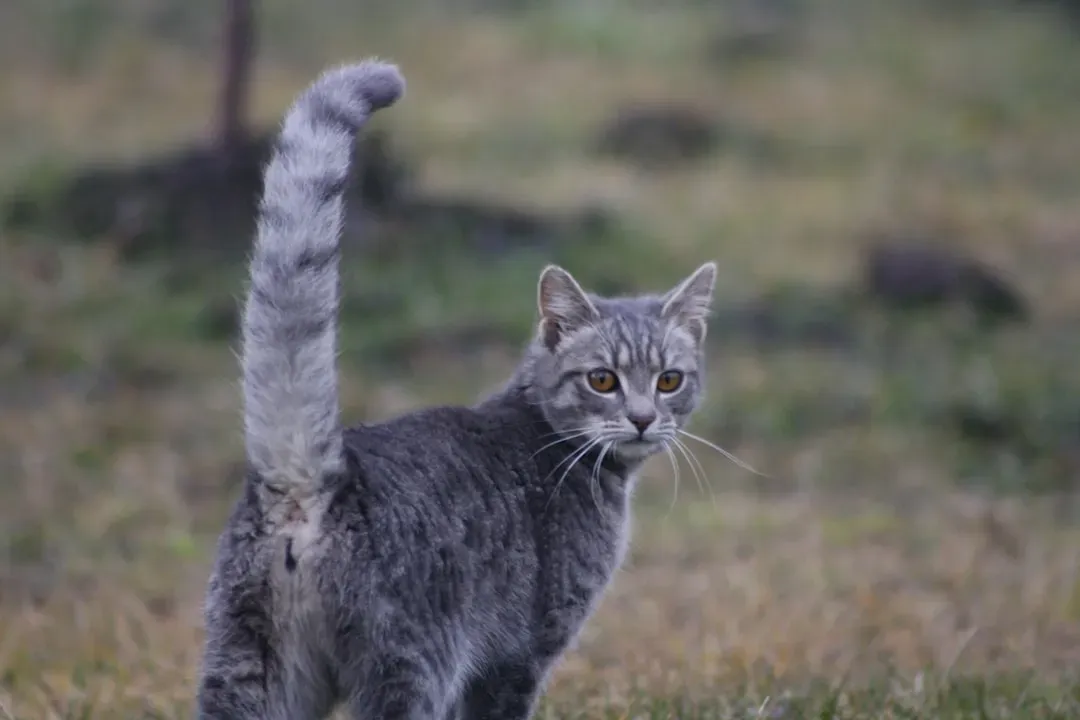
Think of a cat’s tail as the world’s most transparent emotional display panel. Your feline friend doesn’t communicate with you solely through vocalizations like meows and purrs – a cat’s tail holds a complex language all its own. Every movement means something specific, and unlike humans who can plaster on a polite smile, your cat can’t exactly fake what that tail is doing.
The tail is an extension of the spine, and in cats, the spine continues backward for another 18 to 23 small bones. The average female cat’s tail measures about 10 inches, and the average male cat’s tail measures roughly 11 inches, with larger breeds like Maine Coons having tails up to 16 inches long. That’s a lot of expressive real estate right there.
Most movement is voluntary, but some aspects of a cat’s tail body language are actually involuntary. For example, the cat’s tail puffing out is caused by the sympathetic nervous system and is completely involuntary. So when your cat puffs up, they literally cannot help it – that’s about as raw and honest as communication gets.
The High, Upright Tail: Your Cat Is Basically Waving Hello
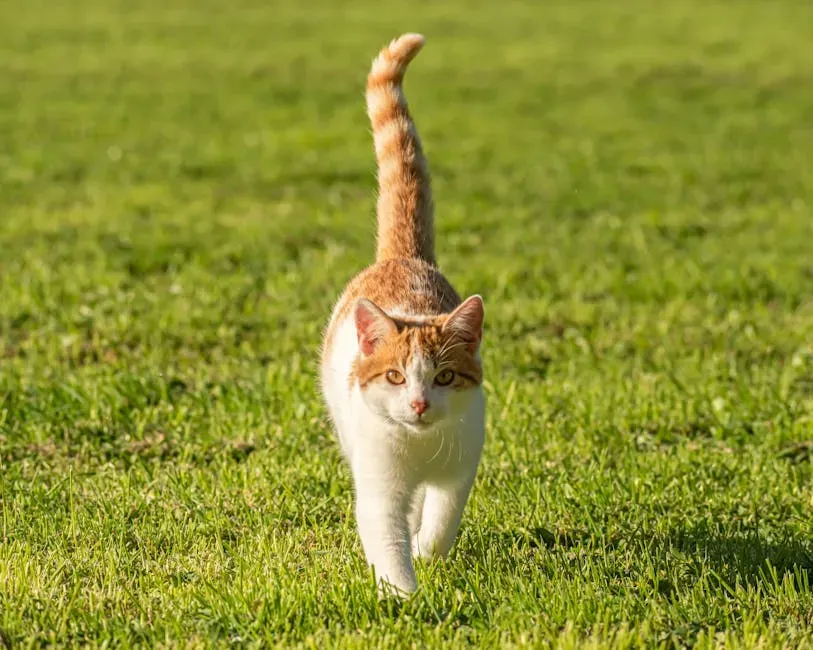
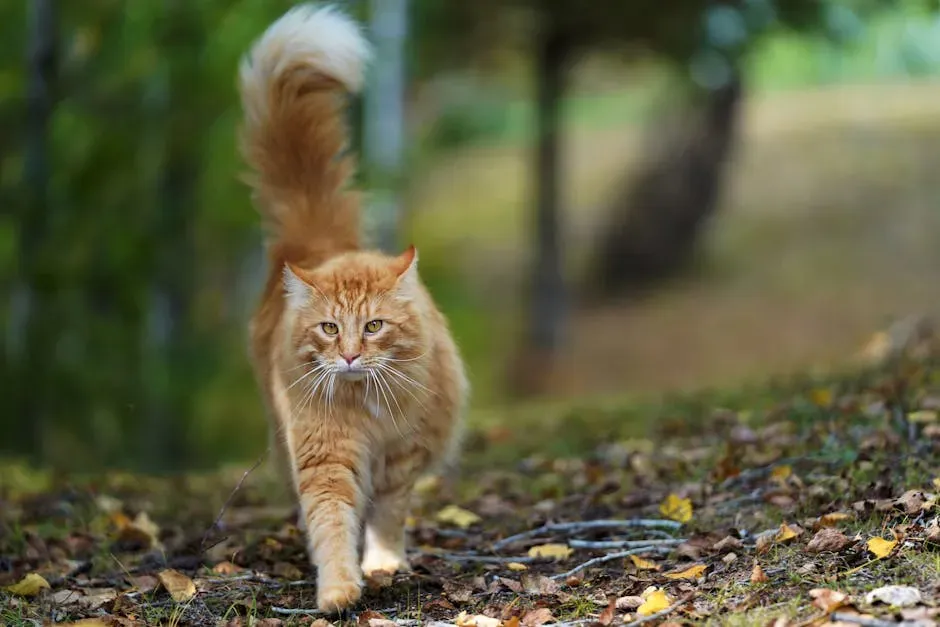
When your cat holds their tail high in the air as they move about their territory, they’re expressing confidence and contentment. A tail that sticks straight up signals happiness and a willingness to be friendly. Think of it like a human walking into a room with their head held high and a big grin. It’s a green light. Your cat wants to engage.
When a cat’s tail is upright, they are feeling social and confident, and are approaching in a friendly manner. This tail language indicates a friendly greeting between cats – and it’s actually how kittens greet their mothers. So when your cat strolls toward you with that flag raised high, you’re basically getting the same greeting that a kitten reserves for mom. I think that’s genuinely sweet.
The Question Mark Tail: An Invitation You Shouldn’t Ignore
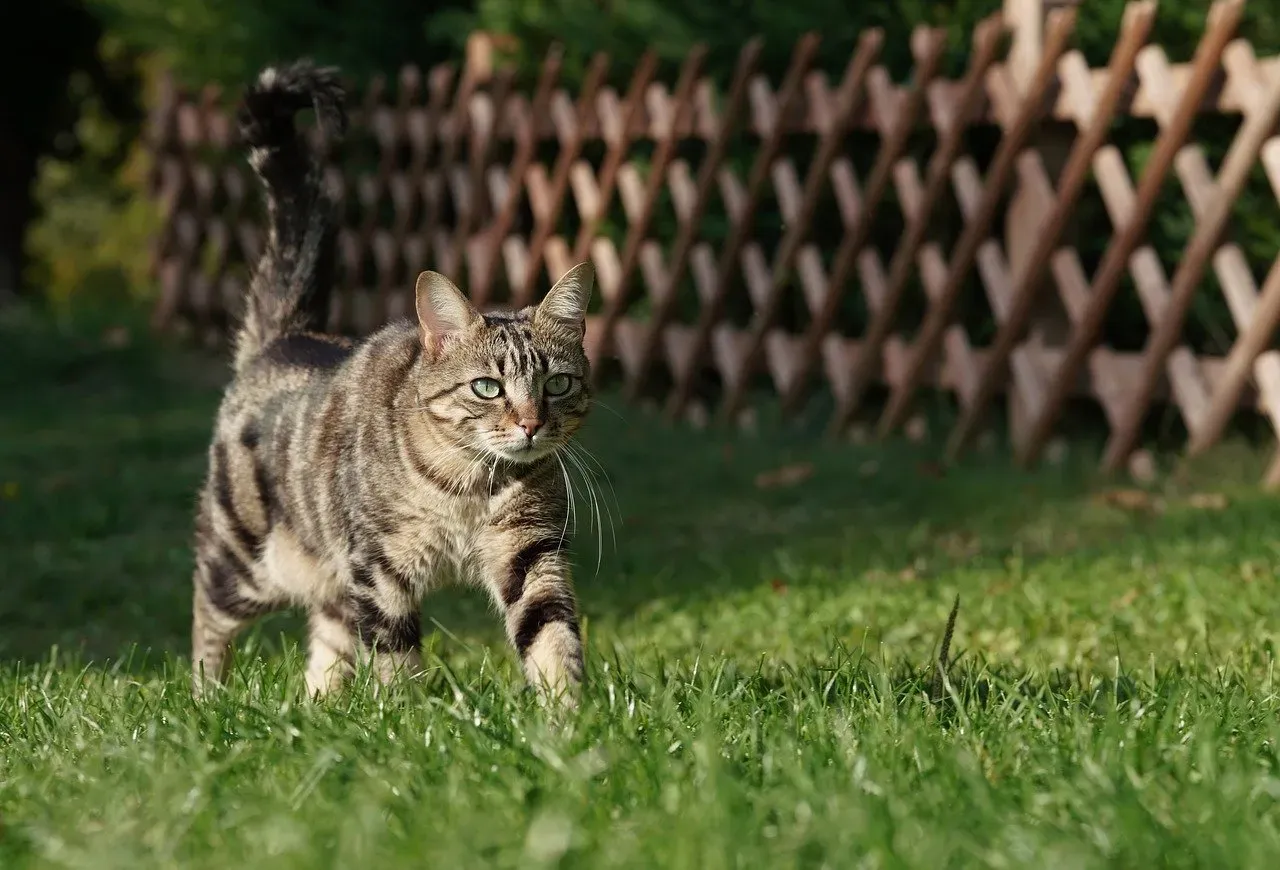
When a cat bends its tail in the shape of a question mark, this is good news – especially if you have a few minutes to spare and some cat toys at the ready. That’s because the question mark tail position is a cat’s way of asking, “Would you like to play?” It’s like your cat is literally punctuating their request with a giant curvy billboard.
A tail in the shape of a question mark is often a subject of cartoons and humorous musings about cats. The question mark isn’t about confusion but instead is an invitation to play or interact. Perhaps your kitty is suggesting they’re open to whatever you want to do, kind of like a dealer’s choice. So if you’re looking for the perfect moment to bond with your cat, a question mark tail is your golden ticket.
The Slow Swish: Focused, Not Friendly
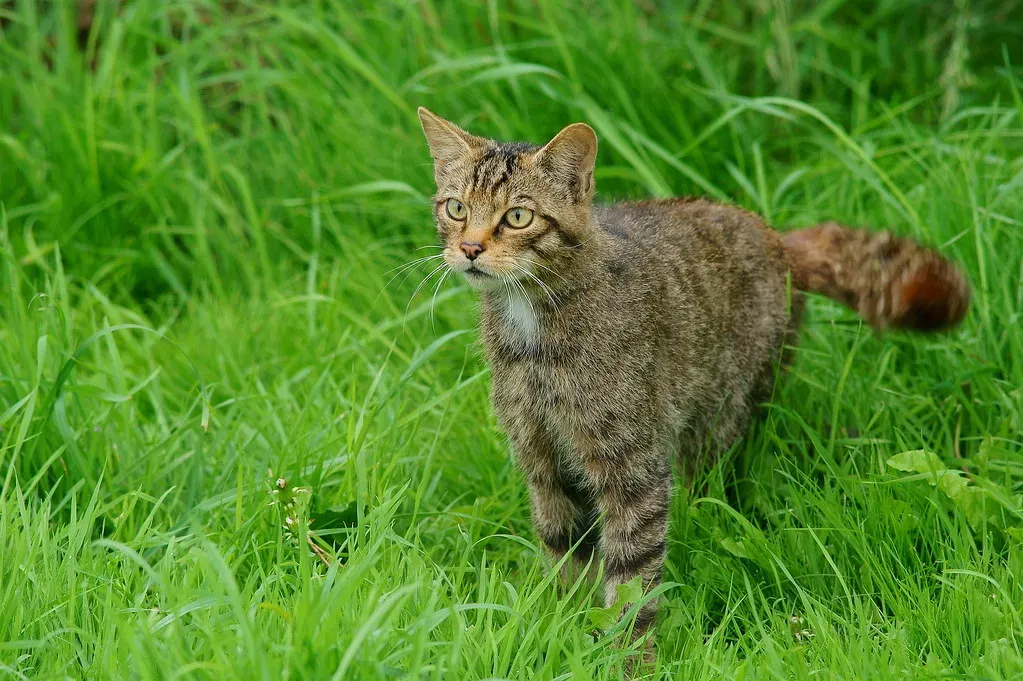
When your cat slowly swishes their tail from side to side, they may be intently focused on something like a toy, another animal in the home, or something outside. They may be about to pounce! Engaging in predatory behavior like stalking and pouncing is good enrichment for your cat, so let them continue to engage in whatever is captivating their attention. Basically, they’re in the zone. Don’t interrupt the mission.
When a cat’s tail is in motion and looks fluid and soft, it’s “swishing.” Generally, this indicates a cat who’s relaxed or calmly interested in what’s happening. The key word here is “slowly.” Speed matters enormously with cat tail movement, and a gentle, unhurried swish is a world apart from a rapid thrash. Pay attention to the pace – it’s everything.
The Thrashing, Lashing Tail: Back Off. Seriously.
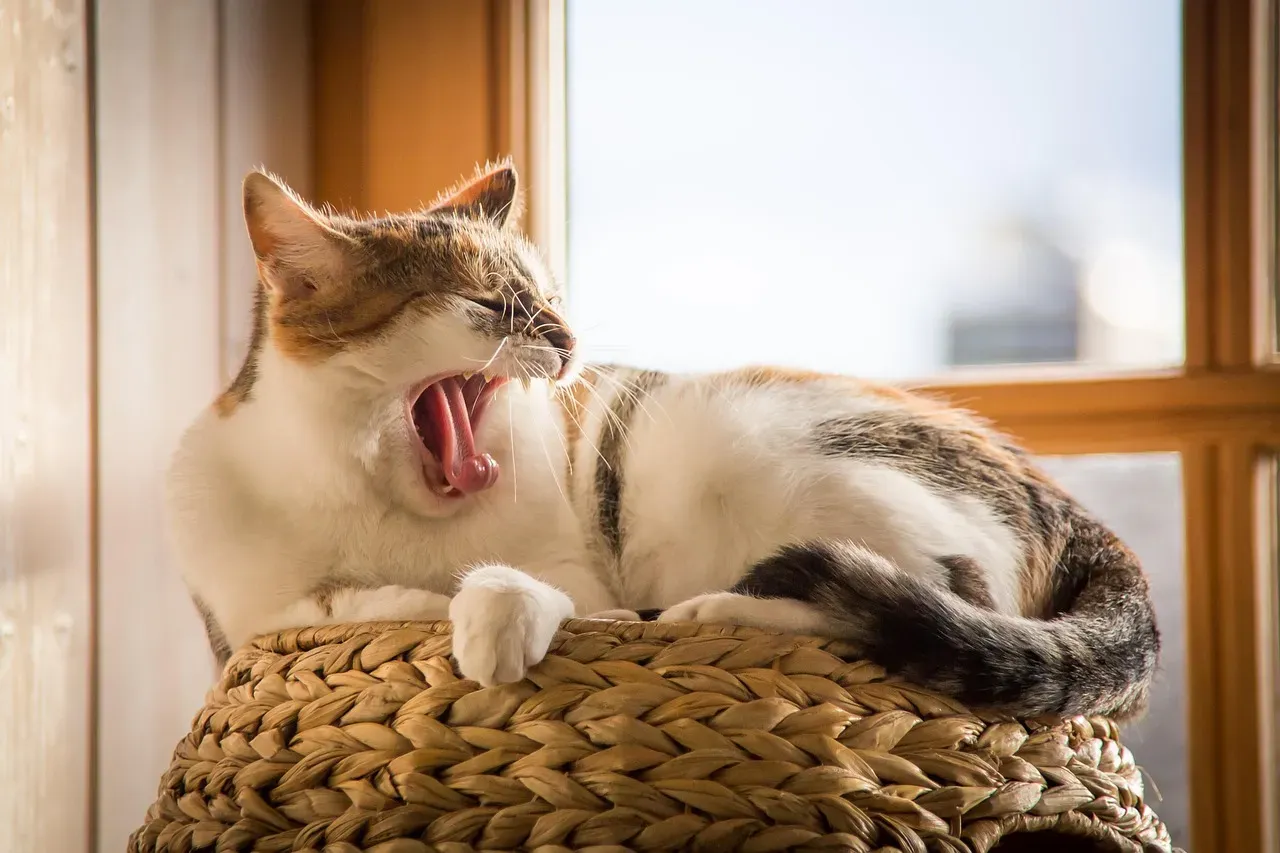
Unlike a slowly swaying tail, when your cat thrashes their tail back and forth, you’ve got an annoyed and angry cat on your hands, and it may be about to become aggressive. If you’ve been petting your cat and suddenly notice that tail whipping around like a warning siren, it’s time to stop whatever you’re doing. No questions asked.
A lashing or swishing tail is similar to a wagging tail, but with more speed and strength, like a whip. This indicates a higher level of emotion, and a prelude to more dramatic action. It also acts as a warning to other cats and people not to come any closer. Let’s be real – your cat is giving you every warning they possibly can before they resort to teeth and claws. The least you can do is listen.
The Puffed-Up Tail: Pure Fear in Fluffy Form
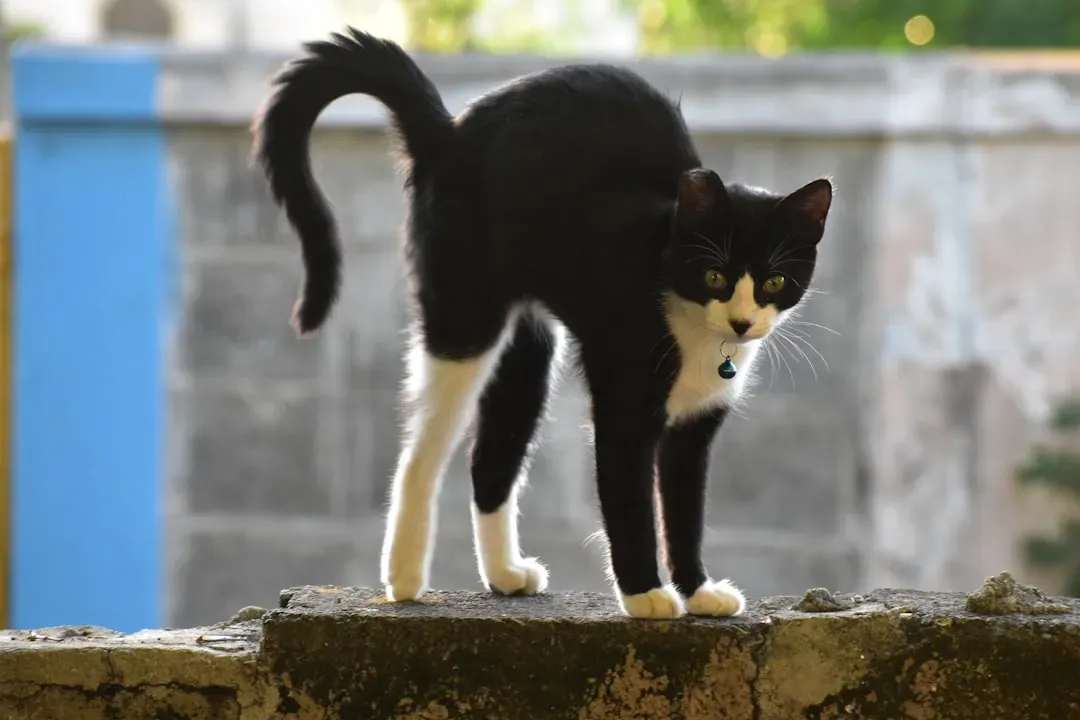
If your cat assumes the quintessential Halloween-cat posture with a puffed tail and arched back, then they are startled or frightened by a sudden, severe threat. Your cat’s hair stands on end so they can appear to be larger. This is a defensive reaction indicating that your cat wishes to be left alone. It’s the feline equivalent of puffing your chest out to look intimidating – except cats do it way more dramatically.
It’s a defense mechanism designed to communicate that they’re actually very large and scary and not worth fighting. However, your cat wouldn’t puff their tail if they weren’t feeling threatened to begin with, so the behavior almost always stems from a fearful reaction. If you can remove the thing that’s scaring them, do so – but don’t try to move your cat, who’s in panic mode and may respond by trying to protect themselves. Your instinct might be to comfort them immediately, but give them space first.
The Tucked Tail: Something Is Really Wrong
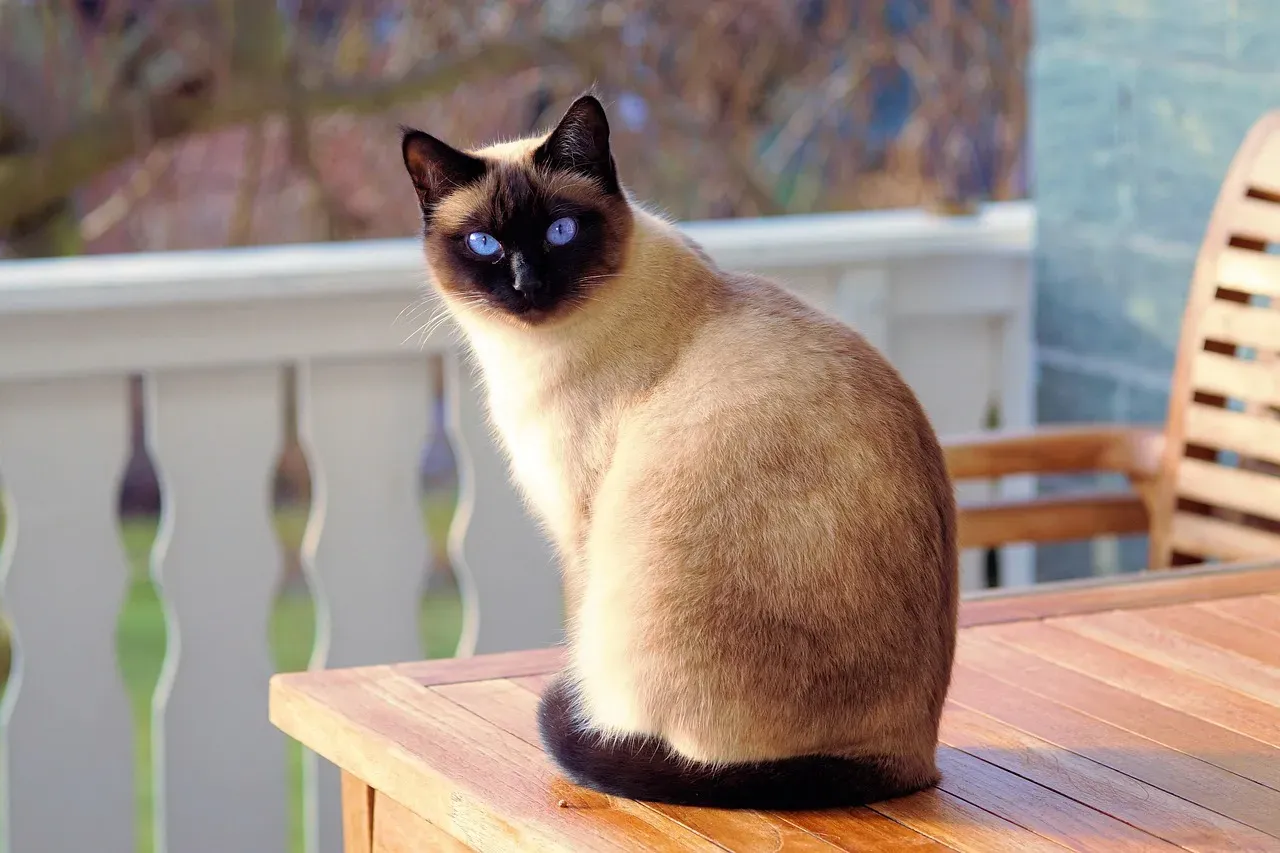
A cat may lower their tail below the level of their back if they are frightened or anxious. If your cat’s tail is tucked between their legs, then they are really scared or may be experiencing pain. This one’s important. A tucked tail isn’t just shyness – it can be a signal that something in your cat’s world, or even their body, is deeply unsettling them.
A cat who has tucked the tail between the hindlegs is very frightened. This is a submissive posture where the cat is trying to appear small and non-threatening. Don’t assume though that this posture says it’s safe to approach. If there’s no means of escape, the frightened cat may display defensive aggression. Think of it like a cornered animal – vulnerability and aggression can be two sides of the same coin.
The Tail Wrap: The Deepest Form of Feline Affection
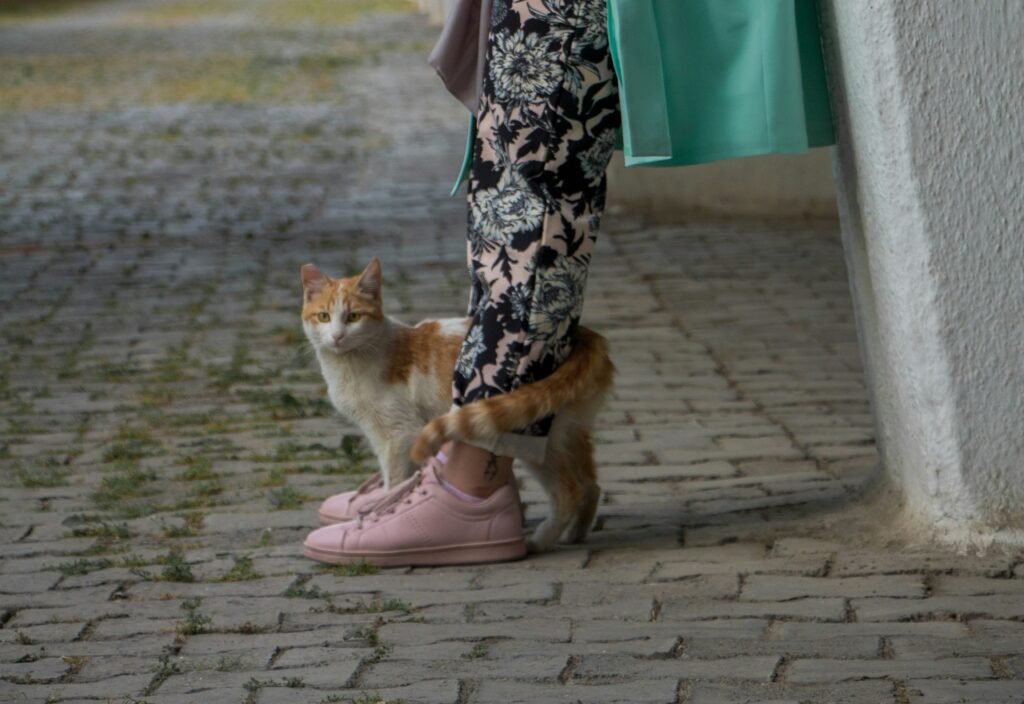
Just as we greet one another with handshakes or hugs, cats may greet by curling their tails around people and by intertwining their tails with other cats. Tail wrapping is an affiliative behavior that demonstrates a willingness to interact. If your cat curls their tail around your ankle when you walk through the door, they aren’t tripping you on purpose – they are genuinely hugging you.
At a biological level, a cat’s tail includes scent glands, so the tail is being used to swap scents with the other creature. This is similar to head-pressing and cheek-rubbing – it’s as if the cat is petting you, in the same way as you pet them when you want to engage. That little tail wrapped around your leg is your cat saying, “You’re mine and I’m yours.” Honestly, it doesn’t get much sweeter than that.
The Quivering Tail: Excitement, Joy, or a Territorial Warning
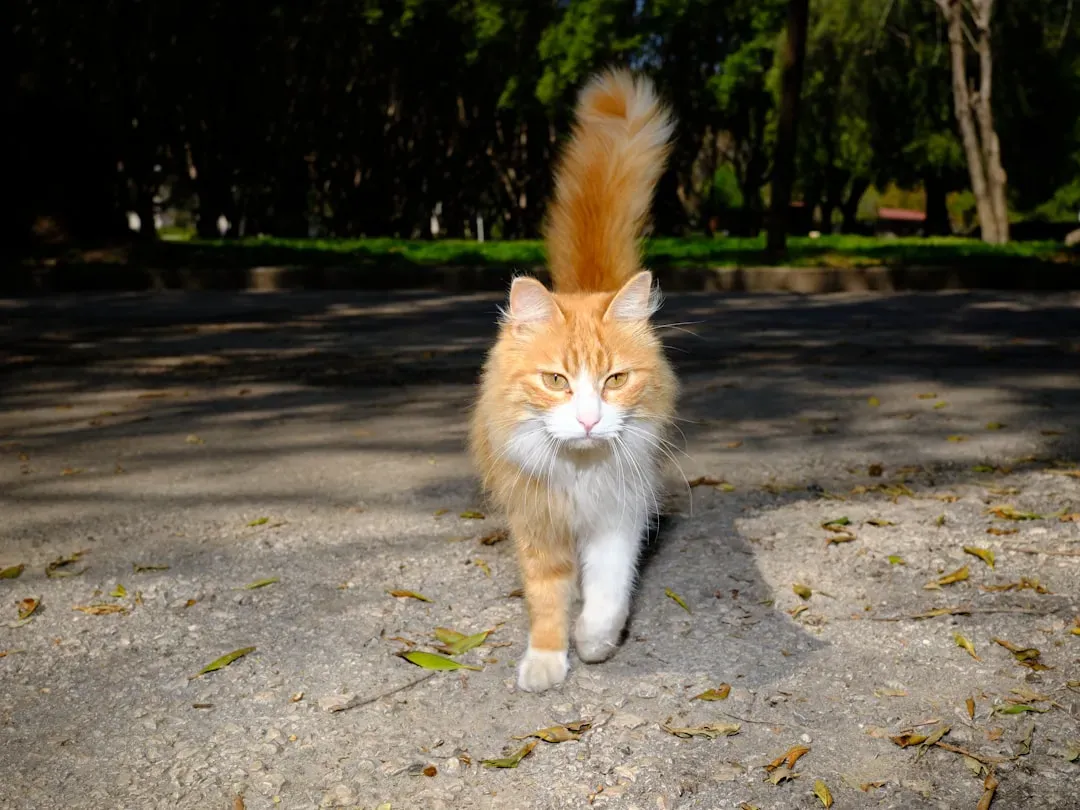
A quivering tail that’s pointed up and held high is usually a feline declaration of happiness and excitement. It’s usually paired with other body language and verbal reactions like rubbing against your legs, enthusiastic head butts, and purring. This is the tail version of a full-body wiggle of excitement. If your cat quivers their tail when you come home, they genuinely missed you.
However, here’s where it gets a little tricky. While tail quivering is often a positive reaction, in some situations a quivering tail is a sign that a cat is about to urine mark. If your cat raises a quivering tail and immediately backs up to a vertical surface like a wall, they might be about to start spraying. Context is everything here. A quivering tail near your legs is adorable; a quivering tail aimed at your furniture is a completely different conversation you’ll want to have with your vet.
Reading the Whole Picture: The Tail Never Lies Alone
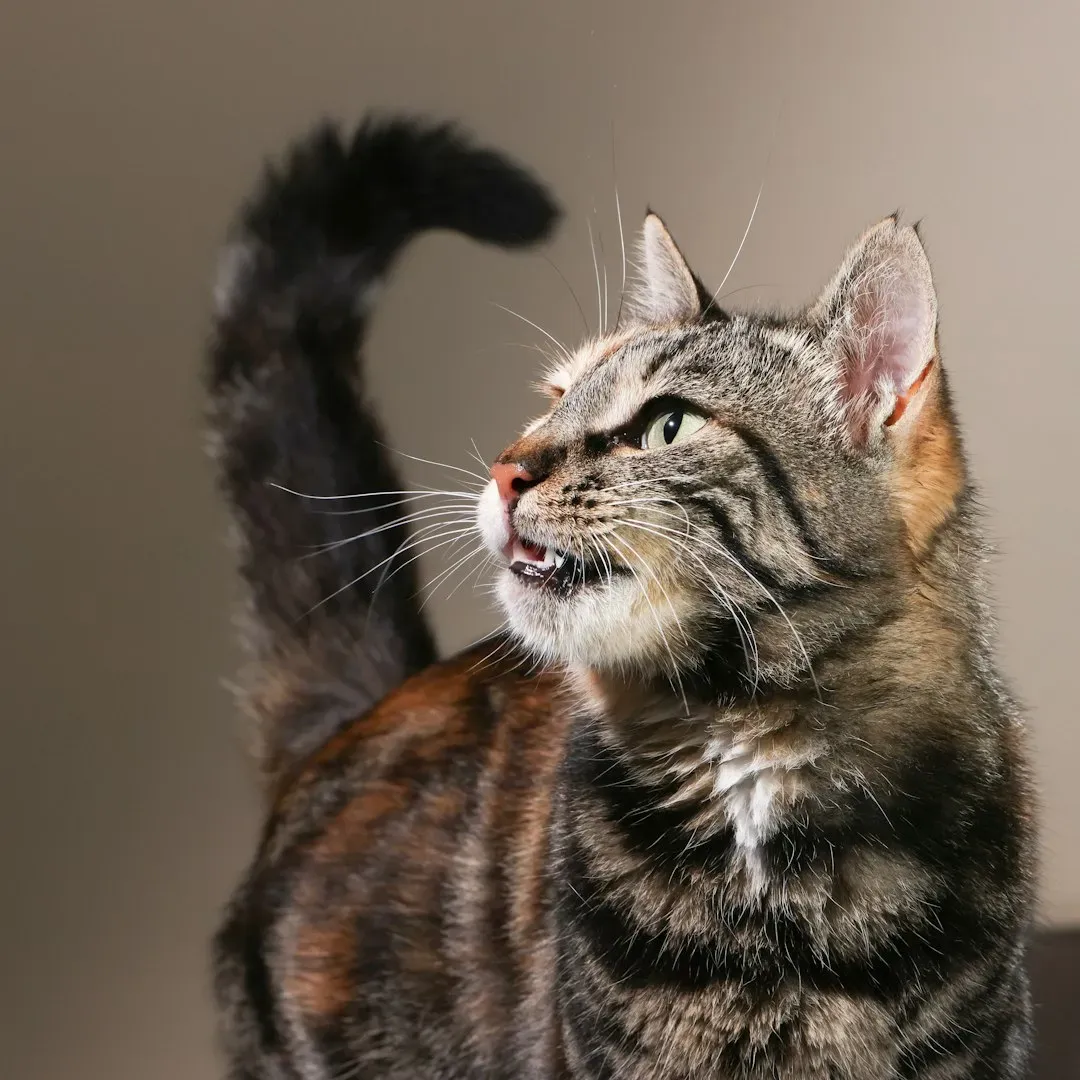
You have to take the whole body into account when reading tail signals. The napping cat with the tapping tail, for example, is “relaxed overall but paying attention to something happening around him, a sound or movement,” so he’s peaceful but hardly asleep on the job. Think of tail language as one instrument in a full orchestra – it tells part of the story, but you need the whole band to get the complete tune.
When reading feline body language, don’t just look at the tail position. Pay attention to things like ear position, back, and full body posture to get a better idea of your cat’s current behavior and mood. Eyes are also important. For example, a slow blink is a sign of love and trust, while constricted pupils signal nervousness. Once you start putting all these cues together, you’ll feel like you finally cracked the code on the most mysterious creature in your house.
Conclusion
Living with a cat is like sharing your home with a master of silent communication. Your cat has been talking to you this whole time – pointing their tail up to greet you, wrapping it around your ankle to say “I love you,” thrashing it to politely beg you to stop petting them, and puffing it up when the vacuum cleaner feels genuinely life-threatening. None of it is random.
The more time you spend learning this silent language, the deeper and richer your relationship with your cat becomes. A cat’s tail is one of their most expressive features, and they use it to let you in on a world of feelings and emotions. Once you better understand feline body language and know what your cat is trying to convey, you can respond to them when they’re feeling happy or assist them when they’re stressed. All this knowledge can help you form a deeper bond with your furry friend.
So the next time your cat walks into the room and that tail starts moving, pay attention. They’re not just stretching. They’re speaking. The only question is – are you finally ready to listen? What does your cat’s tail do most often? Tell us in the comments below.