Have you ever caught yourself staring at your cat, wondering what’s going on behind those mysterious eyes? You’re not alone. While they can’t speak in words we understand, these enigmatic creatures are communicating constantly through an intricate system that goes far beyond a simple meow.
Your feline friend uses both their body, including their eyes, ears, whiskers, and tail, and their voice to show what they’re thinking and feeling. It’s a complex network of signals that most of us barely notice. Think of it as a conversation happening right under your nose, one you’ve probably been missing. Ready to crack the code and truly connect with your furry companion? Let’s dive in.
That Swishing Tail Tells a Story
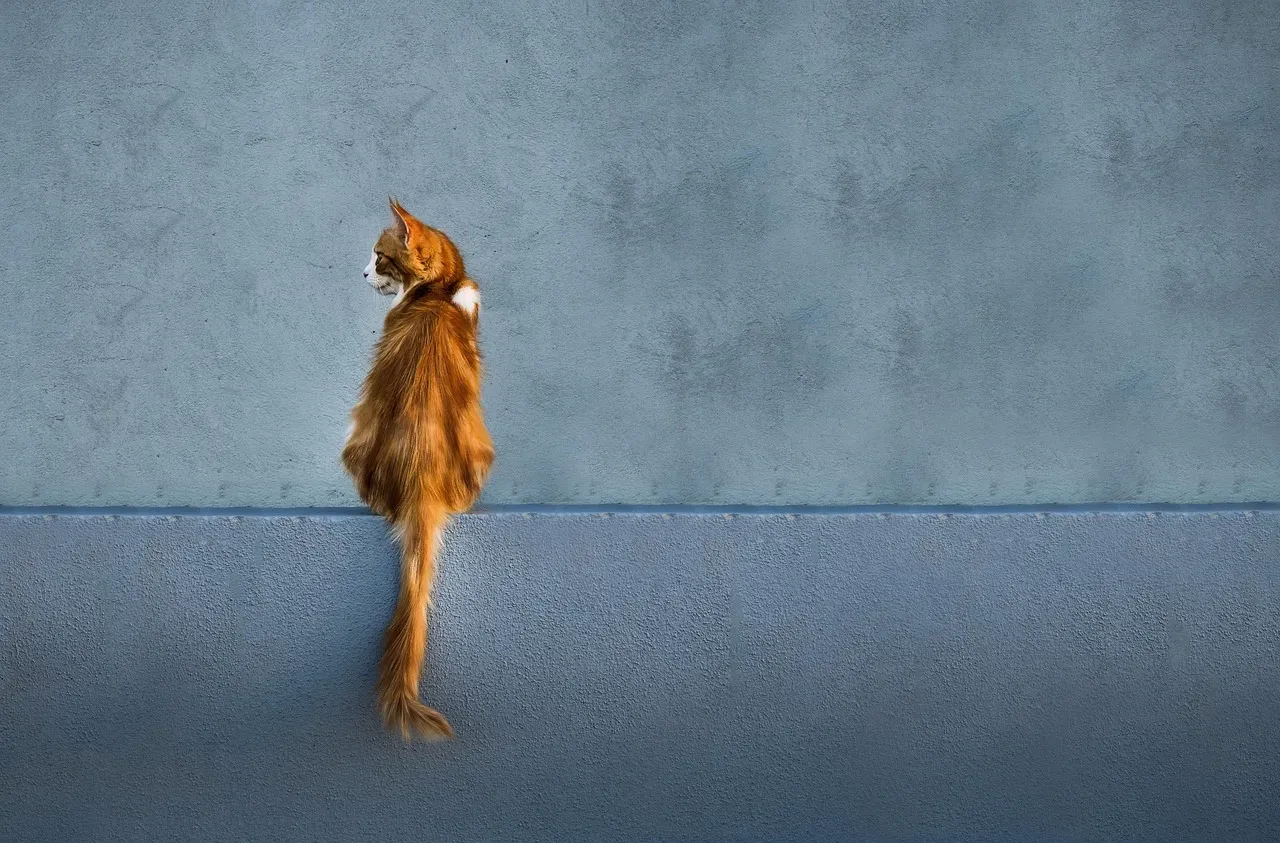
In cats, it’s their tail position that provides the greatest insight into what a cat is feeling. When a cat’s tail is upright, they are feeling social and confident, and are approaching in a friendly manner. You might see this happy tail held high when your cat greets you after a long day, almost like they’re waving a flag of affection.
Yet that same tail can convey completely different emotions within seconds. When your cat thrashes their tail or is thumping it on the ground, they are irritated, annoyed, or angry. Cats twitch the end of their tails when they are hunting and playing, as well as when they are mildly irritated and frustrated. So if you’re petting your cat and suddenly notice rapid tail flicking, it might be time to give them space before you face the claws.
Those Rotating Ears Are Like Satellite Dishes
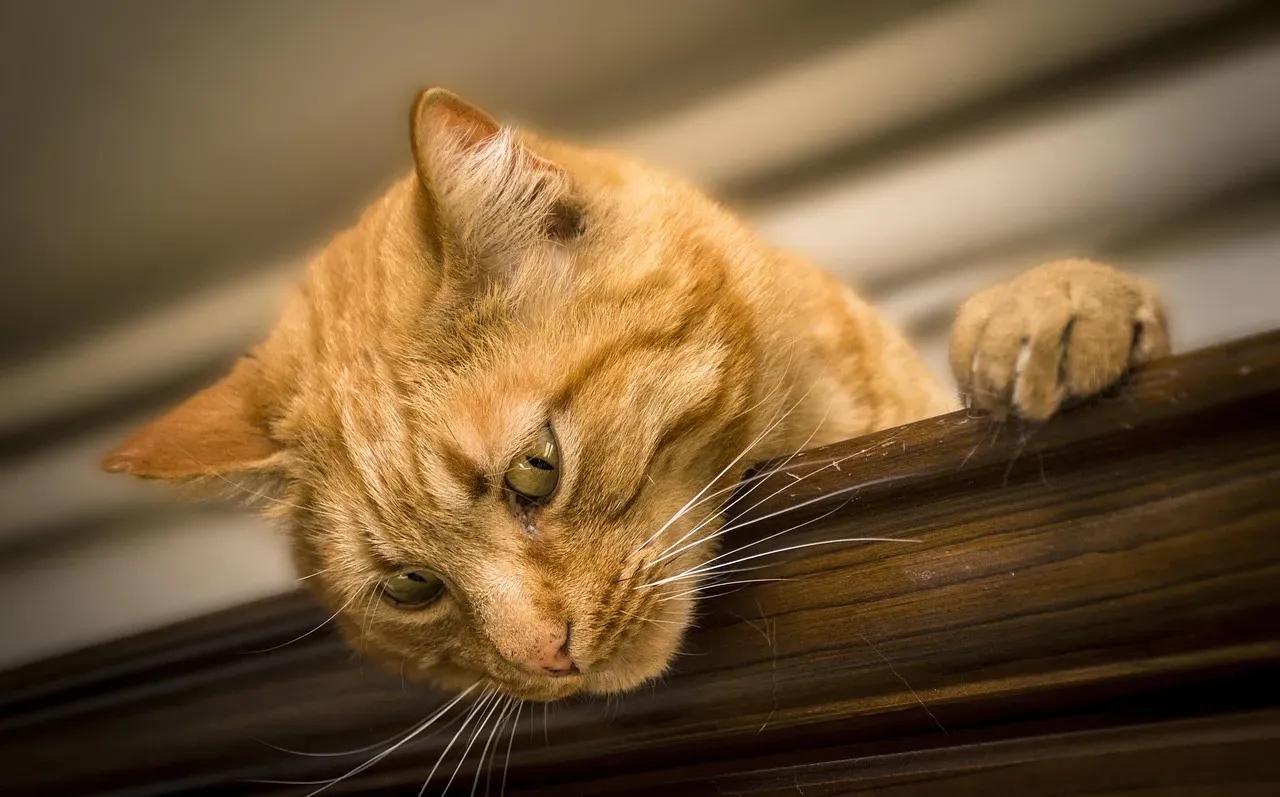
Like a sophisticated satellite dish turning to pick up a signal, the cat’s external ear, or pinna, rotates up to 180 degrees to locate and identify even the faintest of squeaks, peeps or rustling noises. Cats have 32 muscles in each ear allowing them to move their ears 180 degrees, which is a huge range of motion. That’s pretty incredible when you consider humans barely move theirs at all.
When a cat’s just being a cat, their ears are facing forward in what’s called the neutral position indicating that a cat is feeling happy and relaxed and wants to chill out. However, those ears can shift dramatically. If your cat’s ears are flattened against their head in airplane mode, it means that they’re frightened or nervous, and it could lead to aggressive behavior. Honestly, the moment you see those ears go sideways, it’s your cue to back off.
The Secret Language Hidden in Their Eyes
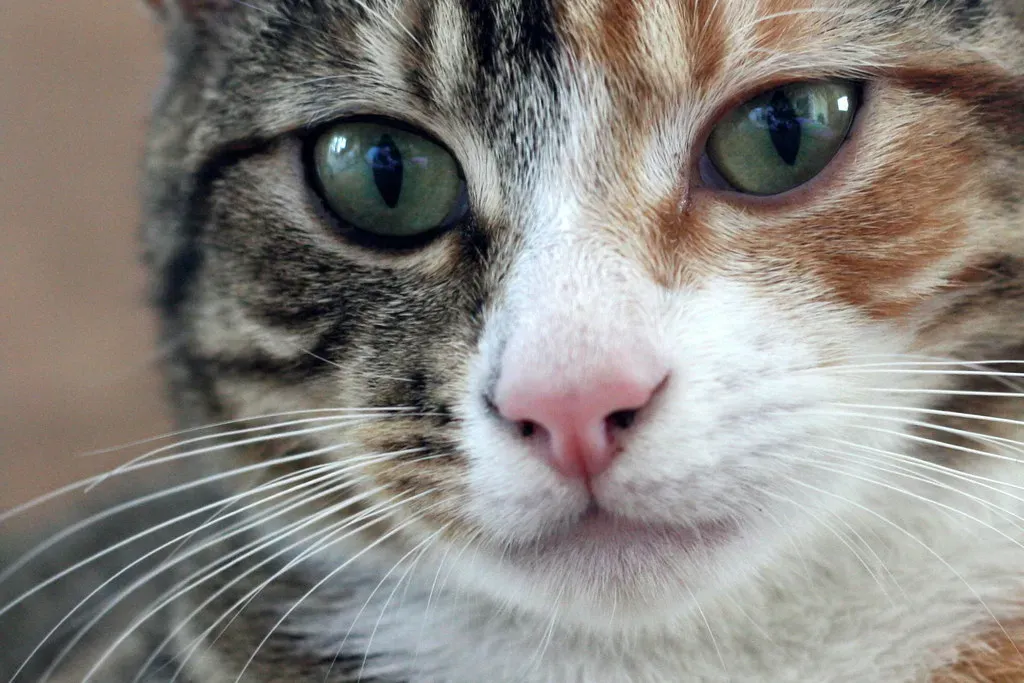
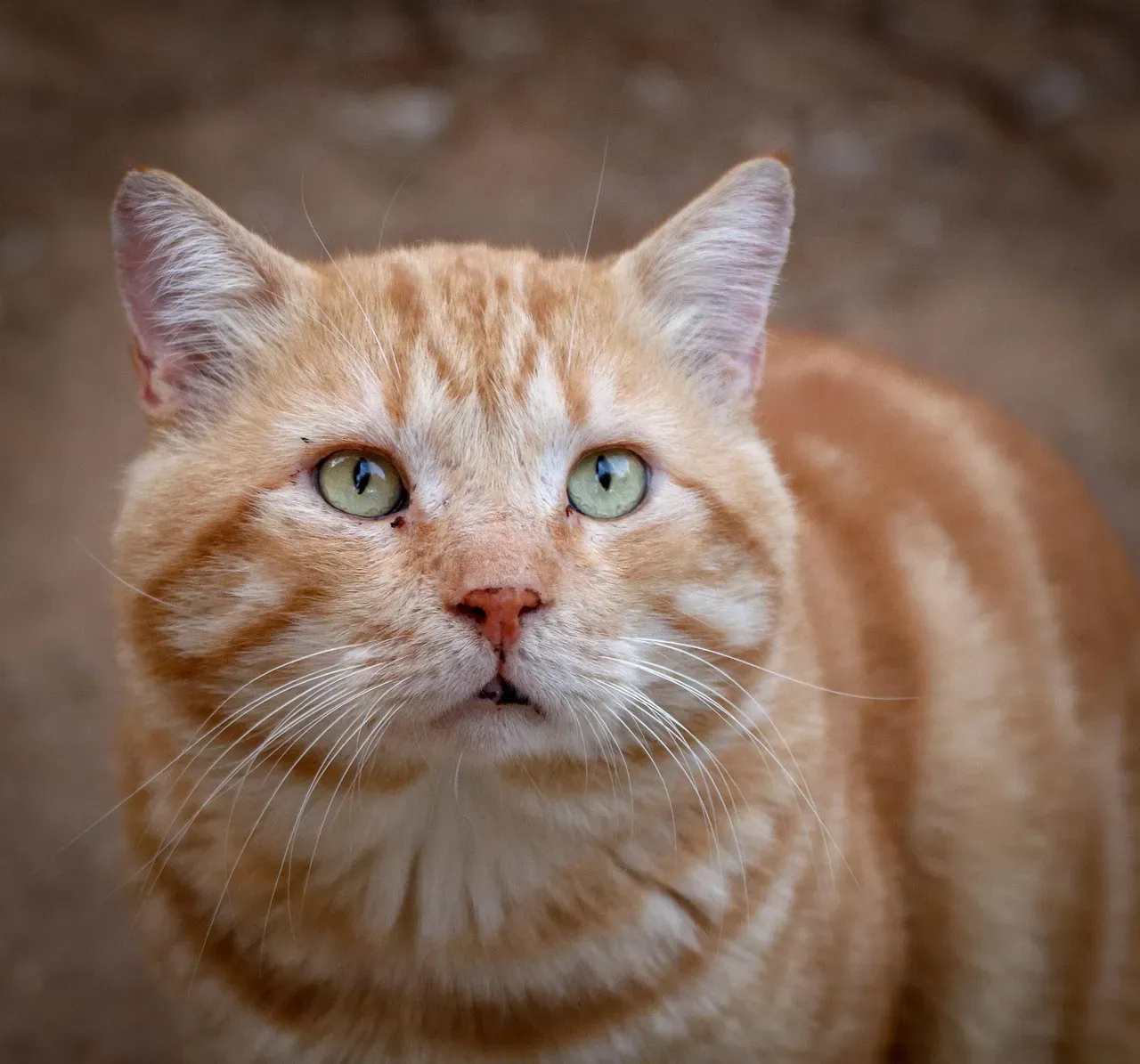
Your cat’s eyes might be the most revealing feature of all. Since cats have pupils with vertical slits, their eyes allow for a much wider pupil size and shape than humans have, and more size equals more expression. If your cat looks at you and blinks slowly, it is a sign of trust and affection. Return the blink to say I love you back. Here’s the thing: this slow blink is like a kitty kiss, a moment of pure connection.
Wide, dilated pupils tell a different story. When your cat’s eyes are wide with dilated pupils, this can be from excitement, for example, cats widen their pupils when they’re focusing on prey. Wide eyes with a tense body mean your kitten senses danger, whether she’s suddenly startled or prepping for a confrontation. Context matters enormously here. Those saucer eyes could mean playtime or pure terror depending on what’s happening around them.
Purring Isn’t Always About Happiness
We often think that our cats are happy when they purr, this is only true if their body language is relaxed. I know it sounds crazy, but your cat might be purring for entirely different reasons than contentment. Sometimes cats can purr in stressful situations, such as going to the vet, they can also sometimes purr if they are in pain.
Cats may purr for a variety of reasons, including when they are hungry, happy, or anxious, and in some cases, purring is thought to be a sign of contentment and encouragement for further interaction. It has also been suggested that purring can act as a soothing mechanism and can promote healing. That gentle rumble might be your cat’s way of self-soothing during a stressful moment, not necessarily an invitation for more pets.
Meowing Is Reserved Just for You
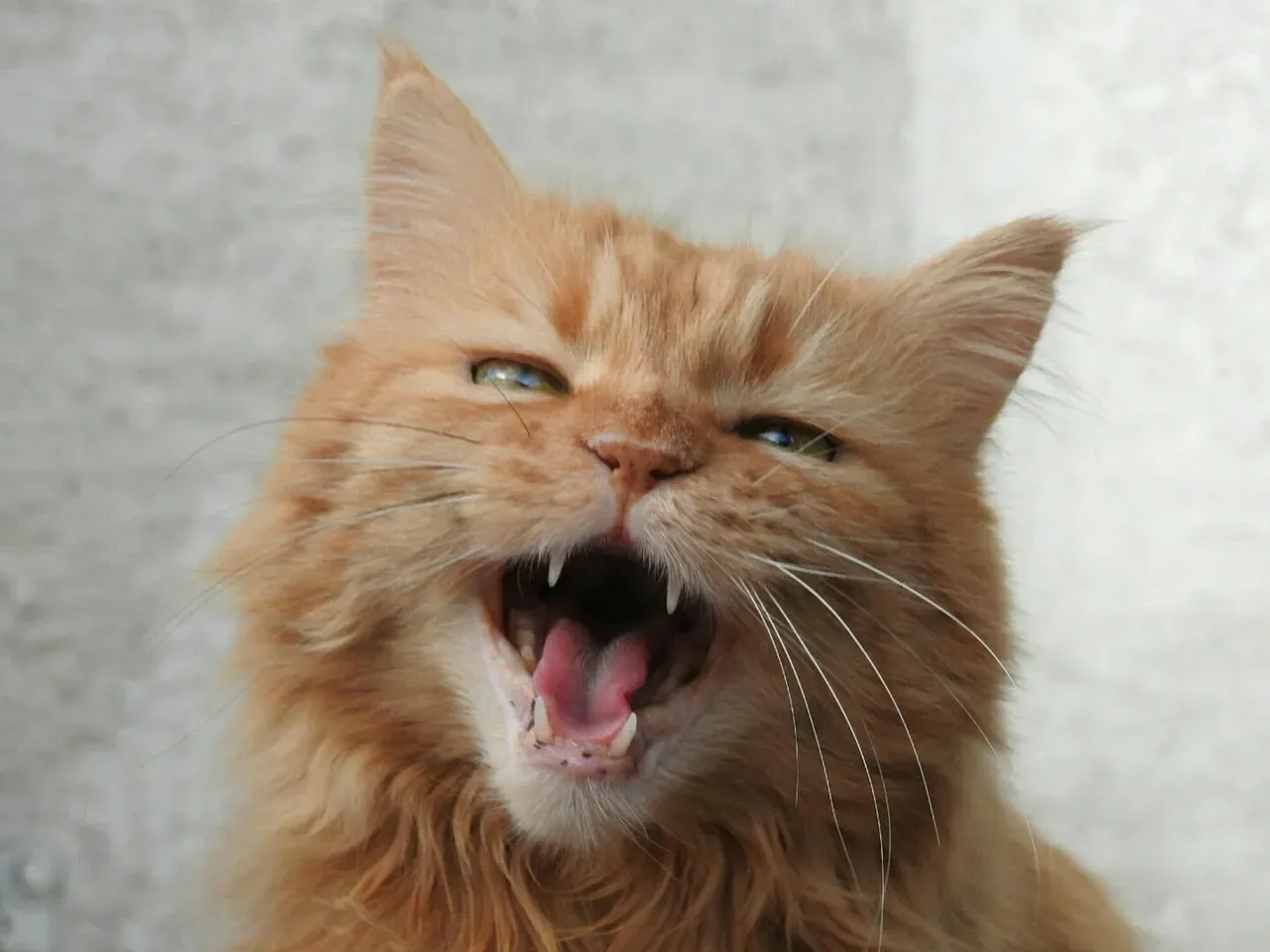
The meow of an adult cat is almost exclusively used to communicate with humans, and not other cats, first uttered by kittens when in need of their mothers, this juvenile vocalization fades away as wild cats mature but cats in domesticity maintain this endearing vocalization throughout their adult lives. Let’s be real: your cat has essentially created a special language just to talk to you. That’s either incredibly sweet or slightly manipulative, depending on how you look at it.
Generally, a meowing cat wants something, attention or food or perhaps access to a room. The pitch and duration can vary wildly. Young kittens usually emit a long, high-pitched meow sound to get their mom’s attention. Your adult cat might try the same technique with you, a great honor as this means you’ve assumed mom status in your cat’s eyes. Lower pitched meows might indicate dissatisfaction or mild annoyance with something you’ve done.
When Trills and Chirps Enter the Conversation
Mother cats trill to communicate with their kittens. When a cat trills, it’s probably feeling friendly and familial. Cats often trill to their owners to greet them. A mix between a meow and purr, the trill is often described as a friendly mrrp or cat activation sound that is high-pitched and repetitive, coming out in short bursts. Cats make this sweet sound as a greeting to other cats or to people.
Chirping is different entirely. Chattering, also called twittering, is a low smacking sound produced by a rhythmic clashing of the jaws usually voiceless. Along with chirping, chattering may occur when a cat spots prey that’s out of their reach. You’ll often see this when your cat stares out the window at birds, chattering their teeth in what seems like pure hunting frustration. It’s equal parts adorable and slightly unnerving.
Those Sensitive Whiskers Are Information Gatherers
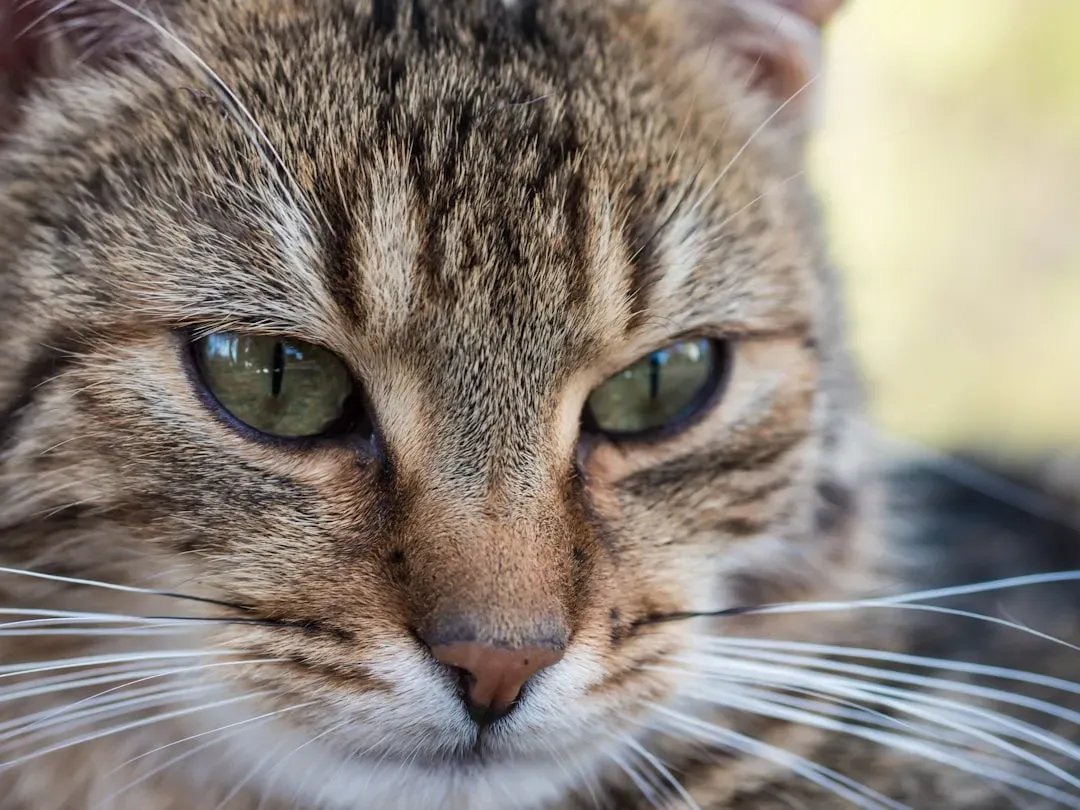
They use both their body including their eyes, ears, whiskers, and tail and their voice to show what they are thinking and feeling. If you’ve taken in all the other signs and you still want more information, check out a cat’s whiskers, compared to a cat’s posture, tail, ears, and eyes, the whiskers aren’t going to tell you as much, but they may provide a helpful hint.
Confident cats might push their whiskers forward. Meanwhile, whiskers pulled back against the face often signal fear or uncertainty. The whiskers may be held further forward than normal when stressed or annoyed. They’re basically tiny antennae constantly reading the environment and broadcasting emotional states you might otherwise miss completely.
The Belly Trap You Should Never Trust
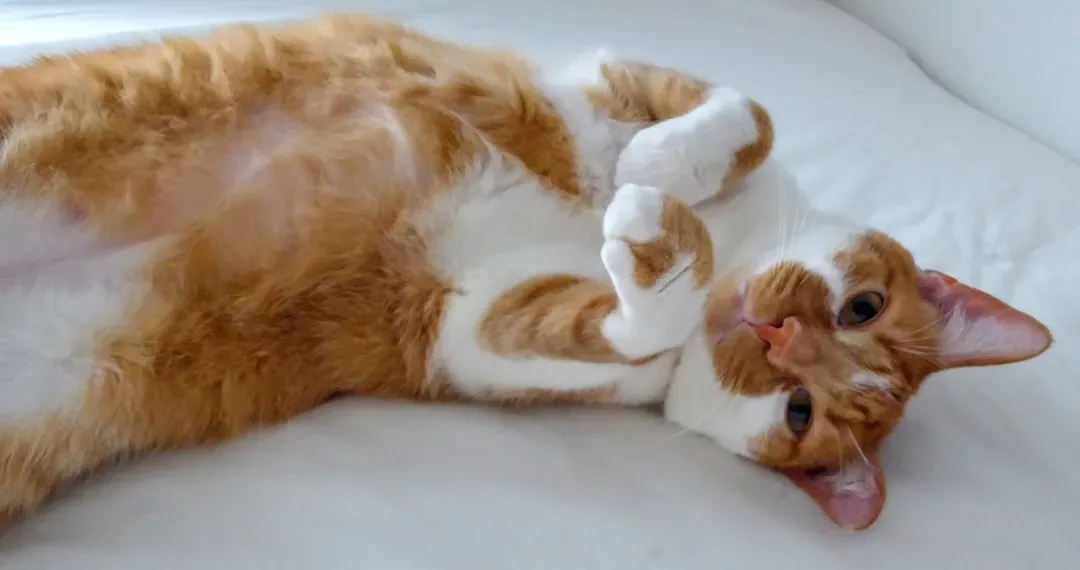
Many people, after they learn that a cat exposing itself feels comfortable, may see a cat with its belly up and think that it’s safe to rub or pet the cat’s belly. The exposed belly is a sign of comfort and trust, but it is not necessarily an invitation for a belly rub. Many people have touched a cat’s stomach only to have its owner instantly seize up, latching onto their hand with claws and teeth.
I think every cat owner has fallen for this trap at least once. Your cat rolling over and showing you their belly seems like an open invitation, a display of ultimate trust. It is trust, actually. They’re vulnerable and relaxed enough to expose their most sensitive area. The mistake is thinking that display equals permission to touch. Most cats simply don’t enjoy having their bellies touched, no matter how much they trust you.
Reading the Whole Picture Together
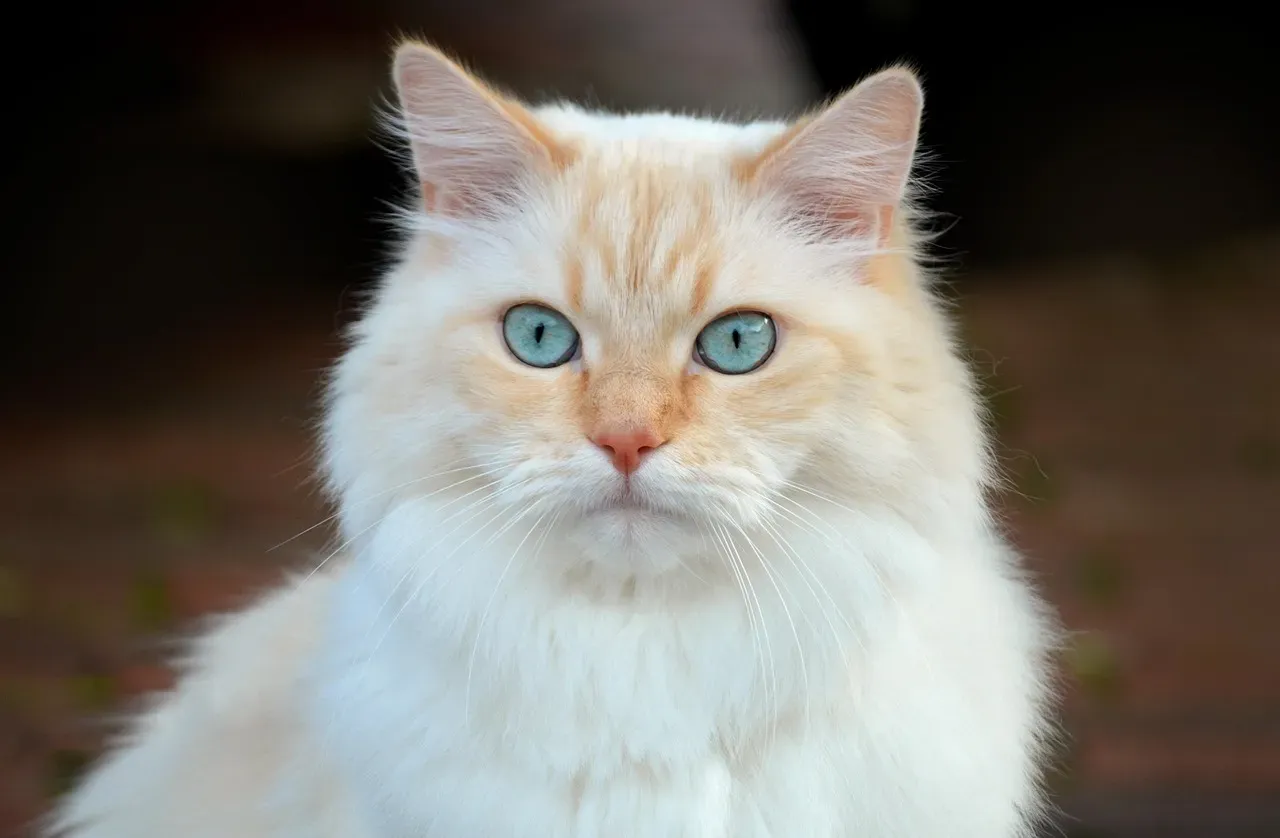
When you’re interpreting cat body language, consider everything that’s going on around the cat. Put yourself in the cat’s paws and ask how the situation and environment, including the sights, sounds, and smells, might make them feel. It’s important to recognise even the smallest signs and changes in their body language because although they seem small, they say an awful lot.
Cat body language is often subtle, unlike dogs, who tend to display emotions more openly, cats express themselves in quieter ways. They rely heavily on their bodies to show happiness, fear, curiosity, or irritation. When you learn to read these signals, you’re better equipped to respond appropriately, whether that means offering affection, giving space, or engaging in play. The key is combining all the signals rather than focusing on just one element. Ears back with a thrashing tail and dilated pupils? Definitely not the time for cuddles.
Your cat has been speaking to you all along through this sophisticated network of physical cues and vocalizations. Once you start paying attention to the subtleties, the tail flicks, the ear rotations, the slow blinks, you’ll realize your conversations have been happening in silence this whole time. Understanding this rich, complex language deepens the bond you share and helps you respond to their needs with greater sensitivity. What subtle signal from your cat have you been missing all this time?