Have you ever been sitting on the couch, minding your own business, when you notice your cat staring at you with those big round eyes? Then suddenly, their eyelids drift down, pause for a heartbeat, and gently open again. It’s subtle. Almost imperceptible. You might even think you imagined it.
Yet this quiet little gesture holds more meaning than a thousand meows. Your cat is speaking to you in a language older than words, and what they’re saying might just surprise you. Let’s explore the fascinating world of feline communication and uncover what makes the slow blink one of the most powerful signals between you and your whiskered companion.
What Exactly Is a Cat Slow Blink?
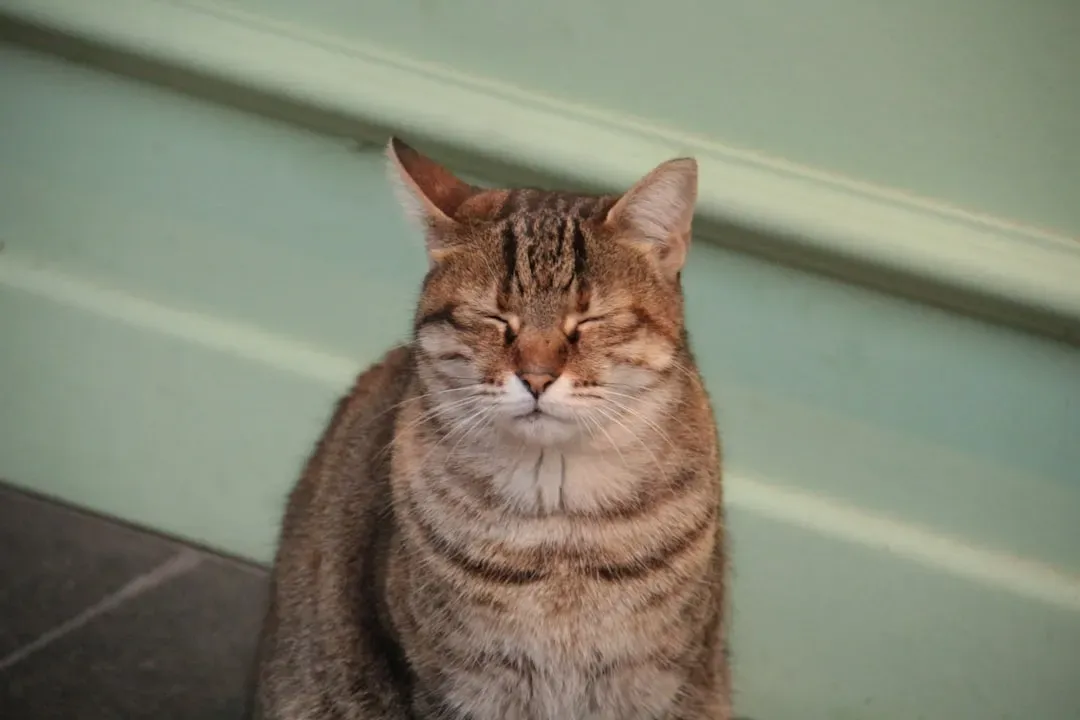
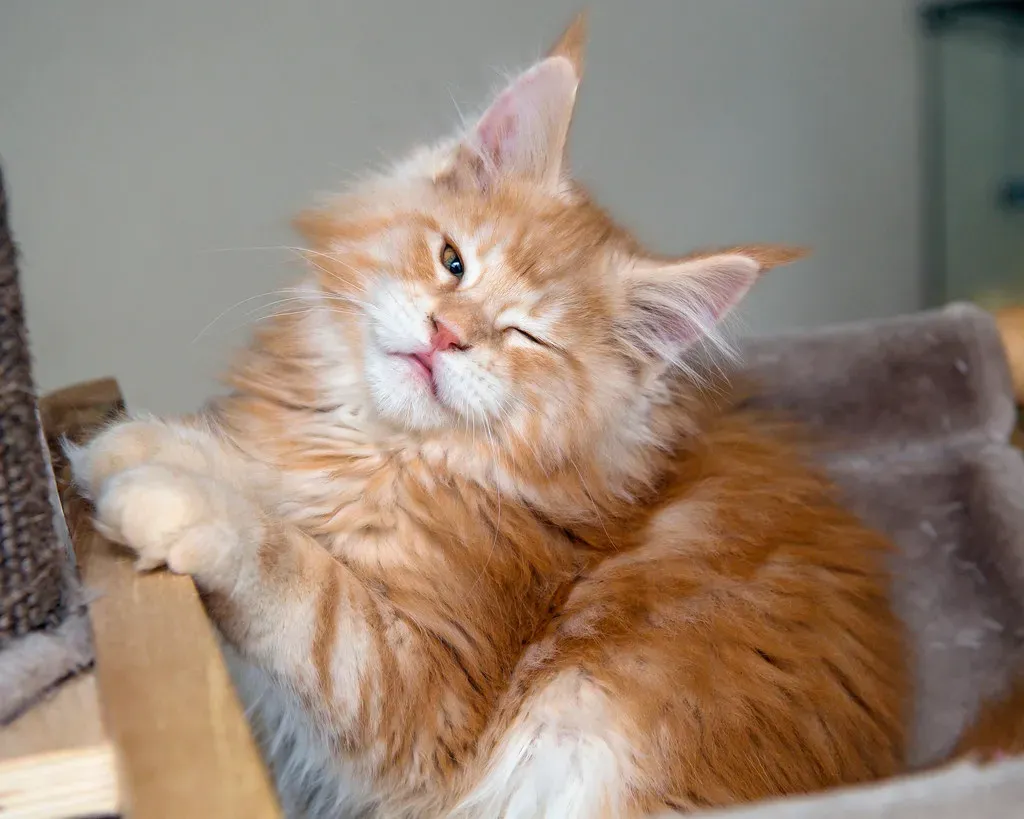
The slow blink involves a series of half-blinks followed by either a prolonged eye narrow or an eye closure. This partial or complete closure of the eyelids is performed slowly and lasts longer than half a second. Think about it this way: a regular blink happens so fast you barely notice it, like a camera shutter clicking. The slow blink? That’s different. It’s deliberate.
A slow blink usually involves a series of soft, half-closed blinks, ending with a long eye narrow or even a full eye closure. Some cats might roll their eyes slightly or squish them tight in their own comical variations. You might have seen these quirky versions online, each cat adding their personal flair to the gesture. Honestly, it’s one of those behaviors that’s easier to recognize once you’ve seen it, kind of like learning to spot a genuine smile on a person’s face.
The Science Behind Those Languid Eyes
A study published in Scientific Reports examines the communicatory significance of this widely reported cat behavior involving eye narrowing. Researchers from the University of Sussex and University of Portsmouth conducted two experiments to investigate this phenomenon. Their first experiment revealed that cat half-blinks and eye narrowing occurred more frequently in response to owners’ slow blink stimuli towards their cats.
The second experiment took things further. When an experimenter who had never met the cats before provided the slow blink stimulus, cats had a higher propensity to approach the experimenter after a slow blink interaction than when they had adopted a neutral expression. This is huge. It means cats don’t just do this with people they know well. They respond to the gesture itself, even from strangers. The study indicates the slow blink sequence appears to be an indicator of positive emotion in cats.
Trust Made Visible: Why Your Cat Closes Their Eyes
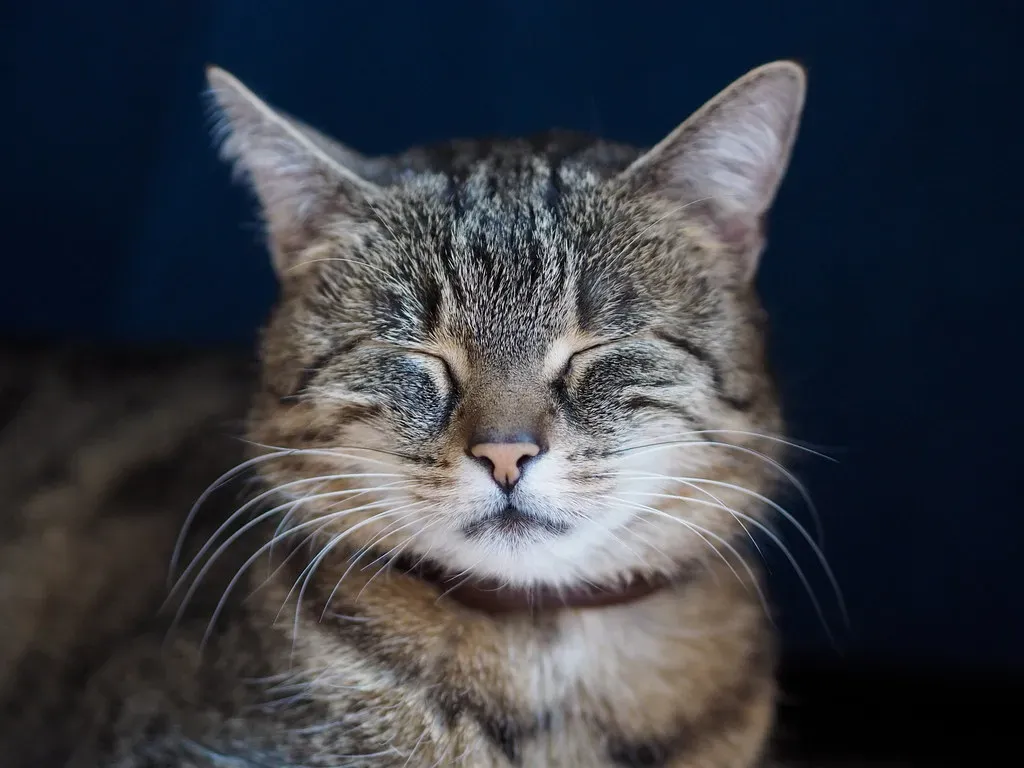
Here’s the thing that makes slow blinking so remarkable. In the feline world, closing their eyes in the presence of another creature makes them vulnerable, as they are unable to detect potential threats. Cats are both hunters and prey animals in the wild. Every moment their eyes are closed, they’re at risk. Exposed. Unable to see danger approaching.
When a cat slow blinks at you, they are expressing trust, contentment, and affection, demonstrating their trust in you and signaling that they feel safe and relaxed in your company. Think about how significant that is for a moment. Your cat is voluntarily making themselves defenseless around you. Your cat’s slow blink is a sign that they trust you and feel comfortable around you. It’s as close to an “I love you” as you’ll ever get from them.
How Cats Developed This Human Connection
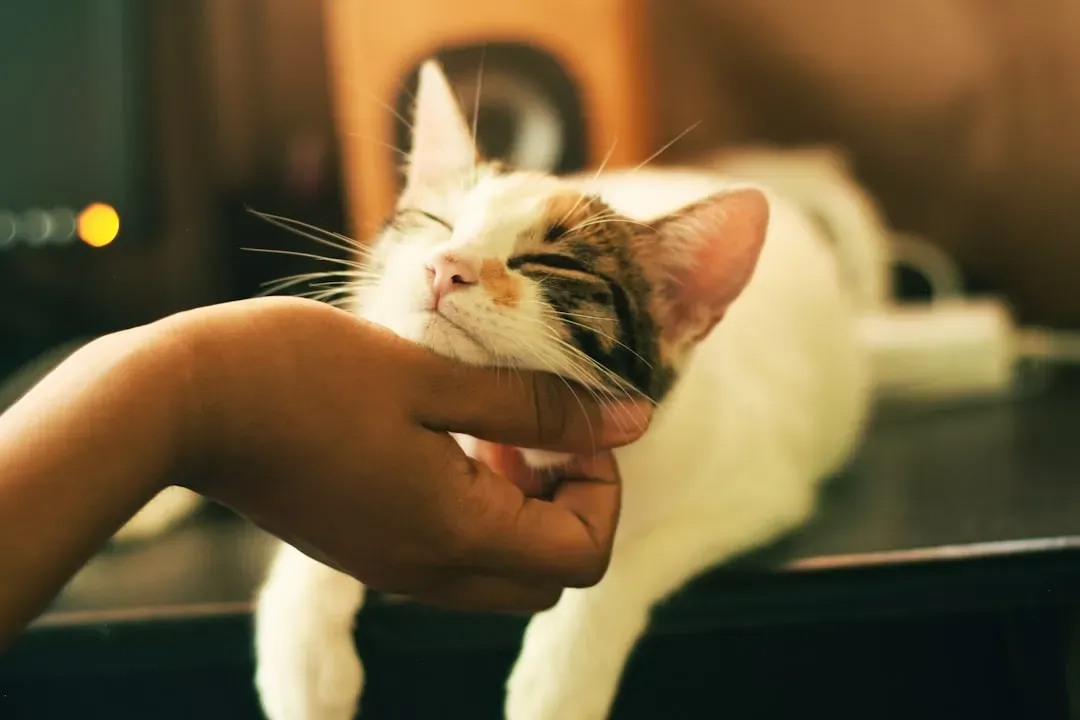
Like many feline behaviors, the slow blink could have arisen from interactions with humans, with cats possibly developing it because humans perceived slow blinking as positive. Let’s be real, this is fascinating stuff. Cats might have essentially learned that we respond well to this gesture, so they kept doing it. Cats may have learned that humans reward them for responding to slow blinking, though it’s also possible that slow blinking began as a way to interrupt an unbroken stare, which is potentially threatening in social interaction.
This adaptive communication shows just how socially intelligent cats truly are. They’ve figured out ways to bridge the gap between species, creating a shared language with us. The use of slow blinking may have given cats a selective advantage during the domestication process. Cats who could communicate affection to humans more effectively might have had better relationships with people and therefore better survival outcomes.
How to Slow Blink Back at Your Cat
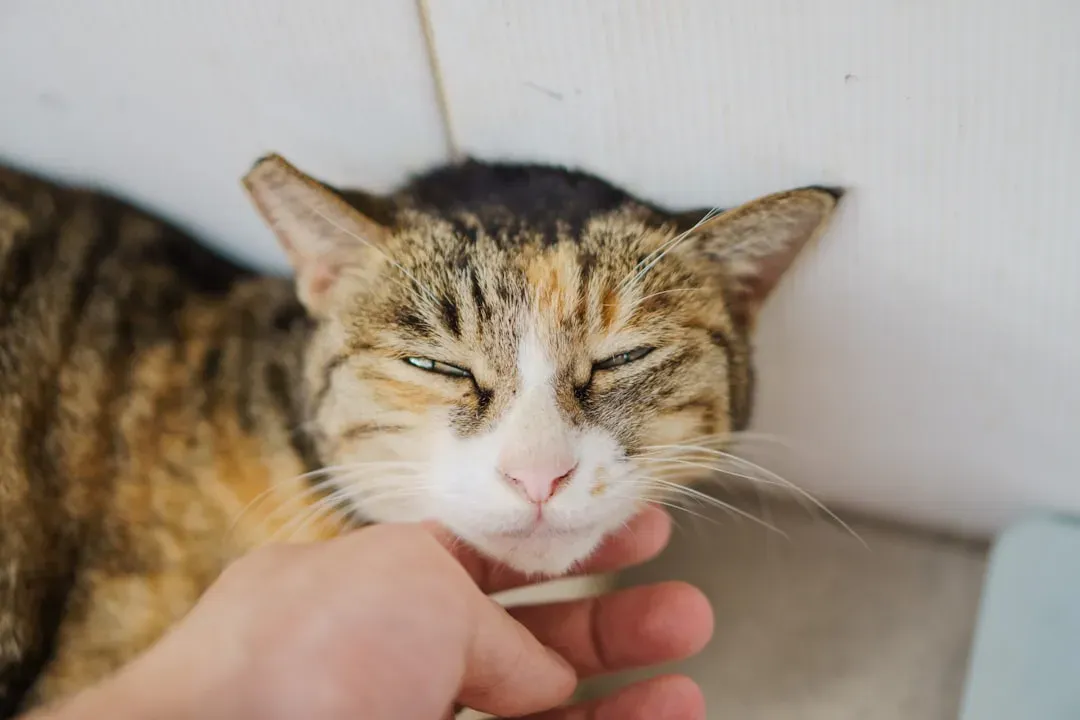
Now for the practical part. You’ve received a slow blink from your cat, and you want to respond in kind. Try narrowing your eyes at them as you would in a relaxed smile, followed by closing your eyes for a couple of seconds. That’s really all there is to it.
Start by making gentle eye contact with your cat. Don’t stare intensely, that’s actually perceived as threatening. Then slowly let your eyelids drift downward, pause briefly with your eyes closed, and gently open them again. Make sure to avoid direct eye contact for too long and be persistent, as it might take your cat some time to catch on to your behavior. The key is to be patient and relaxed. You’re not performing surgery here, you’re having a conversation.
When Your Cat Doesn’t Blink Back
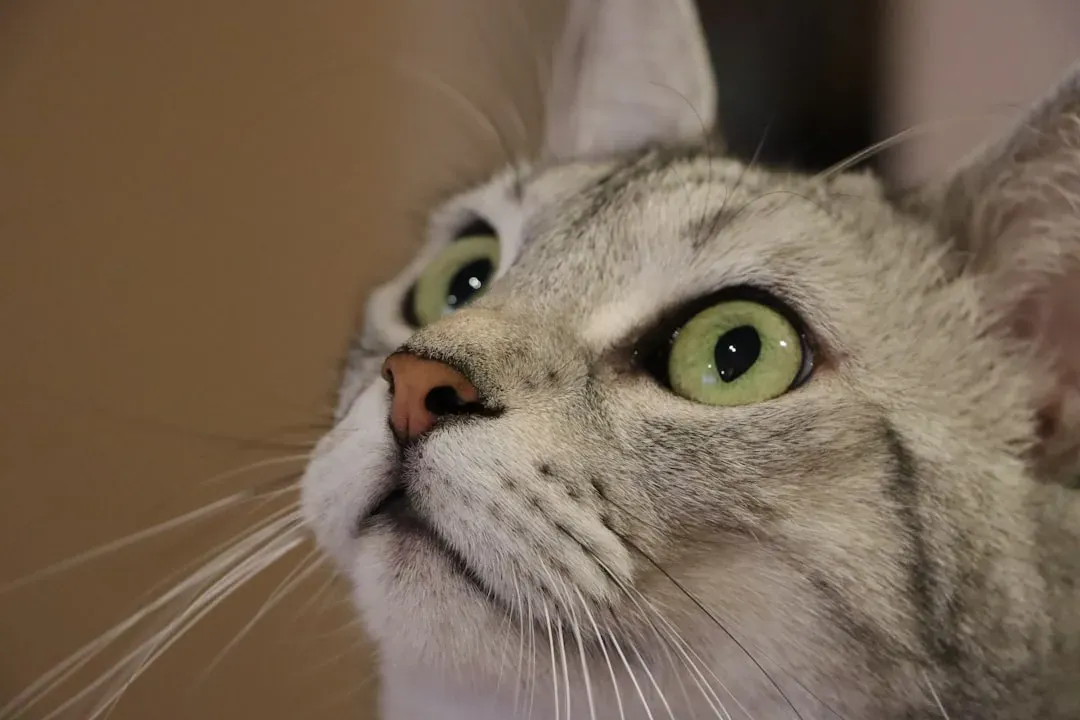
Let’s say you’ve tried slow blinking and your cat just stares at you like you’ve sprouted an extra head. Does this mean your cat doesn’t love you? Absolutely not. Regardless of age or breed, all cats can slow blink, though actually engaging in slow blinking is a personal choice and some cats don’t enjoy doing it. Not every cat is a slow blinker, just like not every person is a hugger.
Cats who don’t slow blink may show affection in other ways, such as purring, cuddling, bringing gifts, or following you around. Some cats are more reserved or take longer to warm up. Cats who are more nervous around people tend to take longer to slow blink back at them. If you’ve just adopted a new cat or they’re still adjusting to you, give them time. Keep trying, but respect their boundaries and personality.
The Relationship Between Slow Blinking and Direct Stares
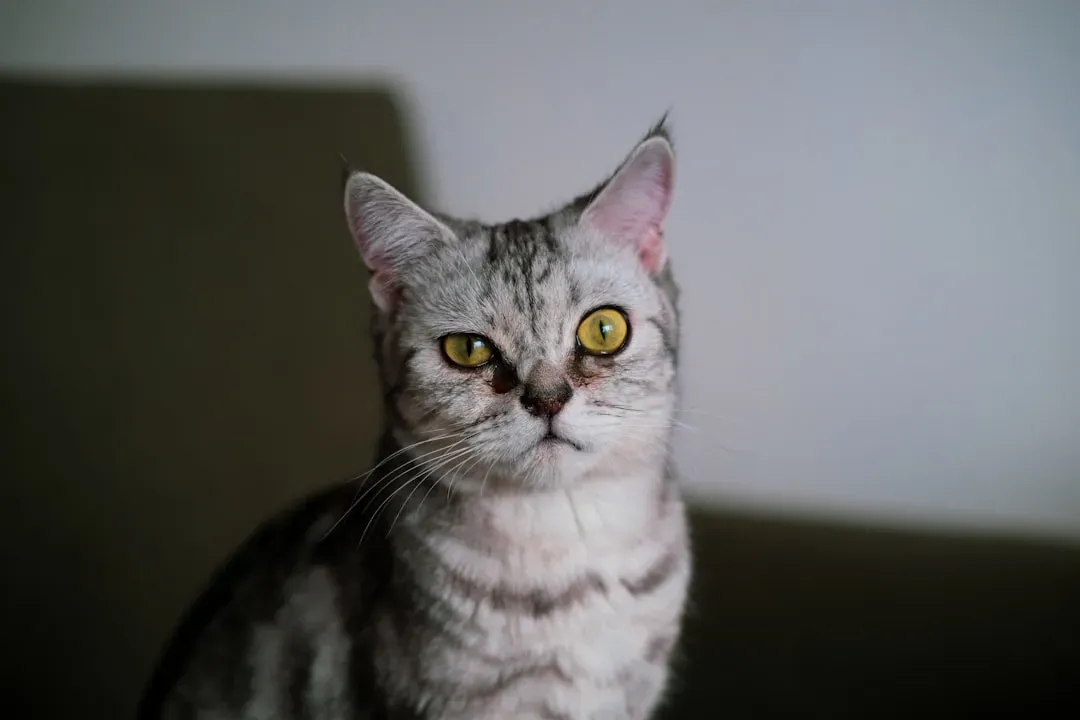
Understanding what not to do is just as important as knowing what to do. Direct staring is challenging and indicates distrust, and cats see it as a threat, just like they would with other cats. An unblinking, hard stare in the animal world is confrontational. It’s a challenge. A threat.
In the feline world, direct eye contact can be perceived as a threat or a challenge. This is why the slow blink is so effective as a peace signal. It breaks up that potentially threatening gaze and replaces it with something gentle and non-confrontational. An unblinking stare is typically seen as a threat, so when your cat looks at you and slow blinks, they are relaxing their guard and making themselves vulnerable.
Slow Blinking Between Cats
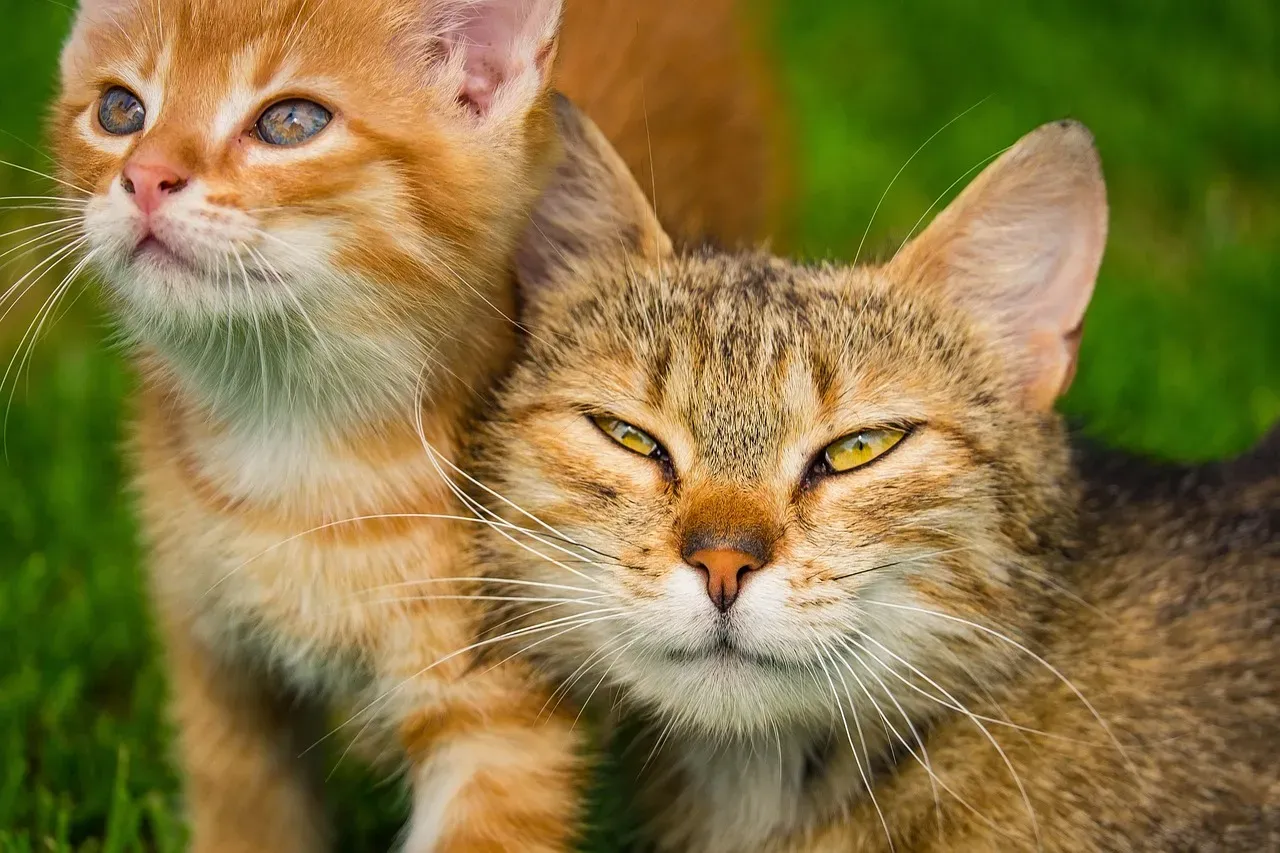
Your cat doesn’t reserve this behavior just for you. It’s common to see cats slow blink at one another, and when you see one cat slow blinking at another cat, it means they are communicating that they are friendly and not threatening. Watch two cats who are comfortable with each other sometime. You might catch these subtle exchanges happening between them.
Cat friends will even slow blink at each other as if to say “We’re cool”. This reinforces the idea that slow blinking isn’t just something cats invented for humans. It’s part of their natural communication toolkit with each other. On the other hand, a hard stare between cats is usually perceived as a threat or a challenge. The contrast couldn’t be clearer.
Building Trust Through Consistent Interaction
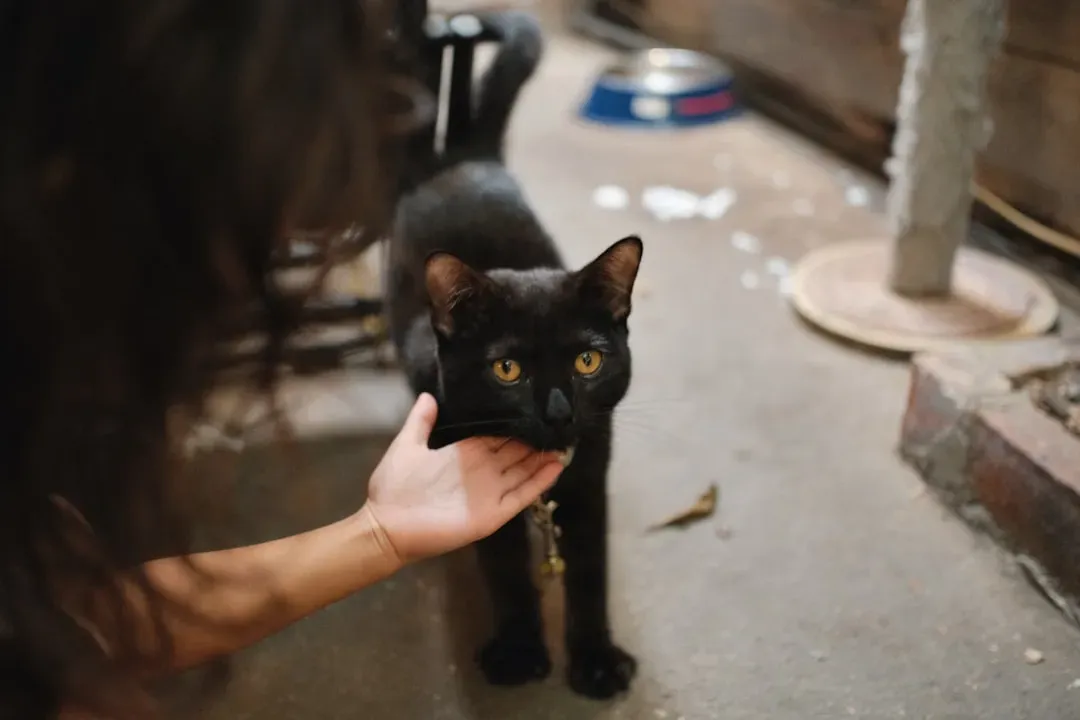
Cats thrive on routine and predictability, so maintaining a consistent schedule for feeding, playtime, and other daily activities can help create a sense of security and trust. Slow blinking works best when it’s part of a broader relationship built on respect and understanding. You can’t force a bond with a cat through slow blinking alone.
Unlike dogs, which are pack animals with a straightforward social structure, cats are more independent creatures that form complex social hierarchies, meaning that trust and affection are earned rather than given freely. Patience is essential. Engage in regular play sessions, respect their space when they need it, and let them approach you on their terms. Over time, these efforts combine to create a relationship where slow blinking becomes a natural exchange.
The Broader Context: Reading Your Cat’s Body Language
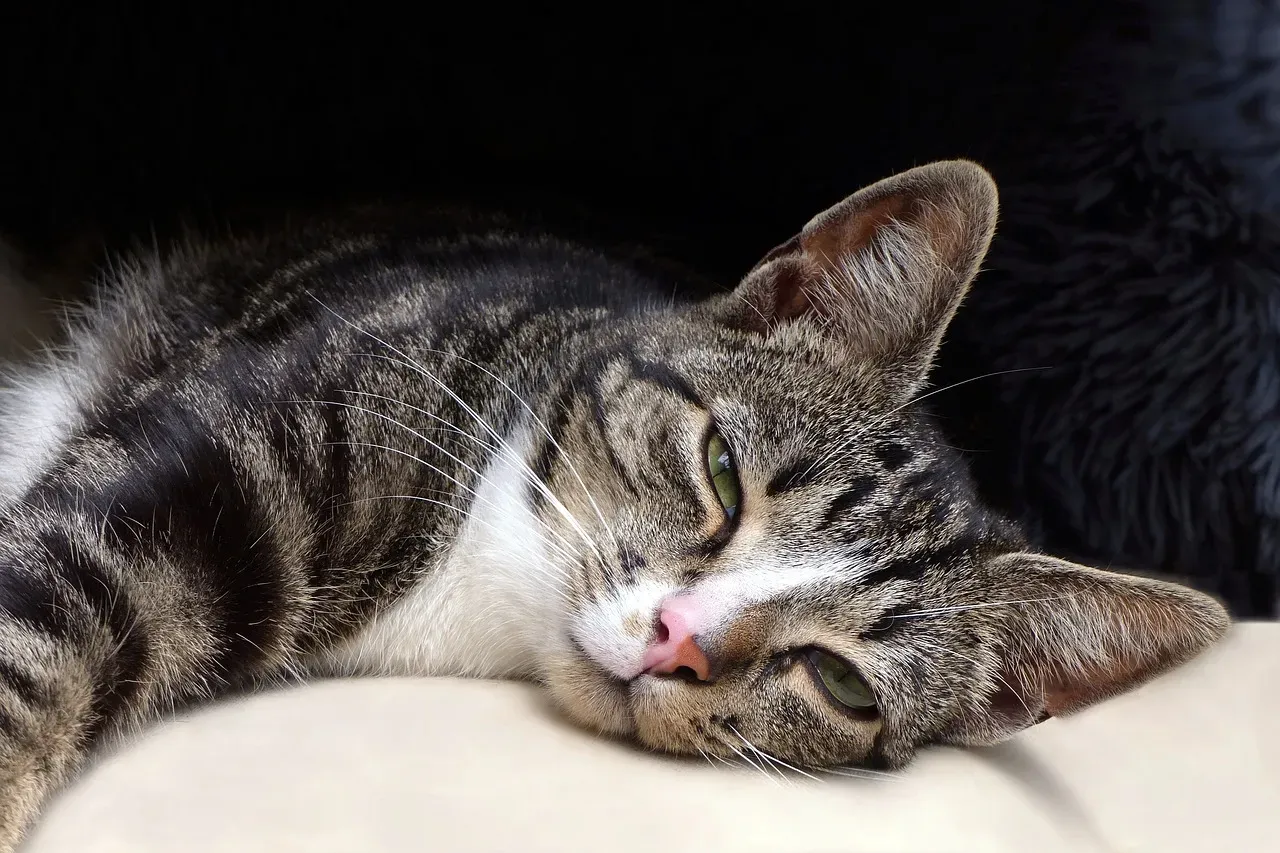
Slow blinking doesn’t exist in isolation. Your cat communicates through their entire body. Slit or squinty eyelids can be a sign of fear or aggression, while dilated pupils and staring can indicate a cat is aroused or about to become aggressive. You need to look at the whole picture: ears, tail, whiskers, posture, and yes, those expressive eyes.
When your cat slow blinks with relaxed ears, a gently curved tail, and a comfortable body posture, you’re seeing contentment. If they slow blink while their ears are flattened or their tail is twitching, something else is going on. Maybe they’re feeling conflicted or overstimulated. Learning to read these signals together helps you understand what your cat truly needs in any given moment. It’s hard to say for sure without practice, but paying close attention makes all the difference.
Why This Silent Language Matters
Research demonstrates for the first time that cats that responded to human slow blinking, specifically by using eye closures, were rehomed quicker than cats that closed their eyes less. This has real-world implications beyond just your living room. Understanding slow blinking can help shelter cats connect with potential adopters more quickly. It can reduce stress in veterinary settings. It can improve the quality of life for countless cats.
Such findings could potentially be used to assess the welfare of cats in a variety of settings, including veterinary practices and shelter environments as well as enhancing communication in the human home. When we understand how cats communicate positive emotions, we can create environments and interactions that promote their wellbeing. This isn’t just cute science. It has practical applications that can genuinely help cats live better, happier lives with the humans who care for them.
The next time your cat gazes at you with those soft, slowly closing eyes, remember what they’re really saying. They’re telling you that in this moment, in your presence, they feel safe enough to let their guard down completely. They trust you. They’re comfortable with you. In their own quiet, elegant way, they love you. So go ahead, blink back slowly and watch what happens. You might just start a conversation that deepens your bond in ways you never expected. What will your cat tell you with their eyes today?