You’ve probably stared at your cat at least once and thought, “What on earth are you trying to tell me?” You’re not alone. Millions of cat owners share that same delightful confusion every single day. The truth is, your feline companion is communicating with you constantly – you just might not have learned the language yet.
Your cat doesn’t communicate with you solely through vocalizations like meows and purrs. Their tail holds a complex language all its own, and every swish, wag, flick, and curl contains a hidden message – one that can give you deeper insight into their personality and feelings, and even signal whether they might be sick or in pain. Honestly, once you start understanding what that tail is saying, your whole relationship with your cat will shift. Let’s dive in.
Why Your Cat’s Tail Is the Ultimate Emotional Barometer
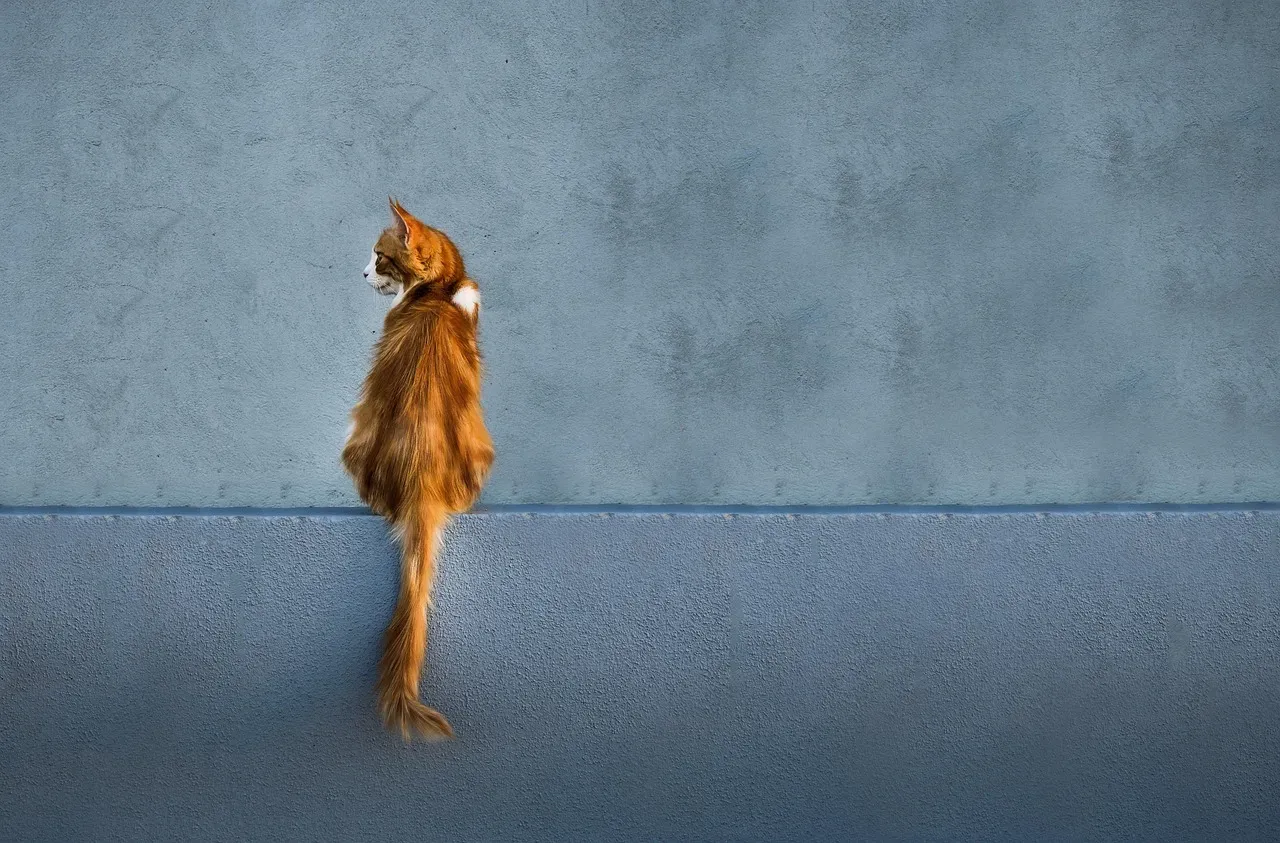
Think of your cat’s tail as a mood ring that actually works. In cats, it’s their tail position that provides the greatest insight into what they’re feeling, and they use their tail movements along with their eyes, ears, and body postures to communicate. Most people focus on meows or hisses, but the tail is where the real conversation happens – often long before your cat makes a single sound.
Cat tail language can tell you about a cat’s moods, emotions, and intentions, allowing you to understand and predict their behavior. The movement of the tail can tell you as much as a purr, a meow, or a yowl. A tail can move in an almost infinite range of combinations of movements. So the next time your cat walks into the room, don’t just glance up and go back to your phone. Pay attention. That tail is practically giving you a live weather report on your cat’s emotional state.
The High, Proud Tail: Your Cat’s Version of a Warm Hello
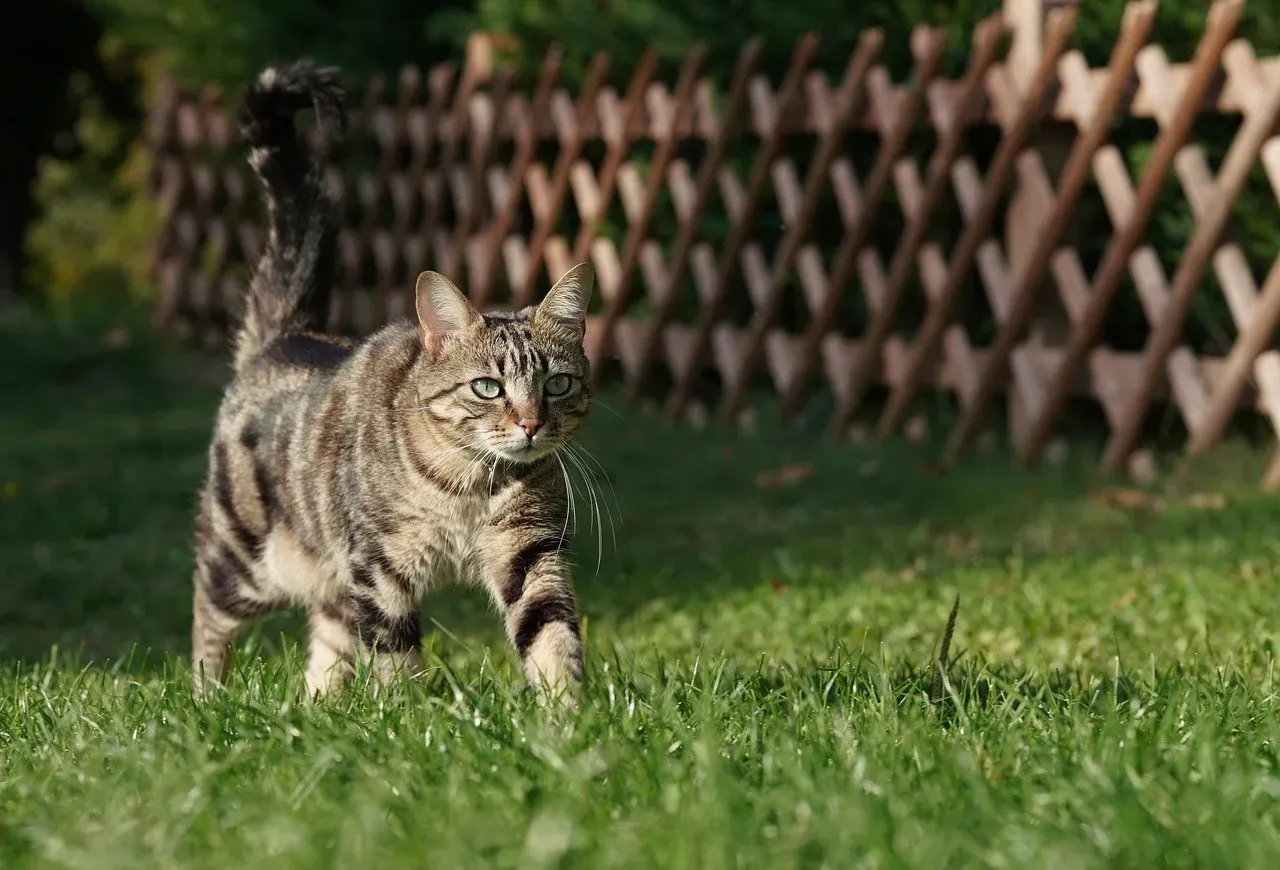
A cat with its tail pointing straight up is displaying one of the most positive body language signals in feline communication. This upright position typically indicates a happy, confident cat who feels secure in their environment. Think of it like someone walking into a room with their head held high and a genuine smile on their face. That’s exactly what your cat is doing – just with their tail.
When your cat holds their tail straight up vertically, it’s a friendly invitation to engage – anatomically speaking, the cat is exposing their anal sac region, inviting other cats to sniff this area as a type of intimate social engagement. I know that sounds a little strange to us humans, but in cat culture, it’s the equivalent of an open-armed welcome. When approaching humans, cats often hold up their tails, especially before rubbing against their legs. So when you get that tail-up greeting at the door, you’ve officially earned your cat’s approval.
The Question Mark Tail: An Invitation You Shouldn’t Ignore
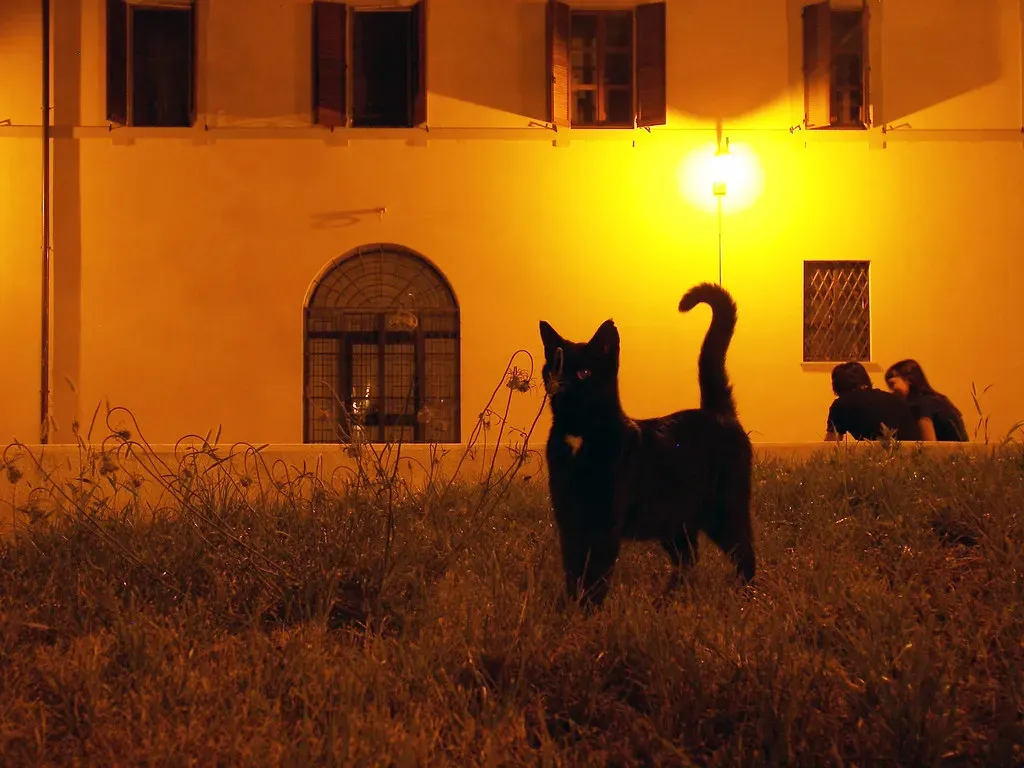
When your cat holds their tail upright with a curved tip resembling a question mark or hook, they’re sending you a clear invitation to interact. This distinctive tail position is one of the most positive signals in feline body language. A question mark tail indicates your cat is feeling friendly, confident, and socially engaged. It’s one of those signals that, once you spot it, you’ll wonder how you ever missed it before.
The question mark-shaped tail position is a cat’s way of asking you, “Would you like to play?” Cats may also move the tip of their tails back and forth with the question mark changing orientations, which is an even more intense play signal. So if you see that little hook forming, put down what you’re doing and grab a toy. Your cat is in a rare, socially generous mood, and you’d be wise to take full advantage of it.
The Puffed-Up Tail: When Fear Takes Over
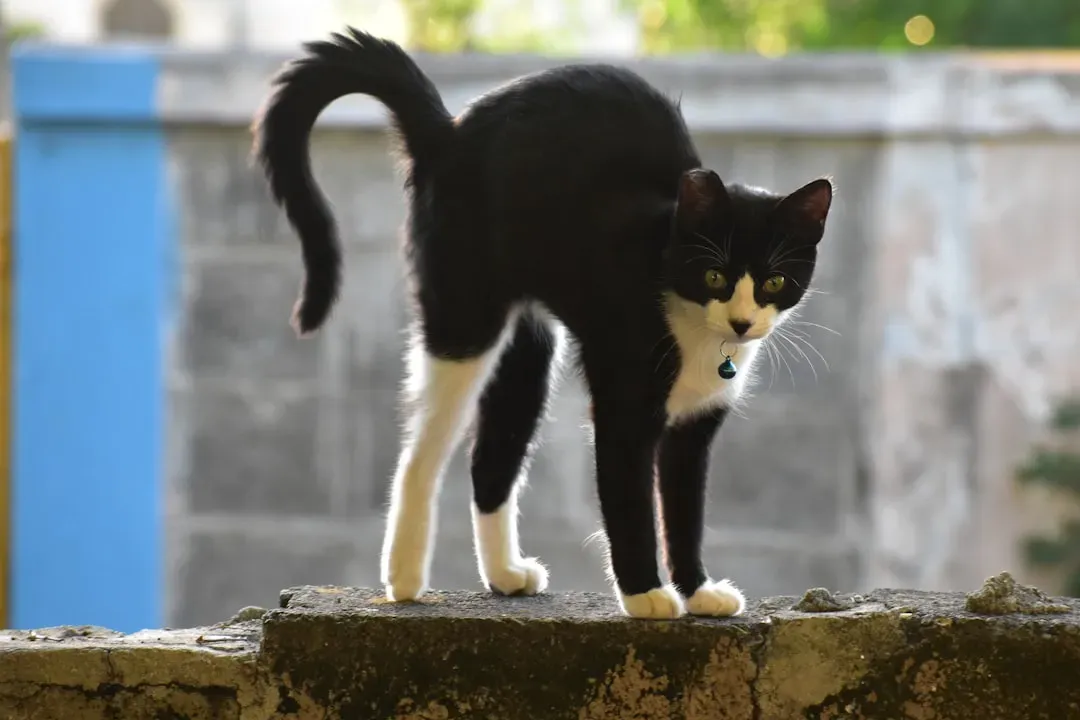
When your cat’s tail suddenly puffs up like a bottle brush, they’re sending a clear message – they’re frightened and on high alert. This dramatic display occurs when your cat’s fur stands on end, known as piloerection, as a defensive mechanism making them appear larger to potential threats. It can happen in a split second – one moment everything is calm, the next your cat looks like a Halloween decoration.
When a cat puffs up their tail, be on alert. It’s a clear message that they are aroused or afraid. The puffed-up tail is common around other animals and might be intended to make them seem larger against a potential attacker. The smartest thing you can do in this moment is give your cat space. A quiet room or elevated perch away from the perceived danger works well. Never punish a cat displaying this tail position – they’re already distressed. Compassion, not correction, is what your cat needs right now.
The Tucked or Wrapped Tail: Reading Vulnerability and Fear
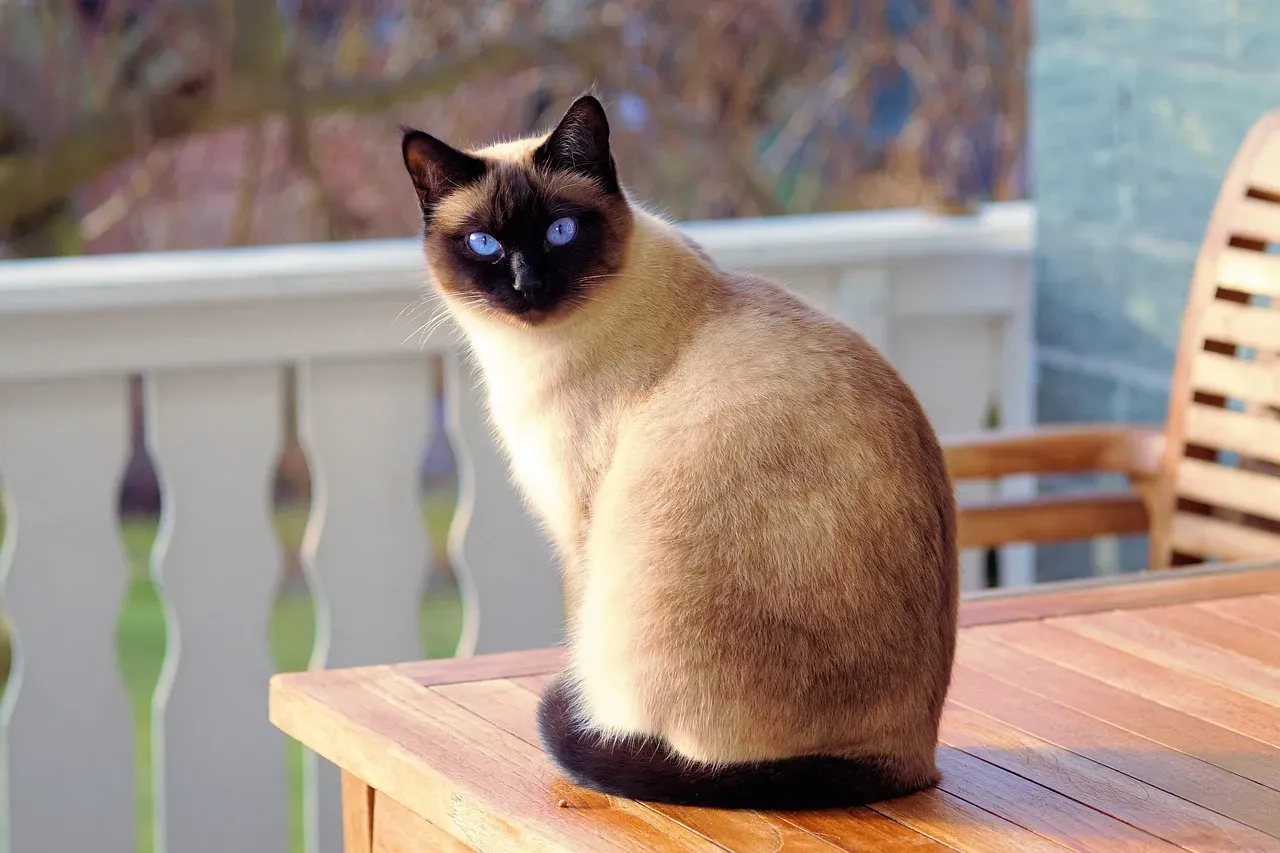
When a cat tucks their tail under their body or wraps it around themselves, it can be a sign of uncertainty that may indicate feelings of fear and submission. This is especially true when this tail position is accompanied by wide eyes, dilated pupils, and flattened ears. It’s the feline equivalent of someone curling up in a corner hoping nobody notices them. Your cat is trying to make themselves as small and non-threatening as possible.
If your cat is sitting or lying down with their tail wrapped around their body, they may be frightened, defensive, in pain, or feeling unwell. When you see this, end your interaction and ensure your cat’s environment is free of stressors. If your cat frequently crouches with their tail curled tightly around their body for more than a few days, an evaluation by your veterinarian is warranted to rule out pain or illness. Context really is everything here, so always look at the full picture before jumping to conclusions.
Tail Thrashing and Thumping: The Clearest Warning Sign
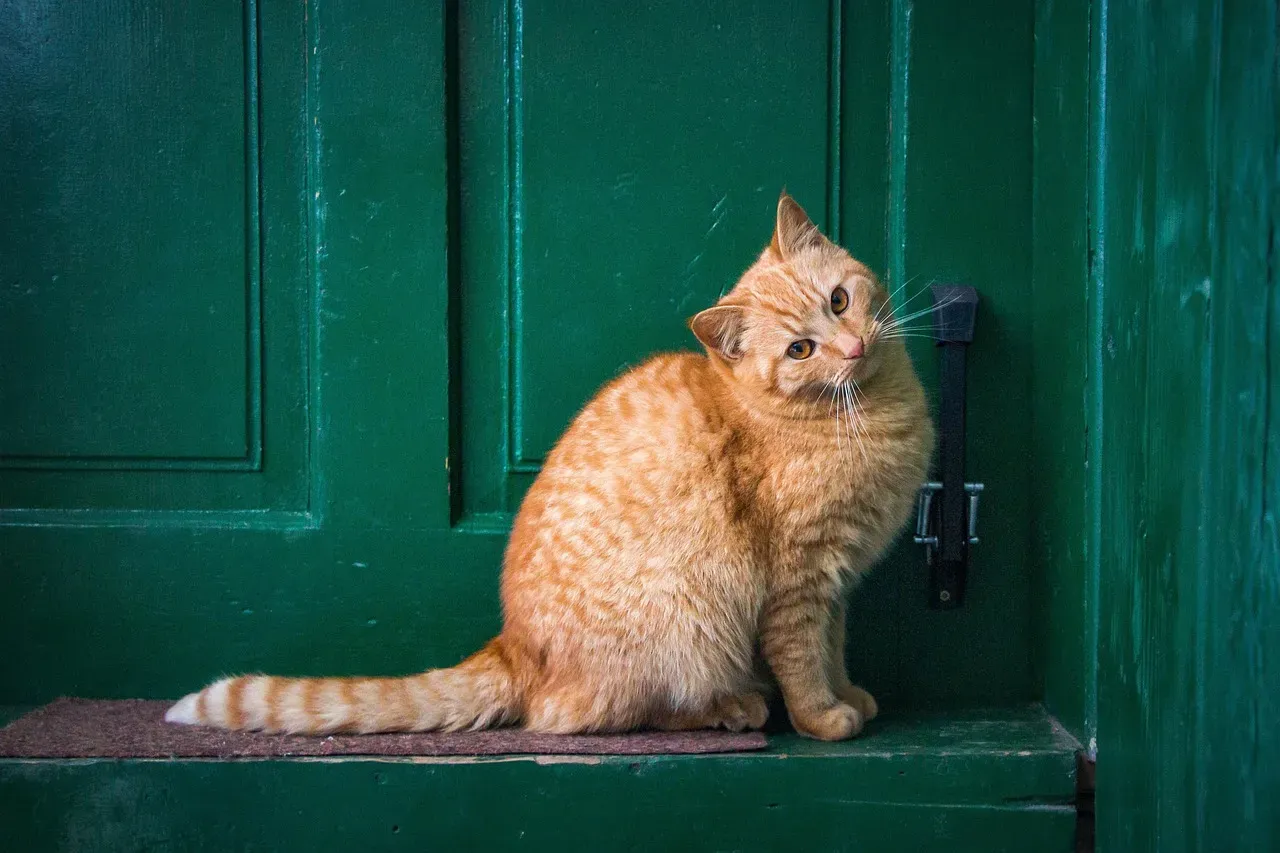
A thumping tail is one of the clearest warning signs in feline body language. When your cat deliberately thumps or thrashes their tail against the floor, they’re communicating irritation, annoyance, or anger. This isn’t a subtle hint – it’s a direct message that something is bothering them. Let’s be real: when a cat’s tail starts beating like a drum, you’ve officially overstayed your welcome in their personal space.
The intensity of the thumping often correlates with your cat’s level of frustration. A gentle tap might indicate mild annoyance, while a forceful thump suggests serious irritation. If you or a visitor is petting your furry friend and tail thrashing starts, your cat might be shouting, “Stop!” It is wise to do so unless you want to witness an entirely different kind of communication, such as hissing or swatting. Consider that tail thump your final warning – and respect it.
The Gentle Swish and Quiver: Contentment, Excitement, and Everything in Between
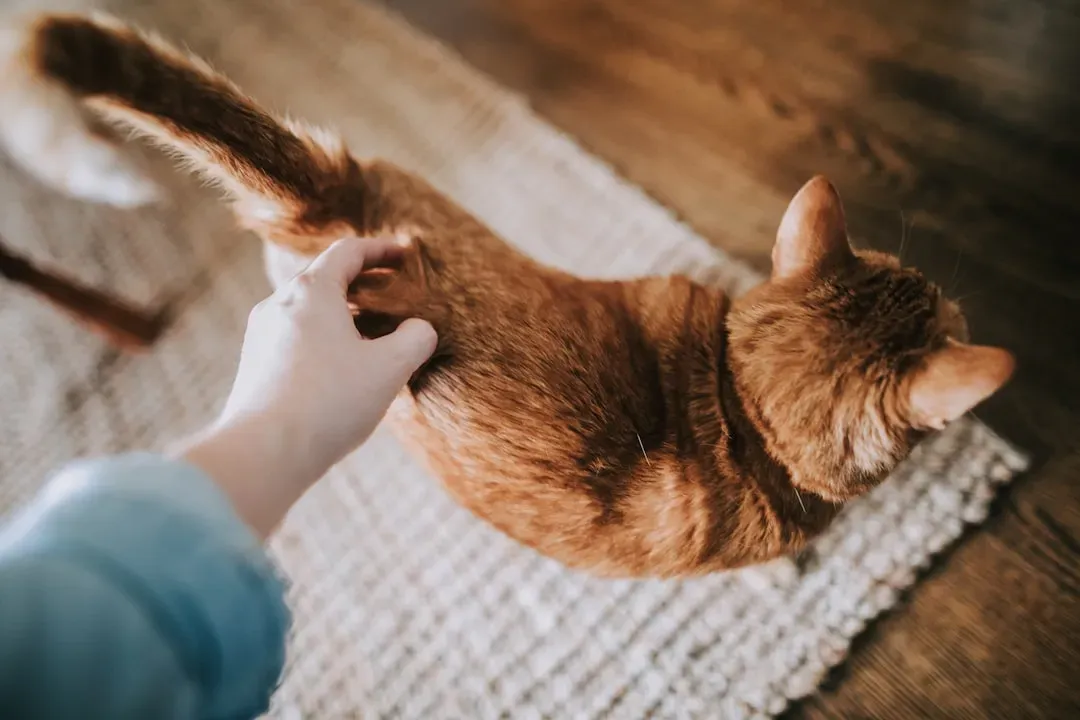
When a cat’s tail is in motion and looks fluid and soft, it’s “swishing.” Generally, this indicates a cat who’s relaxed or calmly interested in what’s happening. This is probably the most satisfying tail signal to observe because it means your cat is simply in a good place. Imagine them as a person lounging in a hammock – no stress, no agenda, just existing peacefully.
A quivering tail often indicates excitement. You might notice this when you’re rattling the treat bag or pulling out a favorite toy. Gentle twitching when lying down can mean they’re feeling happy and relaxed, but a more rapid twitching can indicate they’re feeling irritated or over-stimulated. If your cat’s tail is twitching while they’re standing or walking around, this can mean they’re feeling annoyed, unwell, or they’re ready to play or hunt. Speed and context are your two best clues here.
The Tail Wrap Around You: A Love Language in Disguise
Often known as a “cat hug,” your cat may wrap their tail around your leg to demonstrate their affection for you. It’s their way of deepening your bond by showing how comfortable they are with you, and it also allows for scent sharing – a cat’s way of marking their trusted territory. This may be accompanied by purring to signal their happiness. Honestly, few things feel as unexpectedly sweet as that quiet, furry loop around your ankle.
Cats rubbing their tails against you is actually a form of communication and affection. When your feline friend brushes its tail on you, it’s essentially marking you as its own. This behavior is rooted in territorial instincts. The end of a cat’s tail contains scent glands with pheromones, which they use to leave their unique signature on things they consider theirs – including you! So the next time your cat performs that little move, understand that you’ve just been claimed. That’s something to feel genuinely good about.
Cats vs. Dogs: Why a Wagging Tail Means Something Completely Different
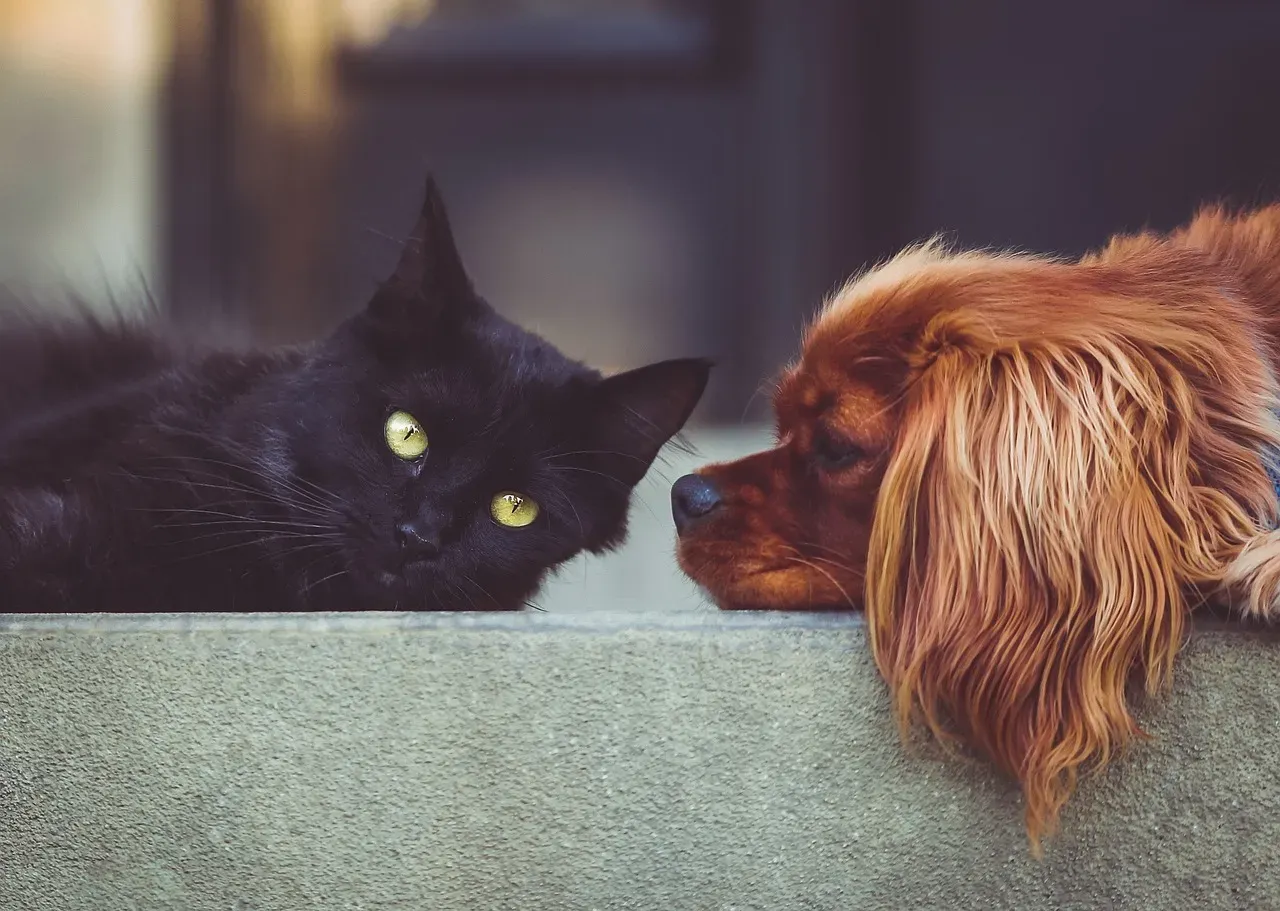
Dogs generally wag their tails when they are happy, satisfied, or excited. However, for cats, the same does not apply. This mix-up causes so many misread moments between cats and the humans who’ve spent too much time around dogs. A wagging cat tail is not a wagging dog tail – not even close. Treating them the same way is a bit like assuming a thumbs-up means the same thing in every country. It does not.
A wagging tail means that the cat is ambivalent – they are pausing for thought, not sure about what to do next. Whipping or lashing of the tail is a sign that a cat is angry, and that they may take a sudden, strong action in the near future. If a cat does this, it’s time to take a step backwards to give the cat some space. If you don’t, you may risk being bitten or scratched. The lesson? Never assume a cat wag is a happy sign without reading the full body language picture first.
Reading the Whole Picture: Ears, Eyes, and the Tail Together
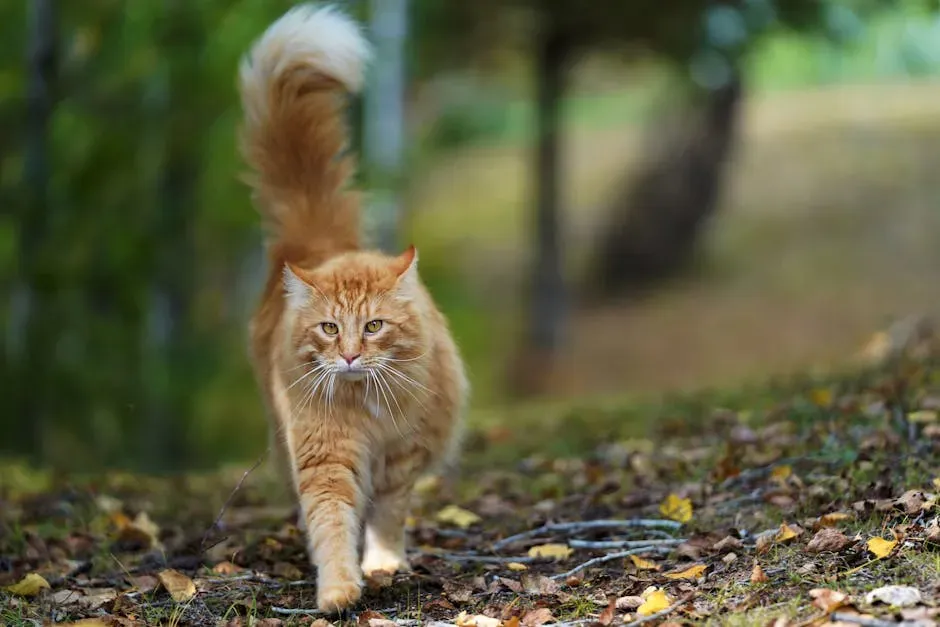
Research shows that the position of the ears is more important than tail position for both cats when they interact with each other. This might surprise you given how much attention the tail gets, but feline communication is a full-body affair. Think of it like reading a text message without the tone of voice – you need the whole sentence, not just one word, to truly understand the meaning.
Being aware that a tail-up approach with ears non-erect may have a different meaning than when ears are erect might be a way to better process the information given by cats. Remember to interpret tail movements in the context of your cat’s other body language signals and the current situation. The more you become aware of your cat’s body language, the better you will be at knowing how they’re feeling, allowing you to act accordingly and best provide for your cat’s emotional needs. It’s a conversation, not a single word. Listen to the whole thing.
Conclusion: Learning to Speak Tail
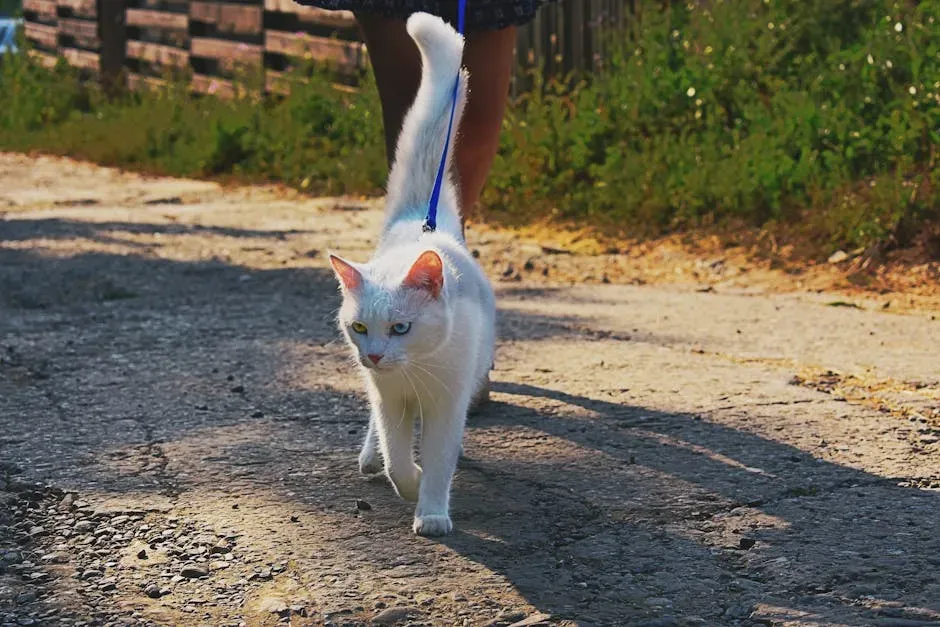
Your cat has been talking to you since the very first day they walked into your life. The tail has always been there – lifted, lowered, puffed, curled, quivering – painting a vivid emotional portrait that most people simply walk past without reading. Once you start paying attention, you’ll realize just how expressive and emotionally rich your cat’s inner world truly is.
The ability to interpret your cat’s tail language is not only a tool for understanding their emotions but also a means to create a stronger and more enriching bond. Learning this silent language takes patience, but the reward is a relationship built on genuine understanding rather than guesswork. Your cat has been fluent in this language their entire life. Now it’s your turn.
So here’s something worth sitting with: your cat has never been mysterious – they’ve just been waiting for you to pay closer attention. What has your cat’s tail been trying to tell you all along?