You might think your cat’s aloof behavior means they’re not communicating with you. Think again. While your feline friend may not meow constantly to get their point across, they’re having an entire conversation with you through something you’ve probably overlooked: their tail.
Cats use their tail movements, along with their eyes, ears, and body postures, to communicate. It’s honestly one of the most expressive parts of their anatomy, yet so many of us miss these subtle signals. Let’s be real, understanding what your cat’s tail is trying to tell you can completely transform your relationship with them.
When Your Cat’s Tail Points Straight to the Sky
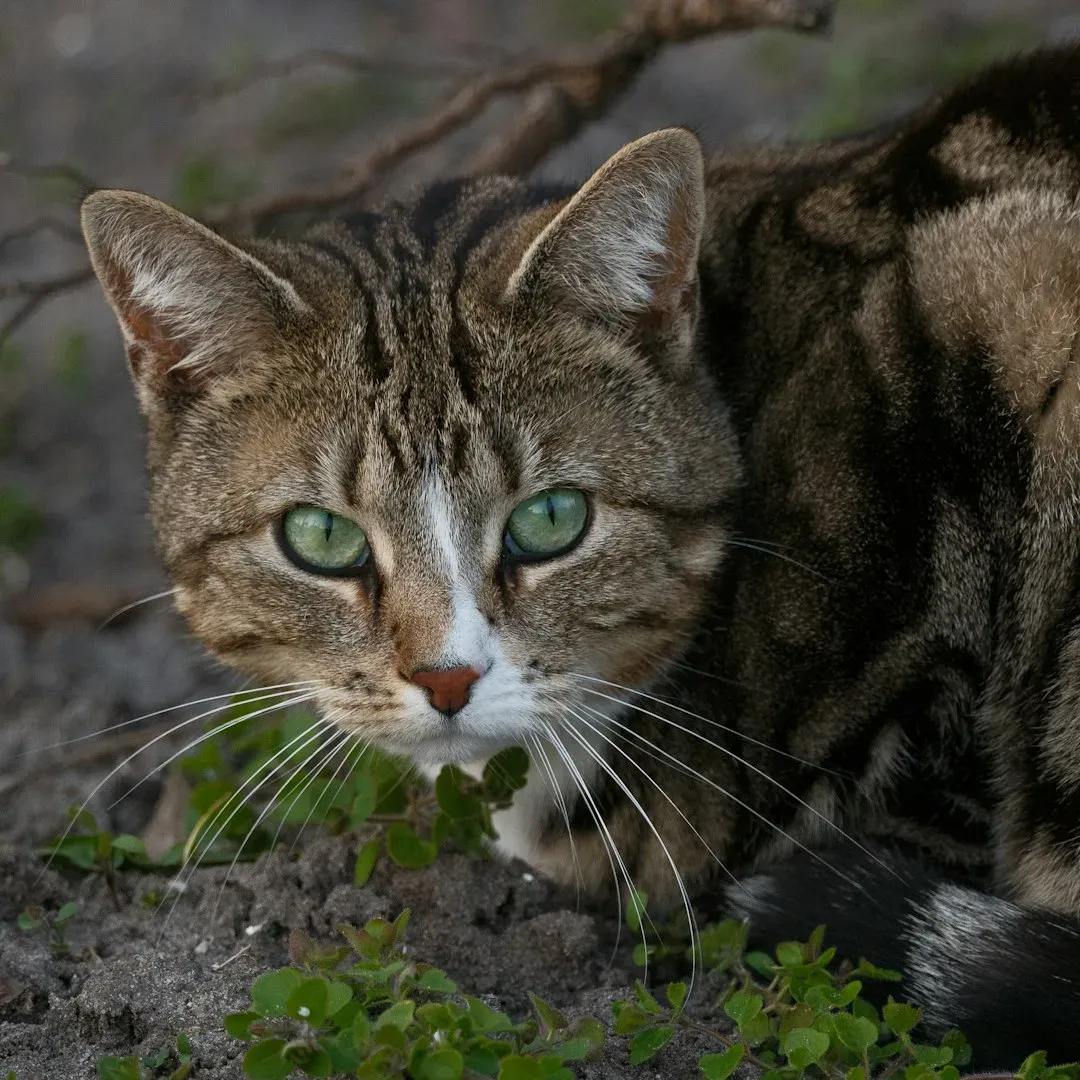
Ever noticed your cat strutting toward you with their tail held high like a flag? That’s not arrogance, that’s pure affection. When a cat’s tail is upright, they are feeling social and confident, and are approaching in a friendly manner. It’s basically their way of saying hello to you, and honestly, it’s one of the sweetest greetings you’ll get from any creature.
This cat tail language indicates a friendly greeting between cats, and it’s how kittens greet their mothers. So when your adult cat does this to you, you’re essentially being treated like family. Sometimes you’ll even see a little quiver at the tip, which means they’re especially excited to see you.
The Question Mark Curve That Means Playtime
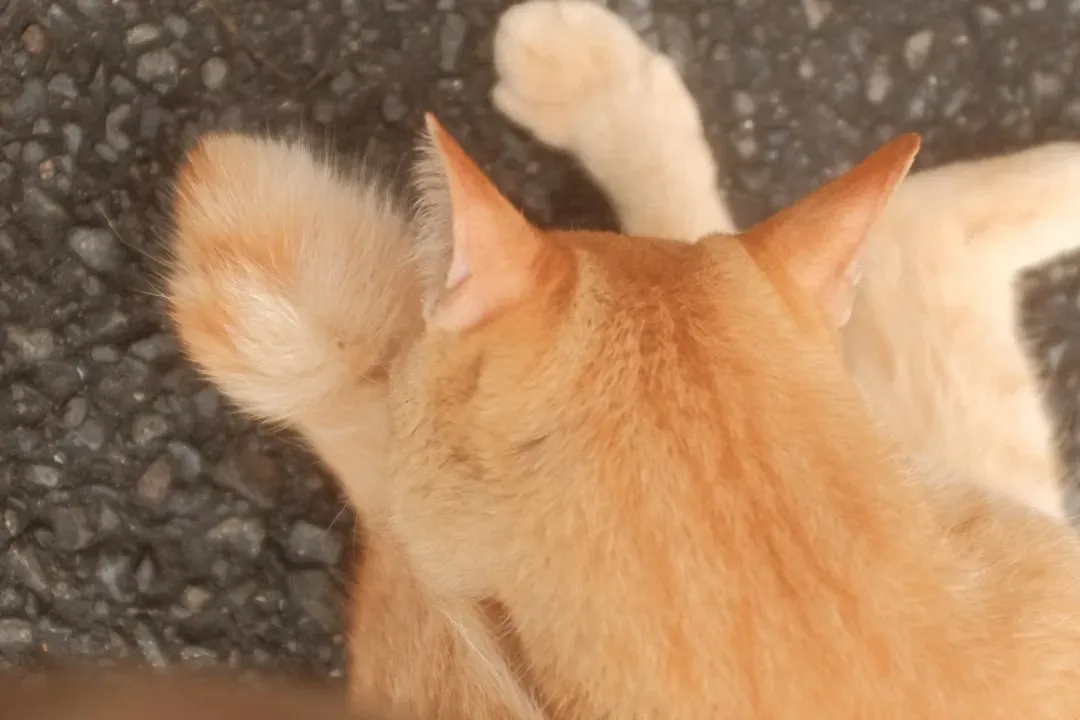
Here’s the thing about cats: they don’t always ask for what they want directly. Sometimes your cat’s tail looks like a question mark – it stands upright but curls at the end, indicating that your cat is happy and approaching amicably. This is their polite way of asking if you’d like to interact.
When a cat bends its tail in the shape of a question mark, this is good news, because the question mark-shaped tail position is a cat’s way of asking you, Would you like to play? It’s your cat’s invitation to some quality time together. Next time you see that distinctive curve, grab a toy or give them some attention, because they’re literally requesting your company.
The Thrashing Tail Nobody Should Ignore
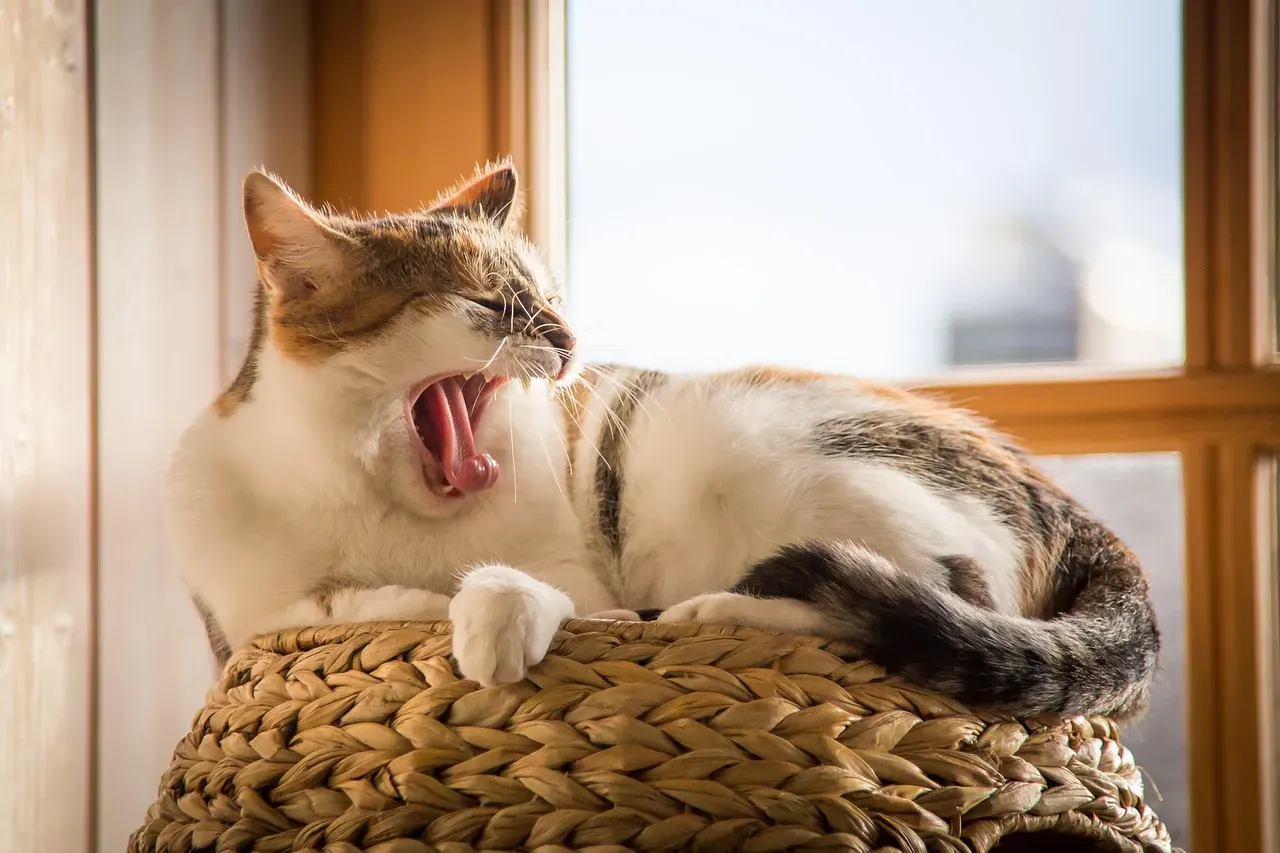
Now this is where things get serious. When your cat thrashes their tail or is thumping it on the ground, they are irritated, annoyed, or angry, and this tells you that something is bothering your cat. Unlike dogs who wag their tails when happy, a vigorously wagging cat tail is a warning sign you need to heed.
If you are petting your cat and they start thrashing their tail, they are trying to tell you to stop, and if you don’t, then the thrashing tail may be a prelude to hissing, growling, swatting, or biting. Pay attention to this signal. Your cat is giving you fair warning before they escalate the situation.
That Subtle Twitching at the Tip
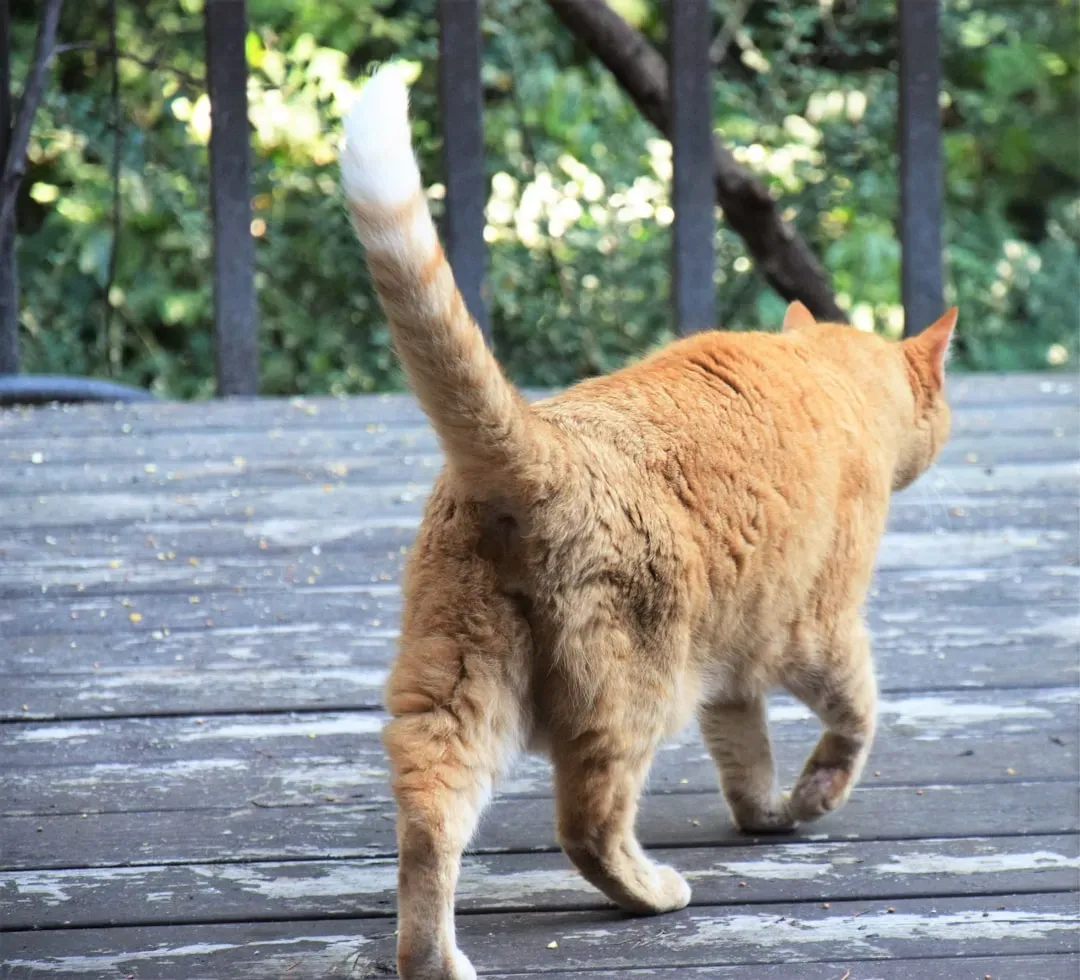
Sometimes the signals are more nuanced than dramatic swishes. Cats twitch the end of their tails when they are hunting and playing, as well as when they are mildly irritated and frustrated, so read the scene and look for other clues to their mood. Context really matters here.
If your cat is staring out the window at a bird while their tail tip twitches, they’re in hunting mode. Tail wagging can mean your kitty is curious and he may be focused on something, like a squirrel or toy. That same twitch while you’re petting them? Totally different story. They might be reaching their limit of affection.
The Puffed-Up Halloween Cat Stance
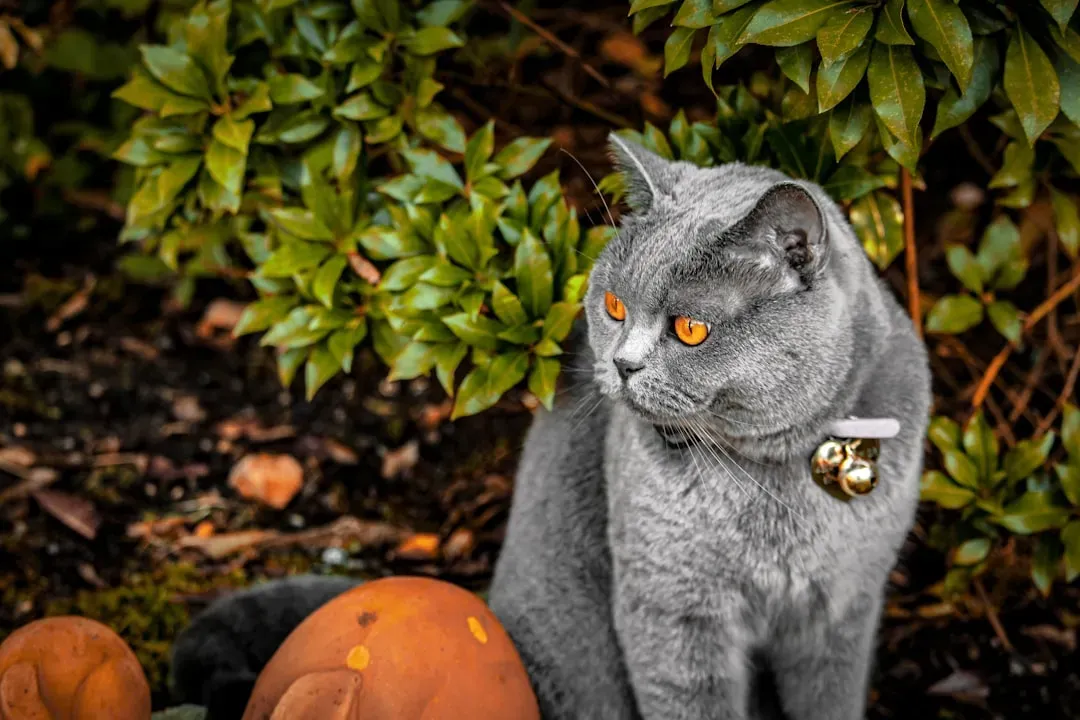
You’ve definitely seen this one, even if only in cartoons. If your cat assumes the quintessential Halloween-cat posture with a puffed tail and arched back, then they are startled or frightened by a sudden, severe threat, and your cat’s hair stands on end so they can appear to be larger. It’s a defensive reaction, pure and simple.
It’s a defense mechanism designed to communicate that they’re actually very large and scary and not worth fighting, however, your cat wouldn’t puff their tail if they weren’t feeling threatened to begin with. When you see this, your cat genuinely believes they’re in danger. Remove whatever’s scaring them if possible, but don’t try to grab them, they’re in full panic mode.
When the Tail Drops Low or Tucks Under
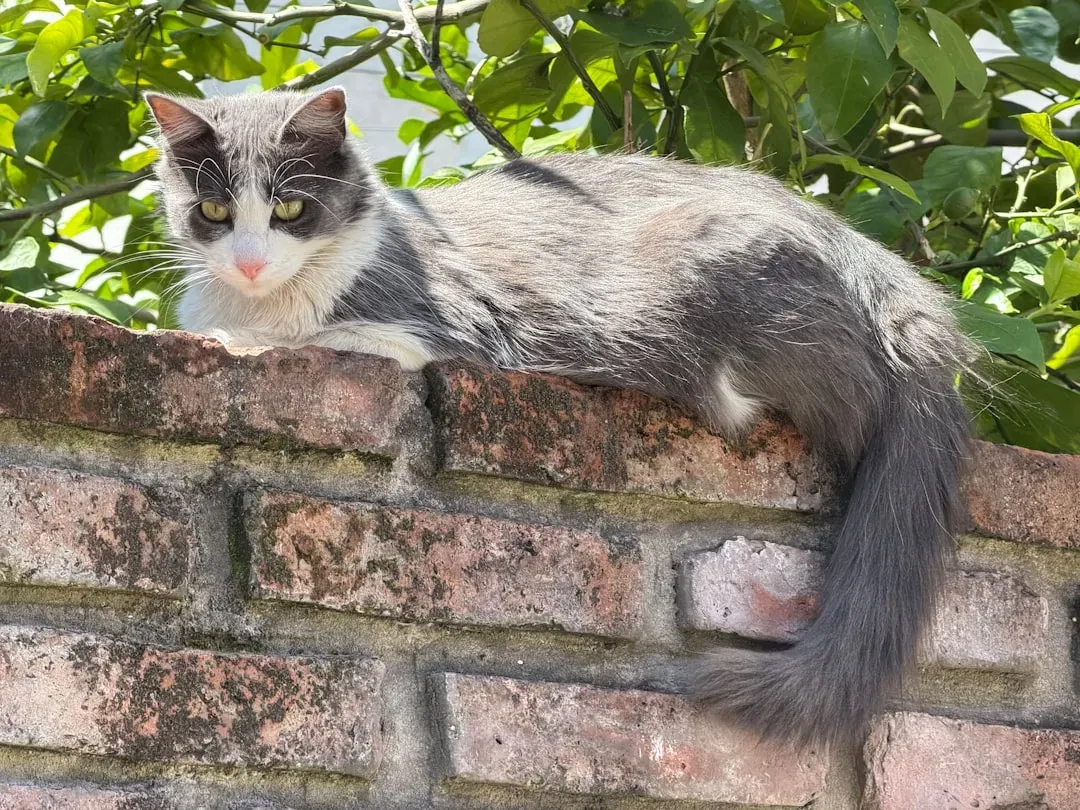
A lowered tail speaks volumes about your cat’s emotional state. A cat may lower their tail below the level of their back if they are frightened or anxious, and if your cat’s tail is tucked between their legs, then they are really scared or may be experiencing pain. This is a vulnerable position for them.
Similar to dogs, a lowered tail can mean your cat is feeling uncomfortable or scared, and in fact, the closer the tail is to the cat’s body, the less comfortable your cat is feeling. If you notice this paired with other changes in behavior, it might be time for a vet visit. Cats are masters at hiding pain, and a tucked tail can be one of the few visible signs something’s wrong.
The Tail Wrap That Says You’re Loved
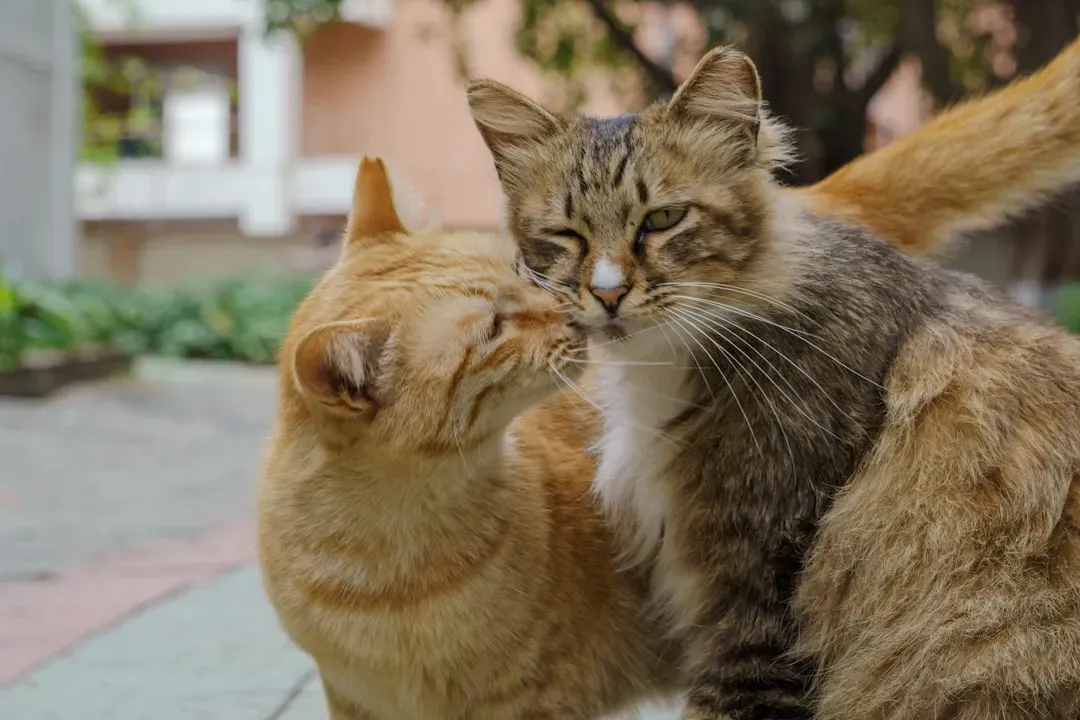
This might be the most heartwarming tail position of all. Cats may greet by curling their tails around people and by intertwining their tails with other cats, and tail wrapping is an affiliative behavior that demonstrates a willingness to interact. When your cat wraps their tail around your leg while rubbing against you, that’s feline affection at its finest.
If your cat snuggles up next to you with their tail curled around you, it means you’re part of their in-crowd – they like you a lot! It’s essentially a hug in cat language. They’re marking you with their scent and telling the world you belong to them.
Understanding the Whole Picture Beyond the Tail
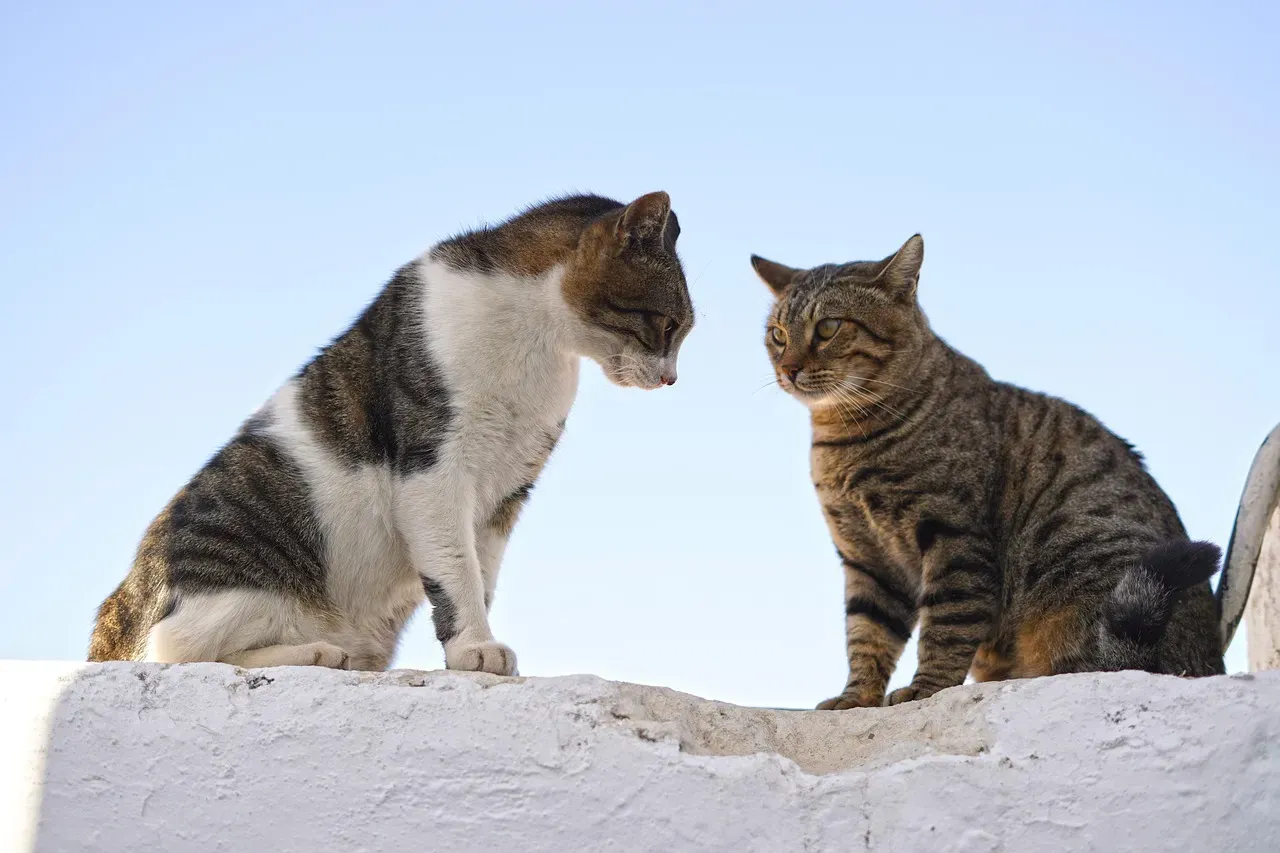
Let’s be honest, you can’t just read the tail in isolation. You have to take the whole body into account when reading tail signals. Look at your cat’s ears, eyes, posture, and even the sounds they’re making to get the complete picture of what they’re trying to communicate.
Although you should look at more than just their tail movements to fully understand your cat’s emotional state, the tail may be the most expressive part of a cat’s body language, and better understanding your cat’s body language will surely improve your bond with your cat. The more you observe your cat in different situations, the better you’ll become at reading their unique communication style. Every cat is an individual with their own personality quirks.
Conclusion
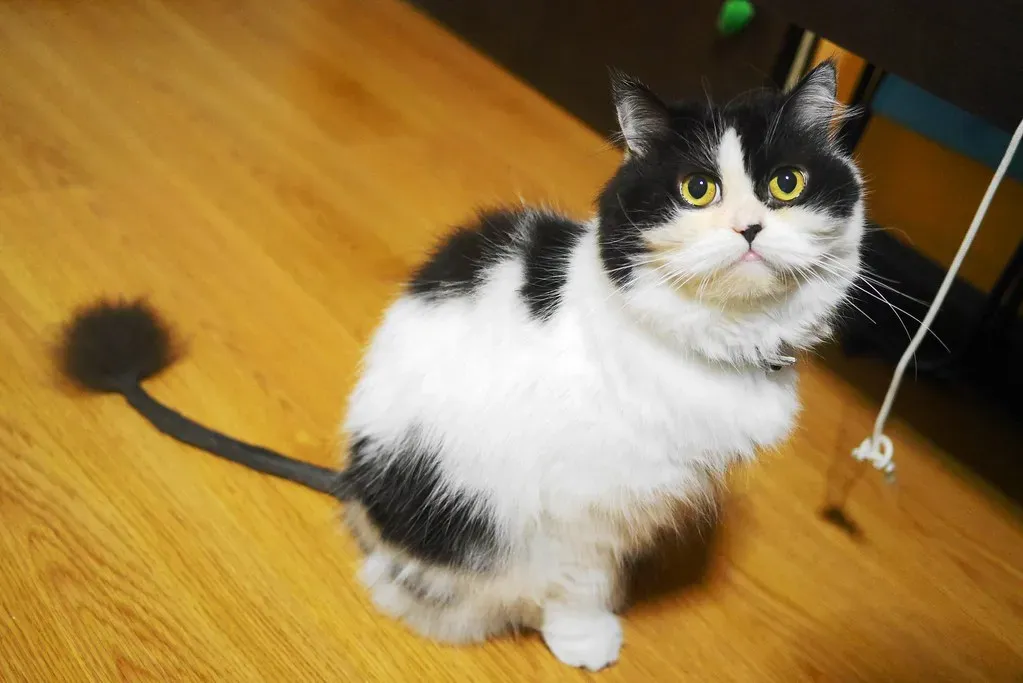
Your cat has been talking to you all along through that expressive appendage attached to their backside. From the confident vertical flag of a happy greeting to the defensive puffed-up bottle brush of fear, every position and movement carries meaning. Cats are masters of non-vocal communication, and the emotions they convey with their tails are excellent examples of this ability, as it’s adaptive and helps them avoid detection by prey or predators to get their point across silently.
By paying attention to these signals and responding appropriately, you’re showing your cat that you understand them, which builds trust and strengthens your relationship. Whether it’s knowing when to stop petting, when to initiate play, or when to give them space, reading tail language makes you a better cat companion.
What do you notice about your cat’s tail movements? Have you been missing signals this whole time? Tell us in the comments.