You live with one of nature’s most expressive creatures, and somehow, you still have no idea what they’re thinking half the time. Sound familiar? Cats have a reputation for being mysterious, aloof, even deliberately confusing. But here’s the thing – your cat is actually talking to you every single day. Not with words, obviously. Not even always with sound. Their tail is doing most of the heavy lifting, and once you know how to read it, everything changes.
Your cat uses tail movements, along with their eyes, ears, and body postures, to communicate. Think of the tail as a mood ticker tape, running in real time, broadcasting your cat’s emotional state to anyone willing to pay attention. Whether you’re a new cat parent or a lifelong feline enthusiast, what you’re about to discover might completely change how you interact with your pet. Let’s dive in.
Why Your Cat’s Tail Is Their Most Powerful Communication Tool
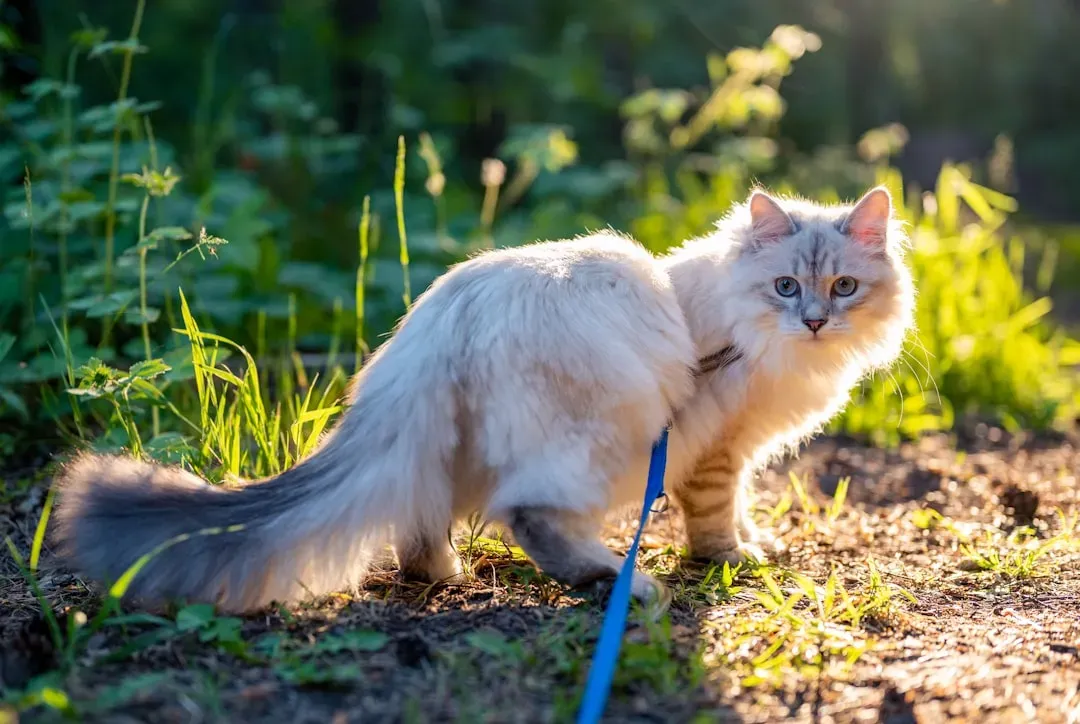
Most people assume cats are just impossible to read. And honestly, that reputation isn’t entirely unfair. But the truth is far more interesting. Although you should look at more than just their tail movements to fully understand your cat’s emotional state, the tail may be the most expressive part of a cat’s body language. That’s a bold claim, but it holds up under scrutiny.
Cats use their tails for two main functions: balance and communication. What’s remarkable is how sophisticated that communication actually is. The cat’s tail is one of its most expressive features, serving as a dynamic, real-time barometer of its emotional health. It’s like having a friend who wears their heart on their sleeve – except the sleeve is furry and attached to their backside.
The High Tail: Your Cat’s Way of Saying “I’m Happy to See You”
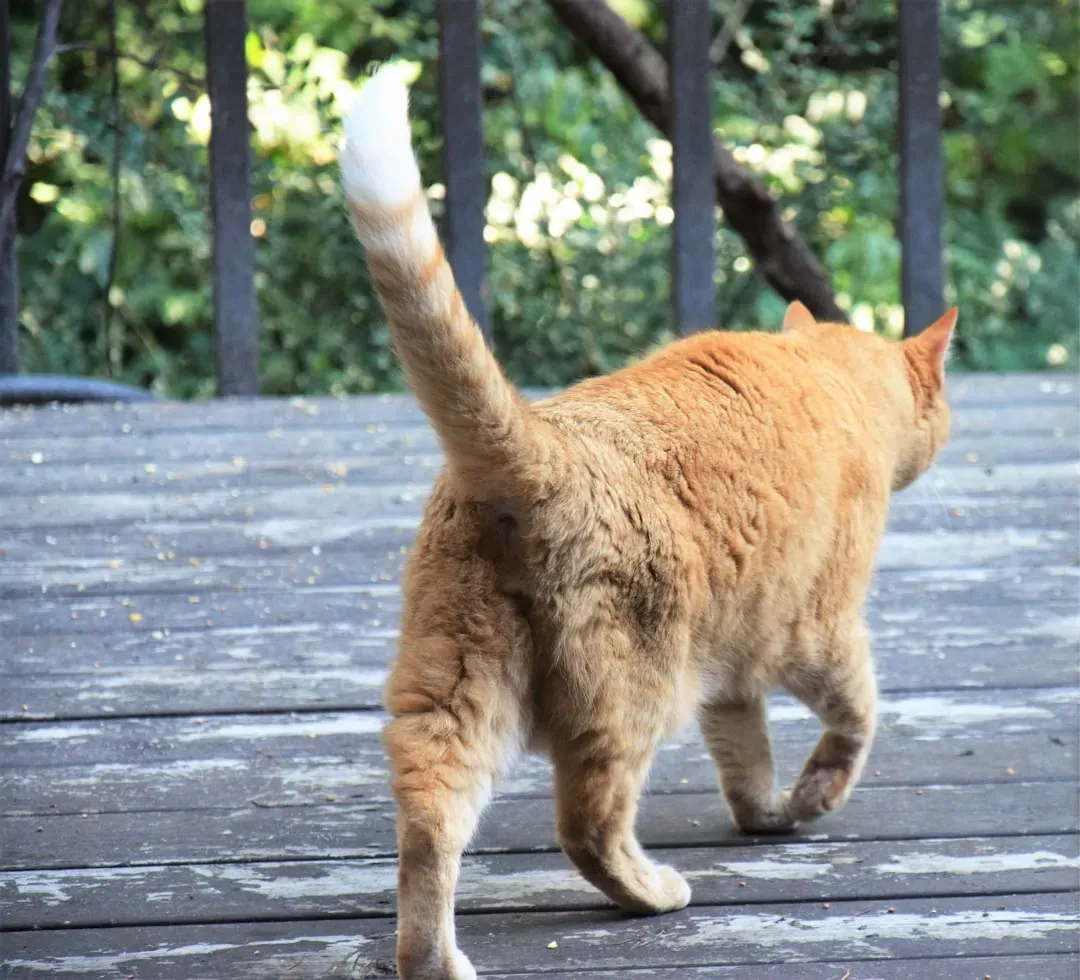
When a cat’s tail is upright, they are feeling social and confident, and are approaching in a friendly manner. If your cat strolls toward you with their tail standing at full attention like a little antenna, you can relax. That’s your cat offering the warmest greeting they know how to give. A tail held high like a flagpole is the ultimate sign of sociability and confidence, and it mimics the posture kittens use to greet their mothers.
This cat tail language indicates a friendly greeting between cats, and it’s how kittens greet their mothers. So when your cat does this with you, they’re essentially treating you like a beloved parent figure. If a cat walks into the room with their tail sticking straight up, they’re feeling confident, comfortable, and ready to engage in some friendly interaction – this tail position indicates all is right in the world, at least from the cat’s perspective. Go ahead and say hello back.
The Question Mark Tail: An Invitation You Shouldn’t Ignore
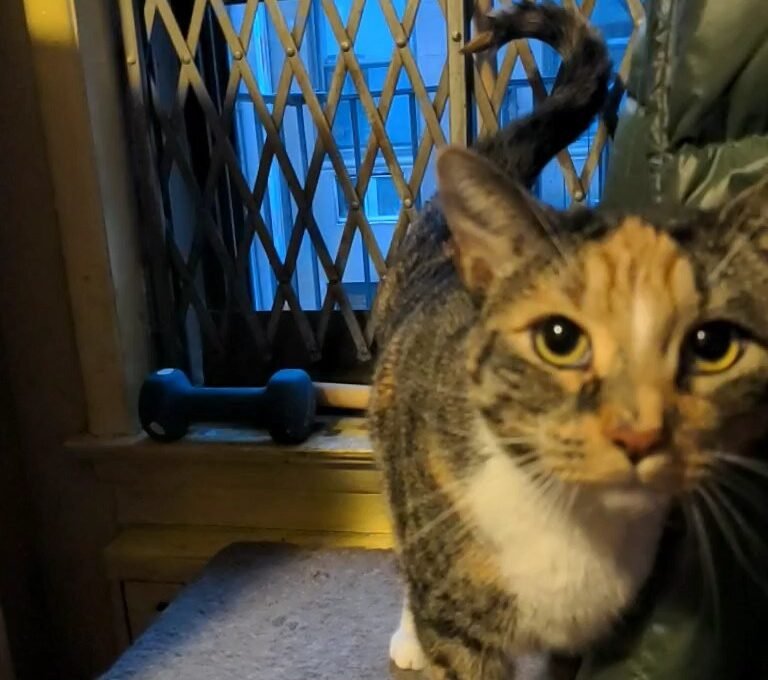
You may notice that sometimes your cat’s tail looks like a question mark – it stands upright but curls at the end. This cat tail language indicates that your cat is happy and approaching amicably, and when your cat’s tail is in this position, it means it’s an invitation to interact with your cat. Think of it as a tiny, curled-up wave hello. It’s charming, once you know what it means.
When a cat bends its tail in the shape of a question mark, this is good news, especially if you have a few minutes to spare and some cat toys at the ready – because the question mark-shaped tail position is a cat’s way of asking you, “Would you like to play?” I think this is one of the sweetest signals in the entire feline communication playbook. If your cat bends their tail into the shape of a hook or question mark, this is a very positive sign – according to behavior experts, this “question mark tail” is a pro-social behavior. Don’t leave your cat hanging.
The Thrashing Tail: When Your Cat Is Telling You to Back Off
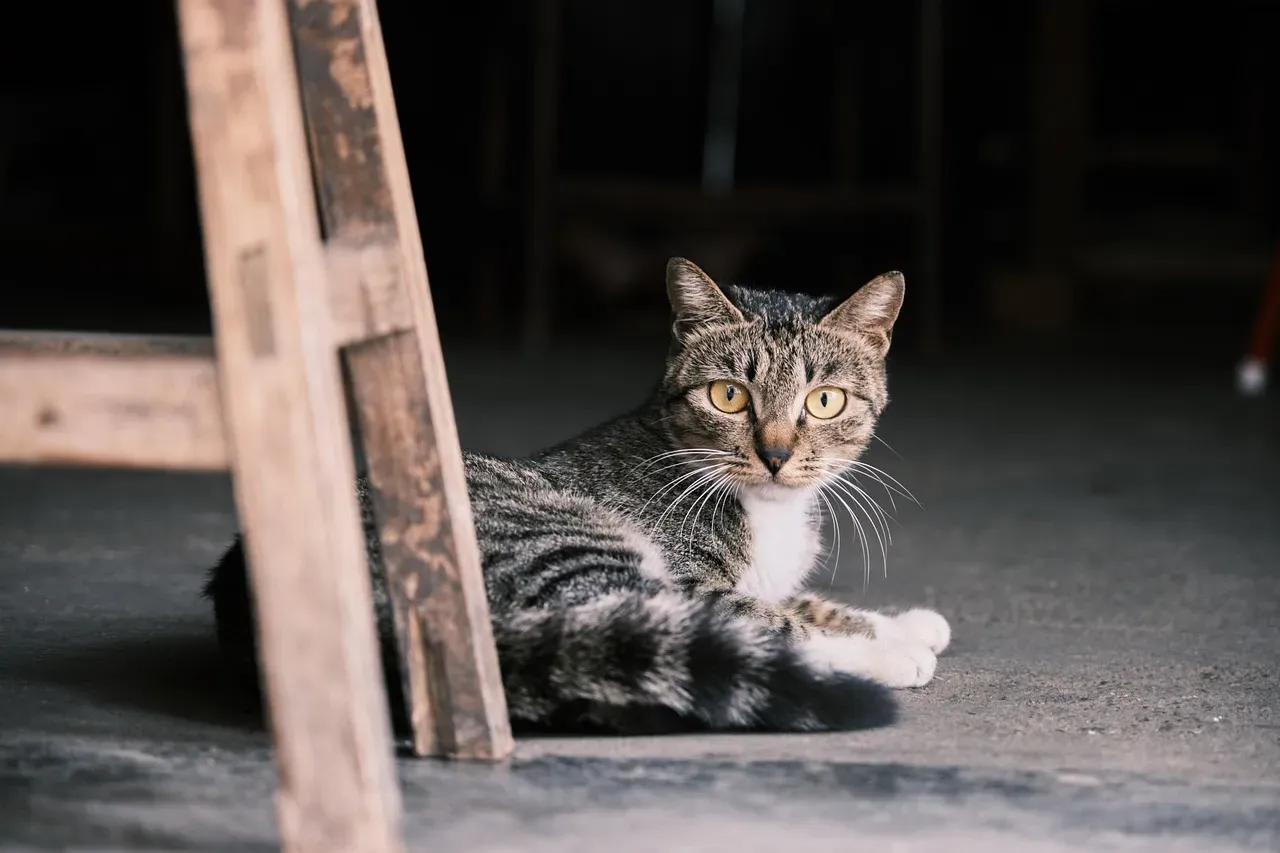
When your cat thrashes their tail or is thumping it on the ground, they are irritated, annoyed, or angry – this tells you that something is bothering your cat. This is one of the clearest warning signals a cat can send, and many people still miss it entirely. It’s the feline equivalent of someone tapping their foot impatiently – except your cat is about ten seconds from making their irritation very physical.
If you are petting your cat and they start thrashing their tail, they are trying to tell you to stop – and if you don’t, then the thrashing tail may be a prelude to hissing, growling, swatting, or biting. Let’s be real, ignoring this signal is the number one way people accidentally get scratched by their cats. Rapidly thrashing or whipping tails or ones thumping on the ground indicate irritation, annoyance, or anger. Something might be bothering your cat, and they may want some distance from it – if you or a visitor is petting your furry friend and tail thrashing starts, your cat might be shouting “Stop!”
The Puffed-Up Tail: Full Alarm Mode Activated
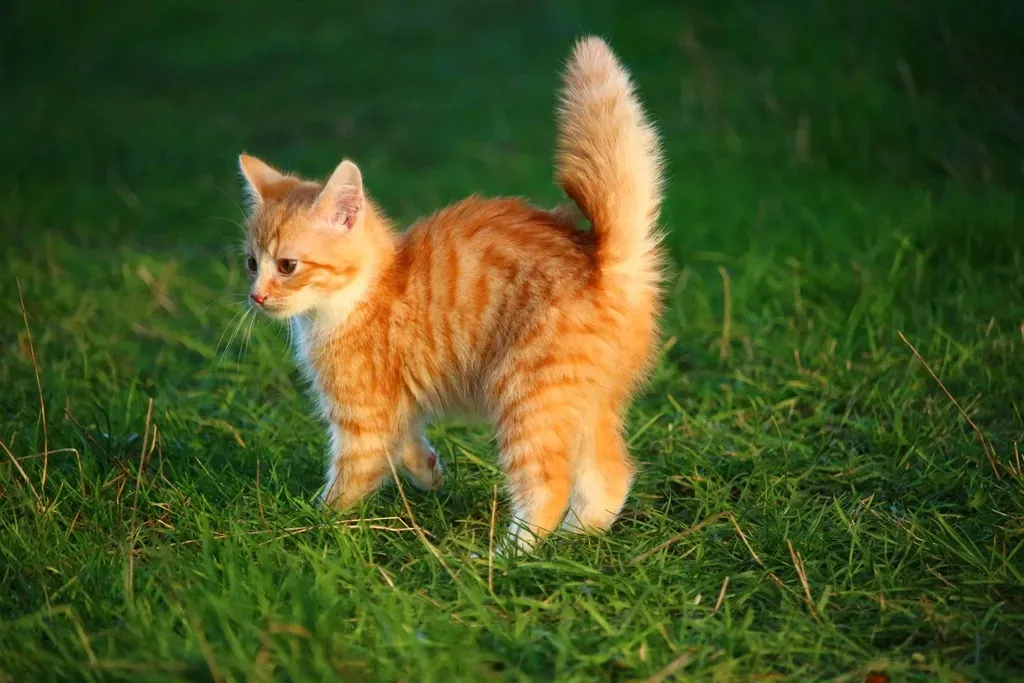
If your cat assumes the quintessential Halloween-cat posture with a puffed tail and arched back, then they are startled or frightened by a sudden, severe threat. Your cat’s hair stands on end (piloerection) so they can appear to be larger, and this is a defensive reaction indicating that your cat wishes to be left alone. You’ve seen this look in cartoons, but in real life it’s a serious signal that your cat feels genuinely threatened.
Part of the purpose of puffing up the tail, or any other part of your cat’s fur, is to make them look bigger to other creatures around them. It’s the same instinct that makes a tiny dog puff up its chest at a Labrador – pure survival theater. This tail position is often triggered by feeling threatened, such as by other animals in the yard, approaching dogs, visitors in the home, or sudden noises. Removing the inciting triggers will decrease your cat’s stress – and if you try to interact with your cat when their hair is standing up, they may perceive your approach as a threat and become aggressive. Give them space and time.
The Tucked Tail: Fear, Submission, or Something More Serious
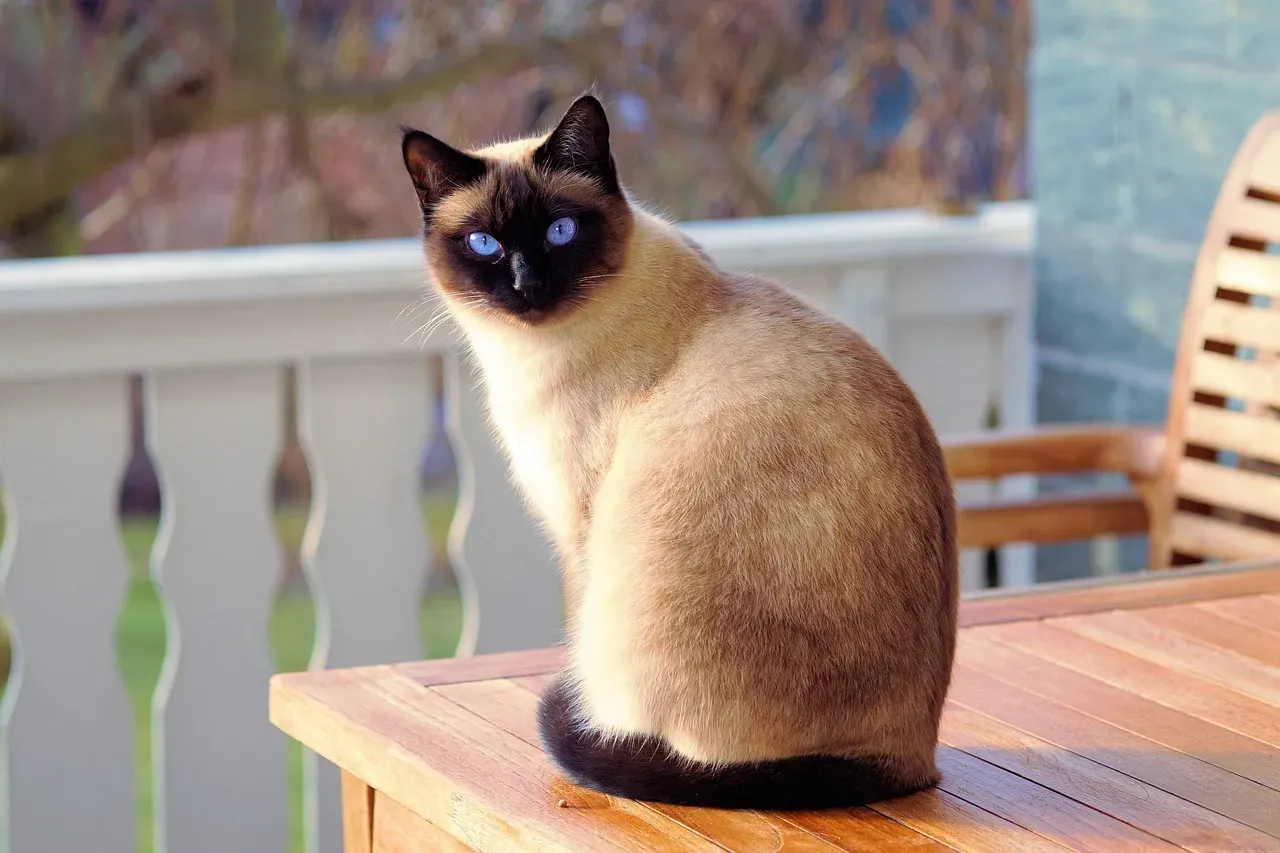
A cat may lower their tail below the level of their back if they are frightened or anxious, and if your cat’s tail is tucked between their legs, then they are really scared or may be experiencing pain. This one is easy to miss because we’re not always conditioned to look at our cat’s tail when they’re being quiet and withdrawn. The closer the tail is to the cat’s body, the less comfortable your cat is feeling – when a cat feels afraid, they attempt to pull in vulnerable parts like their tail.
A cat who has tucked the tail between the hindlegs is very frightened. This is a submissive posture where the cat is trying to appear small and non-threatening. Don’t assume though that this posture says it’s safe to approach – if there’s no means of escape, the frightened cat may display defensive aggression. Honestly, this is crucial knowledge. A frightened cat can become dangerous, not out of malice, but pure panic. Tread carefully.
The Slow Swish: Calm Focus or the Calm Before the Storm
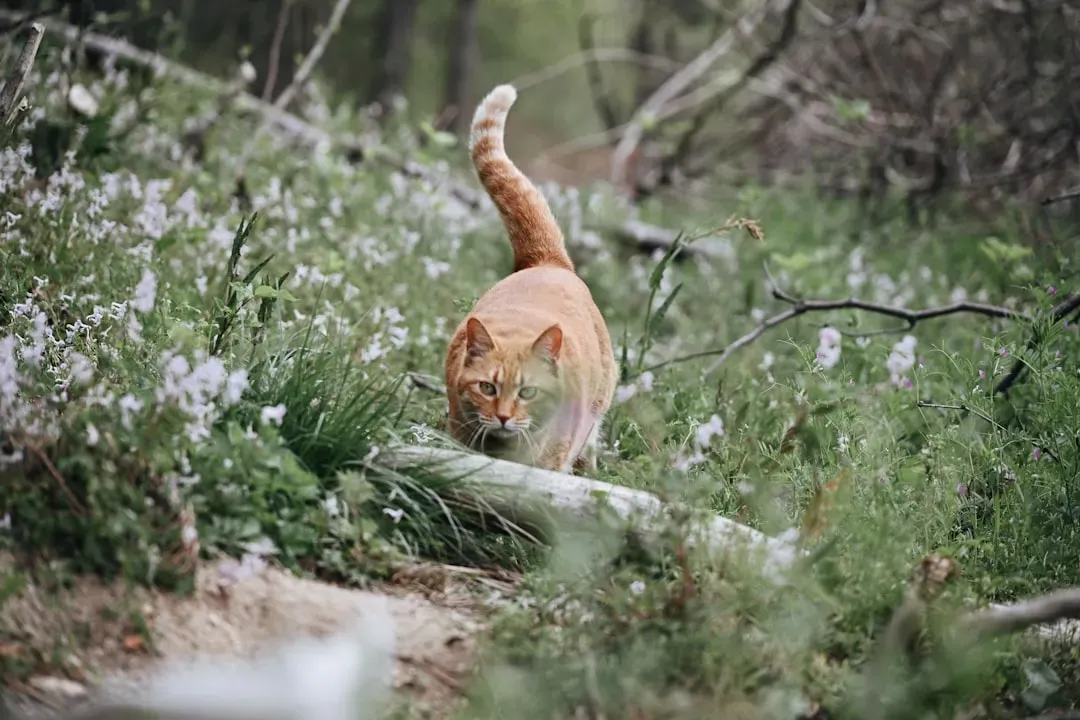
Swishing tails slowly from side to side in a soft, fluid manner indicate cats who are relaxed, calm, and perhaps mildly interested in something – just let these purring machines hang out and enjoy life. If your cat is doing this while watching a bird out the window, you’re witnessing a cat in their element. Alert, interested, but completely at ease. It’s genuinely one of the most peaceful things to observe.
When the tail moves in a slow, fluid sweeping motion from side to side, your cat is calmly interested – the vibe is alert but relaxed, and you’ll often see this when they are “zoning in” on a bird outside the window or preparing to pounce on a toy. Here’s the thing though: if their tail is switching strongly from side to side, they are most likely feeling angry, excited, or irritable. Slow and soft is good. Fast and stiff is not. The difference matters enormously.
The Tail Wrap: Affection, Comfort, or a Hidden Warning
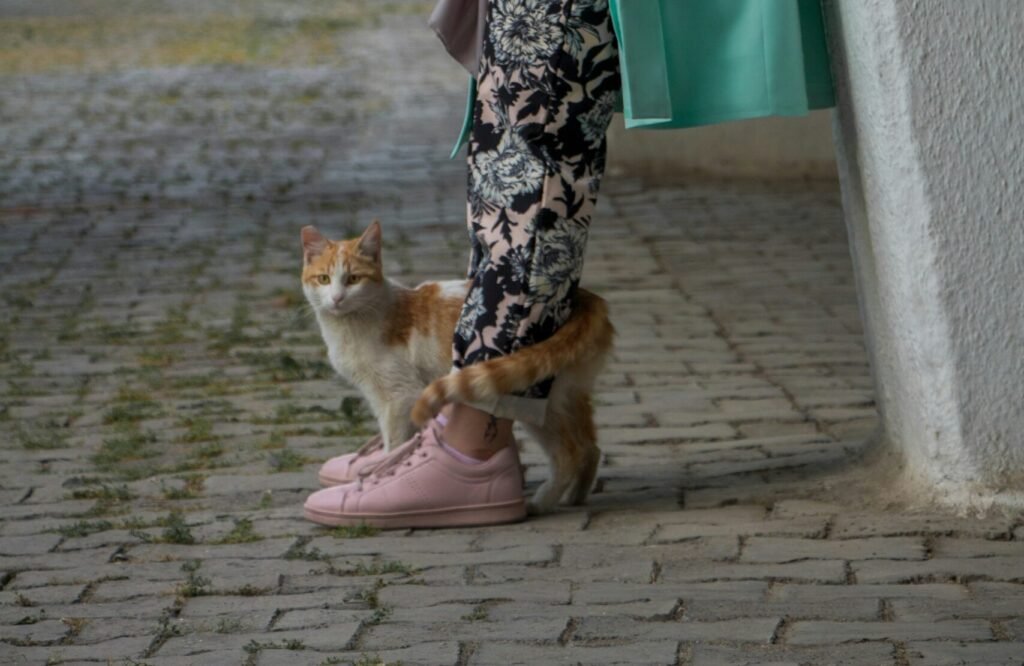
While walking, cats may intertwine their tails as a gesture of affection and friendship, and when resting, a cat may wrap their tail over another cat with whom they are bonded, as an affectionate display as well. If your cat has ever draped their tail gently over your arm while sitting beside you, consider yourself well and truly loved. Your cat may also gently wrap their tail over your arm when resting nearby – consider it a cat’s version of a hug. That’s adorable, full stop.
Still, context is everything here. When sitting or in a crouched position, the cat’s tail may be wrapped around the body, and this is a position that depends on the circumstances. In some situations, the cat may sit this way when content. Another cat may have their tail in this position because they are scared, unsure of a situation, or maybe not feeling well – so look for clues by observing other body language signals as well, such as the eyes and ears. Never read the tail in isolation. The whole picture tells the real story.
Reading the Tail With the Whole Body: The Full Picture
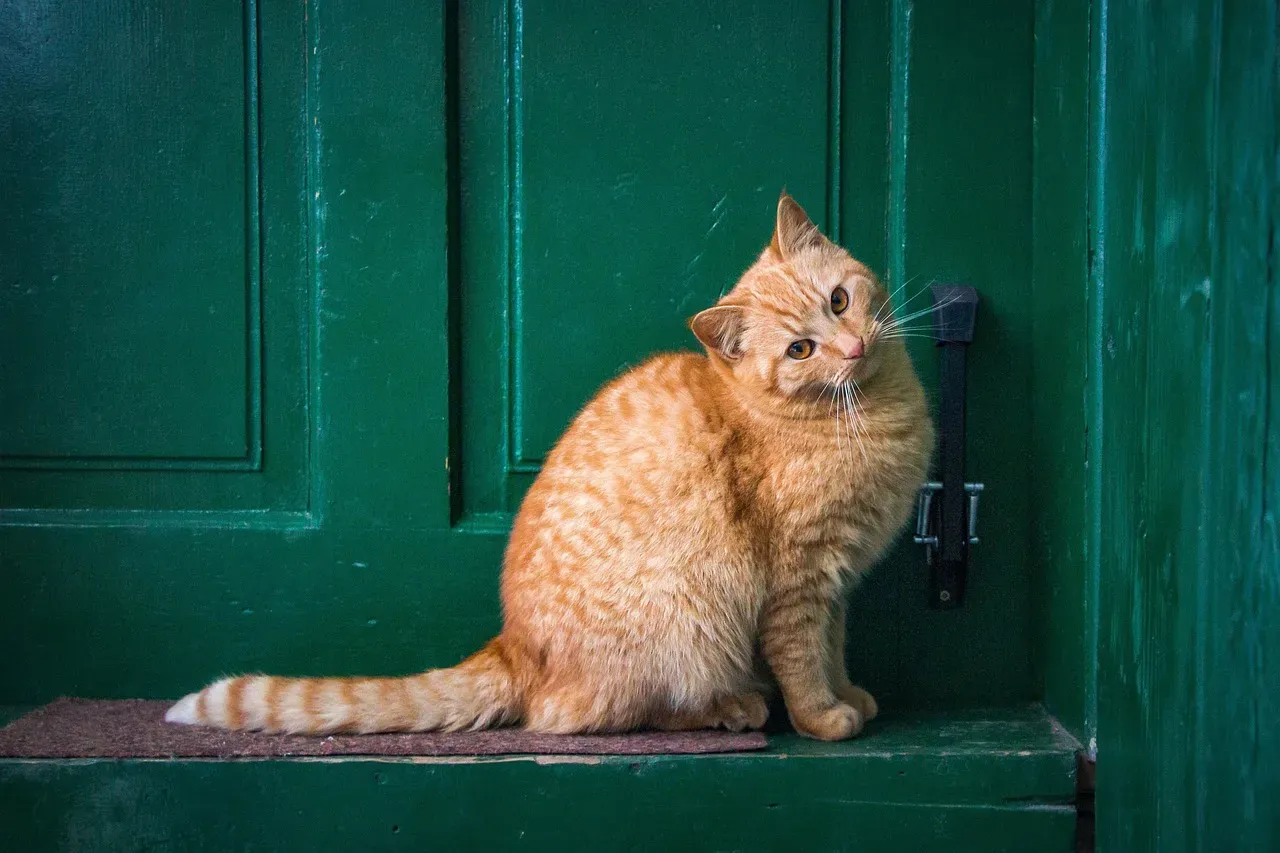
Reading your cat’s body language will help you determine how your kitty feels about particular interactions, and allows you to identify the situations or environments that make your cat happy or cause fear. The tail is the headline, but the full article includes the ears, eyes, and posture. Pinned ears combined with dilated pupils and a lashing tail equals agitation – and that means it’s time to give space. By looking at the whole picture, you’ll avoid misreading your feline companion’s intentions.
Pay attention to a change in tail positions as well as accompanying body language that indicate a mood shift. For example, your cat is enjoying being petted around the head and neck, but as you begin to stroke along the spine and base of tail, the tail starts lashing – what was relaxing and enjoyable has transitioned to being either too stimulating or even painful. Reading the tail language of a cat can also help you identify illness and pain more readily. That’s a benefit most cat owners never even consider.
Conclusion
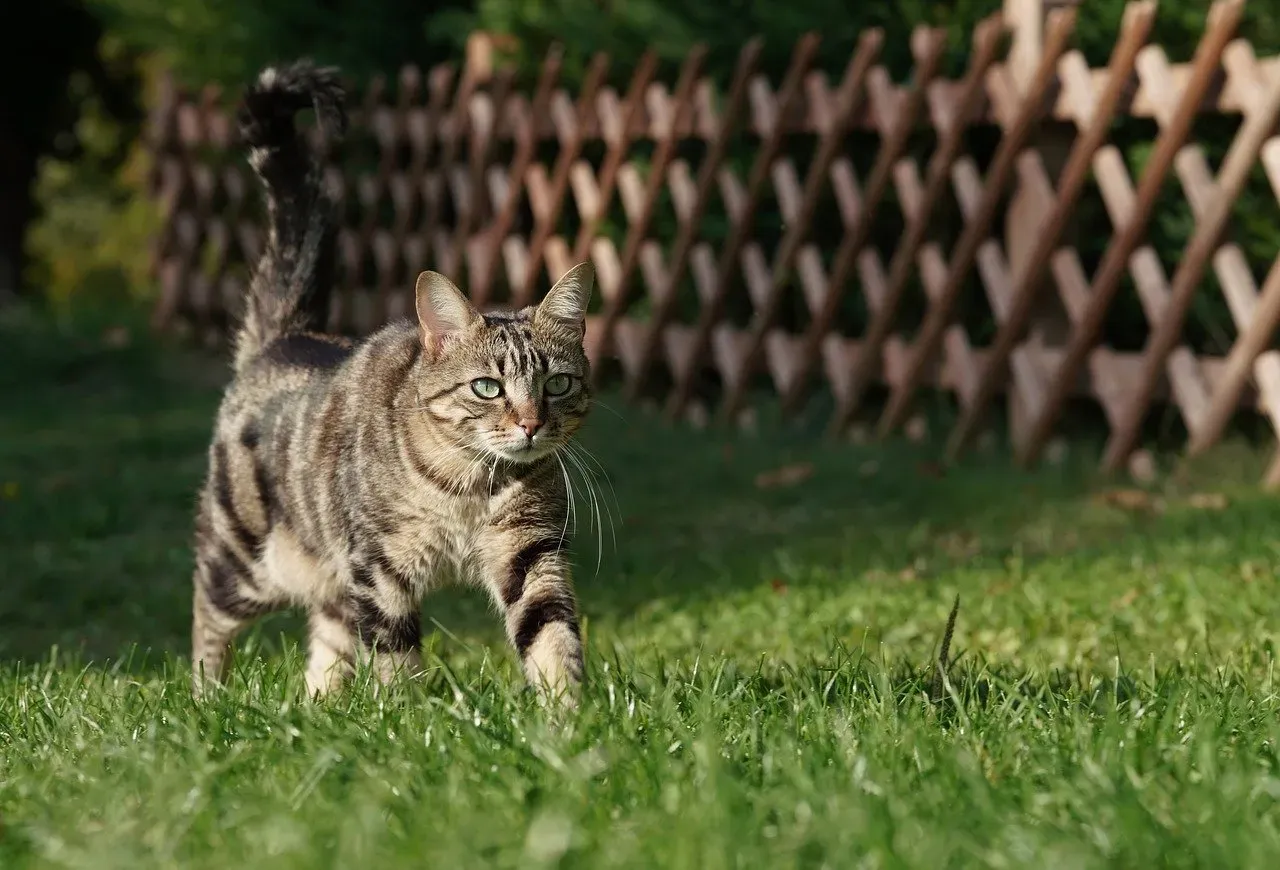
Your cat has been speaking to you this entire time. Every flick, every puff, every slow sway of that tail carries a message that is precise, intentional, and surprisingly easy to understand once you know the vocabulary. A cat’s tail is one of their most expressive features, and they use it to let us in on a world of feelings and emotions. Once you better understand feline body language and know what your cat is trying to convey, you can respond to them when they’re feeling happy or assist them when they’re stressed – and all this knowledge can help you form a deeper bond with your furry friend.
Cats are masters of communication, and your job is to pay attention. If you learn to accurately read body language signals and respect what your cat is “telling” you, it will create trust and strengthen the bond you share. That bond is built one tail-read at a time, one correctly interpreted swish, one well-timed back-off. The language was always there. You just needed the translation. So the next time your cat walks into the room, take a second – what is their tail doing right now?