There is something quietly extraordinary about the cat curled up at the foot of your bed. Most people look at them and see a dozing, borderline indifferent creature, blissfully checked out from the world. But here is the thing – your cat probably isn’t as checked out as you think. In fact, while you drift through your deepest hours of sleep, something rather remarkable may be happening.
Cats have long been misunderstood. People assume that because they’re not barking at shadows or lunging at the door, they aren’t doing anything useful. Honestly, that couldn’t be further from the truth. The world of feline nighttime behavior is layered, instinct-driven, and surprisingly protective in ways most owners never fully appreciate. Let’s dive in.
More Than Just a Pretty Face: The Case for Feline Protection
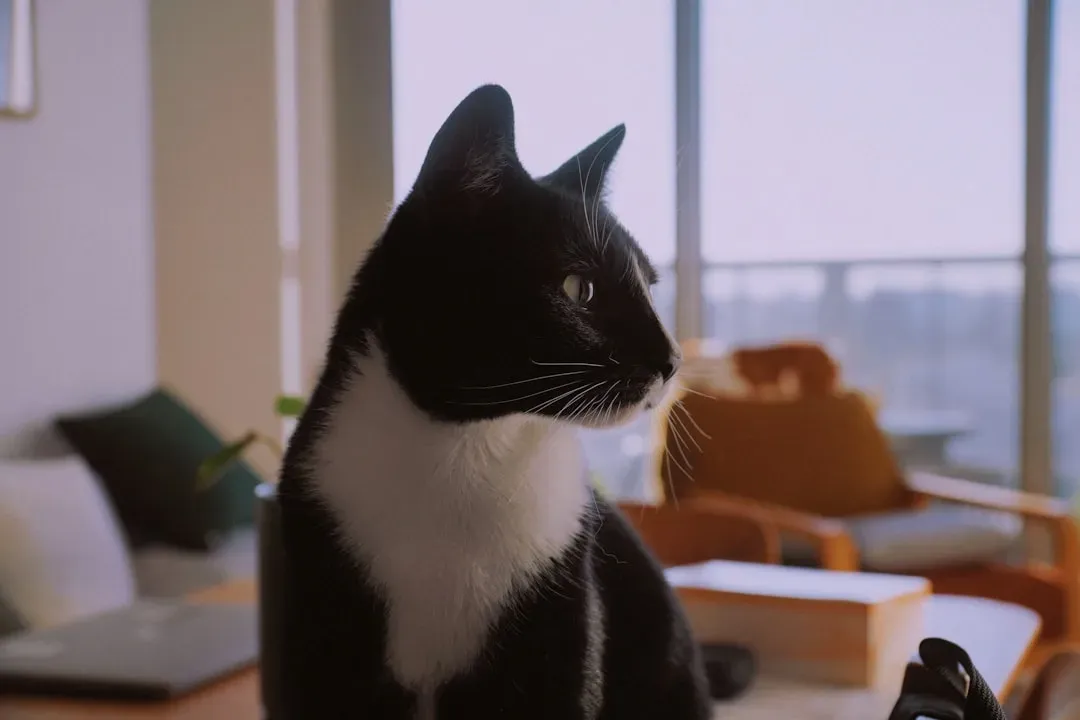
Let’s be real – when we think about guard animals, cats rarely top the list. Dogs get all the glory. Yet, behavioral evidence suggests that cats might offer a sense of security during sleep due to their territorial instincts, sharp senses, and deep bonds with their owners. That’s not nothing. That’s actually quite a lot.
While cats may not be conventional guardians like dogs, they do offer a unique form of protection through their natural instincts, acute senses, and emotional bonds with their owners. Think of it less like a security guard and more like a highly sophisticated, four-legged early-warning system. The difference in approach is enormous, but the outcome – keeping you safe – can be surprisingly similar.
Tuned In to the Night: The Power of a Cat’s Hearing
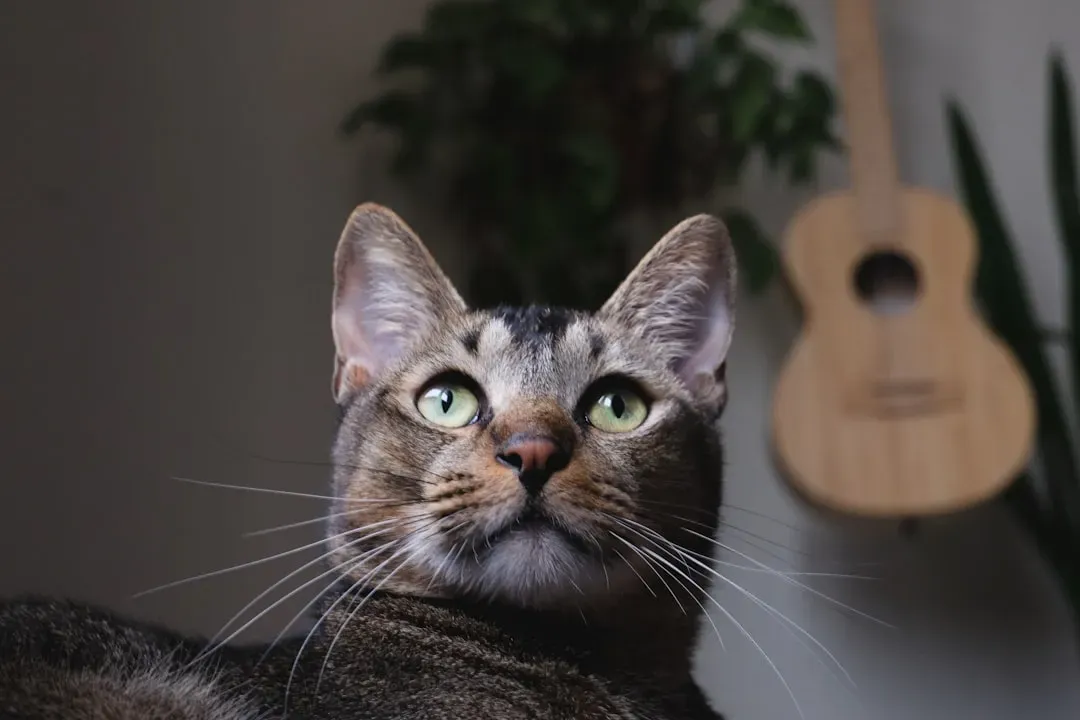
You’ve probably noticed your cat’s ears pivoting like tiny satellite dishes at sounds you can’t even register. That’s not accidental. Cats have excellent hearing and can detect an extremely broad range of frequencies. They can hear higher-pitched sounds than humans or most dogs, detecting frequencies from 55 Hz up to 79 kHz. For comparison, you top out at roughly 20,000 Hz.
Cats can hear sounds from approximately four to five times farther away than humans can. Under optimal conditions, they can detect subtle sounds, like the movement of small prey, from up to 100 feet away. Think about that for a moment. Your cat can hear someone approaching your home long before you would have any idea they’re there. Cats can move their ears up to 180 degrees, helped by 32 muscles in their outer ears. This allows cats to pinpoint sounds. Your alarm system can’t do that.
Eyes Wide Open in the Dark: Feline Night Vision
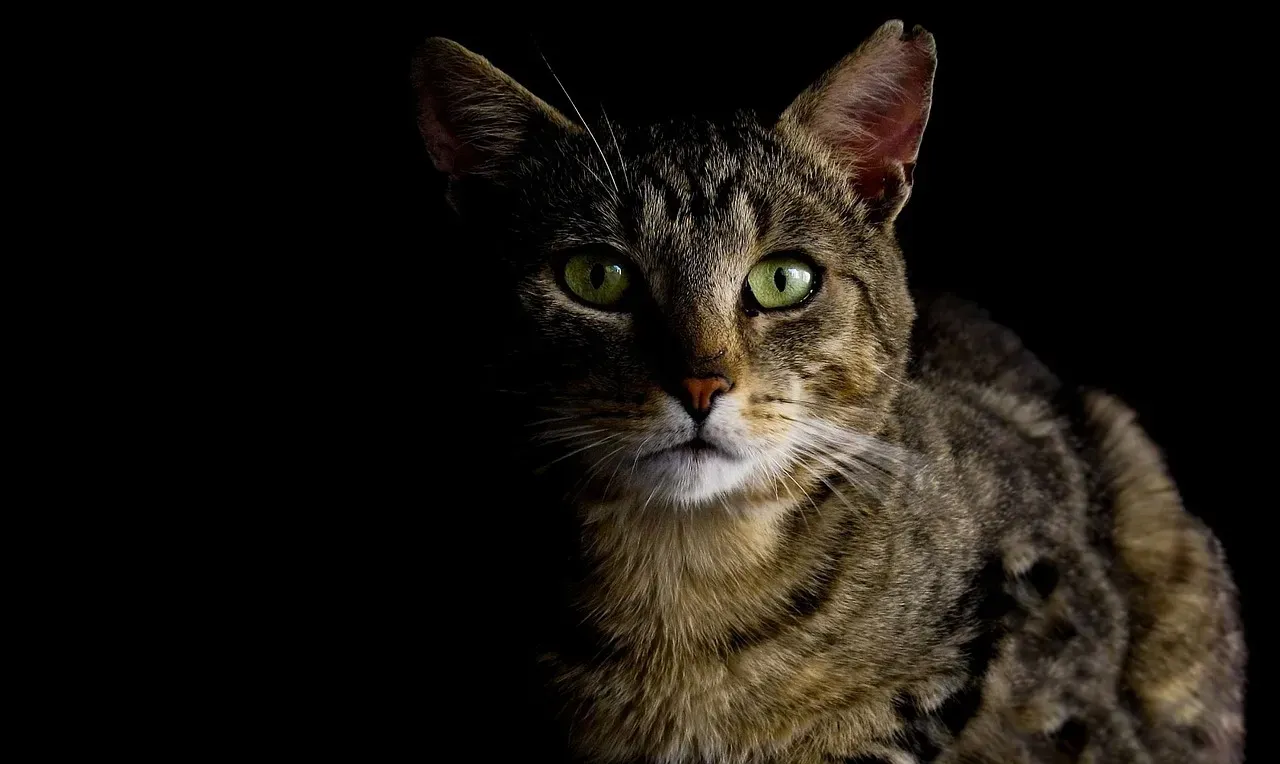
Your cat doesn’t need a night light. Not even close. Their incredible night vision is thanks to tapetum, a particular layer in their eyes that reflects light to the eyes, allowing them to absorb as much light as they can. Cats also have a good depth perception that allows them to see much further than humans. Their vision usually focuses on movement – this way, they can detect, define shapes, and look out for food sources and threats much better.
This is genuinely impressive when you consider what it means for home protection. Many cats choose sleeping positions that allow them to monitor their surroundings while staying close to their owners. Their superior night vision and acute hearing enable them to detect disturbances long before humans notice them. While you’re sound asleep in total darkness, your cat is essentially running a surveillance operation with biological equipment that no camera manufacturer has yet managed to replicate.
Territorial by Nature: Why Your Home Is Their Kingdom
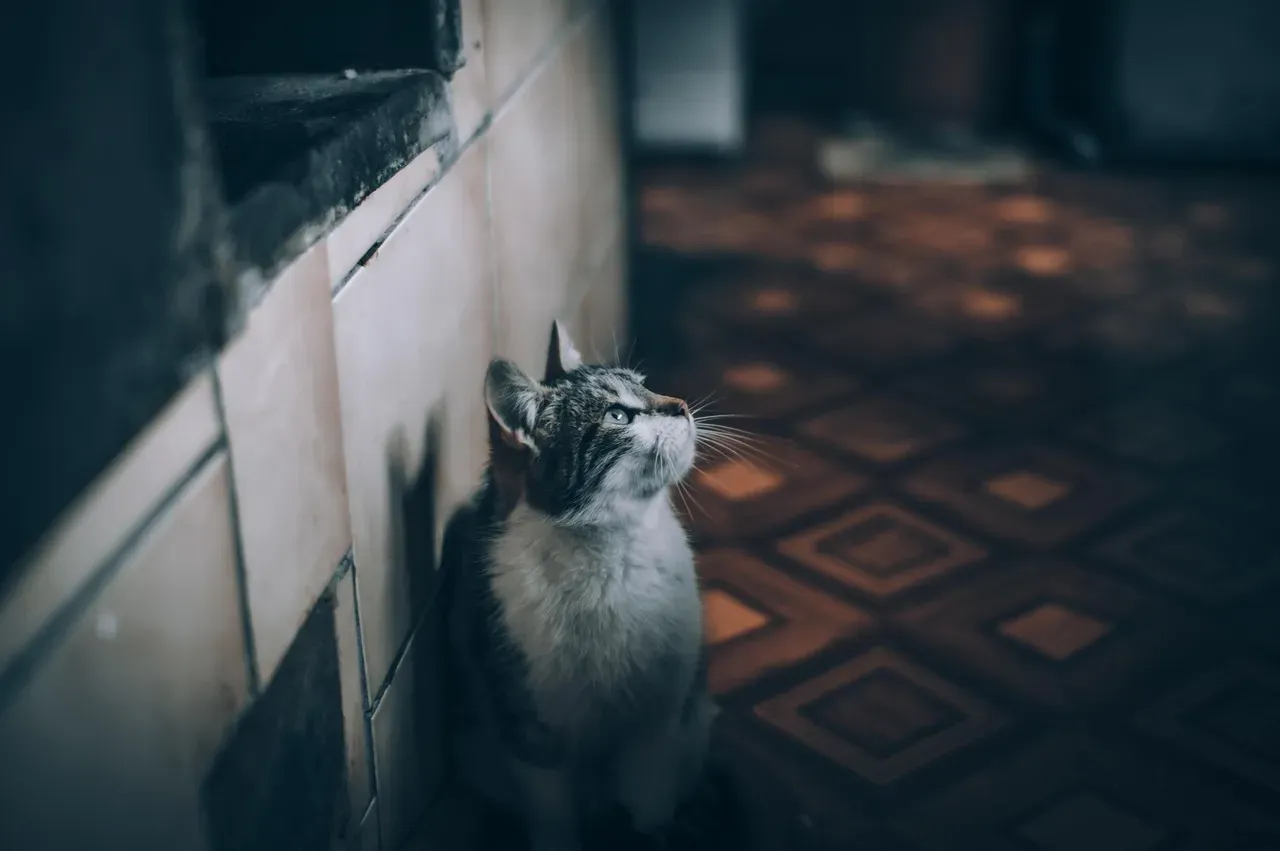
Here is something worth understanding deeply. Your cat doesn’t just live in your home. They own it – at least in their own mind. Cats are naturally territorial creatures, and this instinct extends to protecting their human family members. Their evolutionary history as both predator and prey has equipped them with exceptional sensory capabilities that make them excellent nighttime sentinels.
One big reason that cats like to sleep with their owners is to keep an eye on their territory. They may see the entire house as their territory, so when their family is sleeping, they want to be there to protect them, as well as keep themselves safe in your presence. It’s a mutual arrangement, honestly. You provide the warmth and food. They provide the vigilance. I think that’s a pretty fair trade.
A Nose That Never Sleeps: The Scent-Detection Superpower
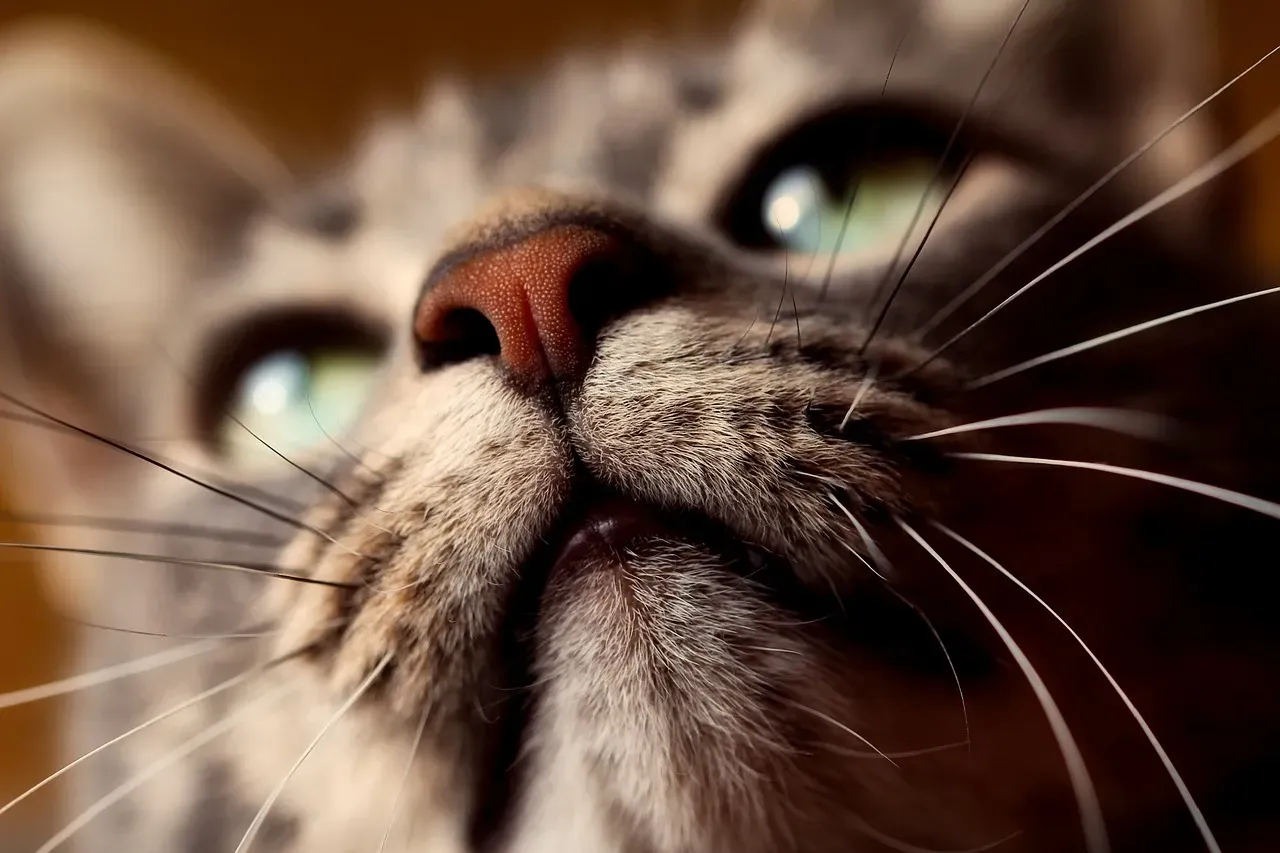
You might not realize just how extraordinary your cat’s sense of smell truly is. A cat’s sense of smell is far superior to that of a human, with over 200 million scent receptors in their noses, compared to only 5 million for humans. This allows them to pick up on subtle changes in odors, including the pheromones emitted by other animals or humans, which can be indicators of fear, stress, or even illness. They can detect an intruder’s scent long before you might even notice anything is out of place.
It goes even deeper than that. Cats likely use their sharp senses to detect danger or health issues in their humans. They can probably smell changes in body odor linked to illness, hear subtle sounds like gas leaks or abnormal breathing, and may be affected by carbon monoxide before we are, giving them a chance to alert us in time. I know it sounds almost too good to be true, but the science backs this up. Your cat is essentially walking around your house doing chemistry tests you can’t even fathom.
Reading the Room: How Cats Communicate Danger to You
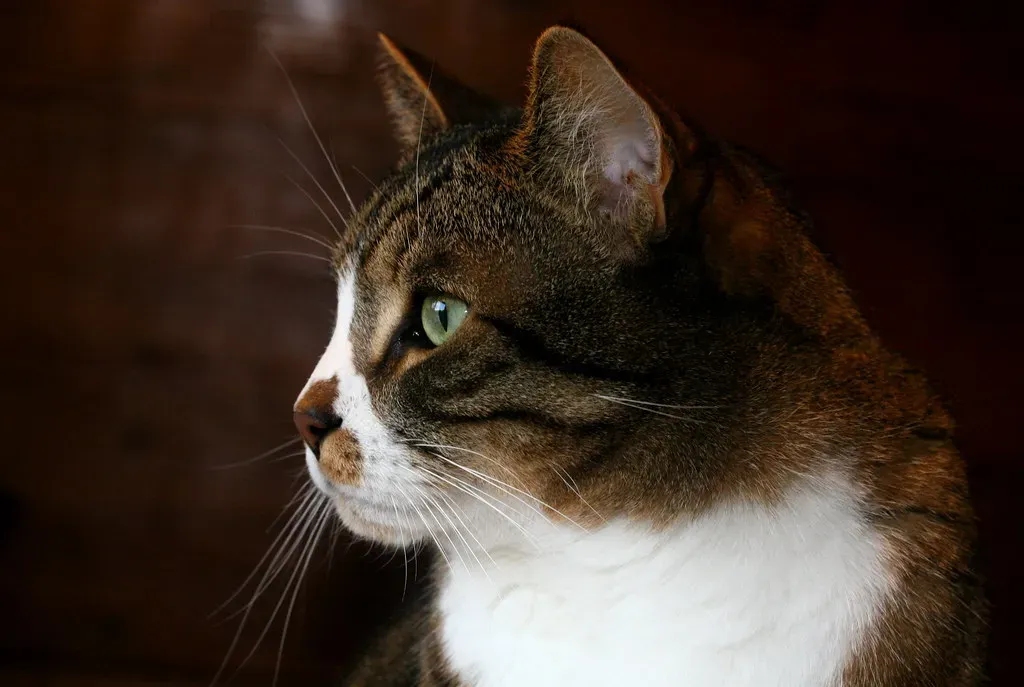
Cats cannot tap you on the shoulder and say, “Hey, something is wrong.” But they have their own language for exactly that. Cats display protective behaviors through strategic positioning, alertness to unusual sounds or movements, and staying close to their owners. They may react to potential threats with vocalizations, defensive postures, or by attempting to wake their owners.
Even their body language is packed with information. Your cat’s body language is an extremely useful tool they can use to alert you to intruders or other sources of distress. If your cat’s ears are pointed forward, your feline friend is officially “on notice.” If their ears are pointed backwards or are laying flat along the top of their head, it could indicate that they’re feeling irritable or worried about something in the area. Learning to read these signals could genuinely be one of the most useful things you ever do as a cat owner.
Real Heroes: Documented Cases of Cats Saving Lives
This is where things get truly surprising. It’s not just theoretical. In Florida, a family cat emerged as an unexpected hero by alerting owners about the dangerous presence of carbon monoxide. The odorless and colorless nature of this gas makes it a silent killer. One night, as the lethal gas filled the family’s home, the cat, sensing the danger, acted urgently. Displaying atypical behavior through loud meows or persistent pawing, the feline managed to wake its owners. Feeling the early poisoning symptoms, the family promptly evacuated and called for medical help. Their cat’s keen senses and timely intervention prevented what could have been a tragic event.
There is also the story of a cat in Melbourne, Australia. A cat named Sully woke her owner Craig Jeeves by sitting on his chest and meowing in his face. Craig had been asleep on the couch and was unaware of the raging fire upstairs. Sully’s alertness helped him escape unharmed. Stories like these aren’t urban legends. They are documented, verified accounts of domestic cats acting with a degree of vigilance that most people simply don’t credit them with.
The Emotional Bond: Why Your Cat Actually Cares
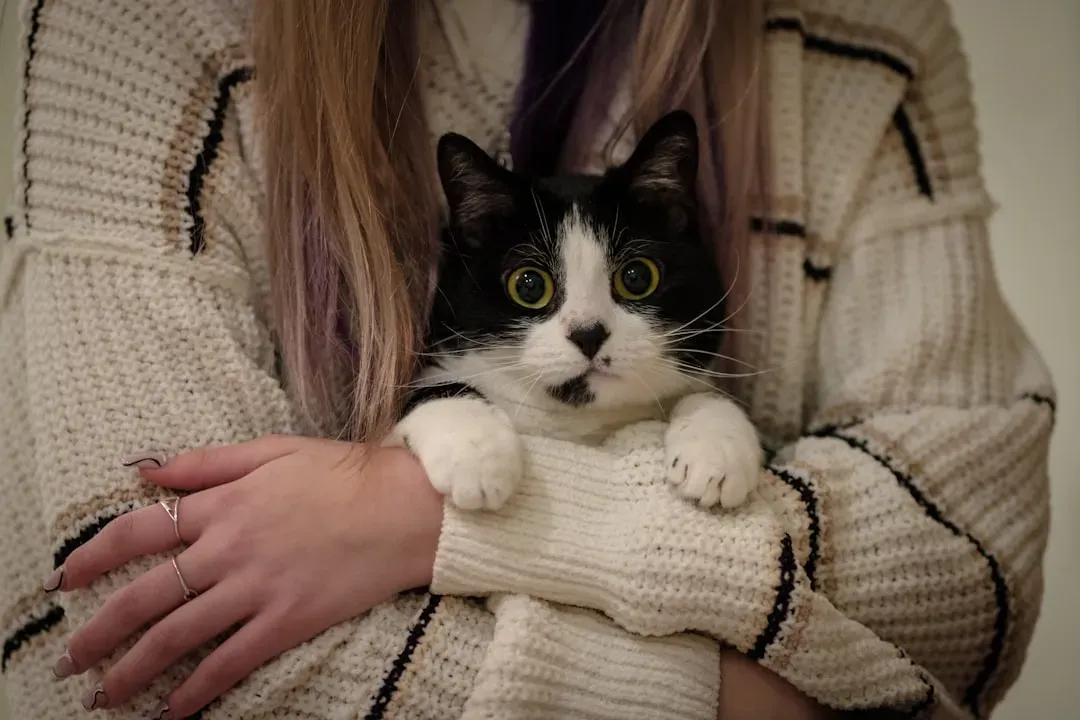
Some people still cling to the idea that cats are purely self-interested. The research increasingly disagrees. Research indicates that cats form emotional attachments to their owners similar to those observed in human relationships. This bond significantly influences their protective behaviors, especially during vulnerable nighttime hours. Studies have shown that cats who share stronger bonds with their owners are more likely to exhibit protective behaviors.
Although they can appear aloof and even a little ignorant of their human owners, cats can develop very strong bonds. As well as being reliant on their humans for food, water, and shelter, it has been discovered that they also rely on people for social bonds and security. There is real emotional depth here. When a cat chooses to rest on you, it’s a sign of deep trust. They feel safe enough to let their guard down. That quiet moment of warmth is, in its own way, mutual protection.
Strengthening the Bond: How You Can Encourage Protective Behavior
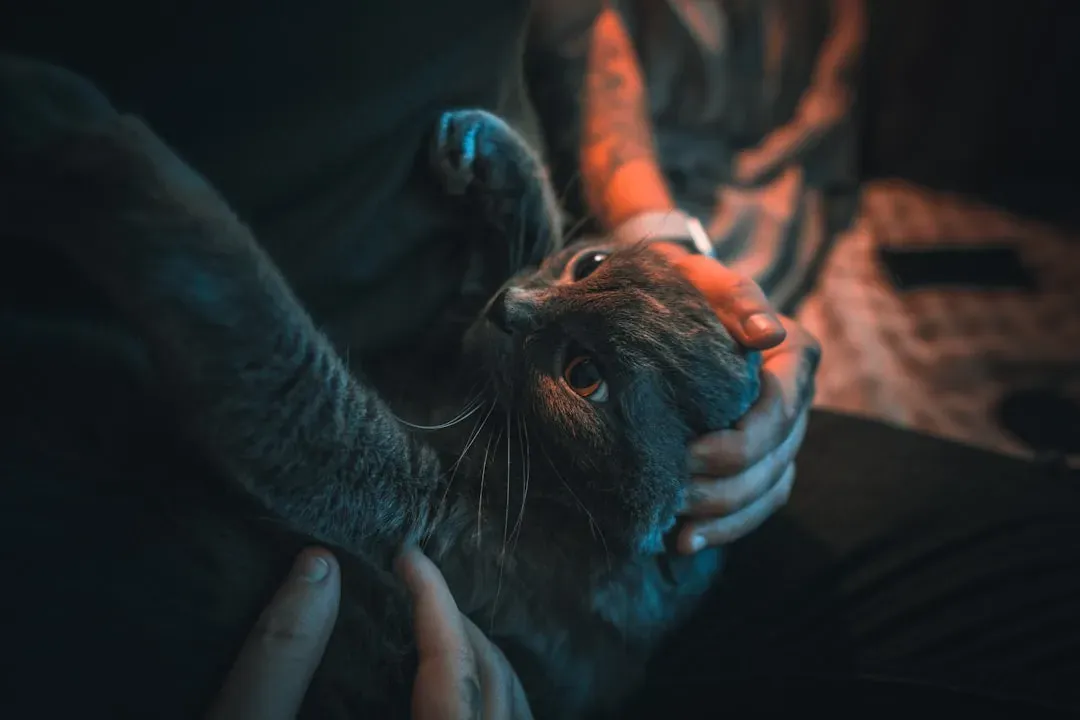
Here’s the practical side of it all. If you want your cat to be a more attuned nighttime companion, you can actually cultivate that. Playing with your cat before bedtime tires them out and fortifies the bond between you two – this deepened bond might enhance their protective instincts. Cats are creatures of habit. Maintaining a regular schedule for feeding, play, and bedtime can make them feel more secure, at ease, and more vigilant. Building trust with your feline companion can strengthen their attachment and desire to watch over you.
Some cats are especially attentive while their owners sleep, displaying behaviors that might seem like protective instincts. Even while resting, a cat’s sharp hearing remains active, and they may react to unfamiliar sounds to ensure there’s no immediate threat. Some protective cats will periodically “check in” during the night by patting their owner, purring, or gently licking them. Responding warmly to these check-ins, rather than shooing your cat away, reinforces the behavior. Think of it as a two-way conversation you never knew you were having.
Conclusion: The Quiet Guardian at the End of Your Bed
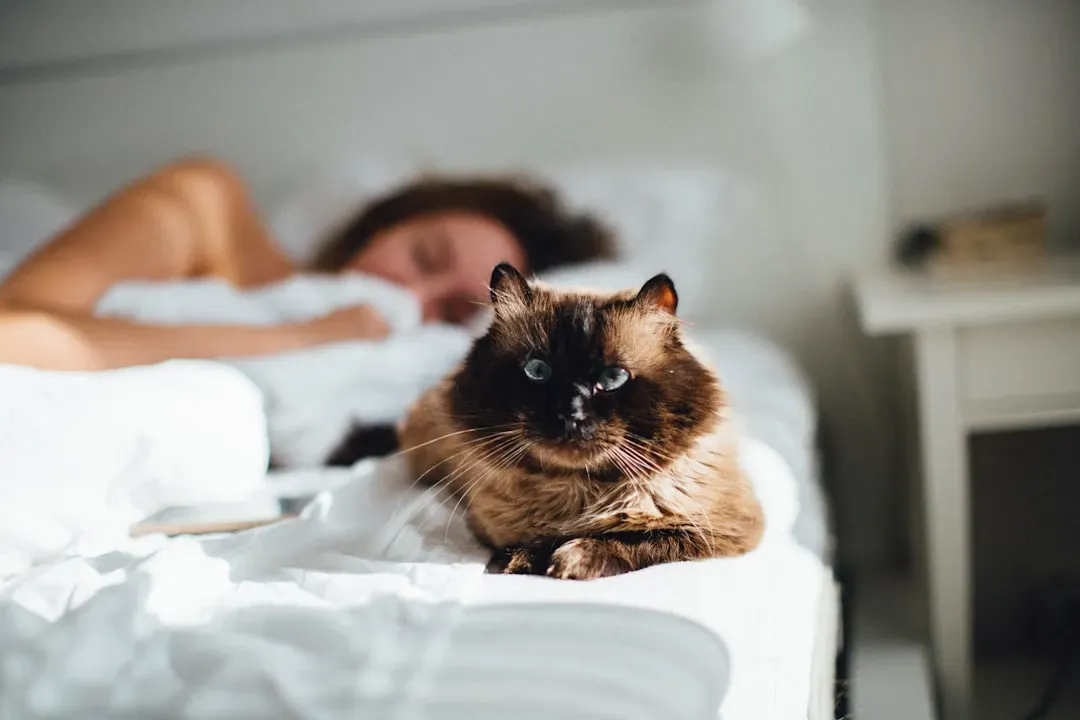
Your cat is not just a warm, purring decoration. Behind that sleepy exterior lies one of nature’s most finely tuned sensory instruments – one that has been monitoring your home, reading the air, listening to frequencies you will never hear, and maintaining a quiet vigil while you rest. While they may not serve as sentinels in the traditional human understanding of the term, their intrinsic behaviors, combined with their heightened senses and deep bond with their owners, offer an added layer of security during nocturnal hours.
The relationship between a cat and their owner is genuinely remarkable when you look beneath the surface. All animals are vulnerable when they sleep. Sleeping in a group, even just a group of two, provides a certain amount of protection from predators. For one thing, it’s harder to sneak up on a group. The members can also come to the aid of one another in times of distress. You protect each other. It’s that simple, and that profound.
So tonight, when you glance over and see your cat perched at the edge of the bed, ears slightly tilted, eyes half-open in the darkness – know that they are not just sleeping. They are watching. What do you think, did you ever imagine your cat was doing all of that for you? Tell us in the comments.