You’ve probably noticed your cat walk into the room, tail held high, and wondered – is that a good sign or a bad one? Maybe you’ve been mid-petting session when that tail suddenly started thrashing, and you had no idea you were about to get swiped. Cats are famously mysterious creatures, and honestly, that reputation is well-earned.
Here’s the thing though: your cat is actually talking to you constantly. Not with meows – those are mostly reserved for humans anyway – but with something far more subtle and expressive. Their tail is like a live emotional broadcast, transmitting mood signals around the clock if you know where to look. Let’s dive in.
Why the Tail Is Your Cat’s Most Honest Body Part
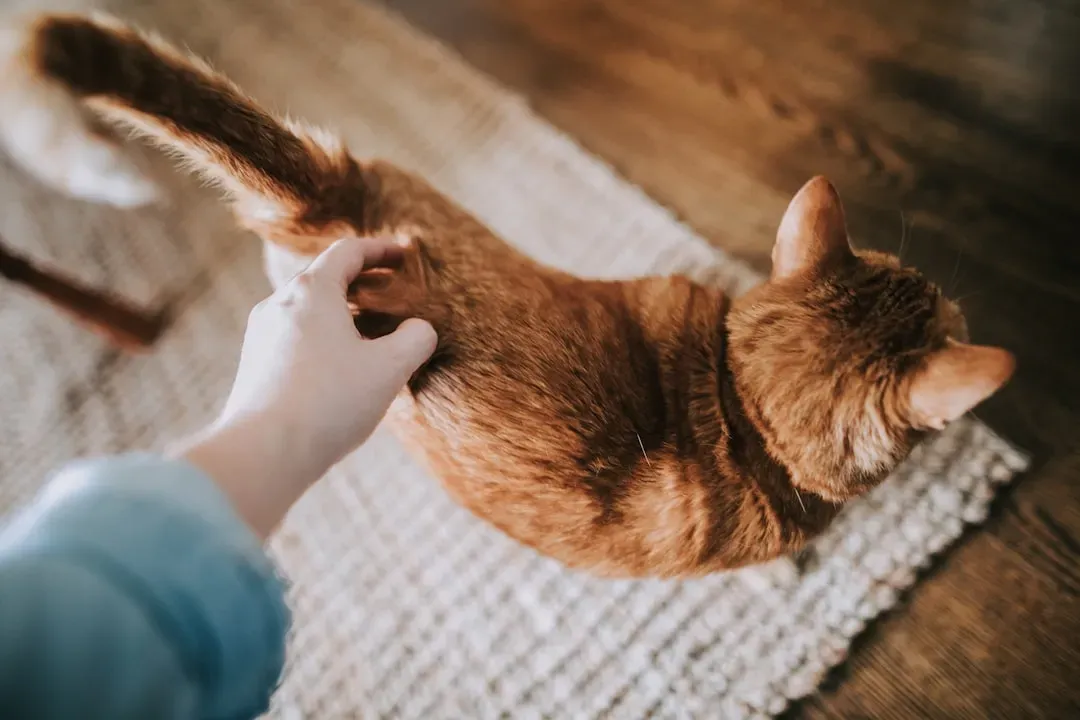
In cats, it’s their tail position that provides the greatest insight into what a cat is feeling. Think of it less like a wagging dog tail and more like a mood thermometer. One position signals joy; a slight shift signals irritation. The range is surprisingly wide, and once you train your eye to see it, you’ll never look at your cat the same way again.
Cat tails are made up of 18 to 23 smaller bones called caudal vertebrae, surrounded by six different muscles. This unique combination is what allows a cat’s tail to have such a large range of subtle voluntary and involuntary motions, such as side-to-side movements, extension, and flexion. That’s a lot of mechanical complexity for what is, essentially, emotional expression. I think that’s remarkable when you really stop to consider it.
The Confident Salute: When the Tail Points Straight Up
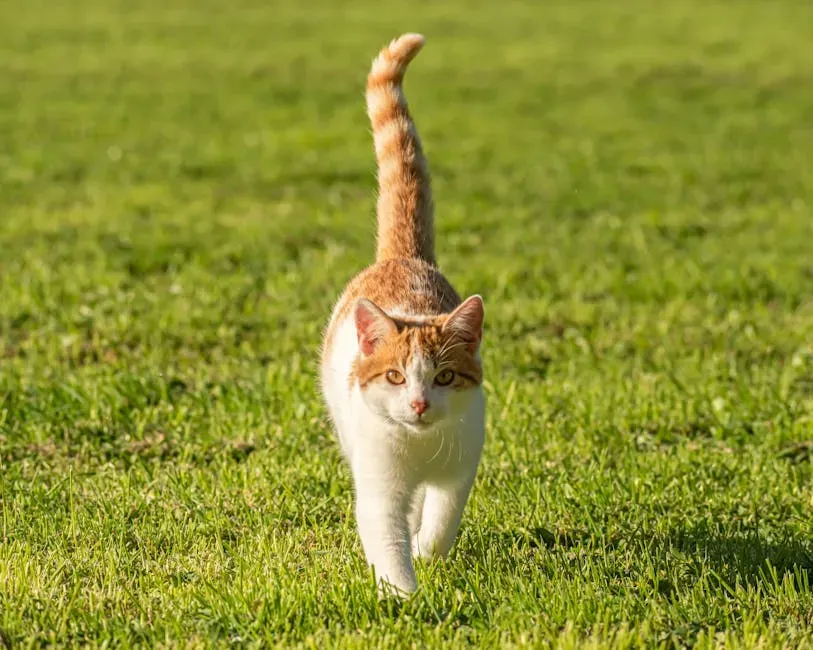
When your cat holds their tail high in the air as they move about their territory, they’re expressing confidence and contentment. A tail that sticks straight up signals happiness and a willingness to be friendly. It’s the feline equivalent of walking into a room with a big smile and open arms. You should feel genuinely pleased when you see this.
Some behaviors carry over from kittenhood to older cats – kittens greet their mothers with high tails and adult cats continue to do this with their favorite people. So when your cat marches over to you with that tail raised like a little flag, know that you’ve earned that greeting. It’s not accidental. It’s affection, coded in posture.
The Question Mark Tail: An Invitation You Shouldn’t Ignore
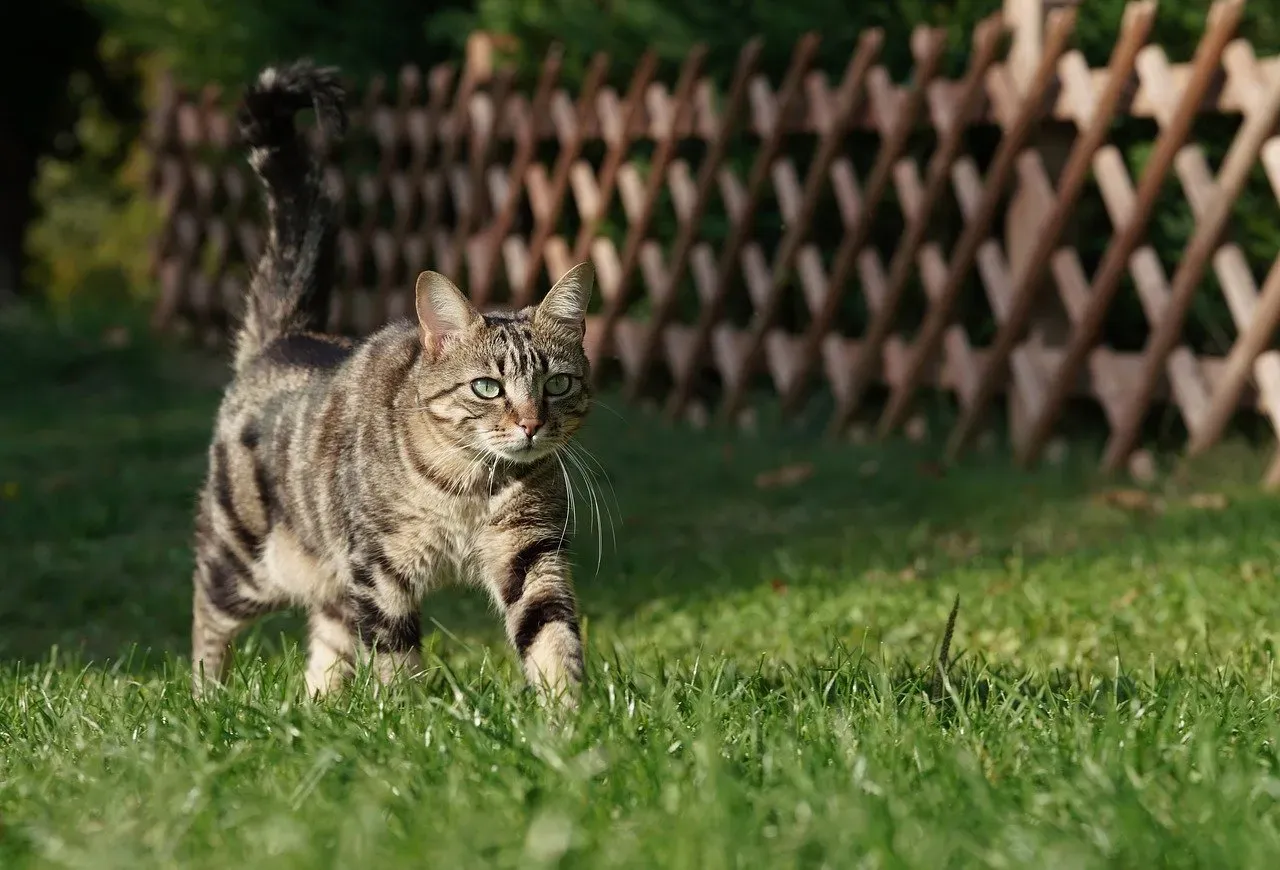
A tail in the shape of a question mark is a gesture that is often a subject of cartoons and humorous musings about cats. The question mark isn’t about confusion but instead, is an invitation to play or interact. Honestly, it’s one of the sweetest signals in the entire cat communication dictionary. Your cat is saying, “Hey, I’m in a good mood. You want to hang out?”
When a cat bends its tail in the shape of a question mark, this is good news, especially if you have a few minutes to spare and some cat toys at the ready. That’s because the question mark-shaped tail position is a cat’s way of asking you, “Would you like to play?” Cats may also move the tip of their tails back and forth with the question mark changing orientations, which is an even more intense play signal. Drop what you’re doing. Your cat just sent you a personal invitation.
The Slow Swish: Focus Mode Has Been Activated
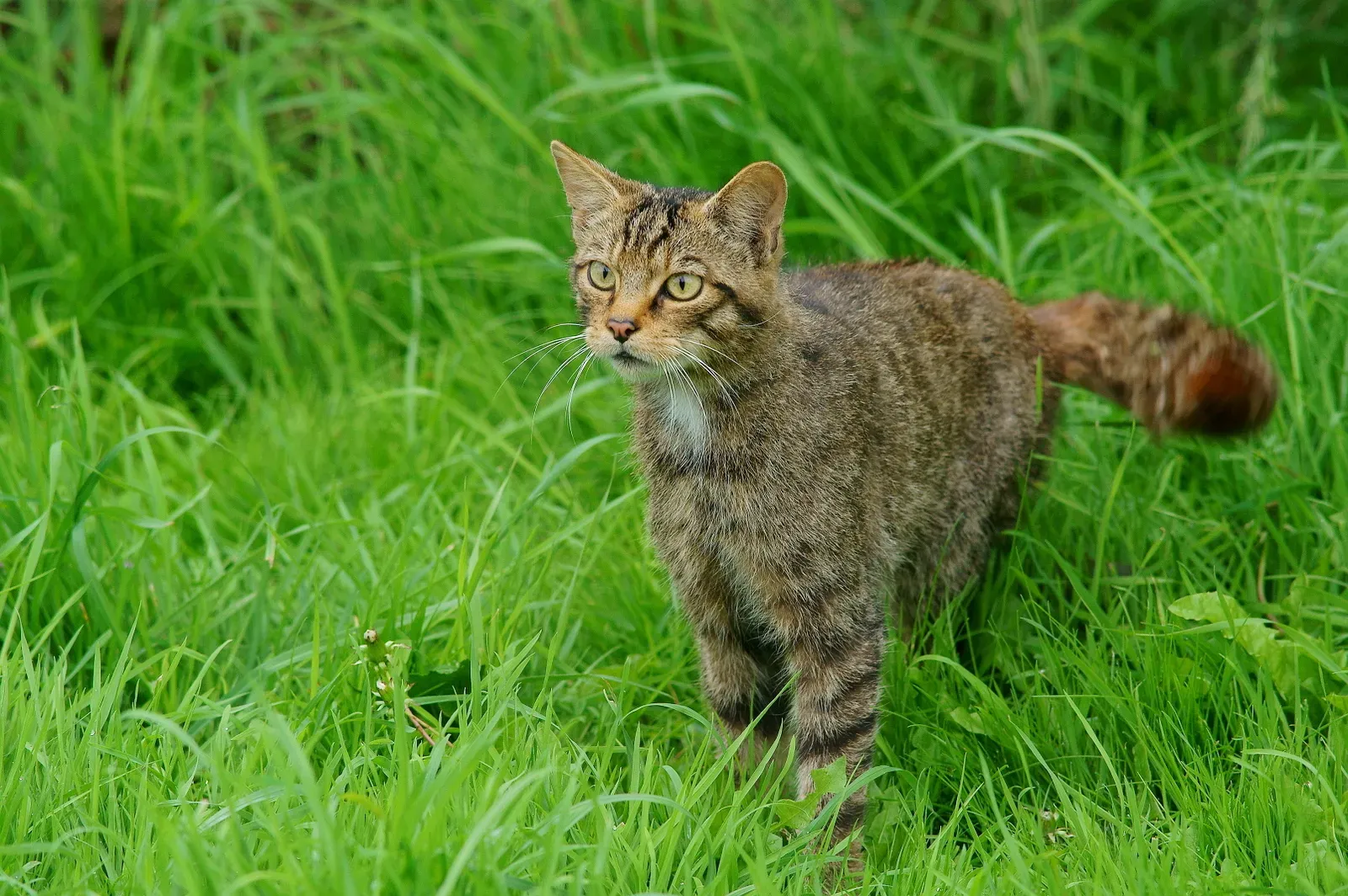
When your cat slowly swishes their tail from side to side, they may be intently focused on something like a toy, another animal in the home, or something outside. Picture a sniper zeroing in on a target. That deliberate, fluid side-to-side motion is your cat entering what I’d call “the zone.” Everything else falls away.
When a cat’s tail is in motion and looks fluid and soft, it’s “swishing.” Generally, this indicates a cat who’s relaxed or calmly interested in what’s happening. At this point, no alarm bells are going off in the cat. They also aren’t sleepy. It’s a sweet spot – calm but engaged. Let them enjoy it. Engaging in predatory behavior like stalking and pouncing is good enrichment for your cat, so let them continue to engage in whatever is captivating their attention.
The Thrashing Tail: Back Off, This Is a Warning
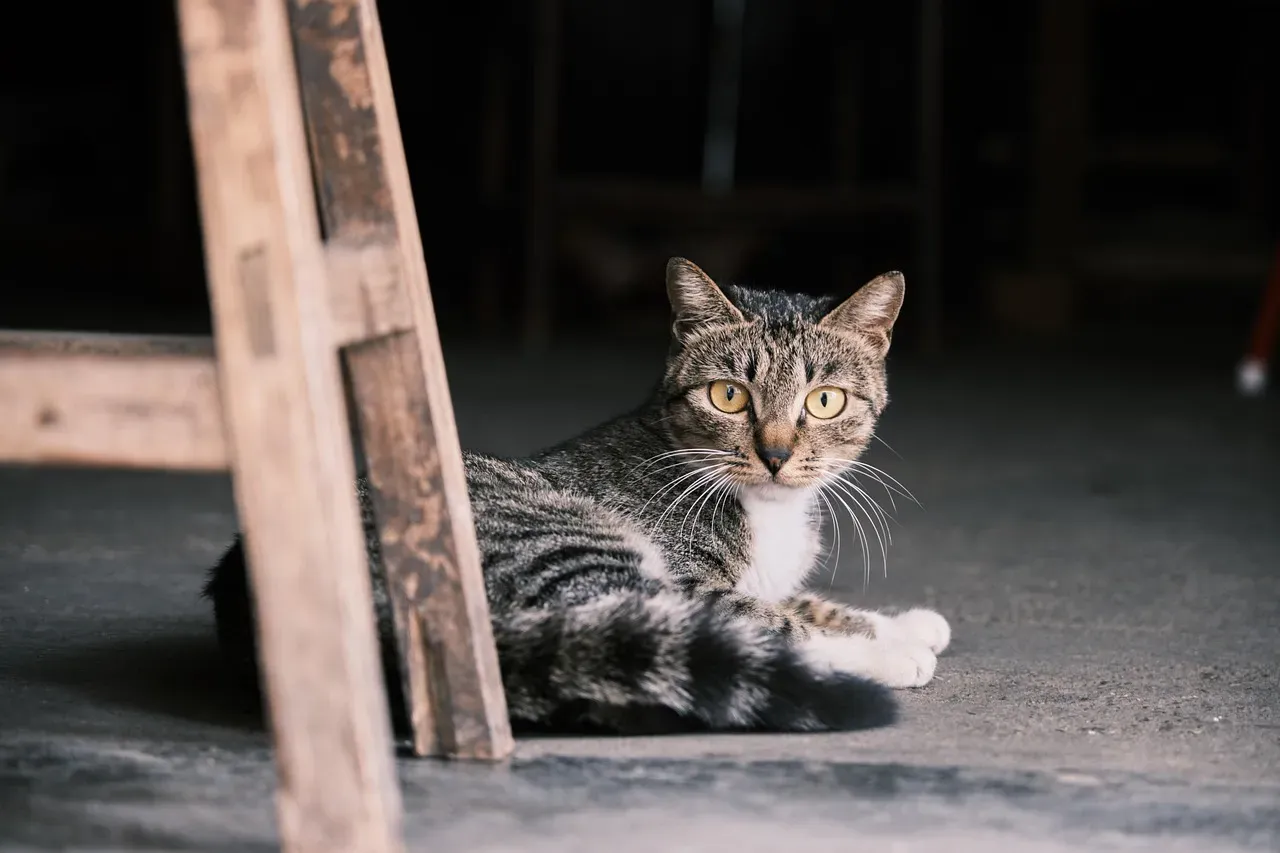
When your cat thrashes their tail or is thumping it on the ground, they are irritated, annoyed, or angry. This tells you that something is bothering your cat. This is a distance-increasing behavior. In other words, if you are petting your cat and they start thrashing their tail, they are trying to tell you to stop. Let’s be real – ignoring this signal is one of the most common mistakes cat owners make, and it almost always ends with a scratch.
If you don’t, then the thrashing tail may be a prelude to hissing, growling, swatting, or biting. It’s a clear escalation ladder. Your cat didn’t skip steps – you did. The intensity and force behind their tail movements can offer more clues to their emotional state, but it’s also important to consider your cat’s individual limits. Every cat has their own threshold, and learning yours is a form of respect.
The Puffed-Up Tail: Pure, Unfiltered Fear
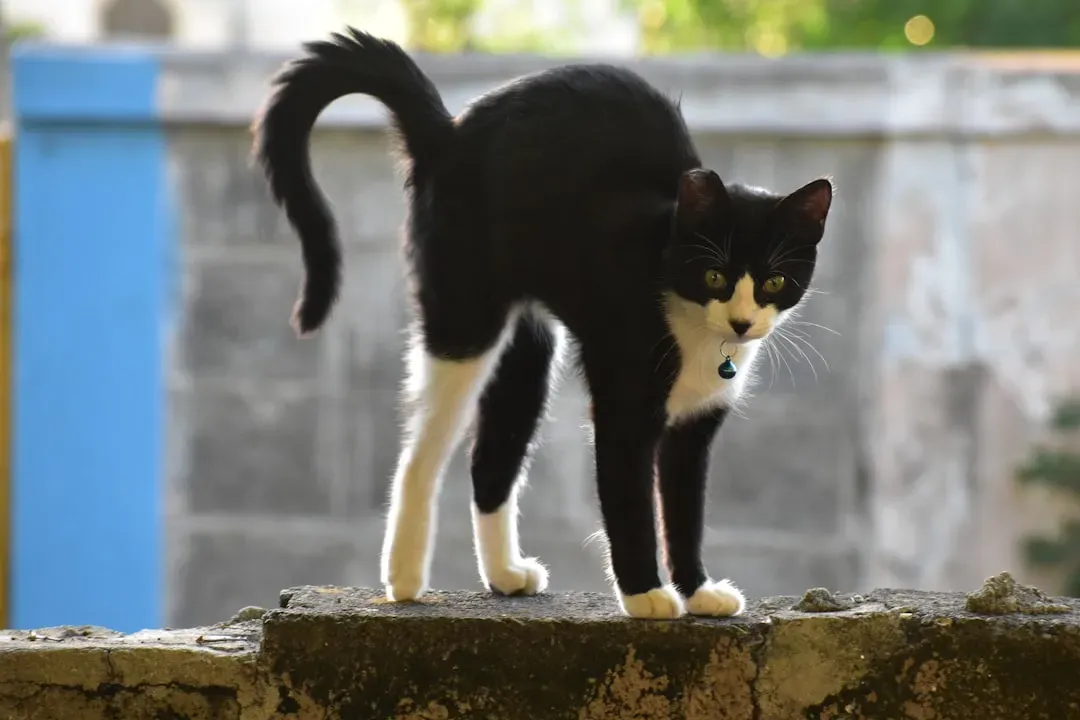
A puffed-up tail is often a response to a threat – such as seeing a cat outdoors – and is assumed to be a defensive attempt to make themselves appear bigger. It’s actually a biological mechanism, not so different from humans getting goosebumps when startled. Cats have tiny muscles at the base of their tails, and when they feel threatened, these muscles cause their tail to puff up, making them look larger and more intimidating.
If your cat assumes the quintessential Halloween-cat posture with a puffed tail and arched back, then they are startled or frightened by a sudden, severe threat. Your cat’s hair stands on end so they can appear to be larger. This is a defensive reaction indicating that your cat wishes to be left alone. This tail position is often triggered by feeling threatened, such as by other animals in the yard, approaching dogs, visitors in the home, or sudden noises. Give them space. This is not the moment for cuddles.
The Tucked Tail: When Something Is Really Wrong
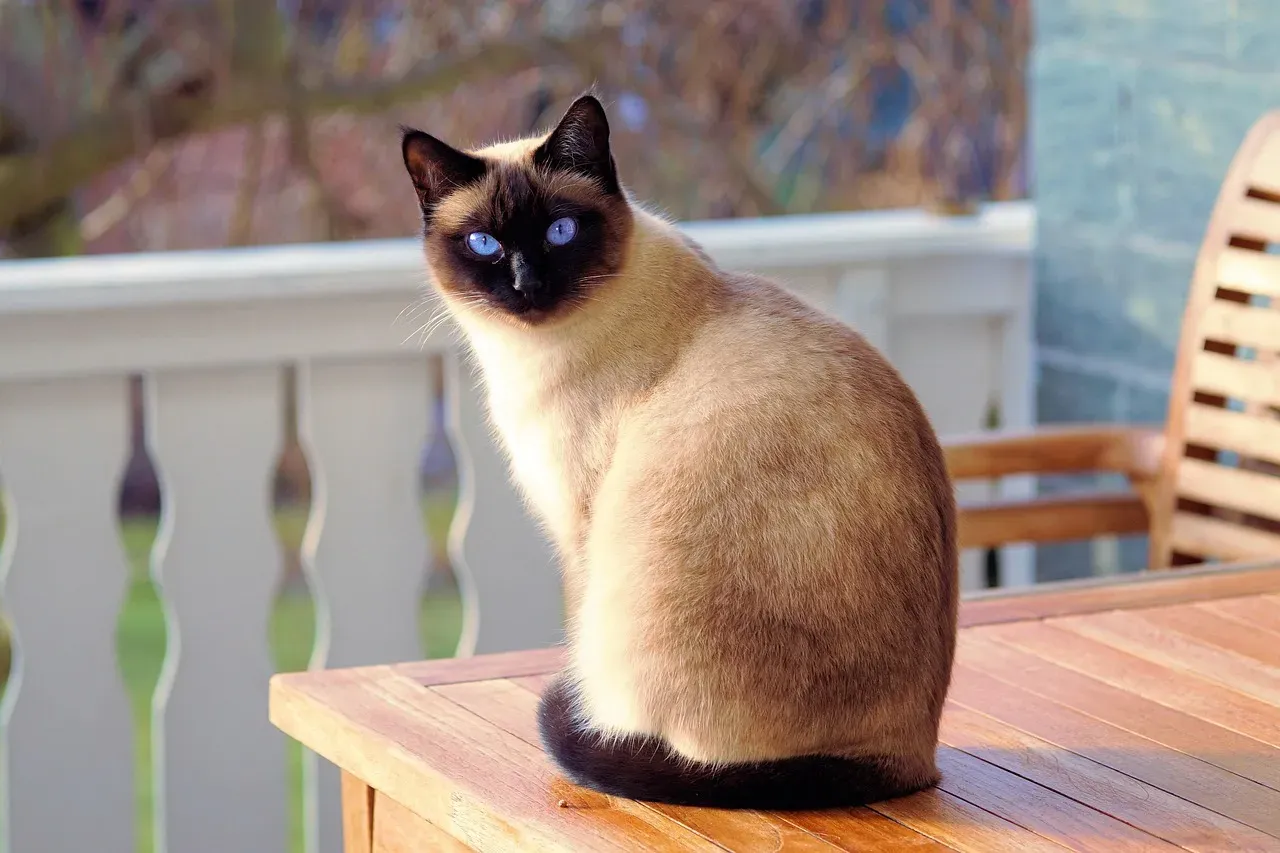
A cat may lower their tail below the level of their back if they are frightened or anxious. If your cat’s tail is tucked between their legs, then they are really scared or may be experiencing pain. This signal deserves your full attention. A tucked tail isn’t a quirky pose – it’s a cry for help in the only language your cat knows how to use.
A drooping tail often indicates something is wrong. Felines have between 20 and 23 bones in their tails. This extension of their spine is vulnerable to injury. A cat holding it in an unnatural position may have fractured or otherwise injured it somehow. Other clues that something is wrong are often behavioral, such as the animal crying out or avoiding contact because of the pain. If you notice a sudden unexplained change in how your cat carries their tail, a vet visit is never a bad idea.
Tail Wrapping: The Warmest Thing a Cat Can Do
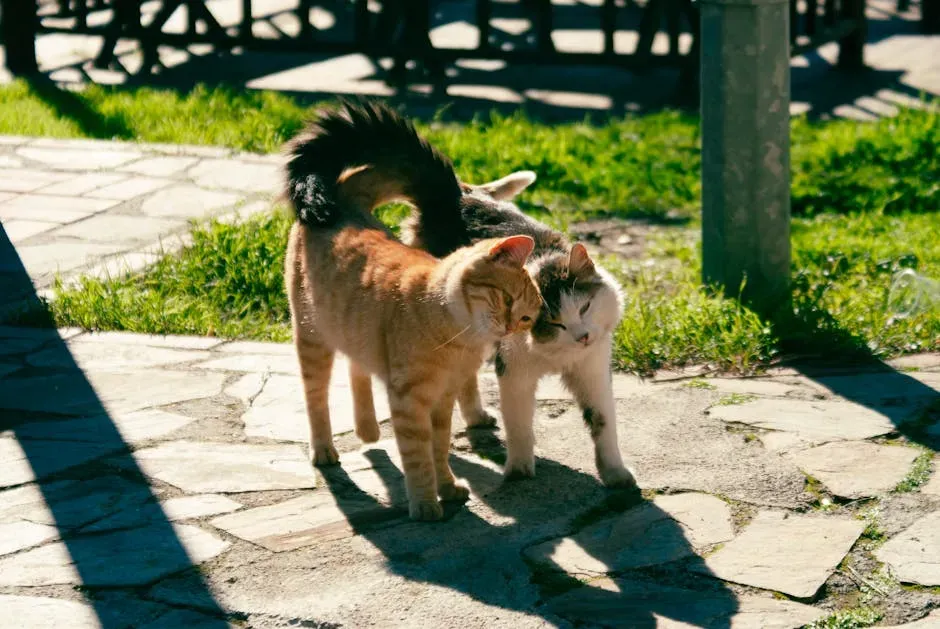
Just as we greet one another with handshakes or hugs, cats may greet by curling their tails around people and by intertwining their tails with other cats. Tail wrapping is an affiliative behavior that demonstrates a willingness to interact. Think of it as a hug in feline form. Not every cat does it often, which makes it even more meaningful when yours does.
It’s a way of marking each other with their scent and signaling who their friends are. If your cat snuggles up next to you with their tail curled around you, it means you’re part of their in-crowd – they like you a lot! At a biological level, a cat’s tail includes scent glands, so the tail is being used to swap scents with the other creature. It sounds strange, but in cat terms? That’s about as intimate as it gets.
Reading the Whole Picture: Tail Talk in Context
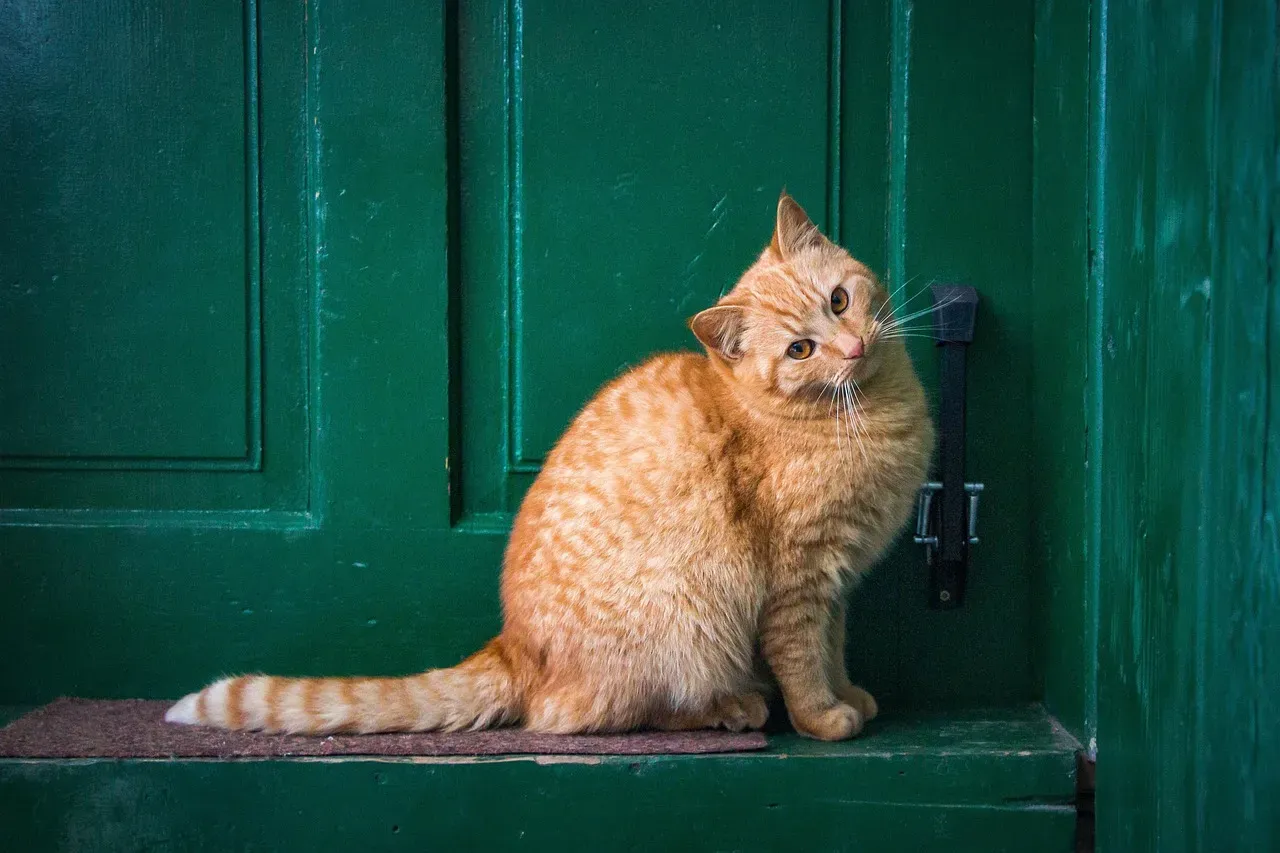
When it comes to reading feline body language, don’t just look at the tail position. Pay attention to things like ear position, back, and full body posture to get a better idea of your cat’s current behavior and mood. Eyes are also important. For example, a slow blink is a sign of love and trust, while constricted pupils signal nervousness. It’s a full-body conversation, not a single sentence.
Cats are masters of subtlety. Even small changes in tail movements can send us important messages. Pay close attention to nuances like the speed and intensity of tail flicks, the angle at which the tail is held, and any sudden changes in tail posture. These small cues can provide valuable hints about your cat’s emotional state and well-being. It’s hard to say for sure exactly what every flick means without knowing your individual cat, but the more you watch, the more fluent you’ll become.
Conclusion
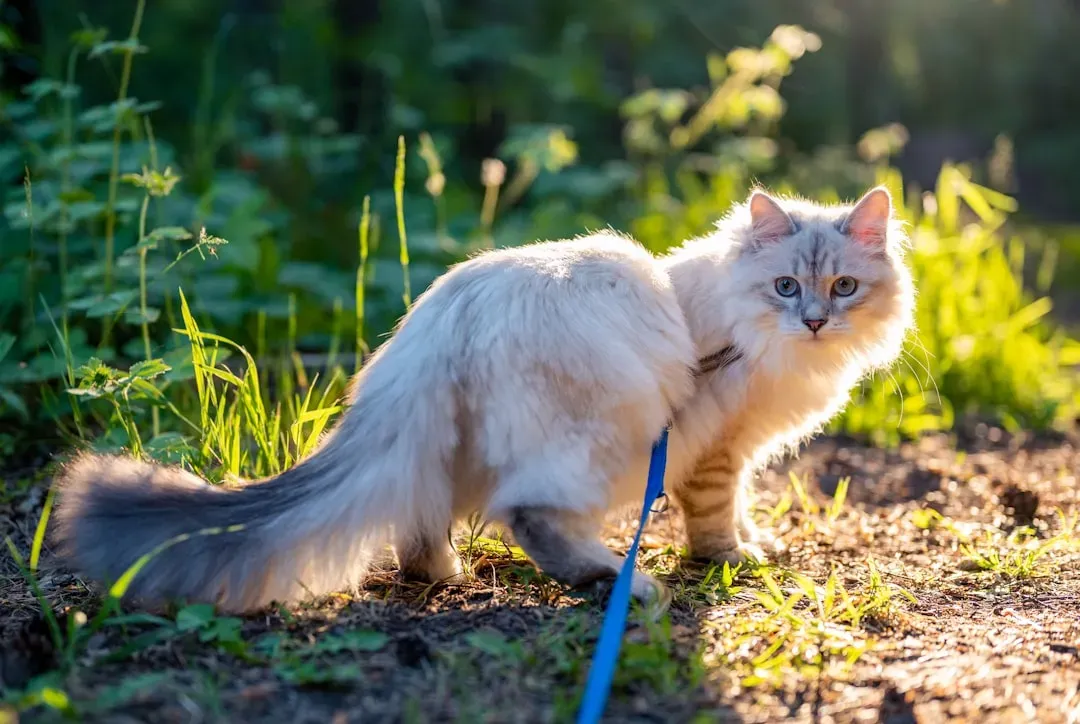
Your cat has been speaking to you since the day you brought them home. Every swish, puff, curl, and twitch is part of a living, breathing vocabulary that most owners never fully learn to read. The good news is, you don’t need a veterinary degree to become fluent. You just need to pay attention.
A cat’s tail is one of their most expressive features, and they use it to let us in on a world of feelings and emotions. Once you better understand feline body language and know what your cat is trying to convey, you can respond to them when they’re feeling happy or assist them when they’re stressed. All this knowledge can help you form a deeper bond with your furry friend.
Your cat has been narrating their entire day in silence. The only question is – have you been listening? Now that you know what to look for, the conversation between you and your cat is about to get a whole lot richer. What tail signal have you been misreading all along? Tell us in the comments.