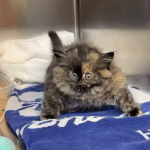
You ever look at your cat lounging across the room and wonder if they even know you exist? Maybe you’ve watched a dog greet their owner with uncontrollable tail wags and sloppy kisses and felt a little jealous of that obvious display of love. Let me tell you something, your cat absolutely adores you. They’re just not shouting it from the rooftops like their canine counterparts.
Cats are much more subtle in showing their love, though that does not mean that the shared bond between cats and humans is any less than with dogs. It just means that you’ll need to work harder to understand your cat’s love language. Think of it this way: while dogs are the extroverts of the pet world, cats are the quiet poets, expressing their devotion through whispers rather than declarations. Once you learn to recognize these delicate signals, you’ll realize your feline companion has been confessing their love all along. So let’s dive in.
The Slow Blink: Your Cat’s Version of an “I Love You”
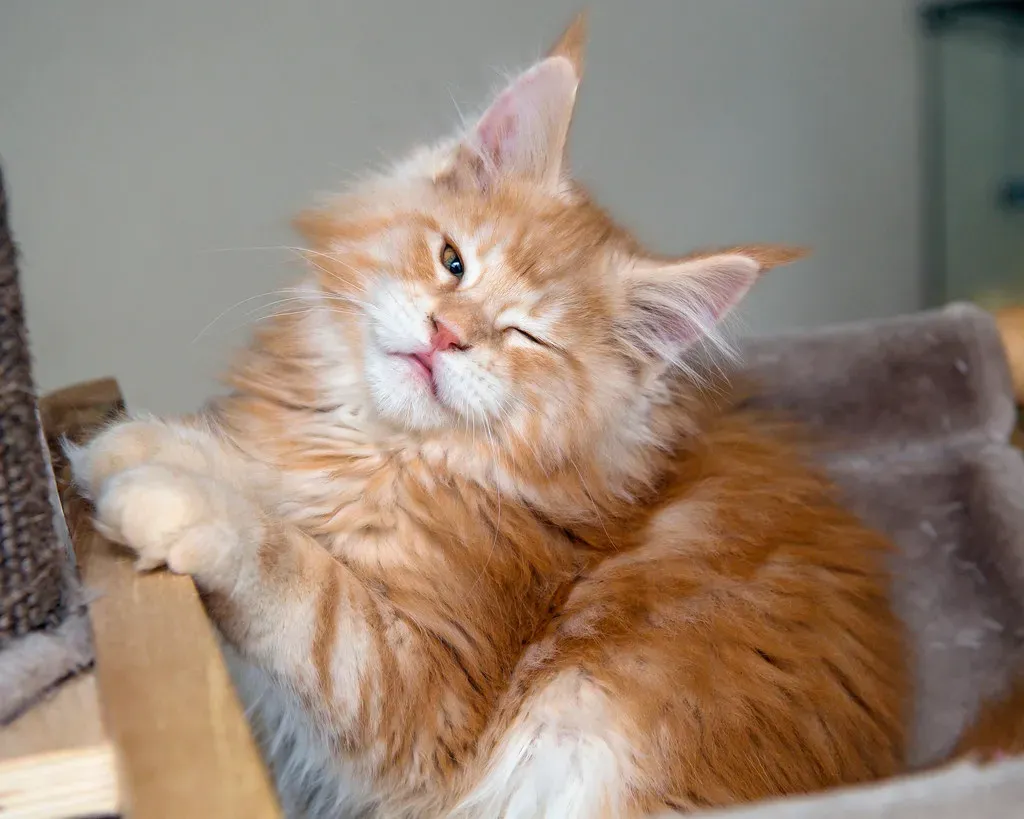
Your cat’s slow blink is a sign that they trust you and feel comfortable around you. It’s as close to an “I love you” from them as you’ll ever get. Picture this: you’re sitting on the couch, minding your own business, when you catch your cat staring at you from across the room. Then, slowly and deliberately, they close their eyes and open them again in an almost dreamy fashion.
That’s not boredom or sleepiness. Slow blinking is a gesture of trust and affection that cats use to communicate with each other and a sign that your cat feels safe with you. In the wild, closing your eyes around anyone makes you vulnerable to attack. When your cat slow blinks at you, they’re telling you they feel secure enough to let their guard down completely. You can even slow blink back at them to return the sentiment and strengthen your bond.
Headbutts and Cheek Rubs: The Scent of Belonging
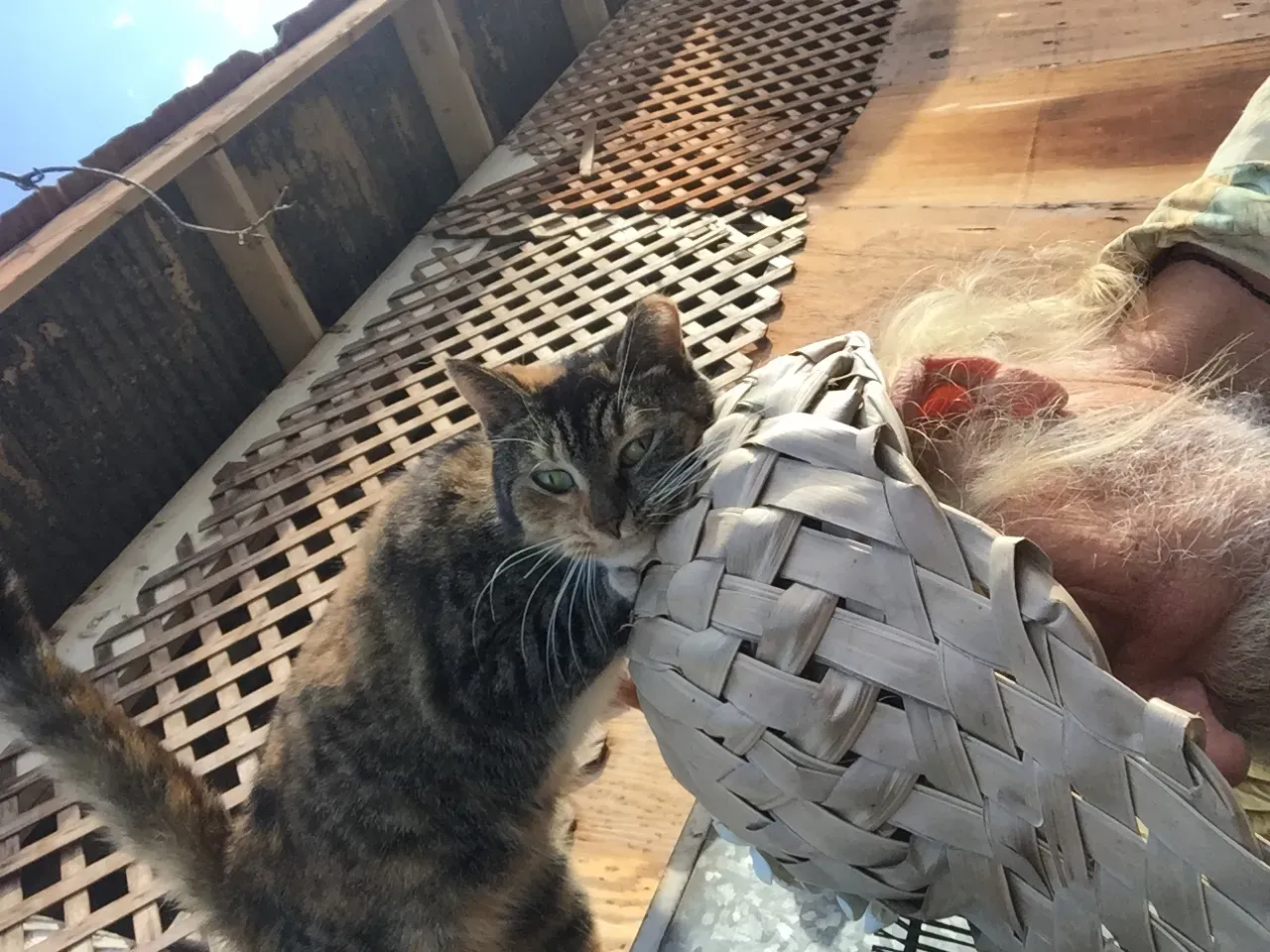
Cat headbutting, also called bunting, is usually a friendly behavior where cats mark you with their scent to show bonding, comfort, and familiarity. When your cat approaches you and gently bonks their head against your leg or face, it might feel a little strange at first. Some cats do it with surprising force, like they’re testing the structural integrity of your shin bone!
Cats have glands on their cheeks, forehead, and chin that contain pheromones. When a cat headbutts you, they are rubbing pheromones on you. Humans can’t detect these pheromones, but to a cat, you can consider yourself marked. Essentially, they’re saying “this one’s mine” to any other cats who might come sniffing around. Headbutting is a comforting, trusting behavior. It means they feel safe and relaxed with you, and even emotionally connected. Consider yourself chosen.
Kneading: When Your Cat Makes Biscuits on You
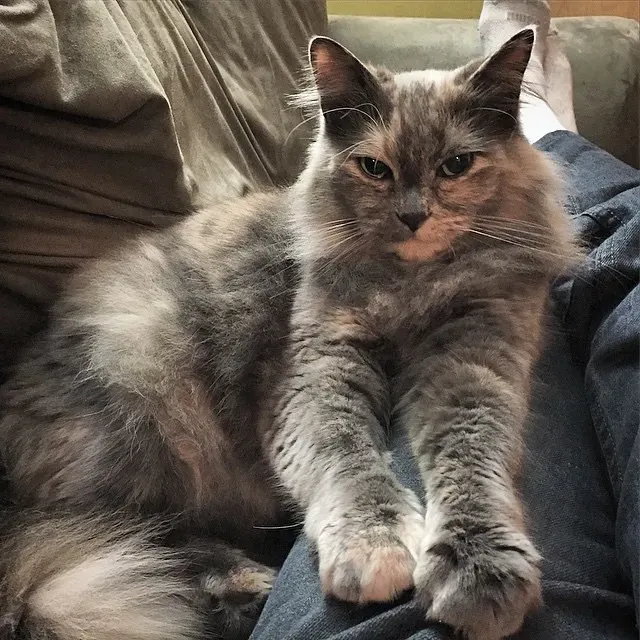
There’s something both adorable and slightly uncomfortable about having a cat knead on your lap, especially when their claws are out. Kittens use a kneading action to stimulate milk production from their mother cat when nursing. Because nursing and being around a mother cat’s calming pheromones encourages a sense of contentment in young kittens, many cats will continue to knead into adulthood to create a similar sense of calm and relaxation.
When your cat kneads you, it can also be a sign of affection, since kneading is a behavior that he performed as a kitten with his mother. Kneading can thus convey a sense of comfort and security with you. They’re literally treating you like their parent, associating you with the safest and happiest moments of their early life. If your cat is making biscuits, it’s most likely because they feel nice and comfy and want to show it. Kneading while nursing causes the release of oxytocin, which is a feel-good hormone that helps with maternal bonding. Let’s be real, that’s a pretty high compliment.
Purring: The Gentle Rumble of Contentment
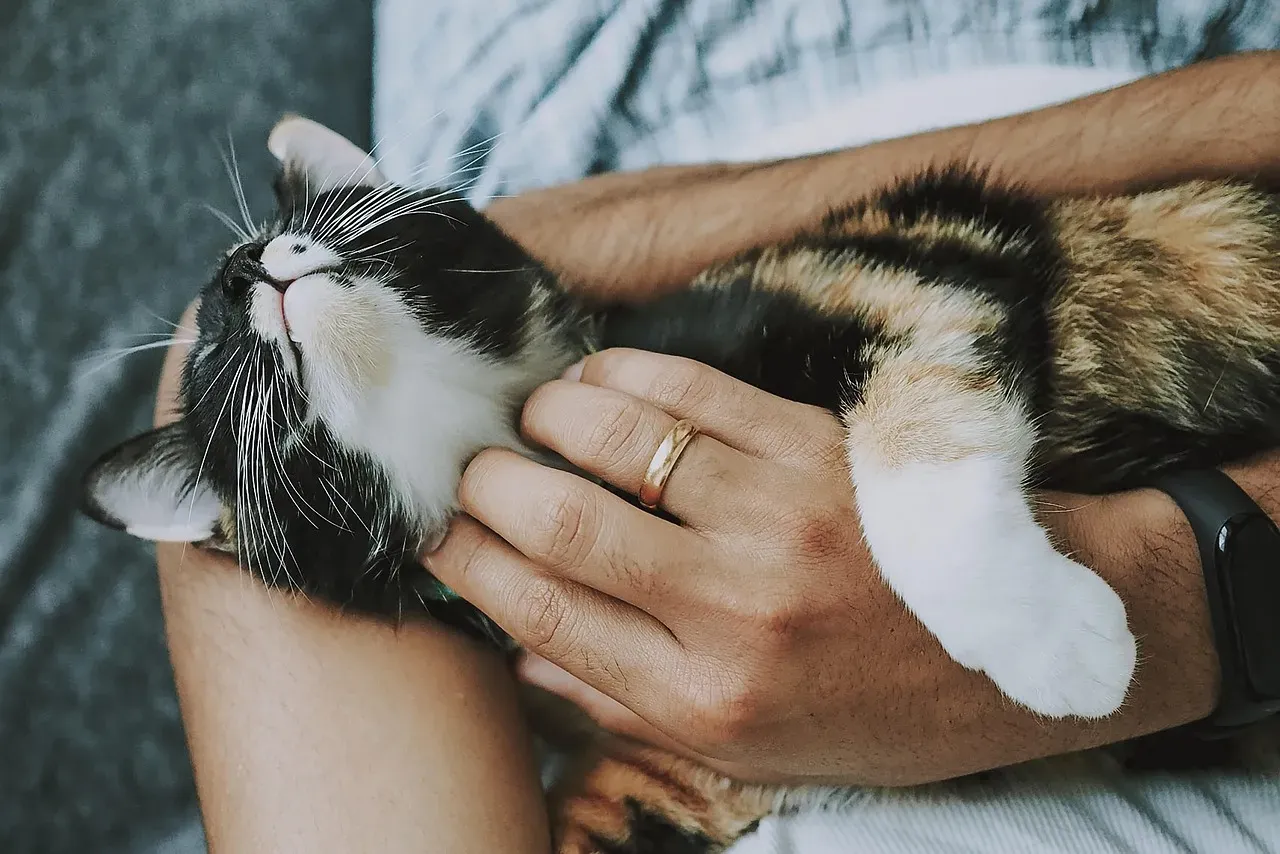
Most of us know that purring generally means a happy cat, but it’s easy to underestimate just how meaningful this sound really is. Purring is often used as a sign of pleasure and contentment. They are letting you know through vocalisation, how much they are enjoying their bonding time. Whilst there might be an element of ‘please don’t stop!’ in that purring, they’re also saying ‘I love you!’.
Here’s the thing, though: cats don’t purr for just anyone. Purring is often associated with a cat’s contentment and happiness. When a cat purrs while being petted or sitting on your lap, it’s a sign of deep affection and comfort. That low rumble is their way of sharing their emotional state with you. Sometimes they’ll even purr so loudly you can hear it from across the room, like a tiny motorboat cruising through your living room.
Tail Talk: Reading the Language of the Upright Tail
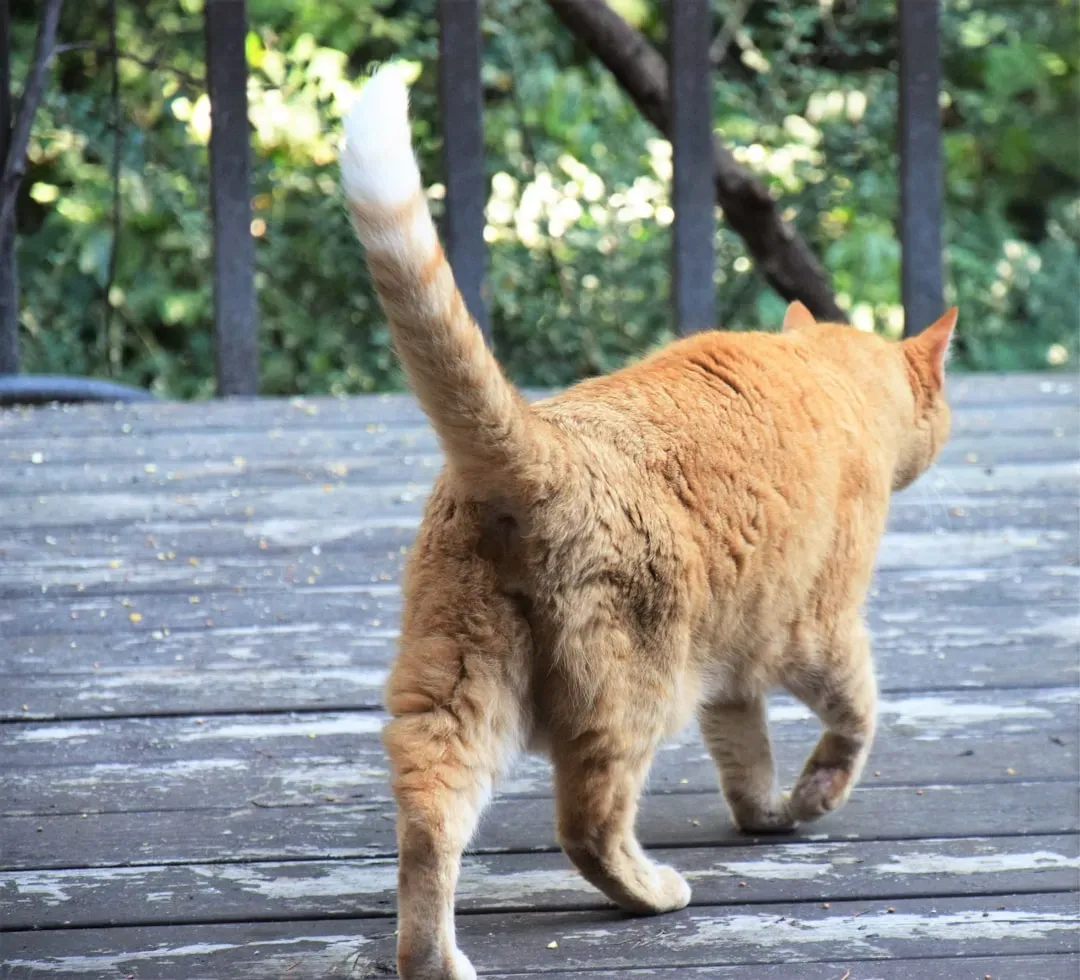
You might not think much about how your cat holds their tail, but it’s actually one of the clearest indicators of their mood and feelings toward you. A very happy cat tail position is upright, with a slight curve at the top, which means that they are glad to see you! When your cat approaches with their tail held high like a flagpole, often with a little question mark hook at the end, that’s cat language for “I’m happy and I trust you.”
Sometimes by winding their way through your legs, or even just by sitting close enough so that their tail touches you when they swing it. Even the subtle brush of their tail against you as they walk by is intentional. They’re maintaining that physical connection, reminding you that you’re part of their world. Pay attention next time your cat walks past you with that confident, upright tail. That’s your cat saying hello in the most affectionate way they know how.
The Gift Giver: When Your Cat Brings You Presents
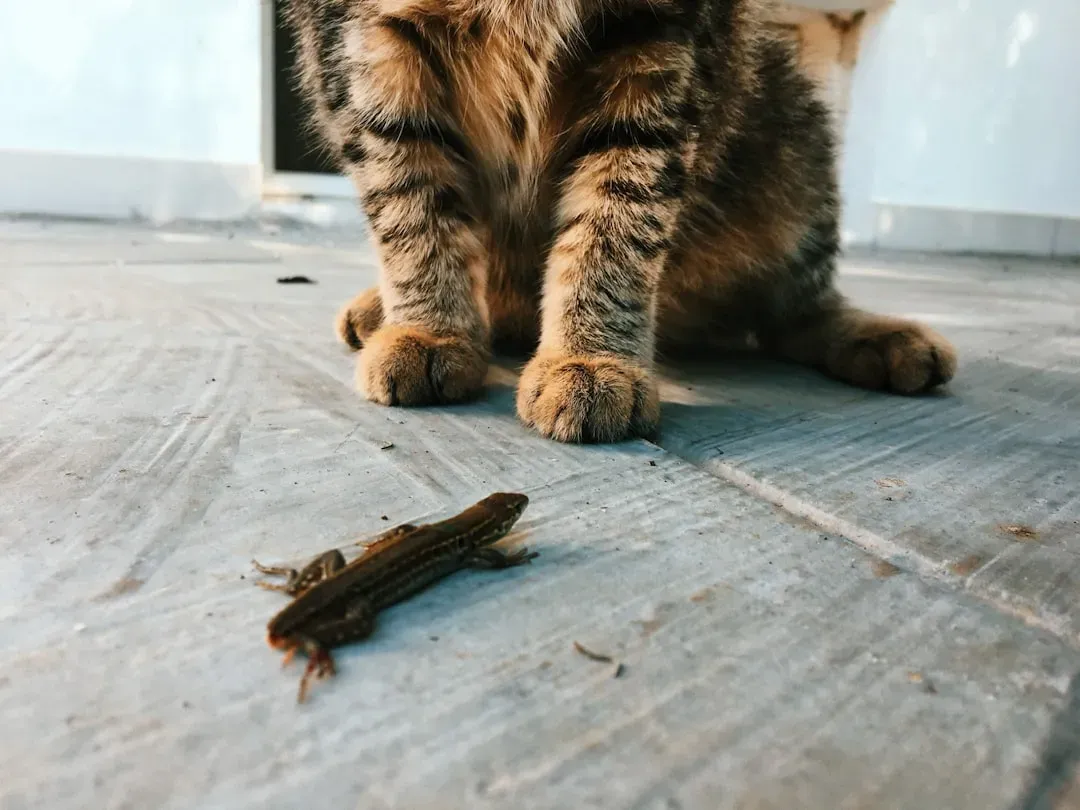
Okay, this one might not feel like love when you’re staring down at a dead mouse on your doorstep at six in the morning. Cats are hunters at heart, and sometimes a cat that catches a mouse or insect will bring the remains back to their humans as a gift. Though this may turn your stomach, it truly is a sign of love and pride. Your cat wants to reward you for your love.
In the wild, cats bring prey back to their families to share resources. In the wild, cats bring prey to their families. By bringing you gifts, your cat is sharing its “hunt” with you, showing that they consider you part of their family. So when your cat proudly deposits a toy or (gulp) a critter at your feet, they’re essentially saying “I hunted this and I want to share it with you because you’re important to me.” Honestly, it’s kind of sweet once you get past the initial horror.
Following You Around: Your Personal Feline Shadow
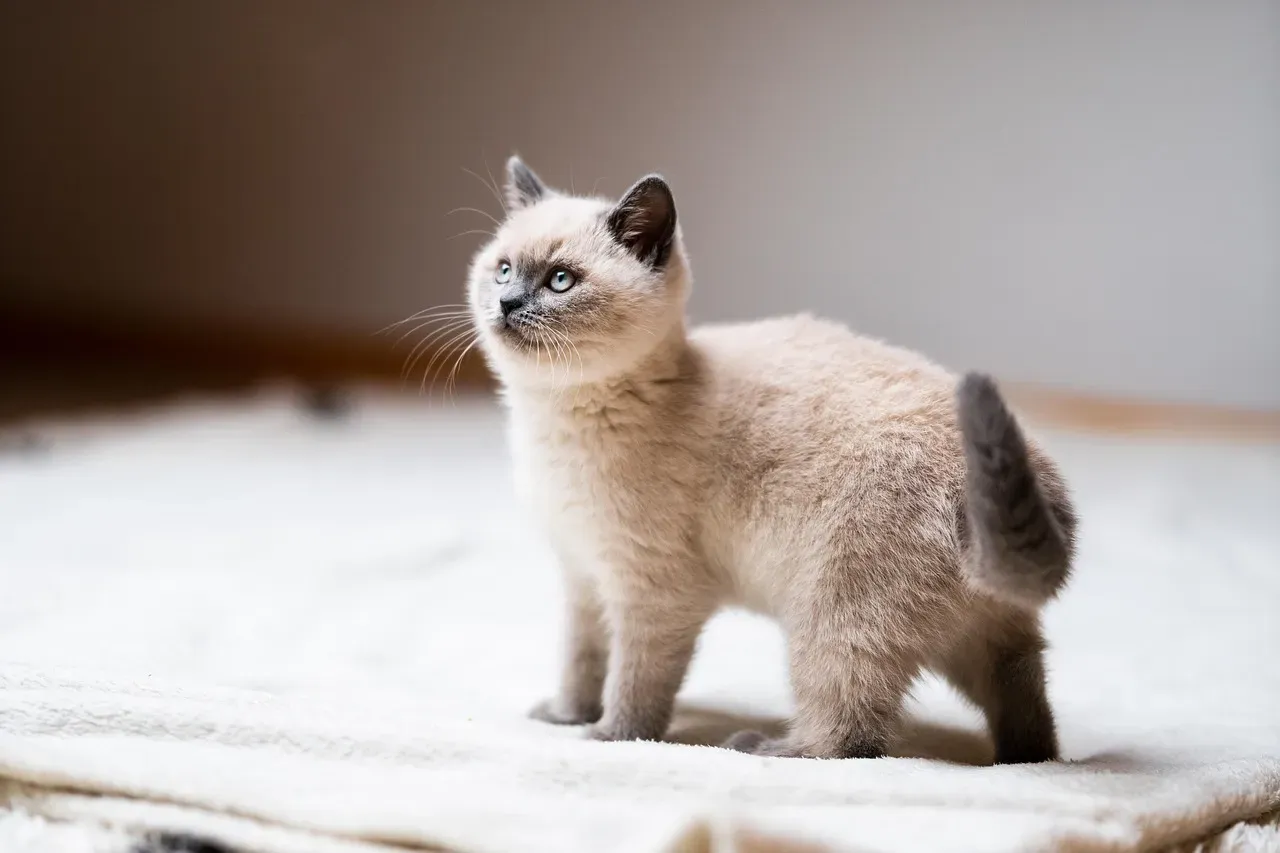
Many pet parents might find it odd that their cats follow them everywhere they go, even right into the bathroom. But this just means that your cat wants to spend more time with you. A cat that enjoys your company and feels comfortable around you is going to follow you around the house and cling to you like glue.
If your cat insists on being in the same room as you, even when they’re not actively seeking attention, that’s a clear sign of affection. Cats often follow those they love and trust around the home. They want to be near you, monitoring your activities and just generally keeping tabs on their favorite human. It’s hard to say for sure, but I think there’s something comforting for them about simply being in your presence.
The Belly Exposure: The Ultimate Sign of Trust
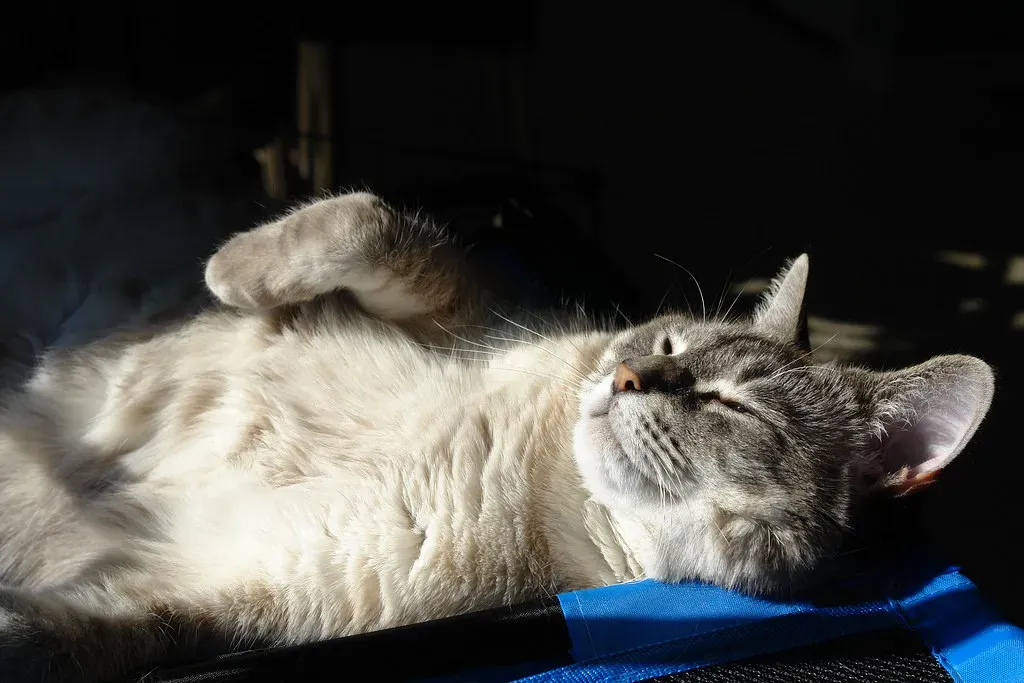
This is often considered the ultimate sign of trust for a cat. Cats only lie on their backs and show their bellies when they are in their most relaxed state. They are simply communicating that they feel comfortable and safe enough to reveal one of the most vulnerable parts of their body. However, here’s where things get tricky and you need to resist temptation.
But this is not an invitation to pet or rub your cat’s belly. If you go in for the belly rub, be careful, as your cat might retaliate with a bite or scratch. One of the most definitive signs your cat loves and trusts you is when they roll onto their back and expose their belly. Because the abdomen houses a cat’s most vital organs, this is an act of extreme vulnerability. It means they feel secure enough around you to let their guard down. Think of it as them saying “I trust you completely, but look, don’t touch.”
Grooming: When Your Cat Licks You
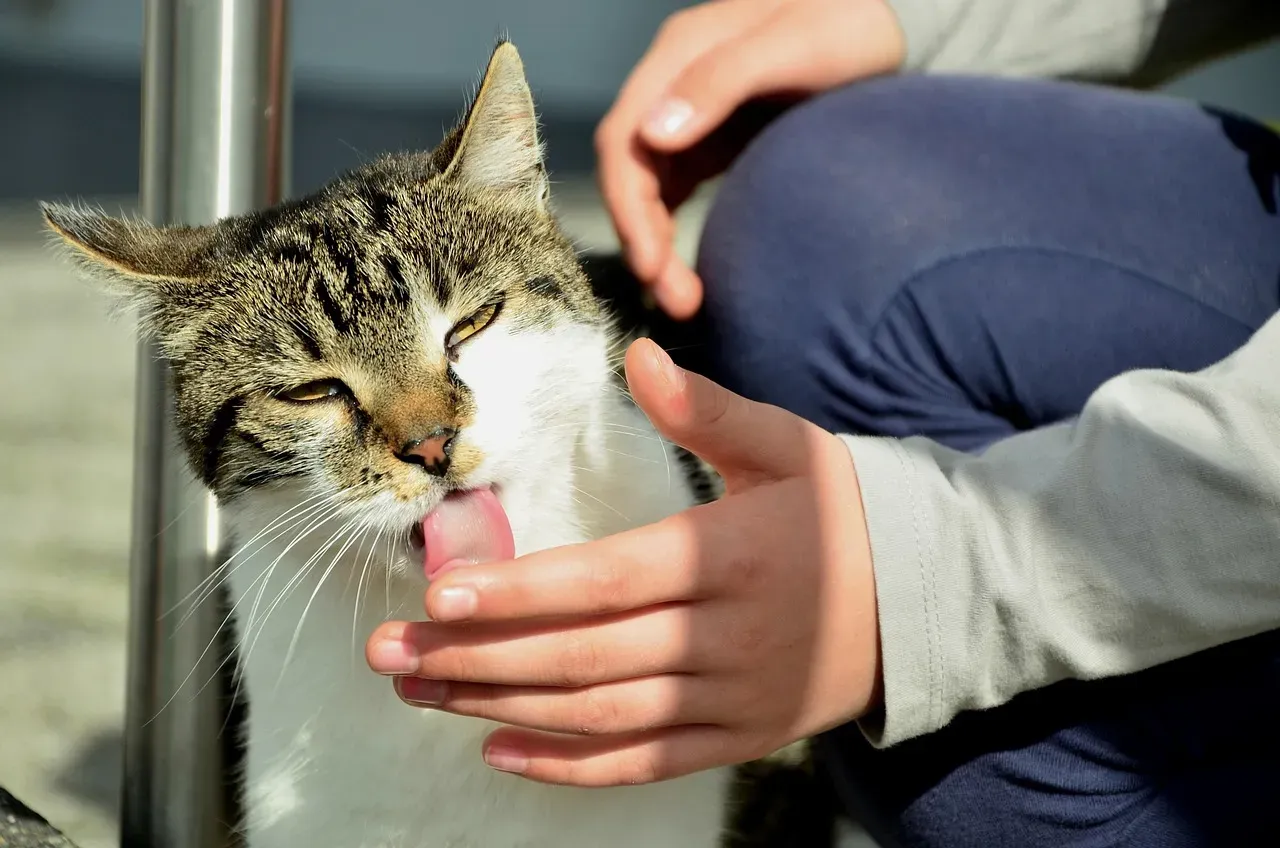
Getting licked by a cat feels like being scraped with sandpaper, yet there’s something oddly endearing about it. Between animals and in family groups, cats display affection with mutual grooming. Occasionally, cats will also extend this to humans by using their tongue to lick them as they would their own fur. It’s a way of mingling scents and is the ultimate gesture in how do cats show affection.
Cats groom each other as a display of affection, and this behavior will extend to humans when trust is built. Cats will often lick their people or allow them to brush them. Licking is similar to the grooming cats perform on their feline friends, allowing them to mark each other and build their bond. When your cat grooms you, they’re treating you like family. They’re saying you’re worthy of their care and attention, which in the cat world is basically the highest honor.
Sleeping Near You: Choosing You as Their Safe Place
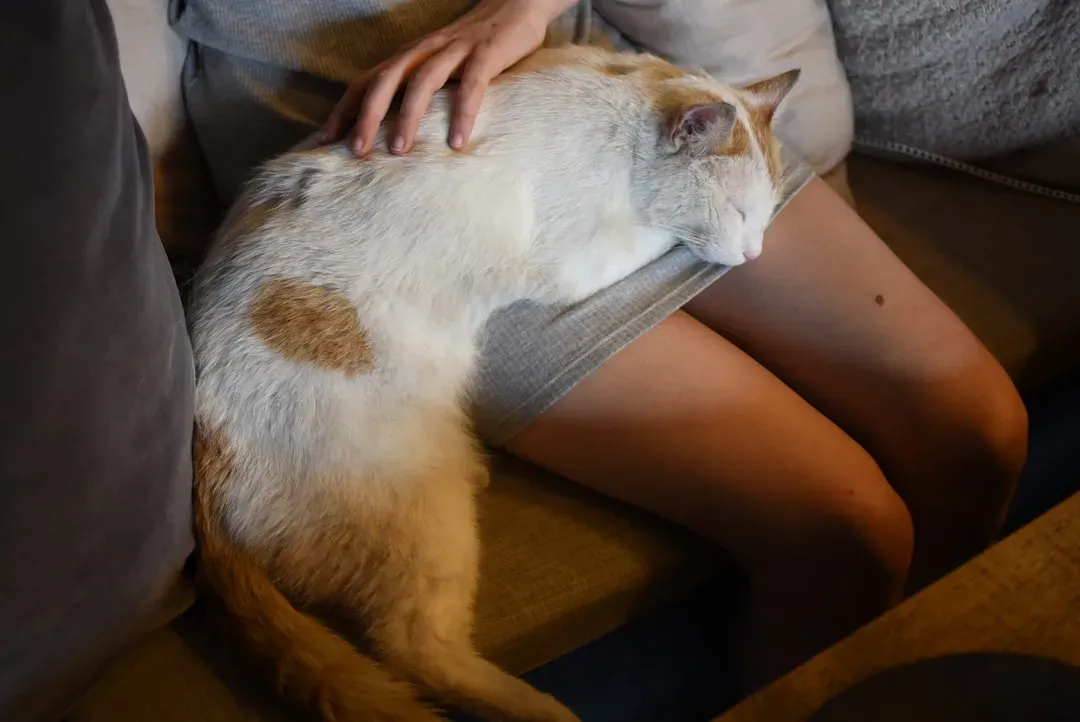
A cat who chooses to sleep on or close to you is showing their love and trust in you. Even if they choose to lie just out of reach for petting, this means that they feel safe and trust that you will protect them, or that they will protect you if danger appears. Cats are at their most vulnerable when they sleep, so the location they choose for naptime is incredibly significant.
Cats are known to be creatures of habit, and if your cat chooses to sleep near you or even on your bed, it’s a sign that they feel safe and comfortable with you. This behavior is an expression of their love and trust towards you. Whether they curl up on your lap, claim the pillow next to your head, or simply snooze in the same room where you’re working, they’re telling you that you make them feel secure. There’s really no greater compliment from a creature who spends roughly two thirds of their life sleeping.
Conclusion: The Quiet Language of Feline Love
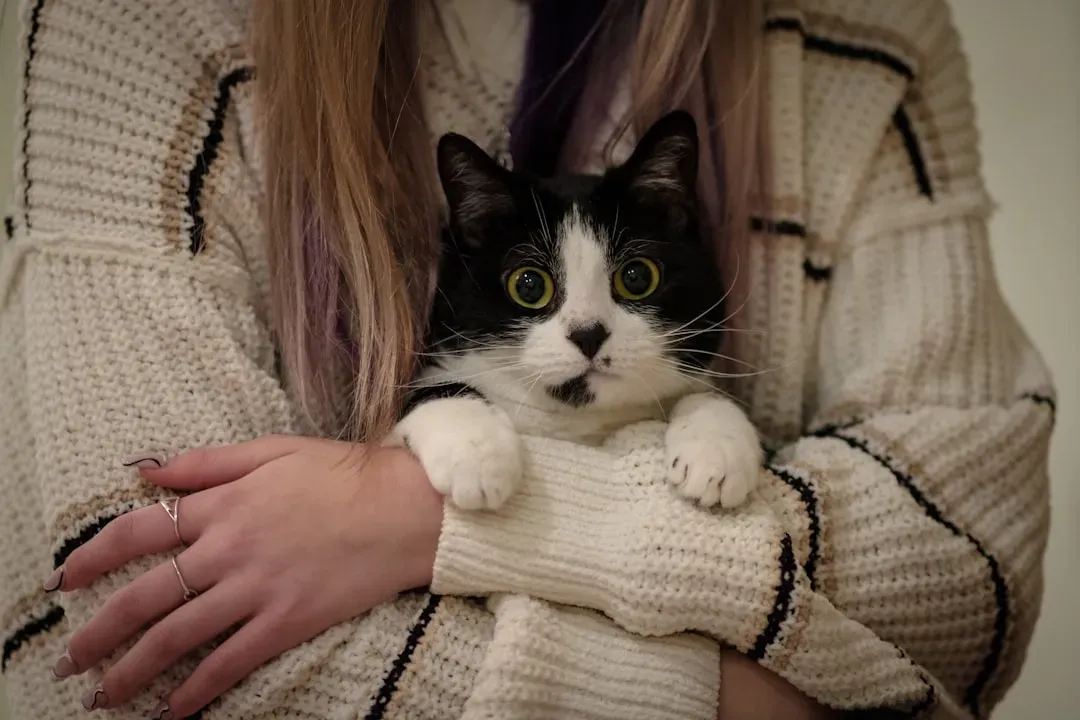
No matter what pop culture says, science backs up what pet lovers know instinctively: Cats like people. They just have funny ways of showing it sometimes. A genuine slow blink is one of the most original, fun, and charming ways our pets communicate their trust, affection, and love for us. The beauty of cat affection lies in its subtlety and sincerity.
Your cat won’t jump into your arms or wag their tail with wild abandon, but they’ll slow blink from across the room, gently headbutt your hand, and choose your lap as their favorite napping spot. These quiet gestures speak volumes about the depth of their attachment to you. Once you start recognizing these signs, you’ll realize your cat has been whispering “I love you” in a thousand different ways every single day. What would you have guessed?