There is something quietly remarkable about sharing your life with a creature that never speaks a single word, yet somehow always seems to be saying something. Cats are this fascinating paradox. Millions of people live alongside them every day, feed them, love them, and still walk away genuinely puzzled about what their feline companion is actually feeling or thinking. Honestly, it’s a little humbling.
The truth is that cats have developed one of the most intricate and layered communication systems in the animal world. It just doesn’t look like anything we’re used to. No barking. No wagging. No obvious tell. Instead, it’s woven into every flick of the tail, every slow blink, every subtle ear twitch. If you’ve ever wanted to truly understand what your cat is telling you, you’re in the right place. Let’s dive in.
Why Cats Communicate Differently Than You Might Expect
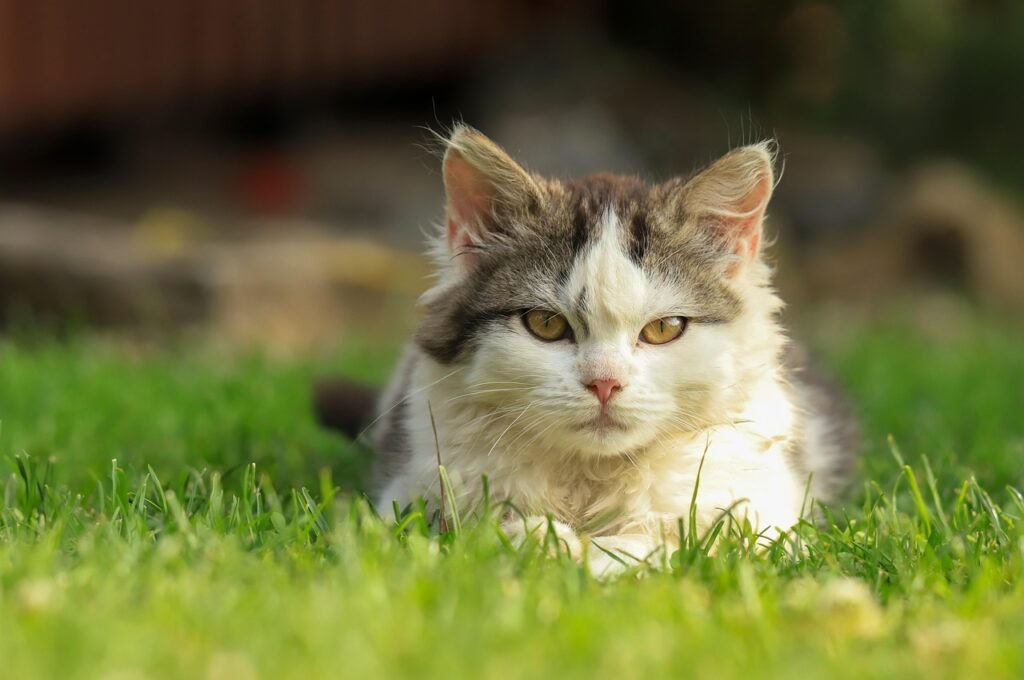
Here’s the thing most people don’t realize: cats were not bred for communication the way dogs were. Cat communication methods have been significantly altered by domestication, and studies have shown that domestic cats meow much more than feral cats, who rarely meow to communicate with fellow cats or other animals. Think about that for a second. The meowing you hear every morning? It’s essentially a language your cat invented specifically for you.
Domestic cats actually have two different vocabularies. In contrast to wild cats, who abandon the language of kittens for a different one in adulthood, domestic cats that are cared for by humans retain the language used between feline mothers and their young, even when they reach maturity. So when your cat chirps at you from across the room, they are reaching into their earliest memories of safety and connection. That’s rather beautiful, when you think about it.
The Tail: Your Cat’s Most Expressive Body Part
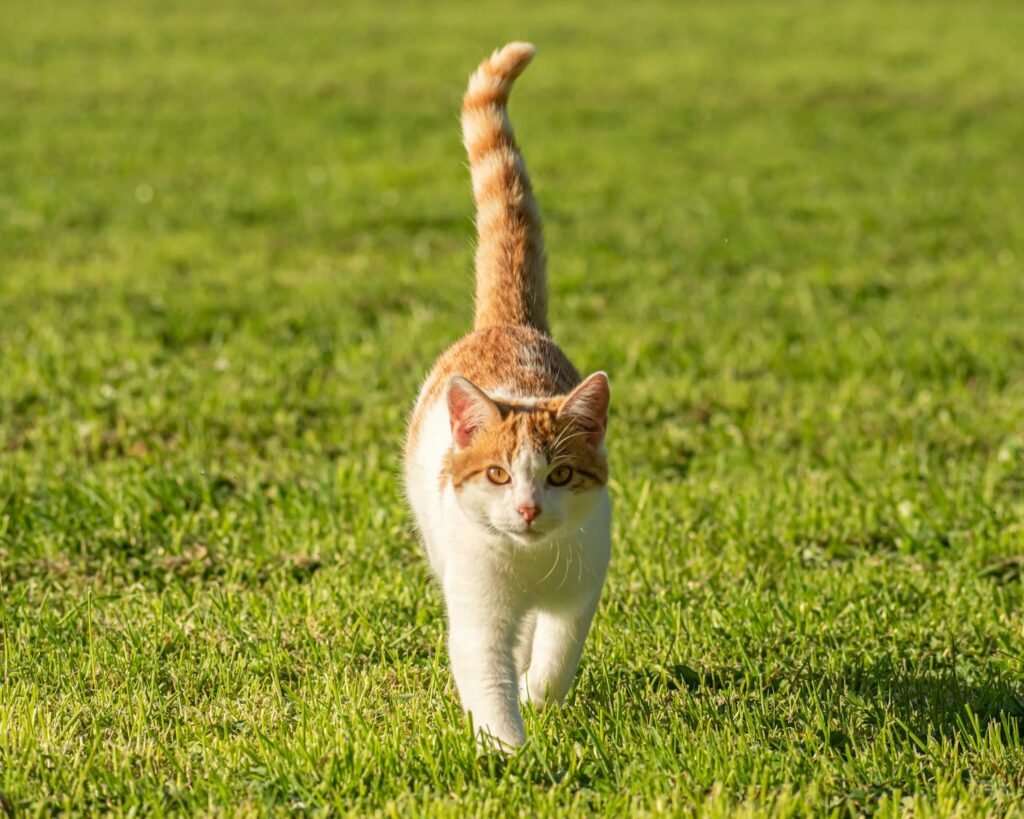
A cat’s tail is the most expressive part of its body, acting as a mood barometer. A tail held high signifies confidence and happiness, while a twitching tail signals excitement or agitation, especially during playtime. It’s the kind of signal that, once you know it, you can’t unsee. Your cat is essentially wearing their emotions on that little flagpole of fur.
Rapidly thrashing or whipping tails, or ones thumping on the ground, indicate irritation, annoyance, or anger. This is probably the most misread signal cat owners encounter. Many people interpret tail movement as enthusiasm, the way a dog wags. Unlike dogs, cats don’t wag their tails when happy. Instead, they hold them upright. If you notice that tail lashing while you’re mid-cuddle session, consider it a polite but firm request to stop.
Reading the Ears: Tiny Antennae With a Lot to Say
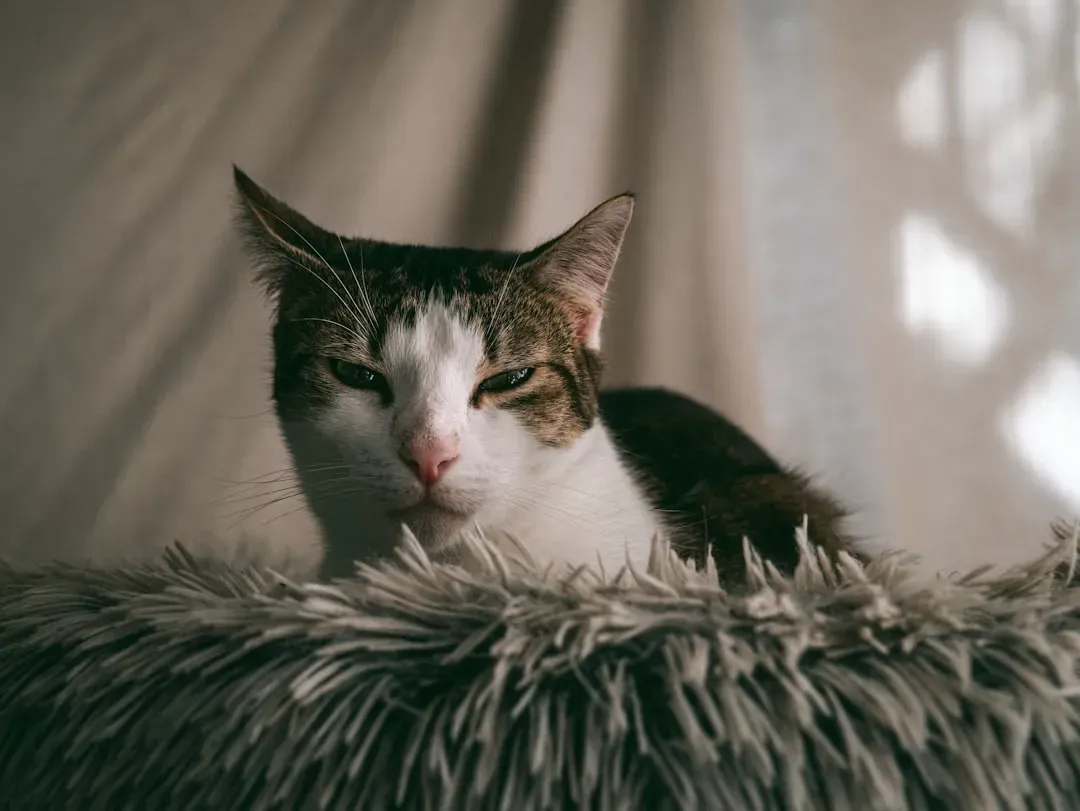
With over 30 muscles involved, the position of the ears reveals a great deal. That’s not a trivial number. For comparison, humans have only about 12 ear muscles, most of which we barely use. Your cat’s ears are a precision instrument, and they are constantly broadcasting emotional data. Cats can change the position of their ears very quickly and continuously. They are erect when the cat is alert and focused, slightly relaxed when the cat is calm, and flattened against the head when extremely defensive or aggressive.
Ears that are erect and rotated out along with narrow or small pupils are usually a signal of frustration, whereas dilated pupils with ears held flat against the head are often a sign of fear. It’s like reading two dials on the same control panel at once. Flat back ears indicate extreme fear and readiness to attack. In this defensive posture, you should not approach the cat, as it may perceive any advances as a threat. Always respect that warning. Always.
The Language of the Eyes: Slow Blinks and Staring Contests
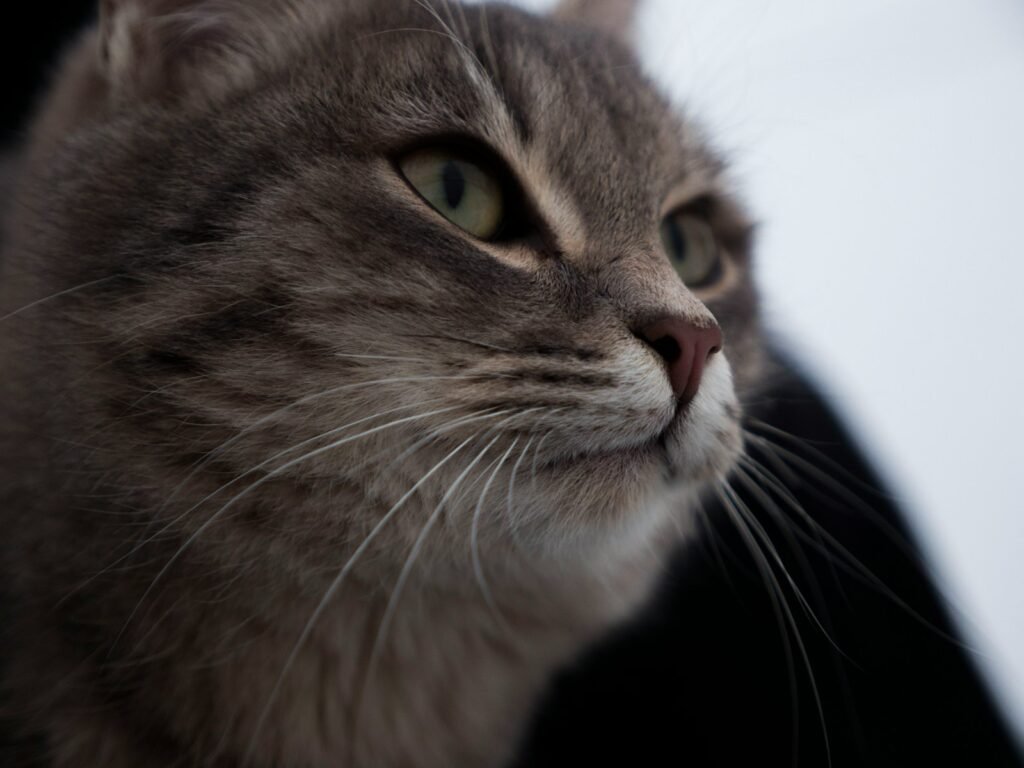
Cats communicate a lot with their eyes. Their pupils, gaze direction, and blinking all convey specific messages. If your cat gives you slow, deliberate blinks, it’s their way of saying they trust you. This is one of the most surprisingly tender gestures in the entire animal kingdom. Think of it as a feline “I love you,” delivered in the quietest possible way. The slow blink has been proven in studies to strengthen human-cat bonds.
On the flip side, don’t be so quick to make prolonged eye contact with a cat you don’t know well. A direct stare by a cat usually communicates a challenge or threat and is more likely to be seen in high-ranking cats. The direct stare is often used during predation or for territorial reasons. You can actually try returning the slow blink to your own cat the next time you lock eyes. If you repeatedly close your eyes, this will communicate your peaceful intentions, and the cat too will blink in order to preserve its peaceful status with you.
Whiskers: More Than Just Decoration
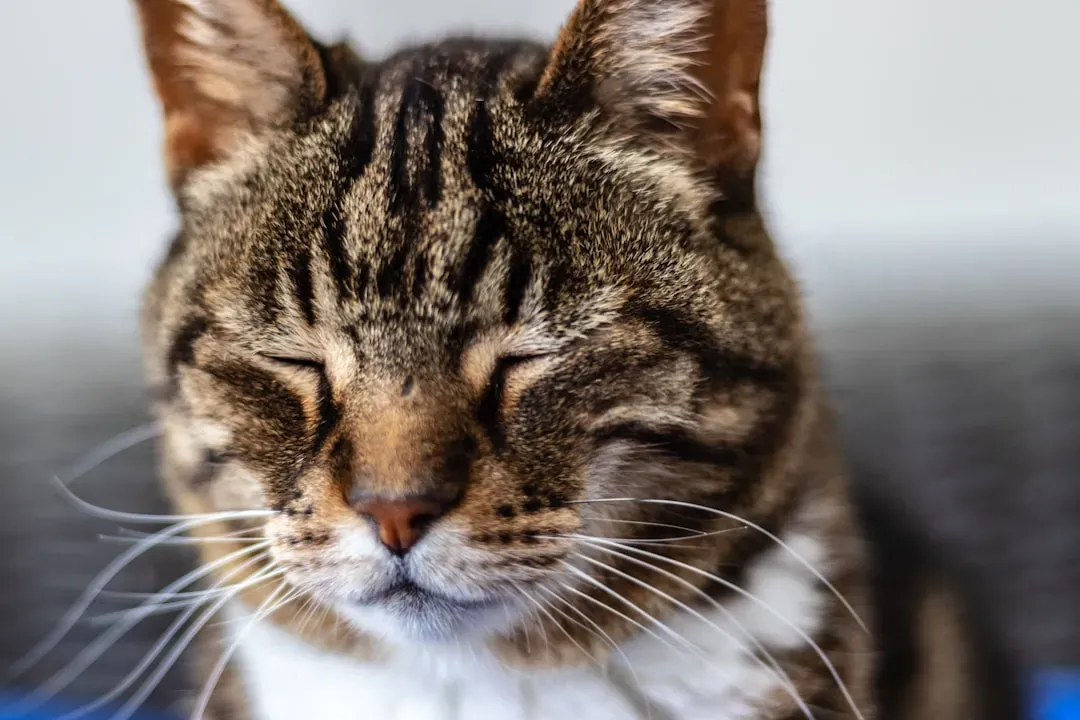
Let’s be real, most of us just think of whiskers as cute. They’re not just cute. Whiskers not only act as a sensory aid for cats to find their way around in the dark, they can also tell you how a cat is feeling. They function as both a navigation system and an emotional telegraph, all at once. Forward-facing whiskers indicate curiosity and interest, while whiskers pulled back against the face suggest fear or aggression.
When tense or highly alert, the whiskers will be fanned out and pointing forward in front of the face. When relaxed, a cat’s whiskers point directly out and are less spread out. A frightened or nervous cat may flatten their whiskers against the side of their face and bunch them together. So next time your cat approaches something new, watch the whiskers fan out in curiosity. It’s like watching a little radar dish come online in real time.
Purring: Not Always What You Think It Means
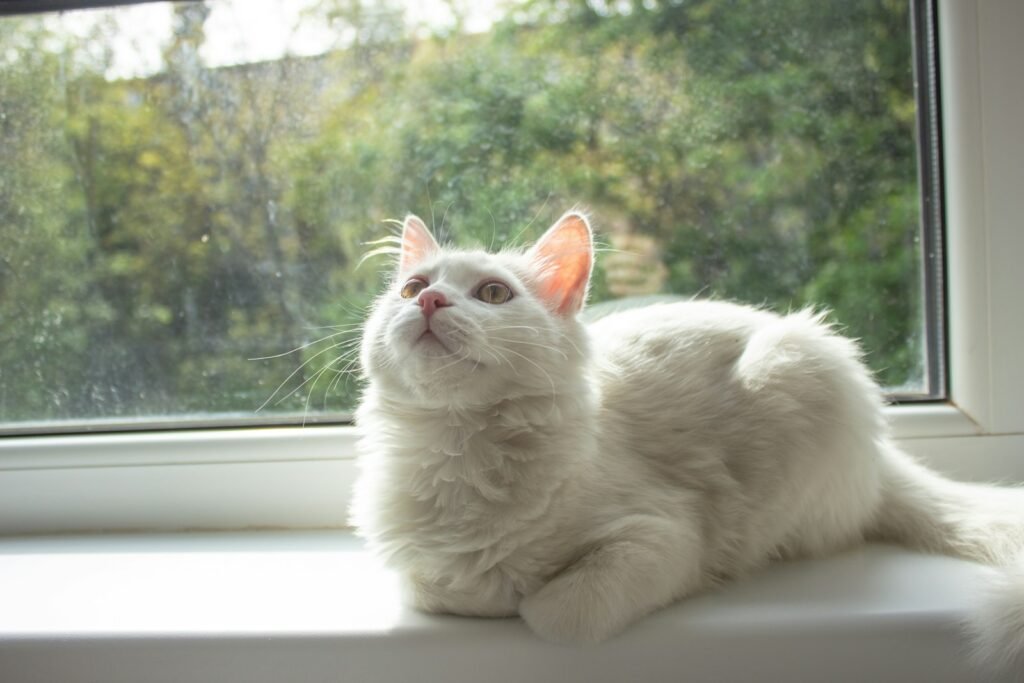
Nearly everyone assumes purring means a cat is happy. It usually does. But here’s the part that surprises most people. Cats also purr when they are frightened, such as during a vet visit or when exposed to an unfamiliar environment. This is a form of self-soothing. It’s a coping mechanism, not unlike how some people hum to themselves when they’re nervous. Cats can also sometimes purr if they are in pain. It’s important to watch your cat’s body language as well as looking at the context, as this is a better indicator of whether they are happy and comfortable.
Cats purr when they are happy, but they may also purr when feeling unwell or stressed. Some cats who have spent a lot of time on the defense and in stressful situations before being rescued may not purr, but it does not necessarily mean they’re not happy. You should look for other cues of happiness, such as semi-closed eyes and relaxed whiskers. Context is everything when decoding your cat. Purring alone is never the whole story.
Scent Marking and Headbutting: The Chemistry of Cat Affection
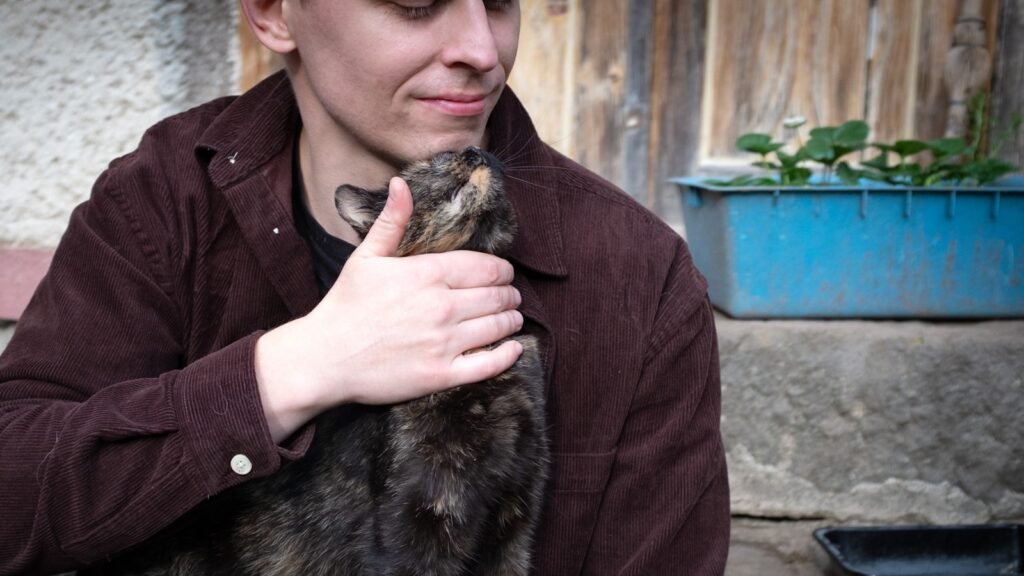
Cats communicate through scent using urine, feces, and chemicals or pheromones from glands located around the mouth, chin, forehead, cheeks, lower back, tail and paws. That might sound clinical, but it translates into something surprisingly warm. When your cat rubs their face along your leg, they are essentially writing your name on their list of treasured things. Headbutting and rubbing are forms of cat communication that allow cats to mark their territory by transferring scent from glands located around their cheeks and jaw. These behaviors signal comfort, affection, and familiarity.
Cats rubbing their heads against objects is known as “bunting.” Bunting often happens in the “core” area of their territory and seems to be associated with comfort, reassurance, and friendly social interactions. So when your cat headbutts you square in the face at 6 a.m., it’s not aggression. It’s love. Smelly, pheromone-based, completely feline love. The cat rubs its cheeks on prominent objects in the preferred territory, depositing a chemical pheromone produced in glands in the cheeks. This is known as a contentment pheromone.
Kneading: Dough Biscuits and Deep Trust
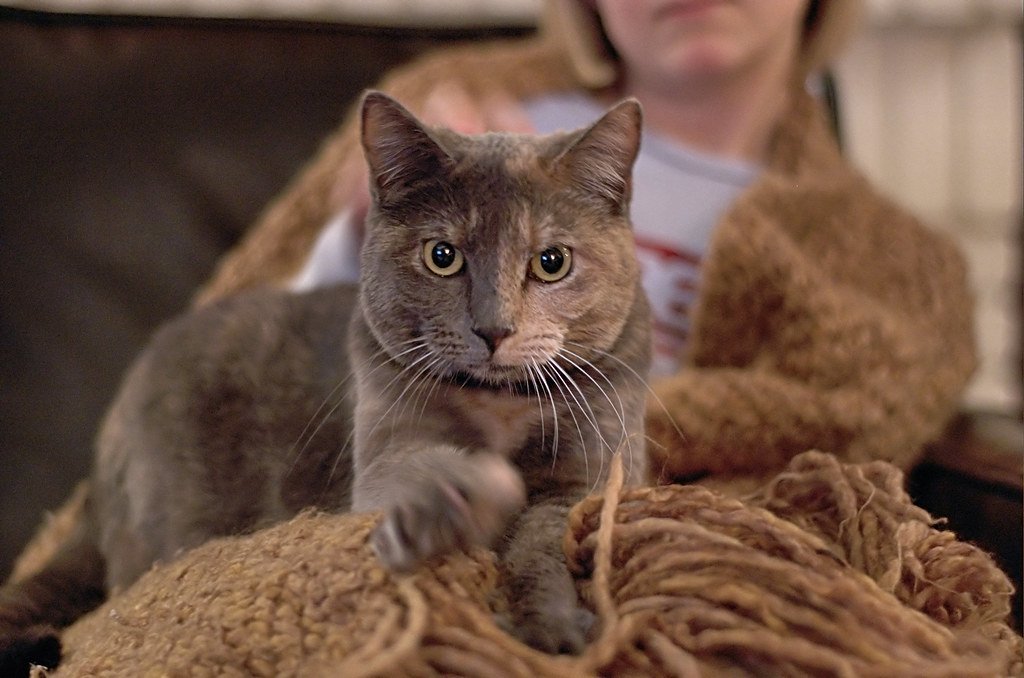
If your cat has ever used your lap as a dough-making station, you’ve witnessed one of the most touching behaviors in the feline repertoire. This cat behavior originates in kittenhood, when kittens knead their mom’s belly to help milk flow more freely. When an adult cat kneads you, they are treating you with the same tenderness they once reserved for their mother. Cats usually do this when they’re feeling relaxed and nostalgic, remembering when they were kittens nursing from their mom. When they knead you, it’s a sweet sign that they think you’re their special someone.
Kneading, or “making bread,” is a rhythmic paw movement that indicates happiness or contentment. It originates from kittenhood, where kittens knead to stimulate milk flow during nursing. Beyond the emotional dimension, gentle paw taps are a way of getting your attention without meowing, while swatting is usually a warning to back off or stop unwanted interaction. Your cat’s paws are basically doing all sorts of communicating on their behalf.
Body Posture: The Full Picture You’ve Been Missing
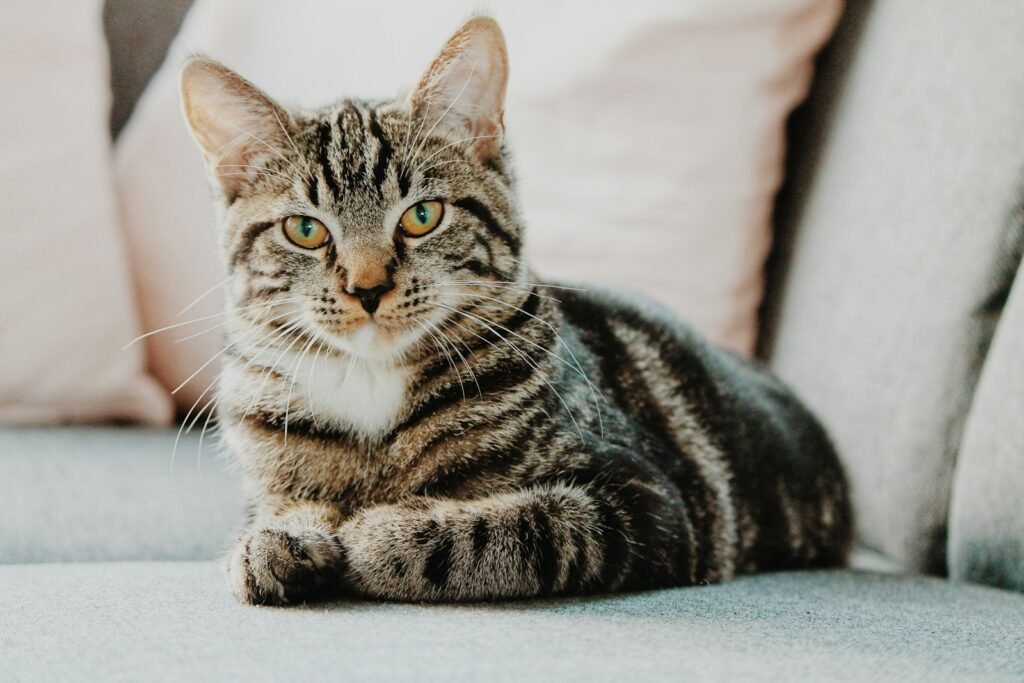
Individual signals like ear position or tail height are useful, but the real art is reading the entire body as one coherent message. Cats rarely communicate with just one signal. Instead, they combine ears, eyes, tails, and posture into a full message. For example, forward ears combined with an upright tail and a slow blink means a relaxed, friendly cat. Think of it like reading a sentence rather than just a single word.
If a cat is pointing their body and head toward you, they may be interested in you and receptive to your advances. A cat who faces away from you may not necessarily be disinterested, however. Letting their guard down around you can also signal comfort and willingness to be touched, so get a feel for the context. I think this is the part most people get wrong. Turning away is not always rejection. Sometimes it’s the highest form of trust a cat can offer you.
How Cats Read You Right Back
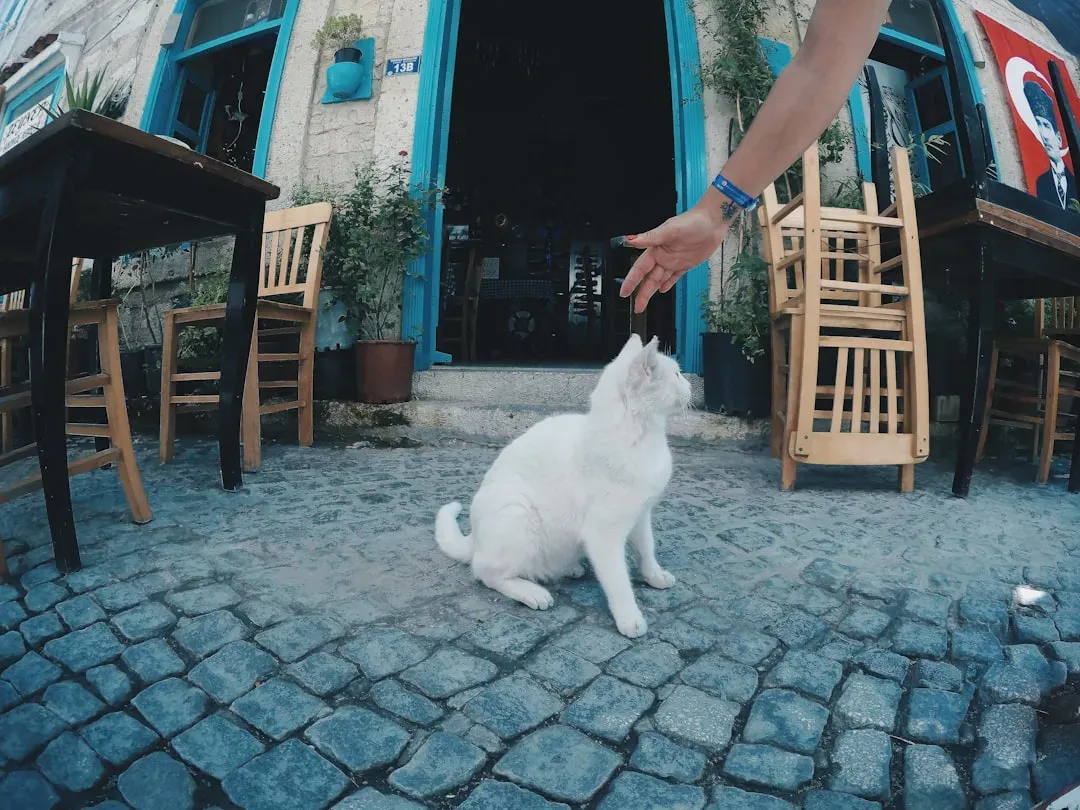
Here’s something that might genuinely surprise you. The communication channel between you and your cat is not one-way. When a cat lives with a human, it very quickly learns to read their mood at any given moment from their body language, the sound of their voice, and eye contact with them. Cats are extremely good at picking up on emotions such as nervousness, fear, affection, and joy. Your cat is, in other words, studying you just as carefully as you are studying them.
Cats have earned a reputation for being hard to read, but it’s not their fault. They just communicate differently than humans. With their posture, tails, ears, eyes, whiskers, and vocalizations, they tell you whether they’re comfortable or not. The more you learn to understand your cat’s signals, the more your cat will trust that you’re paying attention. Responding correctly by respecting warning signs, rewarding calm behavior, providing space when stress is present, and encouraging slow blinking exchanges builds a respectful relationship where your cat feels understood.
Conclusion: Learning to Listen Without Words
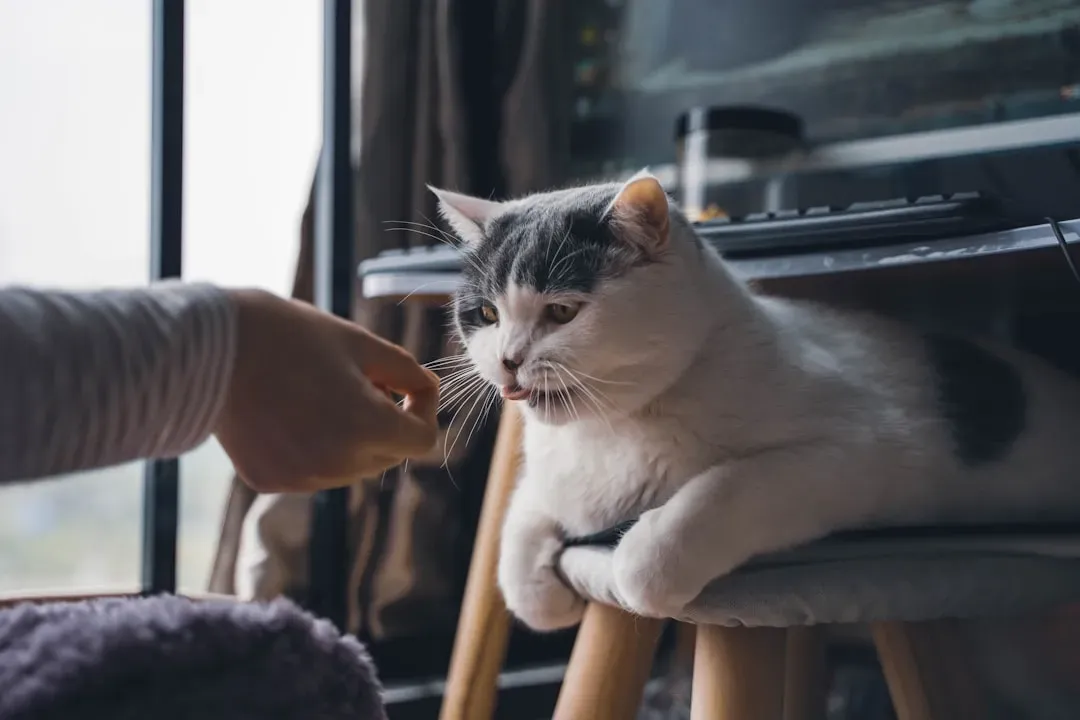
Once you start seeing the language hidden inside every ear position, every tail twitch, every slow blink, your relationship with your cat changes permanently. It shifts from cohabitation to actual conversation. You stop guessing and start truly listening.
The beautiful irony of cats is that the animal famous for being aloof and mysterious is actually broadcasting its inner world constantly, in rich and detailed ways. It just takes a willing observer to catch it. Every cat is unique, and their behaviors are influenced by their individual personality, past experiences, and environment. By paying attention to your cat’s body language, vocalizations, and actions, you can learn to decode their silent language and better understand their needs.
Your cat isn’t ignoring you. They’re speaking to you in the only language they have. The question is, are you listening? How many of these silent signals have you already been noticing without even realizing it? Share your thoughts in the comments below.