Have you ever watched your cat from across the room and wondered what they’re really thinking? Maybe you’ve caught them staring at you with half-closed eyes, or noticed their tail swishing back and forth in a way that seems loaded with meaning. Honestly, I think cats are among the most misunderstood creatures on the planet, partly because they communicate in ways that are far more nuanced than we give them credit for.
Cats use body language and movement to communicate a wide range of feelings and information. While you might hear the occasional meow or purr, the truth is that your feline companion is constantly talking to you through silent signals. Their ears, eyes, tails, and even the way they hold their whiskers are all part of an intricate language system. Let’s be real, once you start paying attention to these subtle cues, your relationship with your cat will never be the same.
The Tail Tells Tales You Need to Hear
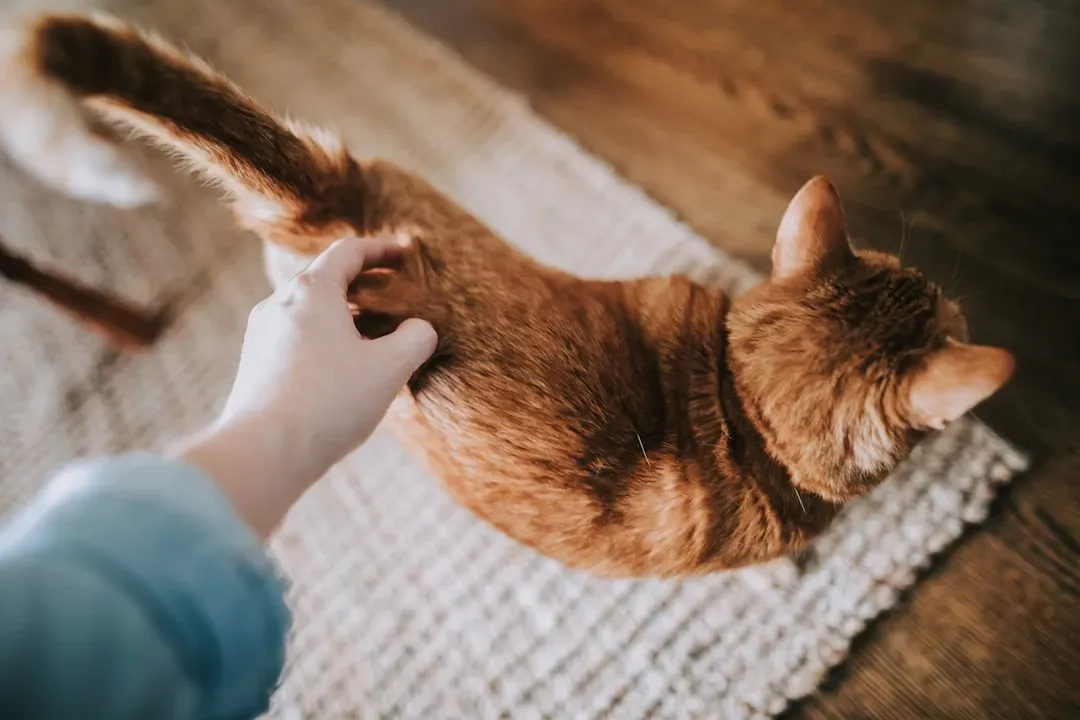
Think of your cat’s tail as their emotional thermometer. It’s hard to say for sure, but the tail might be the most expressive part of a cat’s entire body. When greeting their owners, cats often hold their tails straight up with a quivering motion that indicates extreme happiness. Picture your cat approaching you after a long day away from home, tail held high like a little flagpole. That’s feline joy in its purest form.
Yet the same tail can tell completely different stories depending on its position and movement. Rapidly thrashing or whipping tails or ones thumping on the ground indicate irritation, annoyance or anger, and something might be bothering your cat. If you’re petting your cat and suddenly notice that tail starting to lash, it’s your cue to stop before things escalate into a swat or bite. Context matters enormously here.
When Ears Speak Louder Than Meows
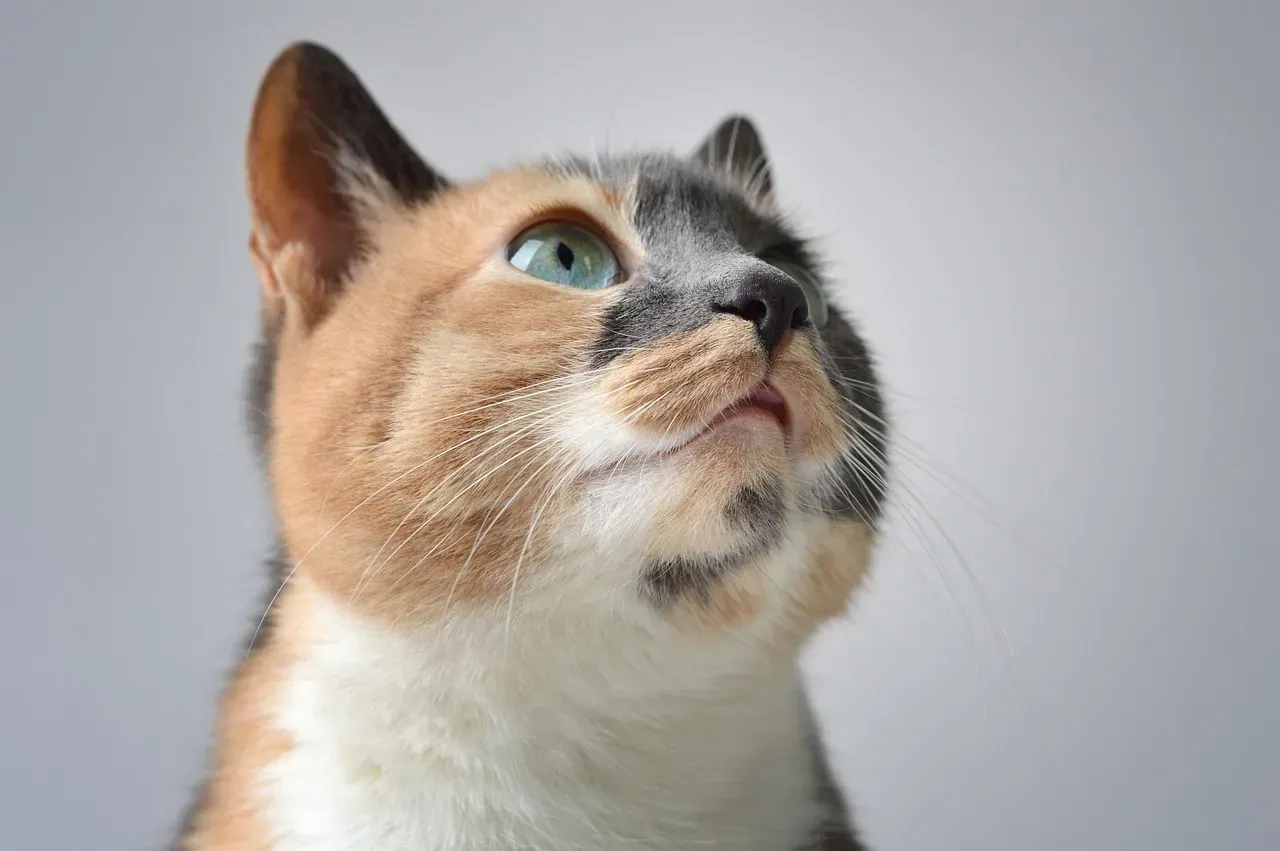
Cats can change the position of their ears very quickly, and continuously, and they are erect when the cat is alert and focused, slightly relaxed when the cat is calm, and flattened against the head when extremely defensive or aggressive. I know it sounds crazy, but watching ear positions can save you from a lot of misunderstandings with your feline friend.
Forward-facing ears signal curiosity and engagement. A cat will move its ears into this alert position when they want to pay closer attention to what’s going on around them. Meanwhile, those infamous airplane ears, where the ears rotate sideways, tell you something entirely different. Usually, this means your cat is nervous, anxious, or scared, which could be a precursor to them becoming aggressive, and airplane mode ears mean it’s time to back off and give them some space.
The Mysterious Language of the Slow Blink
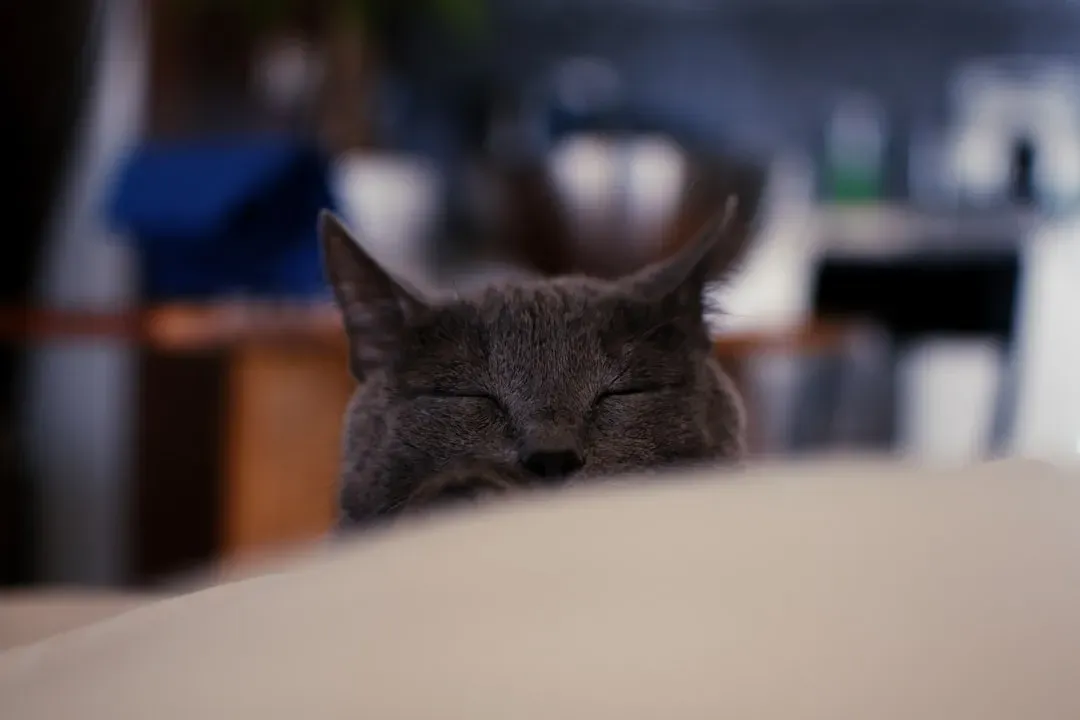
Here’s the thing about cat eye communication: it’s surprisingly tender once you understand it. Cat half-blinks and eye narrowing occurred more frequently in response to owners’ slow blink stimuli towards their cats, and cats had a higher propensity to approach the experimenter after a slow blink interaction than when they had adopted a neutral expression. Some people call this the cat kiss or the feline smile, and honestly, it might be one of the sweetest forms of communication in the animal kingdom.
As theorized by animal behavior experts, the slow blink is how a cat tells her human family that she feels safe. When your cat slowly closes their eyes while looking at you, they’re making themselves vulnerable, showing ultimate trust. You can even slow blink back at them to return the sentiment, creating a little moment of silent understanding between you both.
Purring Isn’t Always What You Think It Is
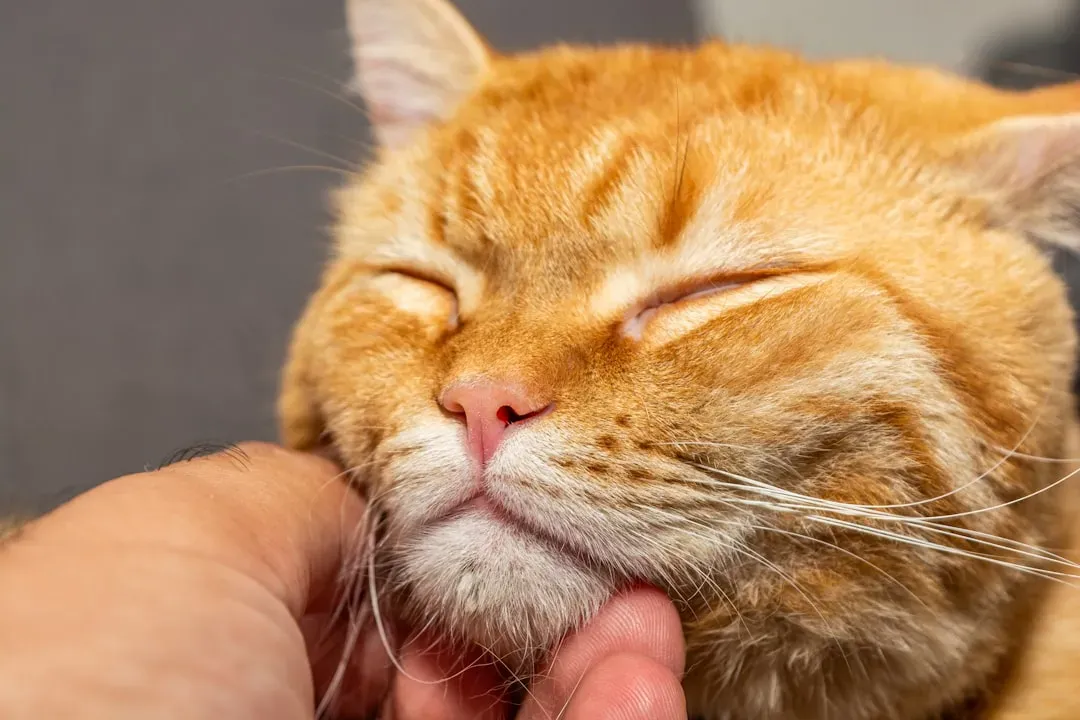
Most people assume purring means happiness, and while that’s often true, the reality is far more complex. A cat’s purring is a sign of happiness, but purrs can actually be produced when a cat is either in a positive or a negative emotional state, and a cat might purr when being pet by their favorite human, but they might also purr if they’re not feeling well. This surprised me when I first learned it.
Sometimes cats can purr in stressful situations, such as going to the vet, and they can also sometimes purr if they are in pain. The purr becomes a self-soothing mechanism, a way for cats to comfort themselves when they’re anxious or unwell. So when you hear that familiar rumble, look at the bigger picture. Is your cat relaxed and sprawled out, or are they tense and hiding?
Body Posture Reveals Hidden Emotions
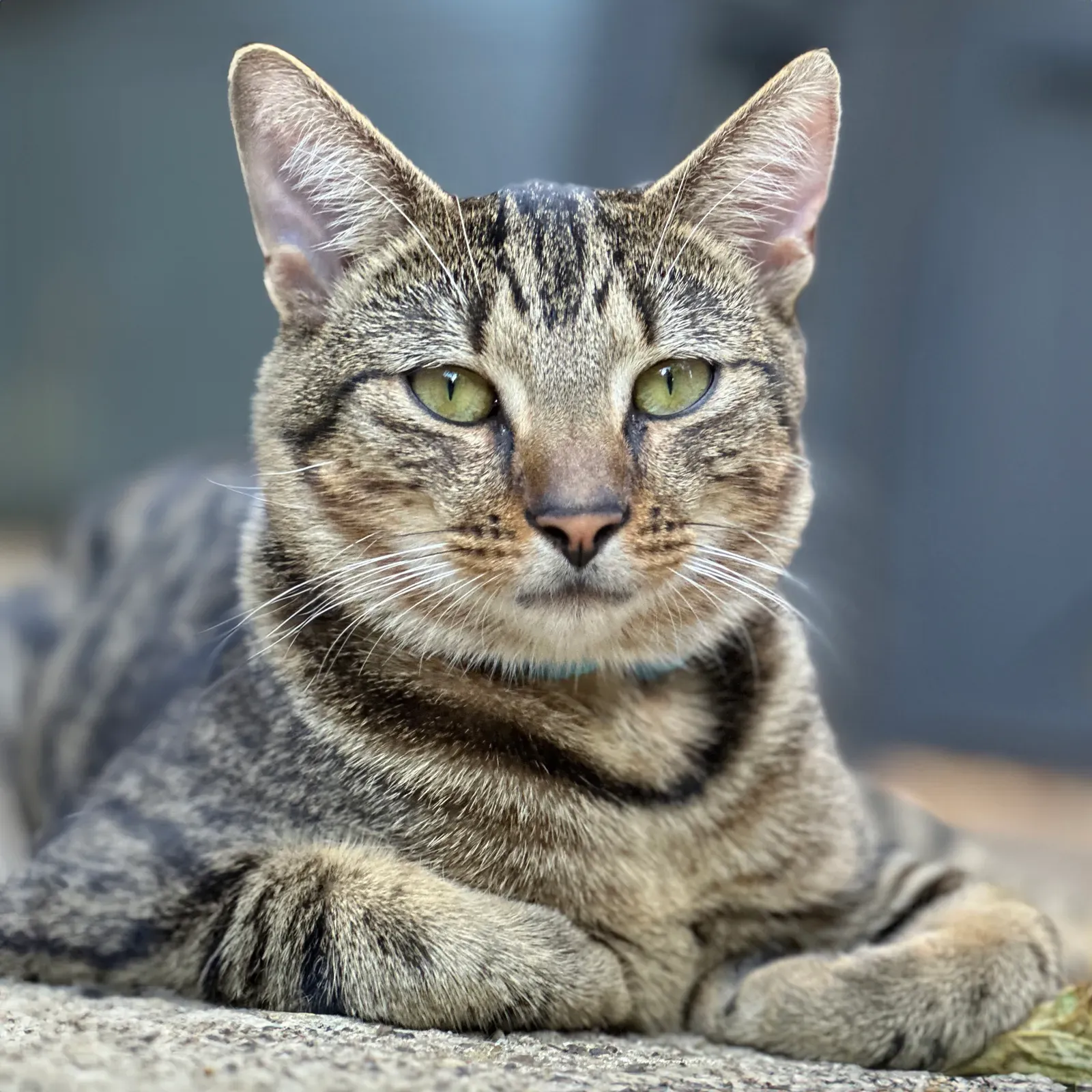
The way a cat holds their entire body tells you volumes about their emotional state. When cats lie on their back with their bellies exposed, they are in a position of vulnerability, and therefore, this position may communicate a feeling of trust or comfort. Still, that doesn’t necessarily mean they want a belly rub. Many cats will trap your hand if you try, which is why understanding context is so crucial.
Cats who are relaxed will have loose, fluid body movements, and their breathing will be slow and steady, and they might fold their feet in front of themselves, stretch their feet way out in front, or slouch over the side of a perch. Compare that to a frightened cat, whose body becomes tense and low to the ground, and you can see how dramatically posture changes with mood.
Whisker Positions Are More Important Than You’d Guess
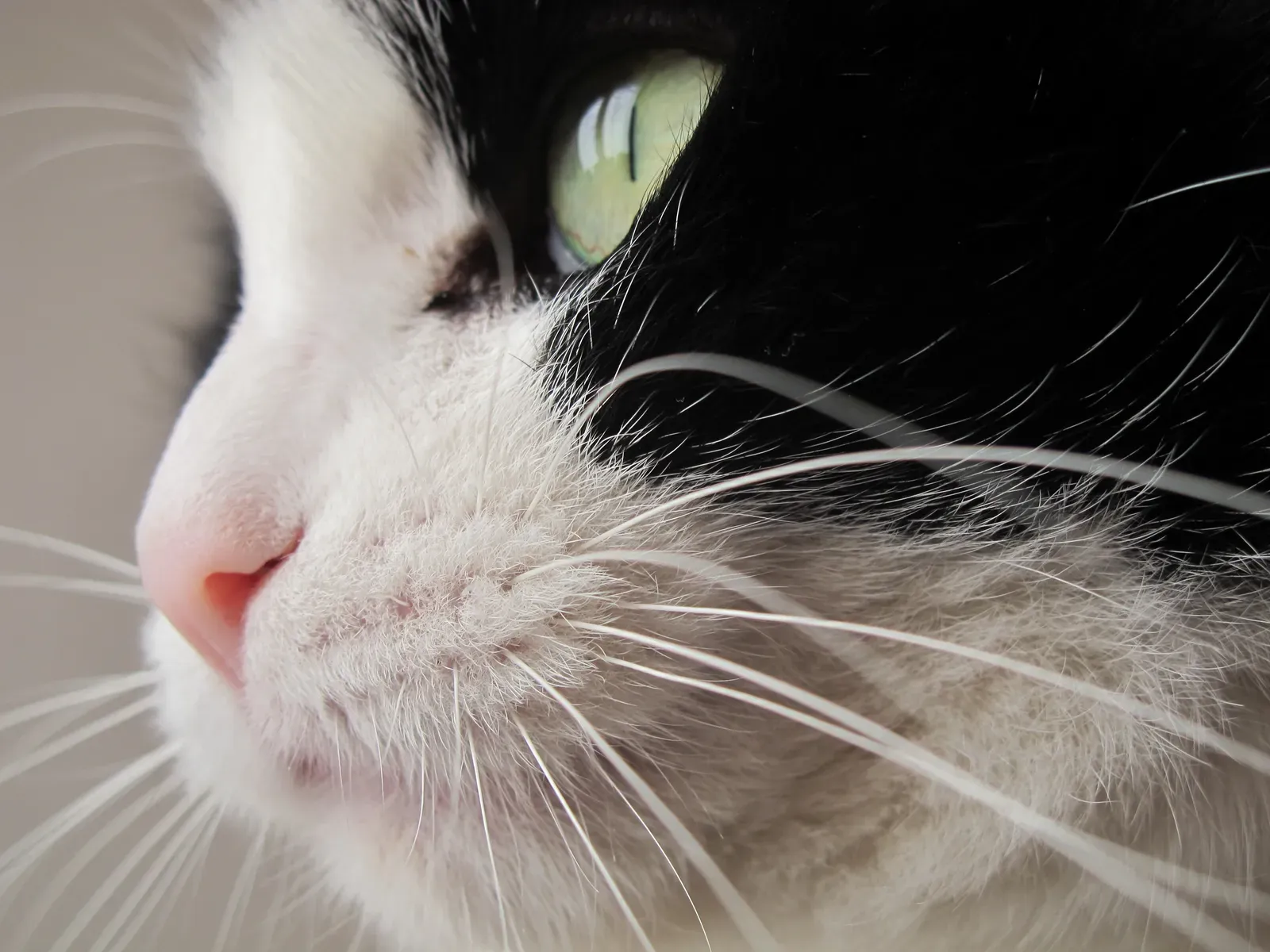
Whiskers aren’t just adorable facial features. They’re sensory tools and communication devices rolled into one. When tense or highly alert, the whiskers will be fanned out and pointing forward in front of the face, and when relaxed, a cat’s whiskers point directly out and are less spread out. These subtle shifts might seem minor, but they add crucial context to what your cat is experiencing.
A frightened or nervous cat may flatten their whiskers against the side of their face and bunch them together. If you spot this happening, your cat is trying to make themselves appear smaller, which is a classic sign of fear or submission. Pay attention to these little details, and you’ll start reading your cat like a book.
The Question Mark Tail and Playful Invitations
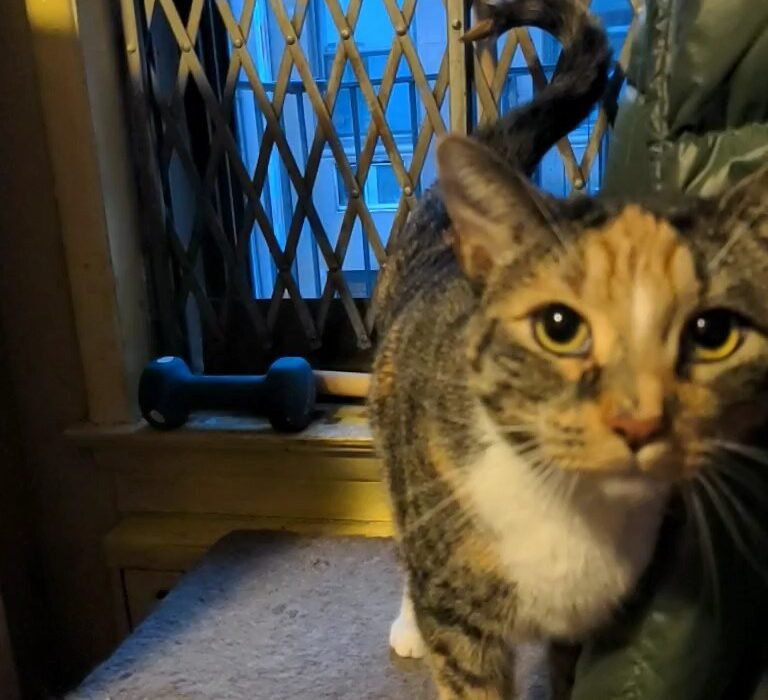
Let’s talk about one of the cutest tail positions out there. A question mark or hooked tail is straight up but curls at the tip, and these cats are playful, telling you they are ready to have fun. When you see that adorable curved tip, it’s basically your cat saying they’re in the mood for interaction, but with a hint of uncertainty or playfulness mixed in.
This is the perfect moment to break out the feather wand or laser pointer. Your cat is signaling they’re open to engagement but still maintaining a bit of caution. It’s different from the straight-up confident tail, which shows they’re completely secure and happy.
Understanding the Puffed-Up Tail Warning
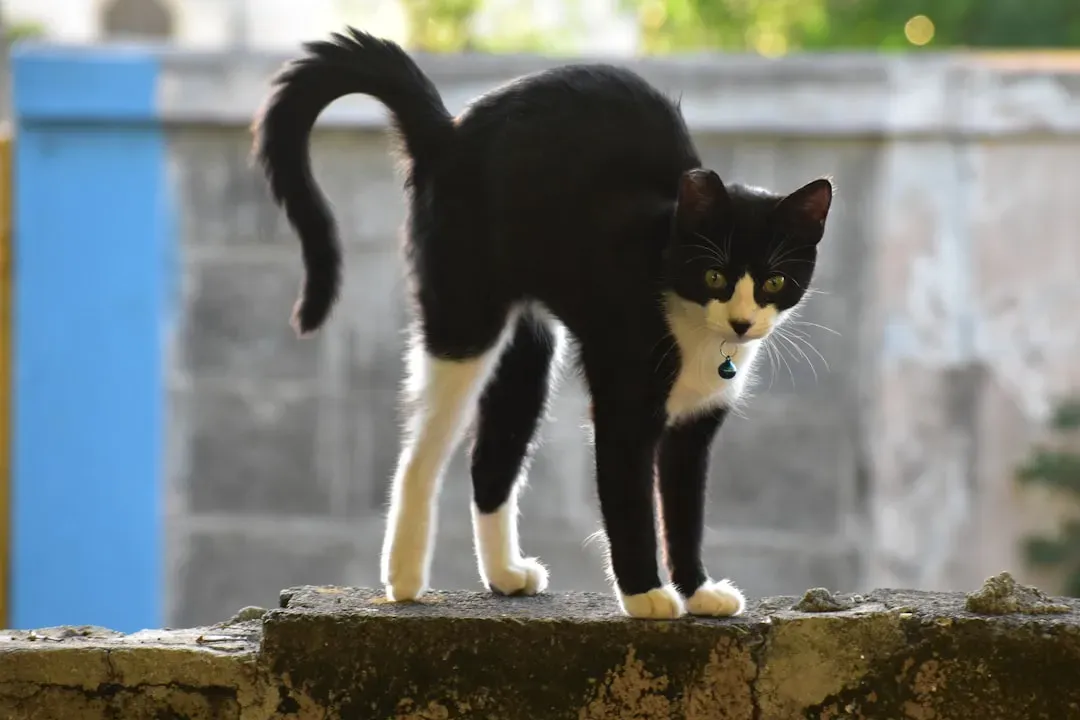
A scared or surprised cat may erect the hairs on its tail and back, and it may stand more upright and turn its body sideways to increase its apparent size as a threat. This is the classic Halloween cat pose, and it means your cat feels seriously threatened or startled. The technical term is piloerection, but what matters is understanding that this is a defensive response.
Tails that are puffed up, looking like a bottle brush, signal cats may be severely agitated and frightened, often accompanied by a Halloween style arched back, and this can be a warning to stay away. If you see this, give your cat space immediately. They’re not playing around; they’re genuinely frightened and may lash out if cornered.
Vocalizations Beyond the Meow
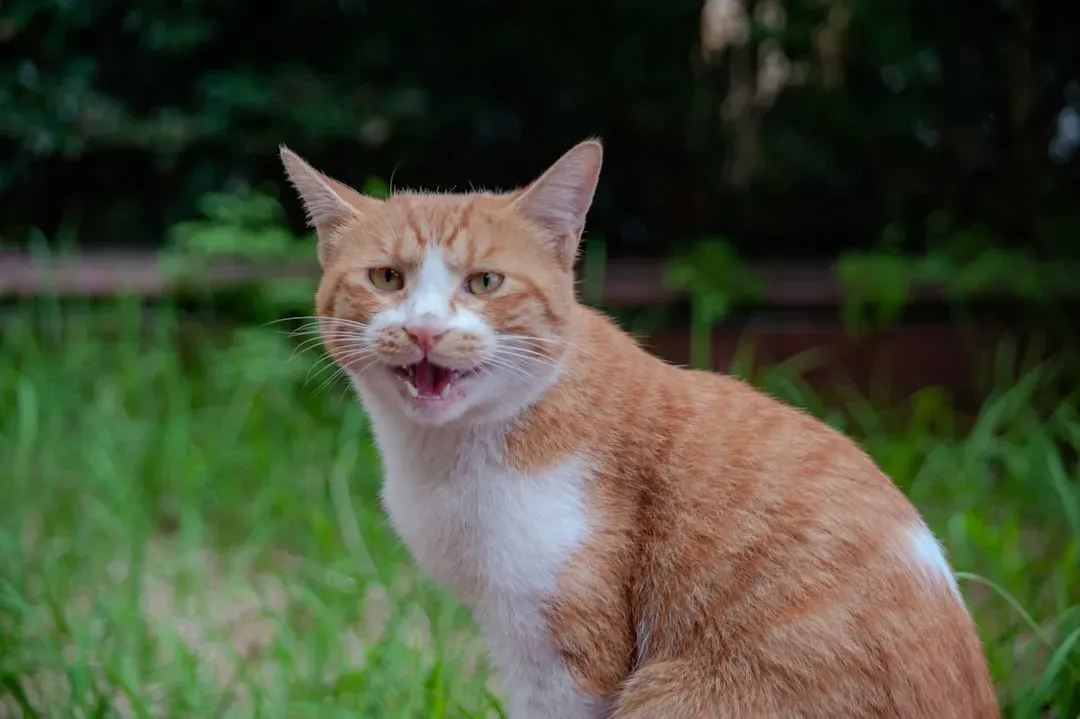
Studies have shown that domestic cats tend to meow much more than feral cats, and they rarely meow to communicate with fellow cats or other animals. Cats have essentially developed meowing as a language specifically for humans. Think about that for a second. They’ve adapted their communication style just for us.
Up to 21 different cat vocalizations have been observed. From chirps and trills to yowls and hisses, each sound carries its own meaning. The trill, for instance, is often a friendly greeting, while a low growl or hiss is an unmistakable warning. Learning to distinguish between these sounds adds another layer to understanding what your cat is trying to tell you.
The Power of Scent Marking and Rubbing
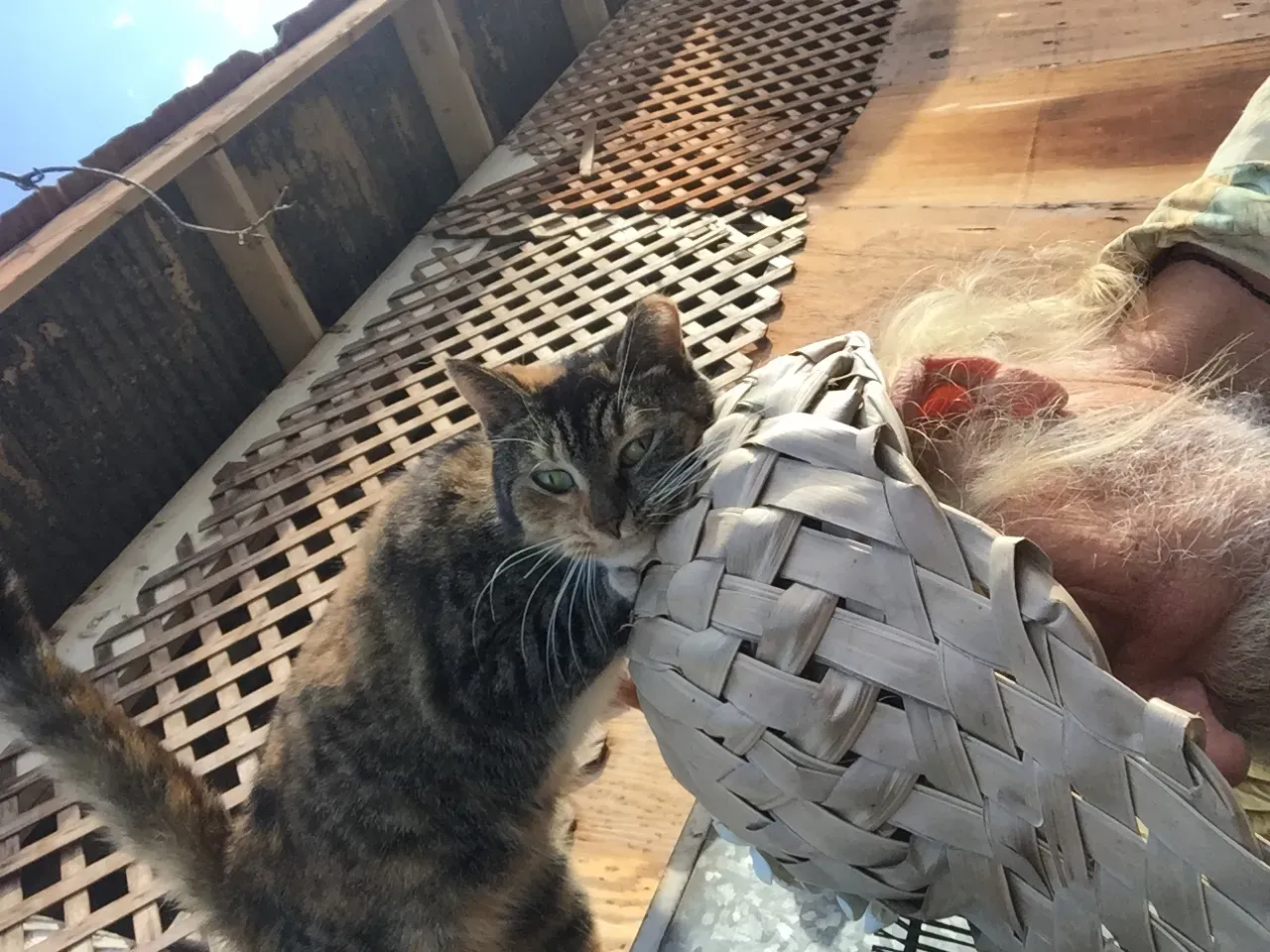
Cats rubbing against each other helps to exchange scent, and when your cat rubs around your legs to greet you, they are doing the same as they would in greeting another cat by mutual rubbing of the face and body. This behavior is called bunting, and it’s actually a huge compliment. Your cat is marking you as part of their family, claiming you as their own.
They also use olfactory communication, such as marking their territory via urine. While this might not be the most pleasant aspect of feline communication, it’s an important one, especially for understanding multi-cat households. Cats leave chemical messages everywhere they go, creating an invisible map of their world that only they can fully appreciate.
Bringing It All Together: Reading the Complete Picture
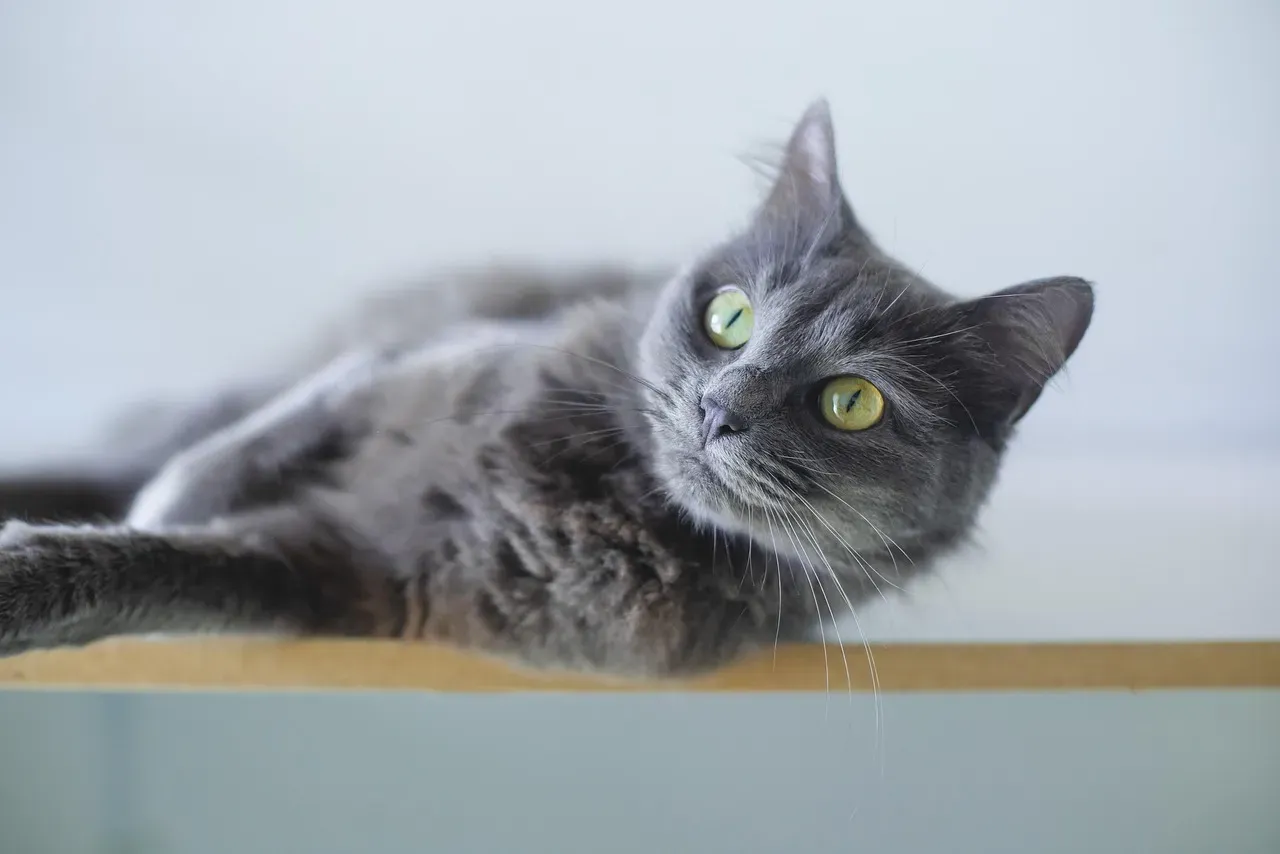
Here’s what I’ve learned after years of observing cats: you can’t rely on just one signal. Behavior is always contextual, so pay attention to the cat’s entire body and to what’s going on in the environment, and by paying close attention to our cats’ body language, we can do a better job of attending to their needs and have even stronger, happier relationships with them.
The magic happens when you start combining all these cues. A cat with forward ears, a high tail, and slow blinking eyes is telling you something completely different than a cat with flattened ears, a thrashing tail, and dilated pupils. The former is relaxed and happy; the latter is stressed or frightened. Once you start seeing these patterns, communicating with your cat becomes almost intuitive. You’ll know when they want to play, when they need space, and when they’re simply content to share your company in comfortable silence. What do you think about it? Have you noticed these signals in your own cat?