You know your cat loves you, right? Well, maybe you think you do. Truth is, your feline companion has been sending you gentle love letters this whole time, and most of us walk right past them without a second glance. While dogs practically throw themselves at you with obvious affection, cats take the more mysterious route. They’re not being aloof. They’re speaking a completely different language, one filled with tiny gestures that whisper rather than shout. Let’s dive into this secret world.
The Slow Blink Is Their Version of a Kiss
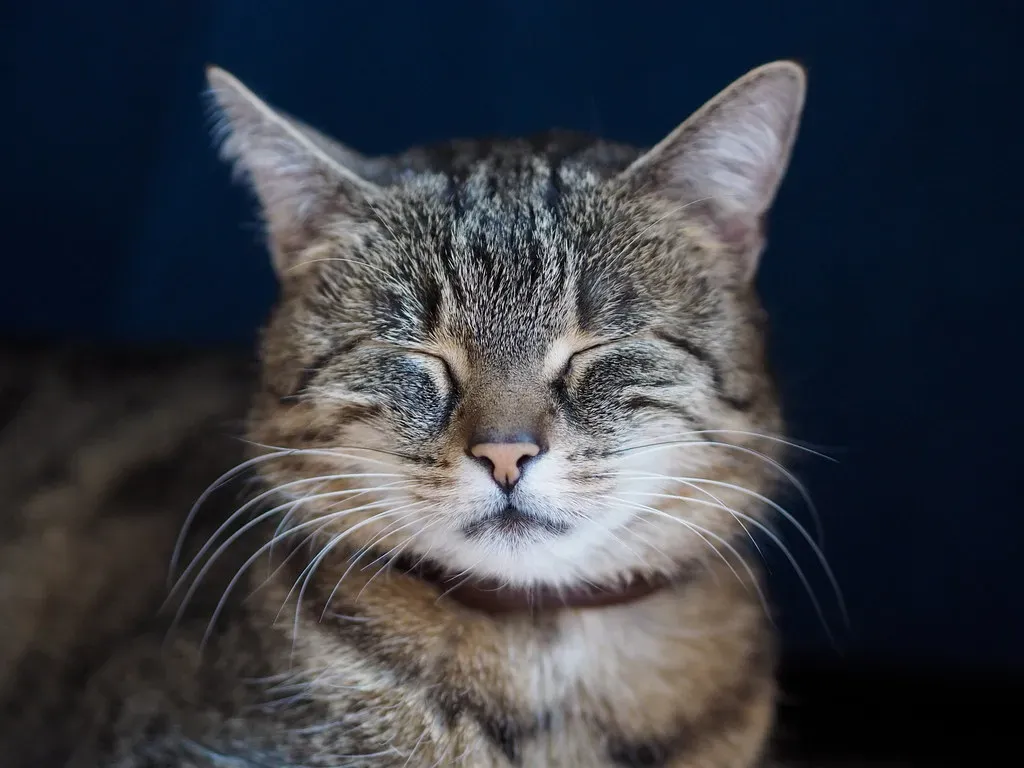
If your cat blinks slowly at you, it means they trust and love you. This gesture isn’t just sweet, it’s actually profound when you think about it. Anytime a cat’s eyes are closed, it can’t spot potential threats nearby, making it vulnerable. When your cat deliberately closes their eyes in your presence, even for half a second, they’re basically telling you they feel safe enough to let their guard down completely.
Research revealed that cat half-blinks and eye narrowing occurred more frequently in response to owners’ slow blink stimuli towards their cats. Even more interesting, cats were more likely to blink back and approach a human’s hand after the human blinked. So next time your kitty gives you that leisurely, drowsy-eyed look, they’re not tired. They’re saying I love you in the most cat way possible.
That Tail Curve at the Tip Tells You Everything
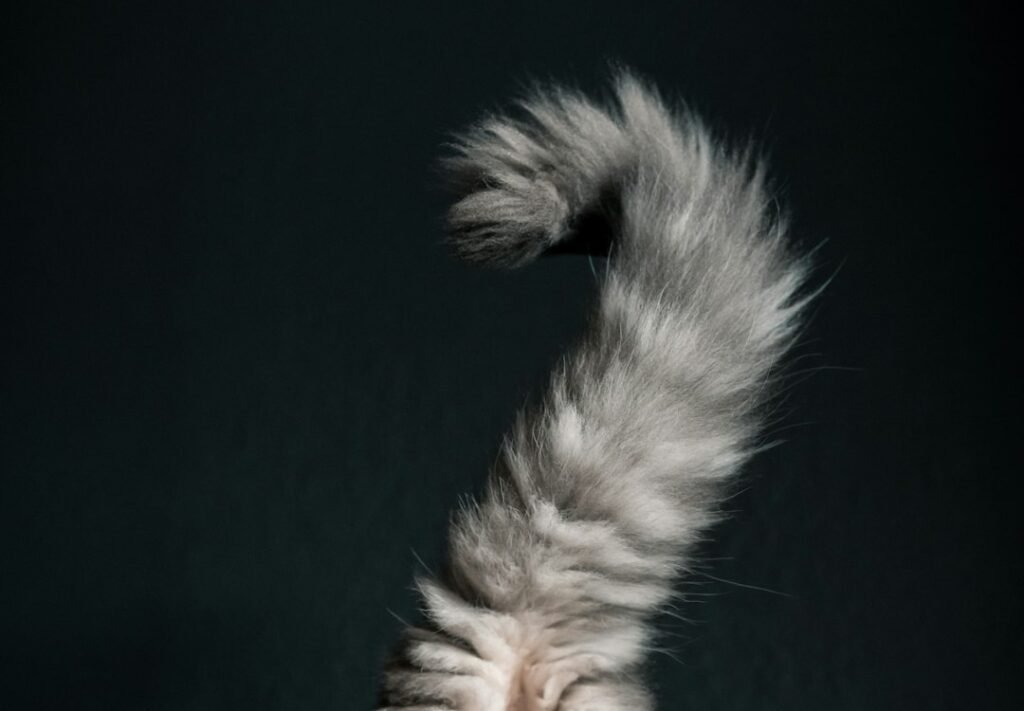
A tail pointed straight up with a curl at the tip is a reliable sign that a cat is happy and confident. It’s easy to miss because we’re so used to seeing our cats move around, but this specific tail position is basically their version of walking toward you with open arms. The upright tail is like a flag of contentment they’re waving just for you.
A cat’s tail may swing from side to side, and if this motion is slow and lazy, it generally indicates that the cat is in a relaxed state. Pay attention next time you’re sitting together. Is that tail doing a gentle sway? That’s not irritation, that’s pure chill. Your cat is literally broadcasting their happiness through tail semaphore, and honestly, it’s one of the most overlooked signs of feline joy.
The “Making Biscuits” Ritual Shows Deep Comfort
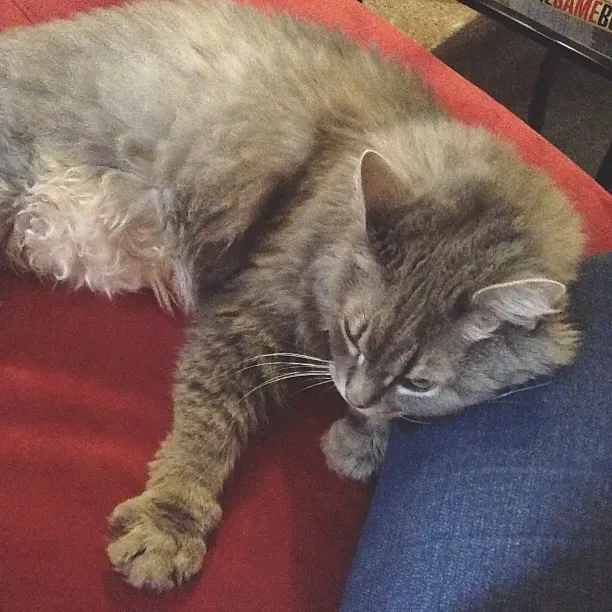
You’ve seen it before: your cat pressing their paws rhythmically into your lap, a blanket, or even the air. Kneading is often a precursor to sleeping, and many cats purr while kneading, usually taken to indicate contentment and affection. This behavior goes way back to kittenhood when they would knead their mother’s belly to stimulate milk flow.
When your adult cat kneads you, they’re revisiting that safe, warm feeling from their earliest days. This is a sign of comfort and affection, as cats usually do this when they’re feeling relaxed and nostalgic, remembering when they were kittens nursing from their mom. Let’s be real, even if those claws are digging in a bit, it’s worth it to know your cat sees you as their ultimate source of comfort.
The Head Bump Is More Than Just a Greeting
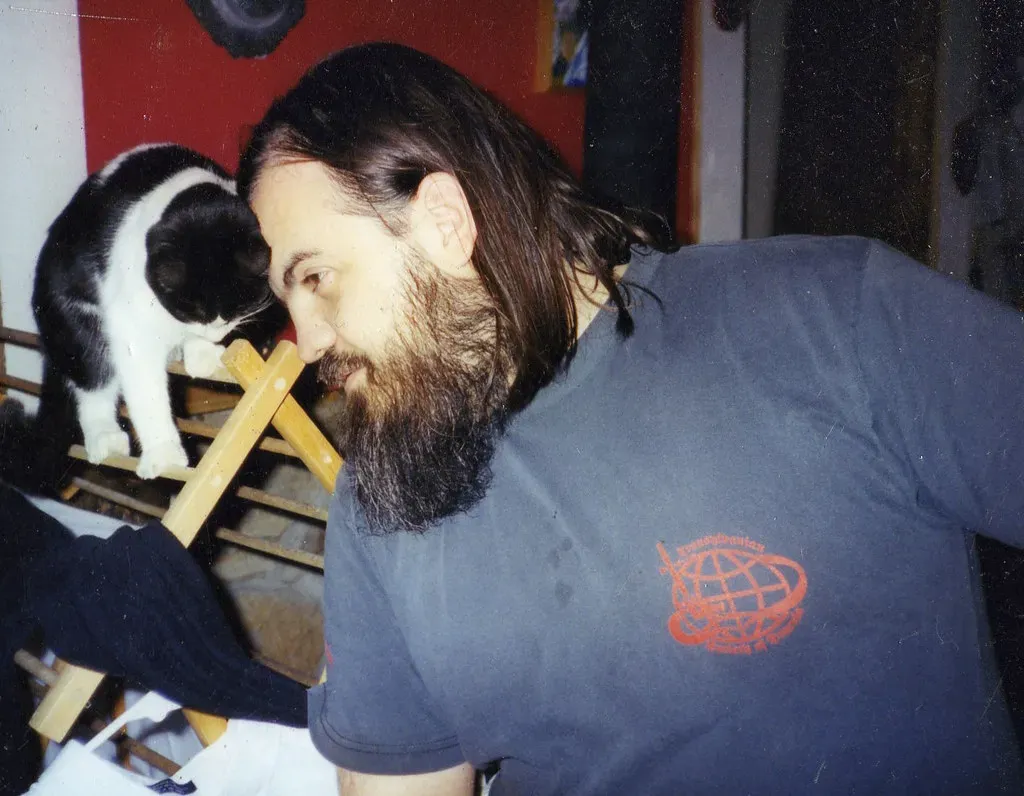
Cats sometimes head-bump humans or other cats with the front part of the head, referred to as bunting, which might have an olfactory component as there are scent glands in this area. When your cat bonks their forehead against you, they’re not just saying hello. They’re actually marking you with their scent, claiming you as part of their trusted inner circle.
Headbutting and rubbing are forms of cat communication that allow kitties to mark their territory by transferring scent from glands located around their cheeks and jaw, signaling comfort, affection, and familiarity. So the next time your cat rams their head into your shin at breakfast time, remember: you’ve been chosen. You’re officially part of their clan, marked and approved.
Almond-Shaped Eyes Signal Pure Happiness
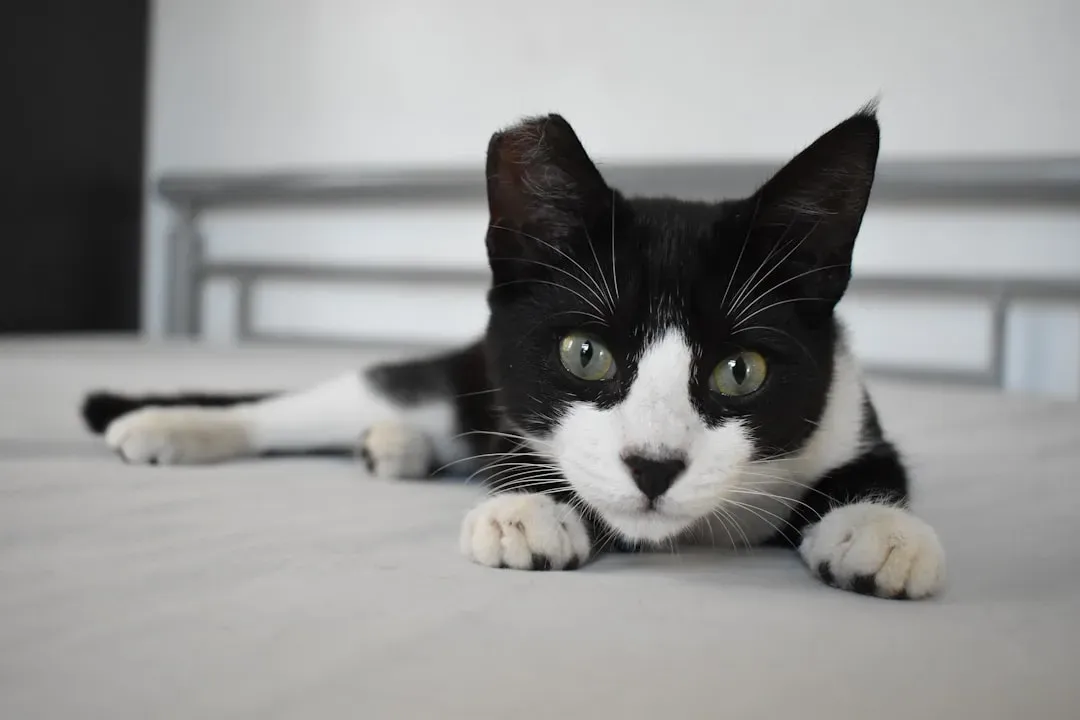
The eyes of a happy cat may be round or partially closed, and their pupils narrow like slits. When your cat’s eyes take on that soft, almond shape rather than being wide and round, they’re genuinely at ease. Your cat’s eyes can look more almond-shaped than round when they’re happy, and if they’re lying down they might even have them half closed.
This is super easy to miss because we tend to notice the dramatic stuff, like dilated pupils when they’re excited or hunting. Those half-lidded, sleepy-looking eyes? That’s contentment right there. I think it’s one of the most understated signs of a happy cat, and once you start noticing it, you’ll see it everywhere.
The Chirping Trill Means “Follow Me, Friend”
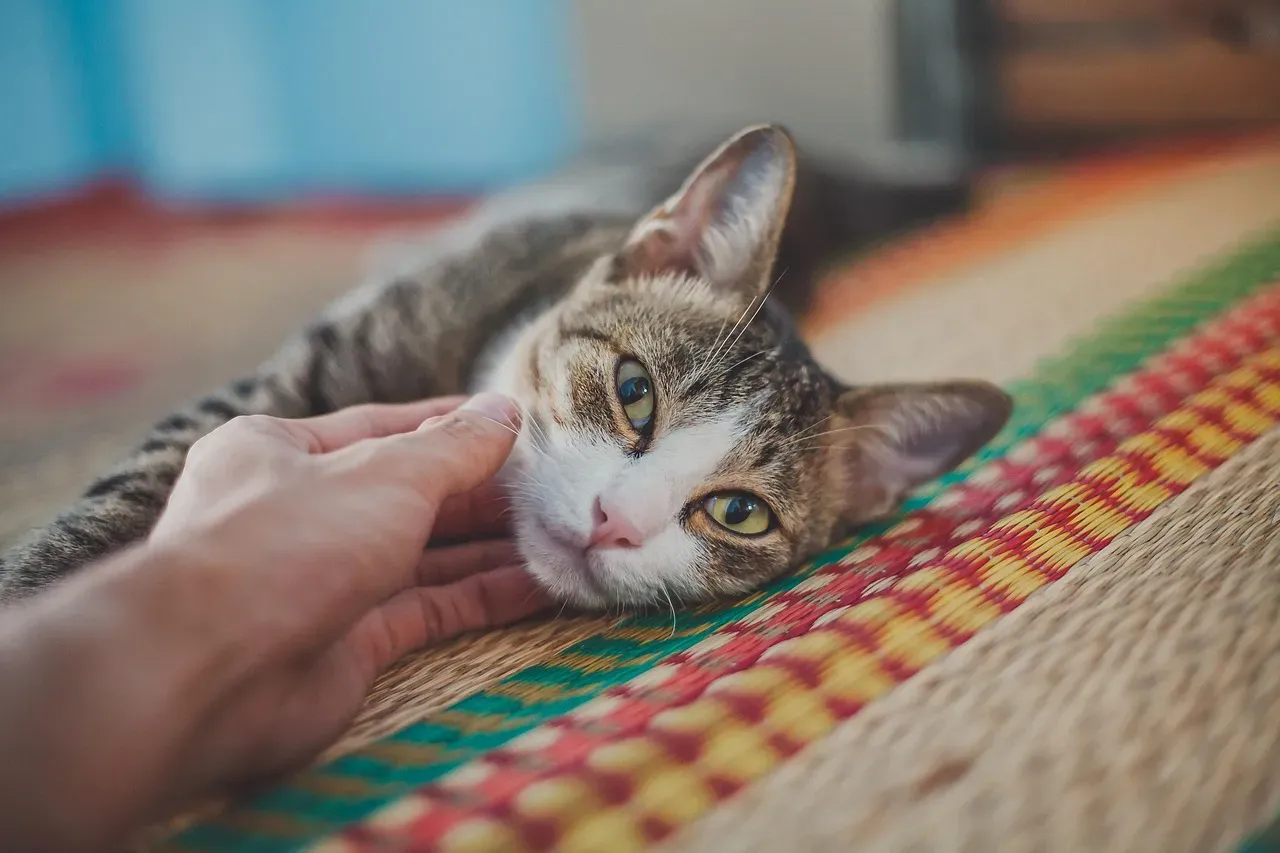
A cat may trill, which is like a high-pitched purr, to show they are friendly. This sound is different from a meow. It’s softer, almost birdlike, and usually happens when your cat is moving toward you or wants your attention. Chirps and trills are how a mother cat tells her kittens to follow her, and when aimed at you, it probably means your cat wants you to follow them, usually to their food bowl.
Honestly, it’s kind of hilarious when you realize your cat is treating you like their kitten, leading you around the house with these little chirps. But it’s also deeply affectionate. They’re inviting you into their world, asking you to be part of their routine. That little trill is an invitation, a request, and a compliment all rolled into one tiny sound.
Showing You Their Belly Doesn’t Always Mean “Pet Me”
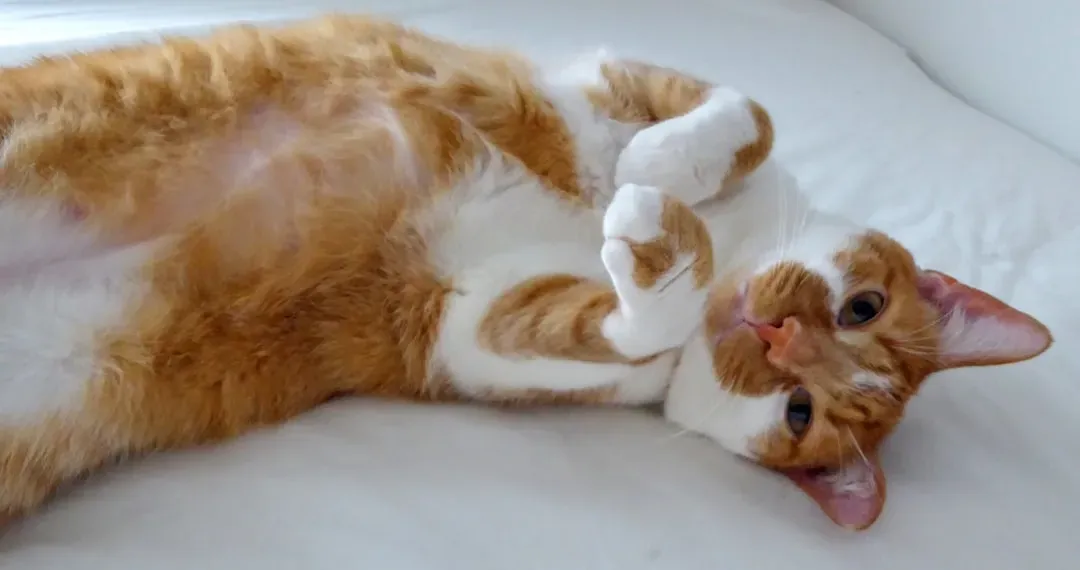
If a cat is showing their belly, it probably means that they feel safe, though this is not necessarily an invitation for a belly rub. This one trips people up all the time. Your cat flops over, exposes that fluffy tummy, and you reach down to pet it only to get a handful of claws. Here’s the thing: When lying down, they may be lying stretched out on their side or even on their back with legs spread outwards, which shows they are very happy.
The belly display is about vulnerability and trust, not necessarily an invitation to touch. Your cat is saying, “I trust you completely,” not “Please rub my stomach.” It’s a compliment of the highest order, even if petting that belly results in the infamous bunny kicks. Respect the trust, admire from a distance, and you’ll both be happier for it.
Ears Forward and Relaxed Show They’re Tuned Into You
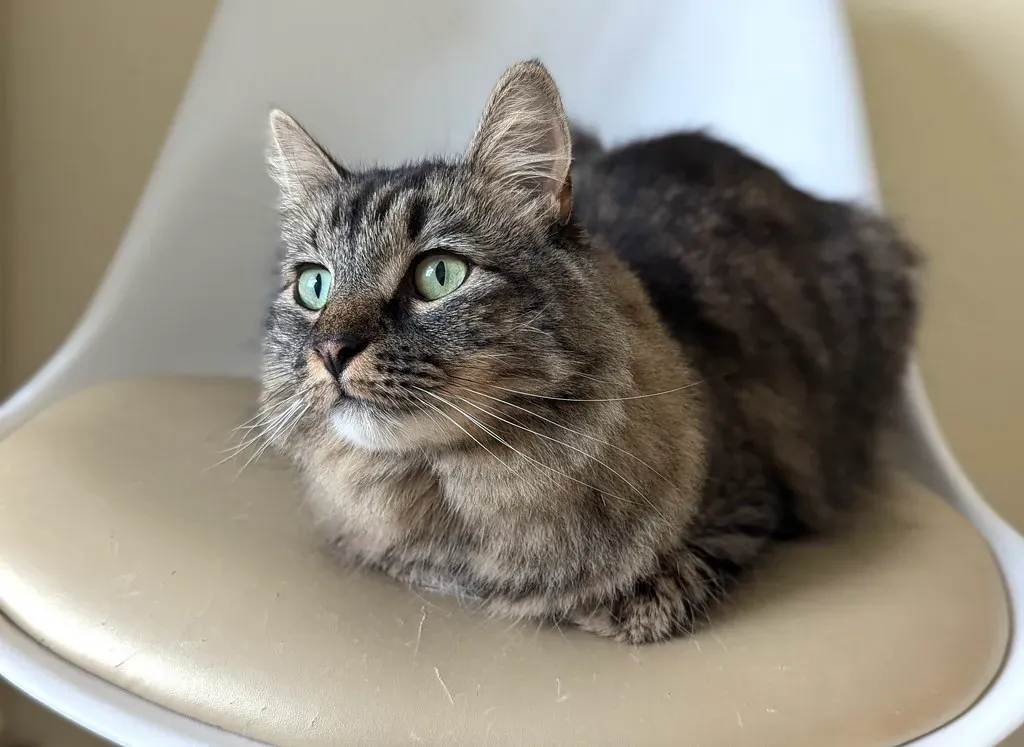
Happy cats’ ears are upright and facing forward. It seems simple, but ear position is actually one of the clearest indicators of feline mood. When those ears are gently pointed toward you or swiveling softly to catch familiar sounds, your cat is comfortable and engaged. When a cat’s ears show relaxation, the ear apertures are turned forward and the ears themselves slightly to the side to pick up sounds from the distance.
Contrast that with ears pinned back flat against the head, which signals fear or aggression, and you can see why forward-facing ears are such a positive sign. Your cat is listening to you, aware of you, and perfectly content with your presence. It’s a quiet form of connection that’s easy to overlook but worth noticing.
The Stretched Out Lounge Position Screams Contentment
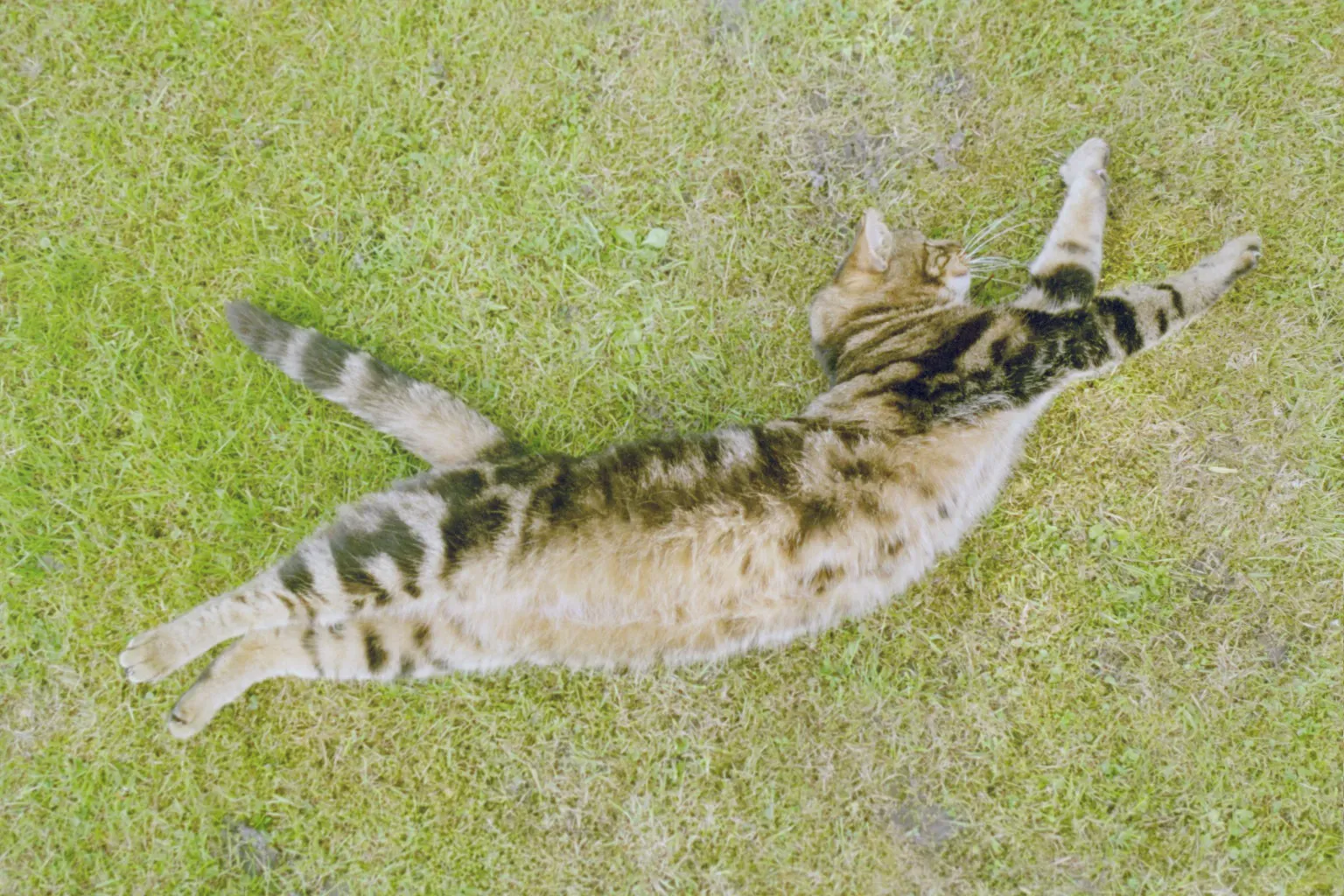
When a cat is happy, their posture is typically loose with their limbs and tail stretched out away from their body when lying down. You know that sprawled-out, boneless position cats get into where they look like they’ve melted into the couch? That’s peak happiness right there. When lying down, they may have their paws tucked neatly underneath them or be lying stretched out on their side or even on their back with legs spread outwards, which shows they are very happy.
A tense cat will tuck everything in tight, ready to bolt at a moment’s notice. A content cat? They let it all hang out. It’s the feline equivalent of collapsing onto the sofa after a long day. When your cat stretches out like this in your presence, they’re telling you they have zero worries, zero stress, and complete faith that nothing bad is going to happen.
Those Little Licks Are Grooming Gestures of Affection
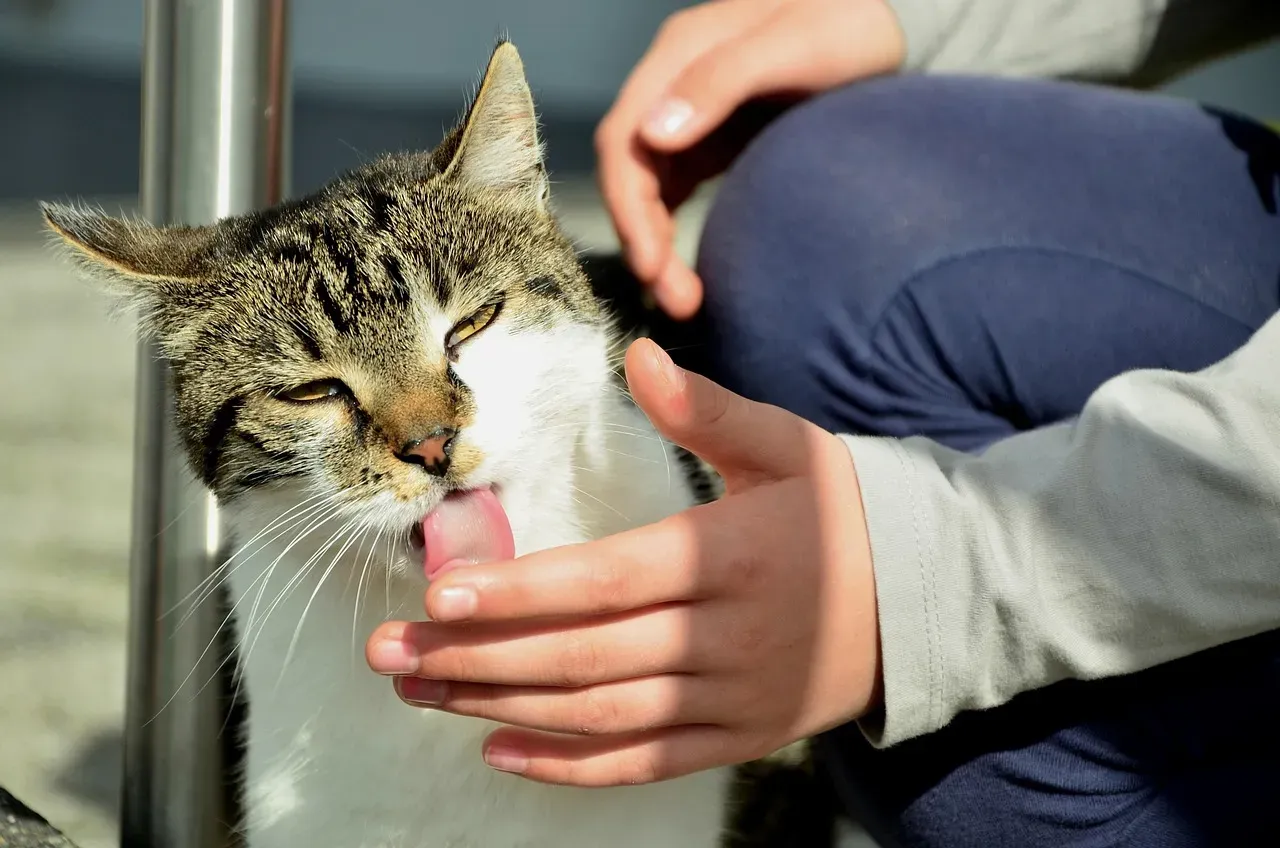
Cats groom each other as a social bonding activity, and when your cat licks you, they’re essentially treating you like another cat in their family. Gentle biting, often accompanied by purring and kneading, can communicate affection or playfulness. Those sandpaper licks on your hand or face aren’t just random, they’re purposeful acts of care.
Your cat is essentially saying, “You’re part of my group, and I’m taking care of you.” Sure, it might feel a little weird having a tiny barbed tongue scraping across your skin, but it’s genuinely one of the sweetest things a cat can do. They’re including you in their grooming routine, which in the cat world is a serious gesture of love and belonging.
Conclusion: Learning to Speak Cat Changes Everything
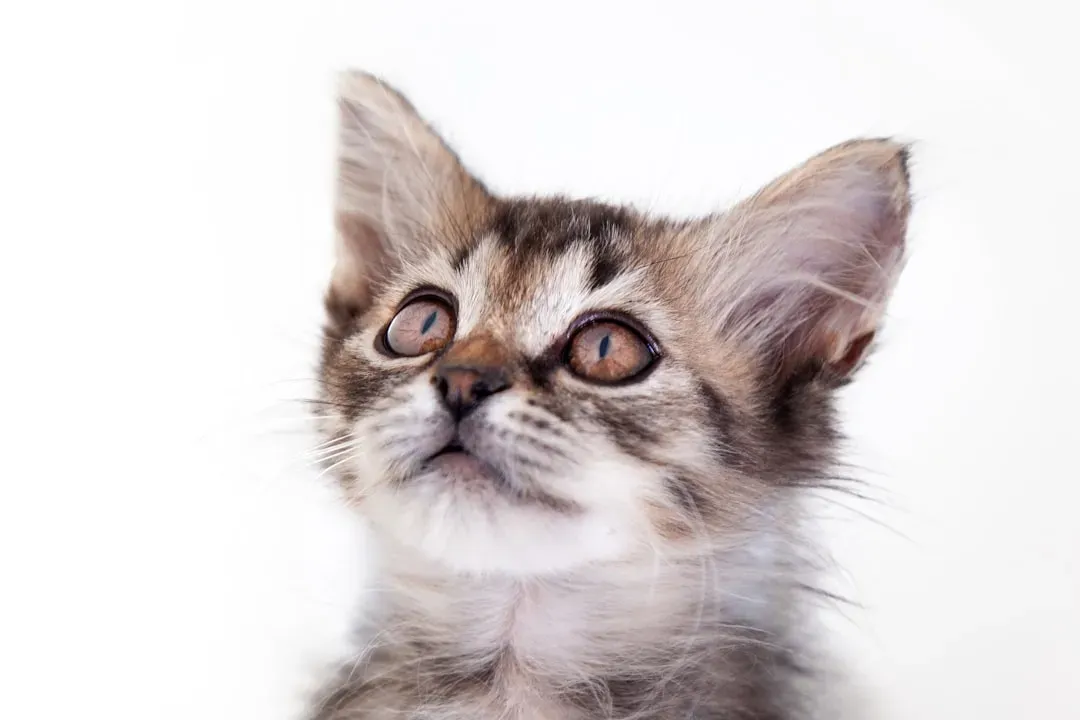
Your cat has been telling you they’re happy all along. The signs are there, quiet and subtle, woven into everyday moments. With their posture, tails, ears, eyes, whiskers, and vocalizations, cats tell you whether they’re comfortable or not, and a cat’s body language should be looked at as part of a single big picture by using context and looking for subtle cues. Once you start recognizing these signals, your entire relationship shifts.
Suddenly you’re not just living with a cat, you’re communicating with them. You’re understanding their world, and honestly, it makes every slow blink, every tail curve, and every gentle head bump feel like the precious gift it actually is. So what do you think? Have you been missing these subtle signs from your feline friend? Take a closer look today, you might be surprised by how much your cat has been trying to tell you.