You share your home, your couch, maybe even your pillow with your cat. Yet if you’re like most people, you might still find yourself wondering – does my cat actually love me? It’s a fair question, honestly. Cats aren’t exactly known for broadcasting their feelings. They’re no golden retriever bounding toward you with tail-wagging fanfare.
Cats show love differently than humans do, often expressing affection through subtle behaviors. They are much more subtle in showing their love, though that doesn’t mean the shared bond between cats and humans is any less than with dogs. The truth is, your cat has probably been whispering “I love you” every single day – you just haven’t been fluent in the language. Let’s change that. Let’s dive in.
The Slow Blink: Your Cat’s Version of a Kiss
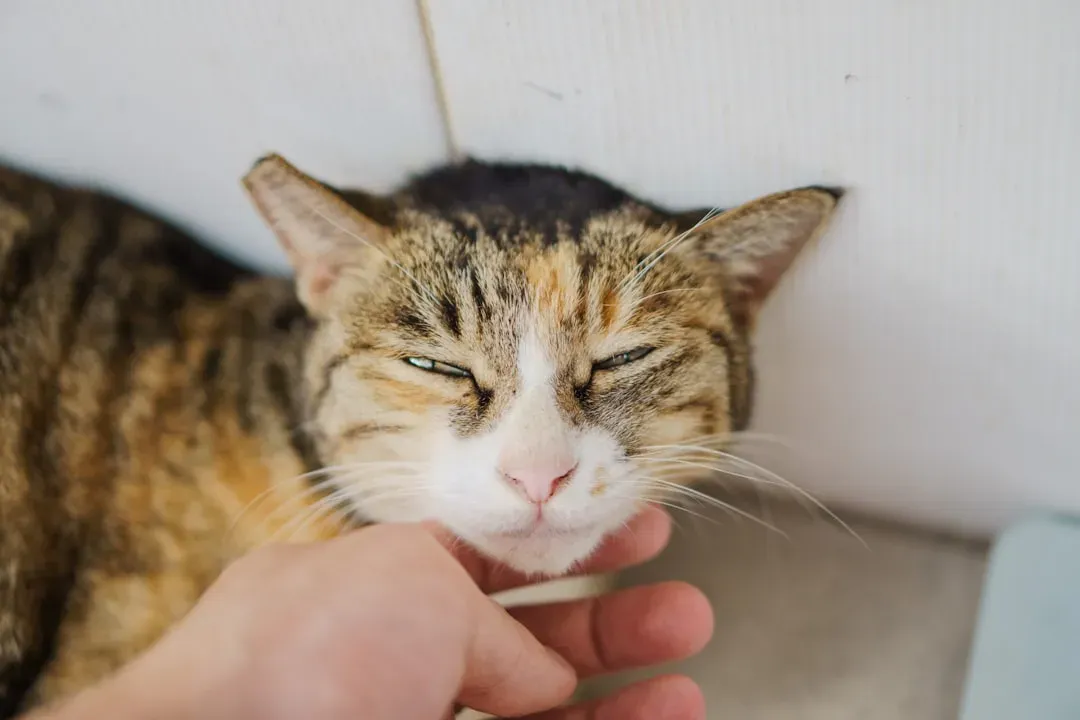
Here’s a mind-blowing fact – when your cat gazes across the room at you and slowly closes their eyes, they’re not being sleepy or bored. They’re saying something deeply meaningful. When your cat slow blinks at you, they are often expressing a sense of trust, contentment, and affection. In the feline world, closing their eyes in the presence of another creature makes them vulnerable, as they are unable to detect potential threats. Think about that for a second. Your cat is willingly choosing to look away from danger – for you.
In a 2020 study, researchers found that cats were more likely to slow blink after their owners slow blinked at them. They took it a step further by leaving the cat alone with a researcher whom the cat didn’t know. The researcher slow blinked at the cat, which led to the cat approaching the researcher’s outstretched hand. When humans initiate the slow blink, we are telling the cat that we trust them, which allows the cat to form a positive association with us. So next time your cat does this, try blinking back slowly. You might be surprised by the response.
Headbutting and Cheek Rubbing: You’ve Been Claimed
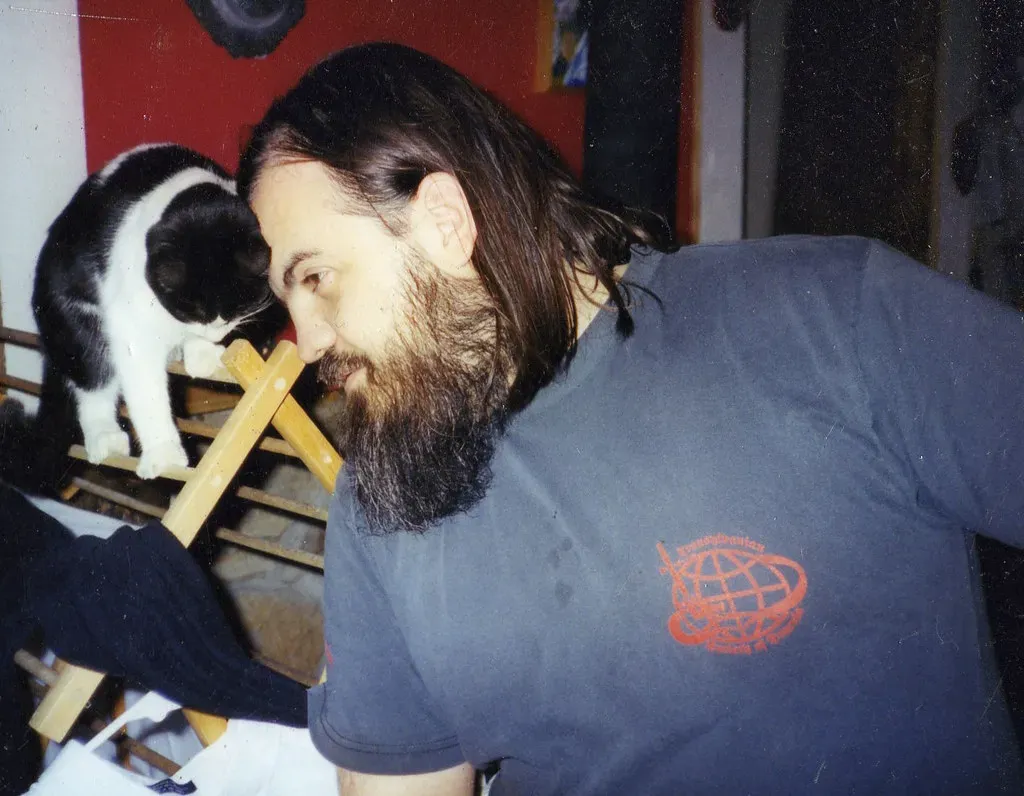
If your cat occasionally walks up and bumps their head against your face or rubs their cheek against your leg, you might have written it off as just a quirky little habit. It’s actually so much more than that. Your cat may bump their head against you or rub their cheeks against you to show affection. This is a social behavior formed in kittenhood through headbutting other kittens and their mother. Headbutting is often an attempt to mark you with their scent to claim you as one of their own. It helps cats bond and is offered to their humans to show love.
This behavior deposits their unique scent onto you, signaling to other cats that you are part of their safe and familiar environment, creating a shared group scent. Beyond scent marking, rubbing is also a profound social gesture that expresses affection and strengthens the bond between you and your feline companion, making you part of their inner circle. In other words, your cat has essentially stamped you with their personal signature and introduced you to the feline world as family. I think that’s worth celebrating.
Kneading: “Making Biscuits” Is Actually Making Love
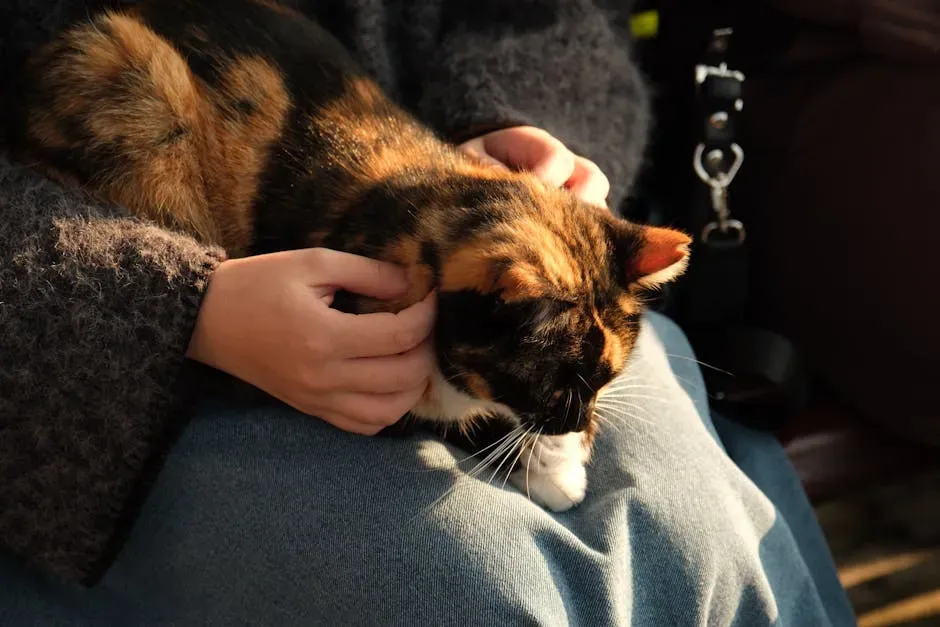
You’ve felt it – those tiny paws pressing rhythmically into your lap or your stomach, alternating like a miniature bread baker going to work. It looks adorable. It can also feel like being poked with tiny needles. Cats first begin to knead when just tiny kittens, still nursing from their mother. Kneading is associated with suckling, which helps stimulate a mother cat’s milk supply through the release of oxytocin and likely evolved for this reason. So when your adult cat does this to you, they’re essentially treating you the way they once treated their mother.
Kneading on your lap is a cat’s way of saying “we’re affiliated” or “you’re in my social group.” Or, to be very human about it, “you’re my person.” Kneading in cats triggers the release of dopamine, a neurotransmitter associated with pleasure and reward. This behavior, often beginning in kittenhood, is instinctive and tied to the comfort of nursing. As kittens knead their mother’s belly, dopamine is released, enhancing feelings of contentment and security. This physiological response persists into adulthood, meaning that when adult cats knead, they are re-experiencing those early comforting sensations. If that doesn’t melt your heart a little, I don’t know what will.
Following You Around: Your Personal Furry Shadow
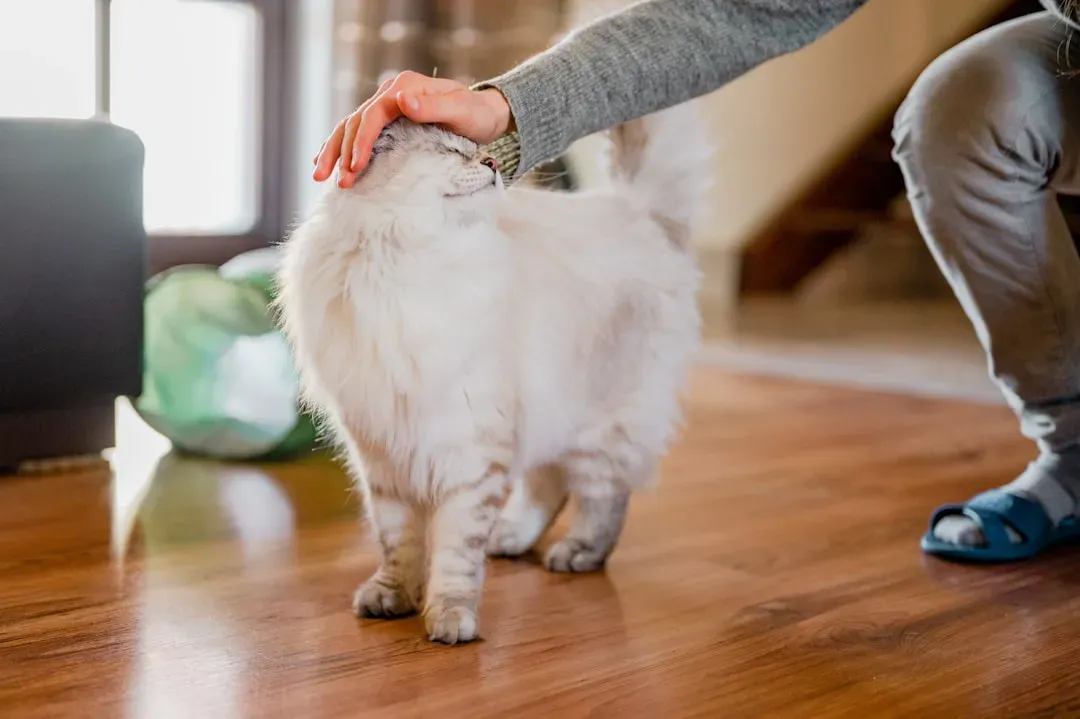
Let’s be real – most people interpret a cat that follows them from room to room as one that simply wants food. Sometimes that’s true, sure. Ever notice your cat following you around the house? In multi-pet households, some cats will even follow behind their owners as they walk the family dog. You’ll be glad to know this behavior is a sign they adore you. Since cats are masters of understated affection, their presence speaks volumes. When they choose to follow you, it means they genuinely enjoy your company and want to be near you. They see you as a source of safety and comfort, and being close to you makes them feel secure.
You might notice that your cat is more inclined to wander around when you’re at home; they might relax in a different part of the house, or simply meander from room to room. Some owners take this as a sign of disinterest and think that their cat doesn’t care whether they’re in the house together. But nothing could be further from the truth. Cats are more likely to explore and interact with their environment when they feel relaxed and comfortable in a person’s presence. So if your pet is often on the move while you’re with them, take it as a subtle sign of affection. Even the bathroom trip becomes a bonding moment. You are never truly alone with a cat who loves you.
The Tail Tells Everything: Read It Like a Story
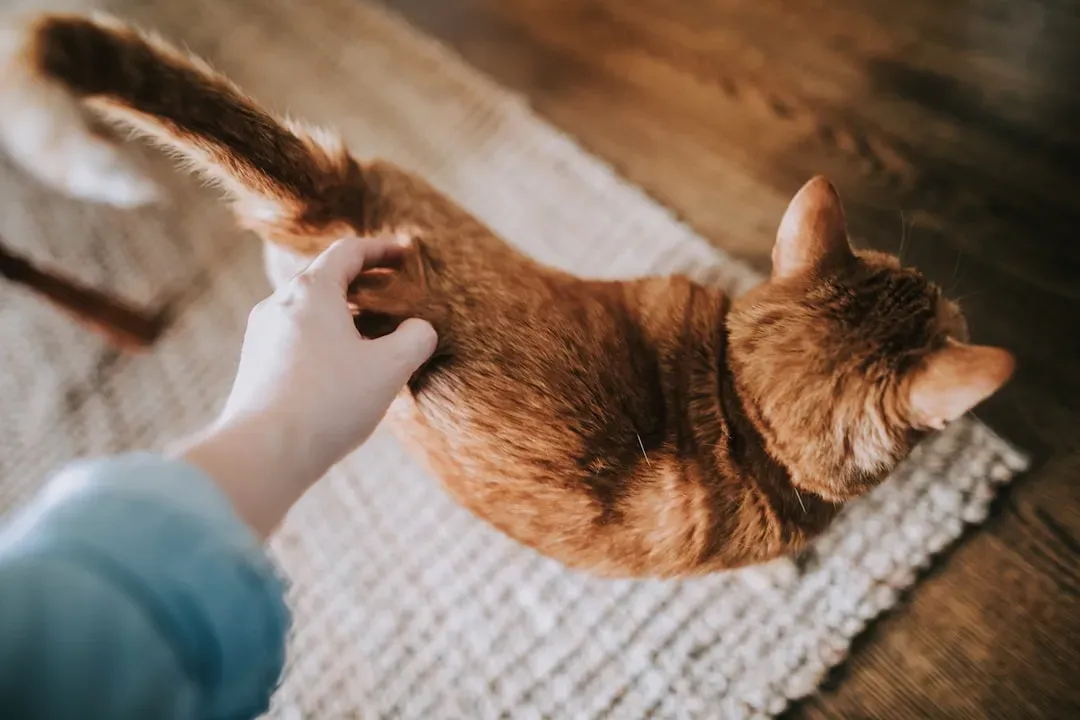
A cat’s tail is basically an emotional antenna broadcasting live updates – if only you know how to read the signal. Cats often use their tails to express adoration for their pet parents. A content cat will often hold their tail in an upright position with a C-shape or hook at the very top. When you spot that little curved hook greeting you as your cat trots over, that’s genuine excitement and affection on full display.
When your cat wraps his tail around you, he’s basically giving you a kitty hug. A cat’s scent glands are in his tail, so when he wraps his tail around you, he’s sharing his scent with you: a sure sign of affection. Affectionate social interactions like tail wrapping and head butts are known as affiliative behavior, and many animals engage in them. It’s the feline equivalent of someone reaching over and squeezing your hand. Small. Quiet. Deeply meaningful.
Grooming You: The Ultimate Badge of Trust
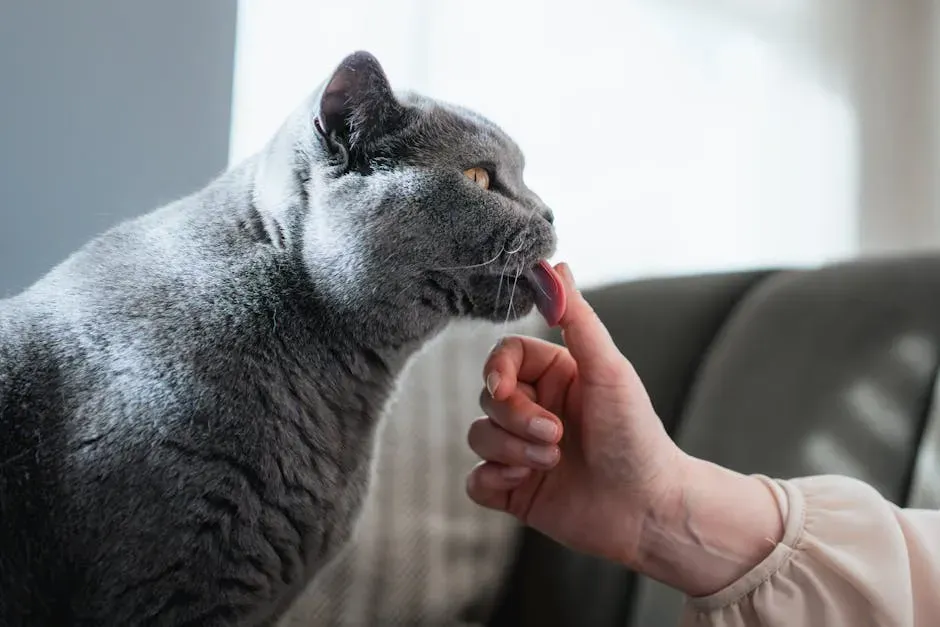
There is something strangely touching about a cat that licks your hand or your hair. Most people either laugh it off or gently pull away. Here’s the thing – you might be missing one of the most intimate gestures your cat can offer. When a cat licks your skin or hair, it’s mimicking the grooming behavior they use with other cats. This action signifies that they see you as part of their social group and trust you enough to share this intimate behavior.
Grooming sessions are some of the most intense bonding experiences for cats. Between animals and in family groups, cats display affection with mutual grooming. Occasionally, cats will also extend this to humans by using their tongue to lick them as they would their own fur. It’s a way of mingling scents and is the ultimate gesture in how cats show affection. Think of it like this: grooming is a cat’s version of braiding a friend’s hair. It’s personal, careful, and only reserved for those they truly care about.
Exposing the Belly: A Declaration of Absolute Trust
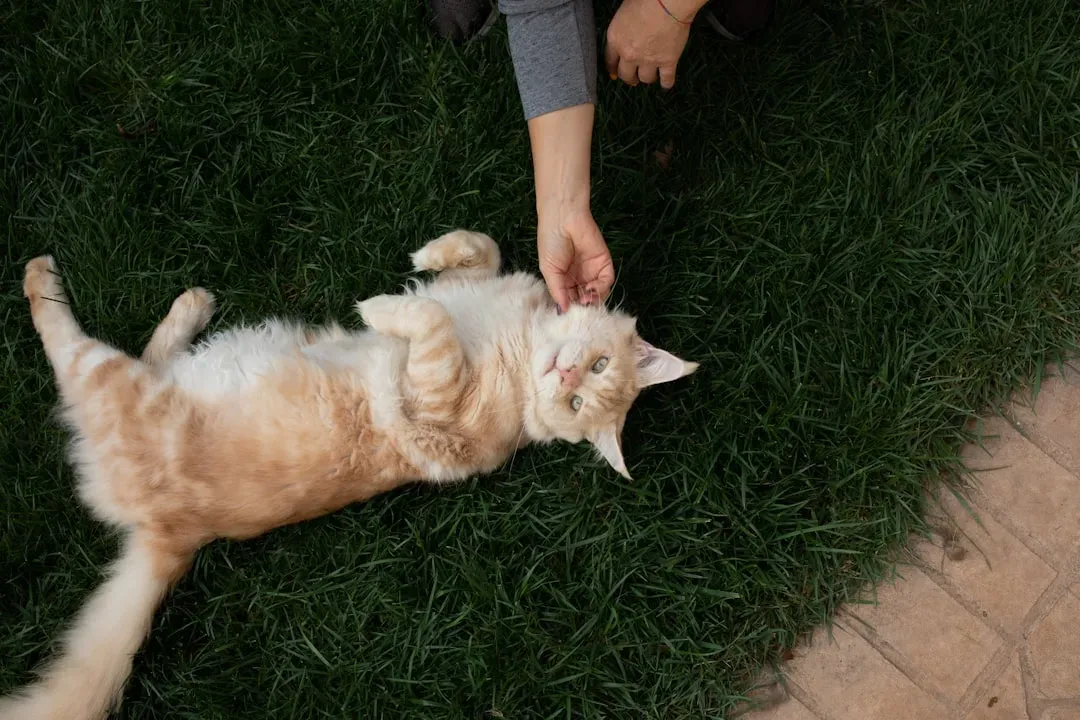
You’ve probably seen it and immediately reached for the fluffy exposed tummy, only to be met with claws and mild indignation. Completely understandable. When a cat shows you their belly, the cat is relaxed, comfortable, and doesn’t feel threatened. They feel safe enough to expose their vulnerable areas without worrying about being attacked. They are telling you, “I trust you with my life.” But this is not always an invitation to rub their belly. The belly reveal is pure love – the rub request is a separate conversation.
Since the belly is one of the most sensitive parts of a cat, a cat letting you pet their stomach means that they feel very safe with you. They trust you enough to touch one of their most sensitive areas. The exposed belly is a sign of comfort and trust, but it is not necessarily an invitation for a belly rub. So next time your cat rolls over and stretches out in front of you, receive it for what it truly is – a love letter, not a petting request.
Gentle Purring and Relaxed Body Language: The Quiet Declaration
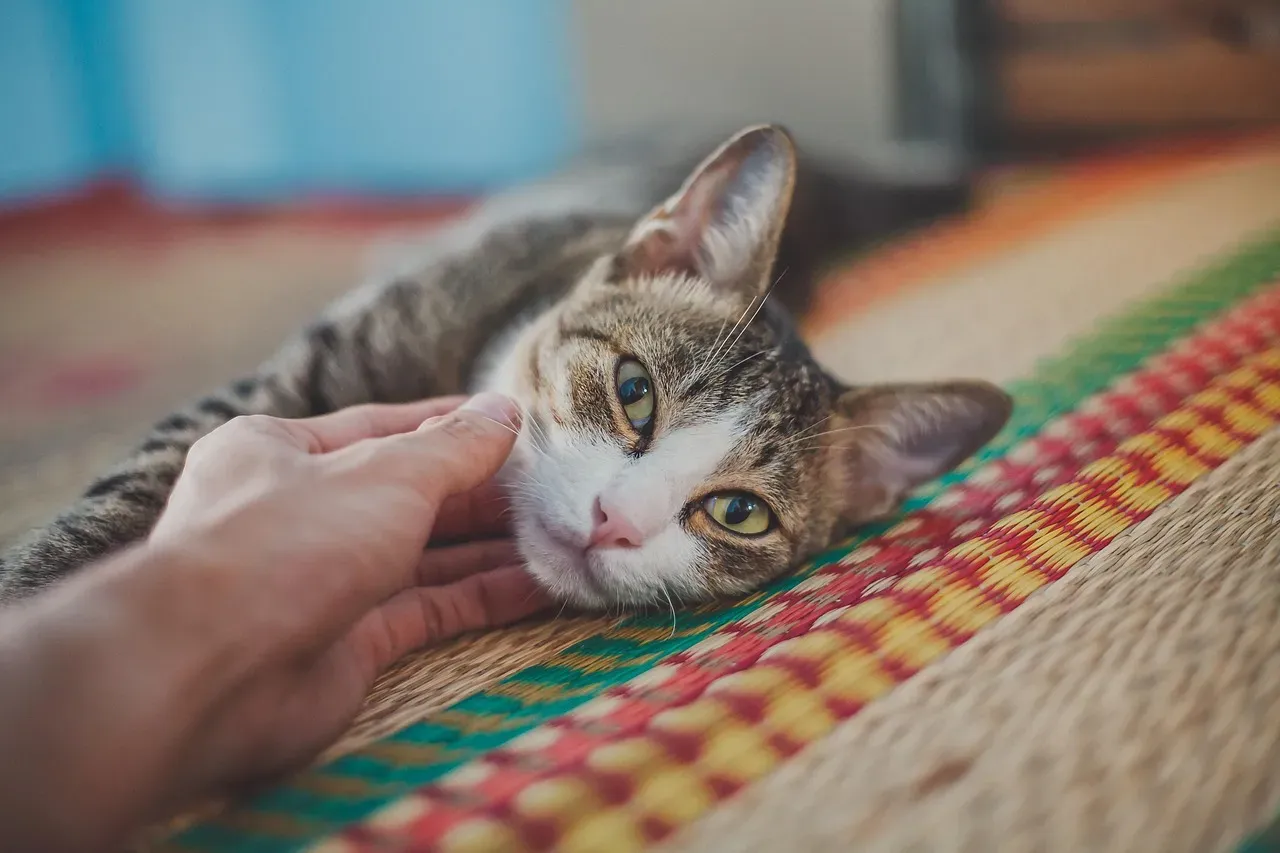
When your cat purrs contentedly when you pet them, it’s a sure sign that they adore you. This adorable habit starts early in life. Kittens purr to tell their moms they’re feeling safe and calm. It’s one of those sounds that somehow makes a bad day feel manageable. Not all purrs carry the same message, though, and knowing the difference matters.
A happy purr is typically steady, rhythmic, and consistent, often signaling that a cat feels content, relaxed, and comfortable in its environment. This soothing vibration can occur during moments of affection, such as when a cat is being petted or resting peacefully, and it often reflects a state of well-being and trust. These purrs are usually accompanied by relaxed body language, such as soft eyes and a calm posture, further confirming their contentment. Honestly, a relaxed cat draped across your lap, purring like a tiny engine – that’s love in its purest, most undeniable form.
Bringing You “Gifts”: Gross, but Actually Touching
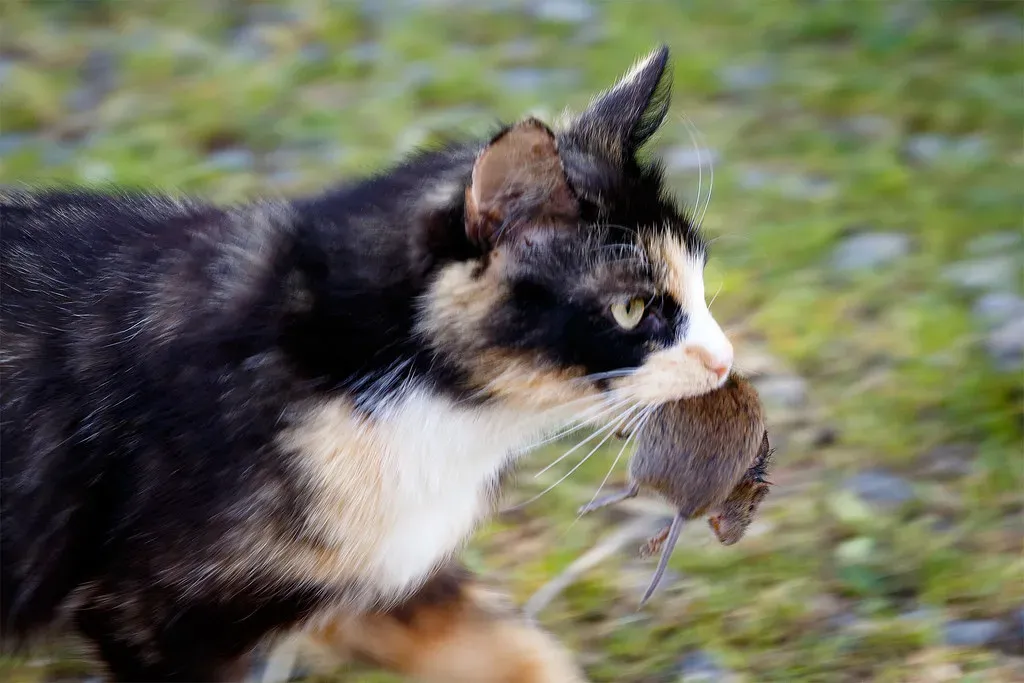
If you’ve ever opened your front door to find a small deceased animal waiting on your doorstep – courtesy of your cat – your initial reaction was probably not gratitude. It’s hard to feel warm and fuzzy about a dead mouse. While it might be unpleasant to find a dead mouse or bird at your doorstep, this behavior is a sign of love and trust from your cat. In the wild, cats bring prey to their families. By bringing you gifts, your cat is sharing its “hunt” with you, showing that they consider you part of their family.
Think of it like a child proudly bringing home a drawing from school. The execution might leave something to be desired, but the emotion behind it is completely sincere. Cats don’t typically meow to communicate with other cats; they reserve this behavior for interacting with humans. If your cat frequently meows at you, especially with a soft, gentle tone, it’s their way of getting your attention and showing affection. From chirping little meows to trophy deliveries, your cat is communicating with you in the most earnest way they know how. The language is strange. The love is real.
Conclusion: Your Cat Loves You More Than You Know
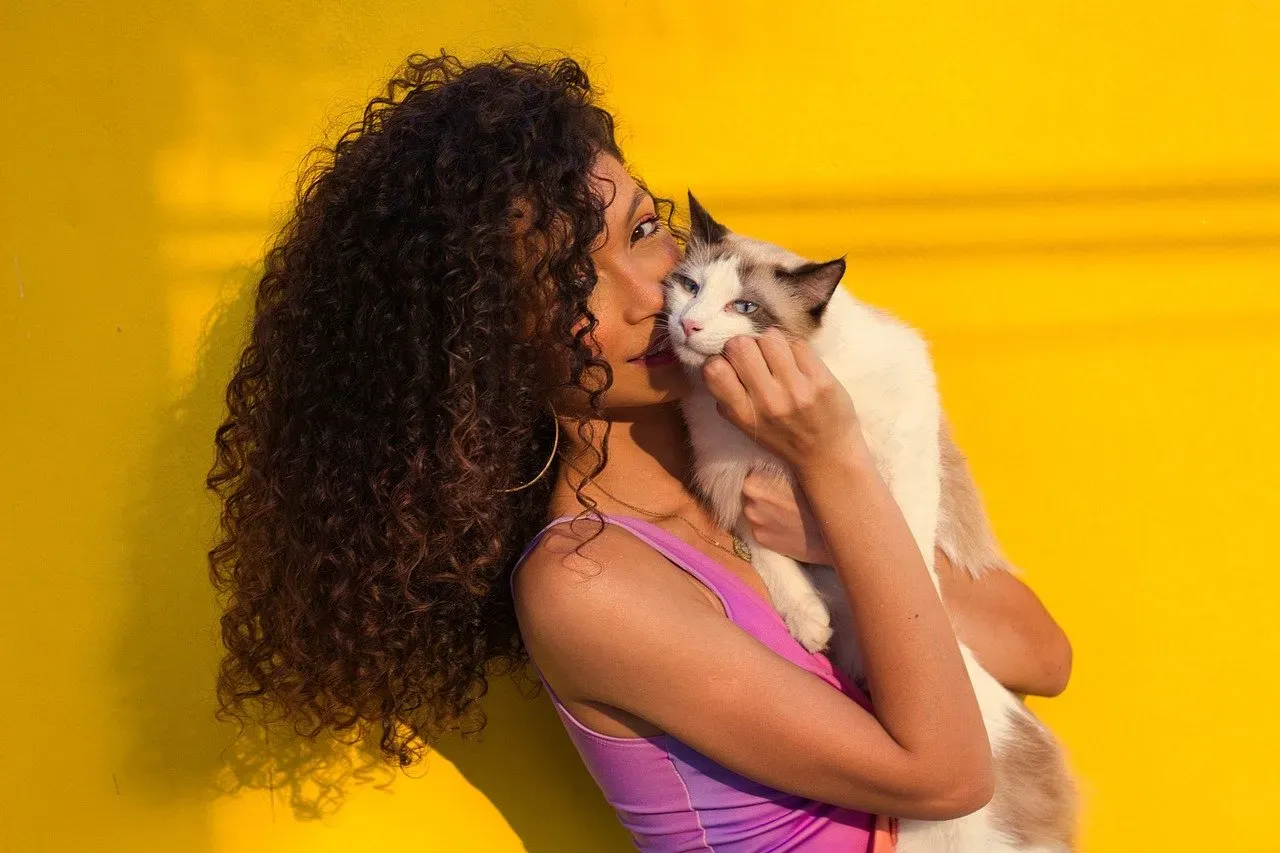
Many cats deeply bond with their human companions, often relying on them for love, friendship, comfort, and fun. They even mourn the loss of humans they’ve spent several years with and have grown to love. That’s not the behavior of a cold, indifferent creature. That’s loyalty. That’s attachment. That’s affection worn in a different costume.
The next time your cat slow-blinks at you from across the room, or tucks their paws under their chest while sitting near you on the sofa, or headbutts your hand at six in the morning – recognize it. Every cat expresses affection in their own way, so learning to read your cat’s body language cues is essential. Once you start speaking the language, you’ll realize you’ve been surrounded by love this entire time. It was always there. You just had to look a little closer.
Now that you know the signs – which of your cat’s behaviors suddenly makes a lot more sense? Tell us in the comments, we’d love to hear your stories.