There’s a quiet revolution happening in millions of households around the world, and it has four paws, a tail, and a mysterious gaze that could rival the Mona Lisa. Cats have been living alongside humans for thousands of years, yet scientists are only just beginning to unravel the full picture of how deeply these creatures affect our lives. Most people assume cats are just cute, low-maintenance pets. Honestly, that couldn’t be further from the truth.
The reality is that your feline roommate may be doing far more for your health, your heart, your mind, and even your social life than you ever imagined. From extraordinary healing vibrations to measurable improvements in mental health, the science behind cat ownership is nothing short of remarkable. So let’s dive in, because what you’re about to discover might just make you want to adopt one right away.
Your Cat Is Quietly Protecting Your Heart
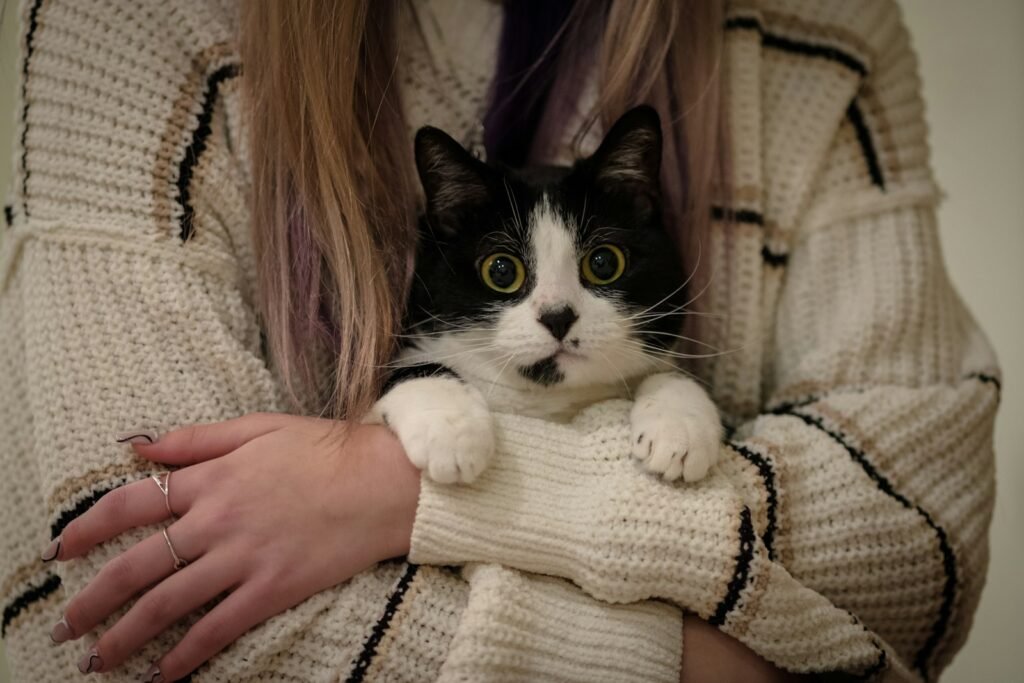
Here’s the thing most people never think about when they’re scratching their cat behind the ears: that simple act might be saving their life. There is genuine scientific evidence behind the calming effect cats have on our hearts, and cats have been proven to reduce the risk of cardiovascular diseases by lowering heart rate and blood pressure. That’s not a small thing. Cardiovascular disease remains one of the leading causes of death globally, and your purring companion is quietly working against it every day.
A ten-year study by the University of Minnesota Stroke Institute found that cat owners were roughly thirty percent less likely to die from heart attacks than non-cat owners. Think about that for a second. A living, breathing, sometimes-ignoring-you animal could be the thing standing between you and a fatal cardiac event. In addition to improving cardiovascular health, owning a cat has also been linked to a reduced risk of stroke. That’s two of the most serious health threats humans face, potentially softened by nothing more than having a cat at home.
The Magical Science Behind the Purr
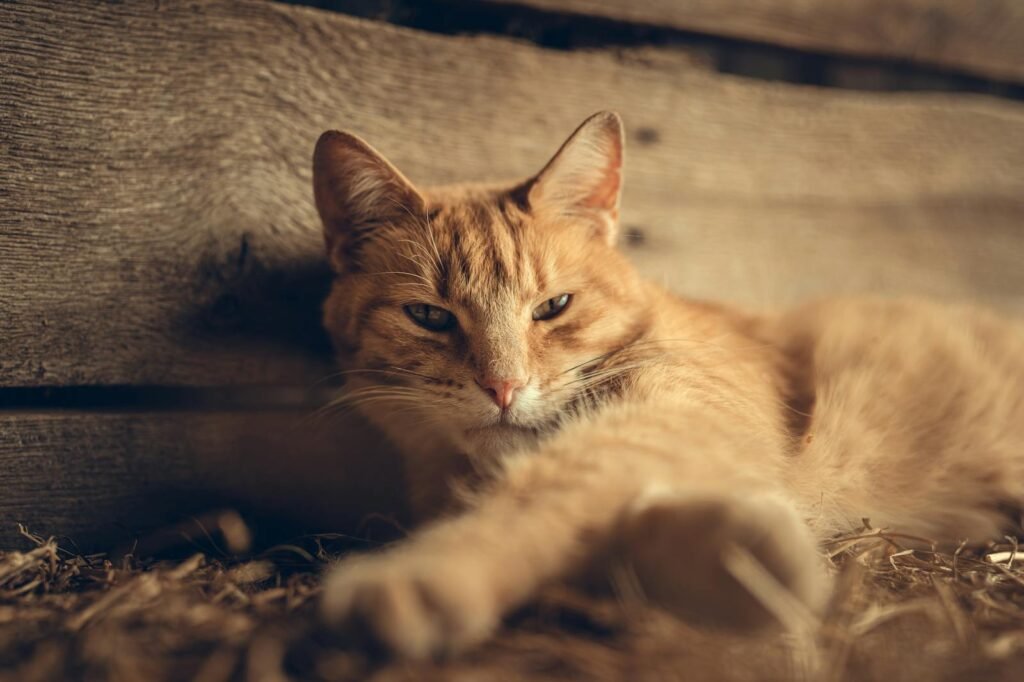
If you’ve ever felt strangely calmed by the sound of a purring cat, you weren’t imagining it. There’s actual physics behind that feeling. Research suggests that the frequency of a cat’s purring, typically between 25 and 150 hertz, could have therapeutic effects on the body and mind. That frequency range is no accident of nature. It overlaps almost perfectly with the ranges used in clinical and therapeutic settings to promote healing.
According to studies, a frequency of 25 to 50 hertz, like that of a cat’s purr, can improve bone density, build bone strength, support wound and fracture healing, and stimulate bone fracture repair. It can also provide pain relief and help manage inflammation. The low-frequency vibrations of a cat’s purring are often used in sound therapy, a form of vibrational healing that applies specific frequencies to the body. These vibrations can help reduce inflammation, improve circulation, and stimulate the healing of damaged tissues. It’s like having a tiny, furry physiotherapist who works for nothing but a bowl of kibble.
Stress Melts Away in the Presence of a Cat
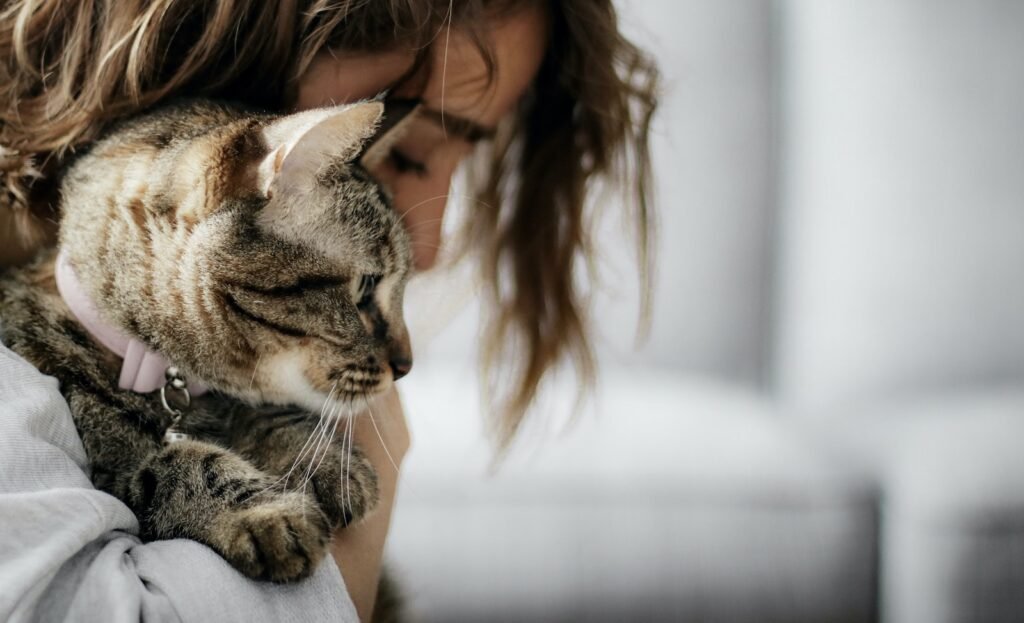
Petting a cat can significantly lower stress levels and increase feelings of well-being by reducing cortisol and increasing oxytocin. Cortisol is the villain hormone, the one that floods your system when your boss sends you a passive-aggressive email at 5 PM. Oxytocin, on the other hand, is the warm, fuzzy bonding hormone. When you stroke your cat, your body essentially trades one for the other.
In one study, researchers visited 120 married couples in their homes to observe how they would respond to stress, and whether cats were any help. Hooked up to heart rate and blood pressure monitors, people did a series of daunting tasks involving math problems and sticking their hands in a bowl of ice. People either sat in a room alone, with their pet roaming around, with their spouse, or both. Before the stressful tasks began, the cat owners had a lower resting heart rate and blood pressure than people who didn’t own any pets. The cat, simply by being in the room, made people physically calmer before anything stressful had even started.
Your Mental Health Gets a Daily Boost
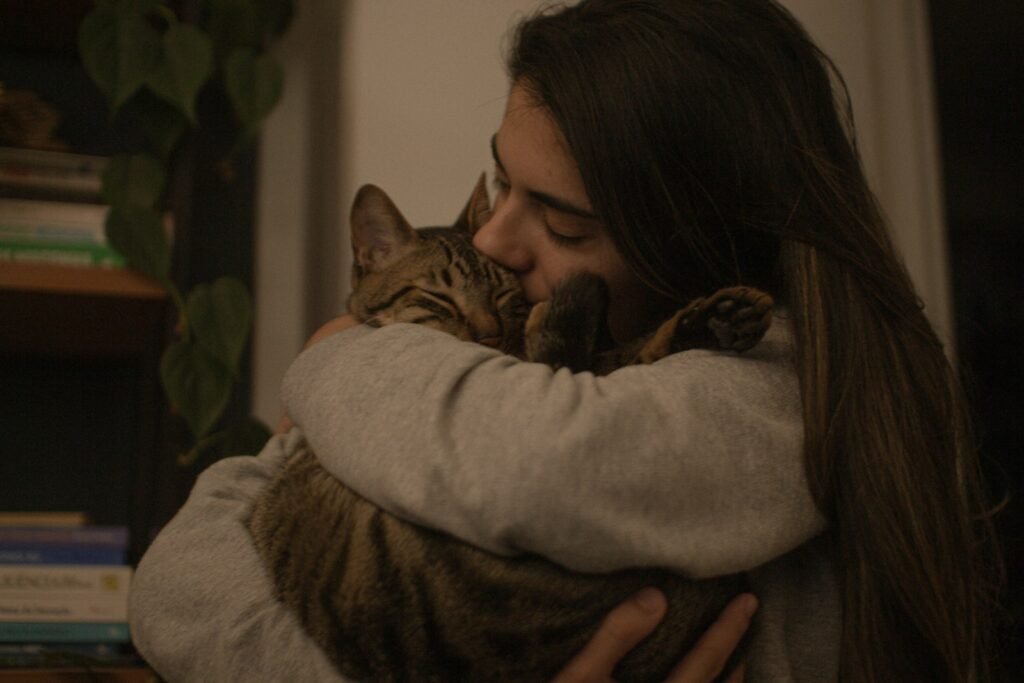
Interacting with cats has positive effects on their owners’ brains. It improves mood and activates the prefrontal cortex and inferior frontal gyrus in the brain, contributing to physiological and psychological health. Let’s be real: most of us underestimate how much our everyday emotional state is shaped by our environment. A cat doesn’t just sit there looking pretty. It is actively changing your brain chemistry for the better.
Among pet owners, a strong majority said their pets have a mostly positive impact on their mental health. Dog owners and cat owners were equally likely to say so. What’s more telling is what cat owners specifically said. Cat owners were more likely than dog owners to say their pets offer companionship, provide a calming presence, and help reduce stress and anxiety. There’s something uniquely soothing about the cat’s particular brand of quiet, unhurried presence that many people find irreplaceable.
Cats Combat Loneliness in Powerful Ways
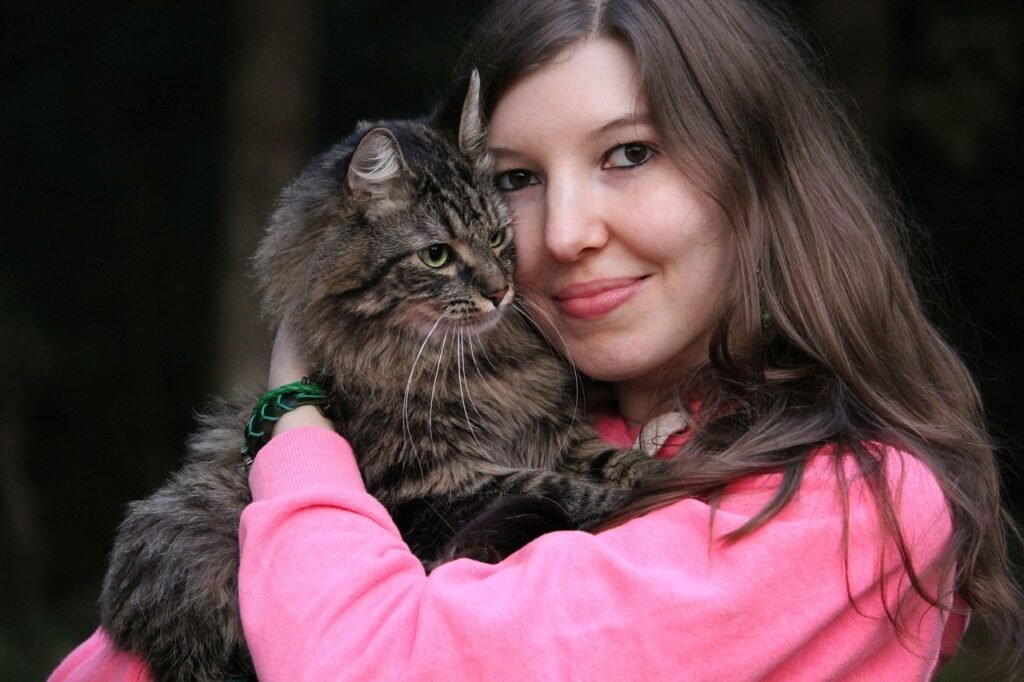
Loneliness and isolation can be a major problem for many people, especially those who live alone. Owning a cat can help combat these feelings by providing companionship and emotional support. Just having a furry friend to snuggle up with can make all the difference. This is particularly significant in an era where loneliness has been described by health professionals as an epidemic. Millions of people go home to empty apartments every evening, and a cat fundamentally changes that experience.
In a study of 1,800 Dutch cat owners, half said their cat was family. One in three viewed their cat as a child or best friend and found them loyal, supportive, and empathetic. Another US study developed a “family bondedness” scale and found cats were just as important a part of families as dogs. So the next time someone dismisses a cat owner for being “too attached” to their pet, you can politely point them toward the scientific literature on the subject.
They Improve Your Sleep Quality Too
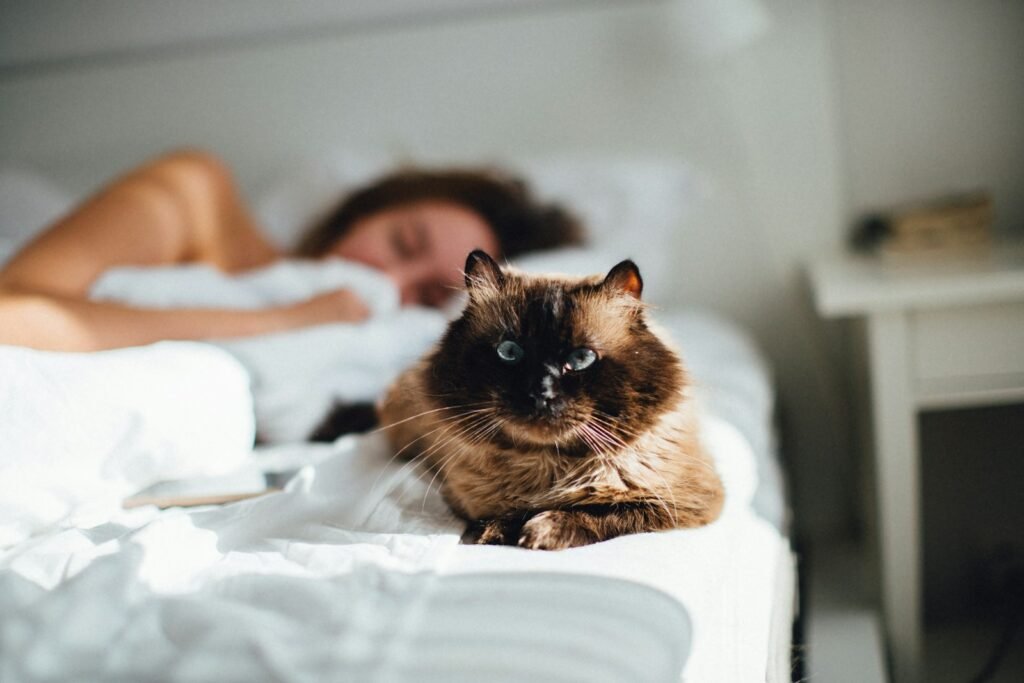
It sounds almost too good to be true, but your cat may be one of the best sleeping aids you’ve never properly appreciated. Studies have shown that having your cat close by results in a better night’s sleep. Owners who allowed their pets to sleep in their bed or in the same room on their own bed said they had an easier time both falling and staying asleep. That rhythmic purring isn’t just pleasant. It creates an almost meditative atmosphere that tells your nervous system it’s safe to switch off.
Emotional health is closely tied to physical health, and the presence of a purring cat can have a profound impact on mood and overall well-being. The cat purring effect on humans goes beyond stress reduction. It fosters a sense of connection, emotional stability, and even improved sleep quality. Think of it like white noise with a heartbeat. The cat’s consistent, rhythmic presence provides the kind of sensory grounding that many people struggle to find on their own, especially in anxious or restless moments before bed.
Cats Trigger a Chain Reaction of Feel-Good Hormones

Here’s some genuinely fascinating biology for you. Interacting with cats triggers the release of hormones in humans such as serotonin, dopamine, and oxytocin. These are often associated with good, positive feelings. Oxytocin in particular has been recognized for its role in bonding and stress relief, as well as its physiological effects such as decreased heart rate and slowed breathing. Three feel-good hormones, triggered simply by petting a cat. There aren’t many lifestyle habits that produce such an immediate neurochemical reward.
In a study, college students who spent as little as ten minutes per day petting a cat experienced decreased levels of cortisol, the hormone associated with stress. Ten minutes. That’s less time than most people spend scrolling through social media before breakfast. Research has demonstrated that exposure to purring frequencies triggers the release of serotonin and dopamine, neurotransmitters crucial for mood regulation and emotional well-being. This creates a natural antidepressant effect that can improve mental health over time. Your cat is, in a very real sense, a natural pharmacy.
Children with Autism Benefit in Remarkable Ways
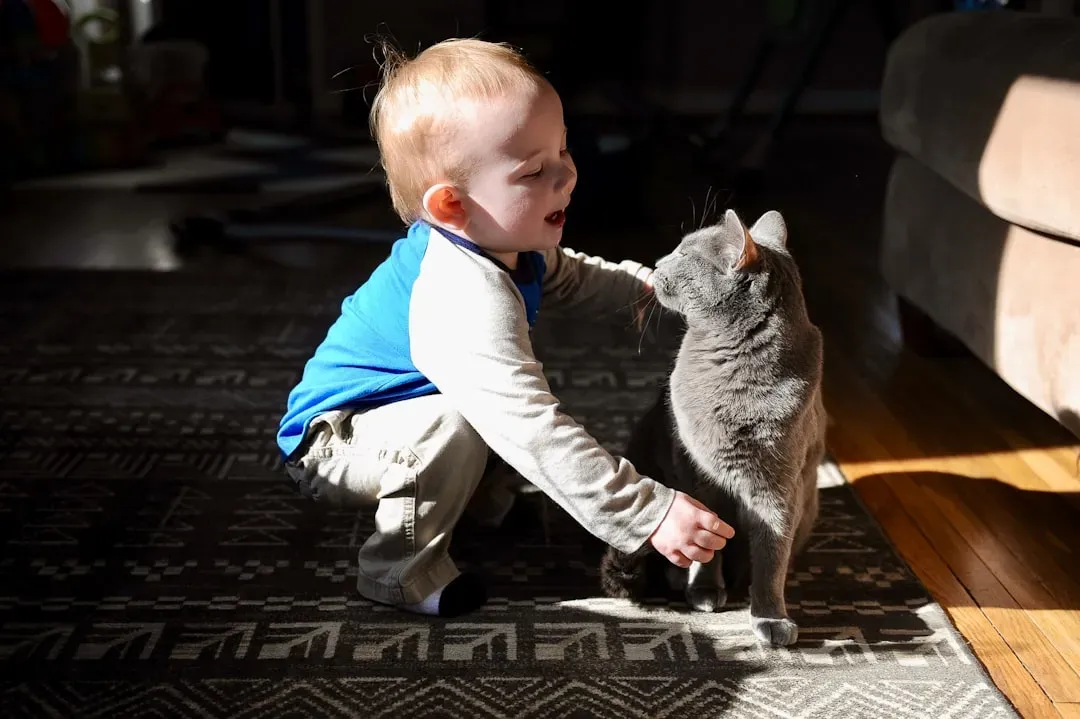
This is the benefit that genuinely surprised me the most, and I think it will surprise you too. A new study published in the Journal of Pediatric Nursing demonstrated that children with autism spectrum disorder may experience increases in empathy and decreases in problem behaviors after adoption of a shelter cat into their families. For families navigating the challenges of autism, this is enormously significant. A calm, patient animal that makes no social demands can offer something no therapy session can fully replicate.
Research shows that children on the autism spectrum benefit from the consistent companionship and routine cats provide. Cats’ soft fur, gentle purring, and rhythmic movements offer sensory stimulation that soothes children with autism. Considerable research has demonstrated the ways in which animals can improve self-esteem, reduce feelings of loneliness, increase social interactions, and improve motivation and communication for autistic adults and children. The key here is the non-judgmental nature of cats. They don’t react to meltdowns, don’t demand eye contact, and accept the child exactly as they are. That kind of unconditional presence is genuinely therapeutic.
Cats Make You a More Social Person
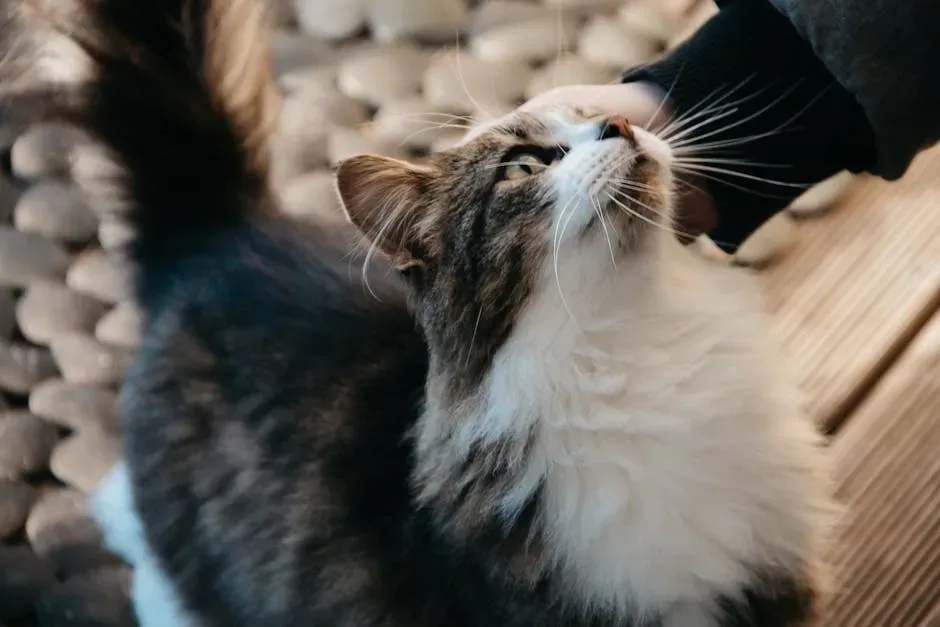
You might think cats are the ultimate symbol of staying in alone on a Friday night, and honestly, that’s fair. The reputation is well-earned. But here’s the twist: this cross-species bonding may benefit our human-to-human relationships. For cat lovers, their cat can be part of their social network, and when someone, human or animal, makes us feel good and connected, it builds up our capacity for kindness and generosity toward others. Caring for another living being, even one as gloriously indifferent as a cat, expands your empathy.
Despite arguments from the dog-people camp, studies have shown that cat owners may have better people skills overall. While dog owners reported being more dominant in nature, cat owners tend to be on the sensitive side. Sensitivity isn’t a weakness. In fact, it’s one of the most valuable social skills a person can have. Research has found that cat-only owners are more open, imaginative, and curious. However, they may also tend to be more self-contained and introverted, though that’s not necessarily a bad thing. Owning a cat may also help people with social anxiety by giving them a sense of routine and emotional support.
Cats Serve as Powerful Therapy Animals
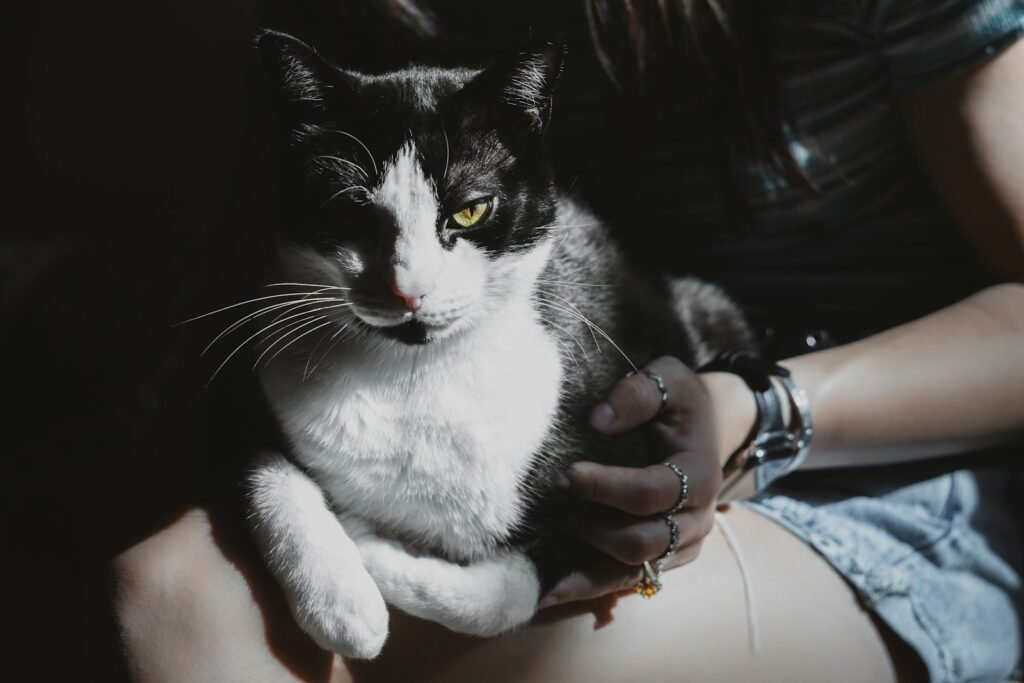
Most people picture therapy animals as golden retrievers in hospitals, and while that image is accurate, it’s only half the story. Cats are often employed as therapy animals in hospitals, physiotherapy sessions, long-term care facilities, and other medical settings to help patients recover physically, mentally, and emotionally. Their quiet presence, lack of high-energy demands, and sensitivity to human moods make them surprisingly effective in clinical environments.
Pet therapy has proven to be especially helpful when it comes to recovering from conditions such as post-traumatic stress syndrome, depression, and anxiety. Therapy cats visit hospitals, nursing homes, and schools to provide comfort to people experiencing stress or trauma. The gentle vibrations of purring can have a grounding effect, helping individuals manage symptoms of anxiety or PTSD. It’s hard to say for sure exactly why cats are so effective in these settings, but researchers increasingly believe it comes down to their calm, unhurried energy. They simply sit with you in the discomfort, and somehow, that is exactly what people need.
Conclusion: Your Cat Is Doing More Than You Think

Living with a cat is about so much more than having a cute creature to photograph for social media. The evidence is compelling, and it keeps growing. Living with a cat can have a profound and sometimes surprising effect on your physical and mental health. From lowering your risk of a fatal heart attack to helping children with autism develop empathy, to acting as a miniature sound therapy device while they sleep on your chest, cats are quietly extraordinary animals.
The relationship between humans and cats stretches back thousands of years, and there’s clearly a reason it has endured. They comfort us, calm us, heal us, and connect us to something beyond ourselves. A 2024 study confirmed that people who have a pet, a dog or a cat, are generally much happier than those without. That’s a remarkable statement when you think about it. So if you’ve ever needed a reason beyond “they’re adorable,” well, now you have ten.
What about you? Did any of these benefits catch you completely off guard? Tell us in the comments which one surprised you the most.