You’re minding your own business, reaching over to give your cat a gentle stroke, when suddenly those tiny teeth sink into your hand. Your first instinct? Betrayal. Maybe even a little drama. But here’s the thing most cat owners never stop to consider: your cat almost certainly wasn’t trying to hurt you. Not really.
Cats are one of the most misread creatures on the planet. We share our homes, our sofas, and sometimes even our pillows with them, yet we still tend to interpret their most complex signals through a very human lens. That mismatch is where all the confusion, frustration, and yes, the occasional scratch, comes from. Get ready for some truths that might just change everything about how you see your feline companion. Let’s dive in.
Your Cat Isn’t Being Aggressive. It’s Actually Communicating.
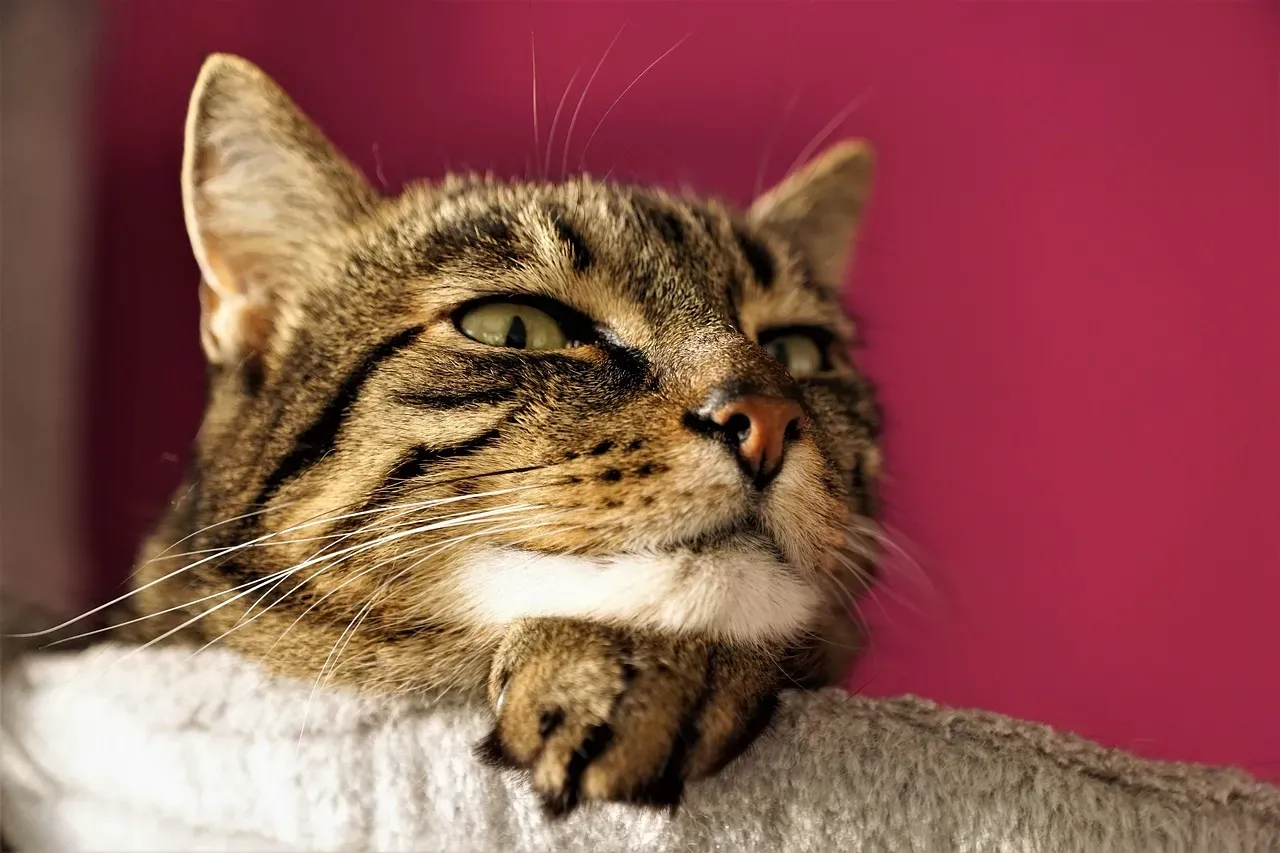
Let’s be real: the word “attack” is doing a lot of heavy lifting when it comes to cats. When your sweet housemate turns sour, attacking feet, swatting, or even biting, it’s rarely a sign of malice. Rather, cat aggression is a form of communication, often signaling an unmet need or underlying medical issue. Think of it less like a villain and more like someone desperately trying to get a point across in a language you haven’t learned yet.
Aggressive behaviors in cats often stem from fear, stress, and anxiety, not anger, spite, or other reasons that humans usually use to explain a cat’s aggressive behavior. When you reframe your cat’s behavior through that lens, suddenly the whole situation looks completely different. That “attack” wasn’t hatred. It was a message you simply missed.
The Petting Trap: When Your Love Becomes Too Much

Petting-induced aggression occurs when a cat suddenly feels irritated by being petted, nips or lightly bites the person petting them, and then jumps up and runs off. This type of aggression isn’t well understood, but behaviorists think that physical contact, like stroking, can quickly become unpleasant if it’s repeated over and over. Repetitive contact can cause arousal, excitement, pain and even static electricity in a cat’s fur. Imagine someone rubbing the exact same spot on your back for five straight minutes. At some point, you’d want them to stop too.
Petting-induced aggression is something that scientists are still trying to understand, but there are several reasons why your cat may suddenly bite you after seemingly enjoying being stroked. The first is that they’re communicating to you that you’ve reached their sensitivity threshold and they’re now feeling overstimulated. Repetitive petting can also create little shocks along your cat’s skin and this static electricity can make continued stroking uncomfortable. So that nip? It was your cat’s very last polite request for you to please stop.
Reading the Warning Signs Your Cat Has Already Been Sending You

Here’s a confession: your cat almost never bites without warning. The warnings are just subtle. Although attacks are usually described by owners as being unpredictable, cats may show subtle changes in their body language before the aggressive reaction. For instance, cats may become tense, rotate and flatten their ears, and/or whip their tail. These signals are your cat’s version of clearing their throat loudly before saying something important.
Irritated or over-stimulated cats display dilated pupils, ears turned back, and a twitching or waving tail, and may growl or put their teeth on you as a warning to cease and desist. Learning to spot these tells is like learning a new language, honestly. The tail is often the first indicator, with flicking or twitching beginning almost immediately when annoyance starts, followed by ear position changes and other warning signals. Once you see it, you cannot unsee it.
Play Aggression: When Your Cat Just Wants a Game
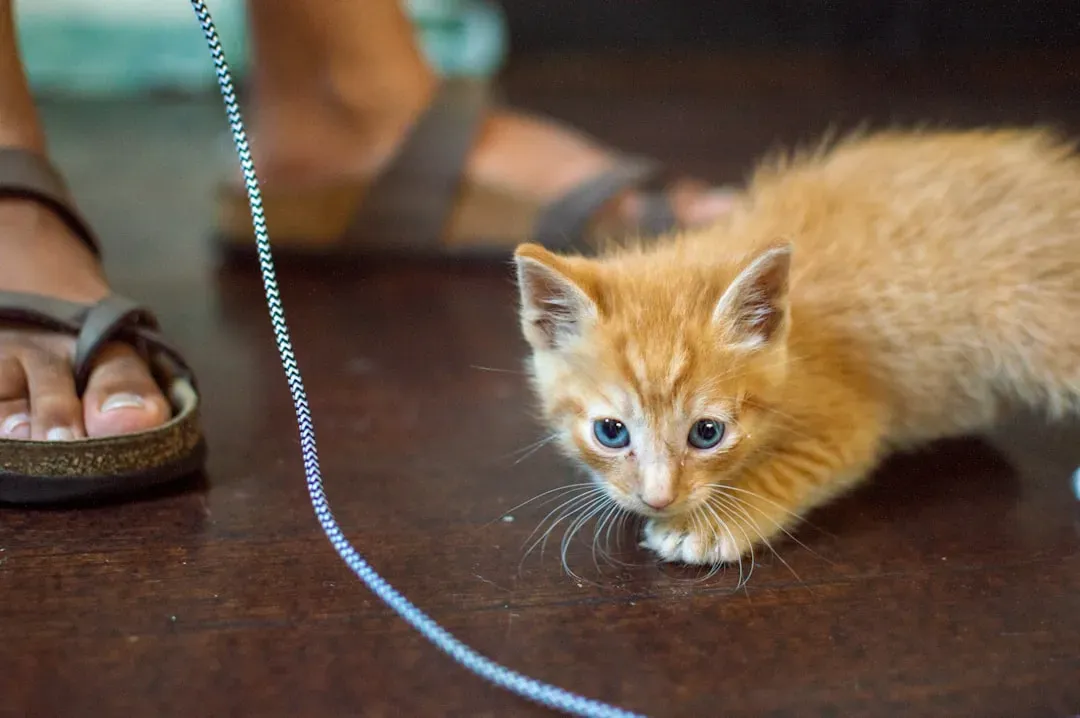
Play aggression is the most common type of aggressive behavior that cats direct toward their owners. It involves typical predatory and play behaviors, including stalking, chasing, attacking, running, ambushing, pouncing, leaping, batting, swatting, grasping, fighting and biting. Sounds terrifying when you list it all out like that. In reality, your cat is essentially inviting you to a hunt, and you’re the unwilling prey.
Play aggression occurs because a cat’s instincts to hunt aren’t being satisfied. Cats are naturally wired to hunt several times a day, following a cycle of hunt, catch, kill, eat. If they don’t get chances to chase and pounce, they may redirect that pent-up energy toward your feet, your hand when you reach in for pets, or even an unsuspecting furry housemate. The fix here is surprisingly straightforward: give them something better to “hunt” than your ankles. A good wand toy session goes a long way.
Fear-Based Aggression: Your Cat Is Scared, Not Savage

Fear aggression represents one of the most common and frequently misunderstood forms of aggressive behavior in domestic cats, occurring when a cat perceives a threat and responds defensively with behaviors intended to protect themselves from perceived danger rather than to assert dominance or cause harm for its own sake. This type of aggression often surprises and confuses cat owners who see their normally sweet and gentle pet suddenly transform into a hissing, scratching, biting animal that seems completely different from the cat they know and love during calm moments.
When escape is blocked, cats display warning signals including flattened ears, dilated pupils, piloerection making fur stand up to appear larger, hissing, growling, and spitting that communicate clearly that the cat is frightened and prepared to defend themselves. If these warnings fail to create distance, cats may escalate to defensive strikes including swatting with claws extended and biting intended to create opportunity for escape rather than to cause injury for its own sake. In other words, your cat isn’t attacking you. It’s trying to escape. There is a real difference.
Redirected Aggression: The Case of the Innocent Bystander

This one genuinely surprises people. Redirected aggression occurs when a cat is aroused by another animal, person or event, but is unable to direct aggression toward the stimulus. For example, your cat is sitting on a windowsill and sees another cat out on the property. Your cat becomes very agitated, begins to focus on the other cat and shows aggressive body postures, hisses, or growls. If a person or animal in the home were to walk into the room, they may be the recipients of an aggressive attack.
This type of aggression is relatively frequent, as well as potentially being very violent and dangerous to people. According to some authors it may account for up to half of all cases of aggressive behaviour towards people seen in referral practices. That’s an astonishing number. Cats displaying redirected aggression could maintain a state of arousal for hours and even days. During this period, the risk of new attacks is very high. Therefore, owners should avoid interacting with the cat. Honestly, your best move is simply to give them space and time to decompress.
Pain-Induced Aggression: When a Touch Hurts More Than You Know

Sometimes, what looks like a spontaneous attack is really a cry for help. Cats that are in pain may act aggressively toward people or other pets in an attempt to avoid touch, movement, or certain activities that might worsen the pain. Cats with osteoarthritis, for example, may resent having their joints touched or manipulated, and may hiss, bite, or scratch in response. You touch a sore spot, they react. It is almost that simple.
Issues like arthritis or dental disease can cause significant discomfort, but cats tend to hide their pain, so it may go unnoticed. This can lead to confusion when a cat suddenly swats or bites after being touched in a sore spot. Pain or discomfort can cause a cat to become aggressive. Conditions such as arthritis, dental disease, or urinary tract infections may contribute to sudden behavioral changes. If your cat’s behavior shifts suddenly for no obvious reason, a vet visit should always be your first move, not frustration.
What You Might Be Teaching Your Cat Without Realizing It
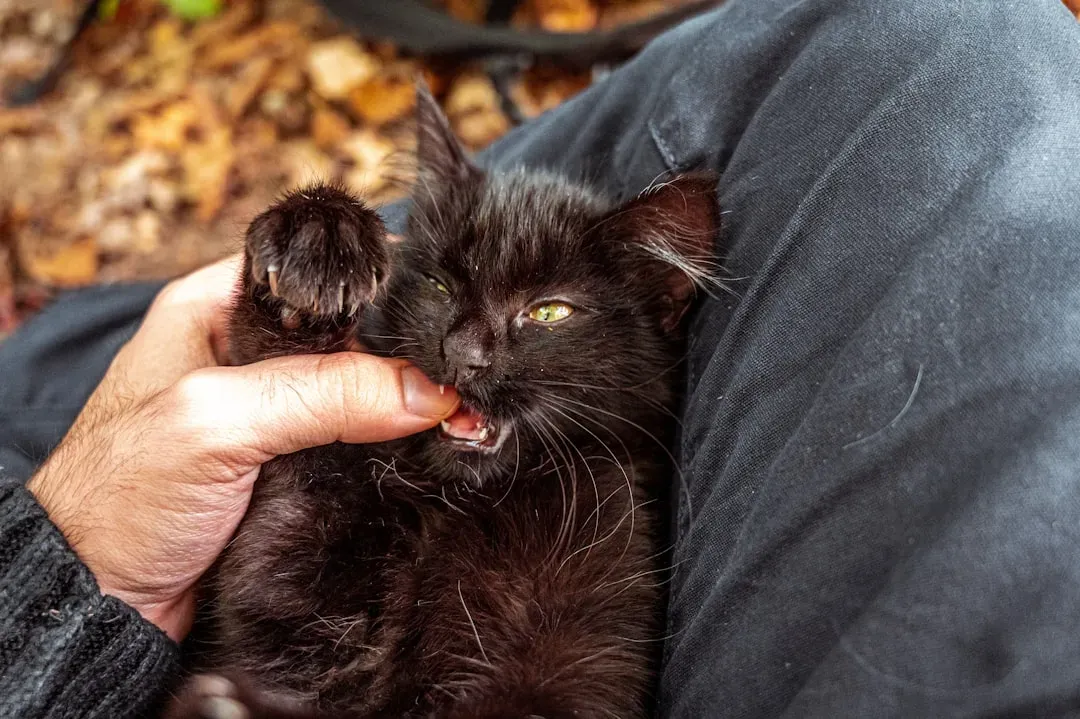
Here’s something a little uncomfortable: you might actually be encouraging the very behavior that’s driving you crazy. Many kittens learn to use human limbs as toys, climbers, and scratching posts. Many owners are surprised to learn that they are the ones who taught their young cats these bad habits. When a tiny kitten bites your hand during play, it’s adorable. When that same cat is two years old and does it full force, it’s suddenly a problem.
Cats may learn to use swatting or biting if it’s the only way to stop unwanted interactions. For example, if a cat’s cues like lip-licking, looking away, or tail flicking are ignored when being picked up, they may resort to biting. If this gets them released, they learn biting is effective. You’ve essentially trained them to bite by giving in every time they do it. The good news? The same logic applies in reverse. Consistent, calm redirection teaches them a better way.
How to Build a Language You Both Actually Speak
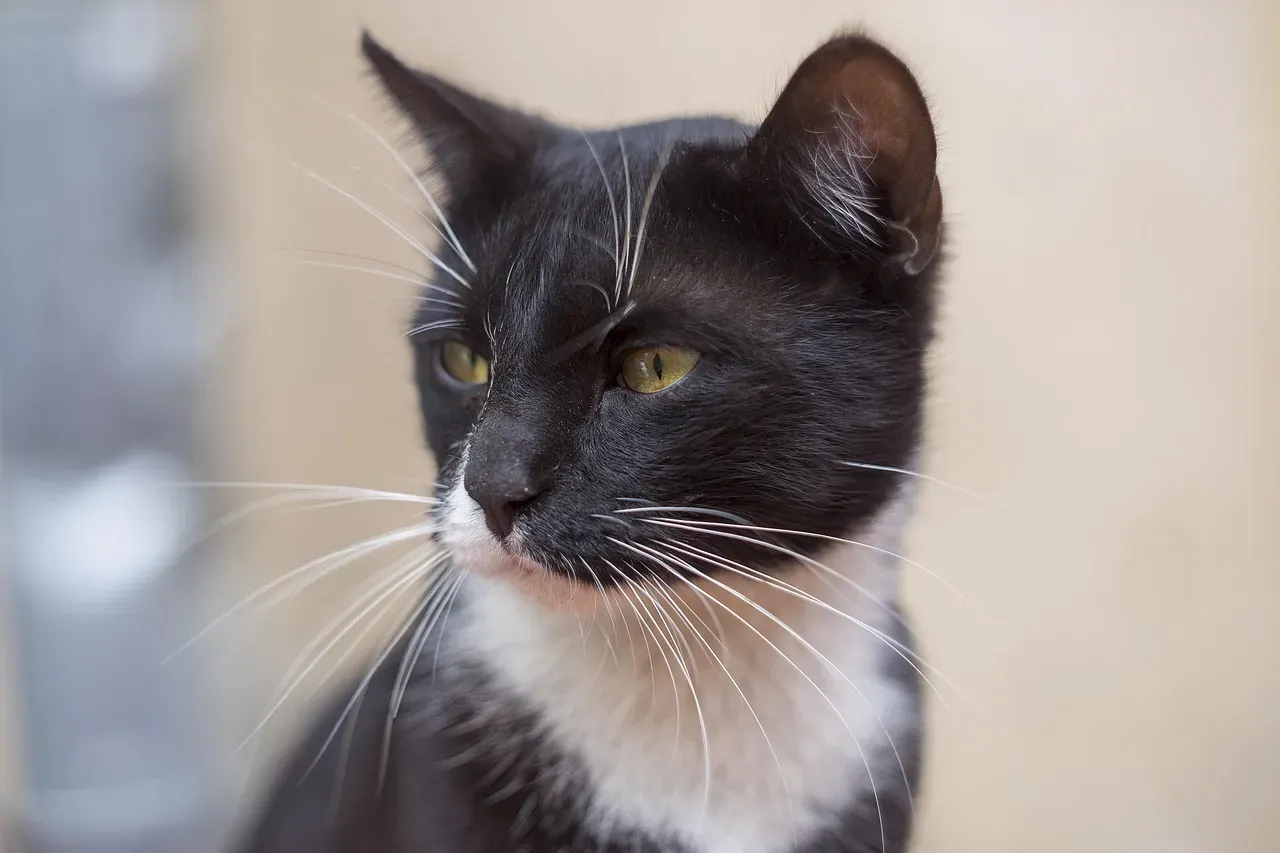
Understanding what cats are communicating through their body language is essential for cat owners. It enables you to more accurately “read” your cat and understand their feelings and motivations for doing what they do. It also helps you respond more effectively to behavior issues like aggression. Think of your relationship with your cat like learning a new language together. The more fluent you become, the fewer misunderstandings you have.
A thoughtful treatment plan for feline aggression consists of several key steps: avoiding triggers, rebuilding the relationship, enriching the cat’s environment, implementing behavior modification, and adding behavior medication if necessary. Changing a few things at home and taking your cat to the vet for any new or sudden behavior changes are the first steps toward a better relationship with your cat. It is not complicated, really. It just requires patience, observation, and the willingness to stop assuming your cat is the villain in this story.
Conclusion

Cats are not plotting against you. They are not spiteful, random, or fundamentally aggressive creatures. They are animals with rich inner lives, instincts shaped by thousands of years of evolution, and very specific, very real needs that they are desperately trying to communicate with the limited tools they have available. When you get bitten or scratched, the story never starts with the bite. It starts much earlier, in a flick of a tail you didn’t notice or a pair of flattened ears you didn’t recognize.
Whatever behaviors you observe in your own cat, do your best to remember they are not out to frustrate or punish you. They are communicating needs, soothing themselves, or simply playing. The moment you make that mental shift, everything changes. The attacks become invitations. The scratches become sentences. And your relationship with your cat stops being a mystery and starts being something genuinely extraordinary.
So the next time those little teeth find your hand, ask yourself: what was my cat trying to tell me? You might be surprised by what you hear. What do you think, have you ever misread your cat’s signals before?