You’ve seen it before. Your cat’s lounging peacefully on the windowsill, completely still. Then, without warning, they explode into motion, tearing through the house like they’re being chased by something invisible. It’s wild, it’s chaotic, and honestly, it’s hilarious. These frantic sprints, known as the zoomies, seem completely random. You might think your feline friend has just lost their mind for a few minutes.
Here’s the thing, though. Those zoomies aren’t random at all. There’s actually a whole lot going on beneath the surface when your cat suddenly transforms into a four-legged rocket. Your pet isn’t just having a momentary lapse in sanity. Scientists refer to this behavior as frenetic random activity periods (FRAPs), though it’s most commonly known as the “zoomies.” Let’s dive into what’s really happening during these episodes and why your cat can’t seem to resist the urge to sprint.
They’re Actually Called FRAPs
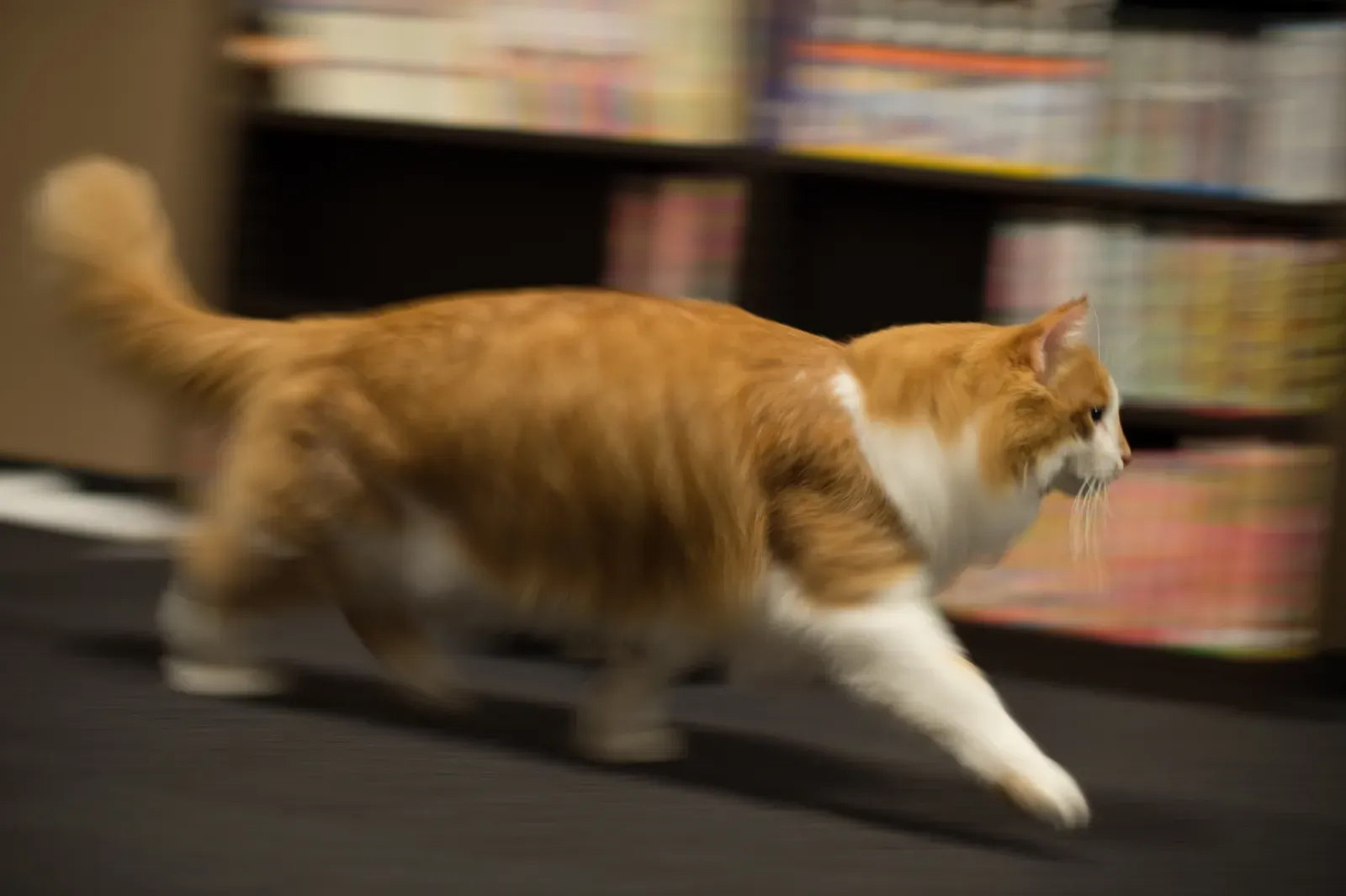
Frenetic random activity periods (FRAPs), also colloquially known as zoomies, are random bursts of energy occurring in dogs and cats in which they run frenetically, commonly in circles. The technical term sounds way less fun than zoomies, to be honest. It often includes frenzied running, pouncing, bopping, and even excessive meowing seemingly out of nowhere.
What’s interesting is that zoomies are actually common among many mammals, including horses, rabbits, ferrets, and even elephants. So if you thought this was just a weird cat thing, think again. Your cat is actually part of a much larger club of animals that occasionally need to just run like their tail’s on fire. They usually last a few minutes or less.
Pent-Up Energy Has to Go Somewhere
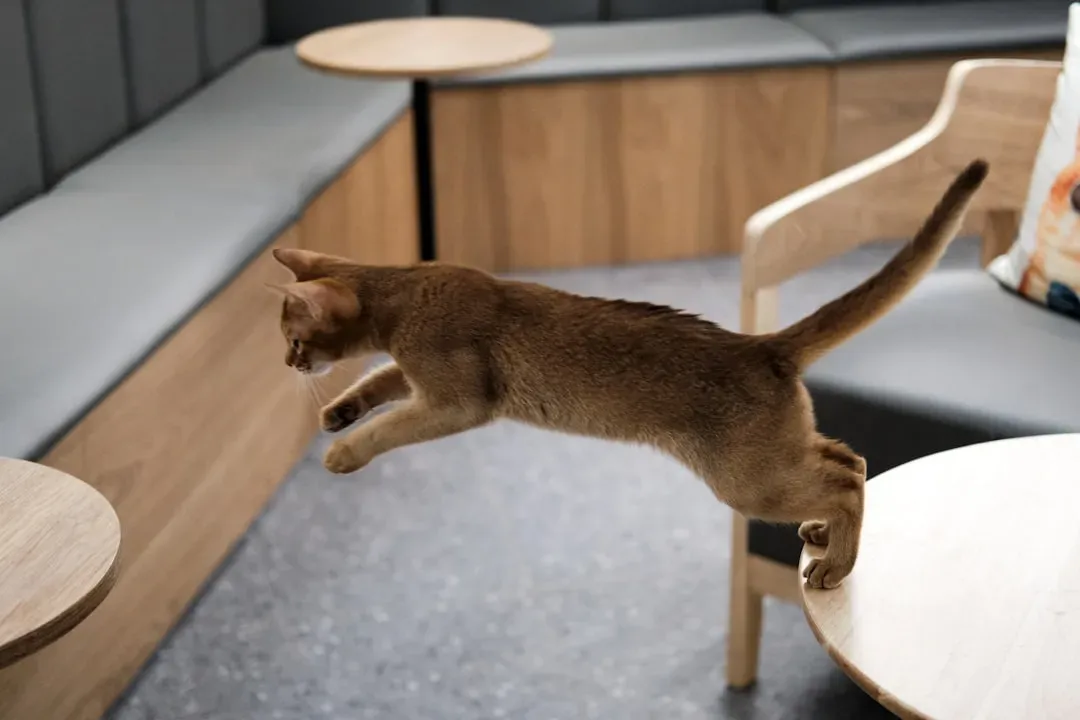
Cats sleep for an average of 13 to 14 hours a day, and that leaves plenty of stored energy for when they’re awake. Think about that for a second. Your cat spends more than half their day essentially doing nothing but napping. Where does all that conserved energy go?
This leads to built-up energy, which eventually comes out in a short, quick rush. It’s like when you’ve been sitting at your desk for hours and suddenly feel the overwhelming urge to stand up and move. Cats experience something similar, except they don’t just stand up and stretch. They bolt across your living room at thirty miles per hour, ricocheting off furniture like a pinball. Just like humans need to move after sitting too long, cats need to release pent-up energy – and zoomies provide the perfect outlet.
The Hunter Inside Never Really Sleeps
Even your pampered house cat who’s never caught anything more dangerous than a dust bunny has the soul of a predator. Cats are predators by nature, and even if they live indoors, they still have bursts of energy hardwired into their behavior. This isn’t something they can just turn off because they have a cozy bed and regular meals.
Zoomies may originate from cats’ natural predatory instincts, as the bursts of activity with their sudden sprints and sharp turns may represent hunting behaviors. Your cat might be chasing imaginary prey during those wild sprints. In the wild, their ancestors would stalk, chase, and pounce in intense bursts. In the wild, a cat would stalk prey, chase it, and then rest. Indoor cats don’t get to hunt, so sometimes their bodies just need to act out those instincts anyway.
The Crepuscular Connection
Let’s be real. You’ve probably been woken up at some ungodly hour by your cat racing through the hallway. There’s a reason for that specific timing. Cats are crepuscular animals, meaning they are most active during dawn and dusk, behavior traced back to their wild ancestors who hunted during these times.
Since cats are crepuscular, it’s no surprise that many pet parents notice zoomies happening during the early morning or evening hours. Their internal clock is literally telling them it’s hunting time. Meanwhile, you’re just trying to sleep. While domestic cats no longer need to hunt for their meals, they’ve retained these instinctual patterns of activity. So when your cat gets the three a.m. zoomies, they’re not trying to annoy you. Their biology is just doing its thing.
That Post-Poop Sprint Is Real
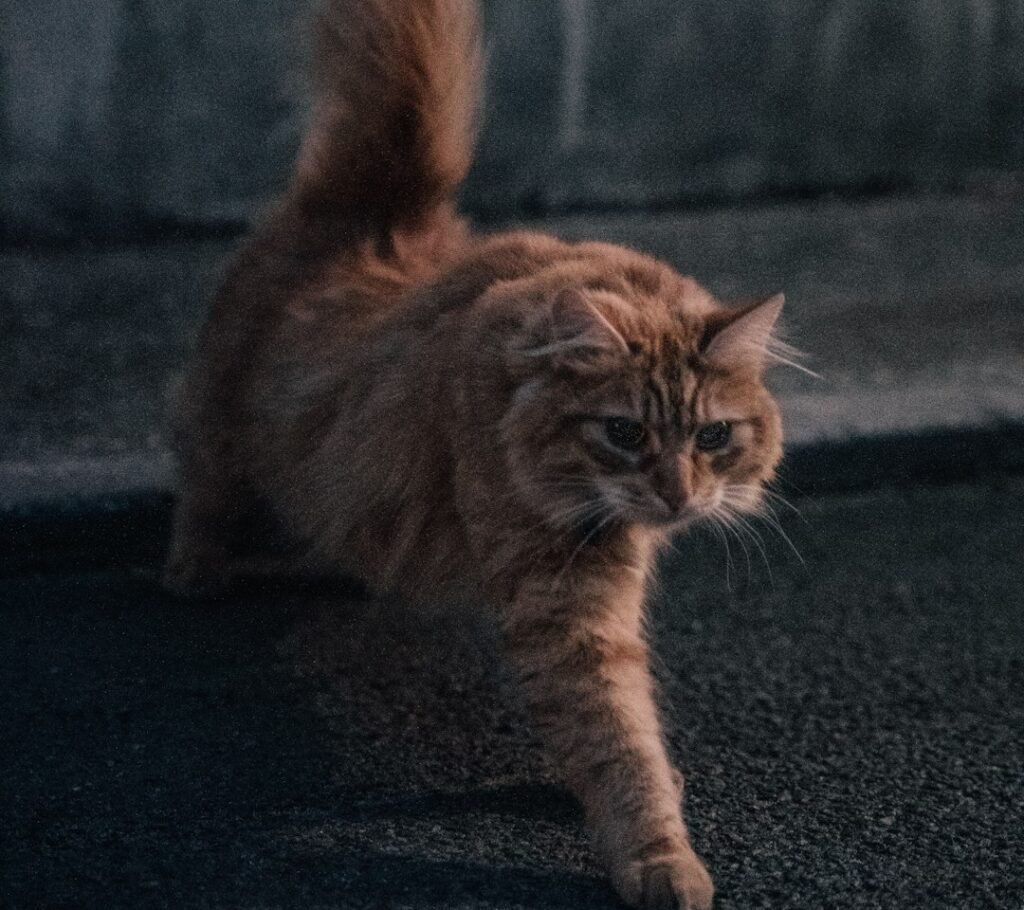
One of the strangest times cats get the zoomies is right after using the litter box. You might have witnessed your cat exploding out of their litter box like they just set a world record. This phenomenon is so common it even has nicknames. It also happens after pooping, with terms like ‘poophoria’ and ‘crapnfrap’ used to describe it.
Defecating stimulates the vagus nerve, which can lead to a feeling of release or relief. The distension of the rectum causes the vagus nerve to fire, leading to a drop in heart rate and blood pressure, which decreases blood flow to the brain. Some experts believe this creates a euphoric sensation that triggers the zoomies. It’s basically your cat experiencing a natural high after doing their business. There’s also the theory that the smell of fresh poop is a threat to their survival because in the wild it would attract predators, so the instinct is to run as far from it as possible.
Age Makes a Difference
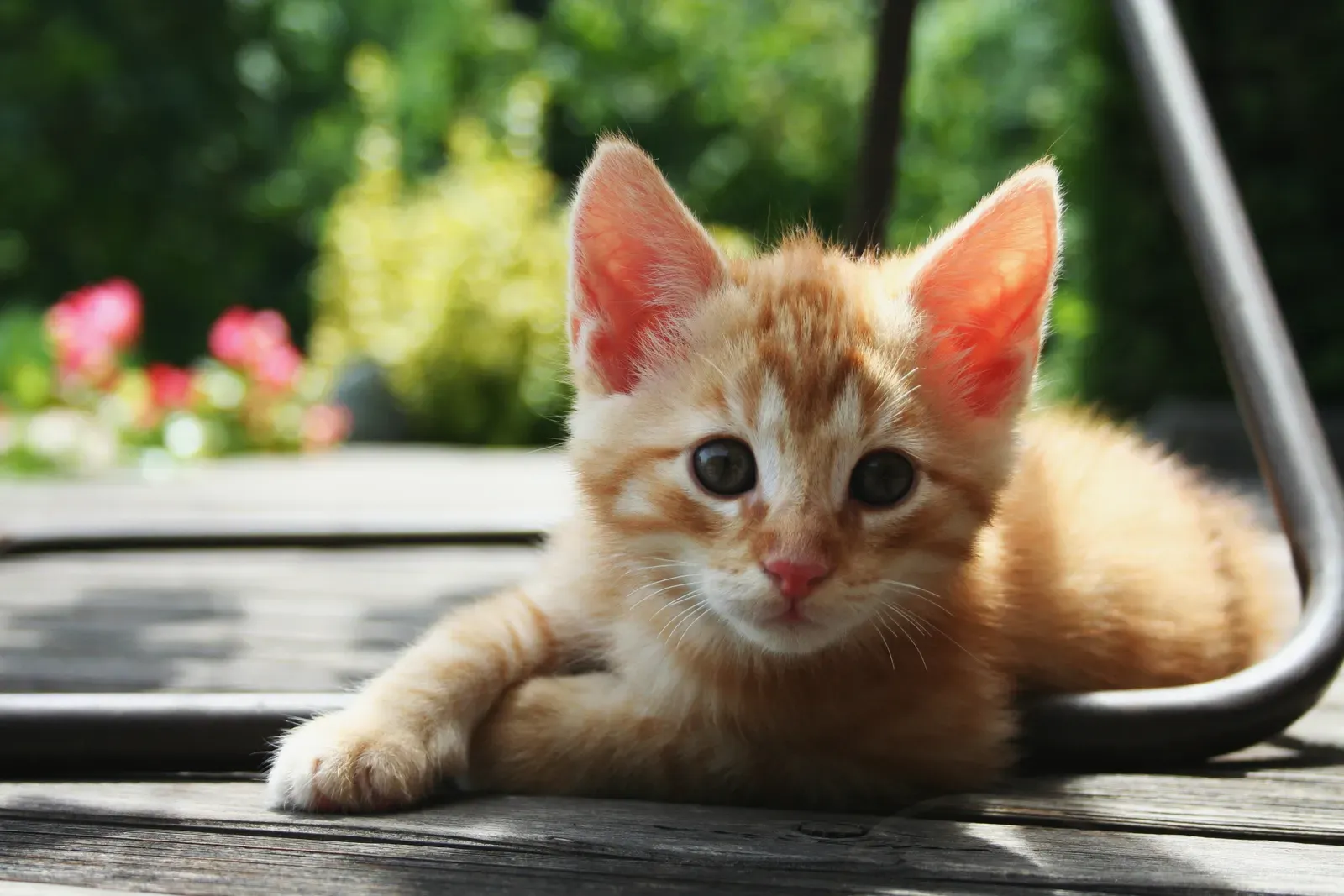
Young cats have an abundance of energy and may have more frequent and intense zoomies. Kittens are basically tiny tornadoes of chaos, so their zoomies tend to be more dramatic and happen more often. They’re still learning how their bodies work and they have way more energy than they know what to do with.
Even as cats enter their senior years, they may still experience zoomies, though typically less often due to age-related changes like decreased muscle mass and arthritis. Your older cat might still get the urge to zoom, but they’ll probably tire out faster. If your senior cat starts zooming around after receiving pain medication, it could be a positive sign that their treatment is working. Sometimes getting relief from chronic pain gives them back some of their youthful energy.
Boredom and Lack of Stimulation
Indoor cats face a unique challenge. They’re safe, comfortable, and well-fed, which is great. The problem is they can also get incredibly bored. If they don’t get enough stimulation during the day, they might become more active at night.
Cats need mental stimulation just like humans do, and if they don’t get enough during the day, they might become more active at night. The zoomies become their way of creating their own entertainment. Your cat isn’t trying to destroy your home when they knock over that vase during a sprint. They’re just desperately trying to do something interesting. While it’s a common misconception that zoomies are a sign of boredom, they are typically bursts of excitement, playfulness, or the need to release pent-up energy.
When Zoomies Signal Something’s Wrong
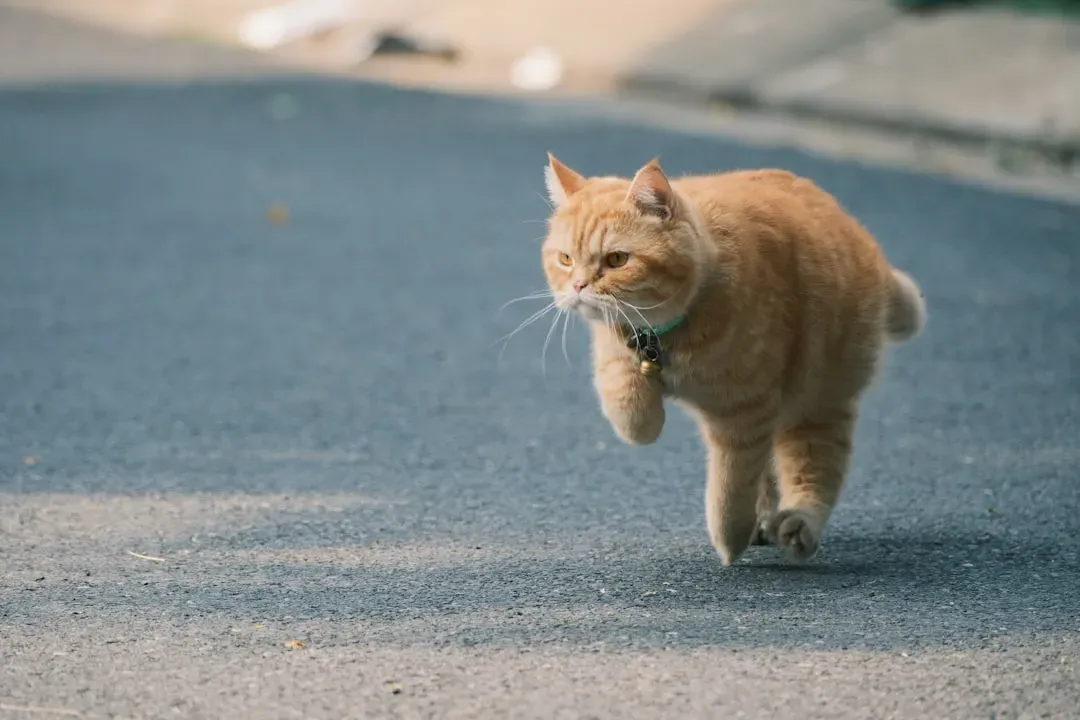
Most of the time, zoomies are completely harmless and just part of being a cat. However, sometimes they can indicate a problem. Anxiety or distress can trigger zoomie-like behavior, though these episodes typically look different from playful ones, with anxious cats often appearing uncoordinated or frantic.
Sudden changes in zoomie behavior might signal underlying health conditions like hyperthyroidism or mobility problems. If your usually calm cat suddenly starts having frequent, intense zoomies accompanied by weight loss or excessive vocalization, that’s worth mentioning to your vet. If your cat starts to exhibit above average levels of activity, it may indicate an underlying health condition such as hyperthyroidism, which increases energy levels in older cats. Pain, fleas, or digestive issues can also cause unusual zoomie behavior.
How to Manage the Madness

You can’t stop zoomies entirely, and honestly, you shouldn’t try. They’re a natural behavior. Try planning playtime sessions throughout the day to avoid the cat zoomies right before bedtime or in the middle of the night. Interactive play is key here.
Break out the feather and string and aim to engage in at least two 15-minute interactive play sessions per day, and play in a way that allows kitty to stalk and plan. Make sure your cat actually gets to catch the toy sometimes. There’s nothing more frustrating for a cat than endlessly chasing something they can never actually catch. Cats tend to sleep after a big meal, so try feeding your cat their main meal just before your bedtime to encourage them to sleep through the night.
Embrace the Chaos
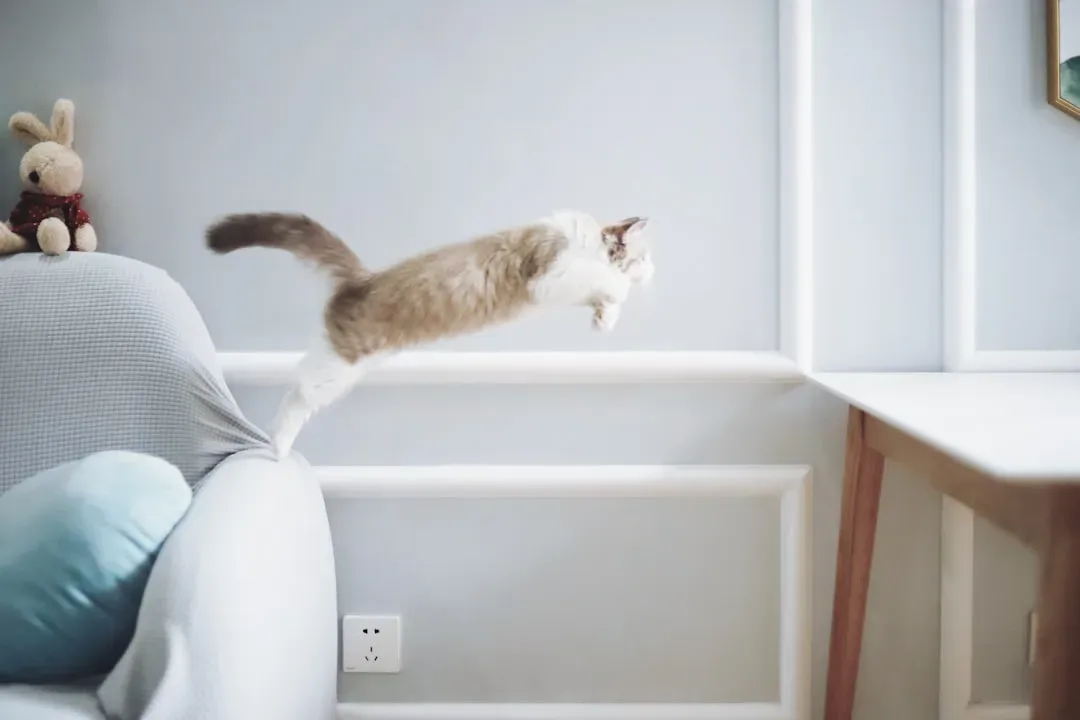
At the end of the day, cat zoomies are just part of the package when you share your life with a feline. Overall, zoomies are a healthy – and often entertaining – phenomenon that comes with being a cat parent, and as long as your cat shows normal, playful behavior, you can relax and enjoy the show.
Sure, they might wake you up at four in the morning or knock your favorite mug off the counter during a particularly enthusiastic sprint. That’s just your cat being a cat. They’re releasing energy, acting on ancient instincts, and probably having the time of their life. Next time you see your cat suddenly bolt across the room with wild eyes and a puffed-up tail, you’ll know there’s actually a method to the madness. What’s your cat’s zaniest zoomie moment been?