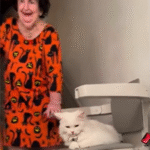
You’ve probably seen those viral videos. A normally dignified feline suddenly transforms into a rolling, drooling, hyperactive ball of fur after one sniff of that unassuming green herb. It’s entertaining, sure, yet have you ever wondered what’s actually happening in your cat’s brain during these bizarre moments? More importantly, does this mysterious plant work its magic on every single cat out there?
Let’s be real. The whole catnip phenomenon is stranger than most people think. There’s science, genetics, and even a bit of evolutionary trickery involved. So let’s dive in.
What Exactly Is This Peculiar Plant?
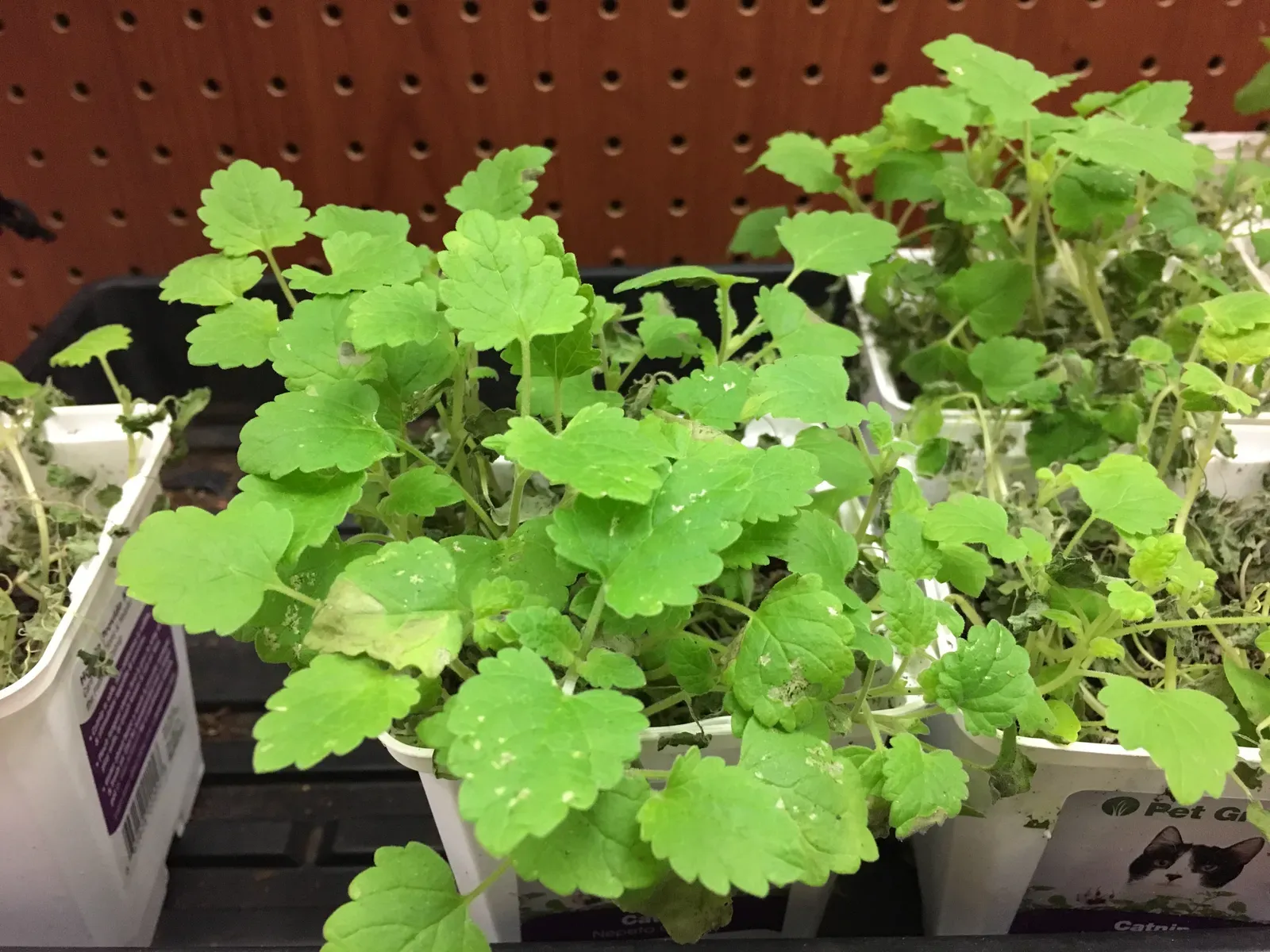
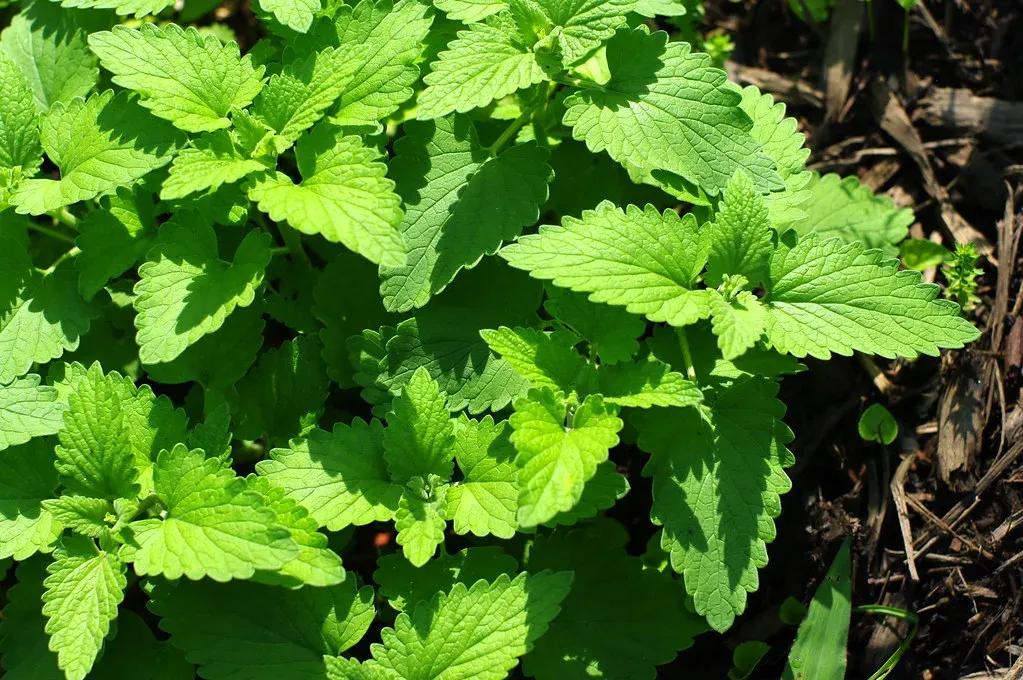
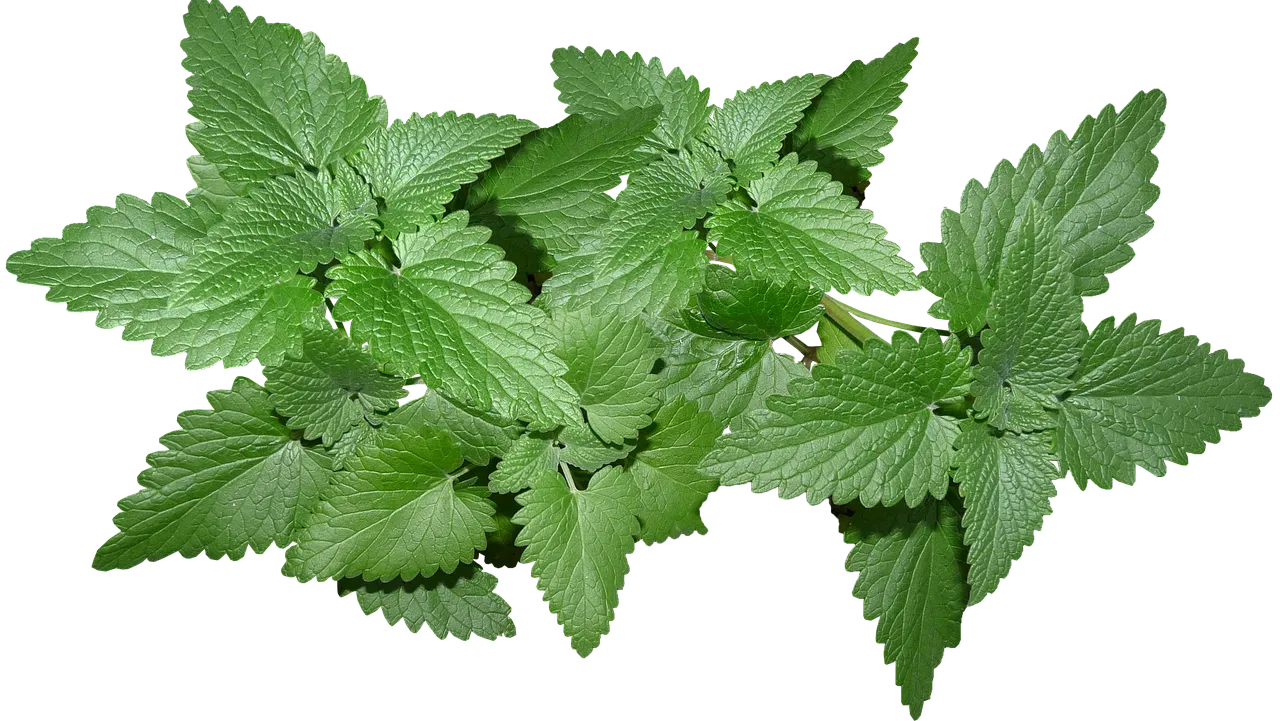
Catnip belongs to the mint family and originated from Europe and Asia, growing up to three feet tall with greyish-green leaves and small white or lavender flowers. Think of it as your garden-variety herb with an extraordinary secret weapon. The plant contains a chemical compound called nepetalactone, which gives it its distinctive odor and is responsible for its unique effects on cats.
What makes nepetalactone so special is how it’s distributed throughout the plant. Nepetalactone is found in the leaves, stems, and flowers of the plant. When crushed or bruised, these parts release the compound into the air, where it can work its peculiar magic on susceptible felines. Honestly, it’s hard to believe such a simple-looking plant can cause such dramatic reactions.
The Secret Chemistry Behind the Feline Frenzy
Nepetalactone enters the cat’s nasal tissue, where it is believed to bind to protein receptors that stimulate sensory neurons, which in turn provoke a response in neurons in the olfactory bulb. These signals then travel to different brain regions. It’s like flipping a series of switches in your cat’s head, each one triggering a different response.
Here’s where it gets really interesting. The hypothalamus regulates neuroendocrine responses through the pituitary gland, creating a sexual response, meaning the cat essentially reacts to an artificial cat pheromone. Felidae olfactory receptor exposure to nepetalactones or nepetalactols induces β-endorphin secretion in the blood; this endorphin release in turn activates μ-opioid receptors as an agonist, thus working in a similar manner as morphine or other opioids. Think of it as nature’s way of rewarding cats for behaviors that might benefit their survival.
The Shocking Truth About Which Cats Are Affected
Now here’s something that might surprise you. Veterinary studies suggest that about 60% of cats will have a behavioral reaction to catnip. That means roughly four out of every ten cats you meet couldn’t care less about this supposedly magical herb. About one-third of cats are not affected by catnip, and the behavior is hereditary.
About 30 to 40 percent of cats don’t respond to catnip because the catnip response is a polygenic trait that is inherited. Your cat needs the right combination of genes to experience the full effect. If they’re missing those genetic components, you could wave a field of catnip in front of their nose and they’d probably just yawn. Age matters too. Most cats won’t react to catnip until they are 6 months to 1 year old.
How Your Cat Actually Behaves Under the Influence
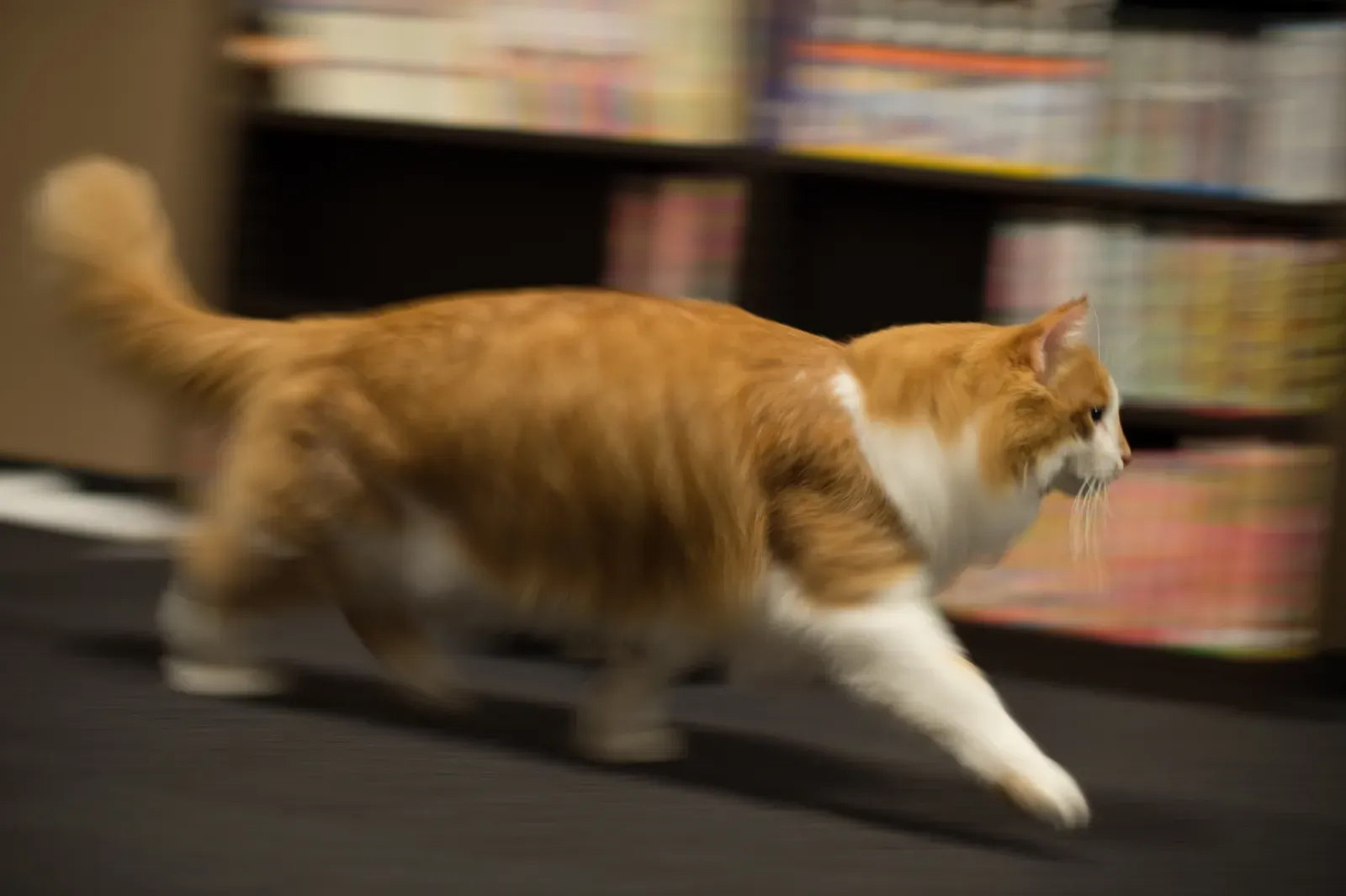
Many cats become very hyperactive and energized after being exposed to catnip, running around, playing, and getting involved in other high-energy behaviors. Some felines zoom around like they’ve had ten cups of coffee. Others take a completely different route. After being exposed to catnip the cat feels relaxed and calm, rolling around on the ground, purring, and seeming very content.
The experience typically doesn’t last very long. The effects of catnip on cats are temporary and typically last between five and fifteen minutes. After that euphoric episode ends, it’ll be about two hours before kitty responds to catnip again. It’s almost like they need a cooldown period before their system can be triggered once more.
Why Evolution Gave Catnip This Bizarre Power
Let’s be honest, catnip didn’t evolve to entertain your housecat. The adaptive function of nepetalactones in Nepeta is to protect against herbivorous insects, not to stimulate cats; notably, nepetalactones can repel insects with efficiencies comparable to the synthetic repellent DEET. That’s right. The plant developed this chemical defense system to ward off bugs, not to create viral cat videos.
The study concludes that rubbing the plants protects the felines against mosquito bites. In the wild, when cats rub against catnip or similar plants, they’re essentially applying natural insect repellent to their fur. Nepetalactol-treated heads of sedated cats in chambers full of mosquitoes had about half the number of mosquitoes land on them compared to feline heads treated with a neutral substance. Mother Nature is pretty clever, honestly.
Is Catnip Safe or Should You Worry?
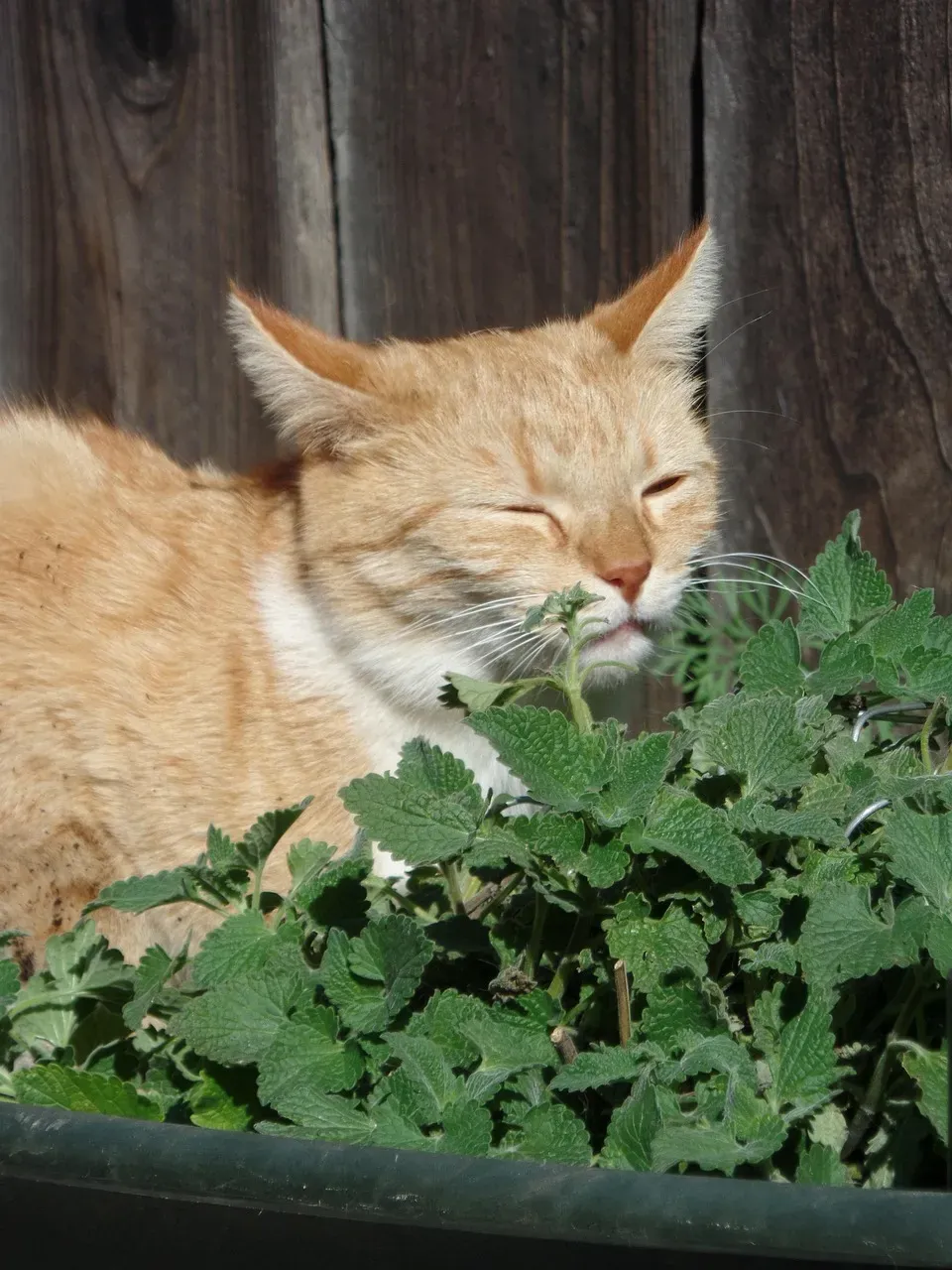
Catnip is safe and it’s not addictive. There’s good news for concerned pet owners. Cats cannot overdose on catnip. Your cat might get a bit carried away during their catnip session, yet they won’t experience anything truly dangerous from the herb itself.
That said, moderation still matters. Too much catnip can cause some health problems, such as vomiting, diarrhea, dizziness, or having trouble walking. They shouldn’t eat too much of it in one go, as they may experience some mild gastrointestinal distress, such as vomiting or diarrhea. Most cats are smart enough to know when they’ve had enough, though supervising playtime never hurts.
What About Lions, Tigers, and Other Wild Felines?
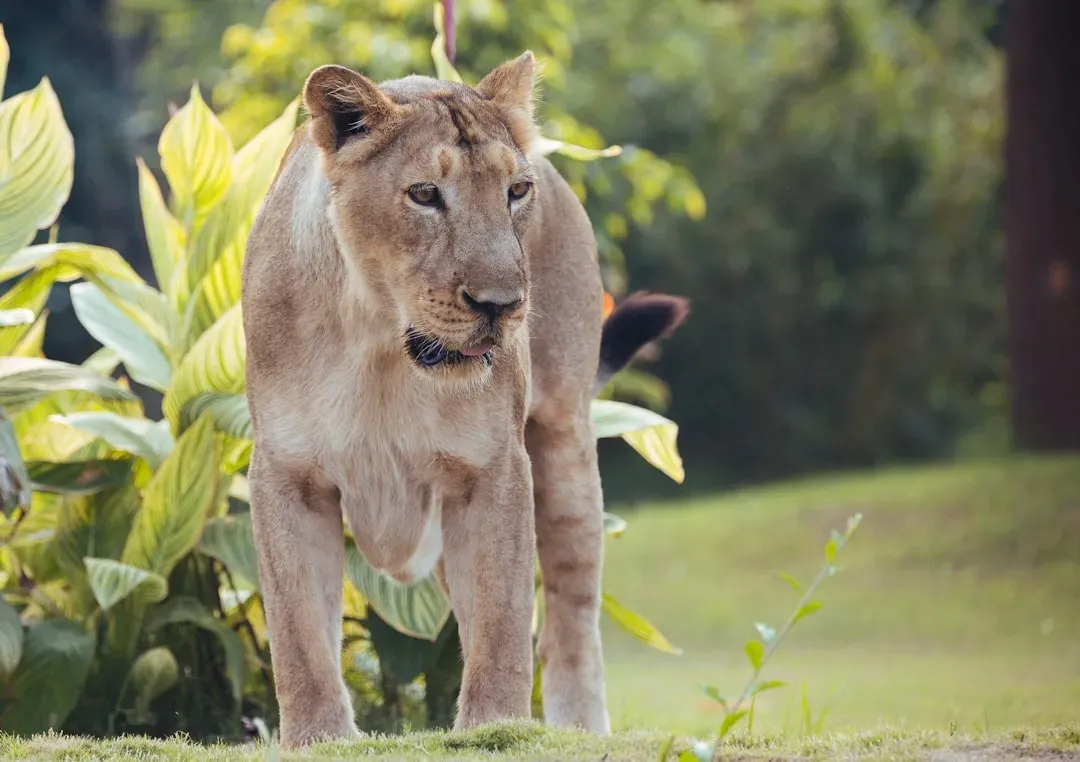
Here’s where things get fascinating. Catnip affects approximately two-thirds of domestic cats and many wild felid species including lions, tigers, and ocelots, inducing playful actions such as rolling over, cheek rubbing, and pawing. Yes, you read that correctly. Those massive predators can turn into giant house cats when exposed to this herb.
Lions and jaguars reacted most strongly to the catnip, even at very low doses, with both males and females responding the same way, though reproductive-age animals were more sensitive than either cubs, immature adults, or very old animals. Tigers, cougars, and bobcats reacted less strongly, and two cheetahs never even approached the catnip or control objects. Even among big cats, individual preferences and genetic factors play their role.
Alternatives When Your Cat Isn’t Into Catnip

Cats may respond in a similar way to other plants such as valerian root and leaves, silver vine or matatabi, and Tatarian honeysuckle wood. If your feline friend gives you a blank stare when presented with catnip, don’t give up on enrichment activities just yet. There are other options worth exploring.
If your cat does not react to catnip, you can try silvervine or valerian. Silver vine actually seems to work on a higher percentage of cats overall. Some cats that completely ignore catnip will go absolutely bonkers for silver vine. Think of it as having backup options in your feline entertainment arsenal.
Using Catnip as an Enrichment Tool
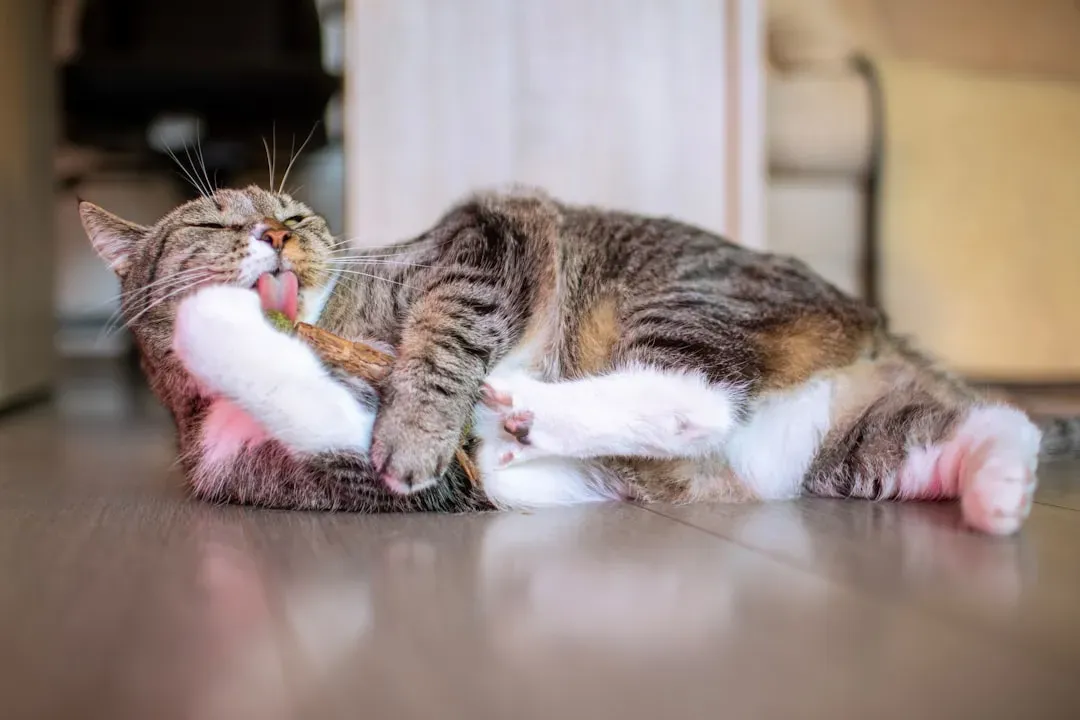
Because cats do respond to catnip again and again, the herb can be a powerful training aid, such as rubbing a scratching post with catnip to make it more appealing. This isn’t just about entertainment. Smart pet owners use catnip strategically to encourage positive behaviors and create enriching environments for their cats.
Some veterinarians have recommended using catnip to help with separation anxiety if your cat will be home alone for an extended period of time. A little sprinkle on a favorite toy or blanket before you leave might help ease your cat’s stress. The calming effects that some cats experience afterward can be genuinely therapeutic.
The Human Connection to This Feline Favorite
Human brains are physiologically different from cat brains and people do not react to catnip by getting high. Sorry to disappoint anyone who was considering trying their cat’s stash. We simply don’t have the same receptors that make catnip work its magic. Our biology just isn’t wired for it.
However, humans have used catnip for other purposes throughout history. Native Americans once used catnip for the uncontrollable cries of infant colic, and it also serves as a mild sedative in some herbal teas. Some cultures continue to brew catnip tea for its gentle calming properties. The plant has earned its place in both human and feline history, just in very different ways.
Conclusion: The Verdict on Catnip’s Universal Appeal
So does catnip really make all felines go wild? The answer is clearly no. Genetics plays the starring role in determining whether your cat will become a catnip enthusiast or remain completely unimpressed. Roughly one-third to forty percent of cats won’t respond at all, and even among those that do, reactions vary wildly from hyperactive zoomies to peaceful relaxation.
What makes catnip truly remarkable isn’t that it affects every cat, but rather how it demonstrates the fascinating interplay between plant evolution, animal genetics, and brain chemistry. The fact that this humble herb can trigger such intense responses in so many felines, from your tabby to a tiger, speaks to something deeper about how nature connects seemingly unrelated species through shared biology. Does your cat love catnip, or are they among the unimpressed minority? Either way, they’re perfectly normal.