You love animals. Maybe you’ve got a furry companion at home right now, or perhaps you’re thinking about adopting one. The age-old debate has raged for decades in homes, workplaces, and even on social media. Team Cat versus Team Dog. The rivalry runs deep.
People get surprisingly defensive when you challenge their pet preferences. Some swear their cats are perfect, independent souls who never need anything. Others claim dogs are the only true companions, loyal to the end. Let’s be real though, each camp thinks they’ve got it all figured out. What if we actually looked beyond the stereotypes and dug into what makes each pet special? You might find some surprises that challenge everything you thought you knew about feline and canine companions.
The Independence Factor: Cats Truly Do Their Own Thing

Cats are more independent and generally cheaper and less demanding pets, which honestly appeals to a lot of people who have packed schedules. Think about it this way: you can leave your cat alone for several hours during a typical workday without worrying about accidents or destructive behavior.
British Shorthairs are content to hang out by themselves when alone and will gladly warm your lap when you come home, being affectionate but never demanding. Many cat breeds possess this balanced temperament. They won’t guilt-trip you for working late.
Cats are self-grooming animals who spend significant time cleaning themselves and tend to be litter-trained, making bathroom management far easier than dealing with multiple daily walks. Still, here’s the thing many people miss: while cats can be kept home alone for longer periods than dogs, they are still dependent on us and are not low-maintenance companions, and the misconception that cats require little or no care causes many to suffer needlessly.
Dogs Demand Attention But Deliver Unwavering Loyalty

Dogs are hardwired with a pack instinct that makes them social, friendly, and all too happy to belong to a family, and they instinctively go wherever their pack goes. This deeply embedded trait creates an incredibly strong bond between dogs and their owners.
Dogs can be there for you even when people can’t, offering unconditional love, emotional support, and constant cuddles that help stave off social isolation. Honestly, few things compare to the greeting you get when you walk through the door after a long day. Your dog acts like you’ve been gone for years, even if it’s only been a few hours.
A dog will likely require quite a bit more of your time and attention than a cat. They need walks, training, socialization, and consistent interaction. Dogs force you to get up and move, and research found that dog owners are more likely to report regular physical activity than people who don’t own dogs, as activities like feeding, grooming, playing and letting them outside all increase physical activity levels.
The Health Benefits: Both Pets Offer Major Perks

Here’s where things get interesting. People who had owned cats in the past were less likely to die from a heart attack during a thirteen-year study than people who had never owned cats, even when accounting for other risk factors like blood pressure, cholesterol, smoking, and body mass index. That’s a pretty compelling statistic for cat lovers.
Cats lower your stress level – possibly since they don’t require as much effort as dogs – and petting a cat has a positive calming effect, with one study finding that over a ten-year period cat owners were roughly thirty percent less likely to die of a heart attack or stroke. The calming presence of a purring cat shouldn’t be underestimated.
Yet dogs aren’t far behind in the health department. An impressive eighty-six percent of pet owners report positive impacts on their mental well-being from dog ownership. Research indicates that dog ownership can significantly reduce symptoms of depression, particularly among older adults, and short-term interactions with therapy dogs have been shown to significantly lower anxiety levels in both children and adults.
The Cost Reality: Your Wallet Will Notice the Difference

Dogs often tend to be more expensive to care for than cats between food, toys, training classes, daycare, and vet bills. It’s hard to say for sure, but the financial difference can be substantial over a pet’s lifetime. The initial year of dog ownership can cost up to one thousand and thirty dollars, with annual surgical vet visits costing around four hundred seventy-two dollars for dogs versus two hundred thirty-two dollars for cats.
Cats simply need less. Because cats are independent by nature they have learned to care for themselves and generally only rely on their human for food, with play stimulation as simple as a flashlight or a feather tied to a stick. That doesn’t mean cats are cheap to maintain, but your monthly expenses will typically run lower.
While dogs give you the most benefits of any pet, they require more time and financial commitment, costing an average of two hundred twenty-seven dollars per year in vet bills, with larger dogs requiring even more spending on food. Think about this carefully if you’re on a tight budget or planning for long-term expenses.
Emotional Connection: Who Really Loves You More?

The perceived relationship that an individual has with cats is better than that with dogs because the perceived cost of the relationship is greater with dogs, however, the emotional closeness that occurs in the relationship is greater with dogs. That’s a fascinating finding from research conducted in Mexico. People feel more emotionally connected to their dogs, yet they rate the overall relationship with cats as better because it’s less demanding.
Cat owners have better psychological health than people without pets, claiming to feel more happy, more confident, and less nervous, and kids who had a strong bond with their cats had higher quality of life, feeling more fit, energetic, and attentive. The benefits are real, even if cats show affection differently than dogs.
Dogs wear their hearts on their sleeves. Dogs offer non-judgmental companionship, unconditional love, and a sense of purpose, which can help ease symptoms of depression, anxiety, and stress-related disorders. There’s no ambiguity about whether your dog loves you. Meanwhile, cats can be just as good companions as dogs, especially for women, with research finding that having a cat is the emotional equivalent of having a romantic partner, and cats remember kindness shown to them and return the favor later.
Lifestyle Compatibility: Which Pet Fits Your Life?

An introverted person who lives in an apartment and enjoys spontaneously occurring activities might find a cat makes more sense than a rowdy dog who needs more attention, while an outgoing person with a structured lifestyle might prefer the friendly attention dogs offer. Your personality genuinely matters here.
Cats are generally better pets for apartment living because they require less space and don’t make as much noise, though certain dog breeds make great apartment pets. Space constraints shouldn’t be ignored. While dogs can be happy living in a small apartment, they still need outdoor exercise, and if you lead an active lifestyle and can take your dog on walks, a dog can be a great fit, however, if you live in a small apartment a cat can be an excellent companion.
Working long hours? Dogs require a lot of attention and exercise, while cats are relatively low-maintenance, so if you work long hours or travel often, a cat might be a better choice, however, if you have plenty of time to devote to your pet, a dog might be the better option. Let’s be honest: dogs can’t just be ignored all day.
The Training and Intelligence Debate

Unlike cats, dogs help humans with a seemingly endless list of non-pet related problems, which gives them the leg up in this category. You’ve got search and rescue dogs, therapy dogs, service dogs, and dogs that can detect cancer or seizures. Cats simply aren’t used this way.
Dogs can be a lot tougher to potty train than cats, especially puppies, as teaching them where it is and isn’t acceptable to go usually takes a lot of repetition and positive reinforcement. However, that same trainability means dogs can learn dozens of commands and behaviors. While cats can be trained to some extent, they are generally less responsive to training compared to dogs, as cats have a more independent nature and may not always follow commands.
Dogs have larger brains than cats, and while larger brain size doesn’t always indicate higher intelligence, research indicates that since dogs were initially domesticated, their brains have continued to grow while cats’ brains have remained nearly unchanged, as dogs interact socially in more complex ways than cats. Yet other researchers believe cats are as smart as dogs, but their intelligence is demonstrated differently as a result of dissimilar evolutionary paths, with cats’ independence along with natural feline cautiousness and curiosity showing a high level of intelligence.
Social Dynamics: Making Friends Through Your Pet

Nineteen percent of pet owners report increased social interactions due to their pets, as dogs help facilitate social interactions, making it easier for individuals to meet new people, with community dog parks serving as social hubs where owners can connect. Walking your dog becomes a conversation starter whether you’re naturally outgoing or not.
Cats can surprise you in this department too. Cat owners are more socially sensitive, trust other people more, and like other people more than those who don’t own pets, and if you call yourself a cat person, you’ll tend to think other people like you more. I think that’s a curious psychological effect that speaks to how pet ownership shapes our worldview.
Dogs are drawn to other dogs, which means their owners come along too, and having your dog with you in a public place is a great conversation starter, as dogs act as social magnets encouraging owners to engage with others, meaning you’ll be socializing more even if you don’t realize it. The social benefits are undeniable for dog owners who might otherwise struggle with meeting people.
Living Space Requirements: Size Matters

Cats are generally smaller than most dog breeds, which means they require less space to live comfortably and are well-suited for apartment living or homes with limited outdoor access. This physical reality shouldn’t be dismissed if you’re renting or living in an urban environment with limited square footage.
Cats generally get their exercise through play and through their hunting nature where they will stalk prey and leap up high, and because of this, cats don’t usually need as much area to roam around, though in a large house you might lose your cat for a while. They adapt remarkably well to smaller environments as long as they have vertical space to explore.
Dogs need room to move. Larger breeds especially require adequate space both inside and outside. Dogs tend to need more care than cats, as you’ll want to ensure your pup has daily exercise, which means a few walks, a couple play sessions, and maybe a good romp at the park. That’s not optional; it’s essential for their physical and mental health.
The Personality Match: Understanding What You Really Want

Compared to dog lovers, cat lovers tend to be more open to new experiences, but are also less extroverted, less warm and friendly, and more neurotic, experiencing more negative emotions and suppressing them more. That doesn’t mean cat people are worse; it just means different personalities gravitate toward different pets.
Cat owners are quieter and more introverted than dog lovers, however, they score very highly when it comes to how trustworthy they are and how much they trust other people, and cat owners are also less manipulative and more modest. There’s no shame in recognizing that a quieter, more independent pet might suit your temperament better.
People tend to want pets that complement their own personality traits and lifestyles, and most arguments about the superiority of cats or dogs are really just a way some people try to criticize folks who have different lives than them. Here’s the thing: the best pet is the one that actually fits your real life, not the one everyone else says you should have.
The Truth: Neither Is Objectively Better
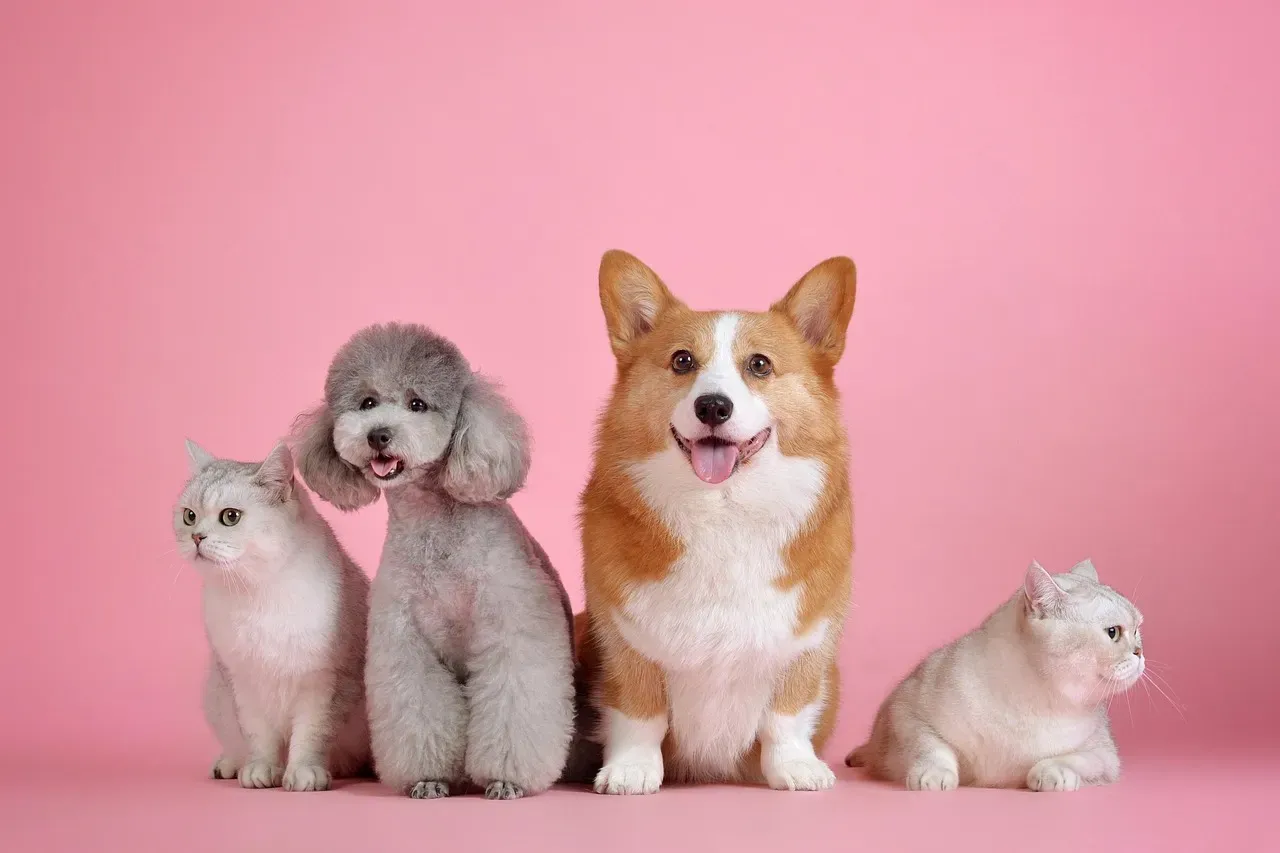
Pet ownership remains a cornerstone of American life, with ninety-four million U.S. households owning a pet accounting for seventy-one percent of all households, with dogs clinching the top spot in America’s heart as the preferred companion. The numbers reveal that slightly more people choose dogs, though cats maintain a massive following.
Cats and dogs aren’t the only ones with different temperament and personality traits, and whether your personality aligns more closely with that of a dog person or cat person, these are all generalities, as cats and dogs are not only different species but individuals within each species, and factors such as genetics, breed temperament, and the animal’s history all play a part. Every animal is unique. So are you.
What truly matters isn’t which species is superior. It’s about honest self-assessment. Can you commit to walking a dog multiple times daily for the next decade or more? Do you prefer an animal that greets you enthusiastically versus one that might choose alone time? Are you prepared for higher costs and greater time demands, or do you need something more manageable?
Both cats and dogs enrich millions of lives. Seventy-seven percent of U.S. pet owners report that financial concerns have not impacted their pet ownership, with ownership expanding to ninety-four million U.S. households now owning at least one pet, up from eighty-two million in 2023. People clearly find immense value in these relationships regardless of species.
The “better” pet is the one that matches your lifestyle, personality, living situation, budget, and capacity for care. Neither cats nor dogs win in all categories. They excel in different areas and appeal to different types of people. Stop trying to declare a universal winner and start figuring out which companion actually makes sense for your unique circumstances. That’s the truth. What do you think? Have you chosen the right pet for your life, or are you still on the fence?