Most people see someone walking a cat on a leash and do a full double-take, like they just witnessed someone teaching a goldfish to fetch. It seems absurd. Cats are independent, unpredictable, and famously uninterested in doing what you ask. So the idea of snapping on a harness and heading down the sidewalk together feels almost laughable at first.
Honestly though? It’s very real, increasingly popular, and – when done right – genuinely wonderful for both you and your cat. A 2025 report by The American Pet Products Association highlighted the ongoing rise in cat ownership and confirmed a strong focus on proactive pet wellness, with roughly a third of cats already using a leash. That number might surprise you. So let’s dive in and unpack everything you need to know.
Why Walking Your Cat Is Actually a Great Idea

You might think your indoor cat is perfectly content lounging in a sunbeam all day. Sometimes that’s true. Some cats naturally crave more adventure than what your home can provide, and in those cases, leash training can help nurture that adventurous nature while also providing physical activity and mental stimulation. Think of it like the difference between a person who loves hiking and one who is happy with Netflix – both are valid, but if yours clearly wants the trail, why not give them one?
Outdoor walks can help keep an indoor cat fit and healthy, preventing obesity and related health issues. The new sights, sounds, and smells of the outdoors provide mental stimulation that can reduce boredom and promote overall well-being, since cats are naturally curious and exploring new environments satisfies their innate desire to investigate. Beyond the physical perks, there’s something almost magical about watching your cat discover a patch of grass or track a butterfly – it’s enrichment you simply cannot replicate indoors.
Is It Safe? Let’s Be Real About the Risks

While indoor cats use an average of roughly 40 square yards in their home, community cats are natural hunters known to roam up to 150 acres – but this far-reaching outdoor life comes with serious risks. In fact, outdoor cats live only about half as long as indoor-only cats, due to exposure to cat fights, infectious diseases, and injuries. That stat alone is pretty sobering. A leash is your answer to giving your cat the outside world without surrendering them to its dangers.
Allowing cats to roam freely outdoors poses several serious risks, including traffic, predators, diseases, and the potential to disrupt local wildlife. Leash training allows pet parents to give their feline friends controlled access to the outdoors while minimizing the impact on wildlife and reducing the risk of injury or disease to the cat. It’s a win-win, really – your cat gets the adventure, you get the peace of mind.
How to Know If Your Cat Is a Good Candidate

While kittens are generally more adaptable and quicker to learn new behaviors, adult cats can also be successfully leash trained with consistent, patient efforts. Cats who are confident, curious, and not easily startled tend to respond best to leash training, while timid or anxious cats may find the experience overwhelming without gradual desensitization. I think the best way to gauge this is simply to observe your cat’s daily curiosity level. Do they rush toward the front door every time it opens? That’s a green flag.
Some cat breeds are known for being more outgoing, curious, or water-loving than others, which may make them more accepting of leash training. These often include larger or more active breeds such as Bengals, Savannahs, Norwegian Forest Cats, Maine Coons, and Turkish Angoras. That said, breed is just one piece of the puzzle. Cat leash training largely depends on the cat’s personality, and as the owner, you know your kitty the best – it’s ultimately up to you to decide if yours is the kind of cat that would enjoy the benefits.
Choosing the Right Gear – It Matters More Than You Think
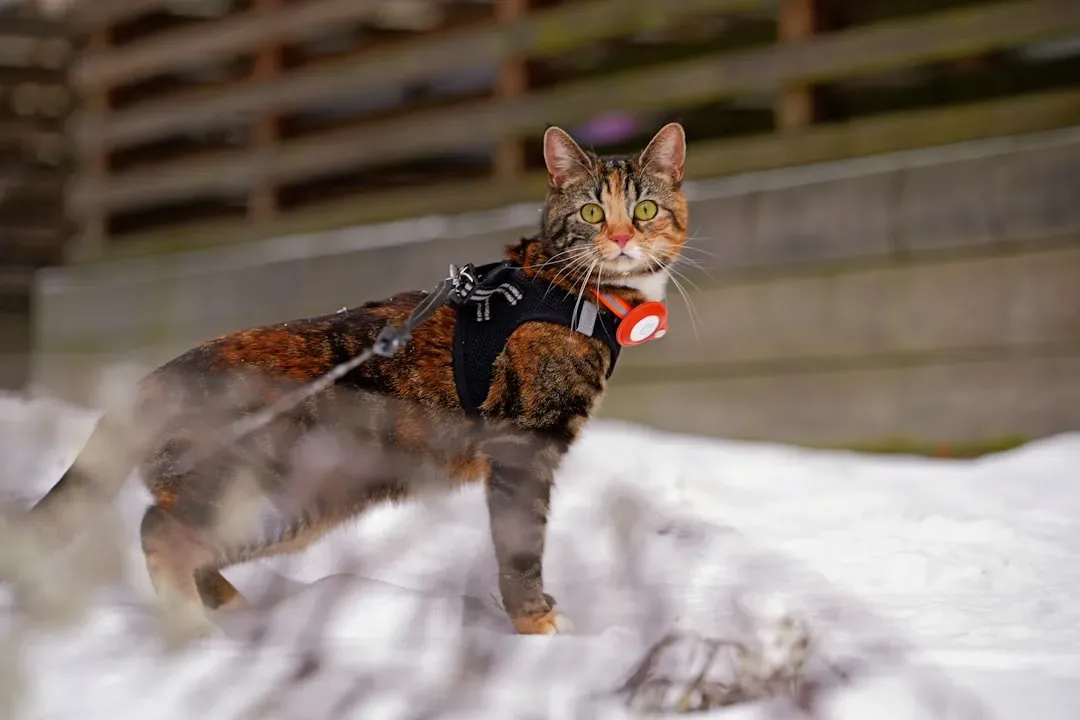
You should choose a harness designated specifically for cats, since these are more secure than those designed for dogs. Never attach a lead to a collar, as cats have sensitive throats and neck muscles – pressure from pulling can cause injury, whereas a harness absorbs tension from the cat’s shoulders and chest. The harness-versus-collar distinction is non-negotiable. It’s the difference between a safe outing and a potential injury, plain and simple.
Your cat’s harness should feel snug but not too tight – you should be able to place two fingers between the harness and your cat’s body. As for leashes, experts recommend a shorter lead to keep your cat nearby and under more careful control. Bungee leashes are also a solid option for cat leash training, as they have the capability to stretch so your cat can wander a little without any risk of injury. Skip the retractable leash – it gives too much slack and teaches your cat to pull.
Introducing the Harness: Patience Is Your Secret Weapon

Leave the harness and leash near your cat’s food or favorite sleeping spot for several days. This way your cat will get used to the sight and smell of it and associate it with feelings of contentment and comfort. Then hold the harness, let your cat sniff it, and offer them treats. This is the step most people skip entirely, and it’s exactly why so many early leash-training attempts fail. Think of it like introducing a stranger – you don’t force a handshake on day one.
When harness and leash training a cat, you shouldn’t expect to just put the harness on and have your cat be completely okay with the process. For most cats, it doesn’t work that way. The goal is to gradually desensitize your cat to the touch and feel of the harness, making it a pleasant experience. The most important rule in harness training is never to push your cat past their comfort zone – if they show even small signs of stress, back it up and move forward more slowly.
Taking It Indoors First: Your Living Room Is the Training Ground

Start harness training indoors so that your cat is comfortable with it before you venture outside. Once you’ve gotten your cat comfortably wearing the harness, it’s time to introduce the leash. The first few times you attach the leash, don’t hold onto it. Let your cat drag it behind them so they get used to the feel of the tug it creates. Give a treat. Repeat the process for as long as it takes until they don’t seem bothered anymore.
Allow your cat to set the pace and lead the way. You can either loosely hold the leash or let it drag on the floor behind them. Some cats will want to play with the leash or get scared of it if dragged behind them, so adjust as needed. Training sessions should be short, ranging from two to five minutes. Short and sweet wins the race here. You’re building trust, not completing an obstacle course.
Heading Outside for the First Time: Go Slow, Go Calm
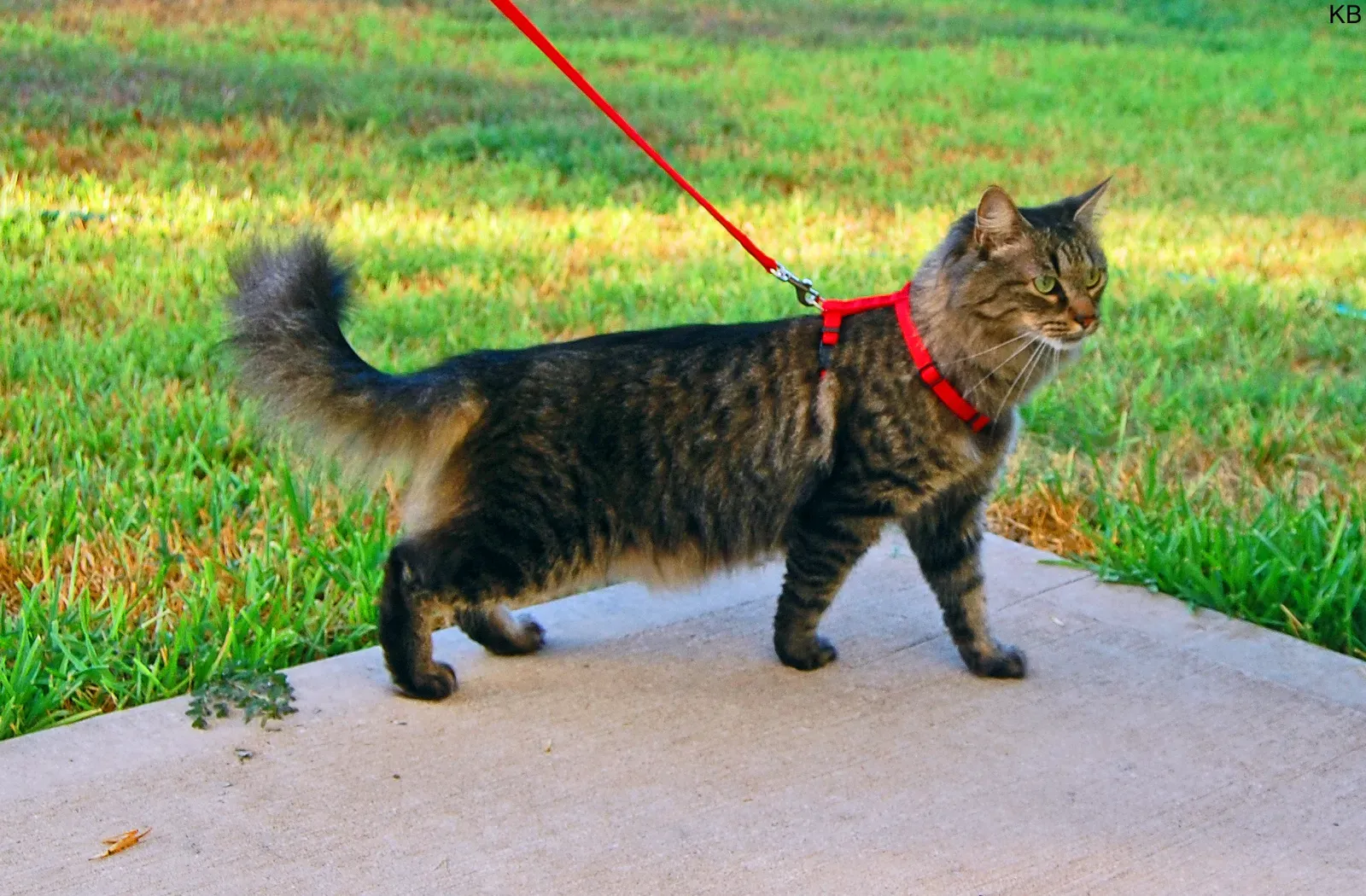
Most cats who haven’t been outdoors are nervous and easily startled outside. So start in a quiet, sheltered spot and just sit with your cat on the leash. They’ll start exploring as they adjust. Your first outing doesn’t need to be dramatic. A few steps outside the back door counts as a victory. Truly. Don’t underestimate how enormous the outside world feels to an animal who has never experienced it.
If your cat is frightened or hesitant, do not force them to go out. Instead, stop for the day and try again later. Make sure to bring treats for your cat when walking outside. Keep the time spent outside to a few lovely minutes, as when it comes to training, it is far better to end on a positive note than a negative one. Just be sure to avoid busy roads or areas that tend to be populated with dogs. Safety should always be a priority, and these types of environments can easily scare a cat.
The Importance of Health and Safety Precautions

In addition to your equipment, make sure your cat is up-to-date on all their vaccines, as well as their flea and tick medication. Your cat may encounter other kitties or creatures while outside, making their rabies and feline leukemia vaccines all the more important, and you’ll want to ensure they’re well-protected from fleas and ticks. Think of this the same way you would preparing a child for a playground – you wouldn’t skip the sunscreen and the sneakers just because the trip is short.
Your cat should be spayed or neutered, and they should be microchipped before going outside, just in case. Never tie your cat’s leash to something outside and leave them, even if you plan to be gone for only a minute or two. Your cat might get tangled in the leash and hurt themselves, and they won’t be able to escape if a dog or other animal approaches. In fact, it’s best to avoid leaving your cat outdoors unattended altogether, whether they’re on a leash or not.
What If Your Cat Simply Won’t Take to the Leash?
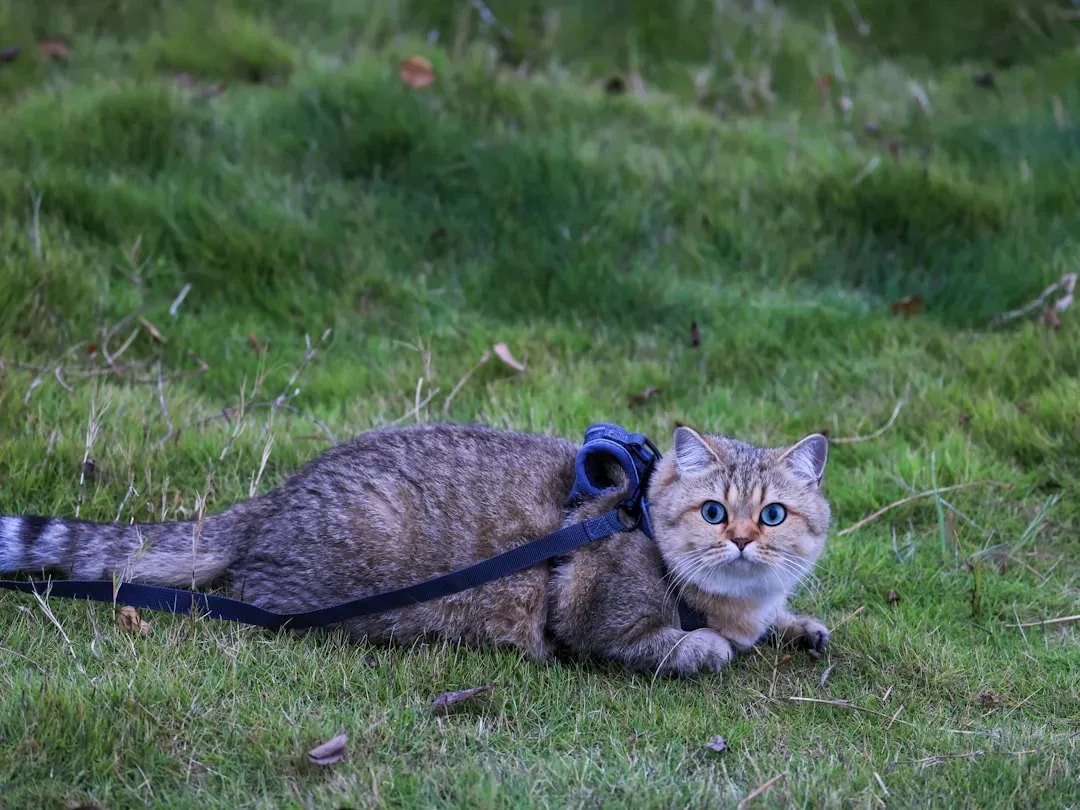
Not every cat will become an enthusiastic leash walker, and that’s perfectly normal. Success might mean a cat who enjoys sitting outside in their harness rather than walking miles. Some cats prefer being carried during portions of walks, others like to follow from a distance, and some simply enjoy supervised yard time without venturing beyond familiar territory. The goal isn’t to change your cat’s fundamental nature but to expand their safe exploration options within their comfort zone.
There are many other ways to provide enrichment for your cat. You can build a catio – a customizable patio for cats that is usually an enclosed area and an extension of your living space, typically constructed just outside a door or window, keeping both your cat and wildlife safe. Window perches or hammocks are also a clever way to allow your cat to view the outdoors from the comfort of home. You can also use cat-safe plants like catnip or cat grass to bring the outdoors in, or even clicker training to give your cat the stimulation they need. There are always options – and a happy cat is the only true goal.
Conclusion: A Leash Is Just the Beginning of a Bigger Adventure

Here’s the thing about cats and leashes – the skeptics aren’t entirely wrong. It does take more time, more patience, and a completely different mindset than walking a dog. The truth is, it’s a rare cat who will walk with you on a leash the way a dog does. In the vast majority of cases, you do not walk your cat – your cat walks you. Once you make peace with that, the whole experience becomes something entirely different: a little adventure you share on their terms.
Research supports that natural behavior may still be performed when cats are leashed, providing enrichment and safety at the same time. Participants in cat-walking studies highlighted that they derived several benefits from walking, and many mentioned that seeing their cat enjoy it positively impacted their own emotional state. Leash walking often has benefits that carry over into the home, too. A cat that safely explores outside usually gains resilience and curiosity, which can reduce anxiety indoors, and many owners notice their cats becoming more playful and adventurous around the house once outdoor walks become part of the routine.
So grab that harness, stock up on treats, and start slow. You might just end up with the most interesting walking partner you’ve ever had. Have you ever tried leash training your cat? What was your experience like? Share it in the comments – we’d love to hear your story.