You’ve probably laughed at the viral videos. A fluffy cat perched at the edge of the tub, nose twitching with curiosity, then leaping back in sheer horror the moment a single drop lands on its paw. We’ve been told for years that cats and water simply don’t mix. It’s practically a cultural law. But here’s the thing – that story is only half true, and the other half is genuinely fascinating.
The relationship between cats and water is layered, surprising, and packed with evolutionary secrets that most people have never thought about. Whether you’re a long-time cat owner puzzled by your pet’s weird relationship with the drinking bowl, or you’re just curious about why cats behave the way they do, get ready to have a few assumptions flipped upside down. Let’s dive in.
The Desert Ancestor: Why History Explains Everything
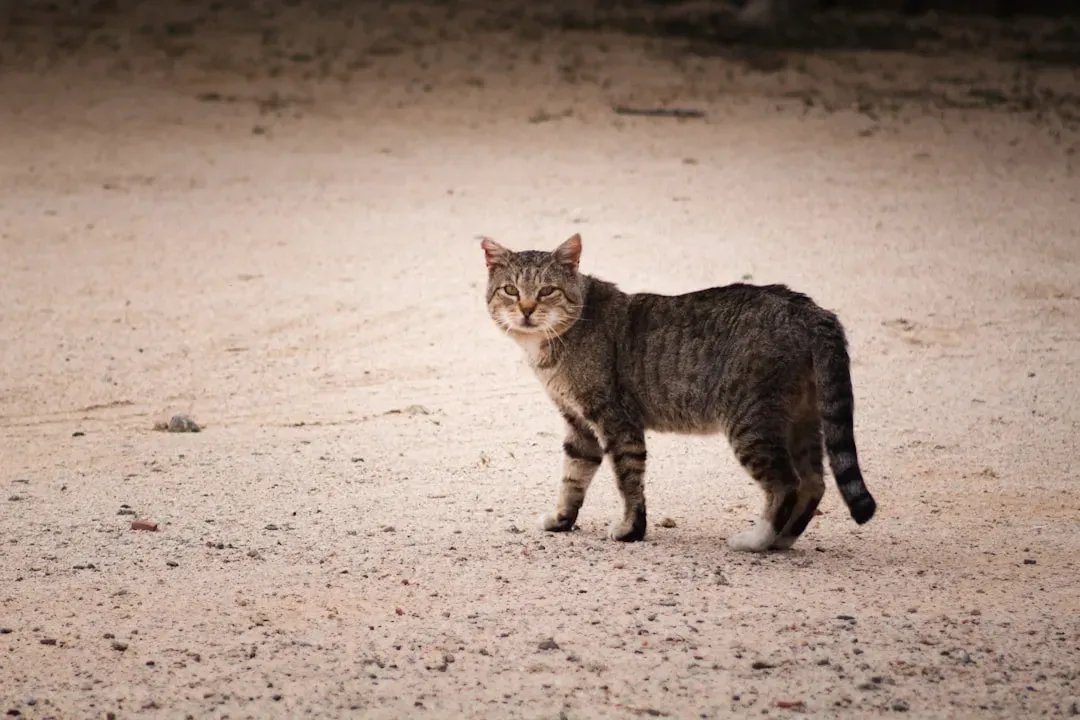
If you want to truly understand why most cats feel uncomfortable around water, you need to travel back thousands of years. Domestic cats evolved from a single ancestor in the Middle East, the Near Eastern Wildcat. Because the Middle East has a dry desert climate with scarce water, cats’ ancestors were rarely exposed to rain, lakes, and rivers, so all water beyond drinking was entirely unfamiliar to them. Think about that for a second. It’s like expecting someone who grew up in the Sahara to feel perfectly comfortable surfing.
Animal behaviorist Kristyn Vitale suspects that the ancestor of the domestic cat, the African wildcat (Felis silvestris lybica), plays a major role in why modern domestic cats avoid water. The African wildcat mostly lives in desert environments, where it rarely encounters large bodies of water or swims. In many ways, cats haven’t changed much in 10,000 years of domestication. Unlike dogs, our feline companions haven’t really been selectively bred as much, so their predatory motor pattern is basically still intact. That ancient programming is still running – just on a creature now lying on your sofa.
The Wet Fur Problem: It’s More Serious Than You Think
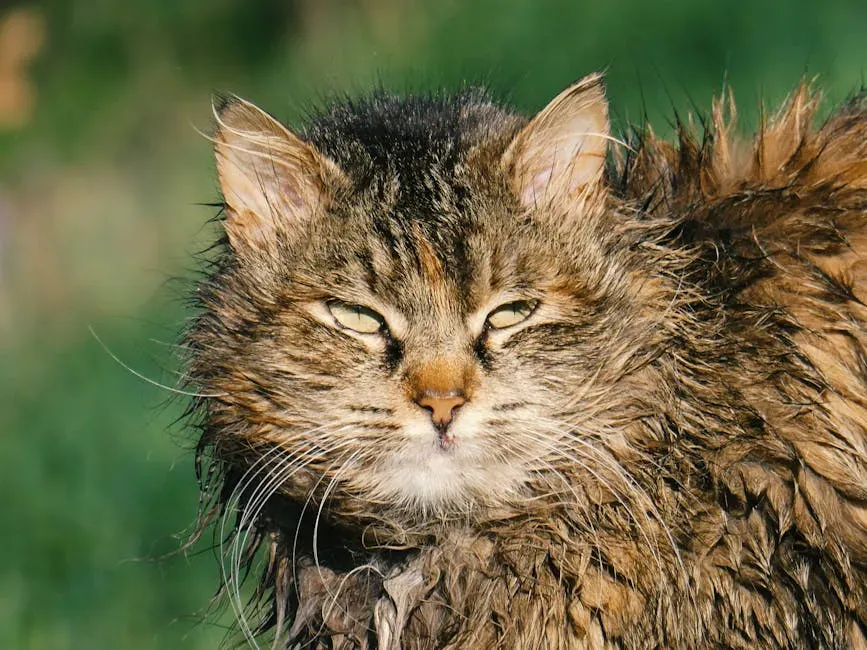
Honestly, one of the biggest reasons cats resist water comes down to something surprisingly practical: their fur. More likely, cats don’t like getting wet because of what water does to their fur. Cats are fastidious animals that spend a great deal of their day grooming themselves. Wet fur is extremely uncomfortable for a cat and often takes a long time to dry. Wet fur is also heavier than dry fur and thus makes a cat less nimble and easier for predators to catch. Less agile means more vulnerable. That’s a big deal for an animal wired for survival.
When a cat’s coat is wet, it’s much heavier than normal. This is uncomfortable and potentially risky. Cats are agile and quick for two important reasons: hunting and avoiding being caught by predators. If they’re suddenly weighed down by a wet coat, they will be less agile, slower, and by extension, less safe. Cats groom themselves with constant regular licking, and this stops skin oils from building up on their fur. As a result, a cat’s coat is fluffier and less waterproof than a dog’s, so they get colder and their fur feels heavier if they get wet. It’s a bit like wearing a soaking sweater on a cold day, except you can’t take it off.
Smell, Scent, and the Sensory Overload
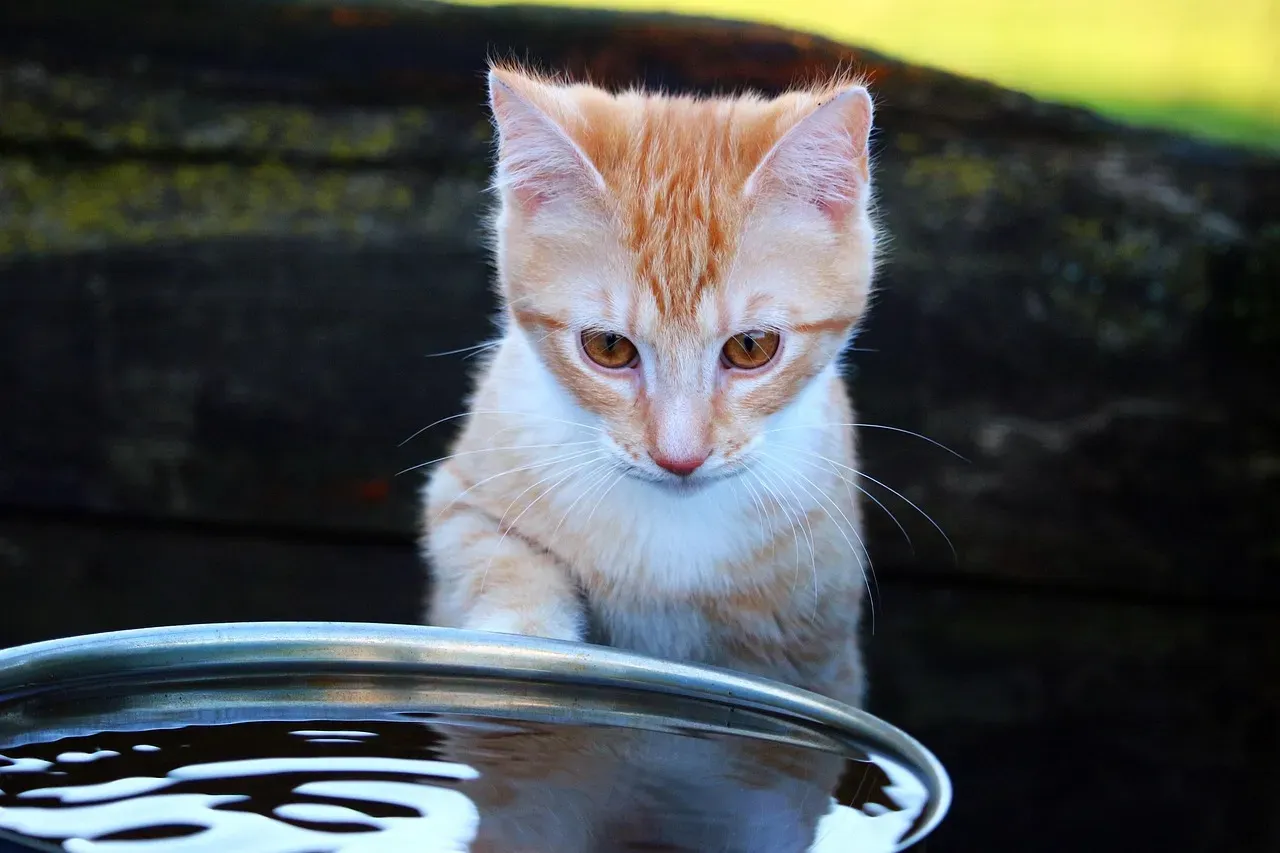
Here’s something most people never consider: cats experience water through their noses just as much as through their fur. Cats’ strong sense of smell helps explain why they don’t appreciate water. Our feline friends are especially sensitive to the odors and chemicals found in water, so they don’t enjoy the smells lingering through their groomed coat. Tap water is treated with chlorine and other chemicals, and to a cat’s extraordinary nose, those scents are anything but subtle.
Bathing a cat might cause issues because you’re potentially masking the cat’s scent, especially if you use a scented shampoo or soap. Cats feel safe and secure when they can smell themselves. If you’re masking their scent, that can cause stress and anxiety. A cat’s scent is extremely important. In fact, a stressed or fearful cat will often surround themselves with their own scent to self-soothe. So when you give your cat a bath and they bolt immediately afterward, they’re not being dramatic. They genuinely feel disoriented.
Not All Cats Hate Water: Meet the Exceptions
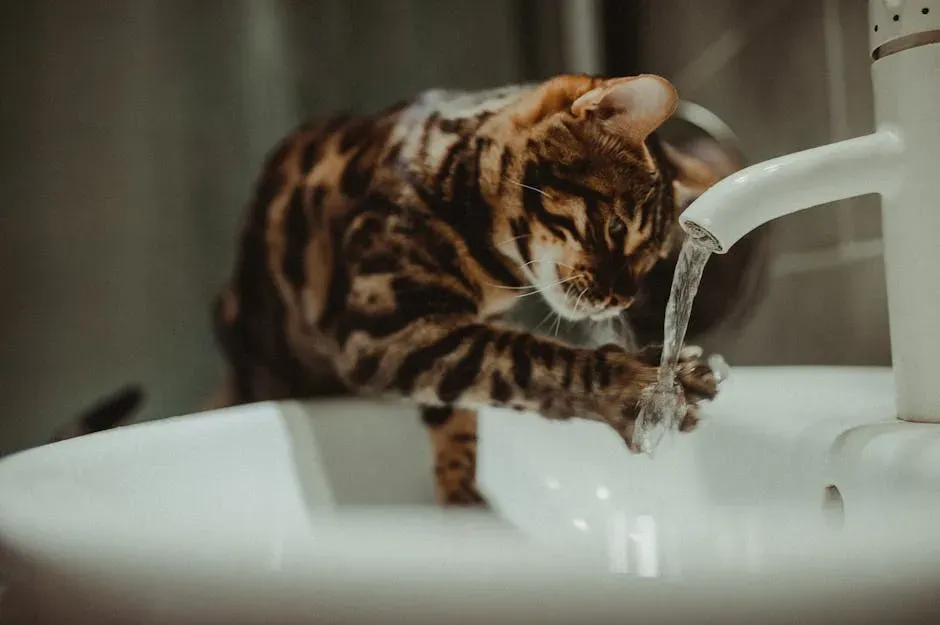
Let’s be real: the “cats hate water” rule has plenty of exceptions, and they are spectacular. The Turkish Van cat has been nicknamed “the swimming cat.” With that, there are interesting tales surrounding this intriguing nickname. The Turkish Van cat has a long, soft coat that helps them glide through the water, and their frame is expertly designed to enhance their swimming abilities. So, really, these cats are built for swimming. A native cat breed to the area of Lake Van in Turkey, it’s believed that ancient Turkish Van cats would fancy themselves a swim across the lake to hunt desirable prey.
The largest breed of domestic cat, the Maine Coon has long or medium hair that’s water-resistant, enabling it to swim as well as withstand cold temperatures. These intelligent cats are fascinated by water, which perhaps stems from the breed’s history of working as pest control on ships. Maine Coons have a reputation for learning to turn on the faucet, as well as scooping water from toilet bowls and dunking toys in their water dishes. Almost every single Bengal cat you meet has a fondness for water. It’s because of this common trait that they often rank high on any list of cat breeds that like water. So if your cat loves splashing around, you’re not imagining things.
The Running Water Obsession: Why Your Cat Loves the Faucet
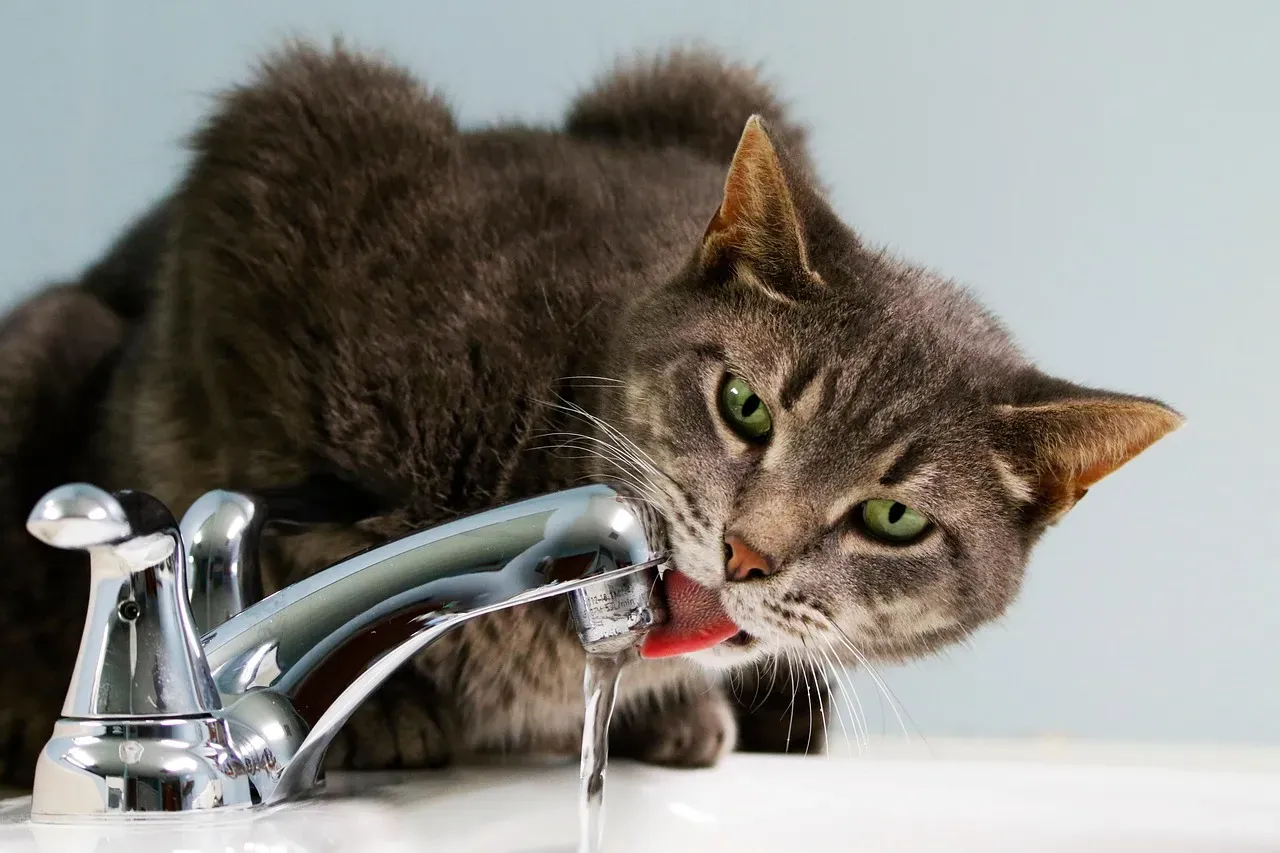
If you’ve ever turned on a tap only to have your cat appear from nowhere like magic, you’re not alone. Many cats prefer running water, since, instinctively, moving water is less likely to have contaminants than stagnant water. This is deeply wired into feline instinct, not some cute quirk your cat invented for attention. Think about it like this: in the wild, a still puddle is far more likely to harbor bacteria than a flowing stream. Your cat’s brain knows this, even if yours doesn’t think about it every time you fill a glass.
Many cats seem to enjoy playing with running or dripping water, such as out of a faucet. Behaviorists believe cats are drawn by the movements of the water and the sounds it makes, all of which can stimulate a cat’s instinctual drive to catch prey. Such play is also acceptable to even an otherwise water-averse cat because only the cat’s paws get wet. Even though your kitty lives a posh life of privilege, their ancestors were wild animals, drinking from rivers and streams. Those wild animal instincts tell them that standing water isn’t always safe. Your cat is, in essence, thinking like a tiny wild predator every single day.
The Bowl Placement Mystery: Location Actually Matters Enormously
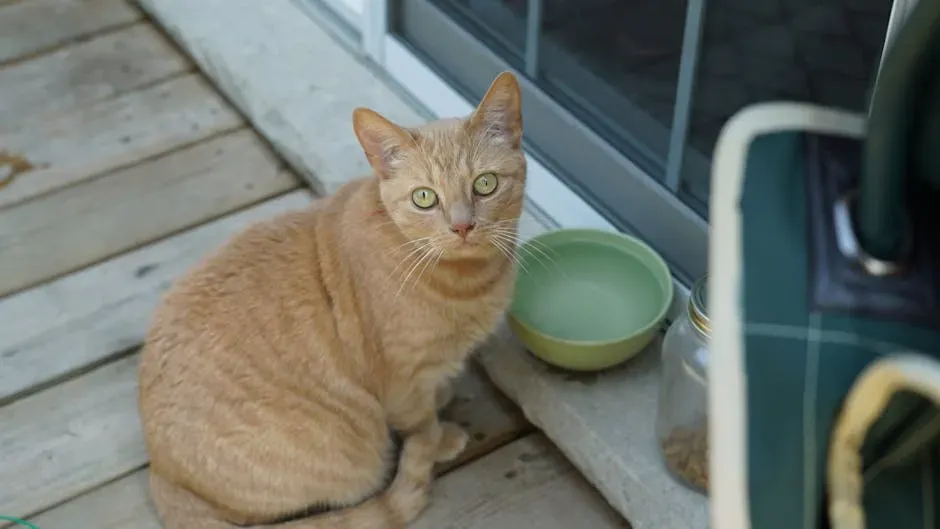
You’d be surprised how many cat owners unknowingly make hydration harder for their pets, simply by where they put the water bowl. Cats may not like to have their water bowls next to their food bowls because in the wild, they would keep their prey away from water sources to avoid contamination. Likewise, you should avoid placing your cat’s water bowl near its litter box. This isn’t pickiness. This is ancient survival logic playing out in your kitchen.
The location of the water bowl can also influence a cat’s willingness to drink. Cats prefer to drink in a quiet, safe environment. If the water bowl is placed in a noisy or high-traffic area, a cat may be hesitant to approach it. The bowl may also be too small, rubbing your cat’s whiskers the wrong way, literally. It’s hard to say for sure which of these factors matters most for your specific cat, but the answer is probably to experiment boldly. Move the bowl, try different sizes, and watch what happens. Cats will tell you, in their very quiet way.
Early Experiences Shape a Cat’s Water Relationship Forever
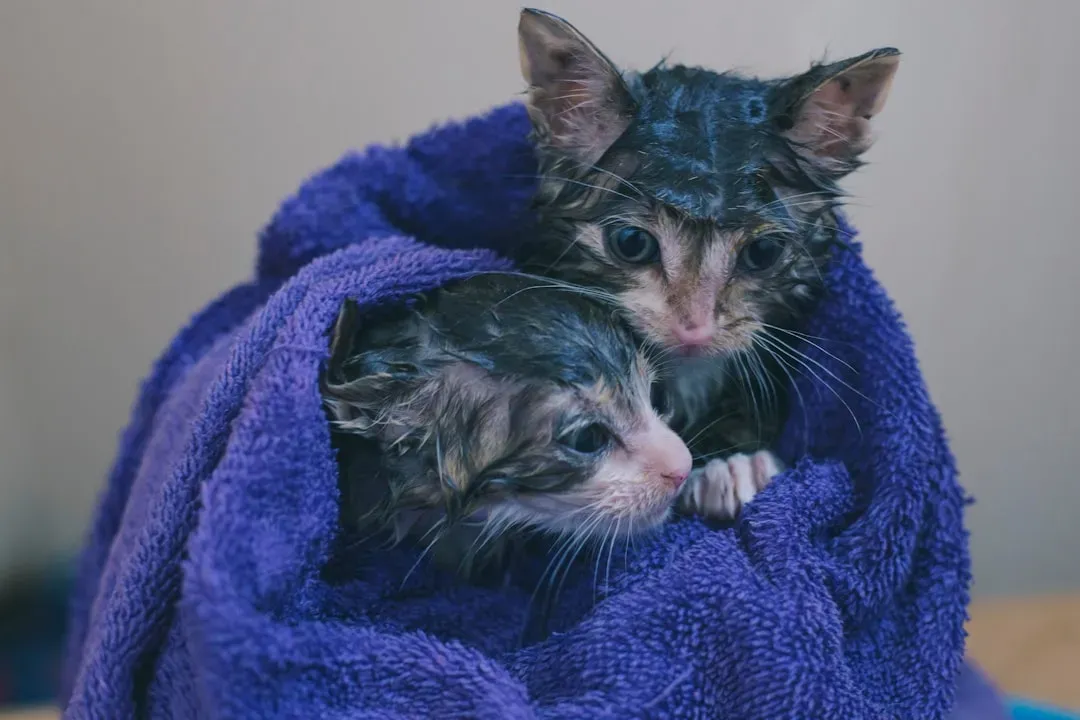
Here’s something that genuinely surprised me when I first learned it. A cat’s attitude toward water isn’t fixed from birth. It’s shaped profoundly by what happens early in life. A kitten’s early experiences could play a big role in how they feel about water for the rest of their lives. While there’s no direct research about whether exposing kittens to water makes them like it more, cat experts do know that exposing kittens to different sights, sounds, scents, textures and experiences helps them become more confident adults. This process is called socialization, and it could apply to water as well.
Some felines could have negative experiences with water, such as having their coat dampened in early kittenhood. In some cases, it’s those very first interactions that can help explain the mystery of why cats despise water. If being submerged in water was a traumatizing experience the initial few times, they’ll likely say no chance at the sight of a bathtub well into their adult years. So if you’ve ever wondered why one sibling cat loves the shower and another one runs from a rain drop, early life is almost certainly the answer. Every cat is an individual. Even with water exposure, some kittens may still show water aversion, while other kittens who have never been exposed to water might enjoy it.
Hydration and Health: When Water Intake Becomes a Serious Concern
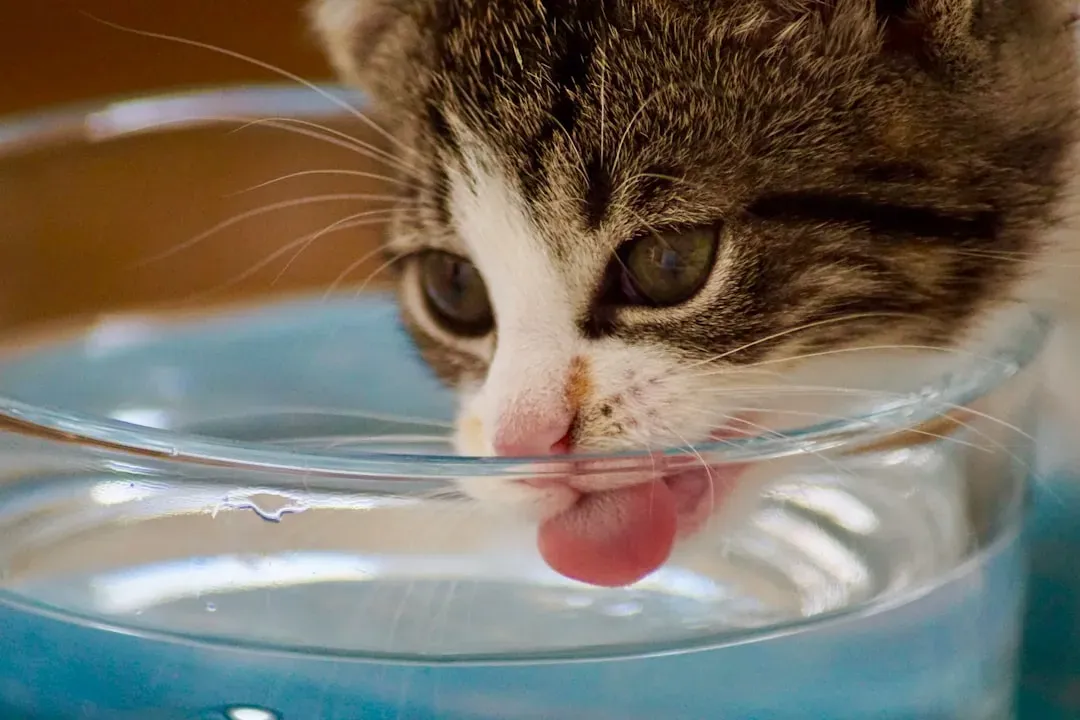
Beyond all the behavioral fascinations, there’s a genuinely critical health angle to this story. Cats evolved to get most of their hydration from eating prey rather than drinking from water sources, so they have a low thirst drive and may not drink enough water on their own. This is exactly why dehydration is such a sneaky and common problem in domestic cats, particularly those eating dry food exclusively.
Dehydration can cause a number of health problems, including decreased circulation leading to multi-organ dysfunction, an inability to control body temperature, cardiac arrhythmias, and neurologic dysfunction. Helping cats avoid becoming dehydrated is a very important aspect of their health maintenance. Urinary problems in cats are commonly a result of dehydration. Urinary tract infections, urinary tract blockages and bladder stones are all much more likely when a cat is dehydrated. Proper hydration flushes harmful bacteria and mineral buildup from the bladder and urinary tract and maintains proper kidney function. When your cat isn’t drinking enough, the consequences can be severe and they can sneak up quietly.
Practical Tips to Keep Your Cat Hydrated and Happy
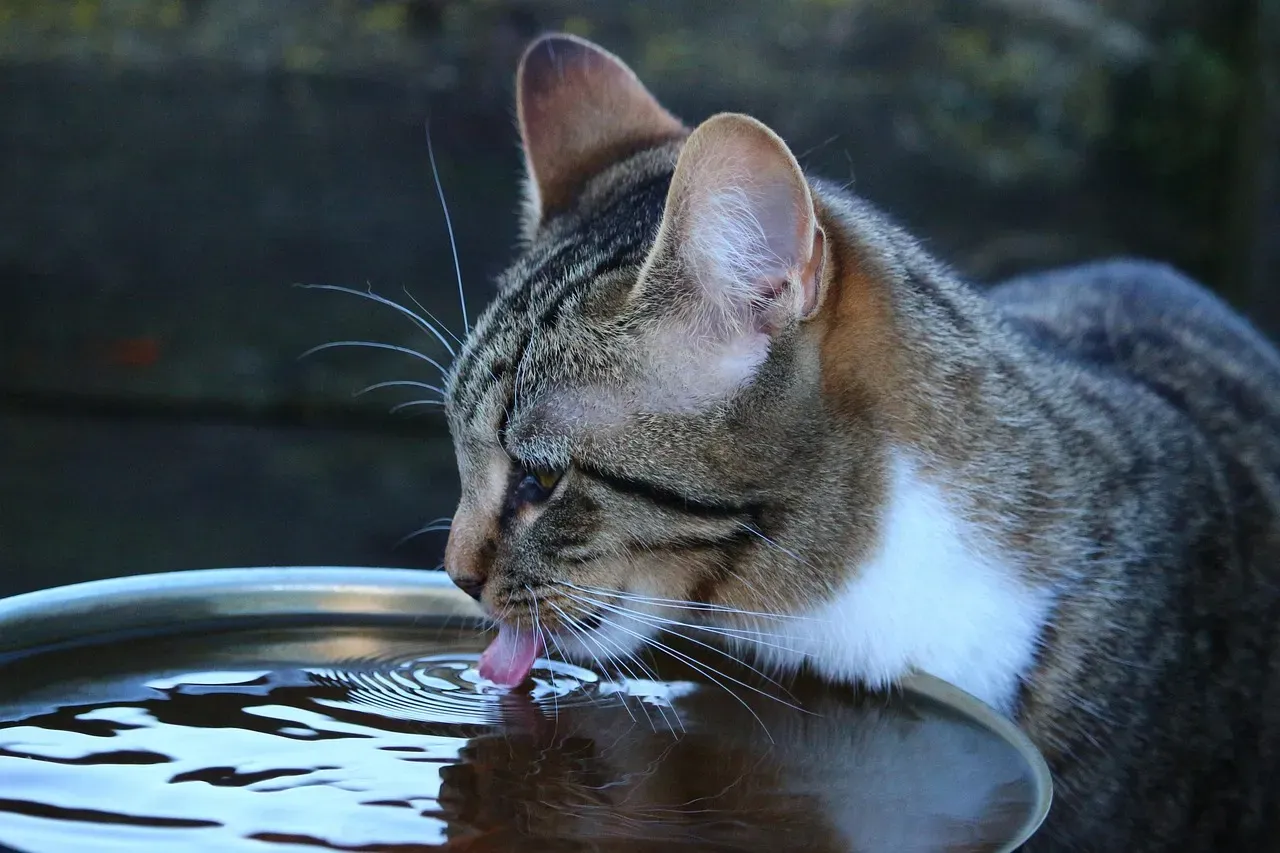
So what can you actually do, today, to make sure your cat is getting enough water? Start with the food. Cats that eat wet food, which can contain up to 80% water, may drink less, while cats that eat dry food usually take more of their daily water requirement in by drinking. Most dry food only contains roughly six to eight percent water content. Wet food contains seventy to eighty percent water content. That gap is enormous, and it matters for your cat’s long-term wellbeing.
Cats can be prompted to increase their water intake by always having fresh water available in places they can easily access and by assuring there are no conflicts among cats or other pets that may result in a particular cat being blocked from the water bowl. Some cats increase their intake of water when provided with water fountains, but individual preferences among cats for these varies. Feeding wet food and adding water to food is another good way to increase water intake, and in some cases, flavoring the water with a small amount of water from a can of tuna or low-sodium chicken broth can prompt a cat to drink more. Small changes really do add up. You might be surprised how enthusiastically your cat responds to just a fresh bowl of water placed somewhere new.
Conclusion
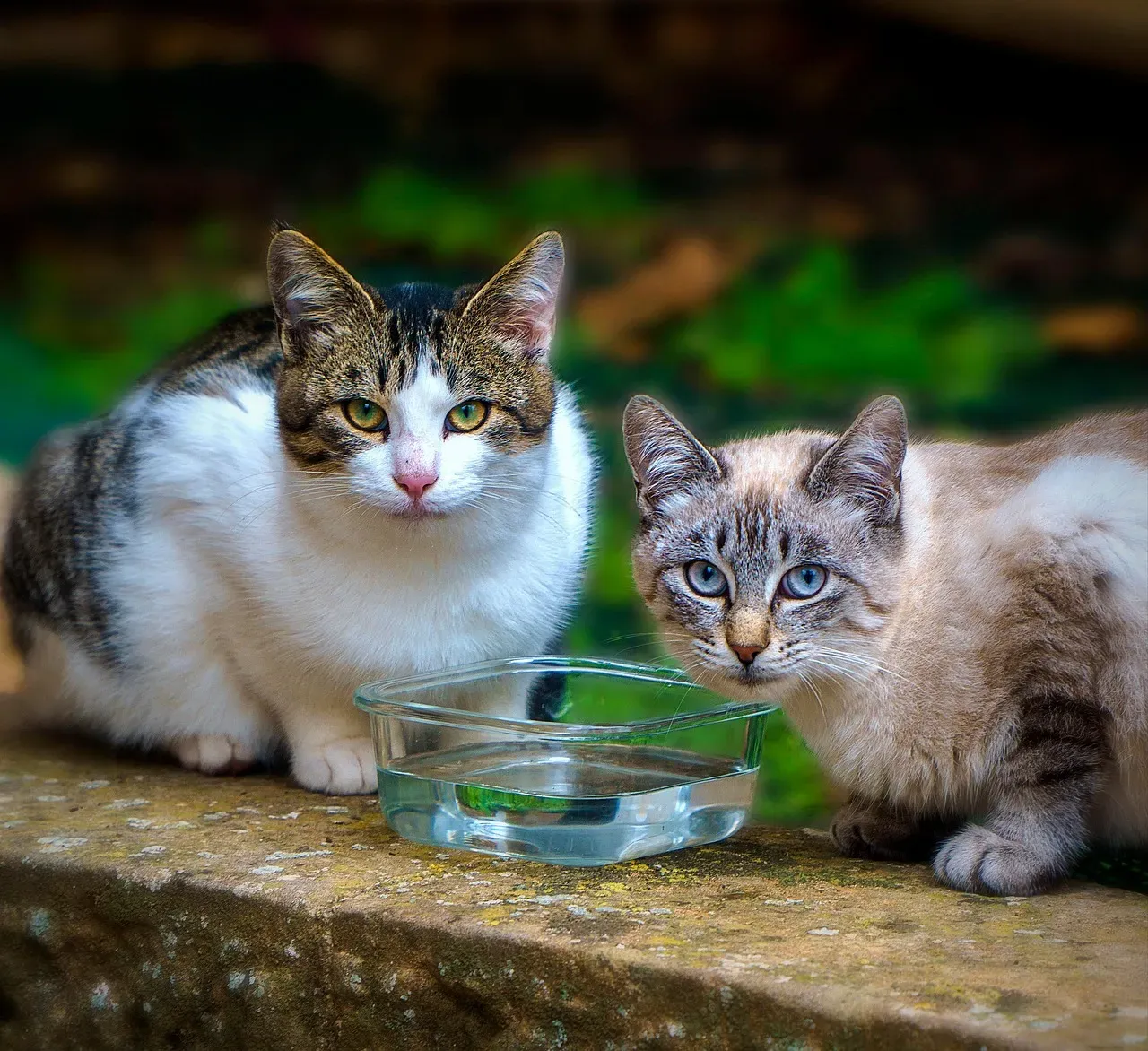
The truth about cats and water is genuinely more nuanced than the tired old cliché we’ve all heard. Yes, most cats carry an ancestral resistance to getting wet, shaped by thousands of years of desert living, a coat built for warmth and not swimming, and a nose sensitive enough to detect every chemical in your tap water. Those are real, biological, and deeply rooted responses. Yet water is also one of the most important elements of a cat’s daily health, and some cats, like the Turkish Van or the playful Bengal, take to it like they were born poolside.
What strikes me most about all of this is how much we assume about our cats without ever looking deeper. A cat avoiding its bowl might not be aloof – it might be reacting to chlorine, a noisy hallway, or a bowl sitting too close to dinner. Understanding these layers changes how you care for your pet in meaningful ways. So next time your cat gives that bowl a suspicious look or comes trotting in the moment you turn on the tap, smile. You’re watching thousands of years of evolution playing out in real time. Did any of this change the way you see your cat’s quirky water habits?