You’ve seen it a hundred times. Your cat spots that crinkly toy mouse on the floor, freezes like a statue, then launches into a full-throttle ambush that ends with violent bunny-kicking and a triumphant walk away. It’s hilarious, yes. But honestly, it’s also one of the most fascinating windows into your cat’s inner world you could ever witness.
What looks like play to you is something far more ancient and hardwired to your cat. There’s a whole universe of biology, psychology, and evolution happening inside that fluffy head of theirs – and once you understand it, you’ll never look at a feather wand the same way again. Let’s dive in.
Your Cat Is Not Playing – They Are Hunting
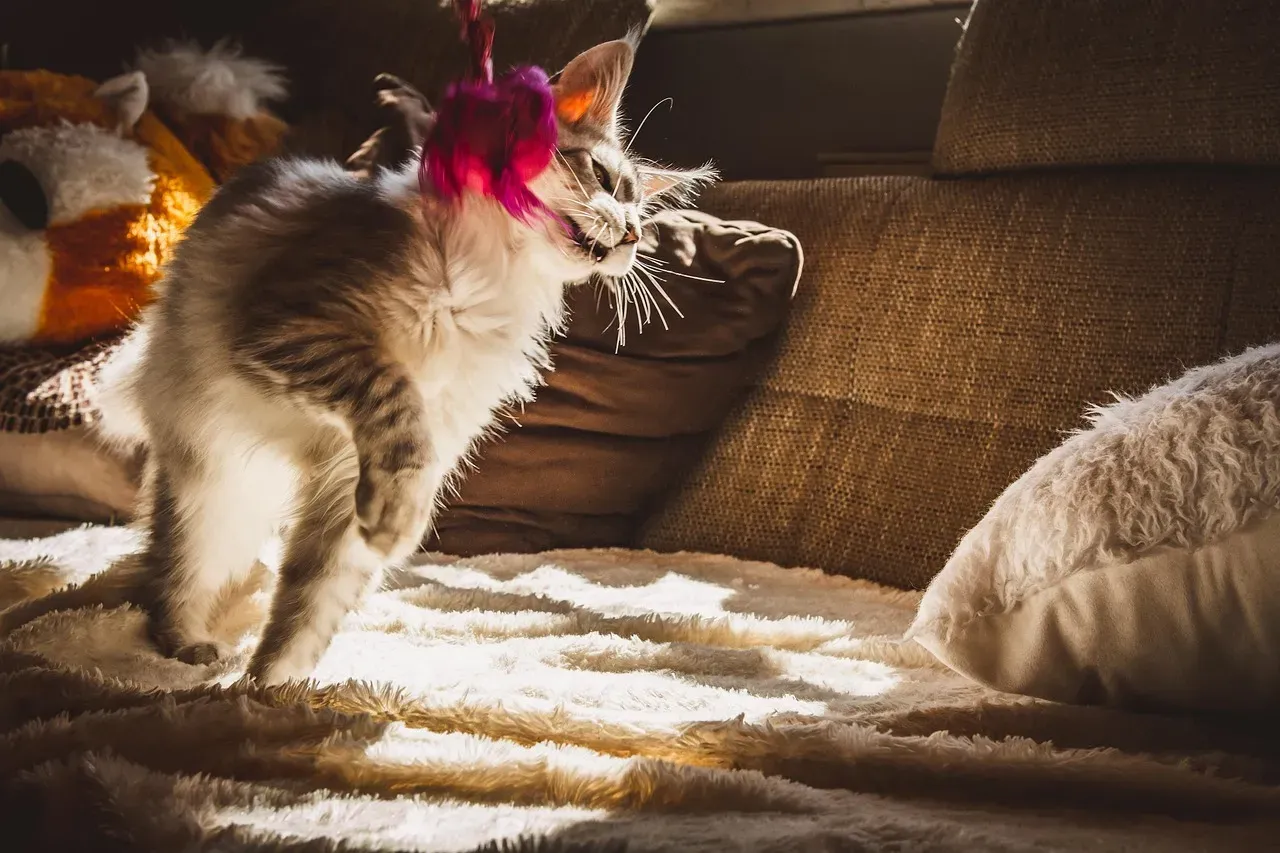
Here’s the thing that surprises most cat owners: when your cat is “playing” with a toy, their brain is not in a playful mode at all. What humans perceive as cats “playing” is them practicing their hunting. Every single pounce, stalk, and bite directed at that stuffed mouse is a genuine predatory act, just performed on a safe substitute.
If you’ve ever watched a cat leap into the air after a toy mouse, pounce on a crinkly ball, or stalk your shoelaces with laser focus, you’ve witnessed something deeper than mere entertainment. Play behavior in cats isn’t just about having fun – it’s rooted in evolution, biology, and complex brain chemistry. Your cat is not being cute. They are being a predator.
Millions of Years in the Making: The Evolutionary Root
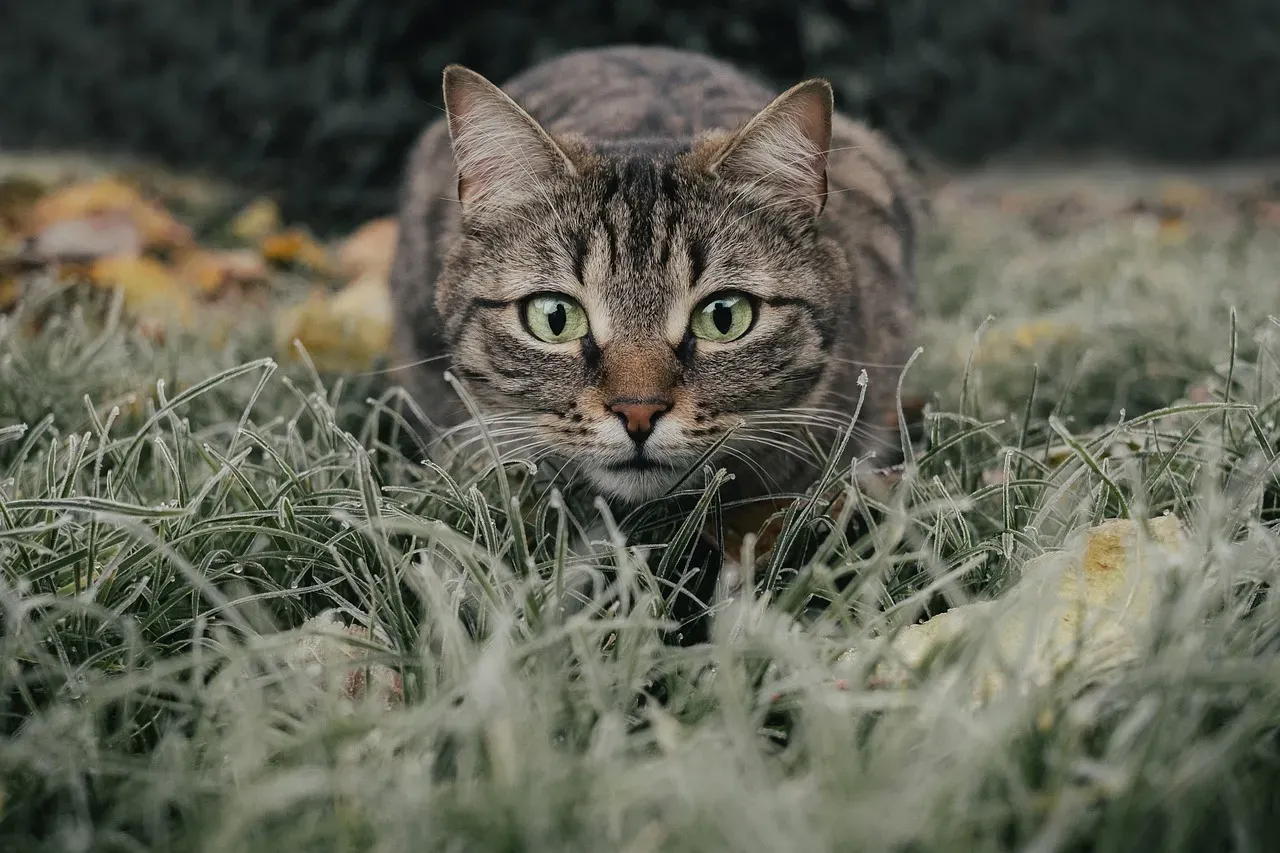
Cats, whether they’re domesticated tabbies or wild leopards, are born hunters. Their hunting behavior is not just a quirky habit – it’s a deeply ingrained instinct that has shaped their evolution for millions of years. Think of it like this: your cat’s ancestors had to catch their own dinner every single day or go hungry. That pressure carved every predatory reflex into their DNA.
These actions are hardwired into their DNA, passed down from generations of wild cats who relied on stealth and precision to eat and survive. In fact, domestic cats share over 95% of their DNA with wild species like the African wildcat, and their play styles mirror the behaviors needed in the wild. So when your sofa-lounging tabby goes absolutely feral over a feather toy, that’s millions of years of survival instinct playing out in your living room.
Why a Full Food Bowl Changes Nothing
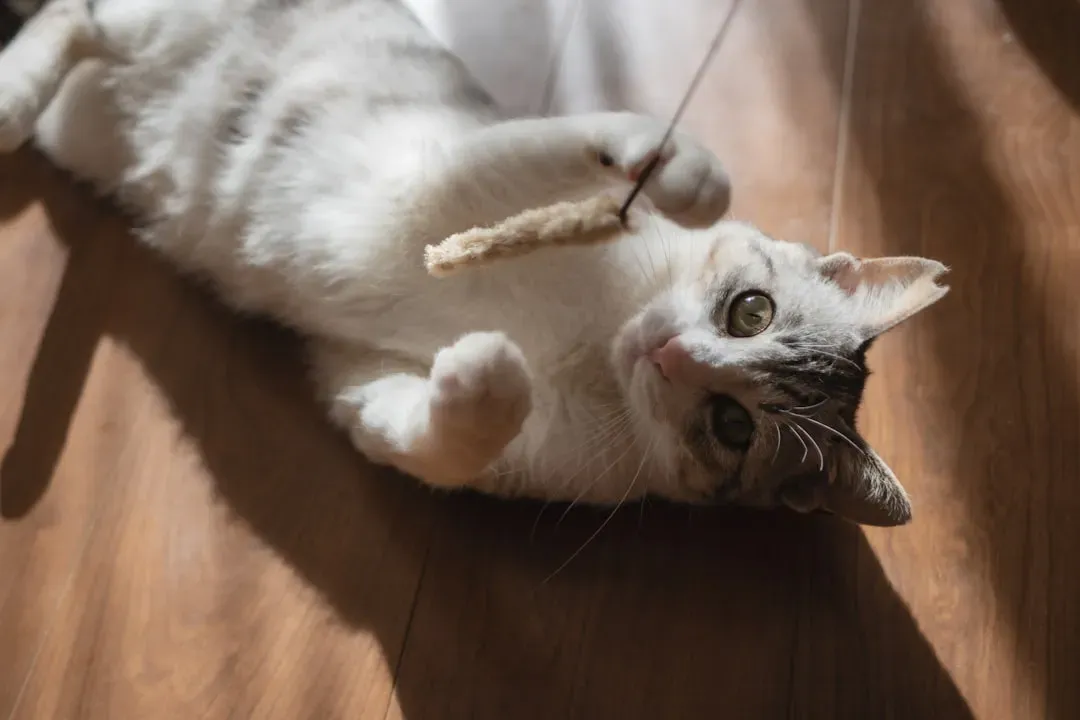
You just filled their bowl. They ate every bite. Yet two minutes later, your cat is maniacally stalking a toy across the kitchen floor. You’re not imagining it – and no, you didn’t underfeed them. Hunting is not solely driven by hunger; it’s a behavior rooted in survival. Research from the University of Georgia found that domestic cats, when given the opportunity, will hunt regardless of their nutritional status.
In the wild, cats hunt all the time, even if they are not hungry, because they never know when their next meal will come. If a cat waited until they were desperately hungry to hunt, they might be too weak to capture prey. Your cat’s brain hasn’t gotten the memo that the kibble bag is always full. To them, the hunt is always necessary. Always urgent.
The Dopamine Hit: What Hunting Does to Your Cat’s Brain
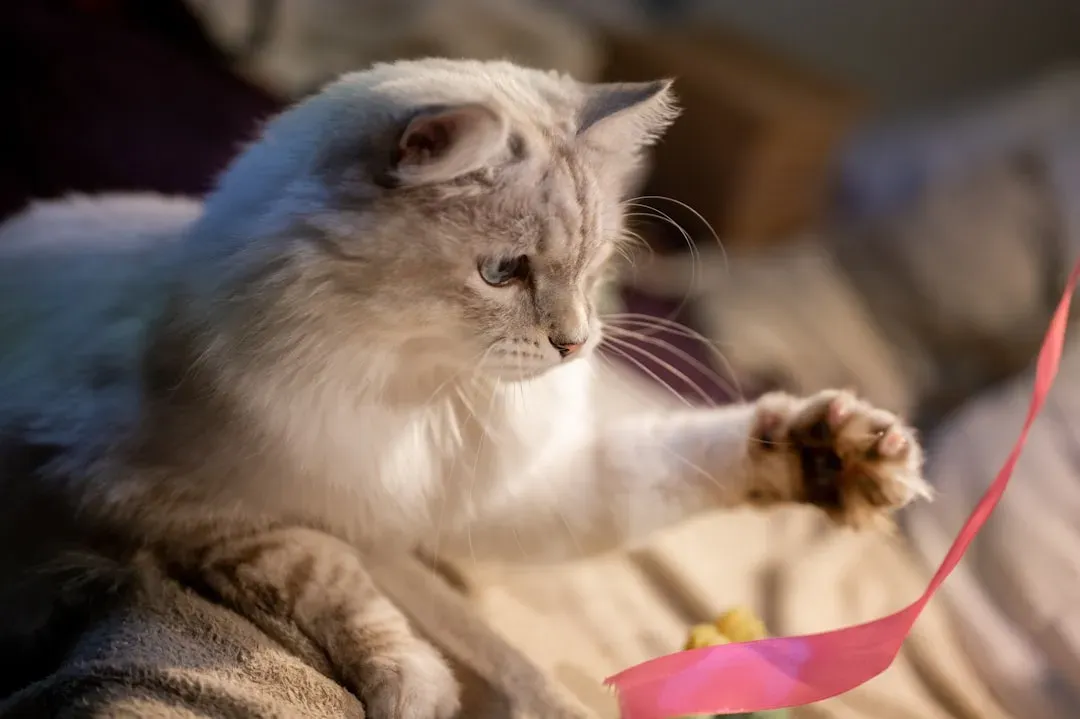
I think this is the part that genuinely blows people’s minds. Your cat doesn’t just tolerate the hunt – they crave it on a neurochemical level. Hunting is hardwired into a cat’s brain. Studies show that the feline brain’s reward system lights up when they engage in predatory behaviors, releasing dopamine that reinforces the behavior. This instinct persists even in well-fed domestic cats, which is why your cat might pounce on a feather toy despite a full bowl of kibble.
In other words, hunting triggers a genuine feel-good response. It’s like a runner’s high, but for predators. For cats, hunting isn’t just about food – it’s about fulfilling a biological and psychological need. Every time your cat successfully “kills” a toy, that reward circuit fires. They’re not just having fun. They are being biochemically satisfied.
The Stalk, Pounce, and Kill Sequence Explained
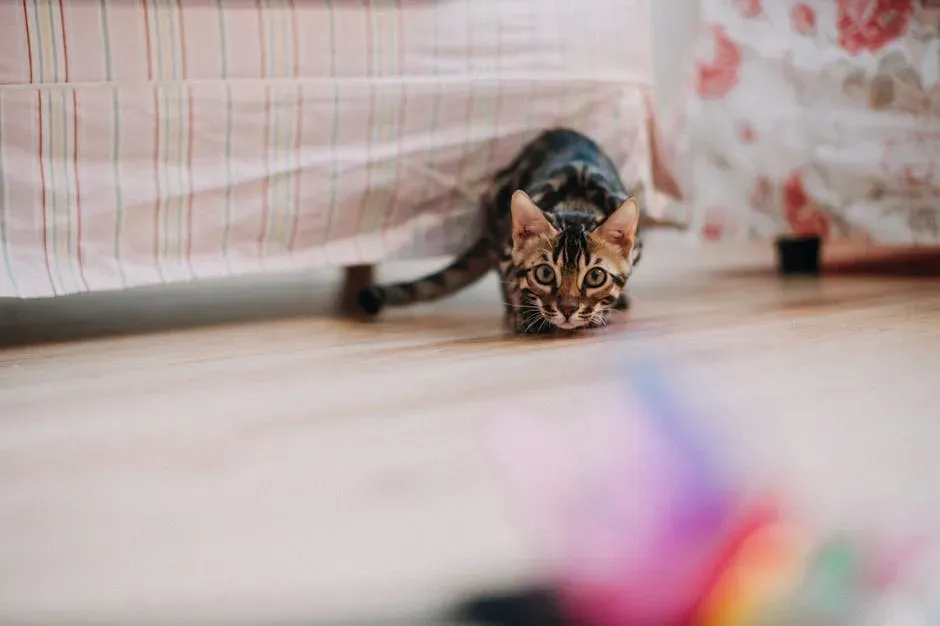
If you watch carefully, your cat’s toy-hunting behavior follows a very specific and consistent pattern. It’s not random chaos. When a cat detects potential prey, his predatory sequence of behaviors starts with silent stalking, watching and waiting for the perfect moment to strike. Then he’ll finally sprint toward the prey and strike it with his front paws. If he’s successful, he’ll deliver a killing bite that all cat species use – he’ll bite the prey at the back of the neck to sever the spinal cord.
You’ve probably watched your cat do this exact sequence on a stuffed mouse. The slow, ground-level creep. The notorious butt-wiggle just before the leap. Unlike pack-hunting animals like wolves, cats are solitary hunters. This trait influences their hunting style, which emphasizes stealth, patience, and precision. Every element of what looks like dramatic theater to you is actually a finely tuned predatory protocol.
Why Your Cat Plays with Their Toy Even After “Catching” It
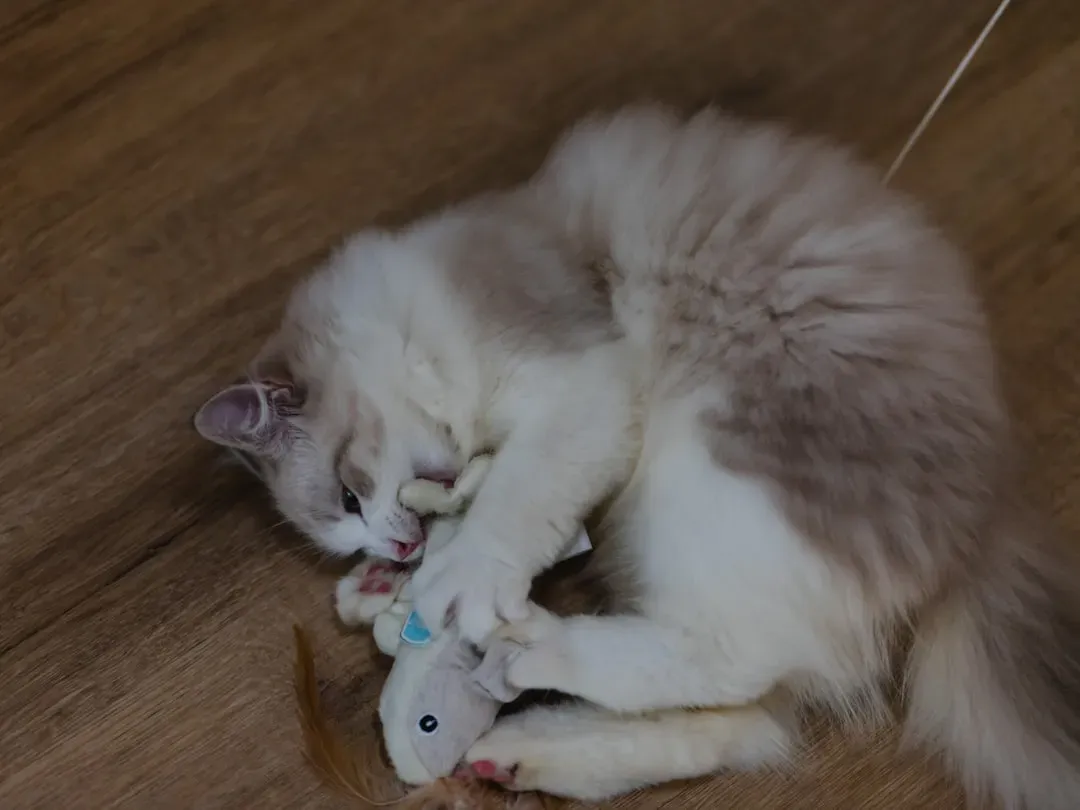
You’ve seen this too. Your cat catches the toy, bites it triumphantly… then just keeps tossing it around. Or bats it again and again. Why not just be done with it? It is suggested that ‘playing’ with prey is a behavior evolved to avoid injury to the hunting cat by wearing down the caught prey before closing in to eat it. Predatory play would then be a part of hunting behavior.
There’s also the matter of the “kill” factor. Toying with their prey is brought about by the conflict of needing to kill their prey, and the fear of being injured by their prey as a result. If the cat performs this behavior after they have killed the prey, it could simply be that they are not hungry enough to eat. That seemingly bizarre post-victory bat session? Pure self-preservation instinct, redirected onto a stuffed corduroy mouse.
Why Certain Toys Drive Cats Absolutely Wild
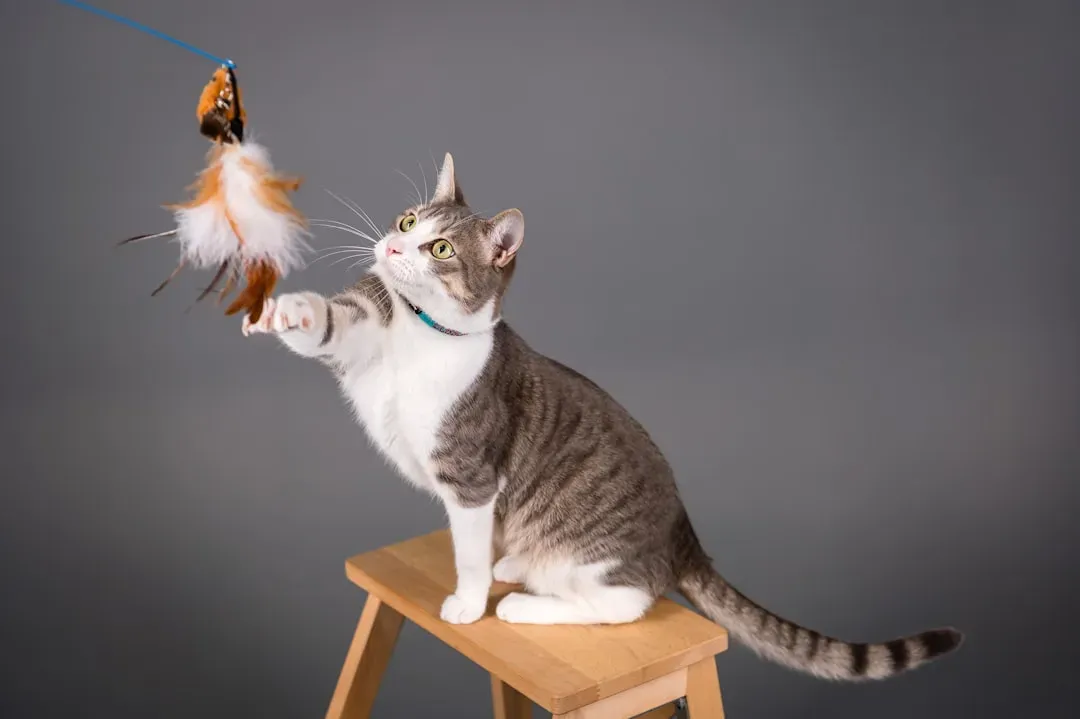
Not all toys are created equal in your cat’s eyes. There’s a science behind why your cat ignores that expensive automated gadget but absolutely loses their mind over a simple feather wand. Cats often play more with toys that behave like prey trying to flee than with toys that mimic confrontational prey by moving towards the cat with an aggressive or defensive posture. The key ingredient is the illusion of escape.
Studies have found that adult cats show more intense and prolonged play with toys that resemble actual prey items. Similarly, the hungrier the cat was at the time of object play, the more intense and prolonged the play sessions were. Both factors indicate that cats consider these toys to be prey when they are playing. So that feather wand flicking across the floor isn’t just a toy to your cat. It’s a bird, and it’s trying to get away. That’s the game.
What Happens When Your Cat Doesn’t Get Enough “Hunting” Time
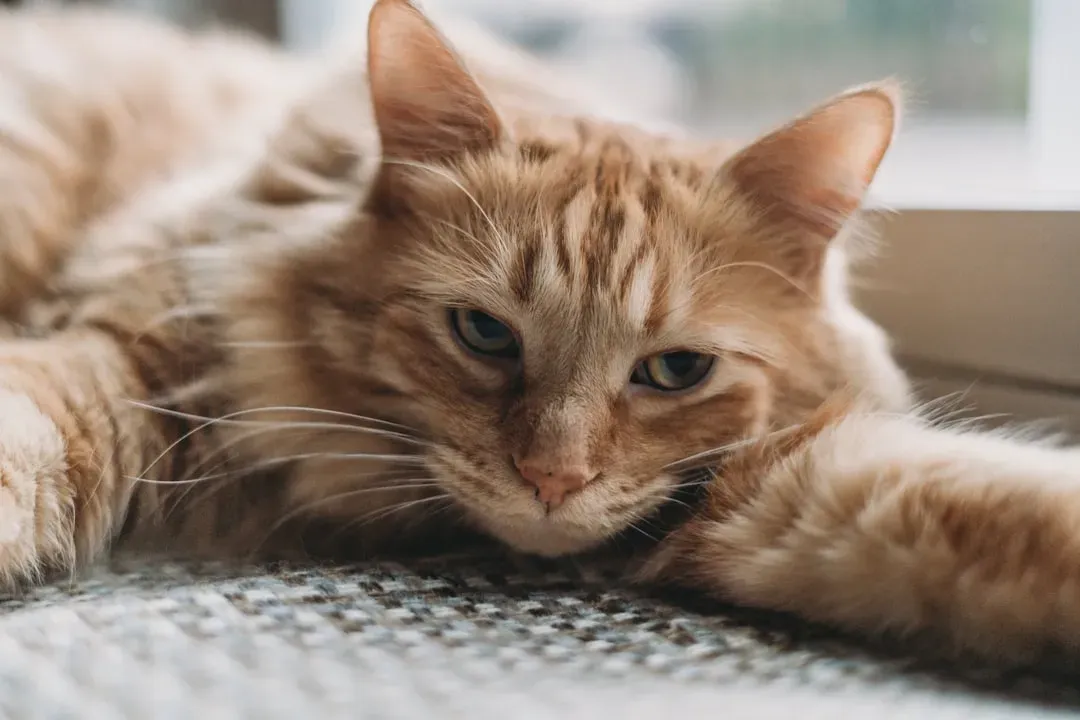
Let’s be real: most people underestimate how much this actually matters. Skipping play sessions isn’t just boring for your cat. It can genuinely impact their mental health and behavior. A 2019 study published in Animal Behavior found that cats deprived of opportunities to “hunt” through play or environmental enrichment showed signs of stress, anxiety, and even aggression.
When play is absent, cats suffer distress and behavioral problems such as overgrooming, house-soiling, scratching furniture, and aggression. Think about that the next time your cat shreds your couch or bites your ankle at 3 a.m. Under-stimulation, an excess of unused energy, and lack of appropriate opportunities for play can lead to play-related aggression, which may be exhibited as overly rambunctious or aggressive play that inadvertently leads to injuries to people. A bored cat is not a happy cat. It’s a cat looking for prey – and you might become the prey.
How to Become Your Cat’s Perfect Hunting Partner
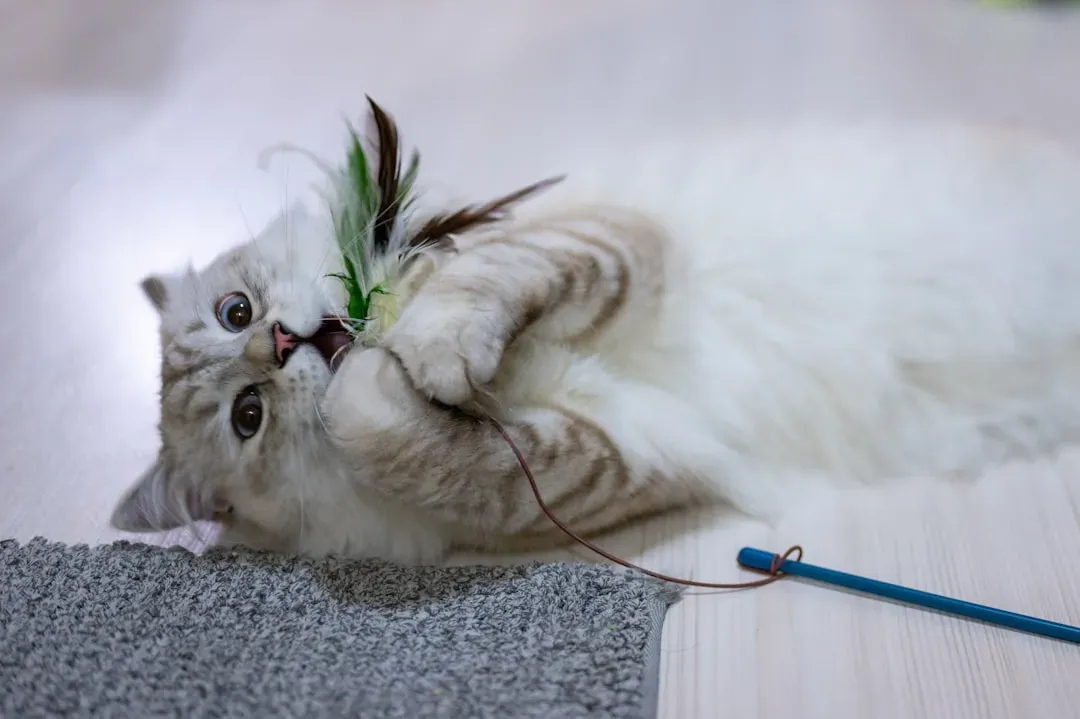
Now that you understand what’s actually going on inside your cat’s head, you can play with them far more effectively. The goal isn’t just to tire them out. It’s to let them complete the full hunting sequence and feel genuinely satisfied. Success rate is important in play. A cat that catches its “prey” every time soon gets bored, and a cat that is never successful at capture can lose interest. The ideal hunting success rate is one successful capture for every three to six attempts.
Short, frequent sessions – about 10 to 15 minutes twice a day – work best. Try moving the toy in irregular, darting motions that mimic panicked prey. Let them catch it every so often to trigger that dopamine reward. Interactive play with you – their favorite human – is the most meaningful type of activity for cats. It not only satisfies hunting instincts but also reinforces trust and affection. You’re not just their play partner. You become part of their world in a deeply instinctive way.
Conclusion
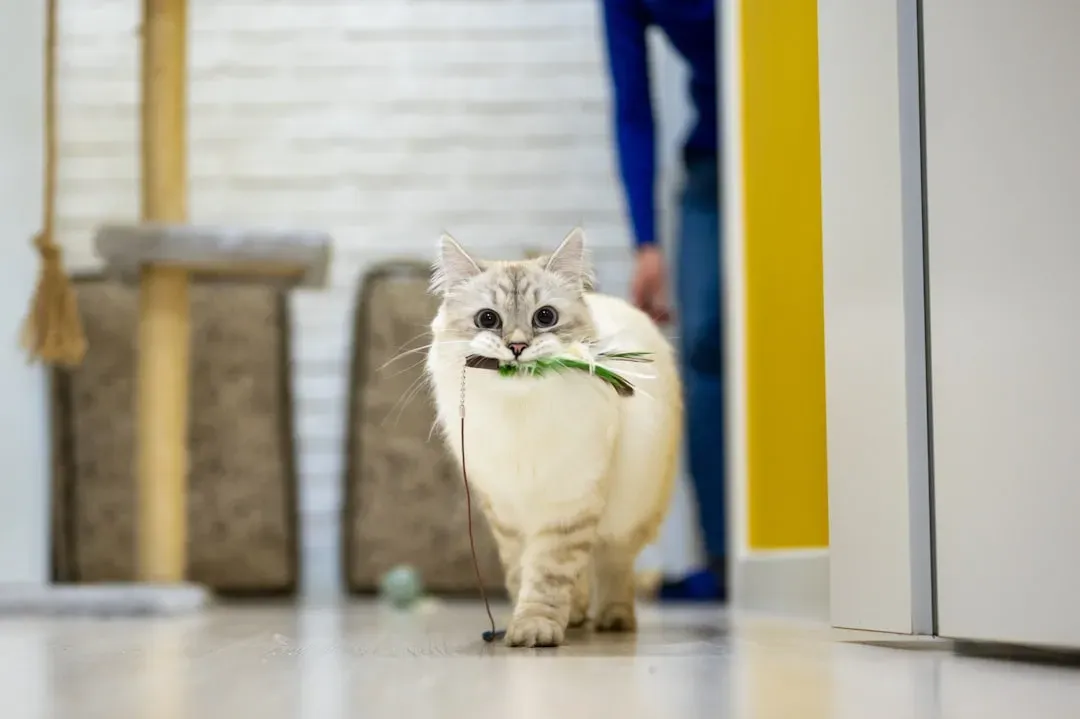
Your cat’s fierce “hunting” of their toys is one of the most honest things they ever do. Strip away the domesticity, the cushioned bed, and the designer food bowl, and what you have is a solitary predator doing exactly what millions of years of evolution designed them to do. The toy mouse isn’t a toy to them. It’s survival, satisfaction, and instinct all wrapped up in catnip-scented fabric.
Understanding this changes everything about how you interact with your cat. When you wave that feather wand, you’re not just entertaining a pet. You’re honoring something ancient and essential in them. Give them the hunt they need, and you’ll have a calmer, healthier, and genuinely happier cat on your hands.
So next time your cat launches a full-scale ambush on their tiny stuffed bird at midnight, don’t laugh it off. Respect the hunter. Did you ever imagine something so primal was happening right there on your living room floor? Drop your thoughts in the comments – we’d love to know what your cat’s “signature move” is!