You’ve been there before. It’s two in the morning, you’re in a deep sleep, and suddenly there’s a thunderous crash from the living room. Your cat just decided it was the perfect time to sprint at full speed across the house, knocking over everything in sight. You might think this is just random bursts of pent-up energy, but honestly, there’s so much more going on beneath those midnight madness episodes.
Let’s be real, cat behavior can be puzzling. These twilight sprints aren’t simply about burning off calories from an afternoon nap. The science behind these frantic episodes reveals a fascinating interplay of instincts, biology, and even remnants of ancient hunting patterns. So let’s dive in and uncover what really drives your feline friend into those chaotic late-night races.
Your Cat Is Hardwired to Be a Twilight Hunter

Cats are crepuscular, meaning they’re naturally most active during the dawn and dusk hours when their rodent prey is most active. This isn’t some random quirk. It’s evolutionary genius passed down through generations of wild ancestors who learned that hunting during twilight offered the best chance of survival.
Cats evolved to hunt at dusk and dawn because birds and mice are very active at dawn, and cats developed the ability to see in low-light conditions. Even your cozy indoor cat who’s never caught anything more threatening than a toy mouse still carries these instincts deep in their DNA. Those midnight sprints? They’re practicing hunting techniques that kept their ancestors alive for thousands of years.
It’s About More Than Just Burning Off Steam
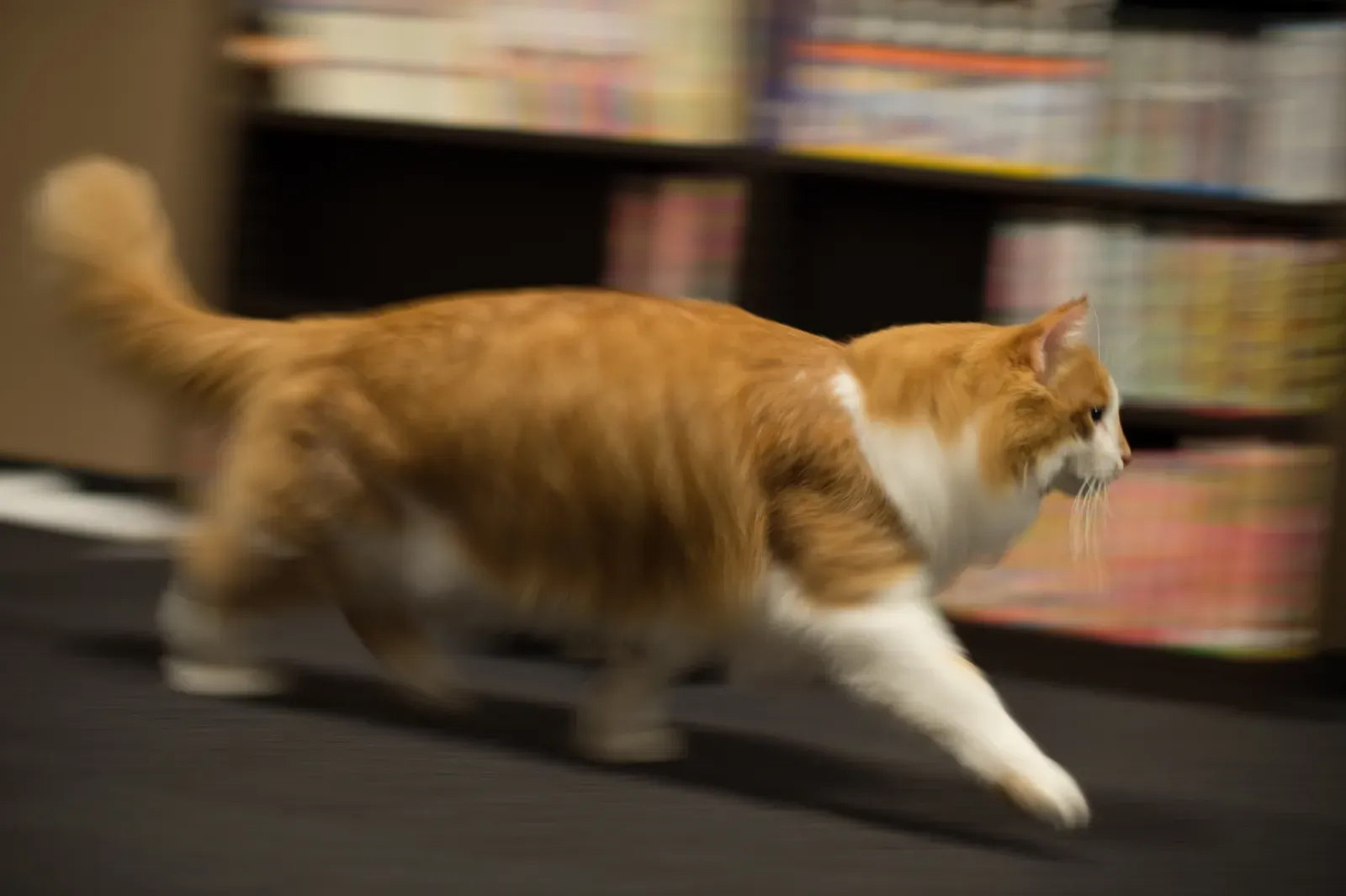
Sure, nighttime zoomies can be a sign that your cat hasn’t gotten enough exercise throughout the day. That part is true. However, reducing it to just excess energy misses the bigger picture entirely.
These episodes reflect normal patterns of energy release and motor behavior since cats are ambush predators built for short, intense bursts of movement rather than sustained endurance. Think about it this way: in the wild, a successful hunt involves long periods of patient waiting followed by explosive action lasting mere seconds. Your cat’s body is designed for exactly this type of movement, and those zoomies are their way of expressing this deeply ingrained physical programming.
The Post-Bathroom Victory Lap Is Real
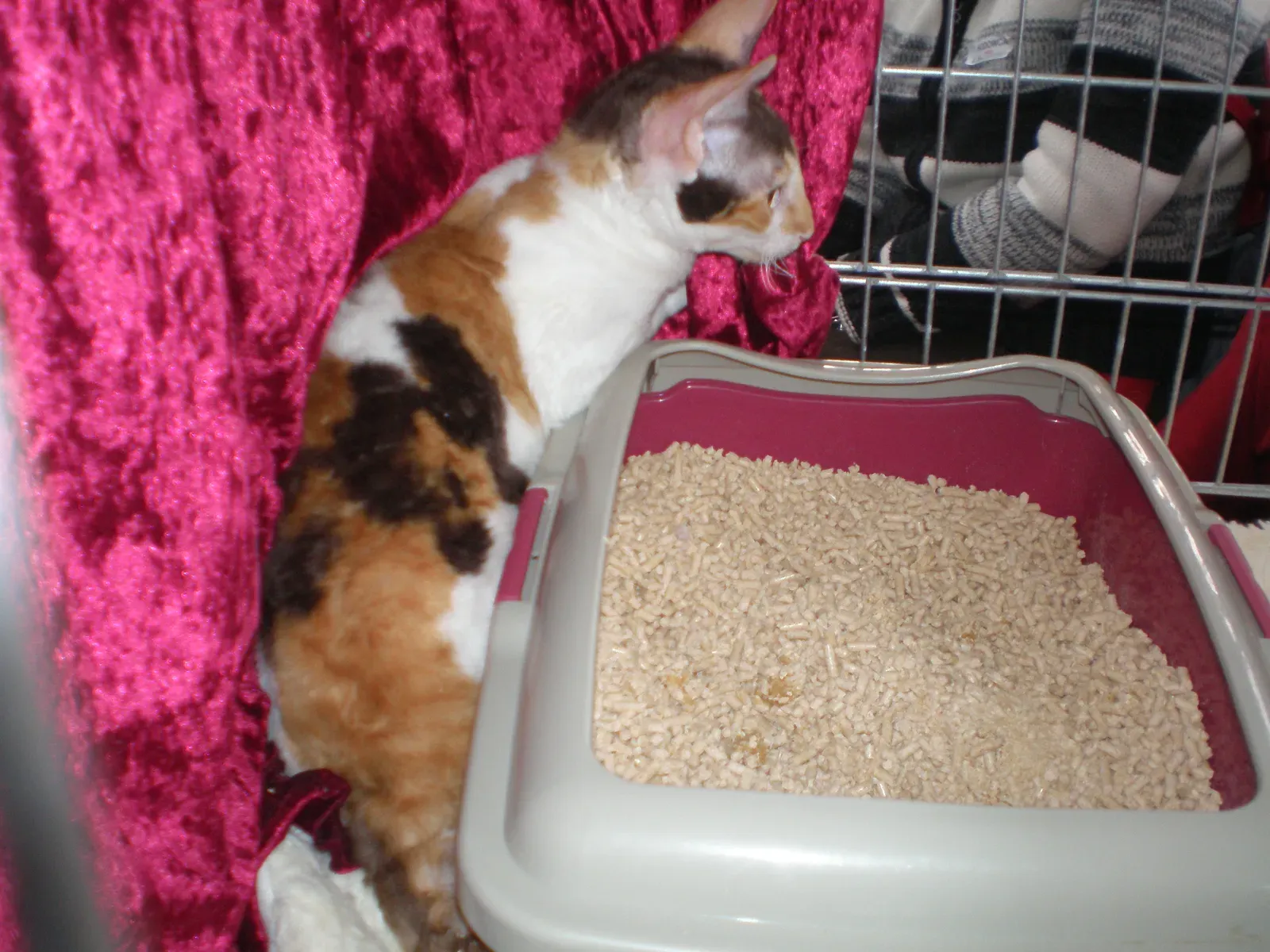
Many zoomie episodes occur after a cat has used the litter box, especially in kittens, and some theories suggest that this is a way of shaking off excess energy or linked to a feeling of relief. I know it sounds bizarre, but there’s actual science backing this up.
Defecating stimulates the vagus nerve, which can lead to a feeling of release or relief. Depending on your cat’s personality, that sensation might translate into pure excitement and zoomies. It’s not that different from how some humans feel energized after certain bodily functions. Your cat isn’t being weird – they’re just experiencing a rush of feel-good sensations.
Sleep Patterns Play a Massive Role

Cats sleep about 12 to 16 hours to conserve energy because, as predators, hunting and exploring are energy-consuming activities. Here’s the thing: they don’t sleep like we do. Humans typically crash for several hours straight, but cats take multiple short naps throughout the day and night.
When cats sleep for extended periods, especially during the day, energy accumulates and at night, particularly during their natural activity windows, that energy may be released through running, jumping, or mock hunting behavior. So when you’re settling into bed, your cat might be waking up from their fifth nap of the day, feeling refreshed and ready to conquer the world. The timing couldn’t be worse for you, but it makes perfect sense from their perspective.
Stress and Anxiety Can Trigger These Episodes

Not all zoomies are created equal. Zoomies can result from stressful triggers or lifestyle changes for your cat, such as bath time, moving, or being scared. Sometimes those frantic runs aren’t about hunting instincts at all – they’re about processing uncomfortable emotions.
Some cats run around as a way to self-soothe when they feel uneasy. If you’ve recently moved furniture, brought home a new pet, or even changed your daily routine, your cat might be using those late-night sprints to cope with the stress. It’s their version of going for a long run to clear their head.
The Quiet of Night Amplifies Everything
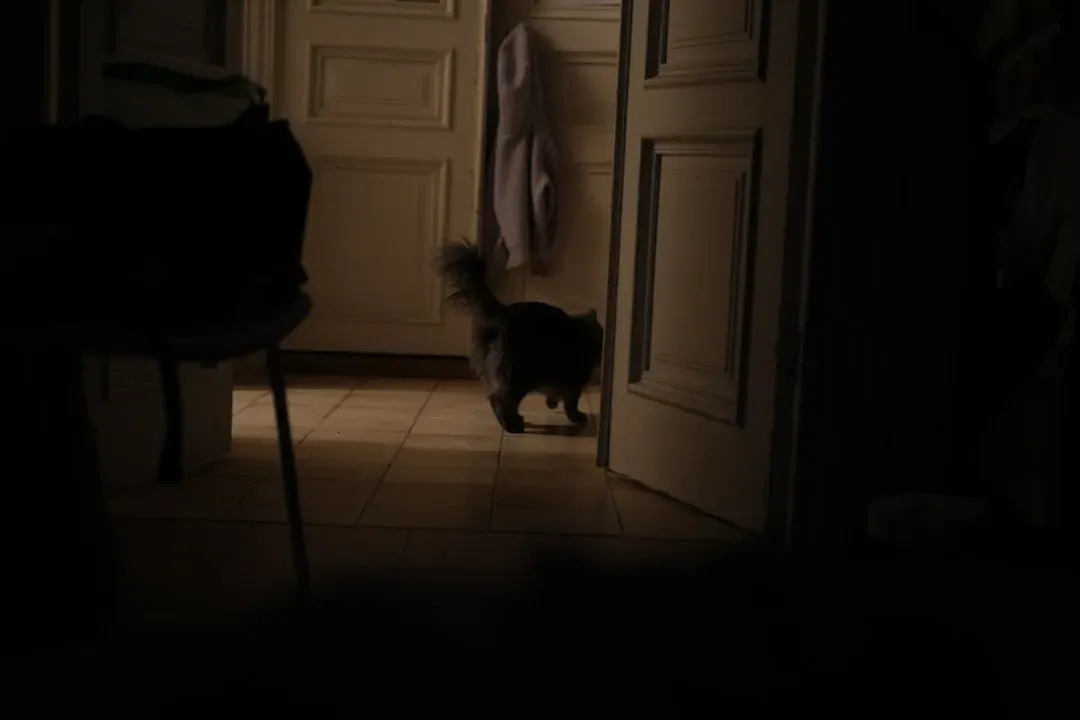
The quiet of the night might make your cat feel more comfortable exploring and playing, as the noise and activity associated with daily life can be intimidating for some cats. During the day, there’s chaos everywhere – doorbells ringing, vacuum cleaners roaring, people coming and going.
Nighttime offers a peaceful environment where your cat finally feels safe enough to let loose. They’re not deliberately trying to disrupt your sleep. They’re simply taking advantage of the calm to engage in behaviors they might suppress during the hectic daytime hours. For cats who are sensitive or anxious, this nighttime freedom is essential for their mental wellbeing.
Age Changes the Zoomie Game
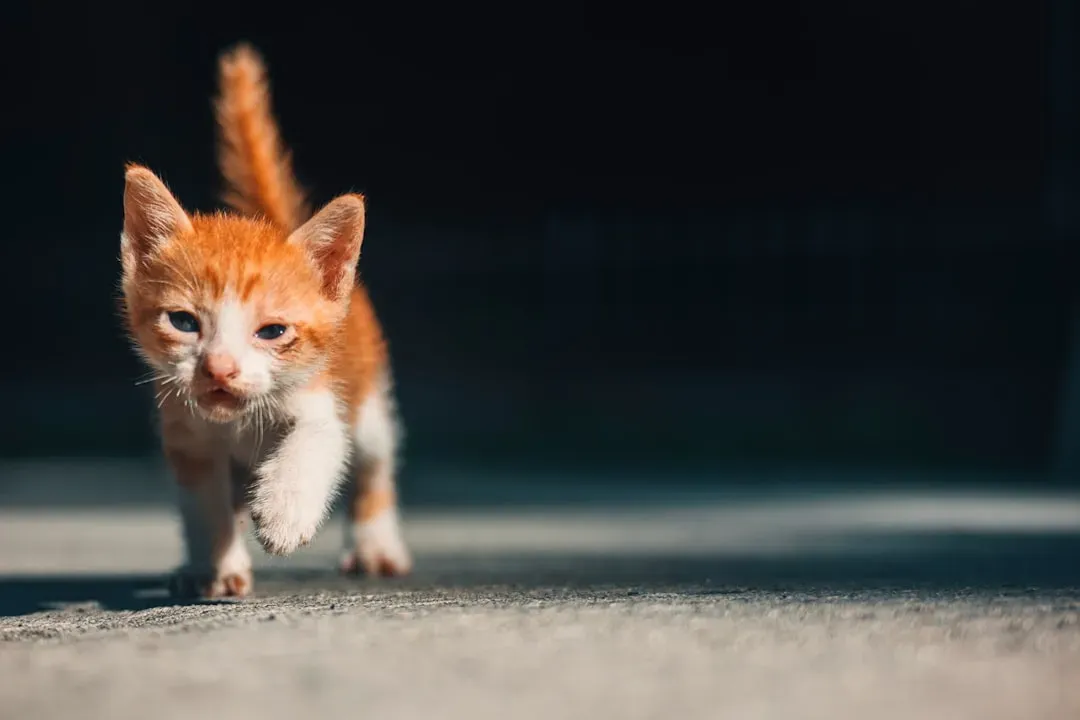
Young cats have an abundance of energy and may have more frequent and intense zoomies, and they are also more likely to be active at night. If you’ve got a kitten, buckle up – those midnight marathons are going to be wild for a while.
Older cats typically slow down and may sleep more than younger cats, however some older cats may become more active or vocal at night due to changes in their cognitive function or medical issues. If your senior cat suddenly starts exhibiting new nighttime behaviors, it’s worth checking with your vet. Sometimes these changes signal underlying health conditions that need attention.
Pain Can Disguise Itself as Hyperactivity
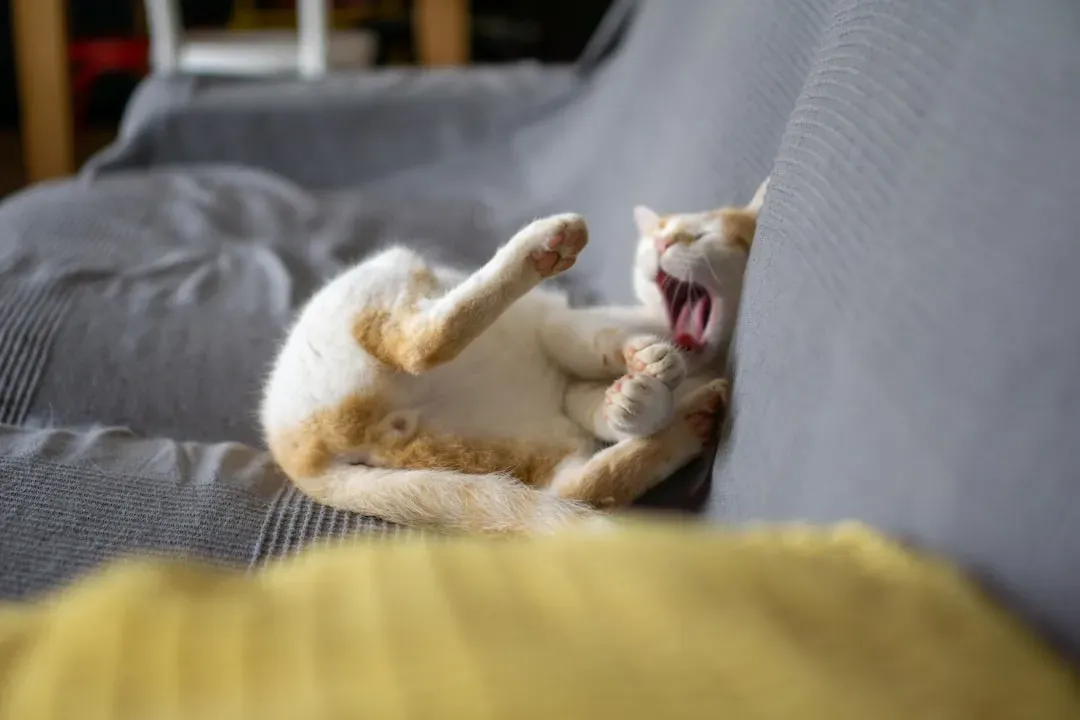
This one catches people off guard. When a cat experiences acute pain due to arthritis or has been bitten by fleas, they try to escape the pain or itchiness by running wildly. It looks like zoomies, but it’s actually your cat trying to outrun discomfort.
Zoomies can sometimes be caused by pain, so look for other signs of discomfort like scratching, irritability, or excess licking. If your cat’s zoomies seem different than usual – more frantic, accompanied by vocalization, or followed by aggressive behavior – don’t dismiss it as just normal cat chaos. Schedule a vet appointment to rule out medical issues.
Environmental Factors You’re Probably Overlooking
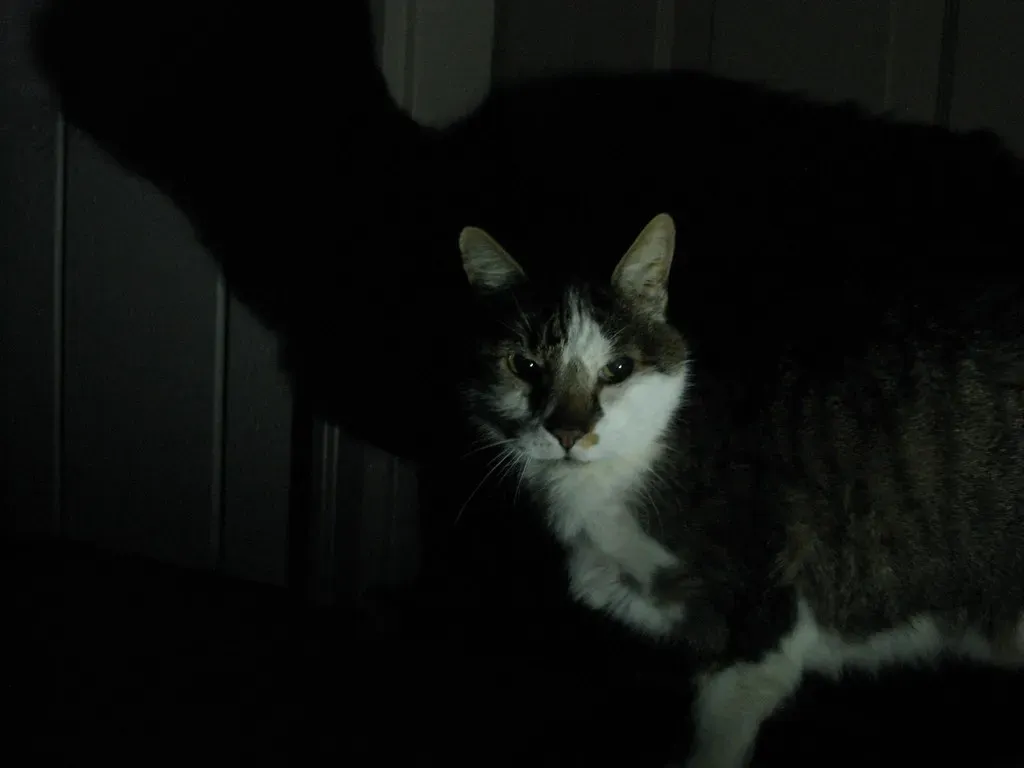
Artificial light may affect the circadian rhythms of cats, and cats in brightly lit homes may stay active longer in the evening. Your home environment shapes your cat’s behavior more than you realize.
If you keep all the lights blazing until midnight while binge-watching shows, you’re essentially telling your cat’s internal clock that it’s still daytime. A cat in a home where lights stay on late and people are active until midnight may appear more nocturnal, while another cat in a quieter, dimmer home may sleep soundly through most of the night. Simple changes to your lighting habits can make a significant difference in when your cat decides to go into turbo mode.
They’re Seeking Your Attention

Cats may seek out interaction when they are awake and full of energy, which unfortunately may be during your sleeping hours, manifesting as zooming around the house, pouncing on your feet, or causing other mischief to get your attention. Let’s face it – if you’ve been at work all day, your cat has been home alone for hours.
When you finally settle in for the night, your cat sees it as prime bonding time. They don’t understand that you need sleep. They just know that you’re finally in one place, awake-ish, and theoretically available for interaction. Those zoomies might be their way of saying, “Hey, remember me? Let’s hang out!”
What You Can Actually Do About It

Schedule a 15-minute play session before your bedtime using wand toys that mimic prey, end with a catch and then feed a meal, as a cat with a satisfied hunt-eat-groom-sleep cycle sleeps longer. This simple routine can transform your nights.
Aim for at least two to three short play sessions each day, especially in the evening to help your cat settle down at night. The key is consistency. You’re working with thousands of years of evolutionary programming, so you won’t change everything overnight. However, by respecting your cat’s natural rhythms and providing appropriate outlets during their peak activity times, you can find a balance that works for both of you. Interactive toys, puzzle feeders, and maintaining predictable routines all contribute to managing those wild nighttime adventures.
Conclusion: Understanding Brings Harmony

Those nighttime zoomies aren’t just random chaos or simple energy release. They’re complex behaviors rooted in evolution, biology, and your cat’s individual personality. From ancient hunting instincts to modern stress responses, from post-bathroom euphoria to attention-seeking tactics, these midnight marathons tell a story about who your cat really is beneath that fluffy exterior.
The more you understand what drives these behaviors, the better equipped you’ll be to create an environment where both you and your cat can thrive. It’s not about eliminating the zoomies completely – that would be like asking your cat to stop being a cat. It’s about channeling those instincts appropriately and recognizing when behavior changes might signal something more serious.
What surprises you most about your cat’s nighttime antics? Share your wildest zoomie stories in the comments below.