You’ve seen that face a thousand times. The furrowed brow, the slightly downturned mouth, the half-lidded stare that seems to say “I would absolutely rather you not exist right now.” You look at your cat lounging on the sofa and genuinely wonder if you’ve somehow offended them. Spoiler: you probably haven’t. That glare you’re interpreting as pure, unfiltered disapproval might actually be your cat’s version of a relaxed Sunday afternoon.
Cat facial expressions are one of the most persistently misunderstood corners of the human-animal relationship. We project our own emotional vocabulary onto creatures who evolved in an entirely different communication universe. What you think you know about your cat’s mood based on their face is, honestly, worth questioning. So let’s dive in.
Why Cats Naturally Look “Grumpy” When They’re Perfectly Fine
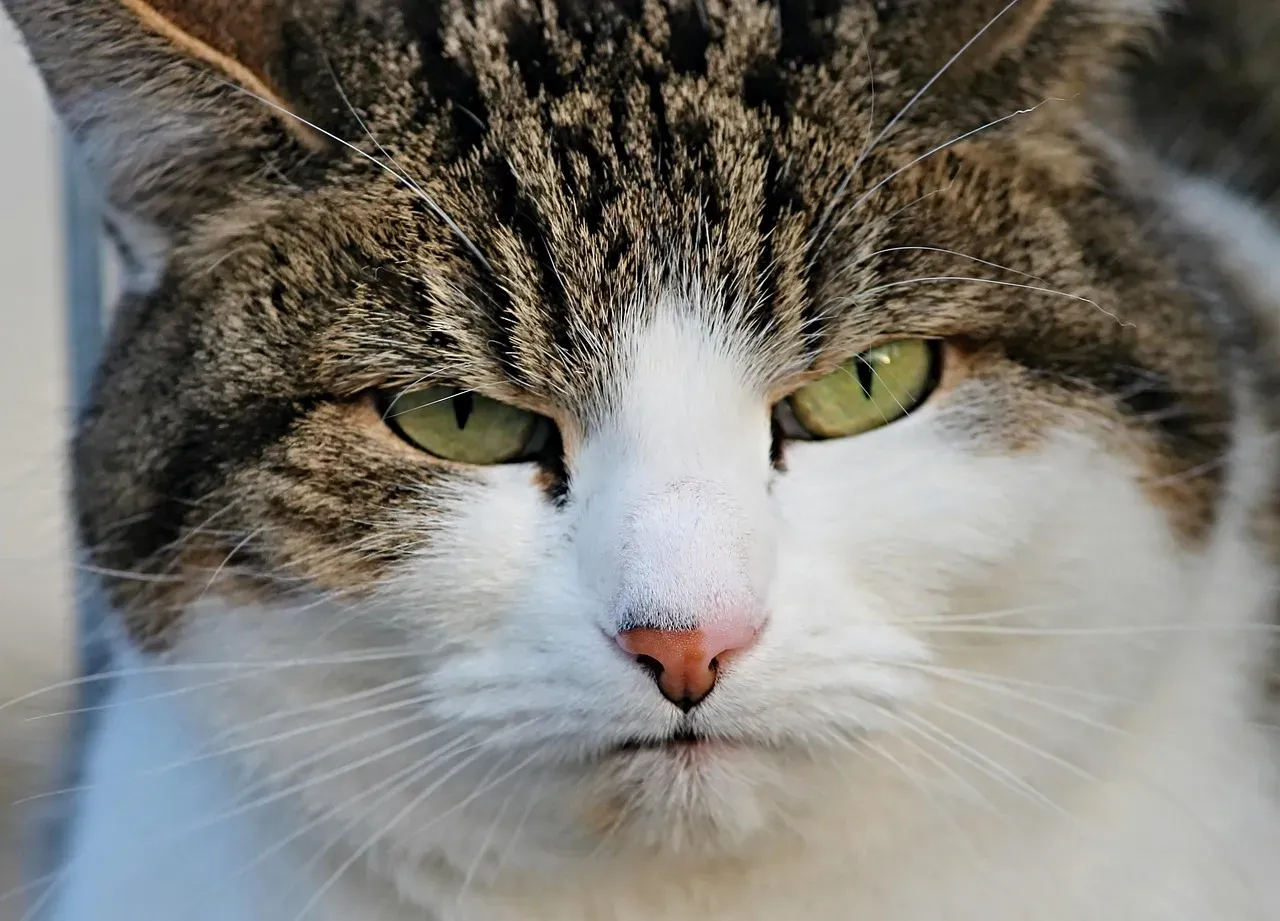
Here’s the thing that surprises most people: cats don’t intentionally make complex facial expressions. Unlike humans and other primates who use their faces as social billboards, cats simply weren’t built that way. Except for primates, cats neither make facial expressions nor derive emotional context from them the way we do. Non-primates do move the muscles in their faces, but not with nearly as much nuance as humans do, and not with the same connection to emotional communication.
Think of it this way: when you put on a “neutral” face in a serious meeting, you’re actively managing your expression. Your cat doesn’t do that. Non-primates like cats instead rely on body language and other methods to communicate. So that death stare your tabby is giving you from the armchair? It might just be their face doing what faces do when there’s nothing to do.
The Science of the Resting Cat Face
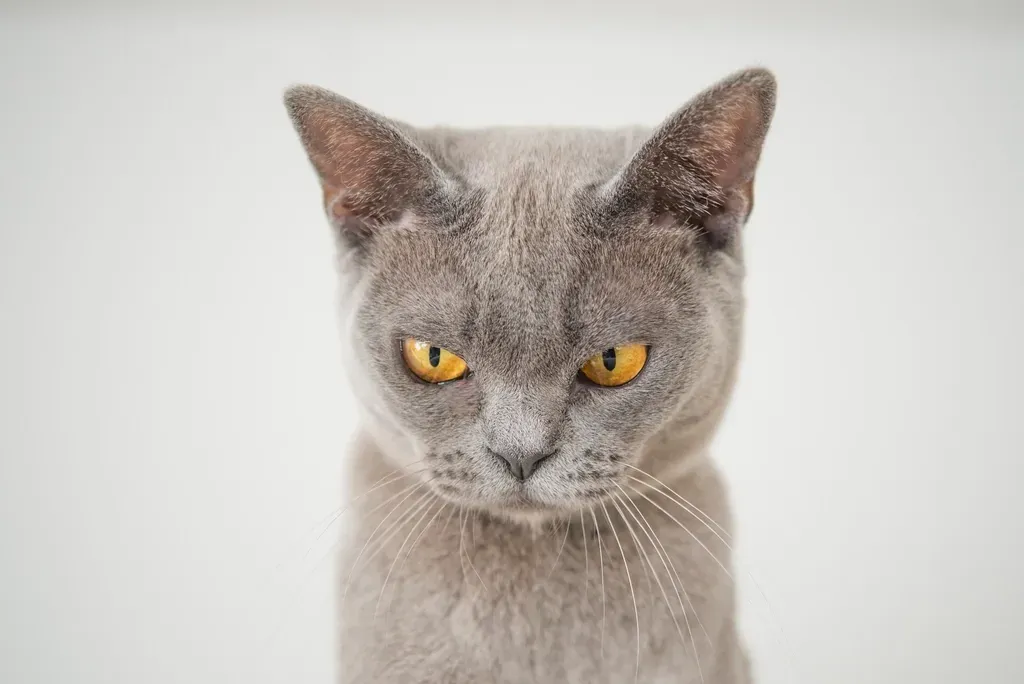
According to a study on feline facial signals published in Behavioral Processes, cats can communicate using nearly 300 different facial expressions. Surprising, right? That’s actually a rich and complex system. Intentionally or unintentionally, cats’ expressions can give us the impression that they’re feeling silly, peaceful, happy, playful, shocked, grumpy, or downright appalled. Nevertheless, the expression a cat makes doesn’t always mean what we think it does, as cats emote differently from how humans do.
This gap between what you see and what’s actually happening is enormous. The narrowed eyes and dignified pose are the hallmarks of the judgmental cat look, but according to experts, your cat is not judging you at all. Certified cat behavior consultant Marilyn Krieger has explained that judging is a human characteristic, not a feline one. Sometimes, it just comes down to naturally grumpy facial features or simply how the cat’s face appears at a particular moment.
How Genetics and Breed Shape That “Unhappy” Look
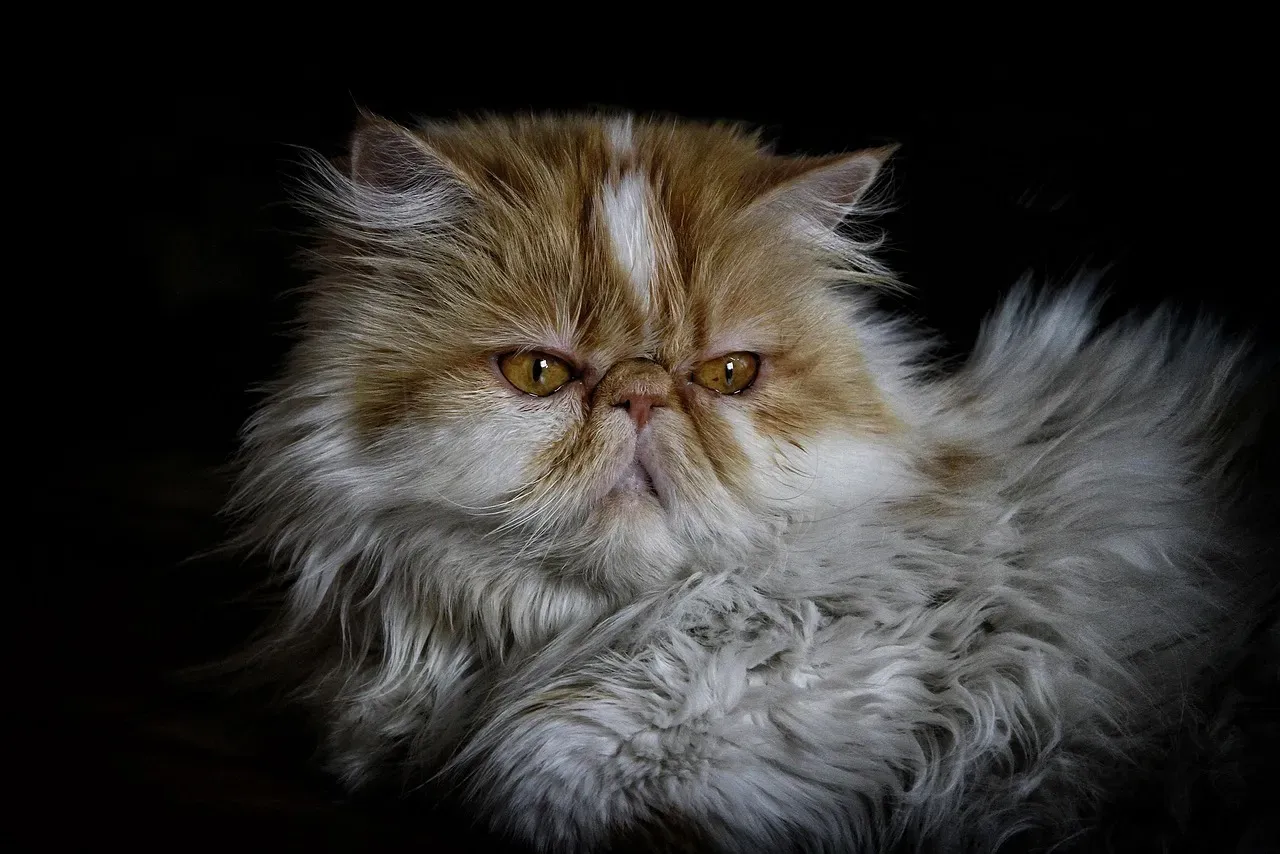
If your cat perpetually looks like they received terrible news this morning, genetics might be running the show. Cats with shorter skull bones often have flat faces, giving them a naturally grumpy appearance. This unique bone structure alters their facial anatomy, making them look perpetually annoyed. This is purely a structural matter, not an emotional one. These physical traits create expressions that humans interpret as grumpy, even when cats feel perfectly content. The perception is entirely based on facial structure rather than actual mood.
You can see this beautifully in popular breeds. The grumpy Persian Cat is famous for its unmistakable grumpy facial expressions, but don’t be fooled. These felines are some of the most gentle, loving, patient, and affectionate companions you’ll ever meet. Despite their serious demeanor, Persian cat personalities are typically serene, and they tend to be quiet and low maintenance. It’s the ultimate case of never judging a book by its cover.
The Internet’s Most Famous Grumpy Cat Was Also Deeply Misunderstood
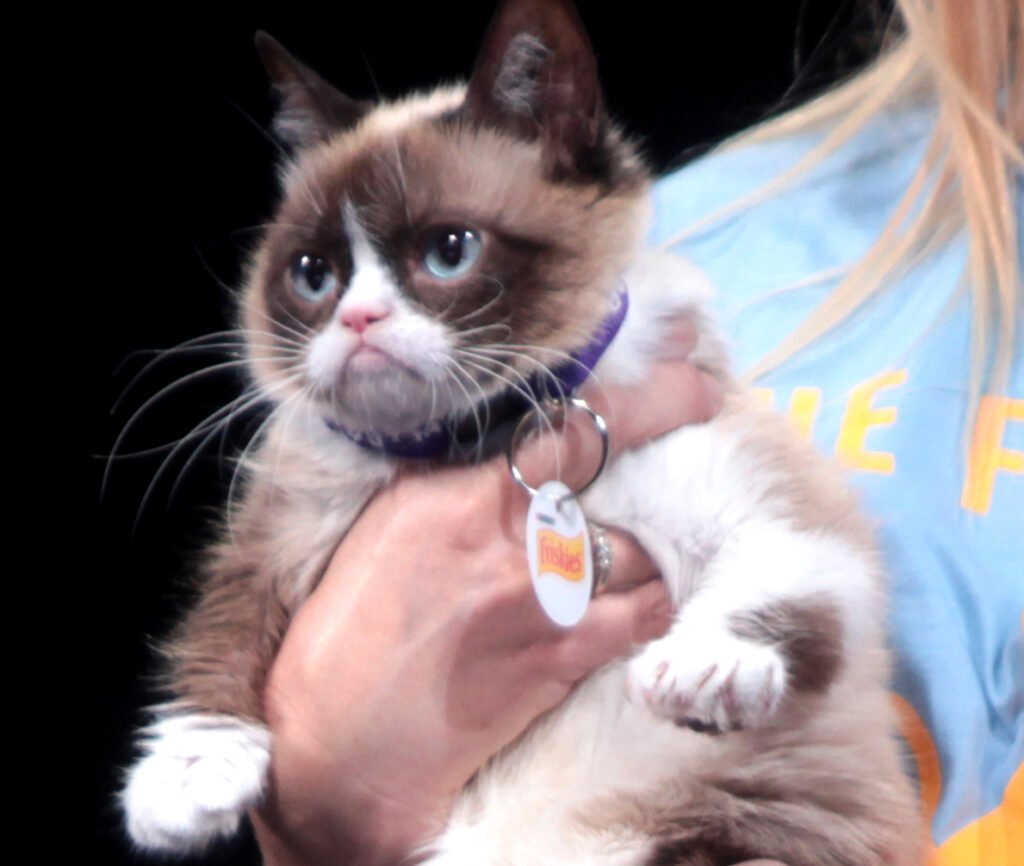
You almost certainly remember Grumpy Cat, the feline internet sensation who seemed to embody the concept of perpetual displeasure. Her real name was Tardar Sauce, and she got her “grumpy” look from a condition called feline dwarfism, as well as a pronounced underbite. Her face wasn’t sending you an attitude. It was anatomy, plain and simple. One thing her cat parent Tabatha Bundesen wanted everyone to know was that Grumpy Cat was not actually grumpy. She was a sweet cat who loved to play and cuddle with her family.
The internet turned her face into a symbol of feline surliness, but Tardar Sauce was likely curled up purring while the memes went viral. The famous Grumpy Cat’s permanently “grumpy” facial appearance was caused by an underbite and feline dwarfism. Her story is a perfect mirror of how badly we misread cat faces at a cultural scale. I think it’s actually a little funny and a little sobering at the same time.
What a Truly Relaxed and Happy Cat Actually Looks Like
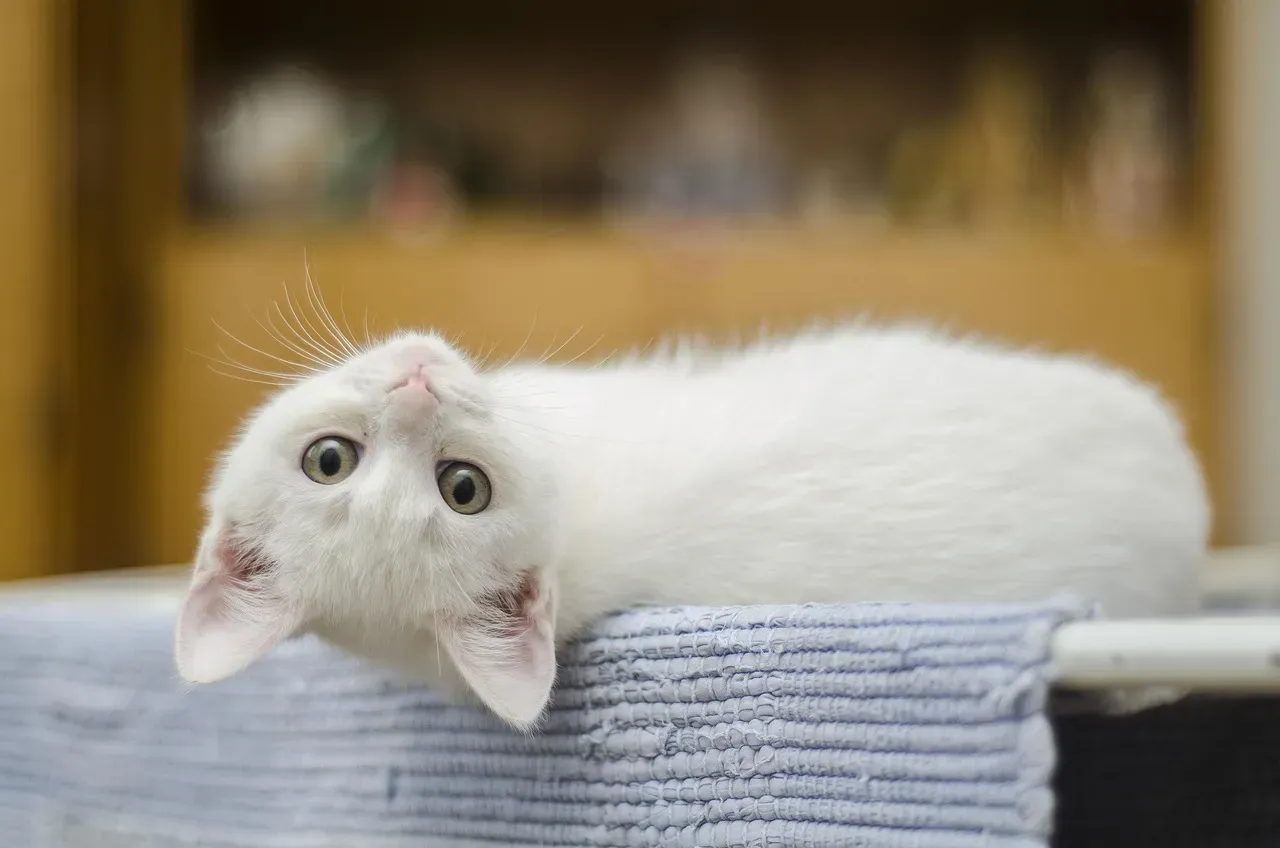
So if you can’t trust the frown, what should you be looking for? A cat who is feeling good will have relaxed open eyes, ears facing forward, relaxed muzzle, and loose and curved whiskers. That’s the blueprint for feline contentment. It’s subtle, soft, and nothing like what you see in a Hollywood villain. When a cat is happy, their posture is typically loose, with their limbs and tail stretched out away from their body when lying down.
Their eyes might be blinking softly, or half closed. Their ears will be relaxed, held casually upright and forward, although they could swivel around independently if your cat is listening to things around them. Their whiskers will be relaxed, away from the sides of their face, and they may almost appear to smile! None of this reads as dramatic happiness, but that’s precisely the point. For a cat, calm is the highest form of contentment.
The Slow Blink: Your Cat’s Secret “I Love You”
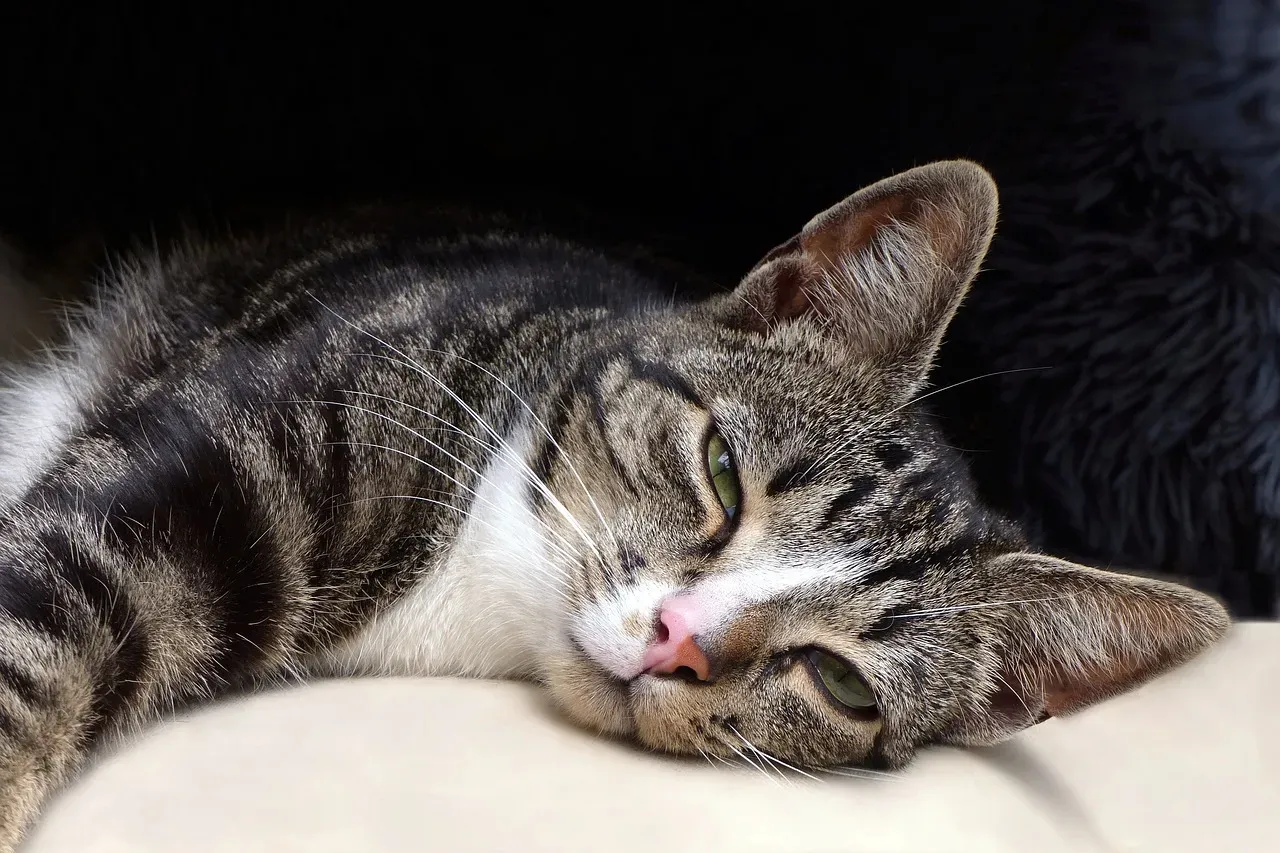
This is, honestly, one of the most beautiful discoveries in feline science. When your cat slow blinks, they’re essentially saying, “I feel safe with you.” This gesture is comparable to a human smile, a universal sign of comfort, trust, and positive emotional connection. You might have noticed it from across the room, that lazy, deliberate half-close of the eyes directed right at you. That’s not drowsiness. That’s affection. According to a 2020 study published in Scientific Reports, the secret lies in one gentle gesture: the slow blink. Instead of smiling the way humans do, cats communicate friendliness by narrowing their eyes and blinking slowly, a behavior many owners have noticed but only recently gained strong scientific support.
The evolutionary logic behind it is fascinating. In the wild, closing one’s eyes in the presence of another is the ultimate sign of trust, as it makes an animal vulnerable to attack. By slowly closing its eyes while looking at you, your cat is signaling, “I feel so safe with you that I am willing to let my guard down.” You can even reciprocate. By observing cat-human interactions in 2020, scientists confirmed that this simple gesture makes cats, both familiar and strange, more likely to approach and engage with humans.
When a Grumpy Face Actually Does Signal a Problem
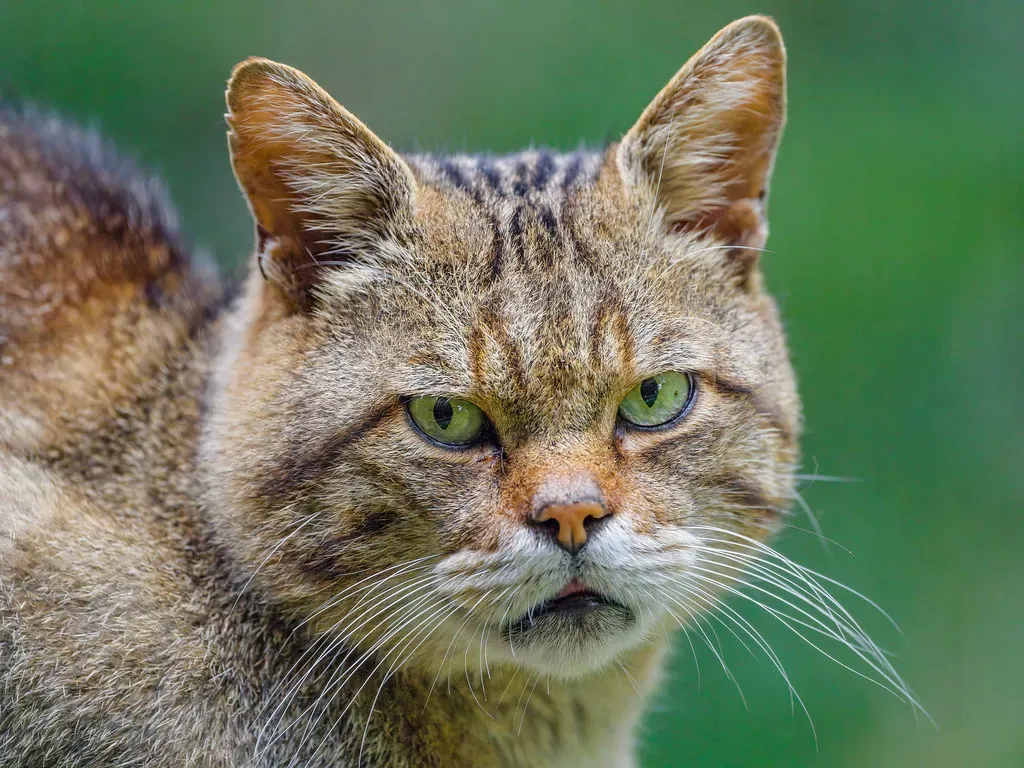
Now, here’s where it gets important. Most “grumpy” faces are completely harmless expressions of a neutral emotional state. Sometimes, though, a genuinely unhappy face is telling you something real. A grumpy face can be a sign of an underlying health problem. Dental issues, eye infections, and pain from arthritis can make your cat appear unhappy. It’s essential to monitor their behavior and consult your veterinarian if you suspect any health concerns.
Stress, pain, or anxiety often appear subtly, so watch facial shifts closely. The difference is context and consistency. A cat that suddenly looks “grumpy” when they’ve always appeared neutral warrants attention. Pain in a cat is shown by squinty eyes, ears flat and rotated outward, muzzle tension, and whiskers staring and pushed forward. That combination, especially paired with behavioral changes, is a cue to call the vet rather than assume your cat just woke up on the wrong side of the bed.
The Selective Breeding Problem Nobody Talks About
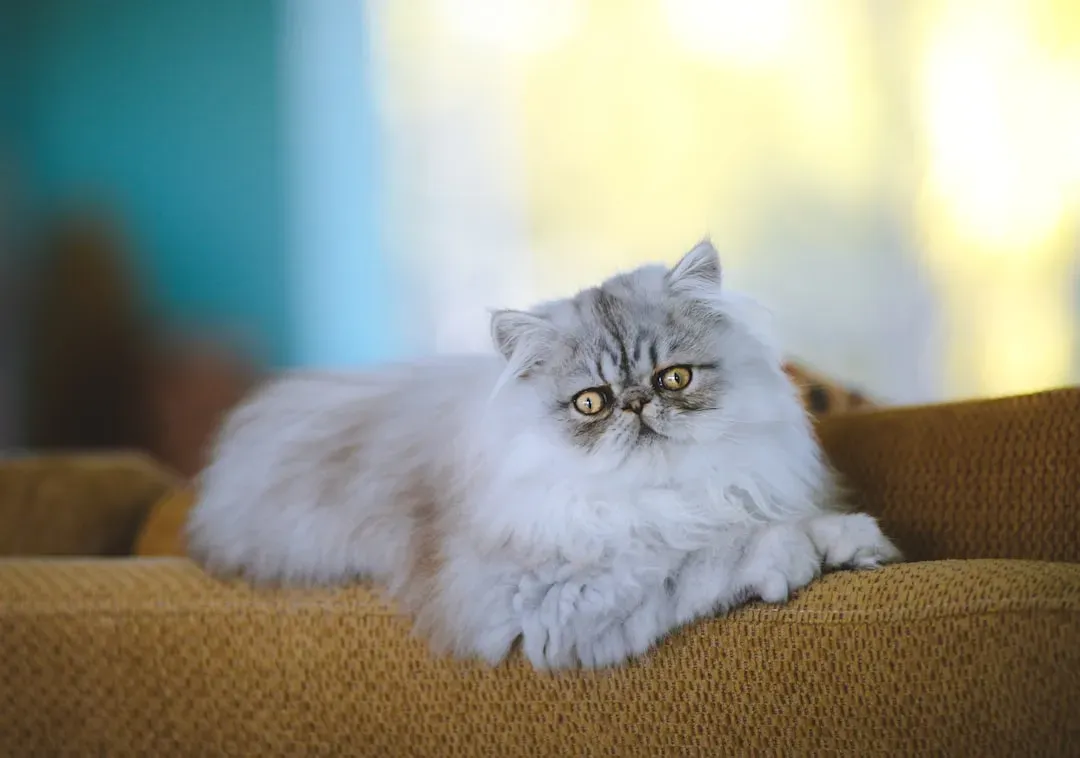
There’s a deeper and genuinely troubling side to all of this. Research by cat behaviour and welfare specialists argues that over time, people have selectively bred cats based on human preferences and to display specific features that we find appealing, but which might make it more difficult for individuals to communicate effectively. Breeding cats to have flat faces, big eyes and foreheads and often seemingly grumpy expressions could be affecting their ability to communicate how they are actually feeling. In other words, by breeding cats to look a certain way, we may have accidentally silenced them.
What this might mean is that the neutral facial expression in one breed might now look the same as the expression of pain or discomfort in another. That is a genuinely alarming realization. Researchers found that many flat-faced breeds appeared to display more “pain-like” expressions, even though they were not considered to be in distress. If certain breeds have been inadvertently selected to look grumpy or in pain, we might be motivated to care for or give these cats more attention than they would prefer, or conversely be unable to tell when they might actually be in pain and need our help.
How to Actually Read Your Cat’s Emotions Correctly
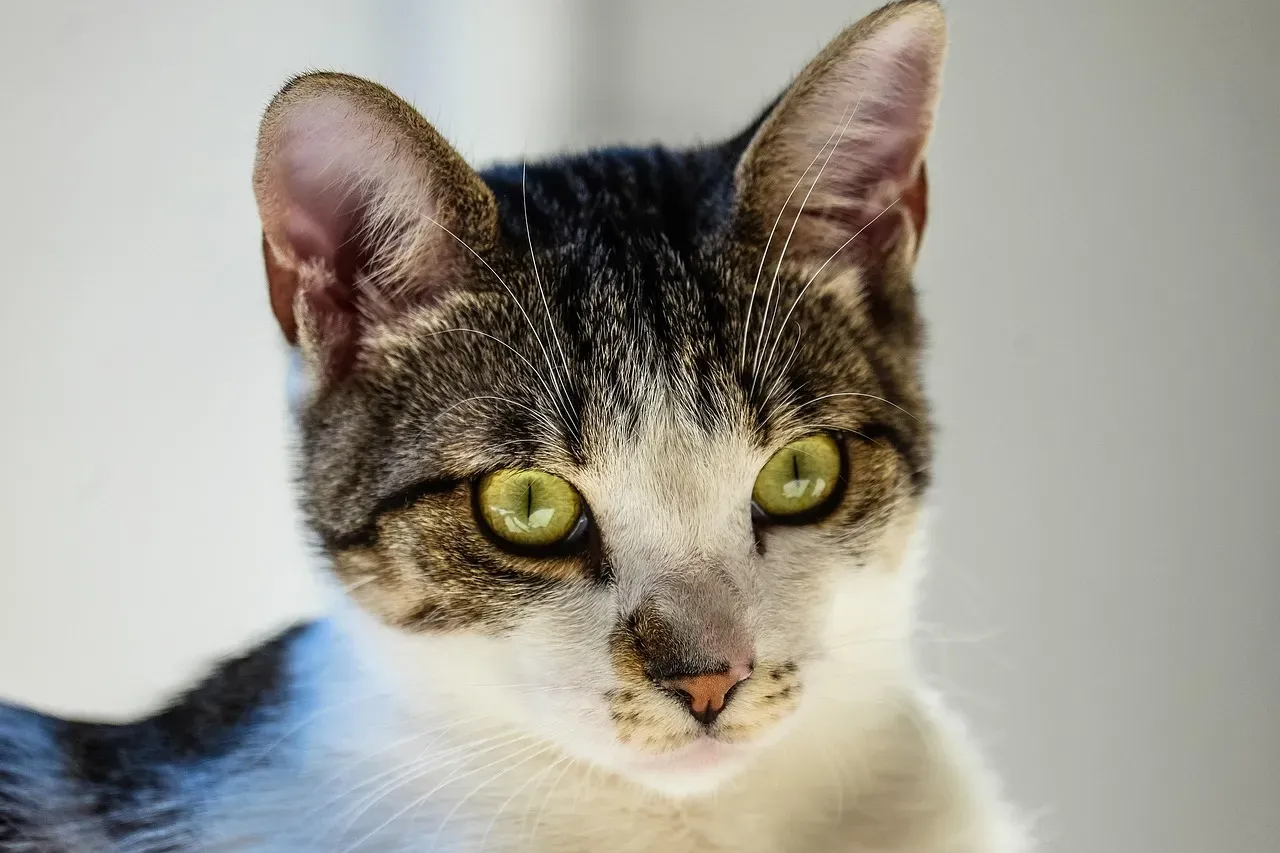
Understanding a cat’s body language is essential for understanding their emotions and needs, which will make you a better cat parent and advocate for your cat’s well-being. The face is just one piece of a much larger puzzle. You need to read the whole picture. Cats use over 300 subtle facial cues to express a wide emotional range. Ear position, eye shape, and whisker direction are key emotional indicators. Train yourself to look at all of these together rather than locking onto the facial expression alone.
Unlike dogs, cats haven’t evolved to have lots of facial muscles, which means their faces aren’t as expressive as dogs. This is why it’s important to recognise even the smallest signs and changes in their body language, because although they seem small, they say an awful lot. The good news? Many people are not picking up much of what feline facial expressions are telling us. But it seems the more time you spend with cats, the better you are at reading them. So practice. Pay attention. It genuinely gets easier.
Conclusion
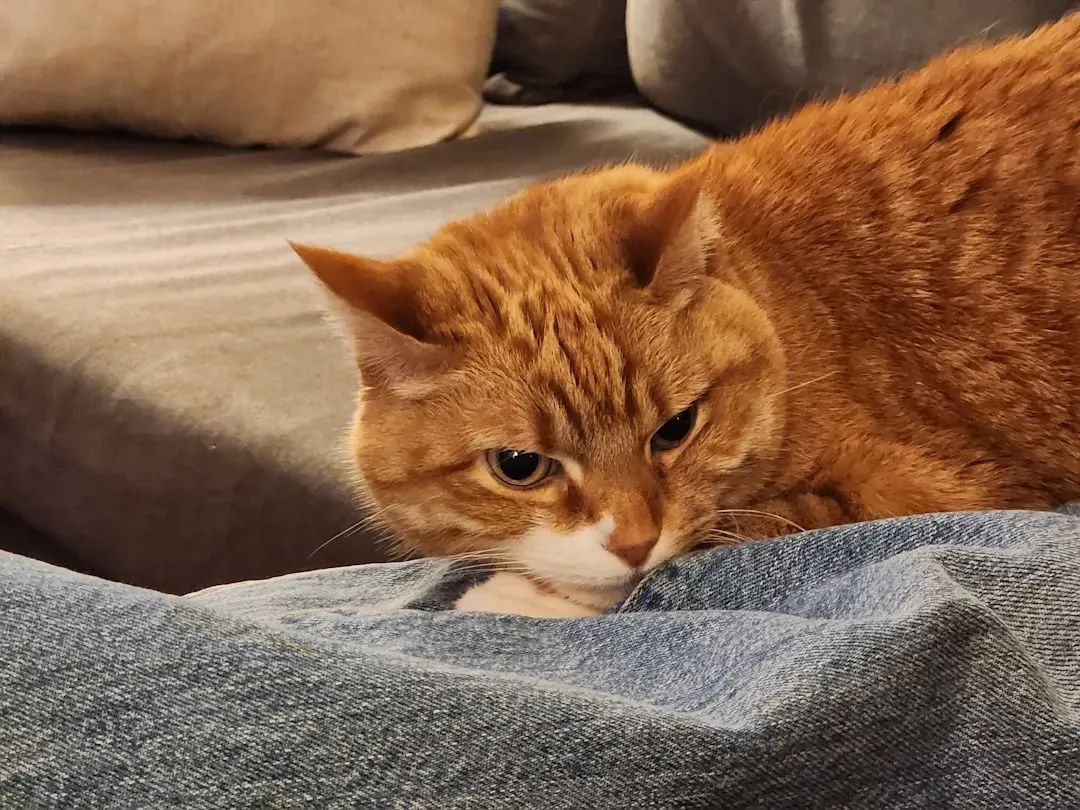
Your cat’s resting face is almost certainly not a verdict on you, your choices, or your morning coffee breath. What looks like sullenness is often stillness. What looks like annoyance is often anatomy. And what looks like an indifferent stare could, in fact, be a creature perfectly at peace in your company. The gap between what cat faces appear to say and what they actually communicate is vast, and learning to cross that gap is one of the most rewarding parts of living with a feline.
Cats are subtle, layered, and genuinely fascinating creatures once you stop expecting them to communicate like dogs or humans. Once you understand that a slow blink is a love letter and that a “grumpy” face might just mean their bones grew that way, everything changes. You start seeing your cat with fresh eyes – and they may just slow-blink right back at you. Did you ever think your cat’s most annoyed-looking moment was actually their most relaxed? It might be time to look again.