You hear it again. That insistent, plaintive meow echoing through your darkened hallway at 3 AM. Groggily, you stumble to the kitchen, assuming your feline companion must be starving. You fill the food bowl, but your cat barely glances at it before continuing to vocalize. Sound familiar?
Here’s the thing most cat owners don’t realize: that nighttime serenade isn’t always about an empty stomach. The cat’s meow is her way of communicating with people, and cats meow for many reasons, from loneliness to territorial concerns, medical issues to simple boredom. Let’s dive into what your cat is really trying to tell you when darkness falls.
Your Cat’s Internal Clock Is Wired Differently
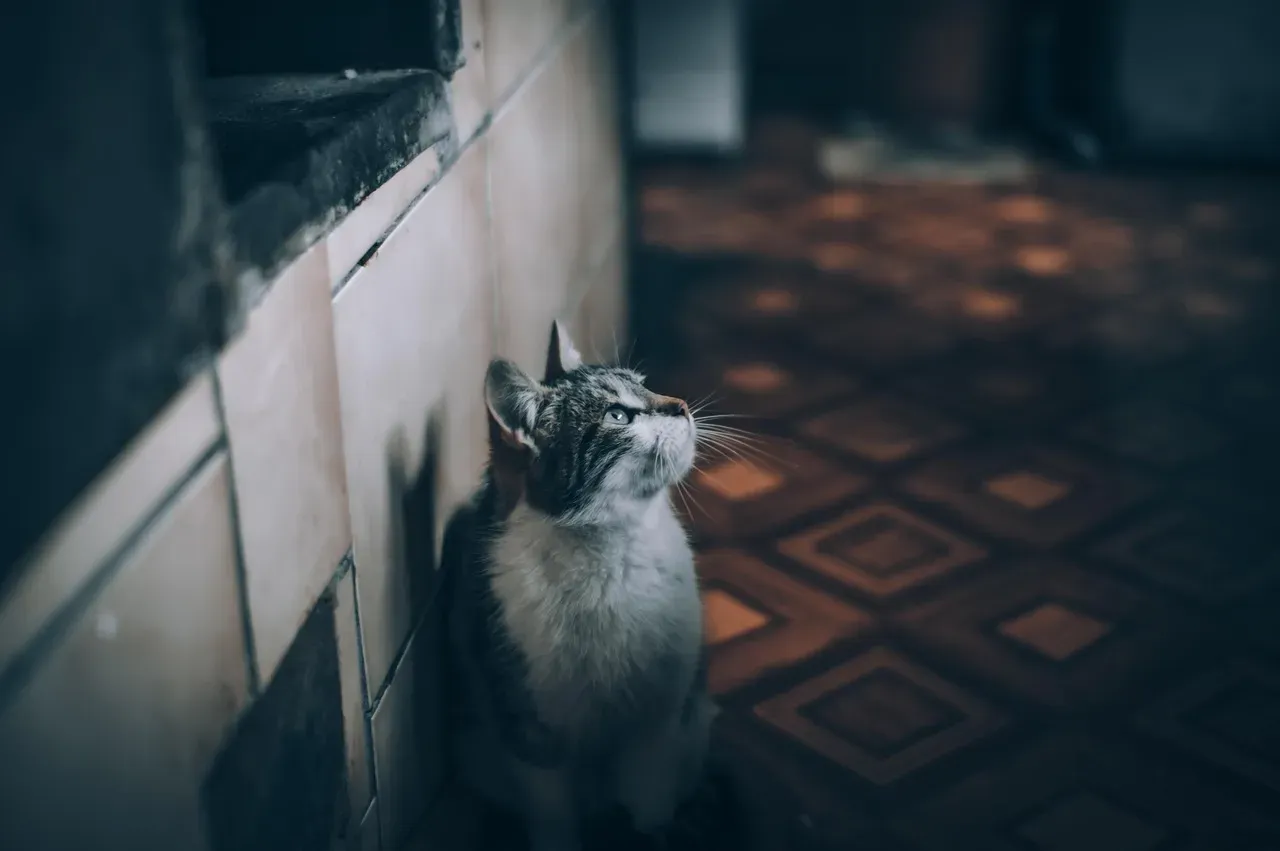
Let’s be real, your cat doesn’t operate on the same schedule you do. Although it’s popularly thought that cats are nocturnal, this is not strictly true; however, they are crepuscular – meaning that they are naturally most active at dusk and dawn. This means when you’re finally drifting off to sleep or just waking up, your cat’s brain is firing on all cylinders.
Contrary to popular belief, cats are not fully nocturnal; they are crepuscular, which means they are most active at dawn and dusk – just when you’re trying to sleep, as in the wild, their ancestors hunted small prey like mice during twilight hours. Even though your pampered house cat gets meals delivered in a bowl, those ancient hunting instincts don’t just disappear. Your cat may be meowing simply because their body is telling them it’s prime hunting time, and they’re bursting with energy while you’re desperately trying to catch some sleep.
Boredom Is a Bigger Problem Than You Think
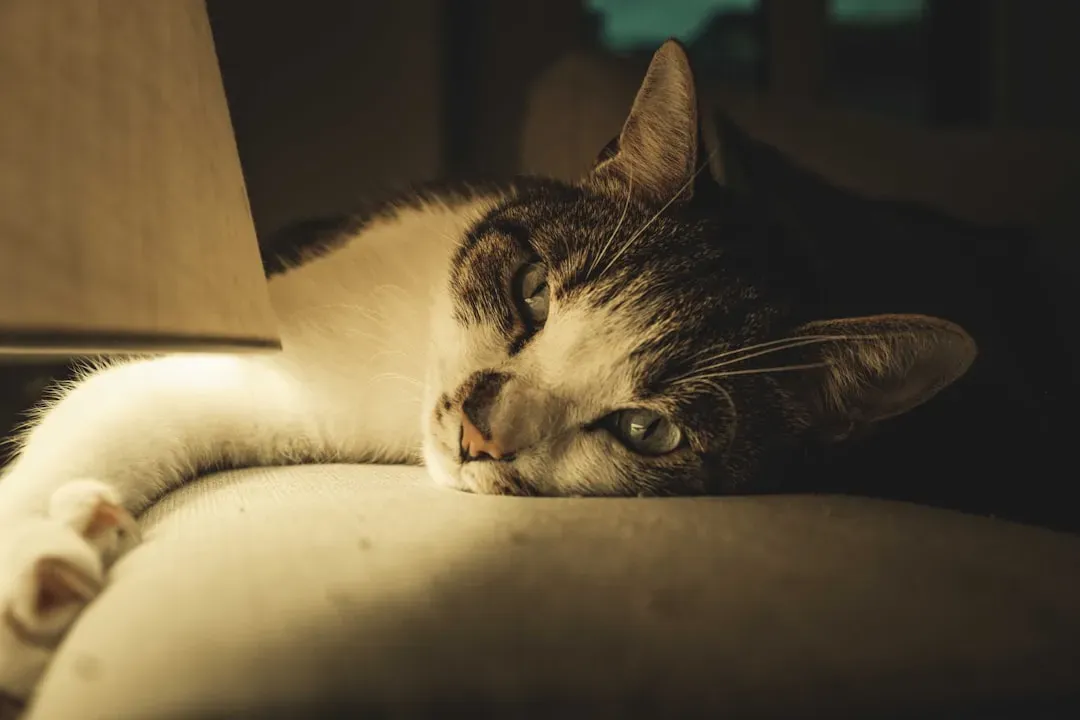
Cat crying at night may be simply because they’re bored – or because they haven’t tired themselves out during the day, and active play before bedtime may help. Think about it: if your cat lounges around all day while you’re at work, they’re essentially napping away their daylight hours. Then nighttime rolls around, and suddenly they’re wide awake with nothing to do.
If you have an indoor-only cat, there’s a good chance that they’re bored, and playtime that includes simulated hunting is essential to a cat’s happiness, as cats are predators at heart. Indoor cats especially need mental and physical stimulation throughout the day. Without it, that pent-up energy has to go somewhere, and it often manifests as excessive vocalization at night.
They’re Actually Seeking Your Attention (Yes, Really)
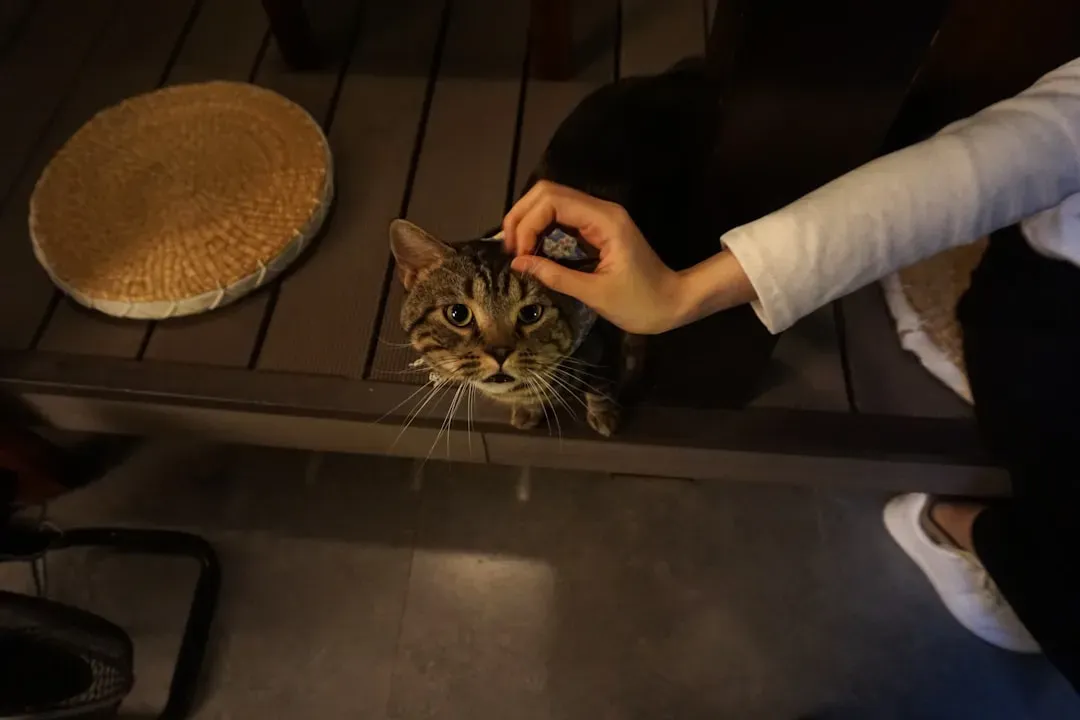
I know it sounds crazy, but your cat might just miss you. Your cat meowing at night can essentially be an attention-seeking behavior, and although it is important to attend to your cat’s needs, constantly complying with their asking for attention may lead to them asking for it more frequently. Cats may have a reputation for being aloof, but many are surprisingly social creatures who crave interaction with their humans.
Cats meow for a variety of reasons but they’re basically seeking attention, food, or play from their owners, and they also do it if they’re distressed, confused, or otherwise worried. If you’ve been busy all day and haven’t spent quality time with your cat, those nighttime meows might be their way of saying they need some love and companionship. The irony is that by responding every time, you’re actually training your cat to wake you up, creating a cycle that’s hard to break.
Medical Issues Could Be the Hidden Culprit
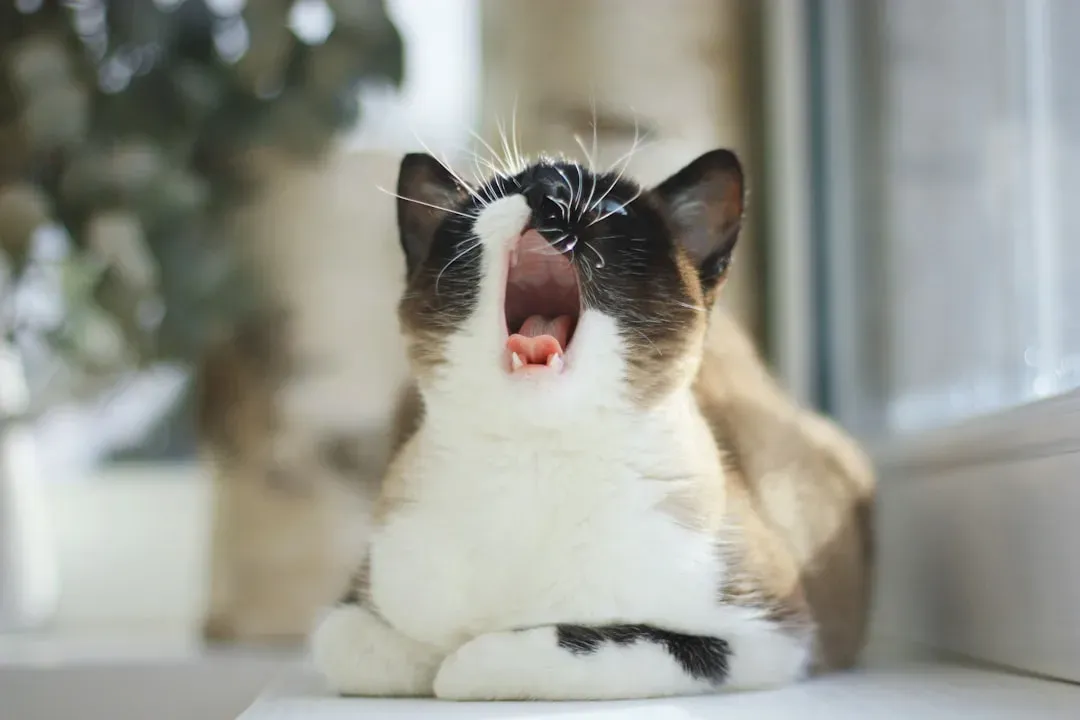
This is where things get serious. If your cat won’t stop crying at night even when they have plenty of play time, other causes to consider are thyroid or kidney disease. Excessive nighttime vocalization can be an early warning sign of several health conditions, particularly in older cats.
Hypertension, hyperthyroidism, and cystitis can all cause cats to meow due to distress or pain, and senior cats sometimes experience cognitive decline, similar to dementia in people. Pain from arthritis, dental disease, or other uncomfortable conditions can make it difficult for cats to settle down at night. If this is new behavior for your cat, or if it’s accompanied by other symptoms like changes in appetite or litter box habits, don’t brush it off as just annoying behavior. A vet visit is crucial.
Senior Cats Face Unique Nighttime Challenges
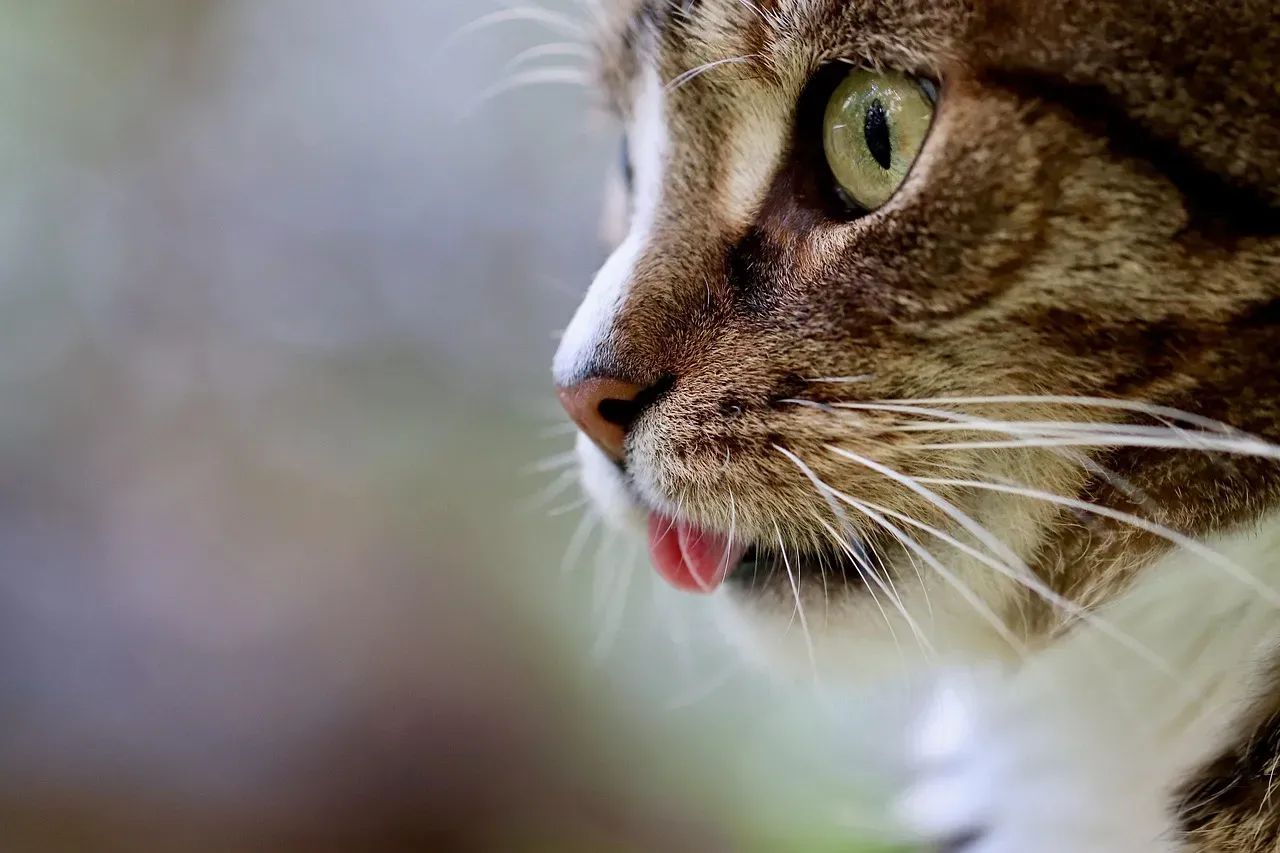
As cats age, their cognitive function and night vision can deteriorate, causing feelings of insecurity, confusion, vulnerability, and disorientation, and one way to help your cat feel less fearful is to place nightlights around your home. Imagine waking up confused about where you are or unable to see clearly in the dark. That’s potentially what aging cats experience.
Confusion, changes in memory, and fear are big reasons your cat might be meowing so much, as they can sometimes forget where they are or who you are, and while it’s not a certainty that all cats will get cognitive dysfunction, it’s known that one third of all cats will show a few signs by age 11, rising to 50% over age 15. Senior cats may also experience hearing loss, which can make them vocalize louder because they can’t hear themselves properly. These nighttime calls can be heartbreaking, but understanding the cause helps you provide better support.
Territorial Instincts Kick In After Dark
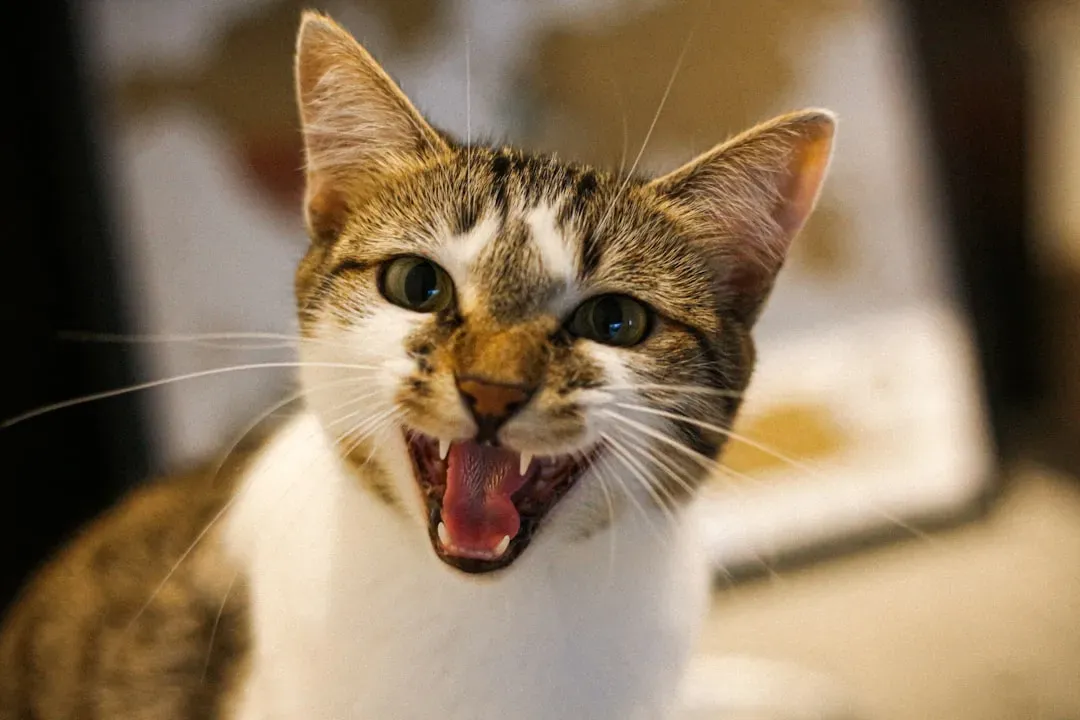
Cat owners may witness an intriguing yet usual occurrence in the moonlit hours – their cat’s nighttime meows, driven by instinctual territorial instincts, as naturally protective cats use the night as a watchful period to alert against intruders, and this behavior, termed caterwauling, entails intense yowls, occurring mainly at night when cats stay extra alert. If there are outdoor cats roaming near your home, your indoor cat can sense them.
Those meows might not be directed at you at all. Your cat could be issuing warnings to potential feline intruders, essentially saying “this is MY territory.” Even seeing another cat through a window can trigger this response. It’s hard to say for sure, but this territorial behavior is deeply ingrained in feline DNA, regardless of how pampered your house cat might be.
The Mating Call (If Your Cat Isn’t Fixed)
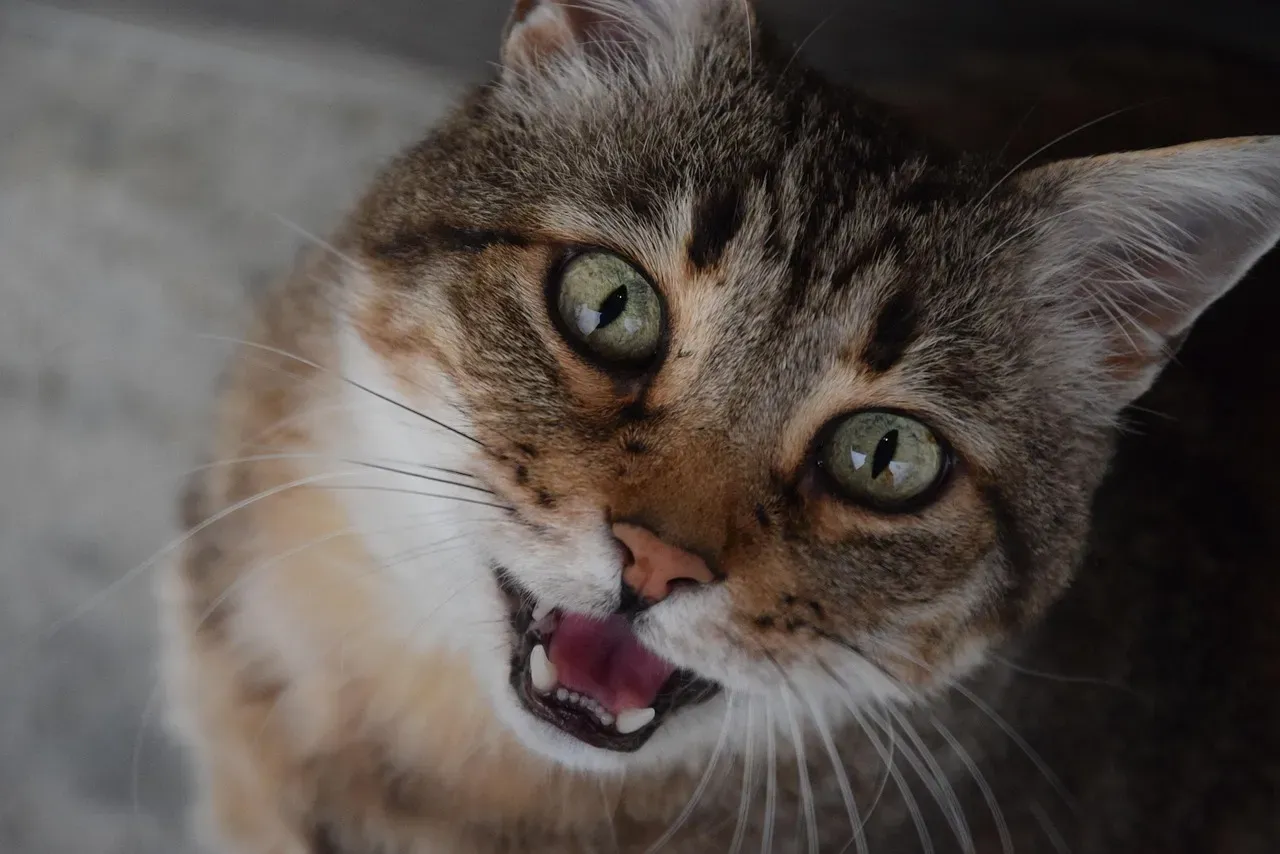
There’s also the possibility that if your cat hasn’t been spayed or neutered, they will call or yowl while seeking a mate and/or warn competitors away. This is one of the loudest and most persistent forms of cat vocalization you’ll encounter. Female cats in heat will vocalize to attract males, while male cats will respond with their own calls.
As many of us know through experience, extremely loud screeching and cats’ yowling at night can be the sound of mating, and while this is a natural process, you should ensure that you get your cat neutered as soon as they are sexually mature, around 4 months old, as it significantly reduces unwanted kittens and also stops the loud yowling sound. The solution here is straightforward: spaying or neutering eliminates this particular reason for nighttime vocalizations.
Hunger Can Still Play a Role (But Not How You’d Expect)
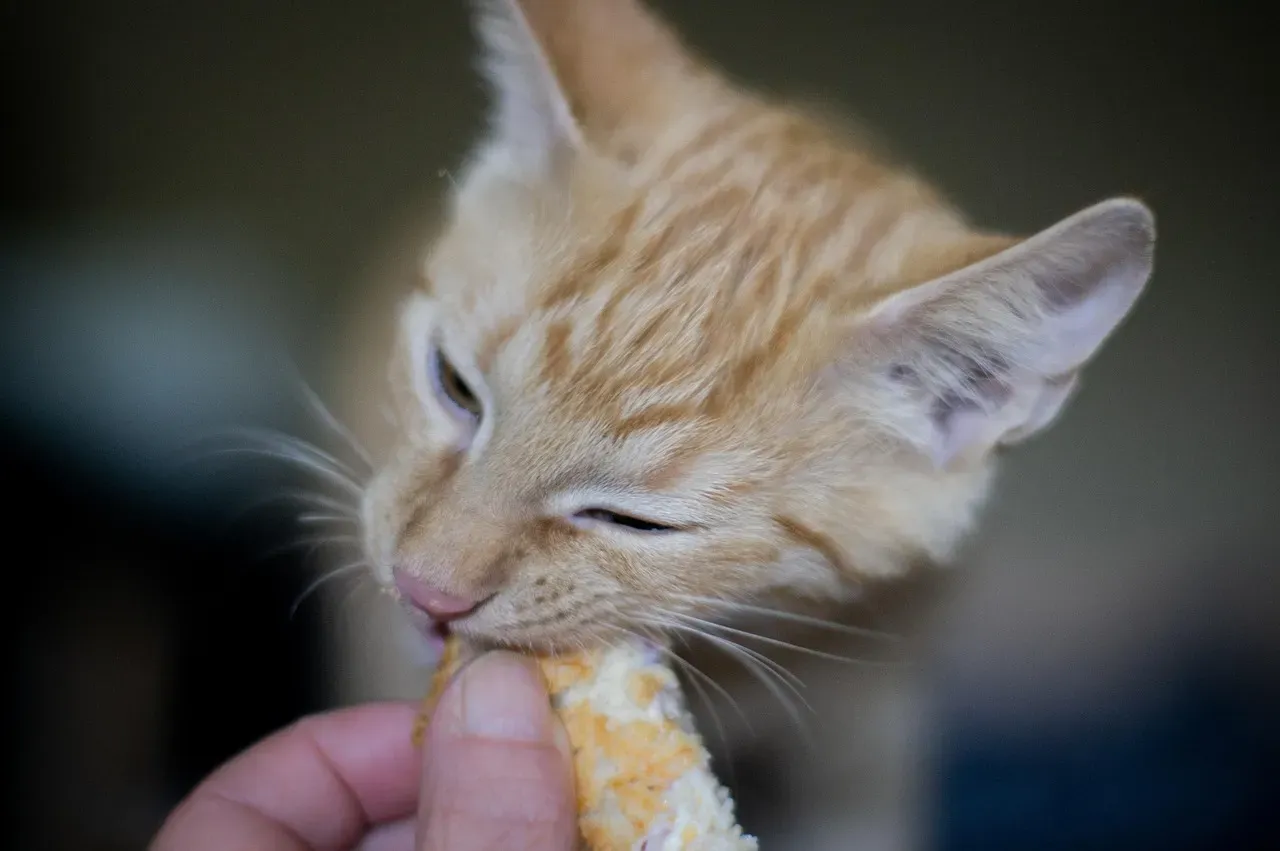
Okay, so hunger can be a factor, but it’s more nuanced than just an empty bowl. Cats do best when they get multiple small meals throughout the day, including one just before bedtime, and hunger can cause wakefulness, as nothing is more disruptive than a hangry cat prowling for a snack. Cats have small stomachs and fast metabolisms, so they naturally prefer eating several small meals rather than one or two large ones.
If you feed your cat early in the evening and then go to bed hours later, they might genuinely be hungry by 3 AM. However, the fix isn’t to wake up and feed them every time they meow. Instead, adjusting feeding schedules to include a meal right before your bedtime can help. Some cat owners find success with automatic feeders that dispense small amounts of food during the night, breaking that association between meowing at you and getting food.
Environmental Stressors You Might Be Overlooking

Common feline stressors include relocation, illness, and behavioral changes as they age, and expanding your family with a kitten, dog, or baby might also confound your cat, making them more prone to meowing at night. Cats are creatures of habit, and any disruption to their routine or environment can manifest as increased vocalization.
Even seemingly small changes, like rearranging furniture, changing litter brands, or having houseguests, can stress your cat. A light or something outside could be keeping your cat up and causing them to meow – they are light sleepers, after all, and finding ways to prevent this distraction, like turning automatic lights off, could prevent disturbing their sleep. Sometimes the solution is as simple as closing curtains or providing a quieter sleeping area.
How to Actually Address Nighttime Meowing

If the reason is attention seeking, then responding to the cat’s meows will only make it more likely that the cat will disturb you at night. This is the hardest part: you need to resist the urge to respond immediately. Still, you should never ignore persistent meowing until you’ve ruled out medical issues and ensured all your cat’s basic needs are met.
Cats thrive on routine, and they should always know when their next meal is coming and when they’ll get to play with you, as keeping these things on a schedule can reduce anxiety and also help to consistently get your cat’s exercise out before bed. The key is creating a structured evening routine that includes vigorous play sessions followed by a meal, mimicking the natural hunt-eat-groom-sleep cycle. Providing environmental enrichment during the day helps tire them out, making nighttime sleep more likely.
When Professional Help Becomes Necessary
If this is new behavior for your cat, especially an older cat, please take your kitty to your veterinarian to rule out any underlying medical issues, especially painful conditions, thyroid disease, and, in older cats, cognitive decline. Honestly, this can’t be stressed enough. Sudden changes in vocalization patterns warrant a veterinary exam, full stop.
Beyond medical evaluation, certified cat behaviorists can provide invaluable guidance for persistent vocalization issues. They can assess your specific situation and develop a customized plan. Some cats respond well to medication for anxiety or cognitive dysfunction, while others benefit from environmental modifications. Don’t suffer in silence (or rather, in the sound of constant meowing). Professional help is available, and there’s no shame in seeking it for your cat’s wellbeing and your own sanity.
What patterns have you noticed in your cat’s nighttime behavior? Understanding these subtle communications can transform those frustrating 3 AM wake-up calls into opportunities to better meet your feline friend’s needs. Your cat is trying to tell you something. The question is, are you listening?