You’ve probably caught yourself staring at your cat and wondering if their spine is actually made of rubber. One moment they’re curled into a tight little donut, the next they’re sprawled like a tiny, furry drunk on the kitchen tiles. It’s hilarious, it’s endearing, and honestly, it’s one of the best parts of having a cat.
Here’s the thing though: those ridiculous, gravity-defying nap poses aren’t just comedic gold for your camera roll. The way your cat sleeps can give you subtle clues about their comfort, health, and emotional state. Every twist, tuck, and belly flop carries real meaning. So before you scroll past that next sleeping cat photo, let’s dive into what your feline is actually telling you. Be surprised by how much a nap can reveal.
The Classic Curl: Your Cat’s Natural Self-Soothing Superpower
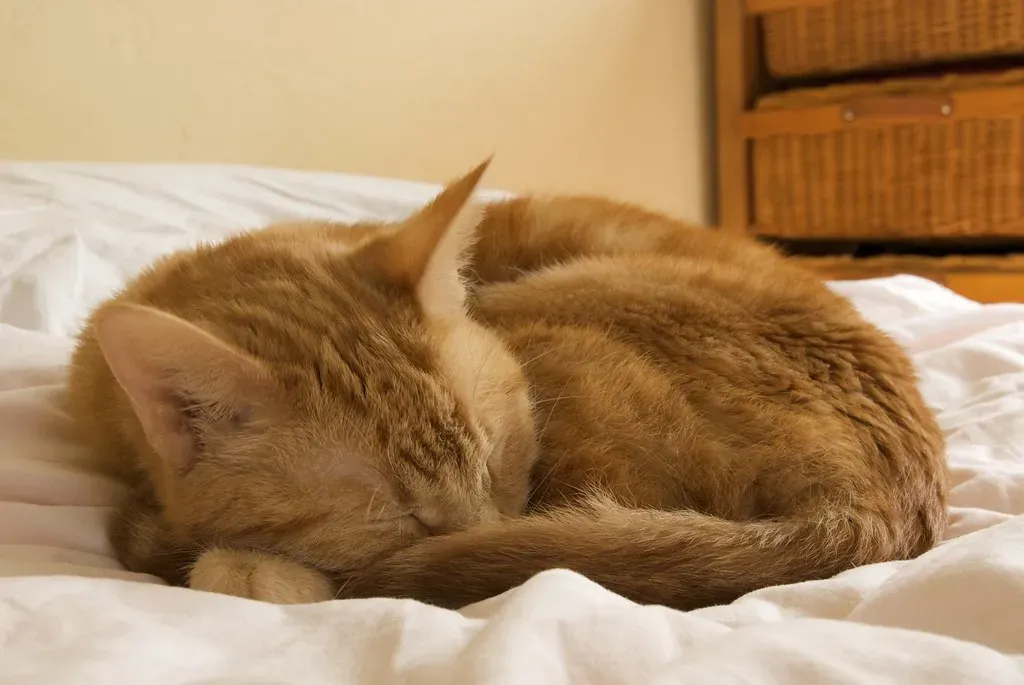
When your cat wraps themselves into a tight, nose-to-tail ball, it might look like they’re trying to become a sphere. But there’s brilliant biology at work behind that adorable pose. Cats often sleep curled up in a ball with nose to tail. Cats like to be warm, and this shape helps them retain body heat. This position also protects vital organs in their abdomen by surrounding them with less essential and more resilient muscle and bone.
Think of it like a cat wrapping themselves in their own personal weighted blanket. It’s instinctive, comforting, and deeply rooted in survival. This is one of the most common and instinctive cat sleep positions, with the body curled nose-to-tail like a cinnamon roll. It’s a comfort and security favorite. The meaning: conserving heat, protecting vital organs, creating a self-soothing shield. If you see your cat in this position regularly, you can feel good about that. It means they’ve found their version of inner peace, right there on your sofa cushion.
The Bread Loaf: The Pose That Says “I’m Chill, But Don’t Push It”
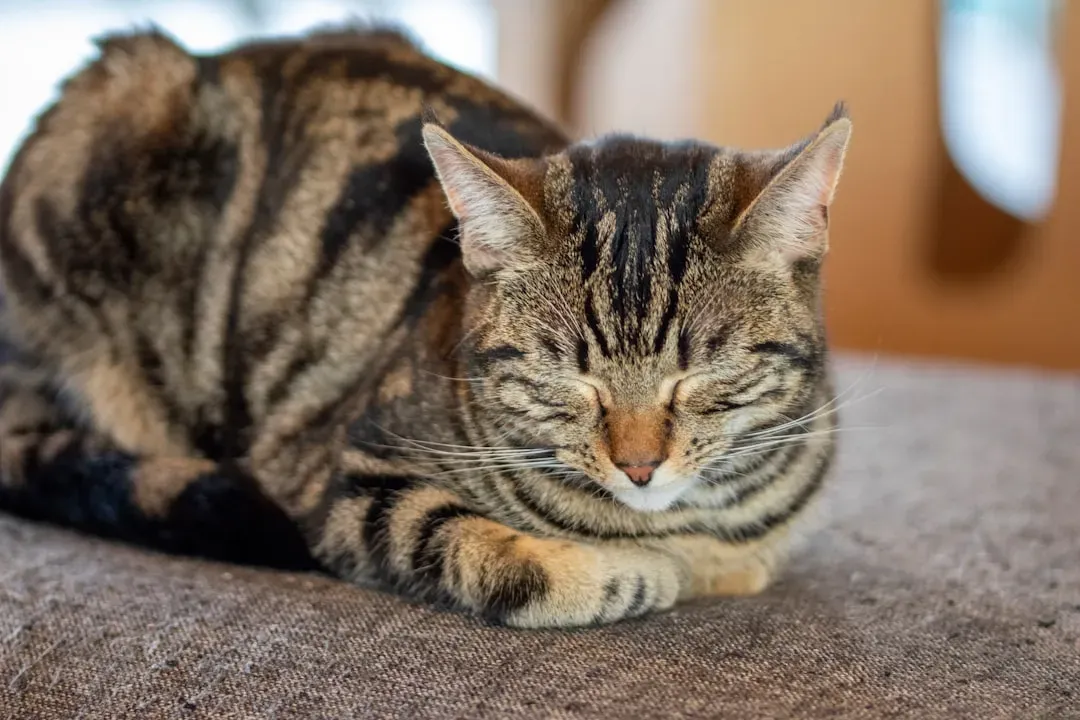
The loaf is arguably the most iconic of all cat sleeping positions. Sitting upright with paws neatly tucked underneath, your cat looks like something you’d find in a bakery display window, minus the price tag. The loaf position is a classic cat posture where your cat sits upright with their front paws tucked neatly beneath their body, creating a shape that resembles a loaf of bread. Their tail is often wrapped close, and their head may rest above their paws or be upright.
Honestly, I think this one is the most underrated sleeping position in the cat world. It communicates something remarkably nuanced. A loafing cat is sending a subtle message of trust. Tucking the paws and tail under the body means your cat feels safe, yet doesn’t want to be caught off guard. There’s a gentle calmness about a loafing cat, but you may notice their ears flick or eyes track movement, evidence of a relaxed yet watchful state. Loafing is a sign your cat feels comfortable around you, but stays just a little bit ready for action. It’s basically the feline version of “relaxed vigilance,” and it’s something humans could genuinely aspire to.
The Belly-Up Bliss: The Ultimate Compliment Your Cat Can Pay You

If your cat has ever flopped onto their back and exposed their entire soft, fluffy belly to the world, you’ve received one of the highest honors in the pet-owner relationship. No, seriously. If you have a furry friend that loves a good belly rub, then you may have seen them sprawled out on their bed of choice, on their back, exposing their stomach. This sleeping position for a cat would leave them extremely vulnerable in the wild, so if your pet tends to choose to sleep in the belly-up position, then this means they feel incredibly comfortable and safe around you.
Let’s be real, for an animal that is both predator and prey by nature, leaving the belly exposed is a major deal. A cat who sleeps belly-up is showing maximum trust. The belly is a cat’s most vulnerable spot, so if your kitty is comfortable enough to sleep like this, they feel completely safe and secure in their home. These cats are typically confident, social, and playful. Worth noting: just because the belly is on display does not mean it’s available for touching. That’s a trap many a cat owner has learned about the hard way.
The Side Sprawl: Deep Sleep and Deep Trust in One Move
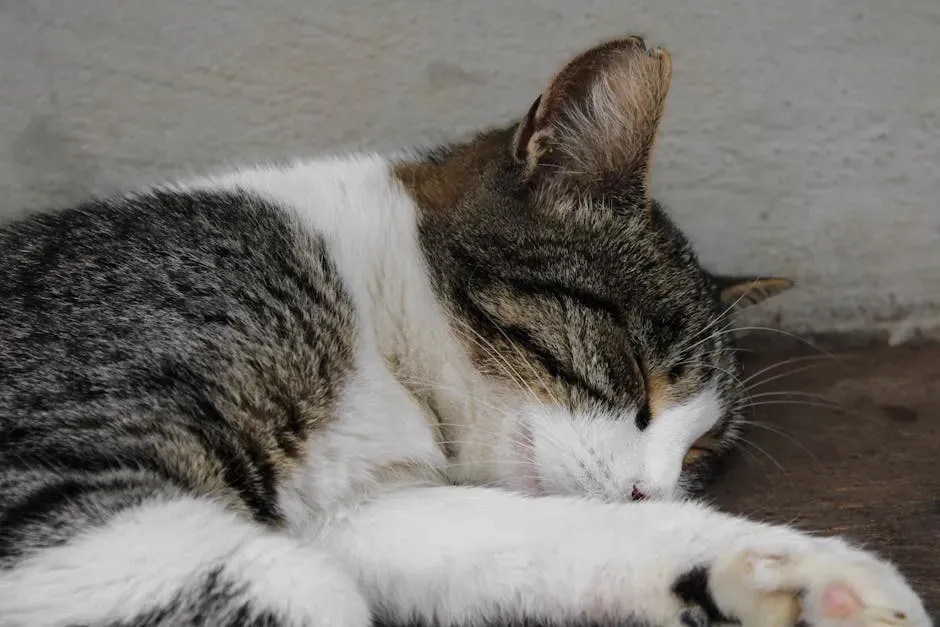
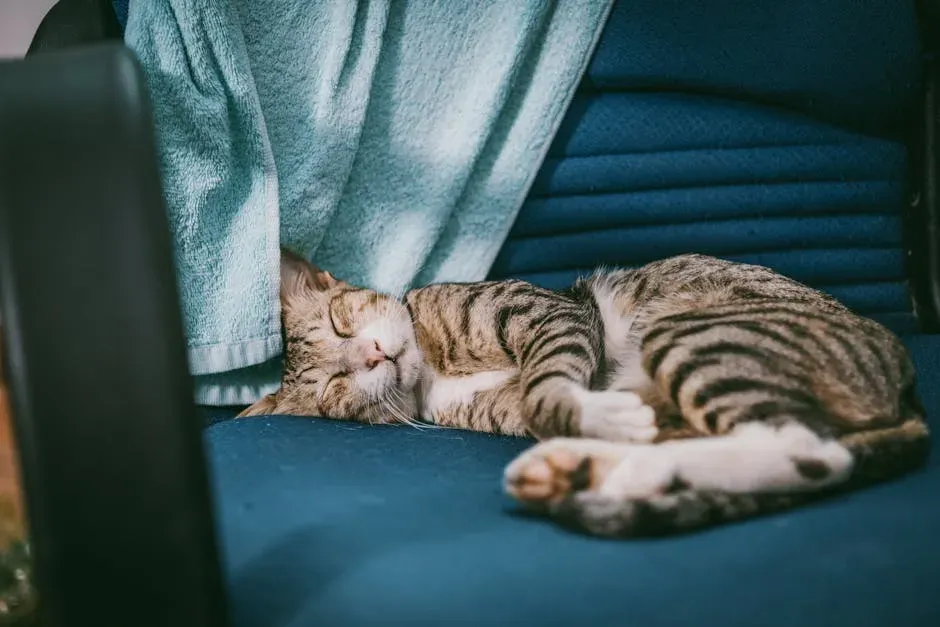
When your cat stretches out fully on their side, legs extended and muscles completely loose, you’re watching something genuinely special happen. This sleeping position is one of the most comfortable for cats. When your cat is spread out on their side, they are often in a deep sleep. If your cat is an avid side sleeper, then this means that they really do trust and feel comfortable around you, as this is one of the cat sleeping positions that leaves your feline friend most vulnerable.
There’s a practical upside to this position too, beyond the emotional warmth it signals. Sleeping on their side makes it easier for your cat to jump up and run if they need to. As prey animals, having this escape option acts as a bit of insurance, helping your cat to get a restful sleep. So even in total relaxation, your cat’s evolutionary instincts are quietly doing their job in the background. A napping cat who looks completely carefree is still technically “prepared.” Respect.
The Pretzel Twist: Flexibility That Doubles as a Personality Test
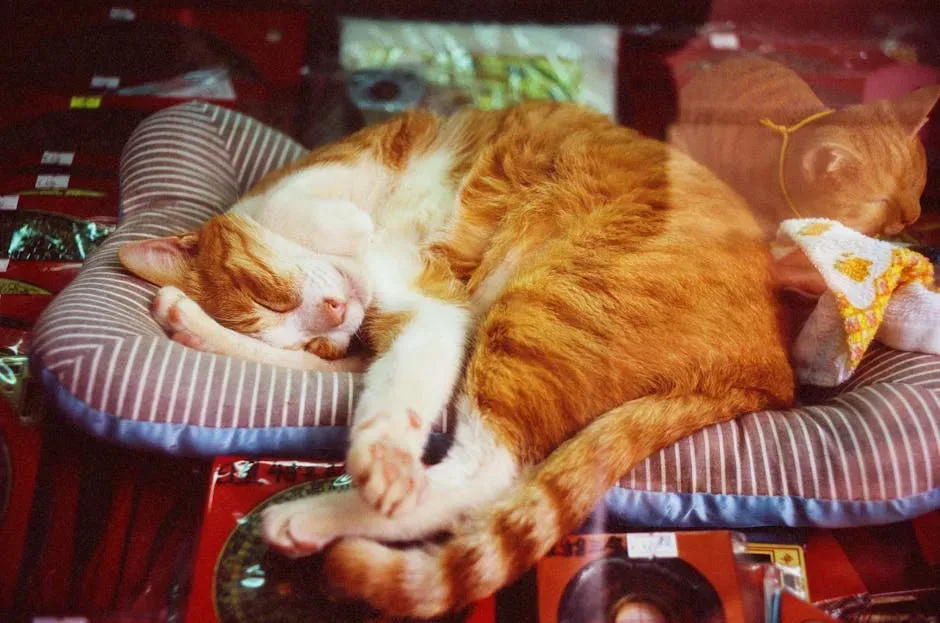
If you’ve ever watched your cat sleep with their back legs pointing one way, front legs the other, and their head twisted at an angle that makes you wince just looking at it, you’ve witnessed the pretzel. It looks painful. It absolutely is not. If you find your cat with its front and back legs splayed in different directions and its head twisted around, rest assured they are not in discomfort; in fact, they’re probably quite content. Cats often choose these unconventional positions simply because they find them comfortable. Cats have an extraordinary range of motion thanks to the flexible structures of their bodies, enabling them to twist and stretch into various shapes without pain. Their unique anatomical feature is why cats can contort into positions that might look uncomfortable to us but are perfectly cozy for them.
Beyond the physical flexibility, the pretzel actually tells you something meaningful about your cat’s emotional state and personality. Cats who sleep like pretzels are flexible, literally and emotionally. This carefree sleeping style often belongs to cats who are easygoing, adaptable, and not too bothered by changes in their environment. They’re usually fun-loving and spontaneous. It’s like a personality quiz you didn’t have to ask your cat to fill in.
Sleeping on You: What Your Cat’s Chosen Spot on Your Body Reveals
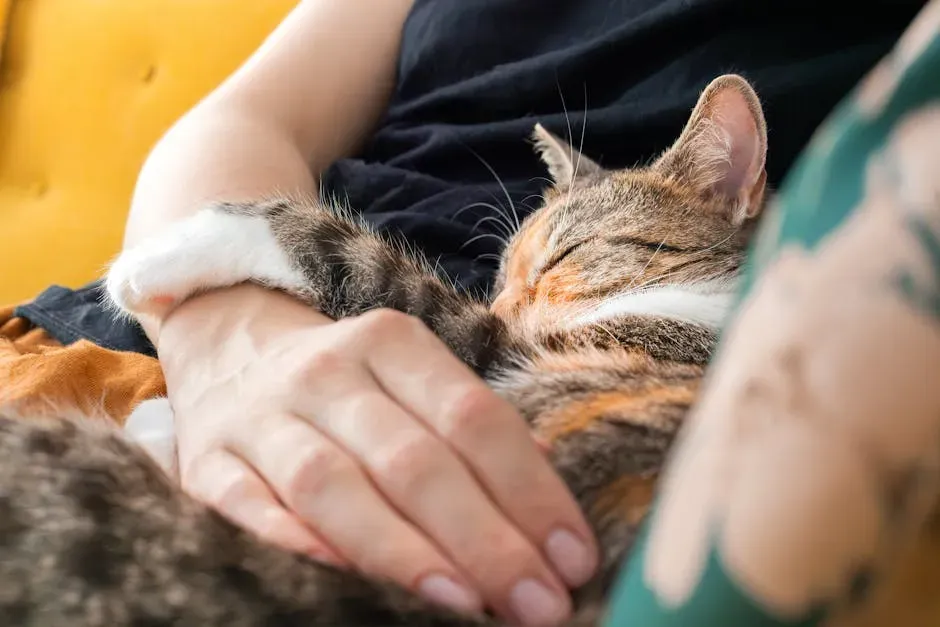
Whether your cat commandeers your chest, wedges between your knees, or drapes themselves over your feet, their chosen spot on your body is never random. Cats are known for their peculiar and selective sleeping habits. If you’ve ever wondered why your cat chooses a specific spot on your bed, the answer may be rooted in scent, temperature, and comfort. Each location carries a slightly different message, and once you learn to decode them, it honestly changes how you experience bedtime with your pet.
A cat napping on your chest, for instance, is drawn to something remarkably primal. Cats sleeping on top of their pet parents likely want to be close to their human companions. Your cat might sleep on your chest to hear and feel your soothing heartbeat. It also could be that your cat wants to take advantage of your body heat. Meanwhile, if they prefer your feet, a cat sleeping at your feet might be doing so to keep both of you warm. This position allows closeness yet provides your cat with quick access to an escape route, often making them feel more secure. It’s sweet, strategic, and somehow perfectly cat-like all at once.
The Tucked-In Snuggler: When Your Cat Borrows Under Blankets
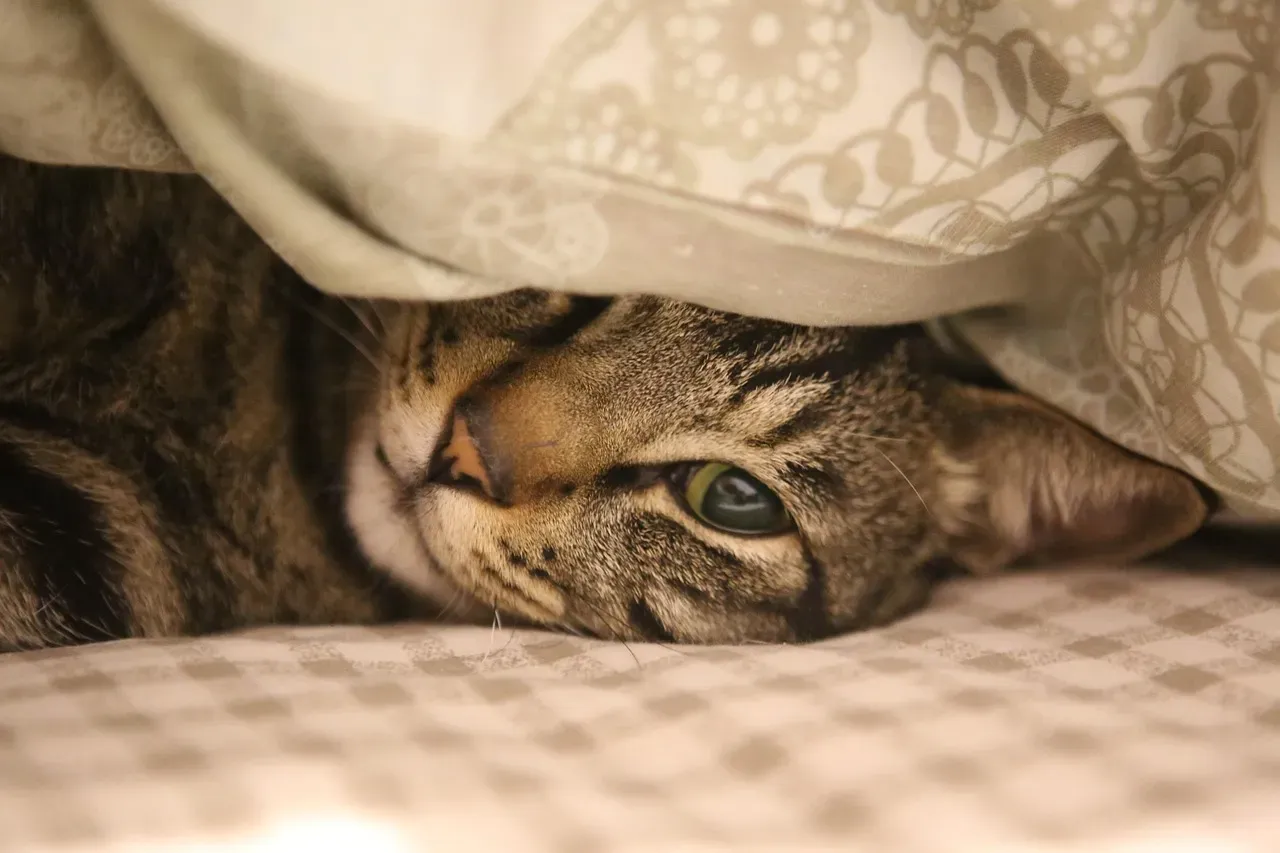
It’s seven in the morning. You throw back the covers and discover a small, warm cat-shaped lump who had apparently been napping beside you under the duvet since midnight. This is a real and deeply charming phenomenon. When you see your cat nestled beneath a blanket or tucked under the covers, it’s usually a sign they’re seeking warmth and safety. This position often means your cat wants to escape chilly environments or avoid disruptive household noises.
There’s also a powerful emotional dimension to blanket-burrowing behavior. A cat sleeping “tucked in” communicates a sense of trust and comfort in its surroundings. By wrapping its body in fabric, your cat is expressing a desire for calmness and stability, often choosing spots that carry your scent. This familiarity helps your cat feel more secure. Scent plays a massive role here. Your blanket isn’t just warm fabric to your cat; it’s practically a security blanket soaked in the smell of their favorite person. Genuinely touching when you think about it that way.
The High-Perch Napper: Surveillance Sleeping with a View
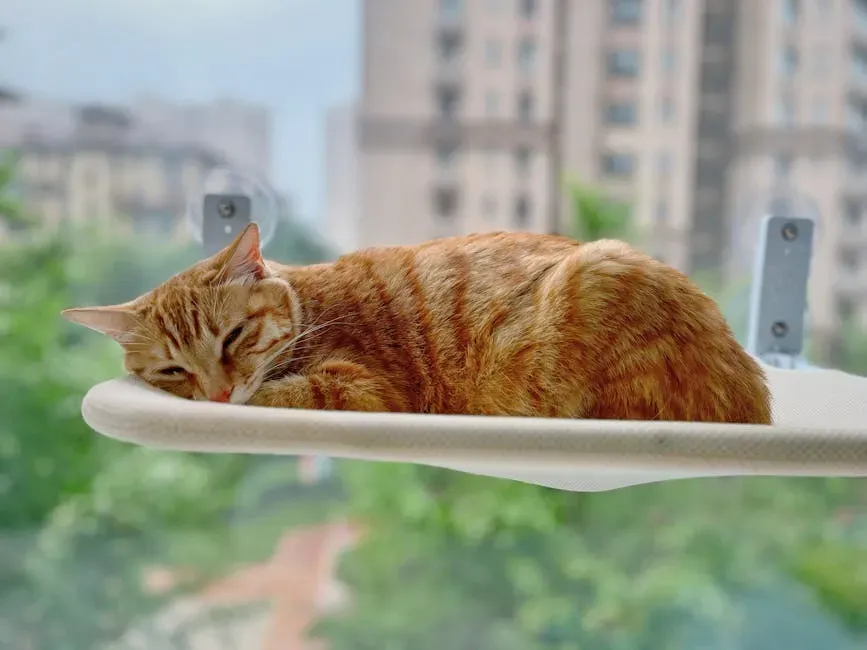
Top of the refrigerator. Back of the sofa. The highest shelf in the room. If your cat consistently gravitates toward elevated spots for their naps, they’re tapping into something deeply wired into their biology. It may seem precarious when a cat sleeps perched on the back of a couch, the arm of a chair, or even on top of the refrigerator. But this sleeping position has its advantages. With a high vantage point, cats are safe from potential predators while sleeping. In your home, this might mean other pets, children, or even unfamiliar visitors.
There’s a dual function to those sky-high napping spots that’s genuinely clever. As a predator themselves, a perched sleeping position gives your cat a panoramic view to keep an eye on potential prey. In your home, the “prey” will most likely consist of cat toys instead of mice or squirrels, but the motivation for your cat remains the same. So when your cat stares down at you from a bookshelf with half-closed eyes, they’re not judging you (probably). They’re just doing what millions of years of evolution trained them to do. It’s a nap and a security detail rolled into one.
When Sleeping Positions Signal Something More: Reading the Health Clues
Here’s where observing your cat’s sleeping positions shifts from being a delightful hobby into something genuinely useful for their wellbeing. Not every quirky pose is simply cute. Some changes in posture deserve your attention. Different sleep positions can offer a little insight into your cat’s overall well-being. Your cat’s sleeping position can be influenced by a whole range of factors, including their mood, stress levels, underlying illness and temperature. By familiarizing yourself with what’s normal for your cat, you’re in a good position to pick up on changes that might indicate a health issue.
The key is knowing your individual cat’s baseline so that deviations stand out clearly. A cat that consistently sleeps in a tight, hunched loaf with eyes partially open may be experiencing pain. Cats who suddenly switch from relaxed, sprawling positions to tense curling in hidden locations could be signaling illness or stress. Excessive hiding, loss of appetite, or lethargy alongside a change in sleep posture warrants a veterinary visit. Think of it like being fluent in a second language. Once you understand what’s normal for your cat, the unusual moments start to speak very loudly. Being mindful of your cat’s preferred sleeping positions is a good way of keeping an eye on their general health. “Illness and even slowly progressive conditions like arthritis can cause your cat to spend more time snoozing, and because cats are generally pretty stoic, this may be one of the only signs you see.”
Conclusion
Your cat’s sleeping positions are, in the most literal sense, a language. From the confident belly-up stretch to the cautiously curled crescent, every pose is a small window into their emotional world, their physical comfort, and their relationship with you specifically. By understanding the meaning behind your cat’s sleeping postures, you gain deeper insight into their physical and emotional well-being. Each position, whether protective, affectionate, or symptomatic, communicates a unique narrative.
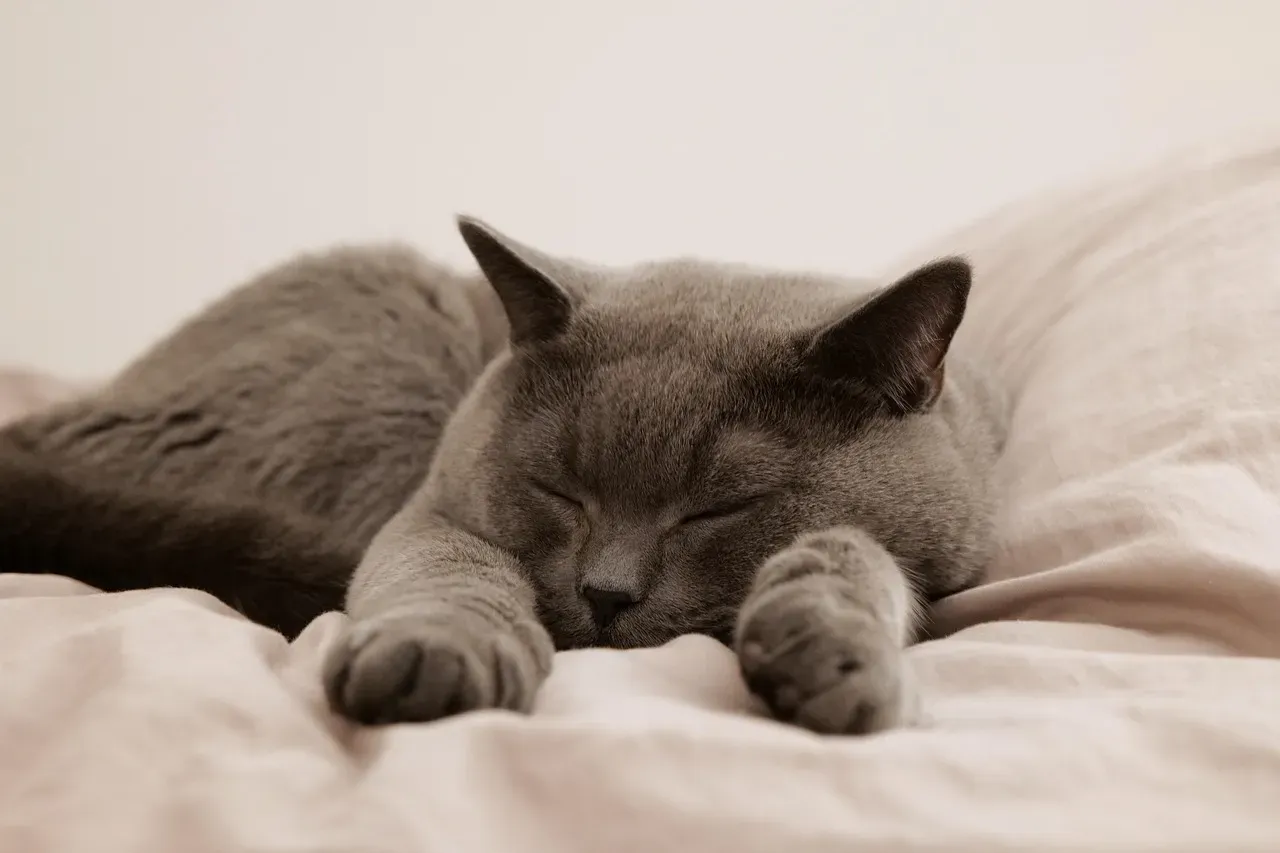
Honestly, I think the greatest takeaway here is also the simplest one. Studies show that cats who feel safe in their environment are more likely to sleep in open or awkward positions. That’s a sign they feel secure and relaxed. So next time your cat is passed out on their back with their paws stretched out, know that it’s a good thing. It might look silly, but it usually means your cat is happy and comfortable. A cat who sleeps freely, openly, and sometimes in positions that defy human logic, is a cat who trusts you completely. And there are few better compliments in this world than that.
So, the next time you find your cat twisted into a shape that violates the laws of physics, take a moment before you reach for your camera. Read the room. Read the pose. What do you think your cat’s favorite sleeping position says about your bond with them? Share it in the comments below.