You’ve probably thought about training your cat at some point. Maybe you’ve tried teaching them tricks or getting them to stay off the kitchen counter. Here’s the thing, though – while you’ve been focused on training them, they’ve been quietly training you. It sounds crazy, right? Your fluffy companion has been running a long-term behavior modification program with you as the subject. They’ve mastered techniques that would make professional psychologists jealous, all while looking adorable and innocent.
The truth is, your cat has been studying you since day one. They’ve learned what makes you respond, what gets your attention, and exactly how to get what they want when they want it. Let’s dive into the surprising ways your feline friend has turned you into their perfectly trained human.
The Meow That Only Works on You
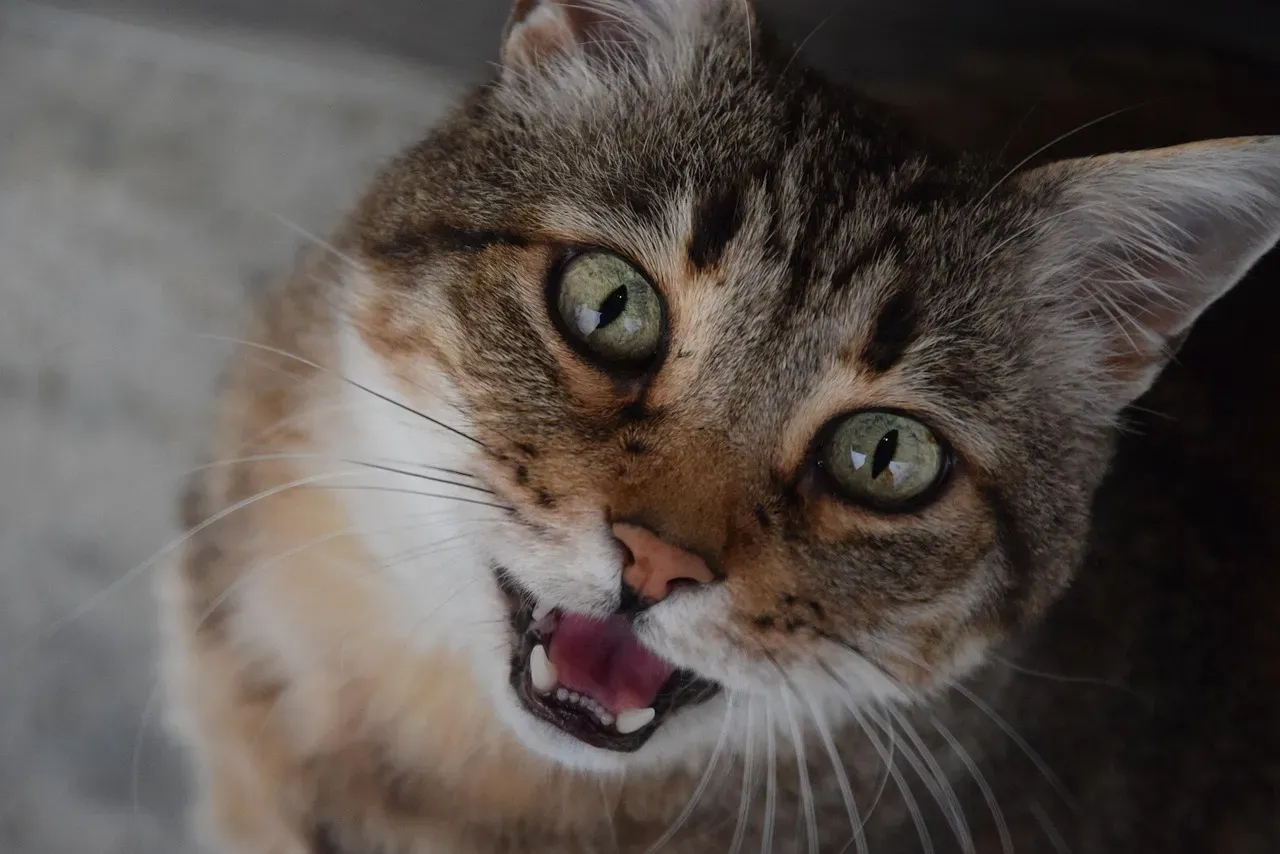
Your cat doesn’t meow at other cats – they reserve this noise just for humans. Even wilder, cats learn specifically how their owners react when they make particular noises. So when your cat wants something, they’re not just randomly vocalizing. They’re using a sound they’ve deliberately crafted through trial and error to trigger your response.
Cats are much smarter than we give them credit for, as they learn what works with each person and they know if one member of the family is prone to get up at certain times and give them treats. Your cat has basically conducted a series of experiments on you. They’ve tested different sounds at different volumes and pitches until they found the exact meow that makes you get up from the couch. You thought you were ignoring them, yet somehow you still end up doing exactly what they want.
The Solicitation Purr That Hijacks Your Brain
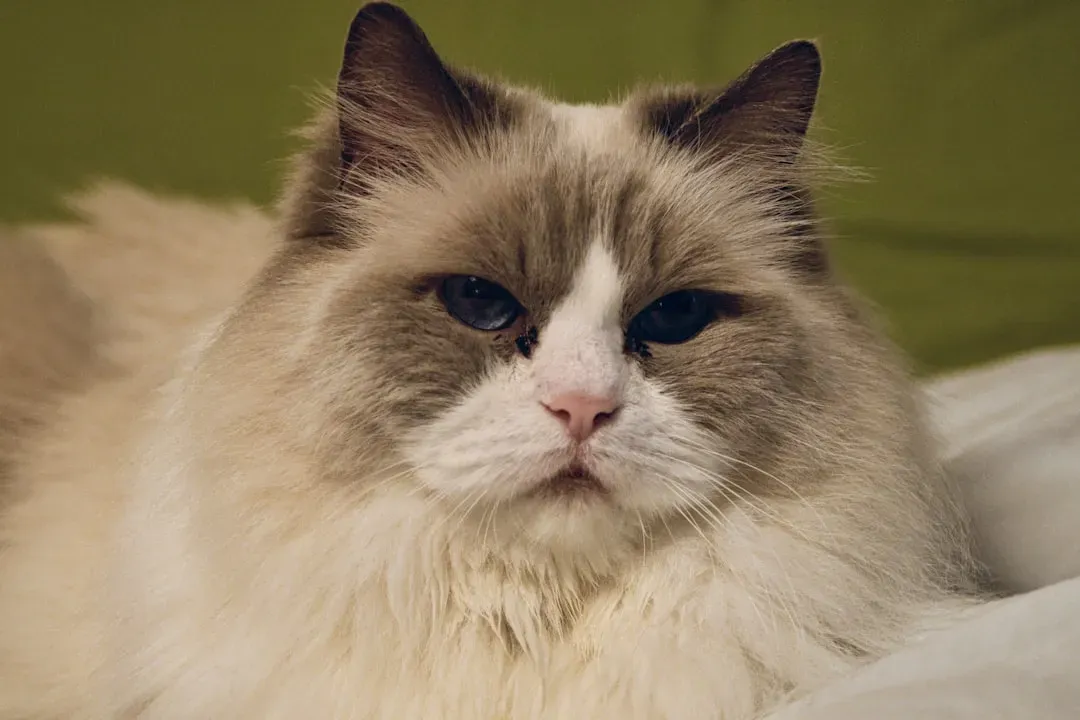
There’s a special purr that some cats develop, and honestly, it’s kind of genius. This urgent-sounding, high-pitched meow is actually a purr mixed with a high-pitched cry. Research shows that humans find these mixed calls annoying and difficult to ignore.
Cats learn to dramatically exaggerate this cry when it proves effective in generating a response from humans. The really clever part? This frequency is actually very similar to that of a crying infant, so it tugs on the human heartstrings. Your cat has essentially figured out how to mimic a baby’s cry and embed it into their purr. That’s not just manipulation – that’s evolutionary brilliance wrapped in fur.
They’ve Mastered the Art of Positive Reinforcement
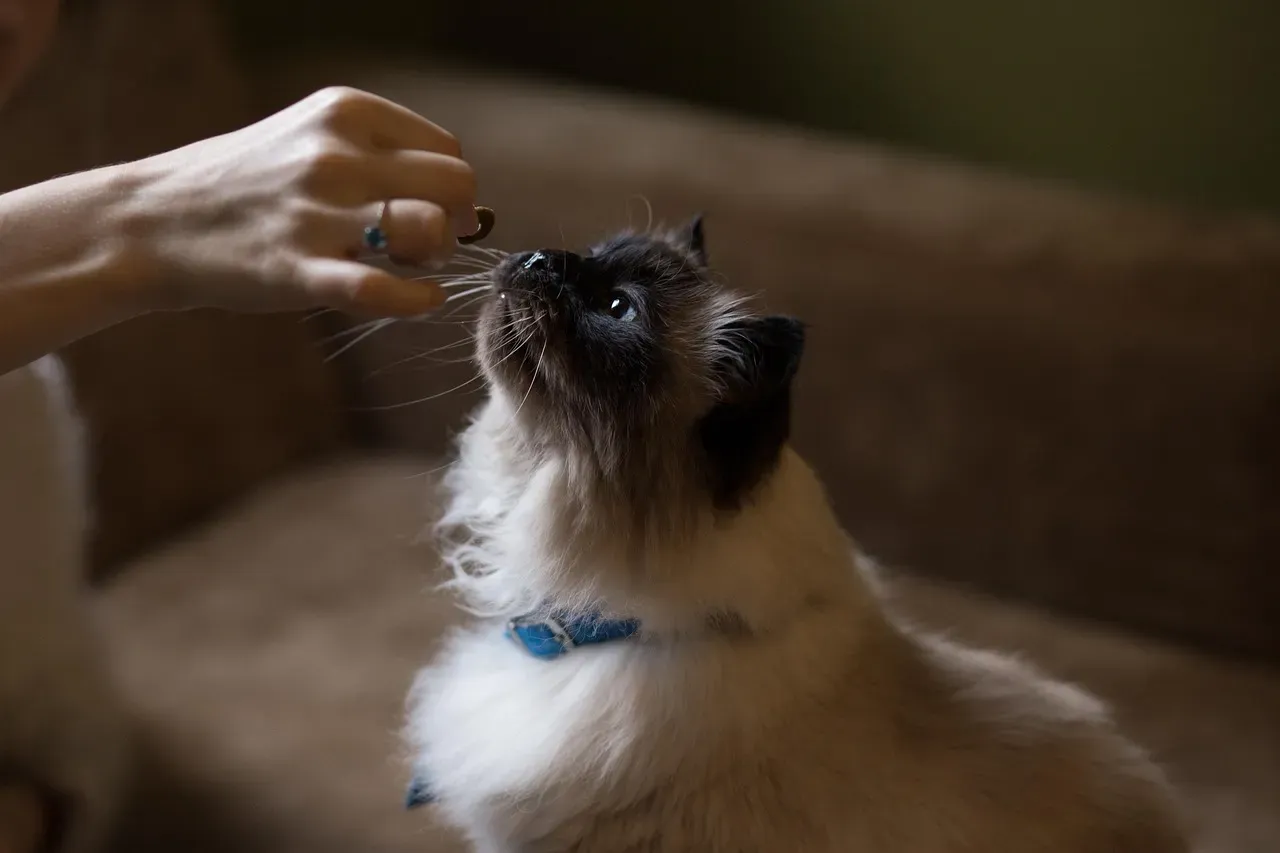
Remember learning about positive reinforcement in school? Well, your cat apparently paid attention to that lesson better than you did. They meow and you give them food, they jump on your lap and they get pets, and they know just how to get what they want from you because they know you are motivated by their reward – a little bit of their attention.
You have been trained to respond to your cat’s demands, and you have been positively reinforced by your cats to do good things for them because they reward you with their affection. Think about it. Every time you feed your cat after they meow, you’re not teaching them when dinner time is. They’re teaching you when to serve dinner. The student has become the master.
The Strategic Use of Schedules and Routine
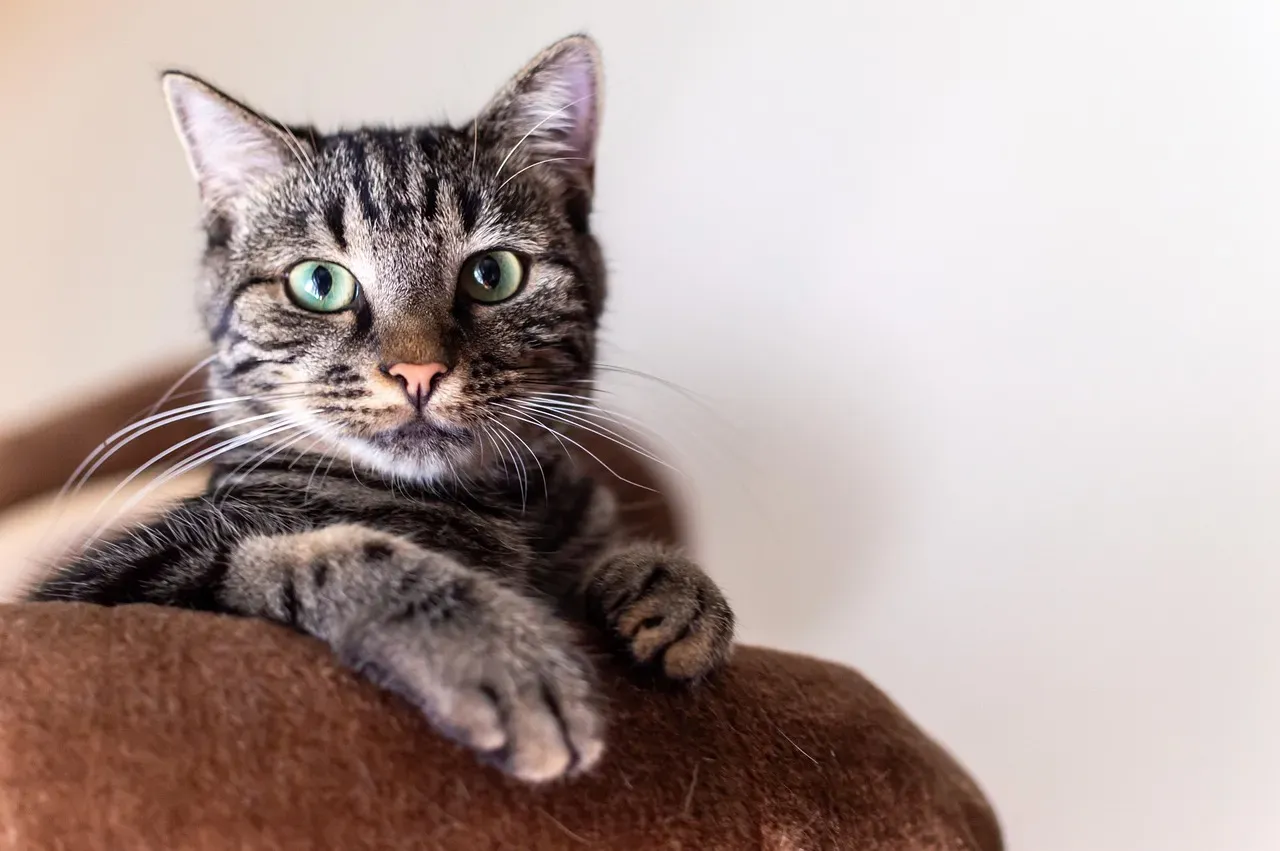
Over time, cats mirror the lives of their owners, and their eating, activity and sleeping patterns become very similar. Yet here’s where it gets interesting. While it might seem like your cat is adapting to your schedule, they’re actually locking you into theirs.
We often adjust our schedules to fit theirs, such as getting up earlier and responding to their needs. Your cat wakes you at the same time every morning not because they’re being annoying. They’re establishing a routine that you now follow religiously. Miss that feeding time by even fifteen minutes and watch how quickly they remind you who’s really in charge of the household schedule.
Social Referencing Makes Them Expert Observers
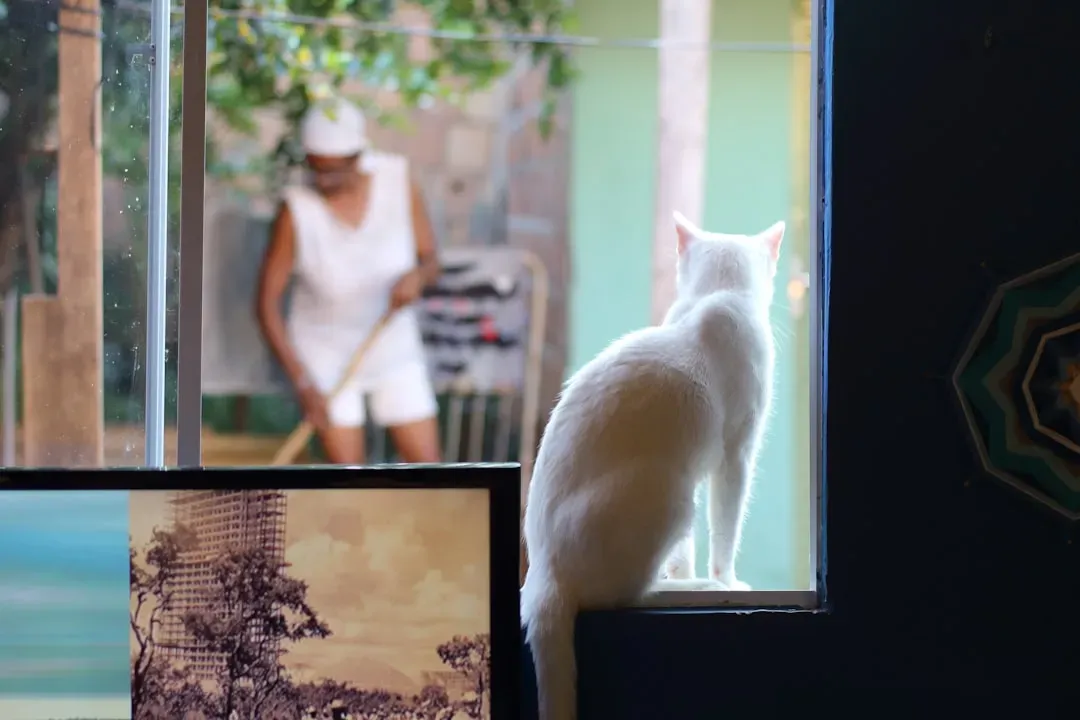
Cats observe our behavior in a process called social referencing, which is something that children learn and use right into adulthood. This means your cat is constantly watching you to understand how you’ll react to different situations.
This ability to social reference explains how cats manipulate humans, as they’re smart enough to put our behavior into context and train themselves to behave in ways that trigger those behaviors. Your cat notices that you always sit in the same chair after work. They observe that you respond more favorably when they’re gentle versus demanding. Every interaction is data collection, and they’re building a profile of your behavior patterns.
The Slow Blink Bond You Can’t Resist
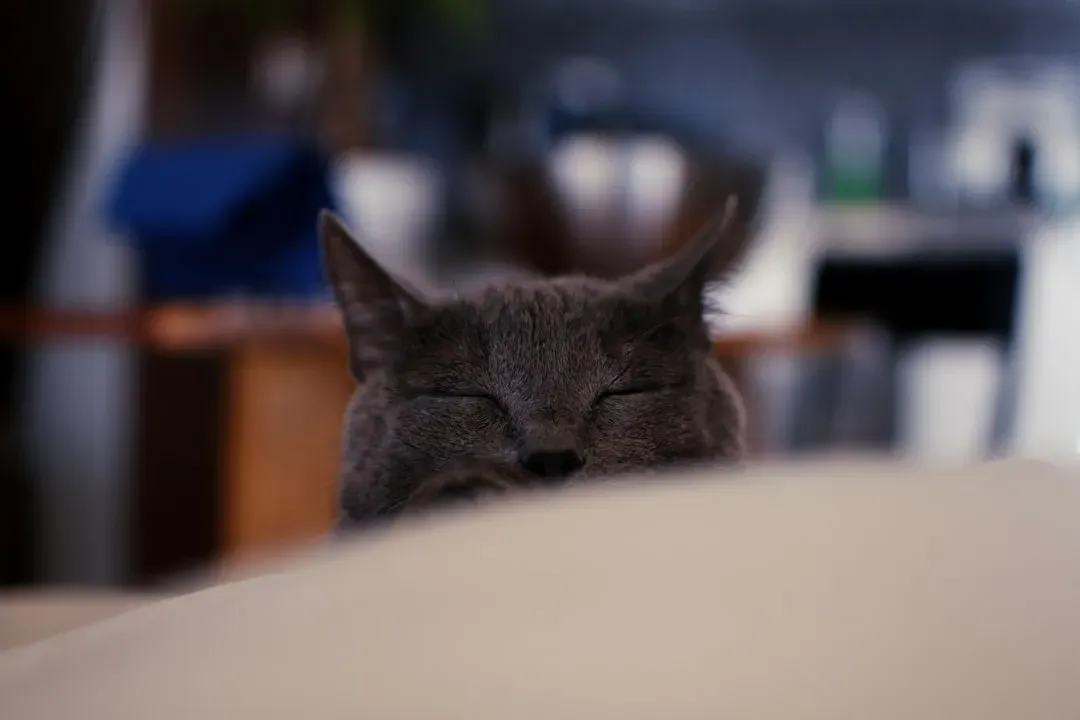
Ever had your cat give you a slow blink and felt your heart melt? Congratulations, you’ve been manipulated again. When cats give slow blinks, they’re actually manipulating you into feeling loved, as studies show cats use slow blinking as a way to bond with humans while ensuring more attention and care.
What makes this particularly effective is that it feels mutual. Researchers found that when humans slow blink at cats, the cats are more likely to approach and return the gesture. Your cat has created an entire nonverbal communication system that makes you feel connected to them. The emotional payoff you get from that slow blink ensures you’ll keep providing the care, attention, and resources they need.
Strategic Positioning for Maximum Attention
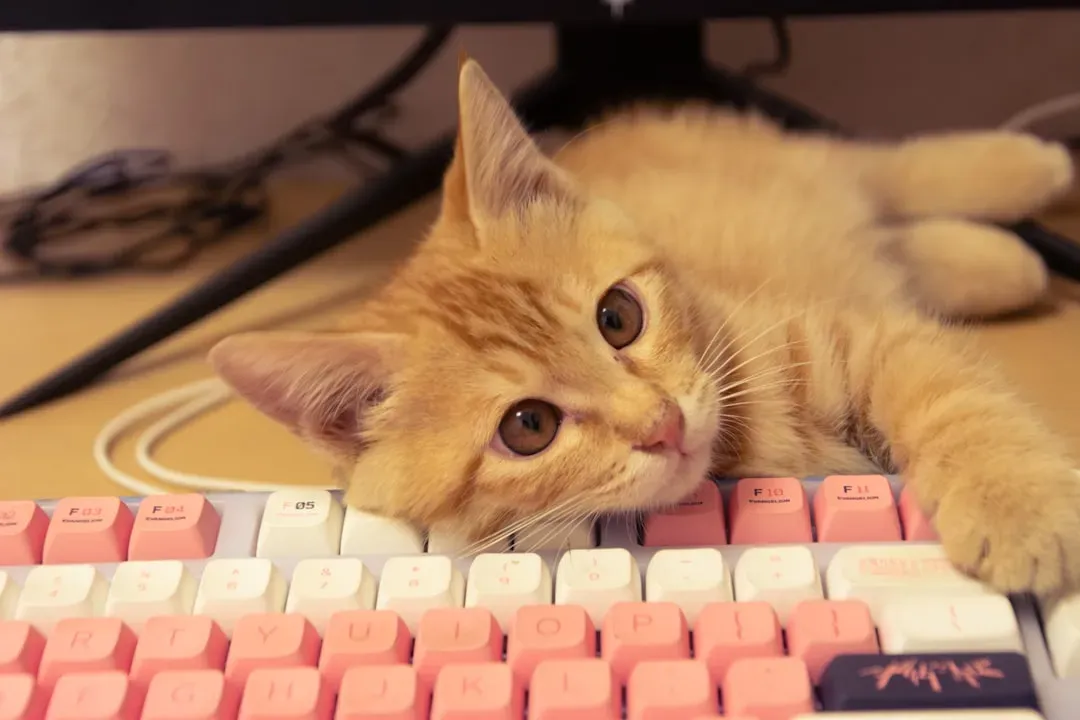
When a cat strolls across a keyboard or settles on a book, it’s usually because it has noticed how intensely their human focuses on the object, which becomes a high-value spot simply due to your attention, and by placing themselves in that space, cats redirect your focus back toward them.
Your laptop isn’t warm enough to justify them sitting on it every single time you try to work. They’ve figured out that whatever you’re looking at is important to you, so that’s exactly where they need to be. You thought you were multitasking, but your cat just turned your work session into cuddle time. Every time you move them and then eventually give them attention, you’re reinforcing that this strategy works.
The Head Boop Territory Marker
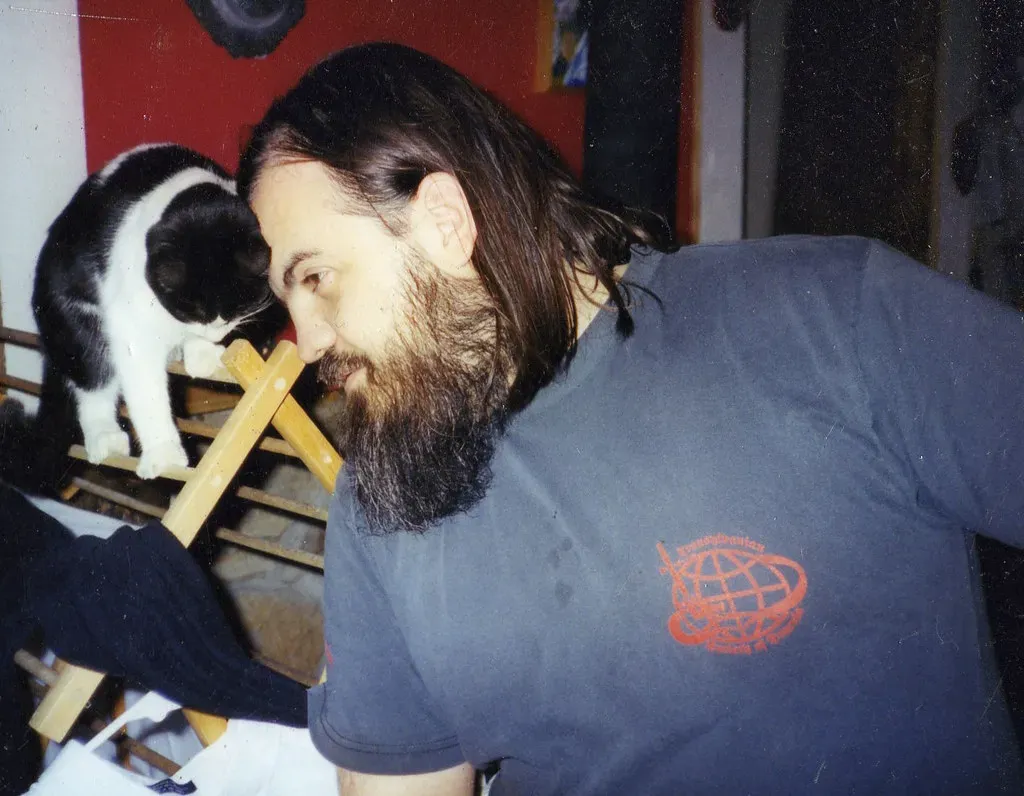
Those adorable head bumps feel like pure affection, right? They are, but there’s more to it. A soft nudge to the face or chin feels affectionate, but behavioral studies show it also leaves scent markers, and people usually respond by petting, holding, or staying nearby, which builds a routine where proximity becomes expected.
Your cat is simultaneously showing affection and marking you as their property. The scent glands on their face deposit pheromones that essentially say “mine” to any other cats. You respond with affection, which encourages them to keep doing it. You’ve been trained to accept and even seek out being claimed as cat property.
Reciprocity as a Training Tool
The bond between cats and humans may be akin to bonds humans have with other humans, with evidence of cats giving in to their human’s wishes, but only if the human fulfilled their wishes first. This is basically the cat version of “you scratch my back, I’ll scratch yours,” except you always scratch first.
Your cat has trained you to earn their cooperation. Want them to come when called? Better have that treat ready. Hoping they’ll use the scratching post instead of your couch? You’ll need to make it worth their while. Cats also tend to wait for humans to initiate the interaction, and sometimes they won’t even reciprocate. They’ve turned cooperation into a commodity, and you’re always negotiating from a position of weakness.
The Extinction Burst That Makes You Cave
Here’s where it gets really psychological. An example of extinction is ignoring a cat that howls at night for attention – if the owners get up to feed the cat or even yell at it, the behavior continues, but if they stop feeding the cat or giving it attention, the cat will eventually stop howling.
The problem is what happens right before they stop. A phenomenon called extinction burst may occur initially, with the cat increasing the behavior in the short term when the reinforcement is removed. So when you finally decide to ignore your cat’s 3 AM yowling, they’ll actually get louder and more persistent before they stop. Most people cave during this extinction burst, which teaches the cat that they just need to try harder and longer to get what they want. You thought you were being strong, but your cat was just testing your resolve – and probably winning.
Conclusion: Who’s Really in Charge Here?
Let’s be real for a second. Your cat has been running an elaborate training program with you as the main subject, and they’ve done it so smoothly that you probably never noticed. They’ve used operant conditioning, social referencing, strategic communication, and even mimicked baby cries to get what they want. They’ve turned your affection into a reinforcement tool and your routines into their schedule.
The fascinating part is that this manipulation isn’t malicious. The word manipulate doesn’t have favorable connotations, but in the case of cats, it doesn’t necessarily imply bad intent, as scientists believe this manipulative behavior is how cats interact with humans and it’s deeply ingrained in how cats form relationships with humans.
So what do you think? Are you okay with being your cat’s well-trained human, or are you going to try to take back control? Honestly, we all know how that’s going to turn out. Your cat trained you well, and chances are, you wouldn’t have it any other way.