Your cat is not just sharing your living room. They are signing it. Every corner of the sofa, every doorframe, every spot on your leg they brush against during your morning coffee routine has been quietly, deliberately, and chemically claimed. It’s a language so ancient and so precise that it puts our own forms of communication to shame.
Most people think their cat rubs against things out of pure affection or boredom. The truth is far more layered, far more fascinating, and honestly a little humbling once you realize how much is going on right under your nose. Literally. Let’s dive in.
The Secret Language Hidden in Plain Sight
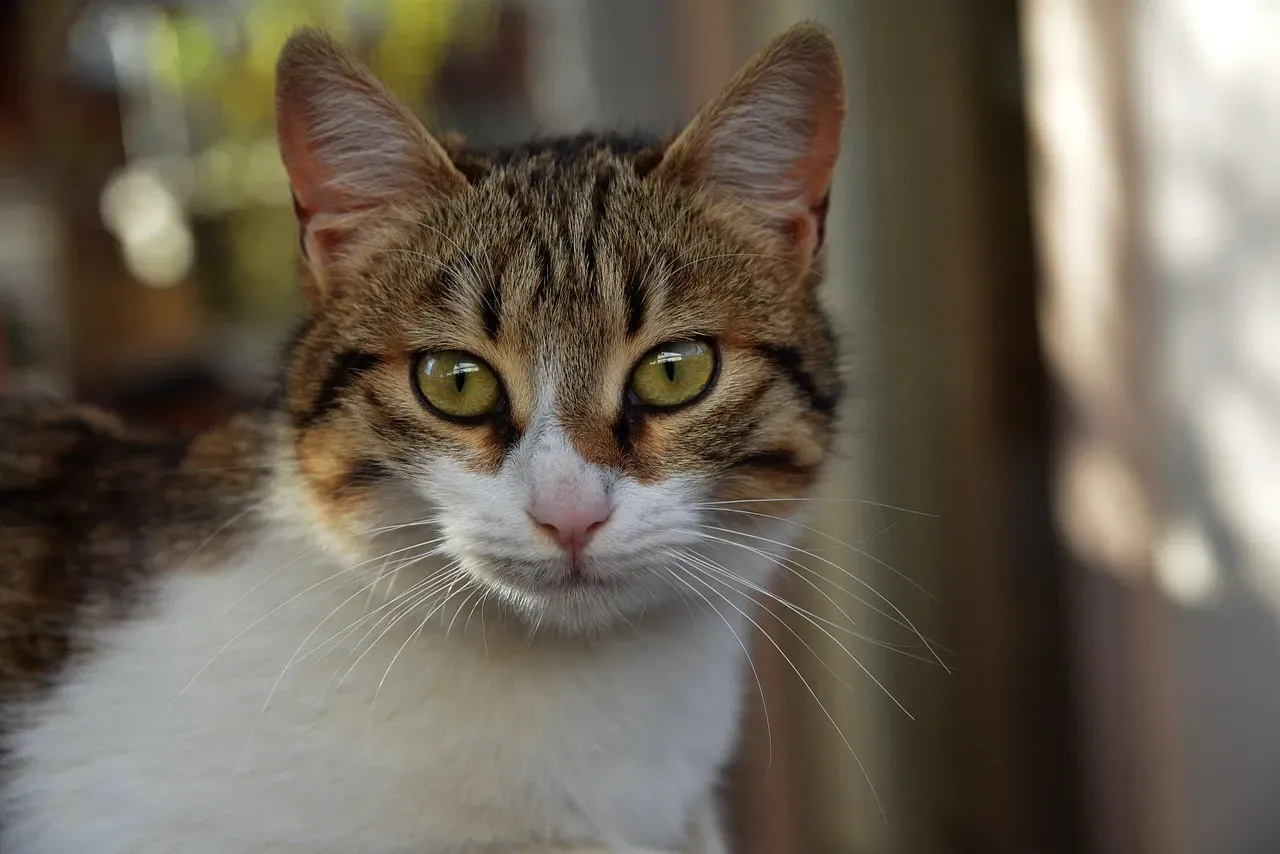
Think about the last time your cat pressed their cheek firmly against the leg of your dining table or leaned into your hand just a little too deliberately. That wasn’t random. Underneath that silky fur is a secret messaging system, with scent glands tucked away around the face, cheeks, chin, paws, and near the base of the tail, all releasing pheromones that serve as natural chemical signals.
One of the most important ways cats share information is through scent. Unlike humans, who rely primarily on verbal and visual cues, cats use scent as a fundamental part of their social interactions, and a cat’s sense of smell is far more powerful, with about 200 million scent receptors compared to our mere 5 million. That’s not a small gap. That’s an entirely different dimension of sensory experience.
In addition to their noses, cats have a secondary scent organ called the vomeronasal organ, located in the roof of their mouth, which allows them to detect pheromones, the chemicals secreted in different areas of the body by all cats for communication between the species. It’s essentially a built-in chemical decoder. Your cat is reading messages you cannot even begin to perceive.
Where Your Cat’s Scent Glands Actually Live
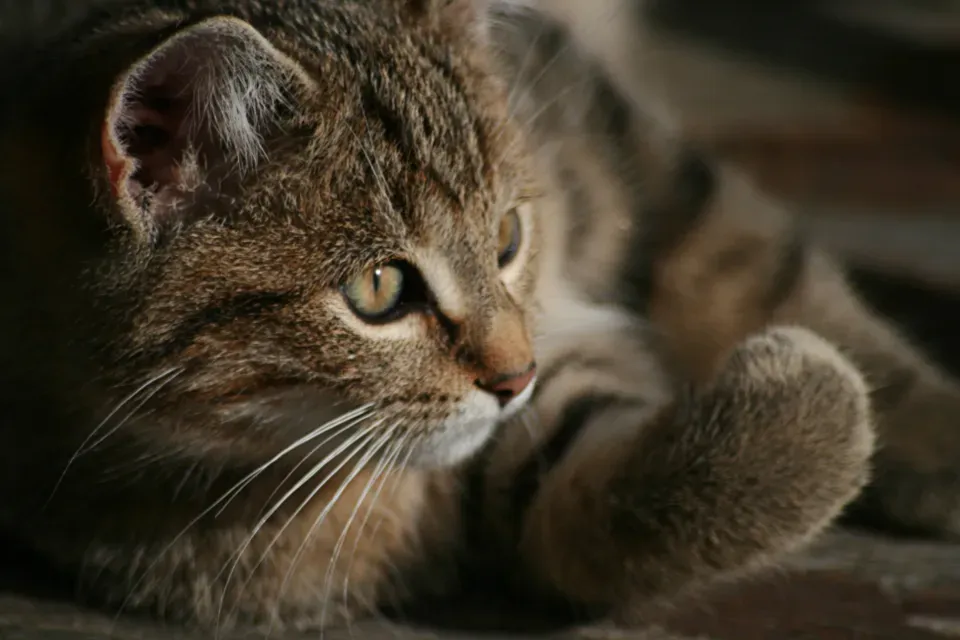
A cat has scent glands in various locations on their body, including the face, forehead, paws, tail, and anus. Felines use these glands to release pheromones that help them communicate with other cats about territory claims and sexual readiness, activating them by rubbing up against people or things, scratching, or urinating. The scent they produce is undetectable by humans, but other cats can pick it up from a great distance.
Cats have scent glands near their tails, on their bellies, and in between their toes. When a kitten kneads on its mother’s belly while drinking milk, that releases pheromones. When a cat scratches on a scratching post, that releases pheromones too. Cats also have scent glands all over their faces, near their cheeks, lips, and foreheads. So yes, your cat’s whole body is essentially a mobile broadcasting station.
The Science of Feline Facial Pheromones
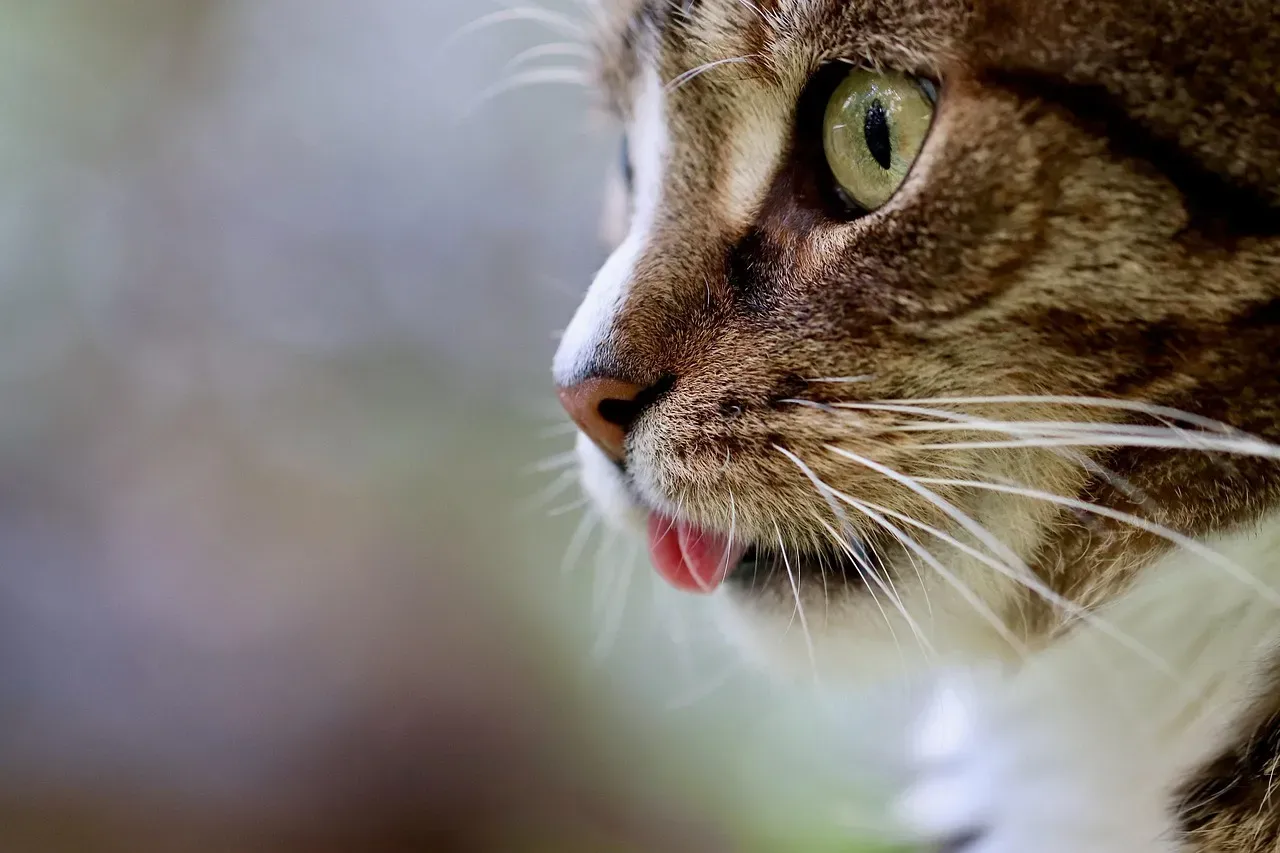
Here’s the thing about facial pheromones. Scientists have actually identified five distinct types, labeled F1 through F5, and each carries its own specific role. There are five feline facial pheromones identified from the chin, lip, and cheek sebaceous secretions. Although the chemical components have been identified for F1 and F5, their natural function and behavioral implications are not yet known. As a whole, facial pheromones F2 through F4 assist with the marking of territories, with more specific individual functions.
Feline facial pheromone F3 is commonly released through object rubbing and is thought to be important in a cat’s ability to orient itself within its environment. It is a territorial signal, in that cats mark spaces they frequently use, and this may help to emotionally soothe the cat, such that being closer to the scent may increase a sense of security and belonging while reducing anxiety. In other words, your cat is literally wrapping your home in a chemical comfort blanket.
Bunting: When Your Cat Head-Butts You With Love

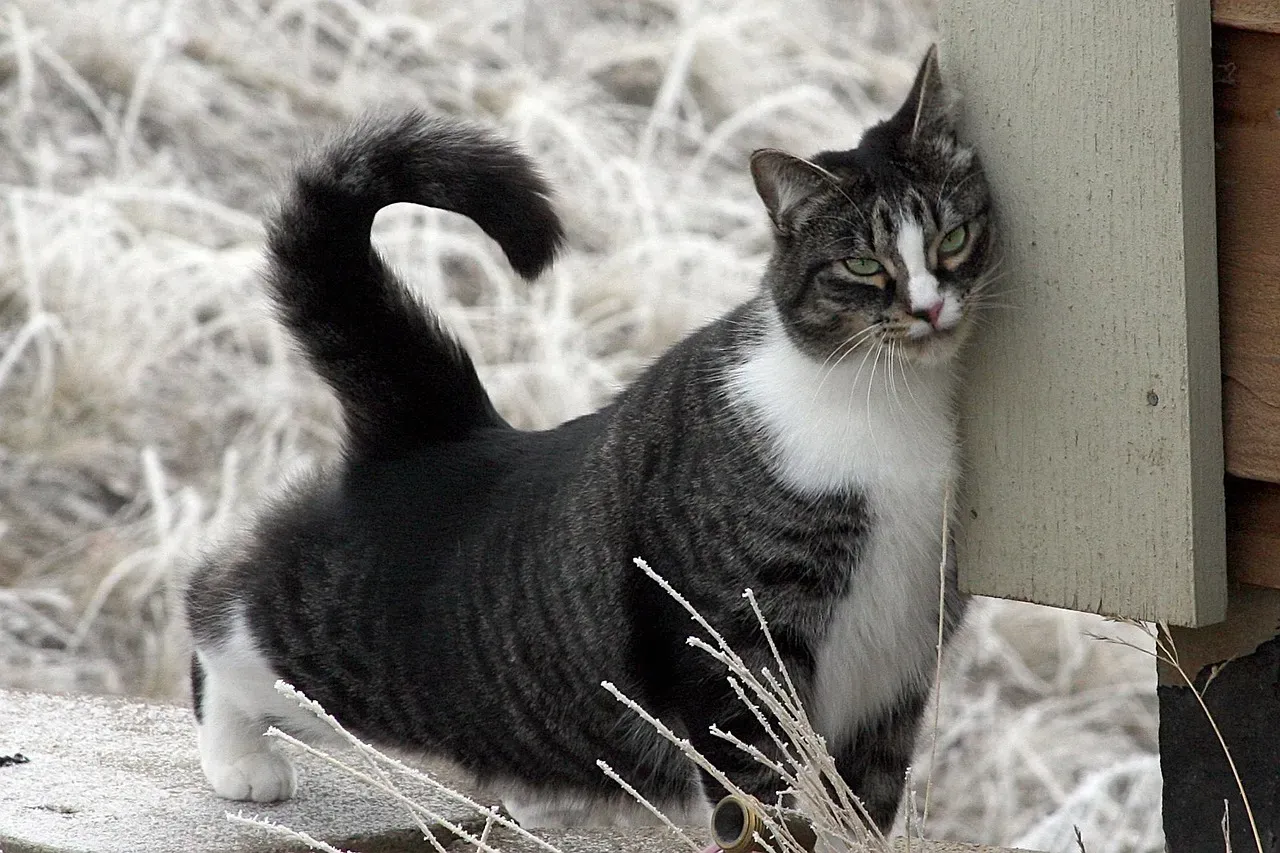
If you’ve ever been gently head-butted by your cat at an absurd hour of the morning, you’ve experienced one of the most socially meaningful gestures in the feline world. Rubbing and headbutting, also called bunting, in the cat community are usually signs of marking territory, acceptance into the group, or greetings and affection. It’s a feline hug, a handshake, and a territorial stamp all rolled into one.
Cats rubbing their heads against objects is known as bunting. Bunting often happens in the core area of their territory and seems to be associated with comfort, reassurance, and friendly social interactions. If your cat frequently head-bumps you, it is transferring its scent to you, which is often a good sign that the cat sees you as an affiliate member of its social group. I think that’s one of the most quietly beautiful things about cats. They show love in chemistry.
Yes, Your Cat Is Marking You as Their Own
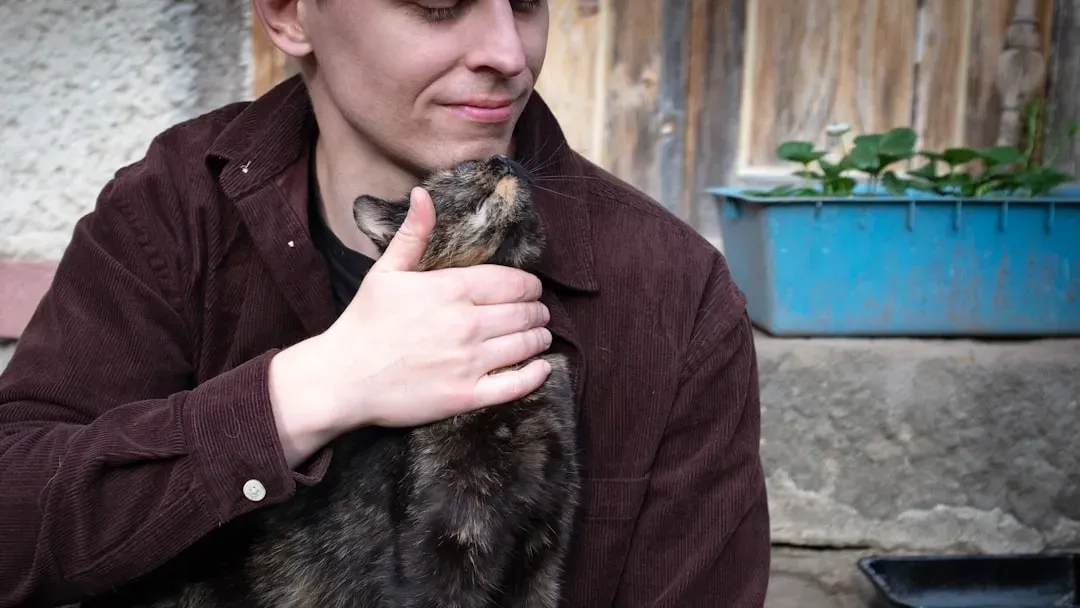
This might bruise your ego slightly, but your cat sees you as part of their territory. Cats do scent mark their owners. The most obvious reason is marking us as part of their territory. Should another neighbourhood cat come calling, they will smell your cat’s pheromones on you and know who your cat is and that you belong to them. You are, essentially, a walking scent post.
Still, don’t feel reduced to a piece of furniture just yet. Cats may also mark us for their own benefit. One group of pheromones called feline facial secretions are released when a cat rubs their face against something, and at least one is known to cause a soothing calming effect, so by rubbing us with this pheromone they are marking us as something that soothes them. Your cat isn’t just claiming you. They’re saying you make them feel safe. That’s no small compliment from an animal that trusts very selectively.
Scratch Marks Are Also Scent Marks
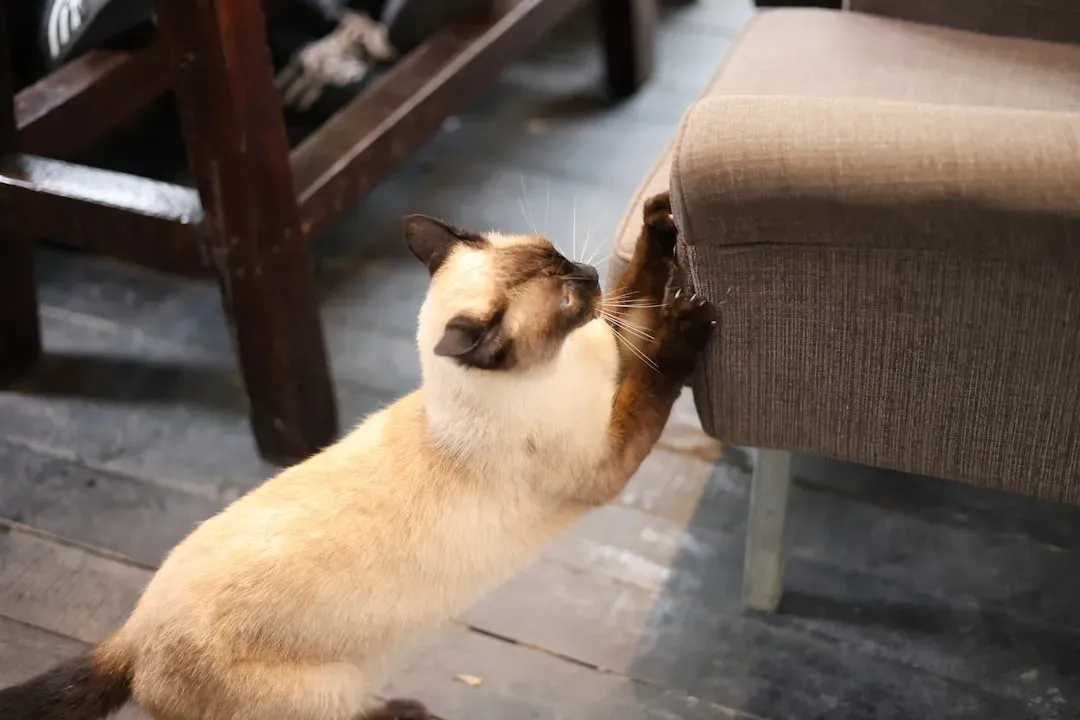
You’ve probably noticed that your cat has favorite spots to scratch. The corner of the armchair. The side of the couch. The doorframe you’ve been meaning to protect for months. Cheek rubbing and scratching are both forms of marking. When a cat scratches a surface, the glands in their feet release pheromones, and in addition, the claw marks serve as long-lasting visual communication. It’s a double message, chemical and visual at once.
Scratching posts also get their fair share of feline fragrance. While we often think scratching is just about claw maintenance, it’s also about leaving chemical signals behind. The scent glands in cats’ paws release markers that add a comforting familiarity to their favorite places. So the next time you sigh at the scratched furniture, try seeing it differently. Your cat is building a world that feels manageable and known, one claw at a time.
What Stress Does to Your Cat’s Scent Marking
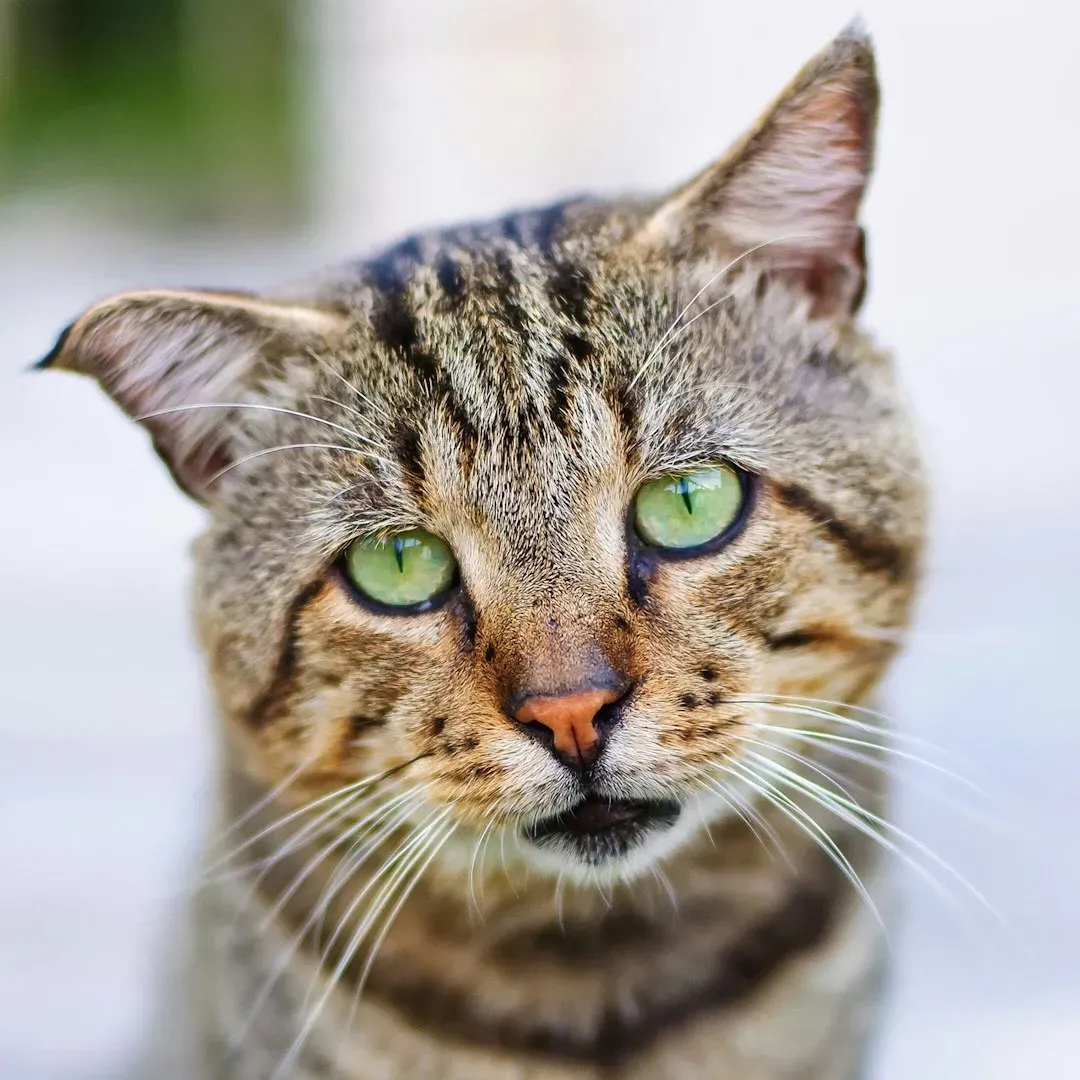
Scent marking isn’t always a calm, happy gesture. Sometimes it’s a distress signal. Any time an indoor cat feels threatened or distressed, they may leave a mark to affirm the location of a safe territory. A change in household routine, the addition of a person or pet, or even a remodeling project can trigger anxiety and marking. Even moving furniture around can set this off. Cats are not fans of surprises.
Cats also use scent to communicate distress or fear. In stressful situations, such as visiting the vet or encountering an unfamiliar cat, a frightened feline may release alarm pheromones that serve as a warning to other cats, signalling potential danger. If your cat suddenly starts spraying indoors or marking excessively, it may be a sign of stress, anxiety, or territorial insecurity. When you see escalating marking behavior, your cat isn’t misbehaving. They’re crying out in the only language they have.
Scent Marking and Multi-Cat Households
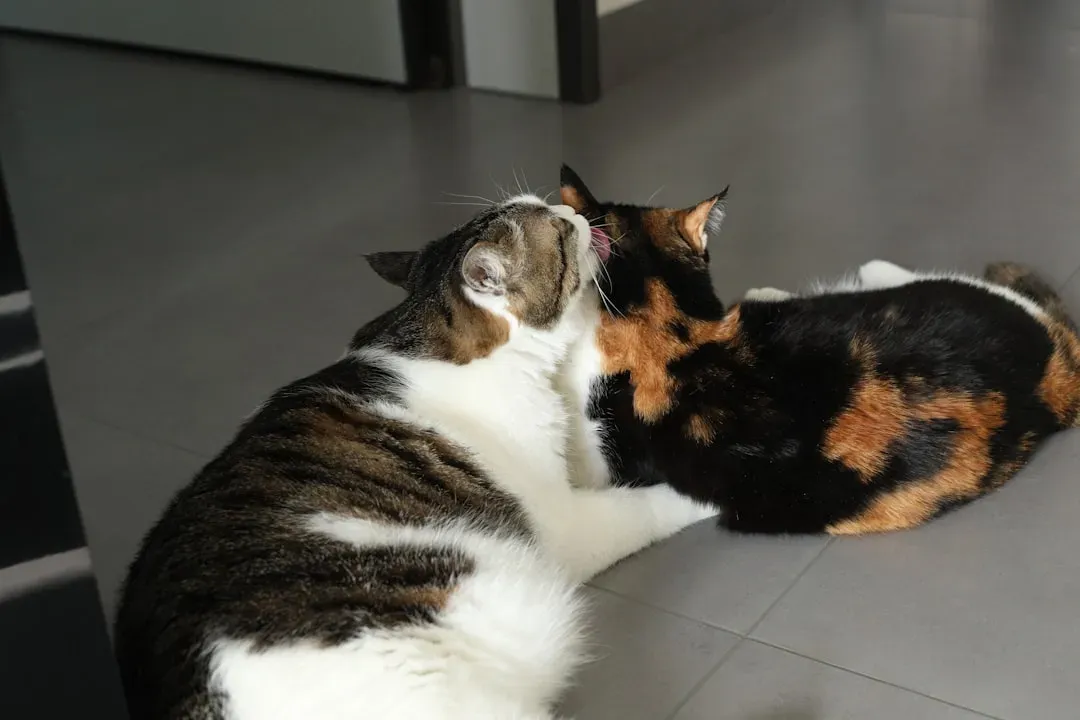
Living with more than one cat means living inside a constantly negotiated chemical conversation. Cats that live together often develop a communal scent, which helps them recognise and bond with each other. This is why cats that are close companions will frequently rub against one another or engage in mutual grooming. This behavior, known as allogrooming, helps reinforce social bonds and spread familiar scents among a group.
In multi-cat households, scent recognition is critical for maintaining harmony. When a new cat is introduced, the existing cats may react negatively because the newcomer lacks the familiar scent of the household. This explains so many chaotic introductions between cats that seemed perfectly friendly in other contexts. When a housemate leaves for a veterinary appointment and comes back smelling of the hospital and not the group, conflicts can occur. It can therefore be useful when integrating new cats or bringing pets home after an absence to rub them with the other cat’s scent to help reintegrate them back into the group.
How You Can Work With Your Cat’s Scent Instincts
Understanding your cat’s scent marking doesn’t just make you a better cat parent. It actually gives you practical tools to improve your cat’s wellbeing. Cats that rub surfaces to mark with their cheek glands are less apt to spray urine in the same location. The pheromones found in the cheek glands seem to have a calming effect on cats, so encouraging facial marking can be an effective treatment for spraying. Promoting gentle, natural marking behaviors keeps the more disruptive ones at bay.
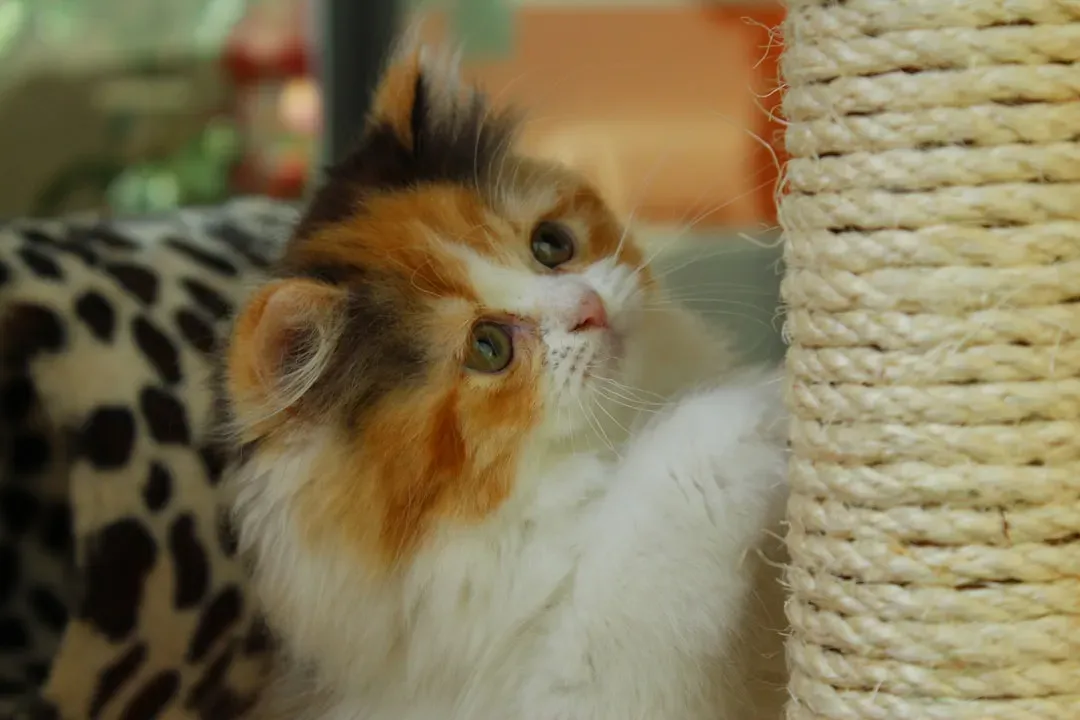
All cats want to feel secure in their homes, and marking their territory helps them feel reassured that the area is safe. Your cat will often have favorite areas to scratch, which unfortunately may be doorways or furniture. Offering both horizontal and vertical scratching surfaces that are long enough for your cat to fully stretch on, and considering different substrates to find your cat’s preference, can help redirect that energy appropriately. It’s not about stopping the behavior. It’s about channeling it wisely.
Conclusion: Your Home Tells Their Story
Every rubbed doorframe, every scratched surface, every slow-blink headbutt you receive before bedtime is part of an ongoing story your cat is writing across your shared space. It’s a story about safety, belonging, trust, and identity. Cats have an intricate and sophisticated way of communicating through scent, from marking their territory to reinforcing social bonds and signalling mating readiness, with their olfactory messages shaping much of their behavior. By understanding and respecting this form of communication, you can create a more comfortable and harmonious environment for your feline companion.
Your cat isn’t just living in your home. They are authoring it, quietly and constantly, in a language built from chemistry rather than words. For cats, routine is everything, and scent plays a big role in creating that sense of stability. By filling their environment with familiar smells, they build a world that feels calm and predictable. The question worth sitting with is this: now that you know what your cat is really saying, will you start listening differently?