You’ve probably had that moment: you walk through the door after a long day, and before you even drop your bag, your cat is already there – weaving between your legs, pressing their nose into your ankle, doing that slow-blink thing that feels almost too intimate for a creature that once ignored you for a week. We tend to write it off as habit, hunger, or just classic cat weirdness. Honestly though, there’s something far more fascinating going on beneath the surface.
Your cat isn’t just recognizing your face or the sound of your footsteps. They are reading you through one of the most sophisticated biological systems in the animal kingdom. Their nose has mapped you, catalogued you, and filed you away as distinctly, unmistakably yours. The science behind all of this is extraordinary, and it changes just about everything you thought you knew about how your cat sees – or rather, smells – you. Let’s dive in.
A Nose Built for Something Far Greater Than You Realize
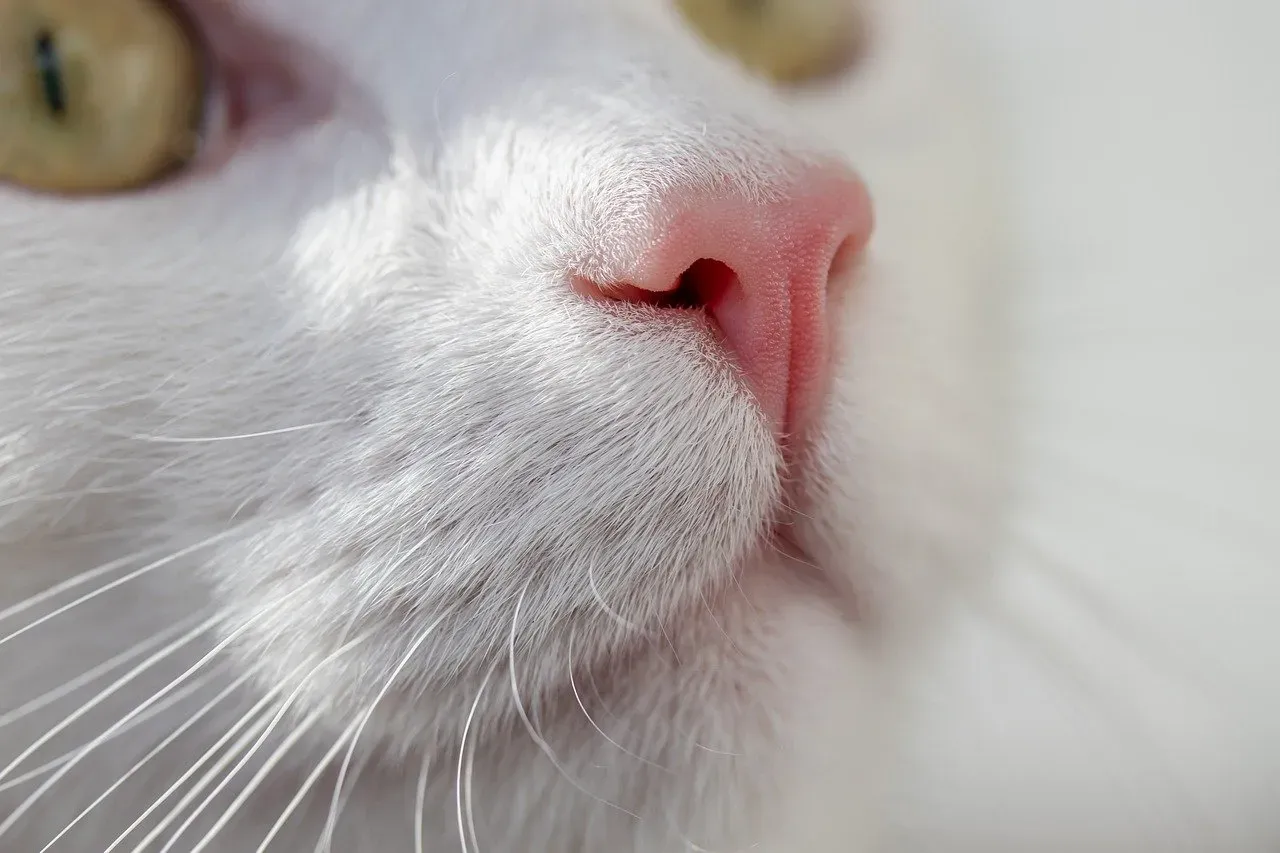
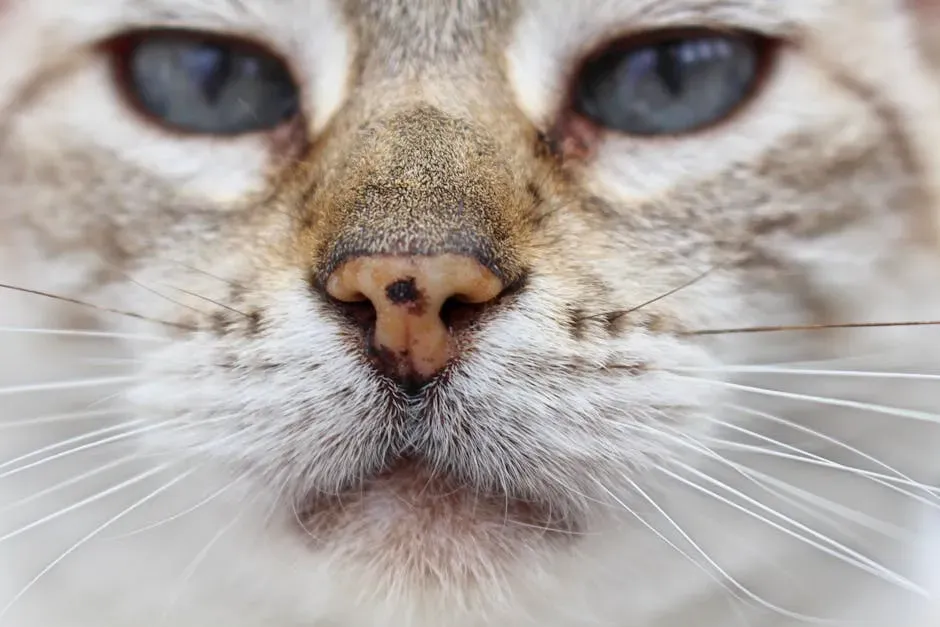
Here’s the thing: comparing a human nose to a cat’s nose is a bit like comparing a candle to a floodlight. Cats have more than 200 million scent receptors in the nose, which is more than 40 times as much as humans have. That alone should stop you in your tracks. While you’re walking into a room and smelling “dinner,” your cat is decoding every single ingredient, who touched the pan, and what laundry detergent you used this morning.
In essence, researchers suggest the cat nose functions as a highly efficient, dual-purposed gas chromatograph, and scientists have found that a complex collection of tightly coiled bony airway structures gets the credit, according to the first detailed analysis of the domestic cat’s nasal airway. Think of those structures like tiny sorting machines, funneling scent information with breathtaking precision. Your cat’s nose isn’t just sensitive – it is architecturally engineered for this level of detection.
The Secret Second Nose You Never Knew About
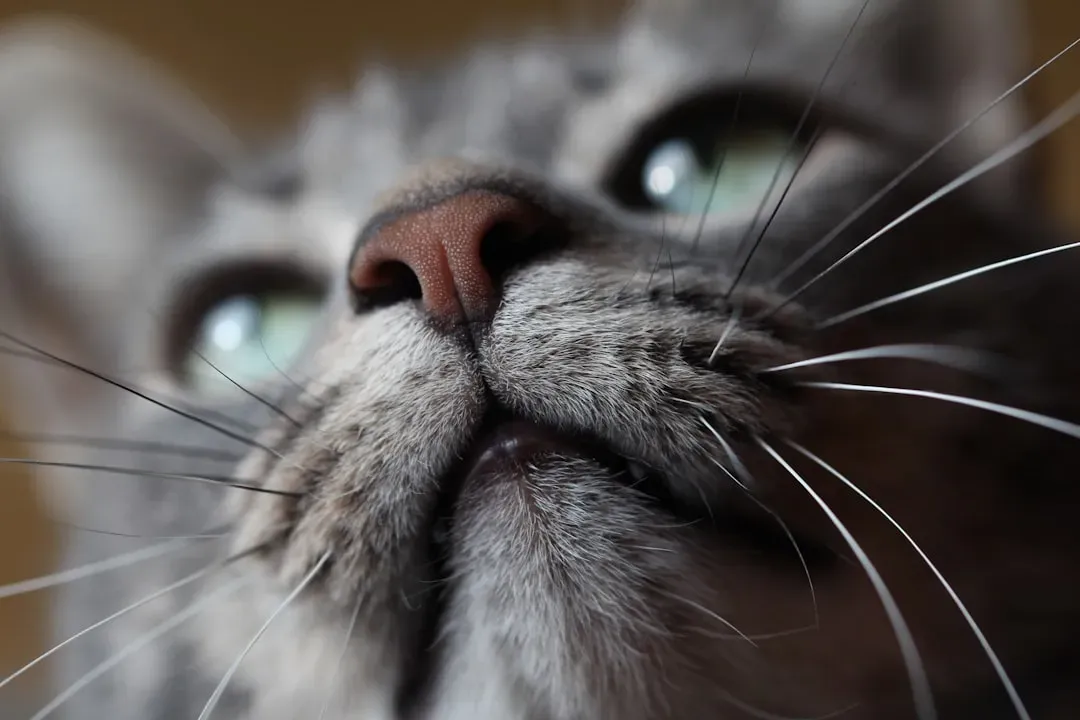
Wild and domestic felids have a superpower in their dual olfactory systems. The olfactory membrane space in cats is four times that of humans, where information from the smell receptors is transmitted to and processed by the olfactory lobe in the forebrain. The second method of scent detection sits at the roof of the mouth in the vomeronasal organ, also known as Jacobson’s organ. I know it sounds crazy, but your cat is essentially smelling the world twice – once through their nostrils, and once through the roof of their mouth.
Located in the roof of the mouth, this organ is connected to the nasal cavity and specializes in detecting pheromones and other chemical signals. Cats use the Flehmen response – curling their lips, opening their mouth, and inhaling – to draw scents into this organ for detailed analysis. This is particularly useful for social and reproductive cues. Next time your cat makes that bizarre open-mouthed grimace, they’re not being dramatic. They’re running a full chemical analysis of their environment.
You Have a Scent Profile, and Your Cat Has Memorized It
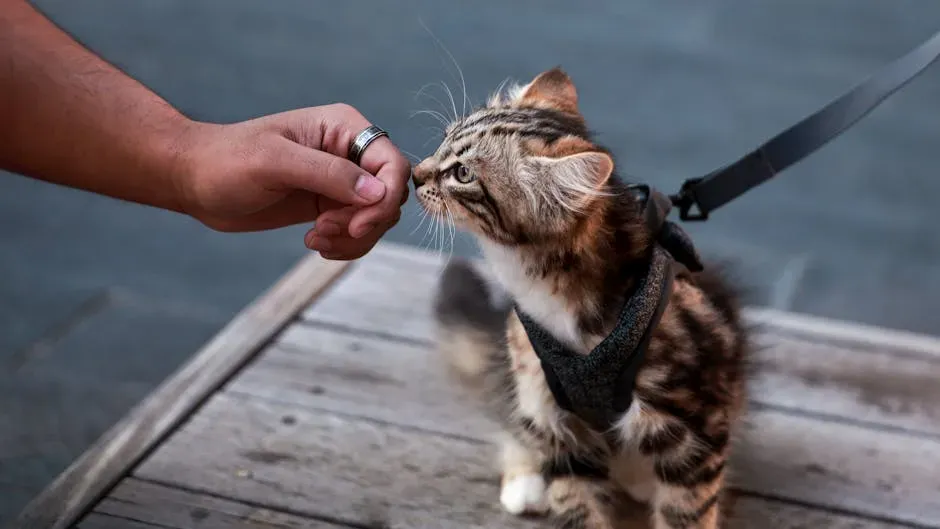
Think of your scent profile like a fingerprint, except far more complex. It shifts with your diet, your stress levels, the soap you use, and even your health. When cats sniff people, they are gathering intel, building a detailed scent profile of who you are and whether you’re worth their attention. They use their noses to distinguish between family members and strangers, and they know exactly who their owner is by scent alone. That’s not a metaphor. That is literally what is happening when your cat presses their nose into your hand.
Domestic cats respond differently to the odor of their owner than that of an unfamiliar human. Cats spend longer sniffing the odor of a stranger than that of their owner, suggesting that they can identify familiar humans based on smell alone, according to a study published in the open-access journal PLOS One by Yutaro Miyairi and colleagues at Tokyo University of Agriculture, Japan. The fact that your cat spends less time sniffing you compared to a stranger isn’t indifference. It’s recognition. They already know you by heart – by scent, to be exact.
The Groundbreaking Study That Proved It All
Science had, surprisingly, never formally tested whether cats could identify their owners by smell alone – until recently. Japanese researchers put 30 domestic cats through an elaborate “smell test.” Each cat was presented with three scent samples: one from their owner, one from a complete stranger, and a blank control sample with no human scent at all. The samples weren’t collected from anywhere obvious, either. The samples were collected from people’s underarms, behind their ears, and between their toes.
Cat subjects spent a few seconds longer sniffing the tubes containing the scent of strangers, about 4.82 seconds, compared to tubes with their owners’ scents, about 2.40 seconds, or a swab with no human scent, about 1.93 seconds. Those numbers might seem small, but in behavioral research, that gap is significant. The research team from Tokyo University of Agriculture conducted their experiments in the cats’ own homes to ensure natural behavior. That detail matters – a cat behaving naturally in their own territory is a cat giving you their honest, unfiltered response.
Right Nostril, Left Nostril: The Brain Behind the Sniff
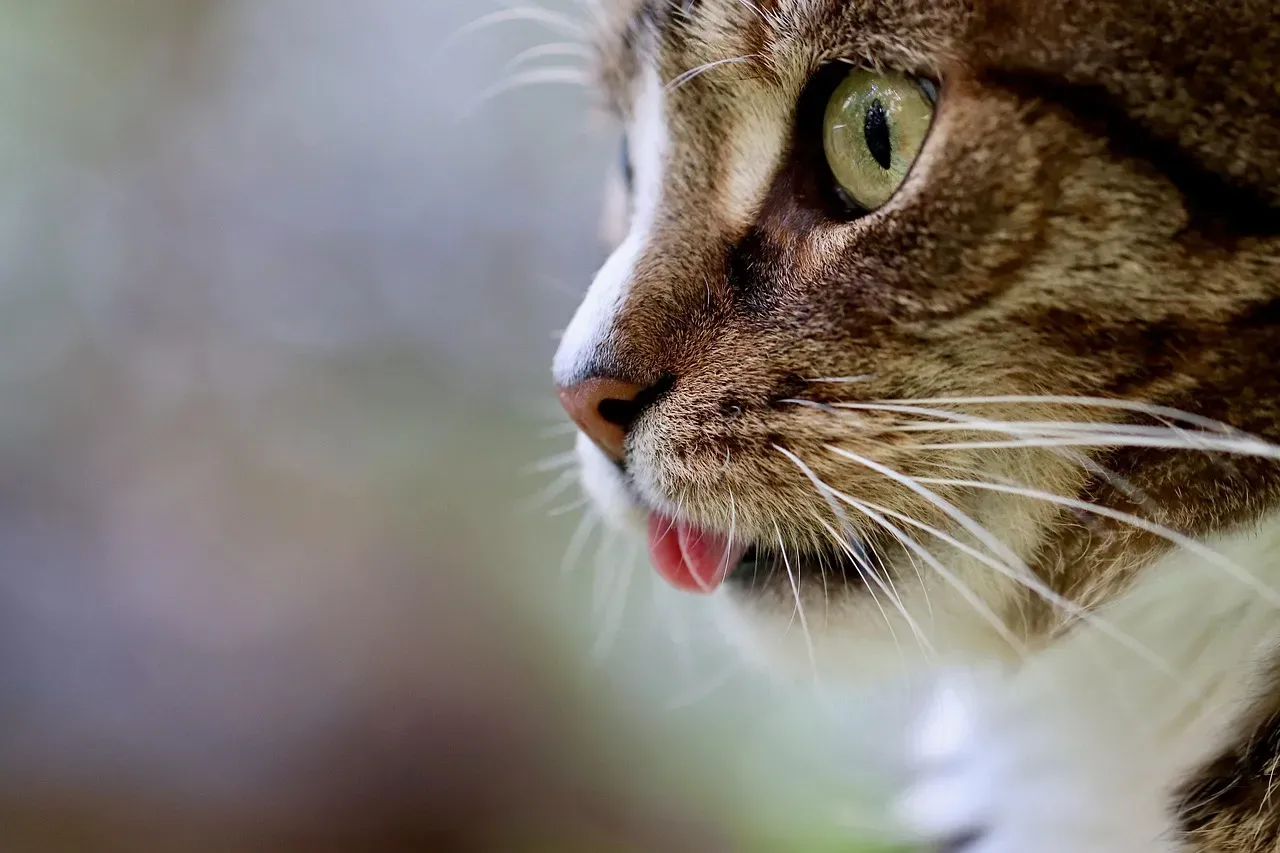
One of the most surprising discoveries in this area of research has nothing to do with how long cats sniff – it’s which nostril they use. The study showed that cats show a distinct preference for which nostril they use when encountering new smells. When first meeting an unknown person’s scent, cats mainly used their right nostril. However, after sniffing multiple times, they switched to favoring their left nostril, a pattern that mirrors behavior seen in dogs and horses when processing new information.
Current research suggests this nostril preference may indicate that cats process and classify new information using their right brain hemisphere, while the left hemisphere takes over when a routine response is established. It’s a bit like how you might furrow your brow when solving a tricky problem, then relax once you’ve figured it out. Researchers also found that cats were initially more likely to sniff unknown odors with their right nostril but later switched to their left nostril as they became more familiar with the smell. Your scent has been so thoroughly processed that your cat barely needs their alert system to detect it anymore.
Scent as Comfort: Why Your Smell Actually Calms Your Cat
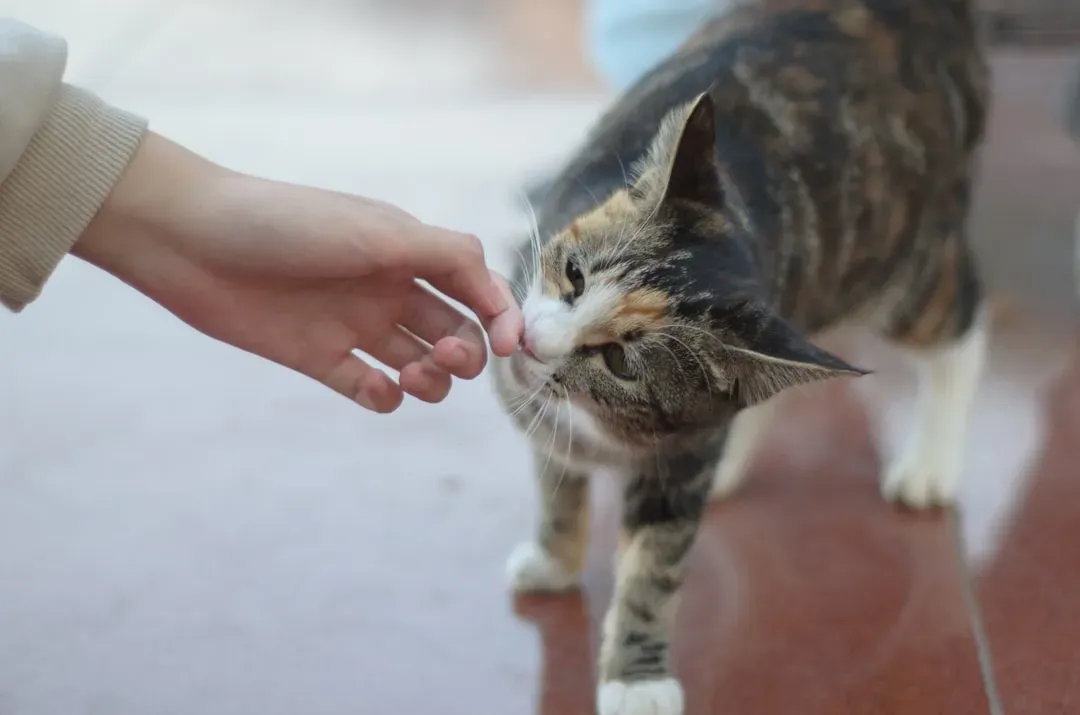
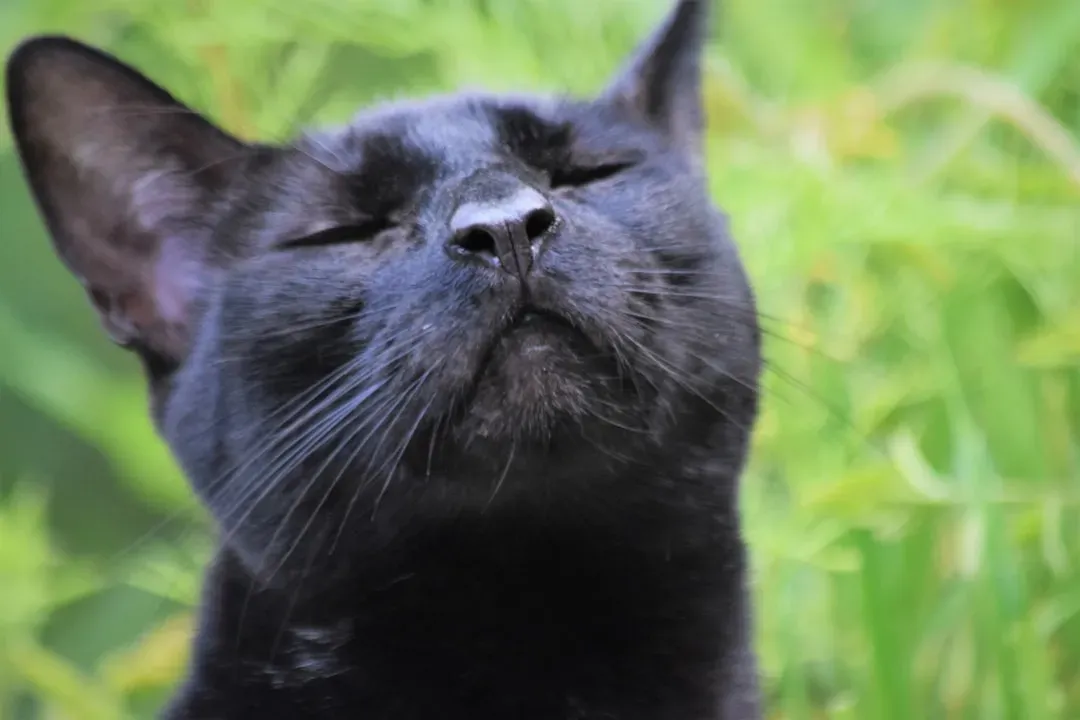
This is where the science gets genuinely moving. Your scent isn’t just an identifier to your cat – it is a source of emotional security. Your cat’s scent-marking and scent-detection capabilities are always working. An environment surrounded with familiar scents is very comforting to a cat and is an important means of identification. Your smell, embedded in your clothing, your couch, your pillow – all of it creates a kind of invisible safety net around your cat’s world.
Familiar scents can also be comforting to cats, reducing stress and anxiety and creating a sense of security within their environment. This is why cats famously curl up on their owner’s worn clothing, or seek out the corner of the couch where you sit most often. The olfactory system can serve as a potential target for the modulation of stress response due to its intimate connection with the central limbic system. Olfactory stimuli developed with scientific guidance may provide many opportunities for stress management in cats. Your scent, in a very real neurological sense, is medicine for your cat.
When Your Cat Rubs Against You, Here’s What’s Really Happening
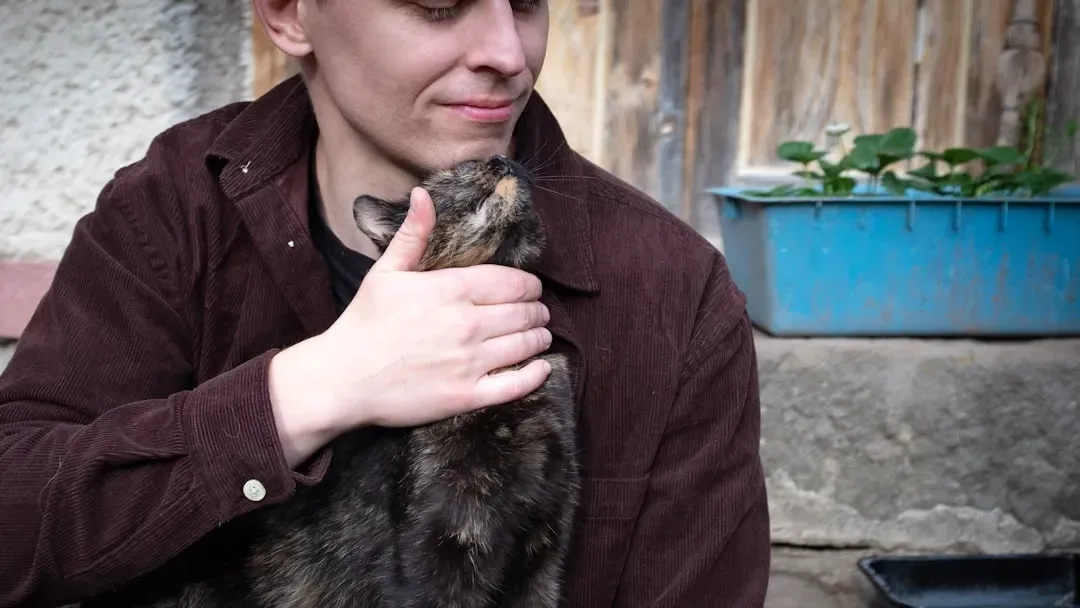
Let’s be real – when your cat bunts their head into your shin for the third time in ten minutes, most of us just think they want dinner. Cats are highly territorial animals, and scent marking is one of the primary ways they establish boundaries. They have scent glands located in multiple areas, including their cheeks, forehead, paws, flanks, and the base of their tail. When a cat rubs its face against furniture, doorways, or even people, it deposits pheromones that signal ownership and familiarity.
By marking you with their scent, your cat is blending your smell with theirs to create a shared “family scent.” That is a profound act of social inclusion. Cats may also mark us for their own benefit – one group of pheromones are called feline facial secretions, and some of these are released when a cat rubs their face against something. At least one is known to cause a soothing calming effect, so by rubbing us with this pheromone, they are marking us as something that soothes them. When your cat rubs against you, they’re not just claiming you. They’re also calming themselves with the ritual.
Your Cat’s Personality Shapes How They React to Your Scent
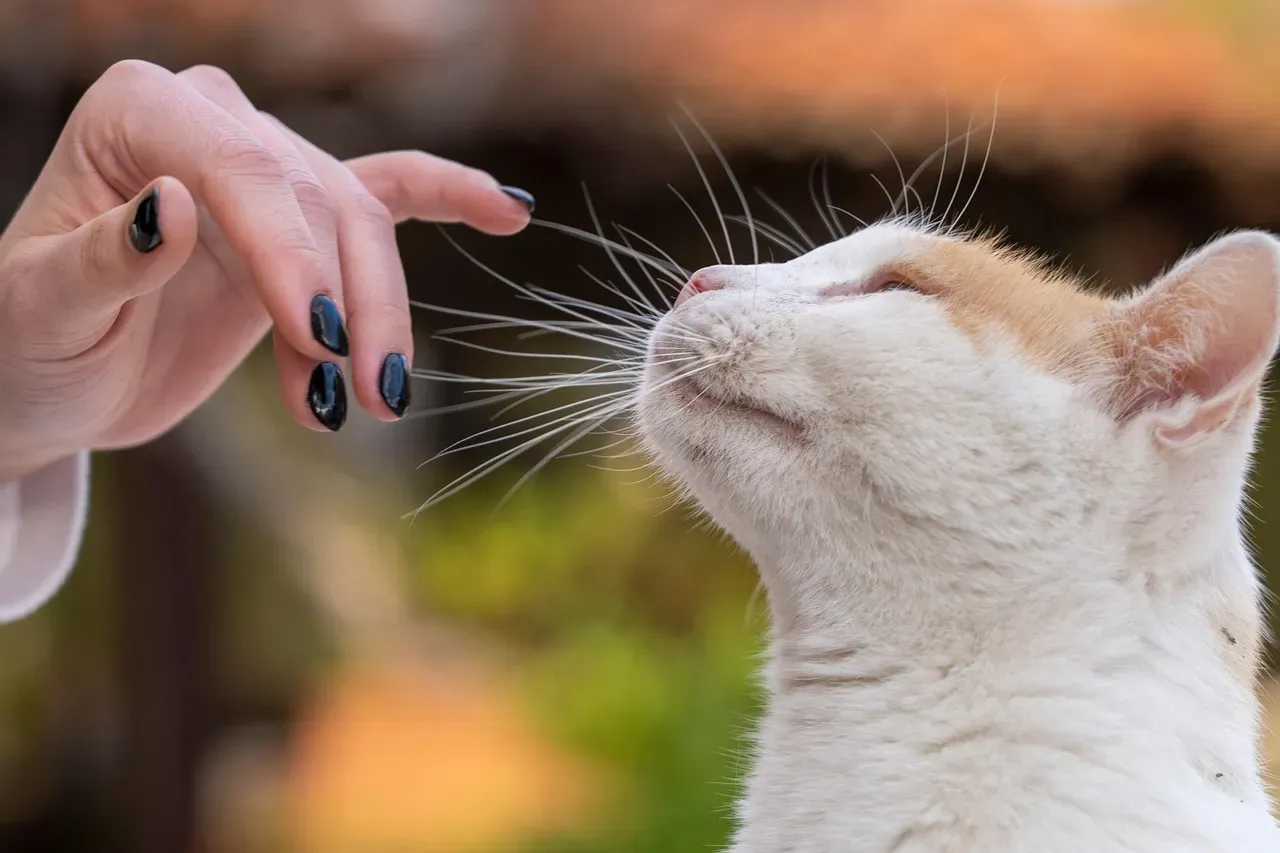
It turns out, not all cats sniff the same way – and their personality has a lot to do with it. The researchers found that male cats described by their owners as neurotic would sniff each tube repeatedly, while more relaxed males were more satisfied with just a short sniff. The reported personalities of female cats did not appear to affect their sniffing behavior. Think about your own cat for a moment – does that track?
Cats who sniffed the blank no-scent tube first scored higher on anxiety scales, while cats who investigated their owner’s scent first showed higher outgoing and agreeable scores. So a confident, sociable cat heads straight for your familiar scent first. A more anxious cat proceeds with caution, avoiding the known and the unknown alike until they feel ready. A cat’s personality affects how it explores human scents, especially in males, but the strength of the cat-owner relationship doesn’t significantly influence sniffing behavior. Honestly, the idea that a cat’s entire approach to smelling you reflects their inner personality is both hilarious and strangely touching.
What Science Still Doesn’t Know – and Why That’s Exciting
For all the remarkable findings, it’s hard to say for sure just how far a cat’s scent recognition goes. The results suggest that domestic cats can discriminate between familiar and unfamiliar humans based on their odor, but it remains unclear whether they can identify specific humans based on smell alone. There’s a difference between knowing “this person is familiar” and knowing “this is specifically my human, Sarah, who feeds me at 7 AM and lets me sleep on the laptop.” Researchers are still working to untangle that distinction.
A study published in PLOS One suggests your cat can recognize you by your smell, a feat that has not been studied before and may reveal another layer of depth within cat-human bonds. Meanwhile, the broader picture keeps getting richer. Domestic cats’ strong sense of smell has drawn attention to them as potential candidates for detecting cancer and other diseases in humans, though research in this field is still emerging. The feline nose, it turns out, may hold answers that go far beyond the question of whether your cat loves you.
Conclusion: The Invisible Thread Between You and Your Cat
There’s something quietly wonderful about the idea that every time you enter a room, your cat receives a full sensory broadcast of you. Your stress, your health, your history – all of it woven into a scent profile that your cat has memorized with a precision you’ll never fully replicate with any technology. The bond you share isn’t just emotional. It’s chemical, biological, and remarkably deep.
The next time your cat presses their nose into your neck or kneads your worn hoodie with sleepy satisfaction, you’ll know what’s really going on. You smell like home to them. You smell like safety. You smell like the one person in the world they’ve chosen to map, memorize, and mark as their own. That unseen bond is real, it’s scientifically backed, and in a world full of noise, it might just be the most honest connection in your life.
So the question worth sitting with is this: knowing now just how deeply your cat has tuned into you, do you see their quiet, nose-first affection a little differently? We’d love to hear your thoughts – drop them in the comments below.