You’ve probably witnessed it before. The cat ignores the person who spent hours setting up a climbing wall and a custom feeding station, then walks straight over and curls up on the lap of the one guest who claimed to “not even like cats.” It feels personal. Honestly, it kind of is.
Cats have a reputation for being mysterious, emotionally distant creatures who tolerate humans at best. But that reputation, it turns out, is wildly inaccurate. Science has been quietly dismantling that myth for years, and what researchers keep uncovering is something far more fascinating: cats form deep, deliberate, emotionally complex bonds with specific humans, and they choose those humans using criteria most of us never even think about. So let’s dive in.
Cats Actually Bond Like Babies Do (Yes, Really)
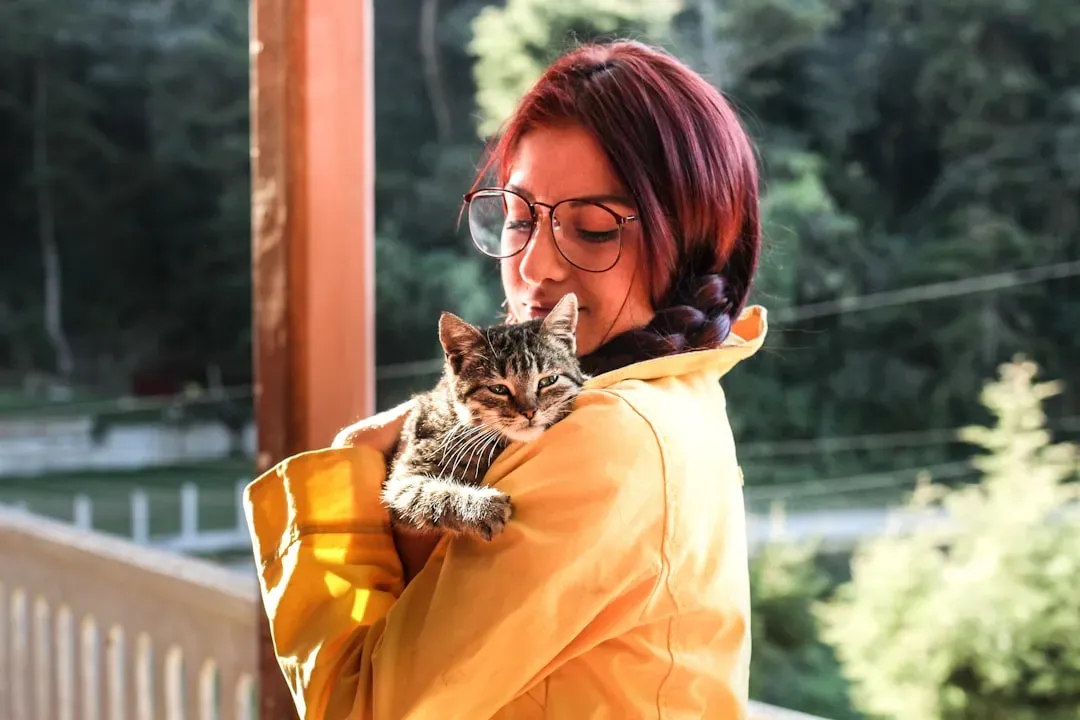
Here’s the thing that surprised even researchers when they first published the findings. A study of the way domestic cats respond to their caregivers suggests that their socio-cognitive abilities and the depth of their human attachments have been underestimated, revealing that much like children and dogs, pet cats form secure and insecure bonds with their human caretakers. That parallel to infant bonding is not just poetic. It is scientifically documented and measurable.
Researchers have empirically demonstrated that cats display the same main attachment styles as babies and dogs in relation to their caregivers. Think about that for a second. The same psychological frameworks used to describe how a toddler clings to their parent in a strange room also apply to your cat. Upon a caregiver’s return from a brief absence, cats with secure attachment are less stressed and balance their attention between the person and their surroundings, continuing to explore the room, while cats with insecure attachment show signs of stress such as twitching their tail and licking their lips, either staying away from the person or clinging to them.
The Comfortable Majority: Secure vs. Insecure Attachment
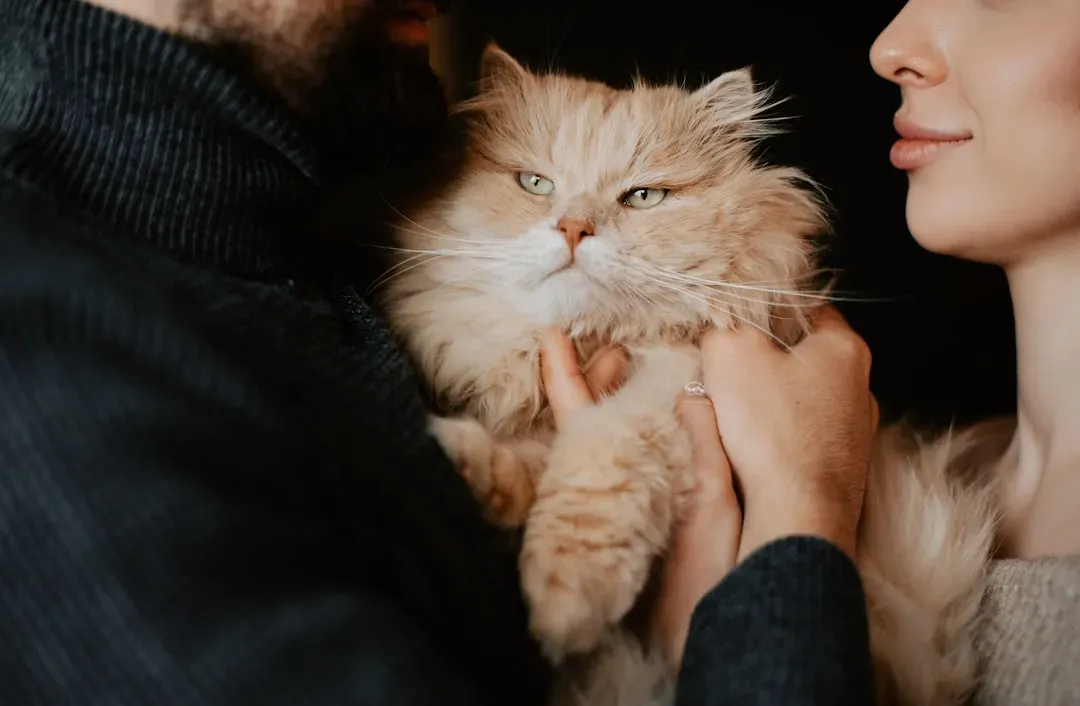
Of the kittens tested, roughly nearly two thirds were categorized as securely attached and just over a third were categorized as insecurely attached. Those numbers mirror human infant attachment data almost perfectly, which researchers found genuinely surprising. It suggests something fundamental and cross-species is happening in the brain when a cat bonds with you.
Cats, like dogs and even human babies, can develop different kinds of emotional attachments to their owners, and scientists have discovered that a cat’s attachment style, categorized as secure, anxious, or avoidant, is linked to how they behave around their owners, how likely they are to exhibit problem behaviors, and even fluctuations in their levels of oxytocin, a hormone associated with social bonding. So when your cat seems cool, distant, or clingy in odd moments, that may not be random at all. It could be their attachment style showing itself.
Your Scent Is a Secret Password
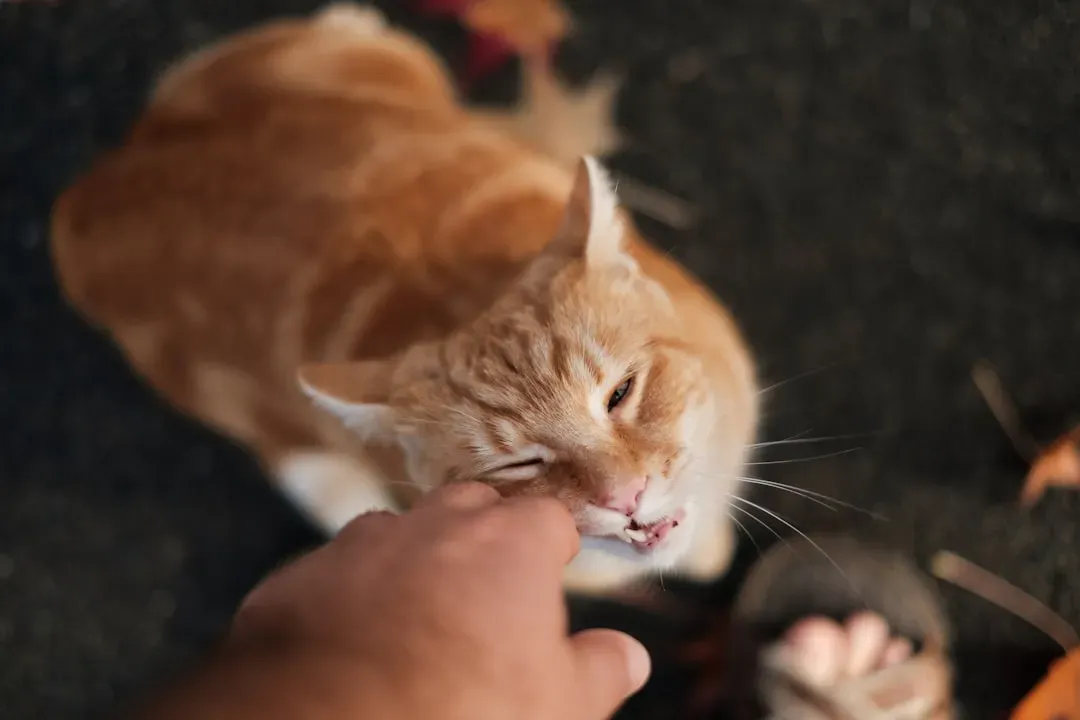
Long before you speak a word or make any kind of gesture, your cat already knows who you are by smell alone. Olfaction is one of the most important sensory abilities in cats, yet its role in recognizing humans remains a subject of active research, with studies assessing how cats use scent to discriminate between known and unknown humans. Think of it like your cat carries an internal database of everyone they trust, and each entry is filed by scent.
Cats presented simultaneously with scent stimuli from a known person, an unknown person, and a blank control were observed to spend a substantially longer time sniffing the odor of an unknown person than that of a known one, indicating that familiar scent signals safety to them. Scent marks serve multiple functions for cats, helping them navigate their environment and identify familiar individuals, and when they rub their head, sides, and tail against a person, they are depositing a friendly pheromone essentially signaling comfort and connection. When your cat rubs their cheek against your hand, they are not just being affectionate. They are stamping you with their seal of approval.
The Power of the Slow Blink and Calm Body Language
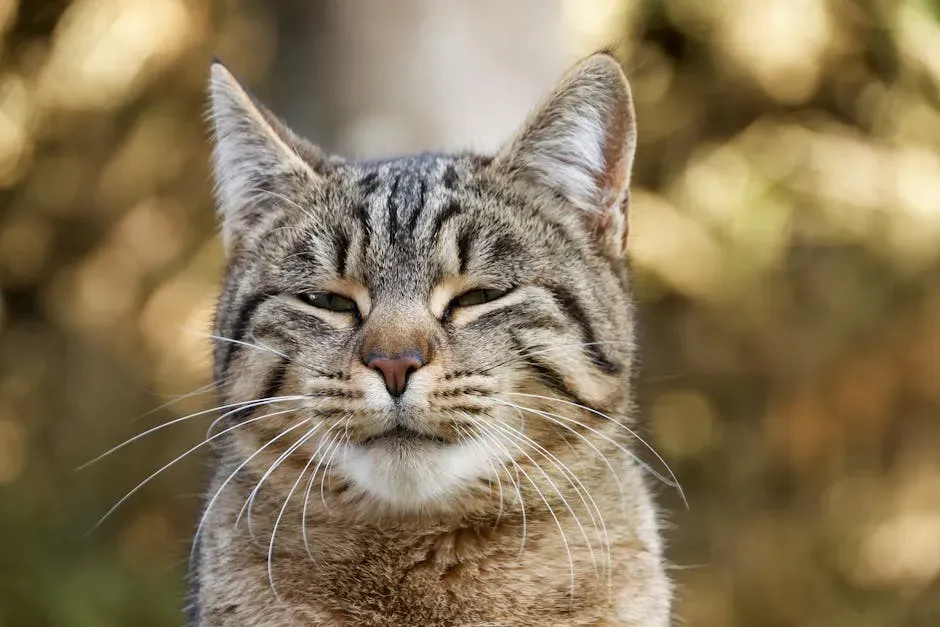
If you have ever tried to approach a cat only to have them bolt, the reason might not be personal dislike. It might be your body language. Cats read body language differently than humans do, and direct eye contact, which we consider friendly, can actually feel threatening to a cat because predators stare at their prey before attacking, meaning someone who constantly tries to make eye contact might actually be pushing the cat away without realizing it.
In the context of human-cat interactions, cats appear to rely more upon visual cues when they need to evaluate a human’s intention to engage in communication. This means the way you position your body, whether you crouch to their level, whether you move slowly or suddenly, all registers as a kind of language your cat is fluent in. When you adopt a relaxed, open posture, it signals to cats that you are approachable and non-threatening, and slow, deliberate movements can be calming and reassuring. The person in the room who sits quietly and doesn’t rush the cat? That is the person the cat will eventually walk toward.
Tone of Voice Matters More Than You Think
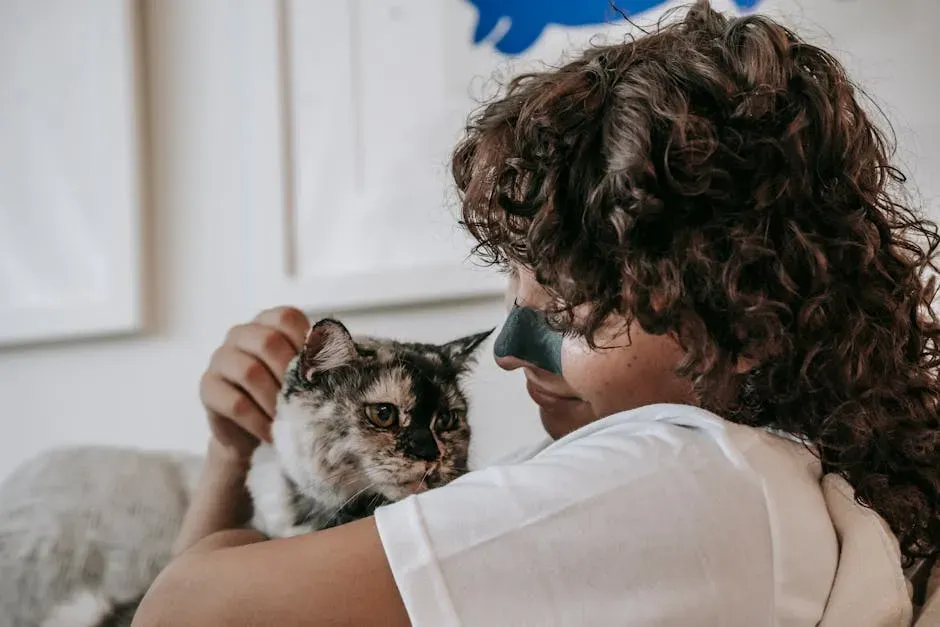
It is not what you say to your cat. It is absolutely how you say it. By speaking in a gentle and reassuring tone, you can convey love and affection, strengthening the bond between you and your cat, and paying attention to how your voice influences their behavior and response goes a long way. I think most people underestimate just how tuned in cats are to vocal tone specifically.
Studies on communication have shown that cats differentiate the voice of their owners from the voice of a stranger. Your cat actually recognizes your voice as distinct from all other voices around them. By examining vocal, visual, and bimodal interactions, research found that the modality of communication had a significant effect on how quickly cats approached a human experimenter, with cats interacting significantly faster in response to visual and bimodal communication compared to vocal communication alone. In other words, combining a soft voice with open, calm body language? That is the golden combination your cat responds to most powerfully.
Early Socialization Sets the Stage for Life
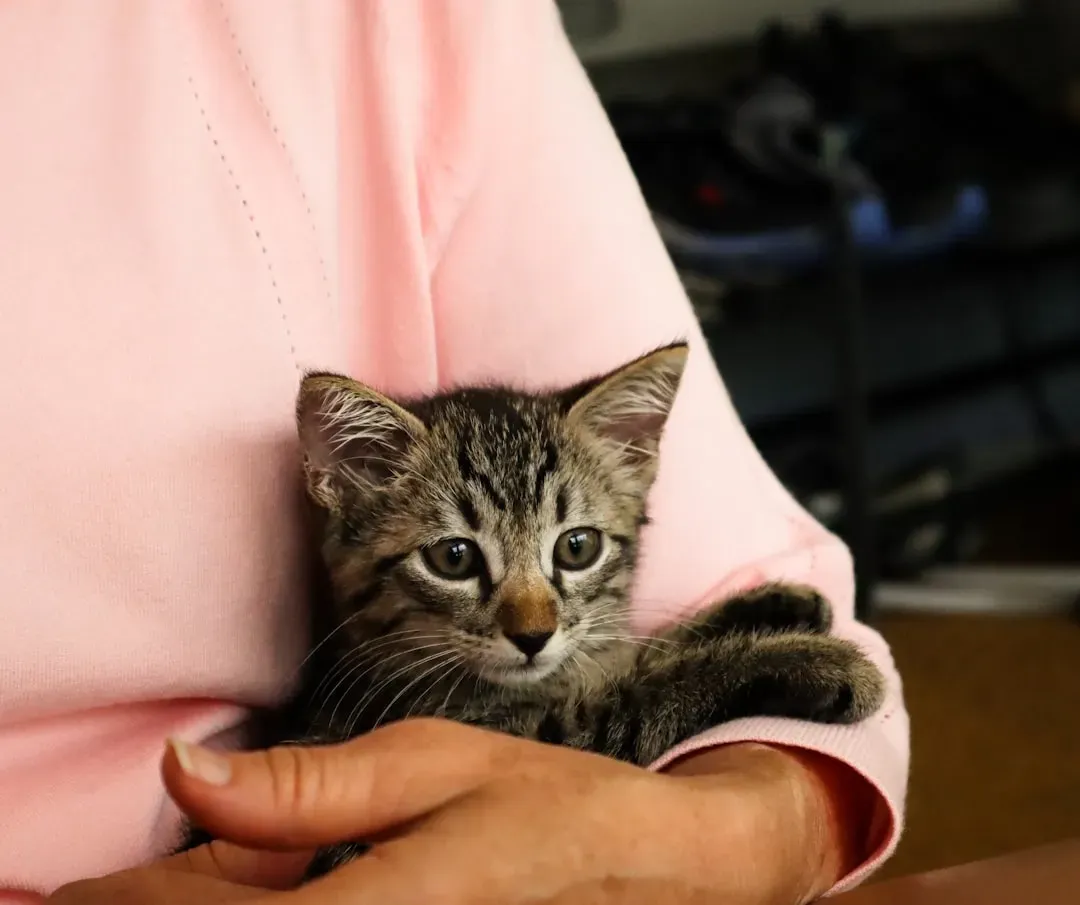
A cat’s lifelong preferences for certain types of people are shaped surprisingly early. Eileen Karsh was the first researcher to experimentally determine the sensitive phase of kittens for socialization to humans, finding that kittens handled frequently by humans during their second to mid-seventh week of age become friendly and trusting of people and remain so throughout their later lives. That is a narrow window, and what happens in it echoes for years.
Kittens who interact with various people, sounds, and experiences between two and seven weeks old typically grow into confident, social cats, while those who miss this window may struggle with trust throughout their lives, particularly around people who weren’t part of their early experiences. So if you ever wondered why a rescue cat warms up to some people instantly and shies away from others without any clear reason, their kitten history is likely writing the script. If your cat came from a shelter, rescue situation, or outdoor environment, they might not have received proper socialization as a kitten, which can make them naturally wary of certain types of people.
Personality Compatibility Is a Real Factor
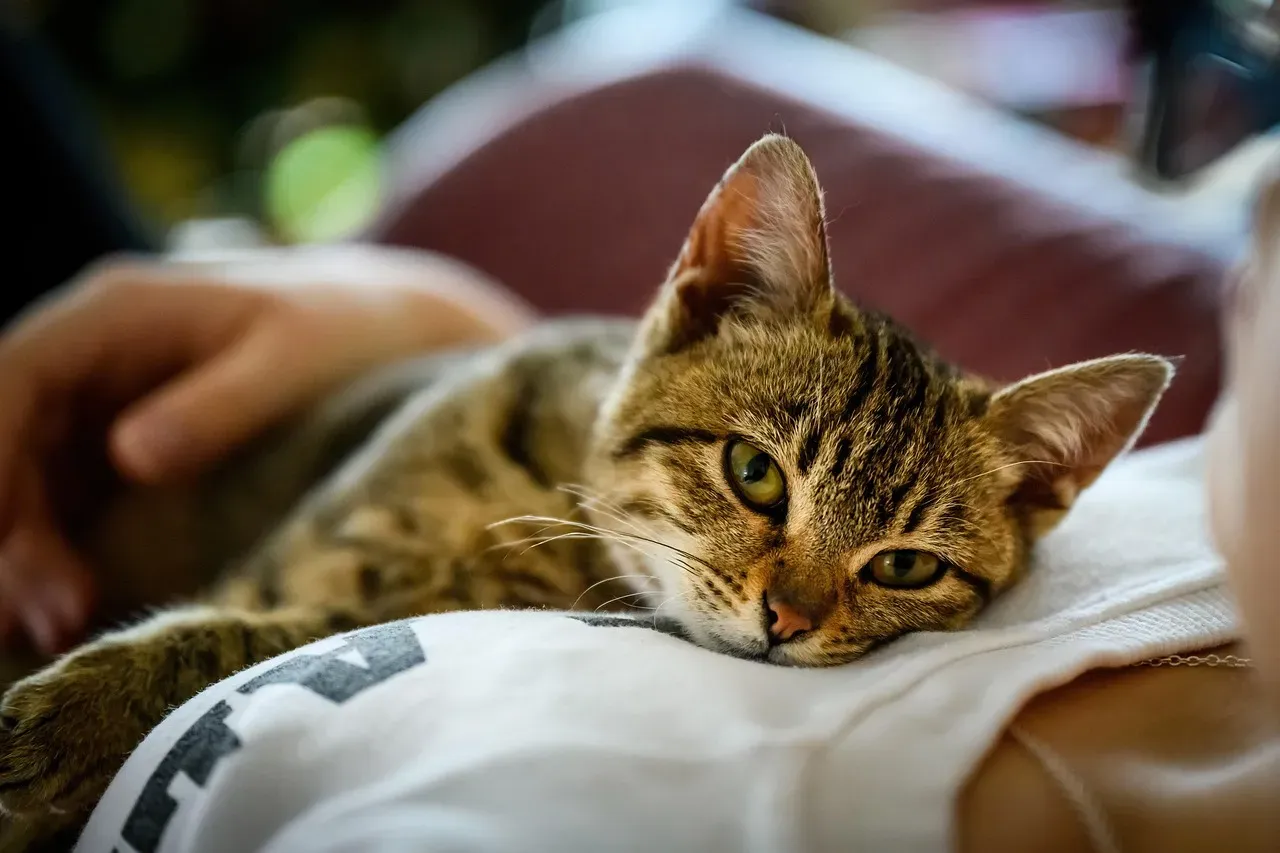
Let’s be real: cats are not random in their preferences. They have distinct personalities, and they gravitate toward humans whose energy mirrors their own. When it comes to why cats are attracted to certain people, personality compatibility plays a significant role, and just like humans, cats have distinct personalities and are naturally drawn to individuals whose energy and temperament align with their own. A highly energetic, boisterous person will likely not be the first choice of a quiet, observant cat.
A cat’s individual personality shapes their preferences just as much as any external factor, breed can influence personality traits though every cat is unique, and a naturally independent cat may only bond deeply with one or two people in the household, viewing others as acceptable roommates rather than close companions. Think of it like a friendship. You don’t become close friends with everyone you meet. You connect deeply with specific people whose wavelength matches yours. Cats operate on the same principle, just with less small talk.
Stress, Emotions, and the Human Energy Your Cat Is Reading
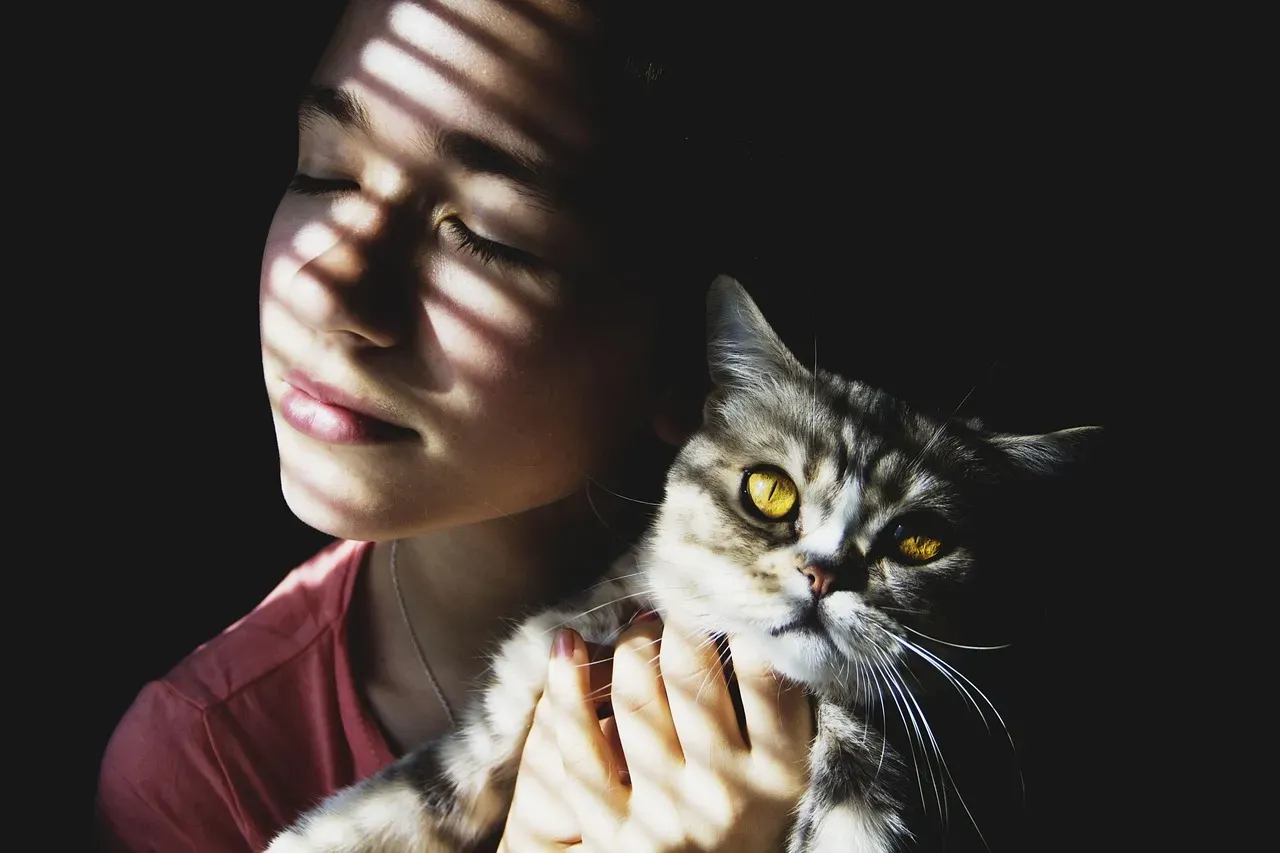
Here is something that might catch you off guard. Your cat is not just observing your behavior. They are actually picking up on your emotional state in ways that are almost eerie. Cats are surprisingly good at reading human emotions and energy levels, and if someone in the household feels anxious, stressed, or frustrated, a cat can sense those feelings through body language, tone of voice, and even chemical signals humans unconsciously release.
A depressive owner initiates fewer interactions with the cat, but when the cat approaches that person and the person accepts the interaction, the cat also changes its behavior in response to the person’s emotional state when close to them, vocalizing more frequently and head and flank rubbing more often on that person. It is almost as if the cat responds to emotional need in the humans they love. Some studies have found links between owner characteristics like their personality and how they interact with their pet and behavioral problems in both cats and dogs, and stressful interactions can make cats more aggressive. Calm, consistent energy doesn’t just attract cats. It builds healthier bonds over time.
The Marks of Being Chosen: Signs Your Cat Has Picked You
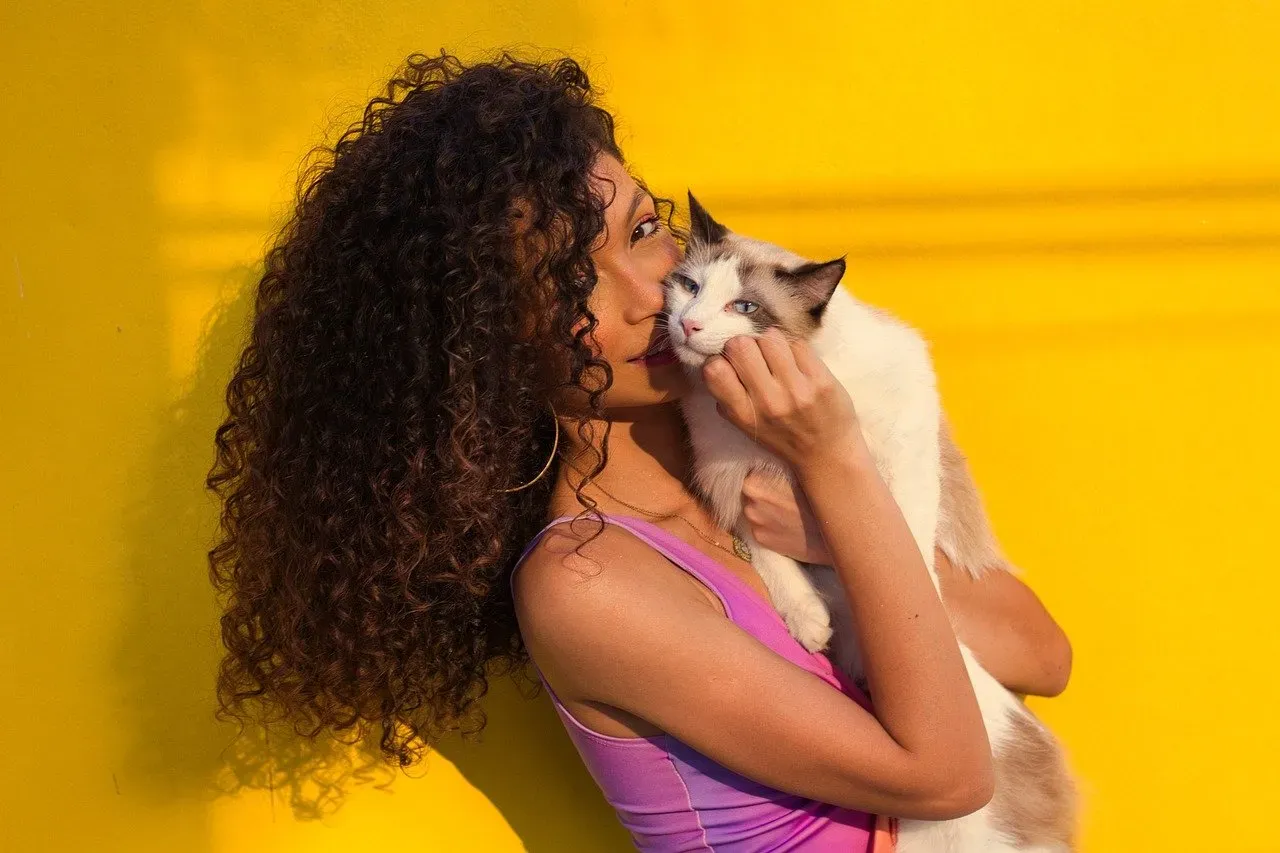
So how do you actually know if your cat has chosen you as their favorite? The signals are there, once you know what to look for. Cats sometimes head-bump humans with the front part of the head in a behavior called bunting, which has an olfactory component as there are scent glands in that area, and some cats also rub their faces on humans as a friendly greeting or to indicate affection. It sounds simple, but it is one of the most intimate signals in the feline social world.
One unique bonding moment that cats often engage in with their favorite humans is kneading, a behavior where a cat rhythmically pushes and pulls their paws against a soft surface, which is a holdover from kittenhood when they would knead their mother’s belly to stimulate milk flow. When your cat kneads you, they are essentially treating you the way they treated the most trusted figure of their early life. Rubbing against you or objects is a way for them to mark their territory with their scent, and if you are included in this marking, your cat is essentially claiming you as their own and letting you know they are quite fond of you. That leg-weaving, face-rubbing, purring creature is not just looking for warmth. They have made a choice, and you are it.
Conclusion
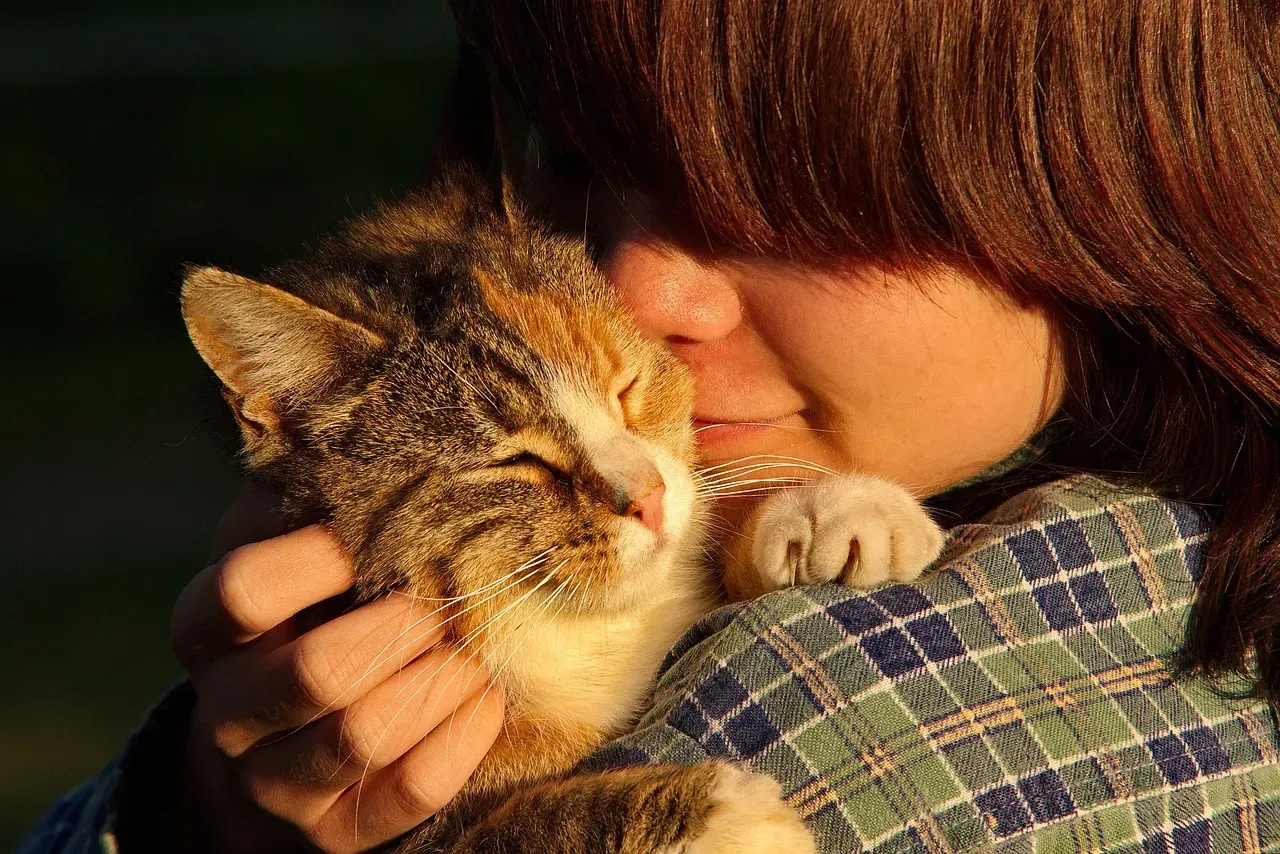
The bond between a cat and their chosen human is not accidental, performative, or transactional, despite what popular culture often suggests. It is shaped by biology, early experience, emotional attunement, scent memory, and something that honestly looks a lot like genuine affection. Cats and humans have a long history of coexistence spanning back nearly ten thousand years, and research indicates that domestic cats display socio-cognitive abilities, such as responsiveness to human behavior and gestures, that help them engage in deep social relationships.
The next time your cat bypasses everyone else in the room and settles beside you, don’t dismiss it as coincidence. You passed their test. You matched their scent memory, their emotional frequency, their need for calm and consistency. That is not a small thing. Cats may be drawn to people who offer them food, playtime, or cuddles, but ultimately they choose their favorite humans based on how those individuals make them feel, with comfort, trust, and safety being the key factors. Honestly, when you think about it that way, being chosen by a cat might be one of the most honest compliments you’ll ever receive. What do you think? Have you ever noticed your cat choosing one person over another? Tell us in the comments.