Living with a cat is like sharing your home with a miniature monarch who never actually told you the rules. They expect you to just know them, somehow. Unlike dogs who wear their hearts on their sleeves, cats operate on a completely different wavelength, communicating through subtle glances, tail flicks, and that infamous slow blink that might mean love or might mean they’re plotting your demise. It’s hard to say for sure.
Here’s the thing, though. Cats do have rules. Lots of them. They’re just unspoken, passed down through some mysterious feline code that we mere humans are supposed to decode through trial and error. Miss one of these invisible boundaries, and you might find yourself on the receiving end of a cold shoulder or worse, a strategic ambush at 3 AM. Ready to crack the code? Let’s dive in.
Never Hold Eye Contact Too Long

Cats are highly visual, and in cat language, holding eye contact is a challenge – an aggressive indicator that you’re down for a fight. Think about it like this: in the wild, predators stare down their prey before attacking. Your sweet tabby might not be hunting antelope, but those instincts are still hardwired into their brain.
Among cats, even friends don’t hold eye contact – they glance, blink, and move on. So when you’re staring lovingly at your cat, thinking you’re bonding, they might actually be wondering why you’re issuing a challenge. Instead, try the slow blink. It’s like a cat kiss, a gentle way of saying you’re safe and loved.
Respect the Sacred Litter Box Protocol
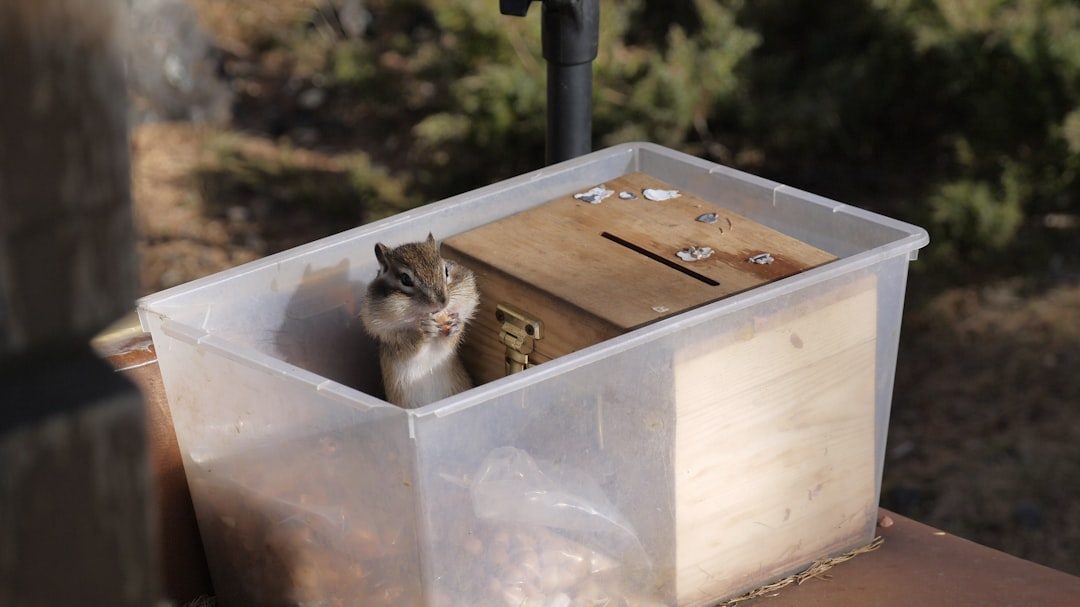
A clean litter box is non-negotiable in a cat’s world, and skipping scooping duties for even a day can result in silent protests or smelly reminders. Cats are incredibly fastidious creatures who value cleanliness above almost everything else. Imagine having to use a dirty bathroom every single day and you’ll understand their frustration.
Placement also matters – it should be in a quiet, accessible location. Nobody wants to do their business in the middle of Grand Central Station, and neither does your cat. Give them privacy, keep it clean, and they’ll reward you with good behavior. Neglect this rule, and you might discover some creative protest locations around your home.
Let Them Come to You
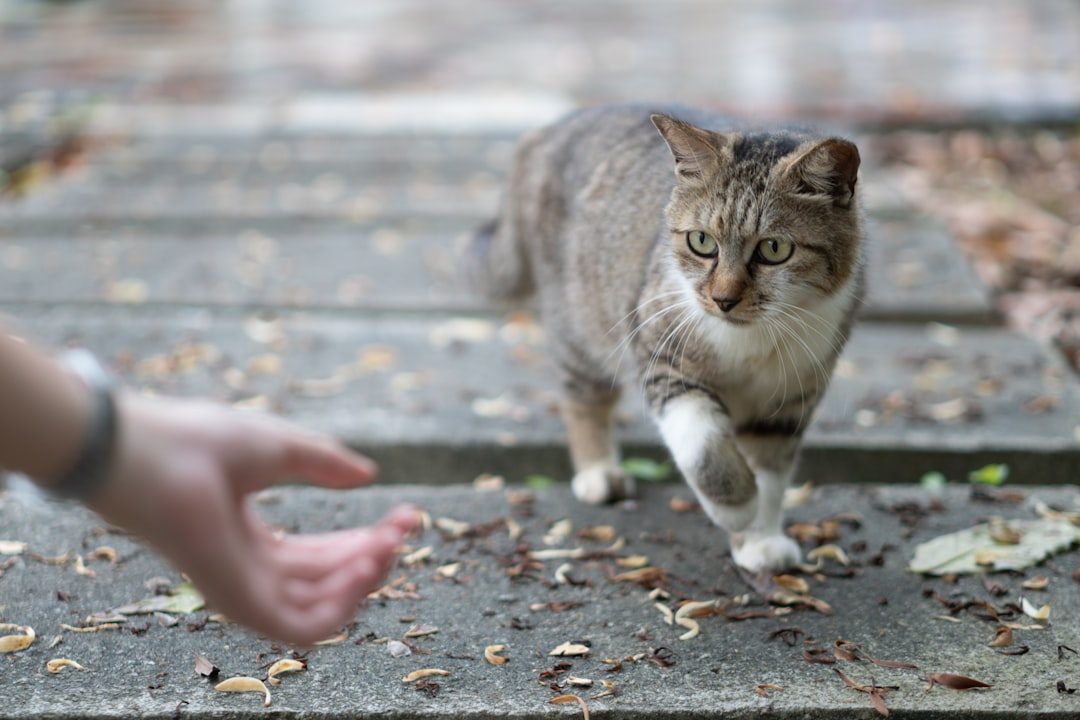
Walking up to a cat and immediately scooping them up is basically the feline equivalent of a stranger hugging you without warning. Cats may begrudgingly accept their fate, but in general, they prefer to come to you – autonomy is their love language. They want affection on their terms, not yours.
Successful cat interactions begin with allowing the cat to make the first move – extend your hand and let them approach and sniff first. This simple gesture shows respect for their personal space and gives them the control they crave. Once they initiate contact, you’re golden. Force it, and you’re asking for trouble.
Honor Their Privacy and Hideaways

Privacy is a right that cats take very seriously, and the moment a cat retreats under the bed or disappears behind the couch, it’s issuing a clear signal to be left alone. Think of these spots as their personal fortress of solitude where they recharge and feel secure.
Respect your cat’s hideaways as off-limits zones, and if you need your cat to come out, use treats or toys to entice them rather than forcing physical removal. Dragging them out when they’re hiding can shatter the trust you’ve worked so hard to build. Give them space, and they’ll emerge when they’re ready.
Accept That Everything Is Shared Territory
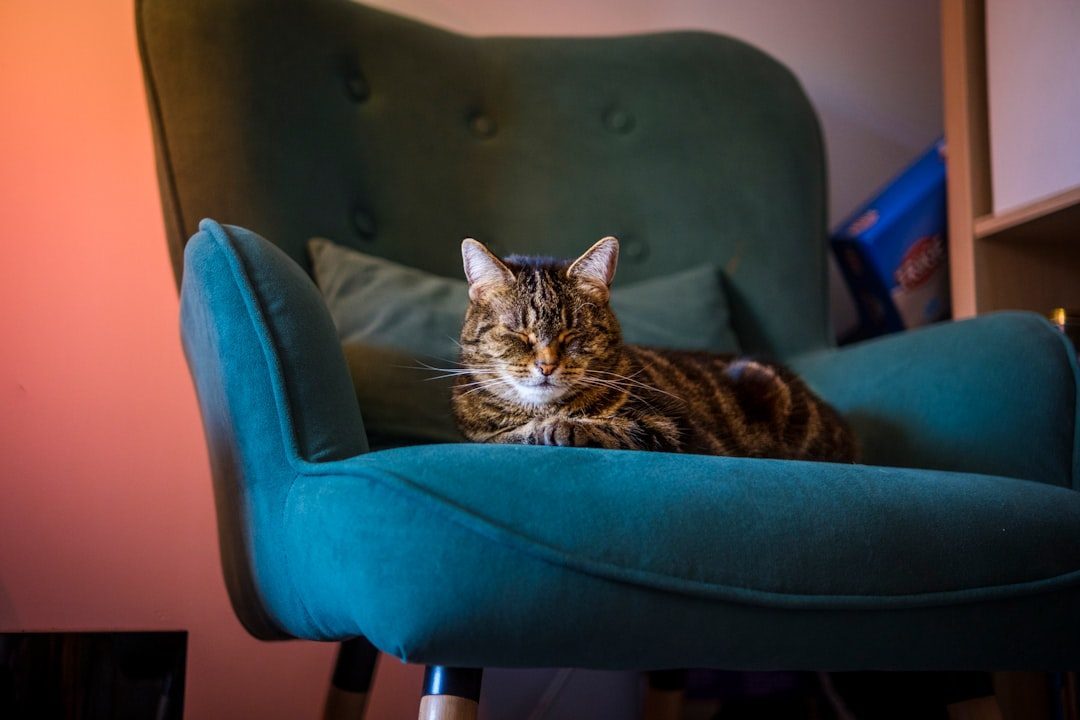
Let’s be real: you don’t own anything anymore. Ownership is a fuzzy concept when it comes to cats and furniture – what was once your chair, bed, or shelf is now shared territory, often weighted heavily in the cat’s favor. That favorite spot on the couch? It’s theirs now.
You might come home to find your cat sprawled across your desk or perched on your favorite pillow, and instead of relocating them, many cat owners find themselves adjusting their positions or waiting patiently. Honestly, it’s easier to just accept this reality than fight it. Your cat has claimed your home as their kingdom, and you’re just living in it.
Don’t Mess With Their Scent Map

A cat’s scent map is their way of marking territory with their scent by rubbing their cheeks and bodies on items, and this scent marking creates a sense of familiarity and comfort for a cat. When they rub against you, they’re not just being affectionate – they’re claiming you as part of their world.
Washing things gradually and not all at once is recommended so as not to disturb their scent map. Sure, you need to wash your blankets and pillows eventually, but try not to launder everything at the same time. Your cat might feel disoriented in a home that suddenly smells completely foreign, like they’ve been dropped into an alternate universe.
Acknowledge Their Meows
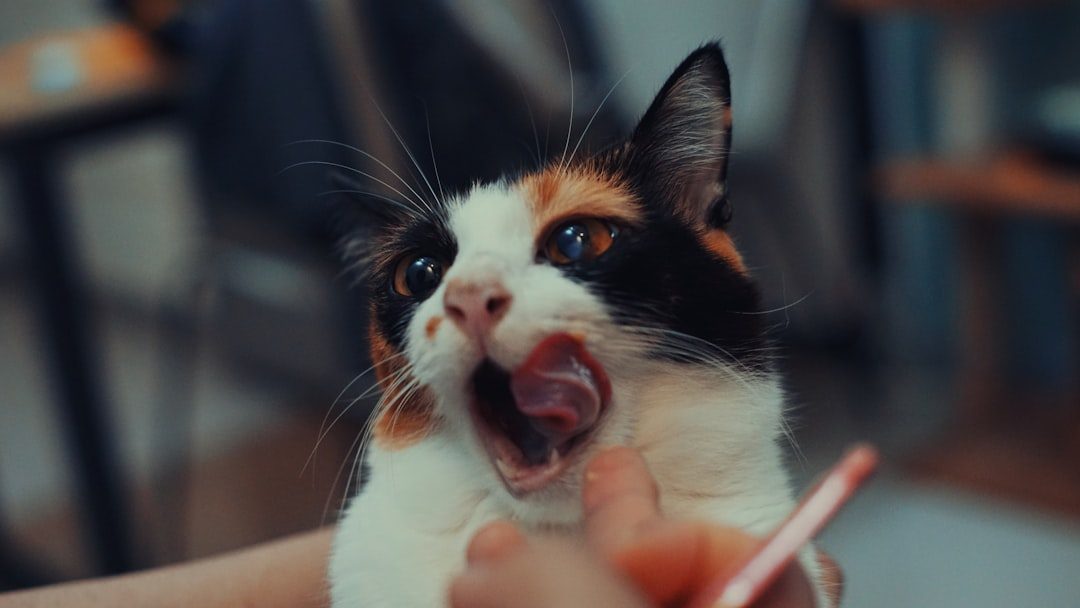
Cats mostly meow for humans – they sometimes meow at one another, but rarely and mostly as kittens – and when they meow, they’re communicating with us in some way. They’ve basically learned a language just for us, which is kind of incredible when you think about it.
Acknowledging their meows tells your cat that you heard them, even if you didn’t understand them. A simple “I know, buddy” or “What’s up?” goes a long way. Ignoring them completely is like someone talking to you and you just staring blankly ahead. Rude, right?
Always Provide an Exit Strategy
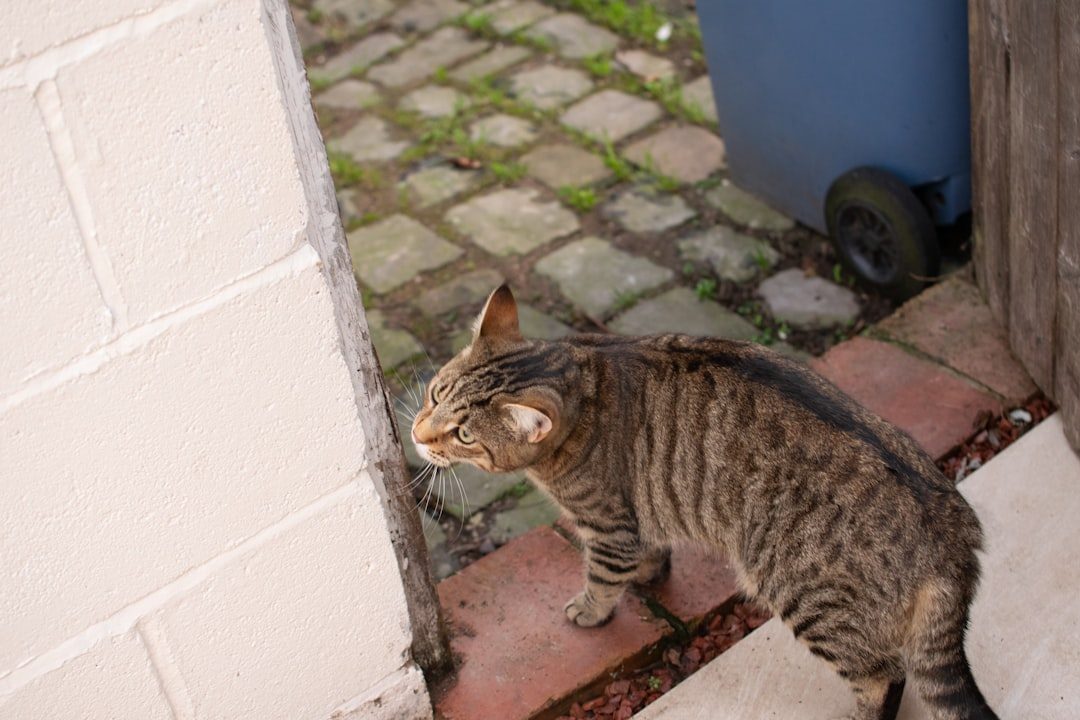
In the wild, being trapped means danger, and cats are sensitive to that feeling – they like to know they can get away. This is why your cat might refuse to enter a room if the door is closed behind them or why they prefer sitting near doorways.
Make sure they have an exit strategy, which might mean leaving a door cracked open or avoiding crowding them – ironically, if a cat knows they can leave, they’re more likely to stay. It’s all about control and security. Take away their escape route, and you’ll have one anxious kitty on your hands.
Pet Them the Right Way
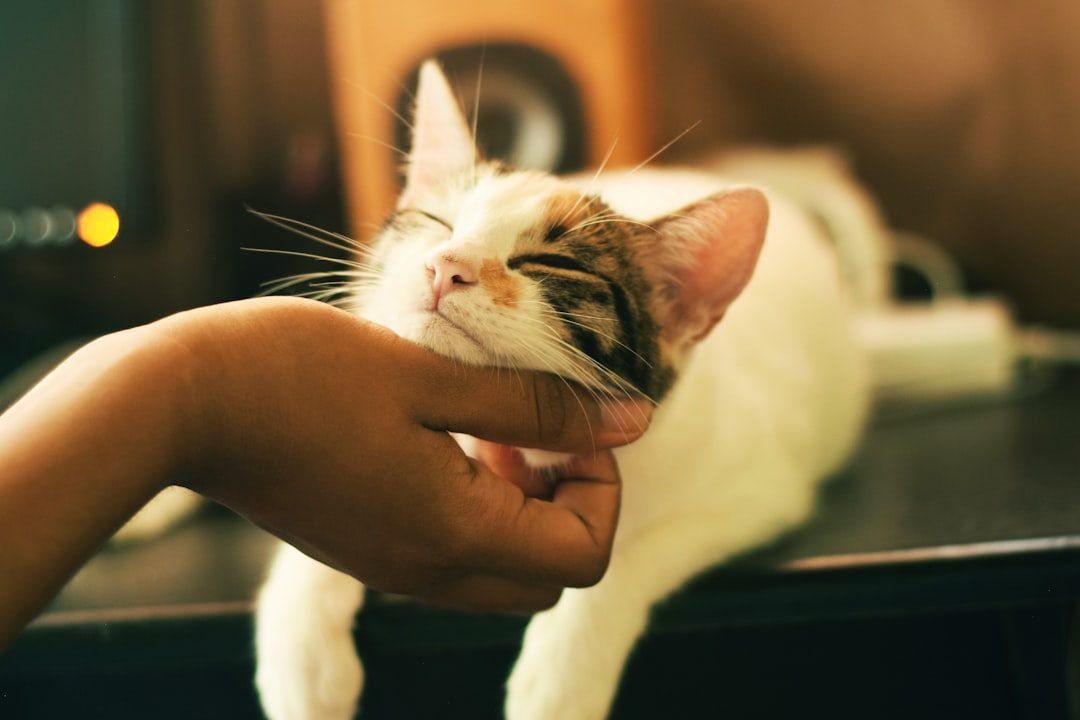
Most cats like affection, but petting a cat is different than petting a dog – cats don’t usually enjoy heavy strokes or pets that run their whole body, and their favorite petting spots are usually their heads, cheeks, and under the chin. Going in for aggressive full-body pets is a rookie mistake.
Pay attention to where your cat leans into your hand. That’s the sweet spot. If they pull away or their tail starts twitching, you’ve crossed into unwanted territory. Reading these signals takes practice, but it makes all the difference between a purring lap cat and one who bites your hand and storms off.
Embrace the Midnight Zoomies

Late-night energy bursts are part of the package deal with cats – often when the house is quiet and the lights are off, your feline becomes a wild, thundering blur, and these zoomies come from their crepuscular nature – they’re wired to be active during dawn and dusk. It’s not personal. It’s biology.
You can try tire them out with evening play sessions before bed, but honestly? Sometimes you just have to accept that at some ungodly hour, your cat will transform into a tiny tornado. It’s part of their charm, even if it wakes you from a dead sleep. Roll with it, and maybe invest in some earplugs.
Conclusion

Living with a cat means learning a language that was never written down, respecting boundaries you can’t see, and accepting that you’re sharing your home with a creature who thinks they’re in charge. Because, let’s face it, they kind of are. These unspoken rules aren’t just about keeping the peace – they’re about building trust and understanding with an animal who sees the world completely differently than we do.
Master these rules, and you’ll find yourself with a happier, more relaxed cat who actually wants to be around you. Ignore them, and well, good luck with that. So what about you? Have you figured out your cat’s secret rules, or are you still learning the hard way? Share your stories in the comments.