Ever wonder why your cat gives you that look when you accidentally wake them from their nap? Or why they bolt from the room when you approach too quickly? Let’s be real, living with a cat isn’t just about putting out food and scooping litter.
There’s this whole invisible rulebook that cats expect you to follow. Think of it like moving into a foreign country where everyone speaks a language you don’t quite understand. Your feline companion has rules, boundaries, and expectations that you’ve probably been breaking since day one without even knowing it.
What if you could actually understand these unspoken guidelines? Your relationship with your cat could transform from constant confusion to genuine harmony. So let’s dive in and discover what your cat has been trying to tell you all along.
Never Hold Eye Contact for Too Long

In cat language, holding eye contact is a challenge – an aggressive indicator that you’re down for a fight. While you might think gazing into your cat’s eyes shows affection, prolonged staring actually makes your cat uncomfortable and defensive.
Instead of the intense stare you give your human friends, try something different. Give your cat a glance, maybe a gentle look, then look away. Cats blink slowly to show affection and trust, and you can return their gesture by blinking slowly back at them. This simple exchange is like a secret handshake in the feline world.
I know it sounds crazy, but your cat interprets this slow blink as you saying “I feel safe with you.” They glance, blink, and move on, and you should too. Think of it as a conversation where silence speaks louder than words.
Respect Their Personal Space and Hiding Spots

When a cat retreats under the bed or disappears behind the couch, it’s issuing a clear signal to be left alone. Your cat isn’t being rude or antisocial. They simply need time to recharge, just like you might need to escape to a quiet room after a long day.
Like us, cats need solitude to feel secure and recharge from stimulation. Chasing them down for cuddles when they’ve clearly communicated their need for space breaks trust. Here’s the thing: the more you respect their boundaries, the more they’ll actually seek you out for affection on their own terms.
Rather than chasing them down for cuddles, try simply being nearby and letting them come to you, which strengthens the bond without violating boundaries. Give them that quiet corner or cardboard box sanctuary, and watch how much more confident and relaxed they become around you.
Let Your Cat Approach You First
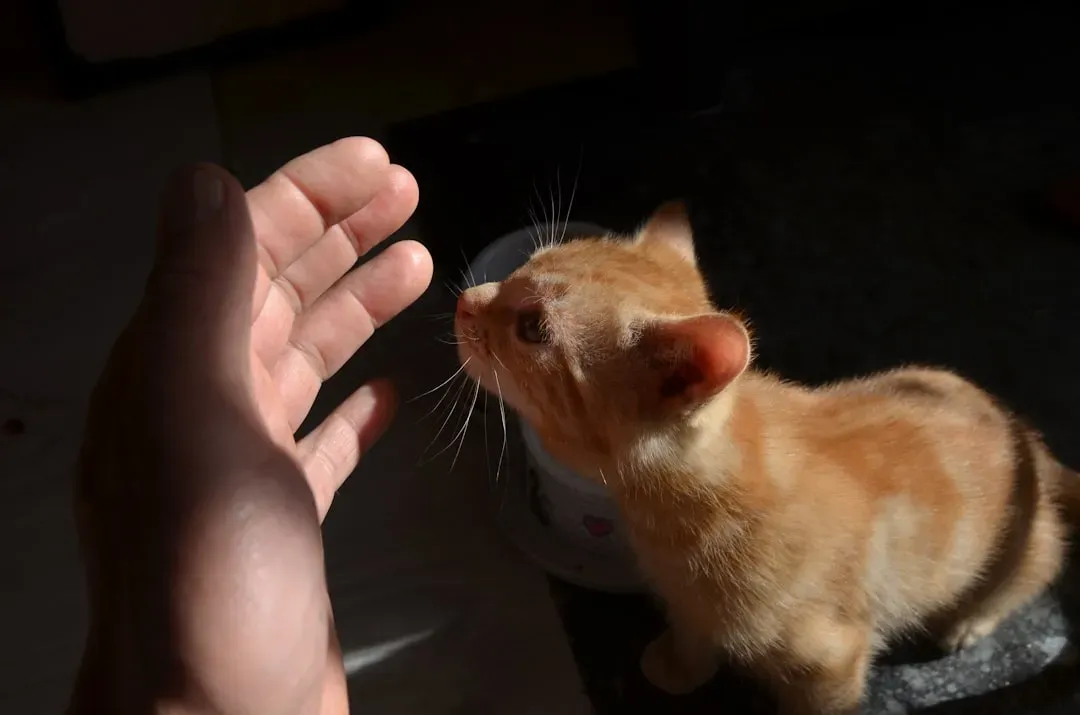
Cats aren’t dogs. They don’t appreciate you rushing toward them with outstretched hands and enthusiastic energy. Cats like to feel in control of their environment, and if you are patient and wait until your cat is ready to approach you, she’ll quickly learn that she can trust you.
As humans, we have a tendency to reach out and pet our cats on the top of their heads, but this can be intimidating to the cat, so try crouching or sitting down on the ground, and let your cat come to you and rub against you. This small shift in approach makes an enormous difference.
Think about it from their perspective. You’re massive compared to them. When you loom over and reach down, it probably feels threatening. Getting down to their level and extending a finger for them to sniff first shows respect and gives them choice in the interaction.
For pets, a consent test starts with offering your hand or just a finger to a pet you want to touch, allowing the animal to approach and interact with you before reaching for a pet. This tiny pause before petting could be the difference between a happy cat and an anxious one.
Learn Where (and Where Not) To Pet Them
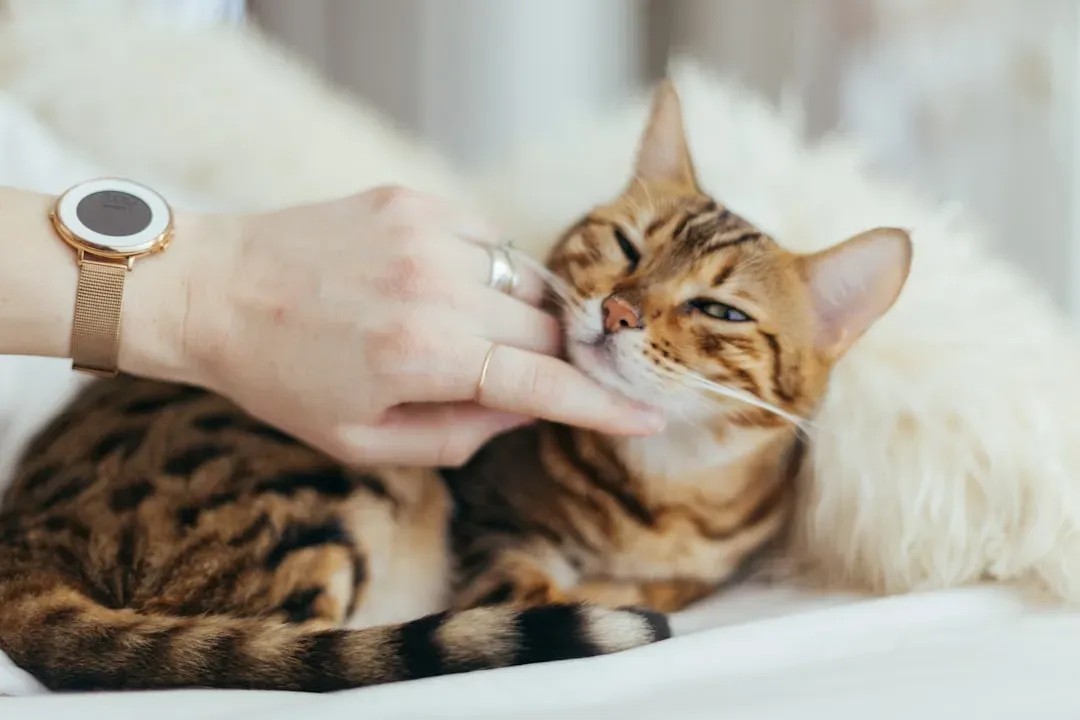
Most cats like to be touched in certain areas, such as their head, with many cats like being gently scratched on top of their head with light pressure, like a kitty scalp massage. The head, chin and neck are often their favorites, while some cats enjoy having their tails touched, others will recoil and even experience pain from a tail stroke.
Here’s where things get tricky. The exposed belly is a sign of comfort and trust, but it is not necessarily an invitation for a belly rub, with many people having touched a cat’s stomach only to have its owner instantly seize up, latching onto their hand with claws and teeth. That fluffy belly is basically a trap for the uninitiated.
Cats have sensitive areas that they may not enjoy being touched or handled, with common examples including the belly, tail, and paws, as some cats may tolerate gentle belly rubs, while others may find it uncomfortable or even distressing. Pay close attention to your cat’s reactions.
You should gently and continuously stroke a cat’s body, going in the same direction as the fur, which is soothing and enjoyable for most cat breeds, especially those that thrive on human touch. Use soft, gentle strokes rather than firm pats. Your cat will tell you what feels good by leaning into your touch or purring.
Honor the Sanctity of the Litter Box
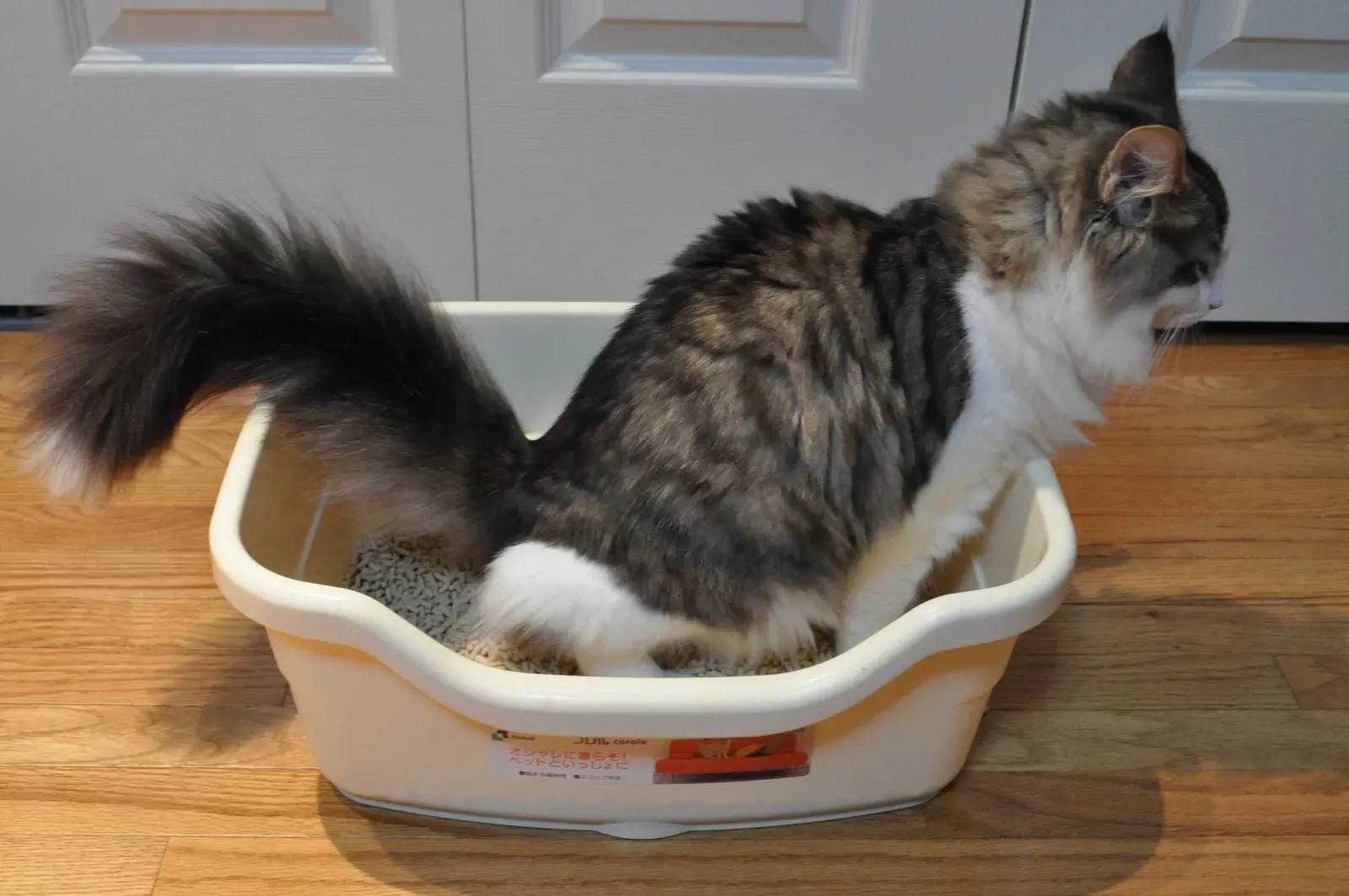
A clean litter box is non-negotiable in a cat’s world, with skipping scooping duties for even a day resulting in silent protests or smelly reminders, as cats are meticulous by nature and expect their bathroom to reflect that. Honestly, can you blame them?
The number of litter boxes in a household should be the number of cats plus one. So if you have two cats, you need three boxes. This isn’t just a suggestion, it’s practically a law in the feline kingdom.
Placement also matters – it should be in a quiet, accessible location. Nobody wants to use a bathroom in the middle of a busy hallway or right next to the washing machine that randomly roars to life. Give your cat privacy and peace when they need to do their business.
Your commitment to litter box hygiene directly influences your cat’s comfort and behavior. This is one area where cutting corners will definitely backfire. Daily scooping isn’t optional if you want a happy, well-adjusted cat who actually uses the box instead of your favorite rug.
Establish Consistent Feeding Times

Feeding an adult cat at regular times provides the security and predictability of a routine, with meals becoming a cornerstone event of the day around which other activities are added. Cats aren’t really fans of surprises when it comes to their meals.
A consistent feeding schedule reduces anxiety in cats, as they thrive on routine, and knowing when to expect their next meal can lower stress levels and support digestive health by allowing the cat’s digestive system to process food efficiently. Most experts recommend feeding adult cats twice daily, roughly twelve hours apart.
When your cat is used to eating at the same times each day, their body becomes conditioned to expect food at those times, and hunger can be a great motivator, making transitioning to a new food seamless and straightforward. This routine also helps you spot health issues faster.
If your cat suddenly skips a meal or shows less interest in food, you’ll notice immediately. A break in eating habits can be a warning sign of illness, and when cats eat on a regular schedule, it is easy to see if all the food from a meal is consumed. Consistent feeding isn’t just about convenience, it’s about your cat’s wellbeing.
Accept the Three AM Zoomies

Late-night energy bursts are part of the package deal with cats, as often when the house is quiet and the lights are off, your feline becomes a wild, thundering blur, with these zoomies coming from their crepuscular nature – they’re wired to be active during dawn and dusk.
You can’t really fight their biology. Cats are natural hunters, and in the wild they’d be stalking prey during twilight hours. Your cozy apartment doesn’t change thousands of years of evolution. The midnight races across your bed are basically your cat living their best ancestral life.
Instead of getting frustrated, try adjusting your approach. Play with your cat before bedtime using interactive toys. Tire them out with a good hunting session where they can stalk, pounce, and “catch” their prey. A well-exercised cat is more likely to sleep through the night.
Still, some nocturnal activity is perfectly normal. You might need to just embrace the chaos or at least make peace with it. Close your bedroom door if needed, provide nighttime entertainment in another room, and remember that this energetic behavior is just your cat being exactly what nature intended them to be.
Never Force Affection
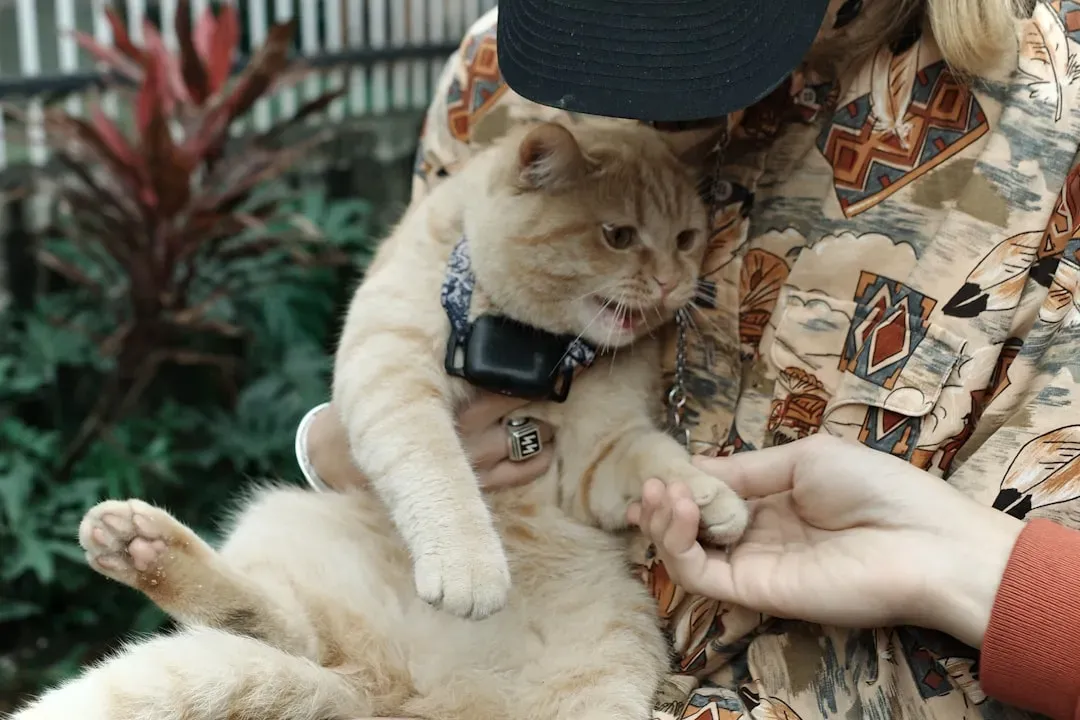
Cats are clear and uncompromising when they set boundaries, and they communicate their needs with clarity and forcefulness. When your cat walks away from petting, that’s not rejection. That’s communication.
Cats are very clear in their body language if they want you around, turning their bodies liquid to get away from a hand they don’t want, biting or swatting your hand away if you keep trying, and even leaving the area if their space isn’t being respected. These signals couldn’t be clearer if they wrote you a letter.
Cats will let you know when they are done, so respect their need for space and keep petting sessions short to prevent them from becoming overstimulated or overwhelmed, which might cause them to exhibit negative behavior such as hiding or hissing. Some cats have a lower threshold than others.
Watch for warning signs like tail twitching, ears flattening, or skin rippling. These are your cat saying “Okay, that’s enough now.” Pushing past those signals damages trust and can lead to defensive scratching or biting. When your cat says no, honor that boundary every single time.
Understand Their Vocalizations

Each cat has a unique vocal range filled with subtle differences in tone and pitch, with a high-pitched meow signaling excitement, while a short chirp could mean curiosity or a greeting, and over time, attentive owners begin to decode this feline dialect naturally.
Meowing could mean almost anything, from hunger to simple chattiness, and like most other body language signs and behaviors that cats exhibit, meowing should be analyzed as a part of the cat’s larger context. Your cat isn’t just randomly making noise. They’re trying to communicate specific needs or feelings.
Trilling is particularly endearing. Mother cats trill to communicate with their kittens, and when a cat trills, it’s probably feeling friendly and familial, with cats often trilling to their owners to greet them. It’s basically your cat saying “Hey! Good to see you!”
Then there are the sounds you definitely don’t want to ignore. Growling, hissing, and yowling are clear indicators that your cat feels threatened, angry, or in distress. These aren’t just dramatic performances. Your cat is genuinely uncomfortable and needs you to either back off or address whatever is bothering them.
Create a Predictable Routine
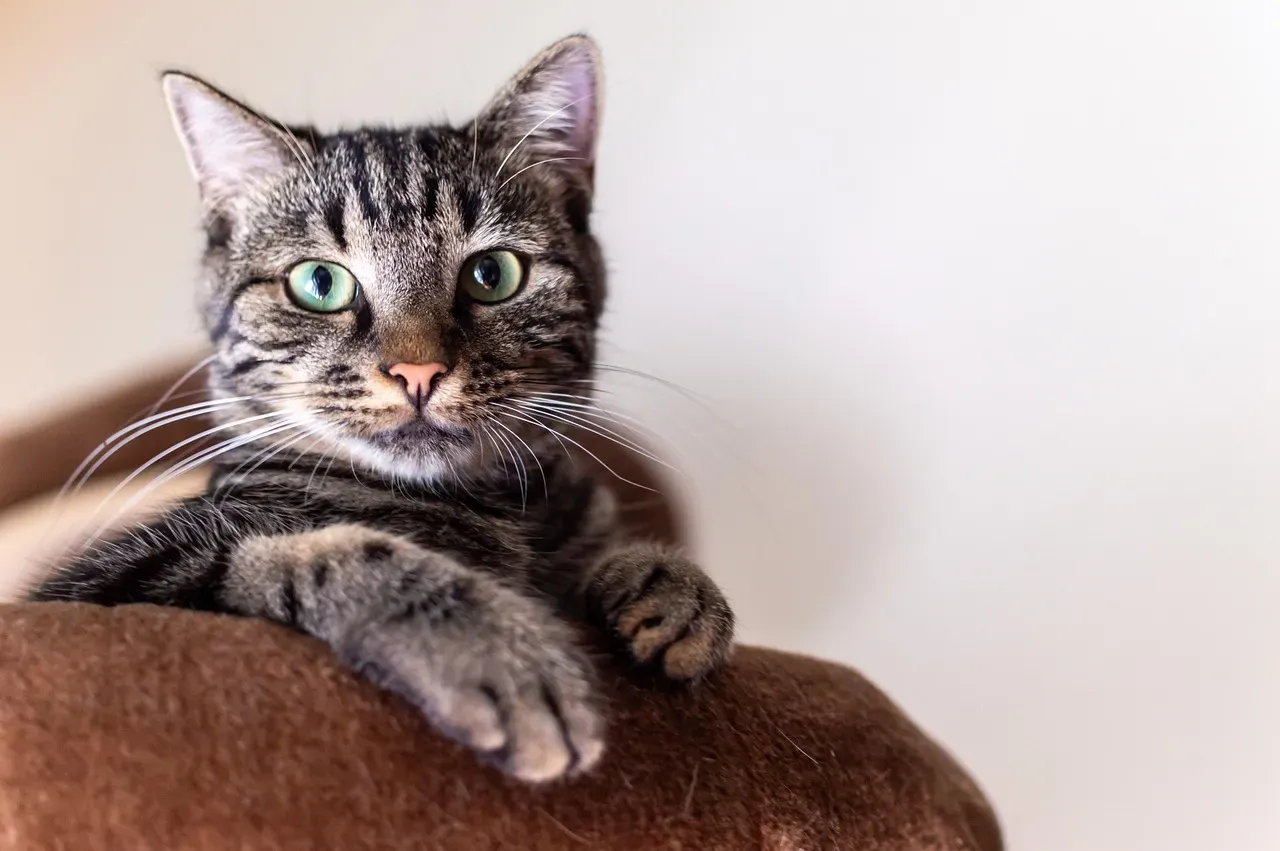
Cats thrive on routine and consistency, with establishing a predictable schedule for feeding, playtime, and quiet time helping create a sense of security and familiarity, as cats feel more at ease when they can anticipate what’s coming next. Chaos stresses them out.
Think about your own life. You probably have a morning routine that helps you feel grounded and ready for the day. Cats need that same predictability. When mealtimes happen at random hours, play sessions are sporadic, and bedtime keeps changing, your cat never feels truly settled.
Setting a time to play is a great way for your cat to understand your boundaries, and keeping feeding times consistent is safe to assume Her Royal Highness will remind you should you be late. Cats have incredible internal clocks and will absolutely hold you accountable.
Routine doesn’t mean boring. It means your cat knows what to expect, which reduces anxiety and builds confidence. When changes do happen, like a move or a new family member, that established routine becomes an anchor that helps your cat cope with uncertainty. Consistency is one of the greatest gifts you can give your feline friend.
Read and Respect Their Body Language

Cats are subtle and complicated in the way they communicate, but taking time to learn their body language can help strengthen the relationship with your cat by learning the signs that they are happy, or when they just want to be left alone. Every twitch and position means something.
A tail that’s lifted vertically, high in the air is one of the most reliable signs of a confident cat, with this tail position indicating that the cat feels comfortable and open to interaction most of the time. When your cat greets you with that question mark tail, it’s genuinely happy to see you.
When a cat is feeling stressed, they may have a stiff and tense body held low to the ground, and may also engage in displacement behaviors – meaning normal behaviors that are performed out of context – to cope with underlying stress. Excessive grooming, lip licking, or yawning at odd times can signal anxiety.
Flat back ears indicate extreme fear and readiness to attack, so in this defensive posture, do not approach the cat, as it may perceive any advances as a threat. When you see those airplane ears or ears pinned back, give your cat space immediately. Respecting these signals builds trust that lasts a lifetime.
Living with cats means learning a whole new language. It’s not about training them to fit into your world. It’s about understanding theirs and finding a middle ground where both of you feel respected and comfortable. These unspoken rules aren’t complicated once you know them, but they make all the difference between a tense coexistence and a beautiful friendship.
Your cat has been trying to teach you all along. Now that you understand the rules, you can finally meet them where they are. What do you think? Did any of these surprise you?