Picture this: You’re taking out the trash after dinner, the sun has dipped below the horizon, and something catches your eye near the edge of your property. A shadow moves, large and graceful, disappearing into the darkness before you can fully process what you’ve seen. Was that really what you think it was? In certain American cities, the answer might surprise you. These powerful predators aren’t just roaming remote wilderness anymore. They’re living closer than you might imagine, adapting to life on the fringes of our urban sprawl.
State game agencies estimate the mountain lion population in the U.S. ranges between 20,000 and 40,000 lions. Yet despite these numbers, most people will never catch a glimpse of one in their lifetime. These cats have mastered the art of invisibility, moving through landscapes we inhabit while remaining almost completely undetected. Still, some cities have become unexpected hotspots for mountain lion activity, places where the boundary between wild and urban has blurred in fascinating ways. Let’s dive into which American cities are sharing their neighborhoods with these magnificent creatures.
Boulder, Colorado: Where Mountain Lions Are Practically Neighbors
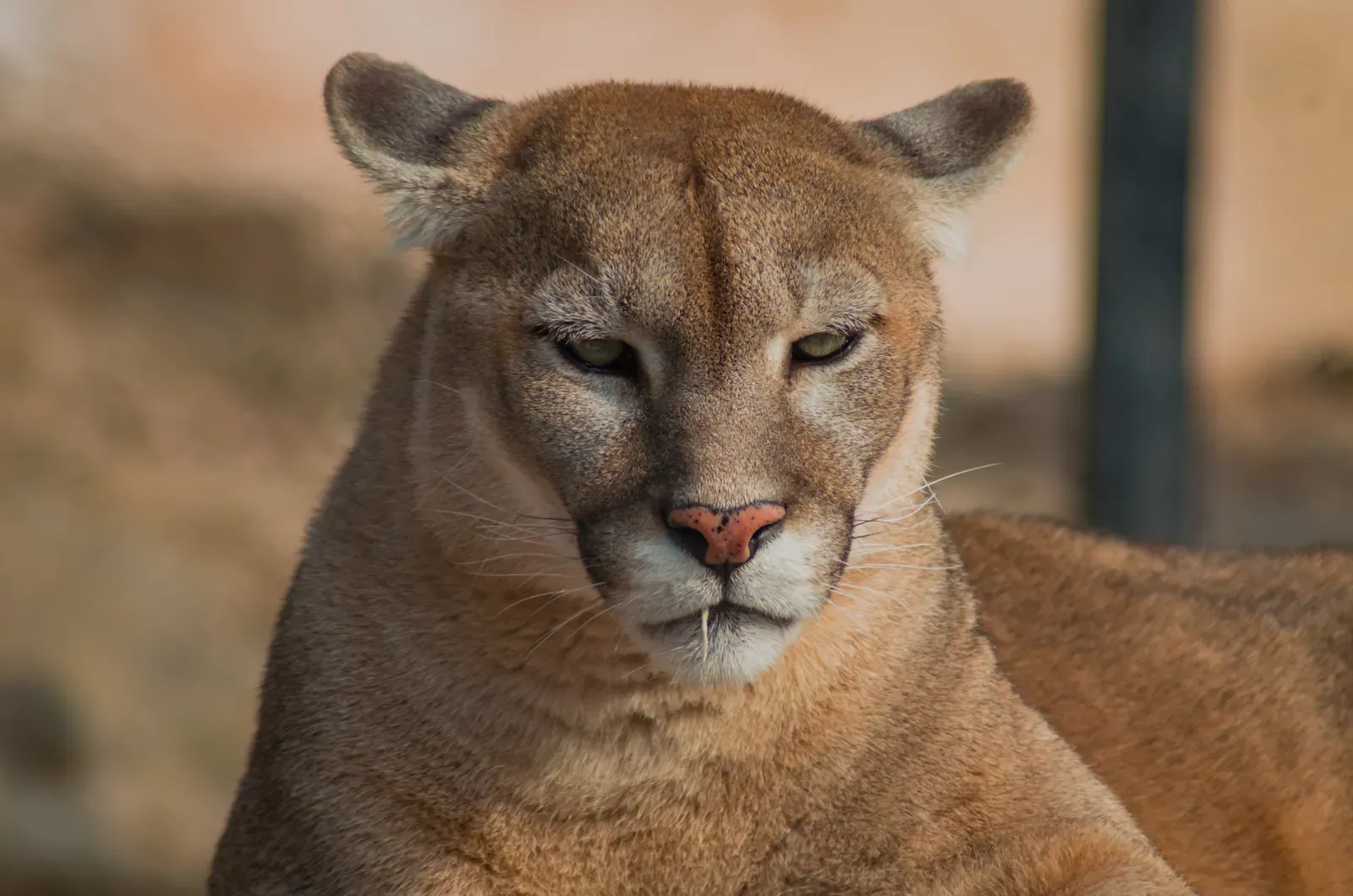
Mountain lion activity is expected to increase in Boulder during winter, as activity near town and populated areas becomes more common during the colder months. There is no exact count of mountain lions in Boulder County, so reported sightings are an important measure of the population. Walking your dog at dusk in Boulder isn’t just a pleasant evening routine. It’s actually prime time for potential mountain lion encounters.
The foothills surrounding Boulder provide perfect habitat for these cats, and they regularly venture into residential neighborhoods. Mountain lions have been a part of the ecosystem of the Front Range of Colorado for thousands of years. Residents have learned to coexist with their feline neighbors, though incidents do occur. Mountain lions have attacked and killed small dogs during evening walks in Boulder neighborhoods, a stark reminder that these predators are always around, even if we rarely see them.
Los Angeles, California: America’s Most Unexpected Big Cat Territory
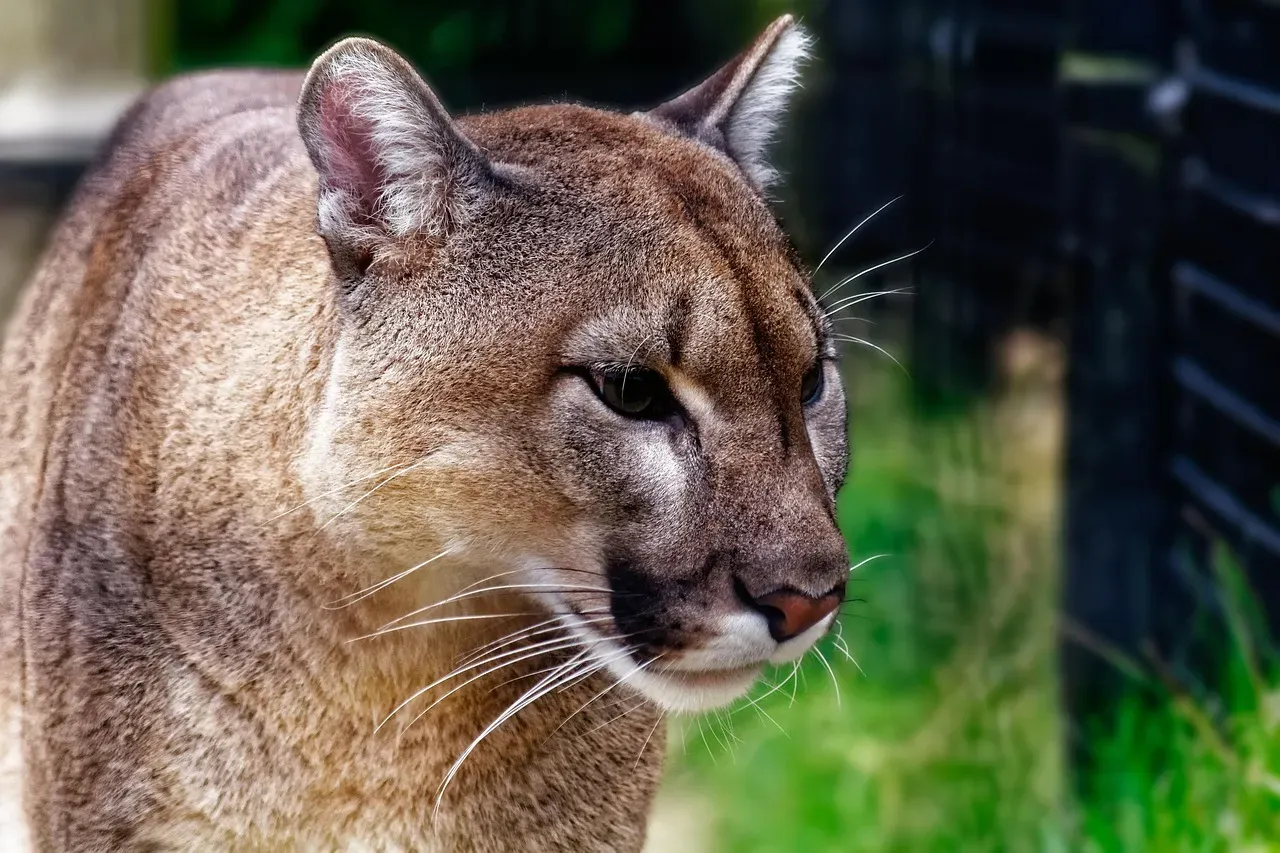
The metropolitan area is home to more than 18 million people, yet the natural spots where mountain lions and other wildlife live are also heavily used by recreationists. Honestly, Los Angeles seems like the last place you’d expect to find mountain lions thriving, doesn’t it? Yet the Santa Monica Mountains and surrounding areas support a remarkable population of these predators living right in the heart of one of the world’s largest cities.
Researchers tracked 22 mountain lions in areas including Griffith Park, the Santa Monica Mountains and the Verdugo Mountains. Known as ‘Hollywood Cat’, P22 was the study’s second most nocturnal lion, likely due to the high human presence in Griffith Park, and he became a local legend before his death in 2022. These urban lions have adapted by becoming increasingly nocturnal, hunting and moving primarily at night to avoid human activity. It’s a delicate dance of coexistence that most LA residents don’t even realize is happening.
Colorado Springs and the Front Range Corridor
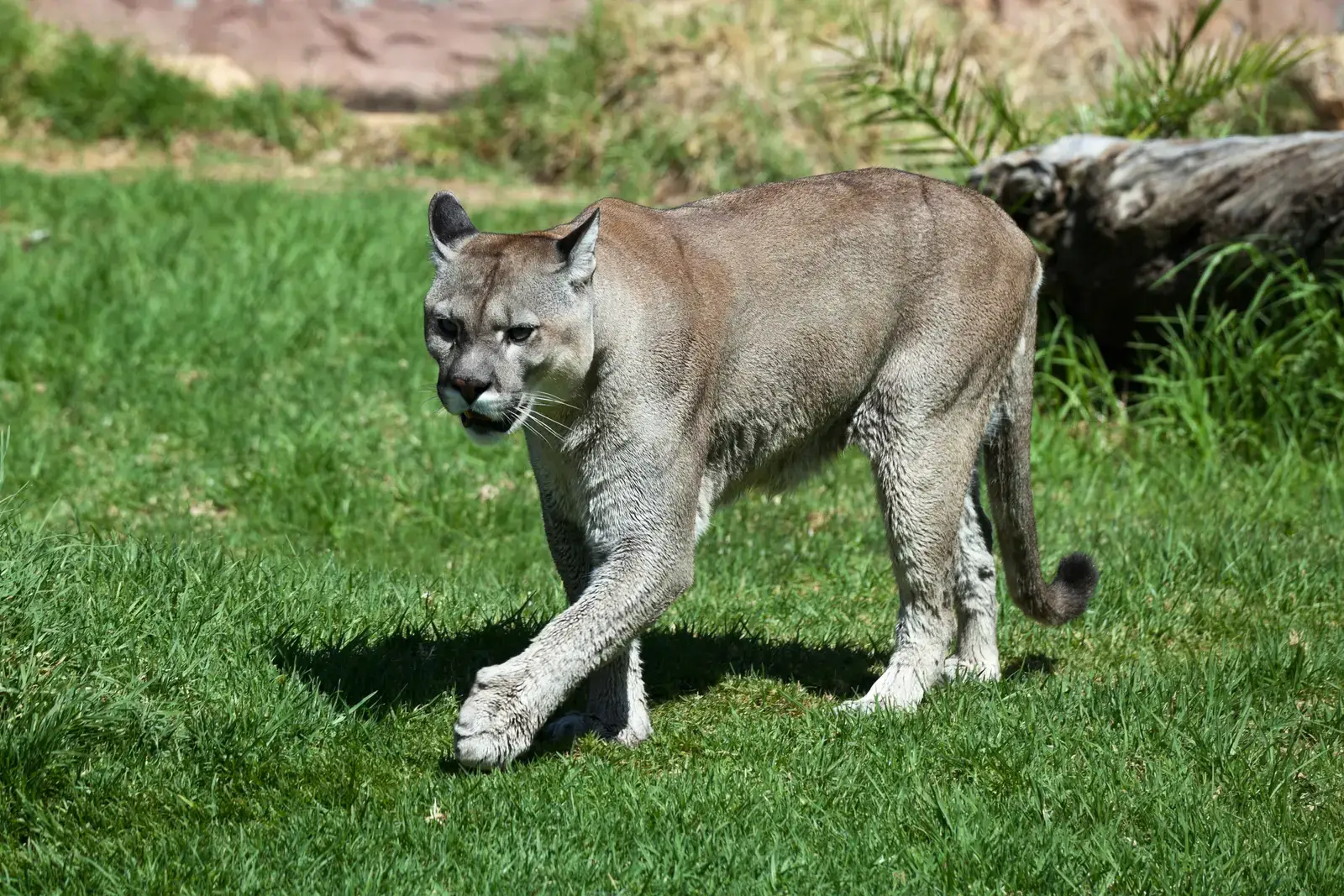
The entire Front Range of Colorado, from Boulder down through Colorado Springs, represents one massive mountain lion corridor. Tracking shows there are close to 4,000 mountain lions in Colorado, and plenty of them live near urban areas. These cities sit right at the transition zone between plains and mountains, creating an ideal situation for mountain lions to exploit both wilderness and the edges of human development.
What makes this region particularly notable is the frequency of sightings. Modern surveillance cameras and Ring doorbells have revealed just how often these cats pass through neighborhoods undetected. Modern surveillance offers plenty of evidence of mountain lions making their way into neighborhoods across the state, including Southern Colorado. They’re not attacking people en masse or causing widespread problems. They’re simply living their lives, mostly unnoticed, in the spaces between our houses and the wild.
Fort Collins and Larimer County, Colorado
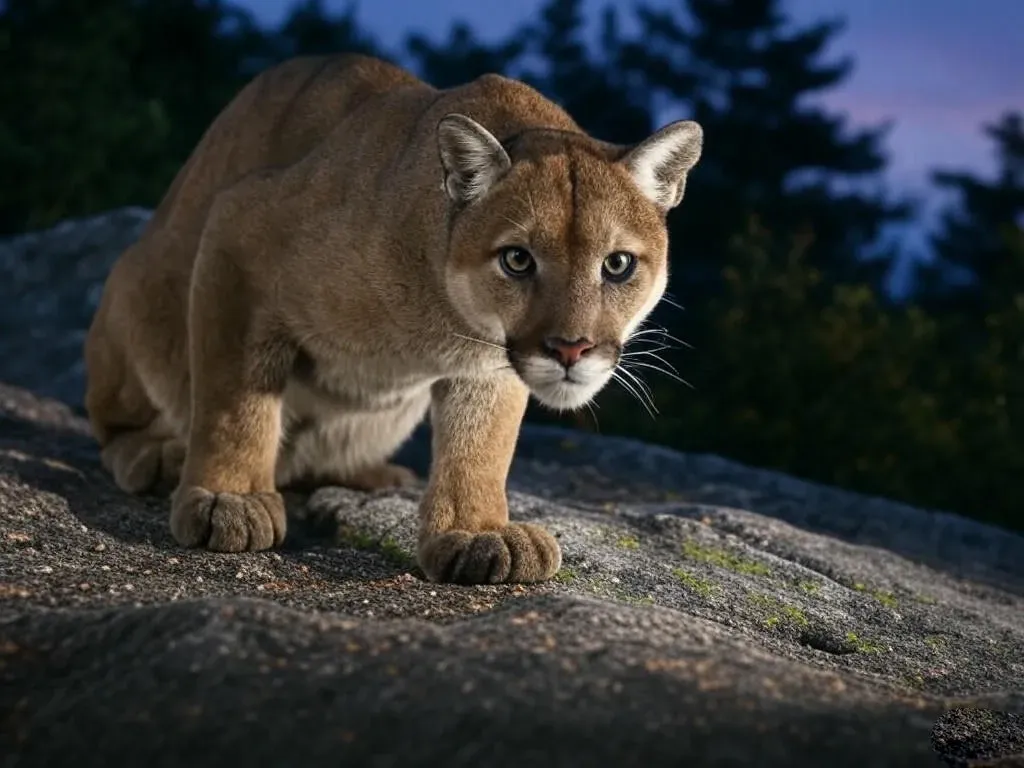
Fort Collins and the surrounding Larimer County areas experience regular mountain lion activity, sometimes with tragic consequences. There are an estimated 3,800 to 4,400 mountain lions in Colorado, with populations growing since they were classified as a big game species in 1965. The proximity to Rocky Mountain National Park and extensive wilderness areas means these cats have easy access to urban fringe neighborhoods.
This rare but devastating incident highlights the very real presence of these predators in areas frequented by outdoor enthusiasts. Wildlife officials in the area emphasize education and awareness as key tools for safely sharing the landscape with mountain lions.
San Diego County, California: Suburban Prowlers
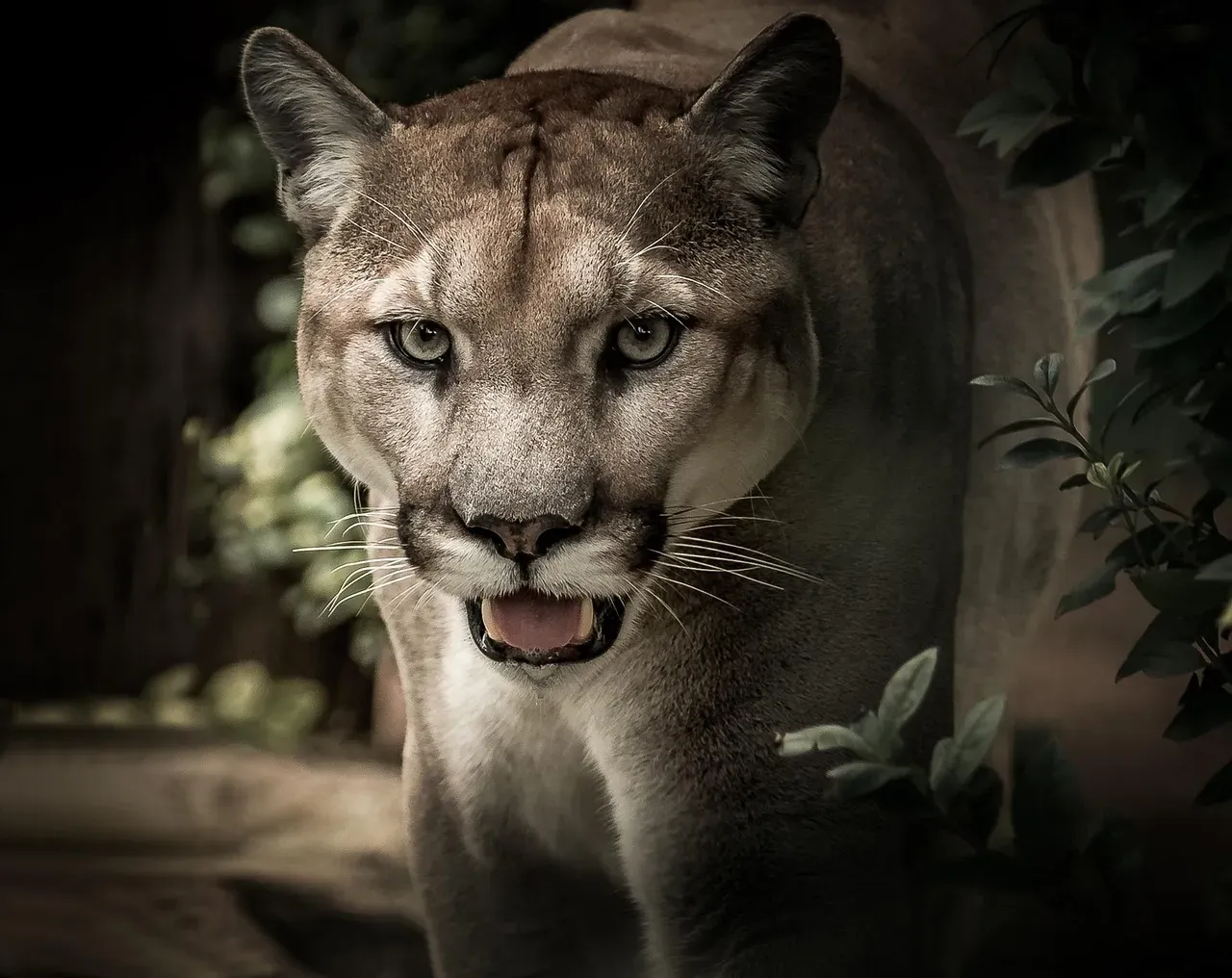
San Diego’s sprawling suburban developments have crept steadily into traditional mountain lion territory, creating numerous interface zones where humans and cats come into contact. The backcountry areas of San Diego County, including places like Rancho Peñasquitos and Poway, regularly report mountain lion sightings near homes and schools. California is home to one of the largest populations, with estimates between 4,000 and 6,000 mountain lions.
The thing about San Diego is its unique blend of dense coastal development and rugged inland mountains. Mountain lions follow their prey, primarily deer, which have become surprisingly comfortable in suburban areas. Where the deer go, the mountain lions follow, sometimes leading to encounters in parking lots, on hiking trails, and even in residential backyards. Wildlife corridors connecting preserved open spaces allow these cats to move through the county, occasionally passing through developed areas in the process.
Oceanside, California: Downtown Cat Sightings
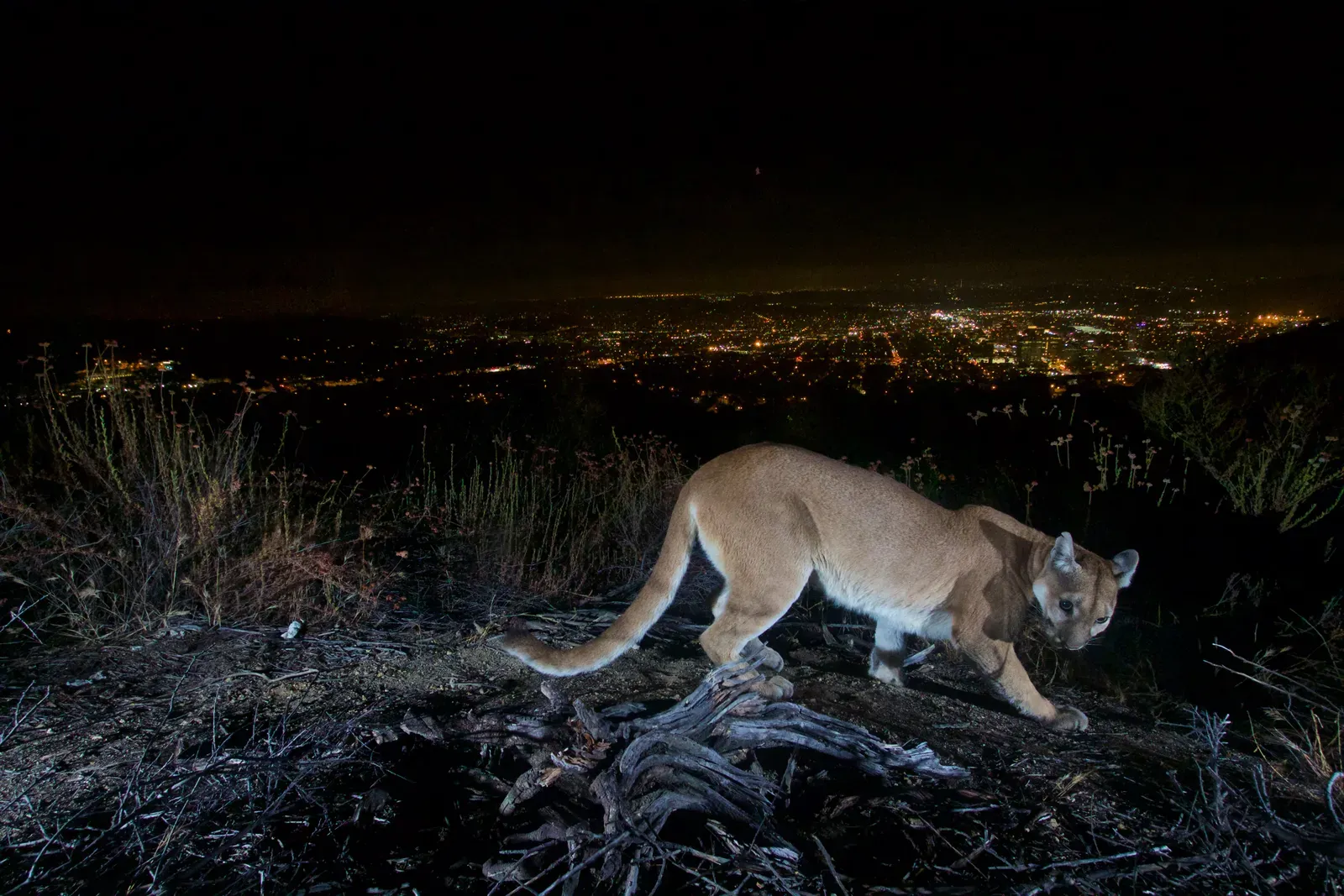
You might not believe it, but mountain lions have been caught on camera strolling through downtown Oceanside, peering into movie theater windows and walking through city hall parking garages. Mountain lions prefer the mountains and it’s very unusual to see them in city streets like Oceanside, though they prefer some dense vegetation for cover, which they find in the coastal sage scrub of Southern California.
This mountain lion ended up in downtown Oceanside through “wildlife corridors,” using green spaces and drainages as paths of least resistance to travel and find resources. These incidents are rare but illustrate just how adaptable these predators can be. They don’t necessarily want to be in our cities, but they’ll use whatever routes are available when traveling between more suitable habitat patches. The sightings in Oceanside serve as fascinating reminders that wildlife doesn’t recognize our property boundaries or city limits.
Phoenix and Scottsdale, Arizona: Desert Mountain Lions
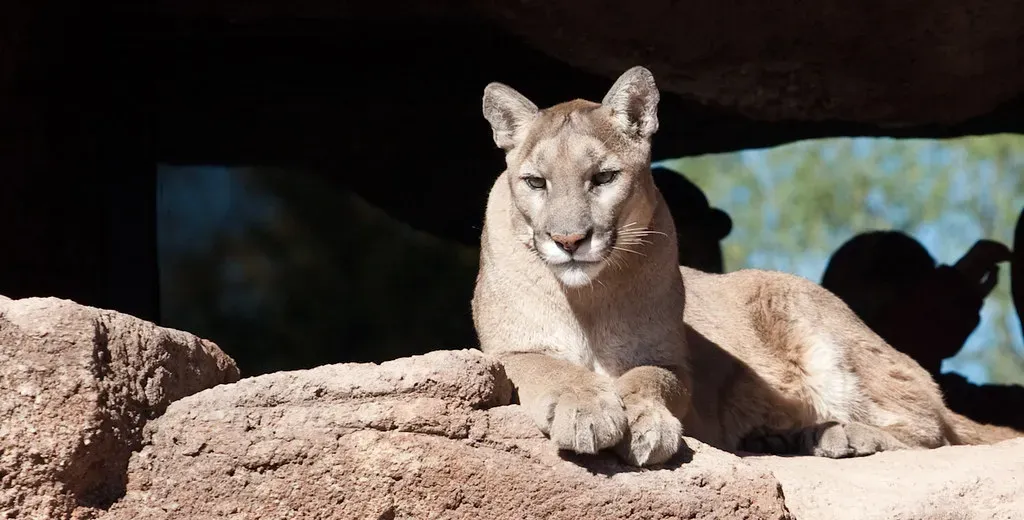
Arizona is home to an estimated 2,000 to 3,000 mountain lions that thrive in its diverse rocky habitats. The greater Phoenix area, particularly neighborhoods bordering the McDowell Mountains and other preserves, experiences regular mountain lion activity. Scottsdale, with its luxury developments built right up against pristine Sonoran Desert habitat, creates perfect conditions for human-wildlife overlap.
These desert-adapted mountain lions are somewhat different from their counterparts in lusher environments. They’ve learned to survive in more arid conditions, hunting desert mule deer, javelina, and other prey across vast territories. Mountain lions in Arizona primarily feed on deer, but they also hunt elk, javelina, and smaller mammals, with hunting territories that can span up to 100 square miles. Residents in these areas have grown accustomed to occasionally spotting these cats, especially during early morning or evening hours.
Salt Lake City and the Wasatch Front, Utah
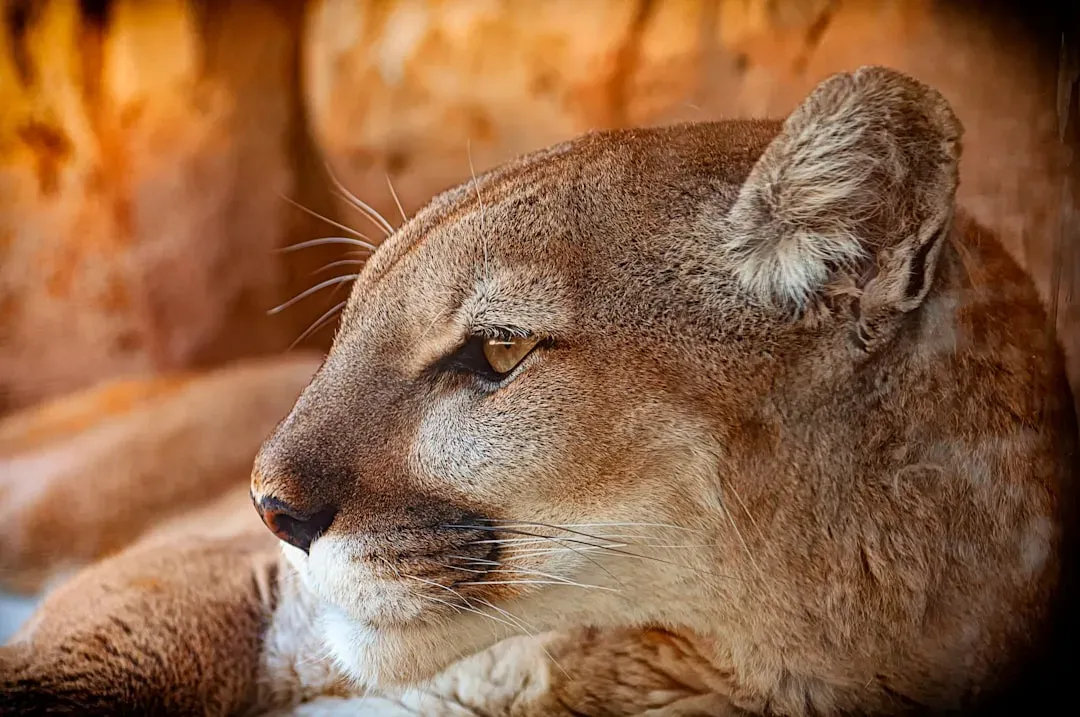
Salt Lake City sits nestled against the Wasatch Mountains, creating an immediate interface between urban development and prime mountain lion habitat. The foothills neighborhoods of cities along the Wasatch Front, from Ogden down through Provo, all report periodic mountain lion sightings. Utah is home to an estimated several hundred mountain lions.
What’s particularly interesting about this region is how quickly you can transition from dense urban development to wild mountain terrain. A mountain lion can be deep in wilderness one hour and exploring the edges of a subdivision the next. Local wildlife officials regularly remind residents to be vigilant, especially regarding pets, during dawn and dusk hours when these predators are most active. The proximity to national forests and wilderness areas means there’s a steady presence of mountain lions in the region.
Albuquerque and Santa Fe, New Mexico
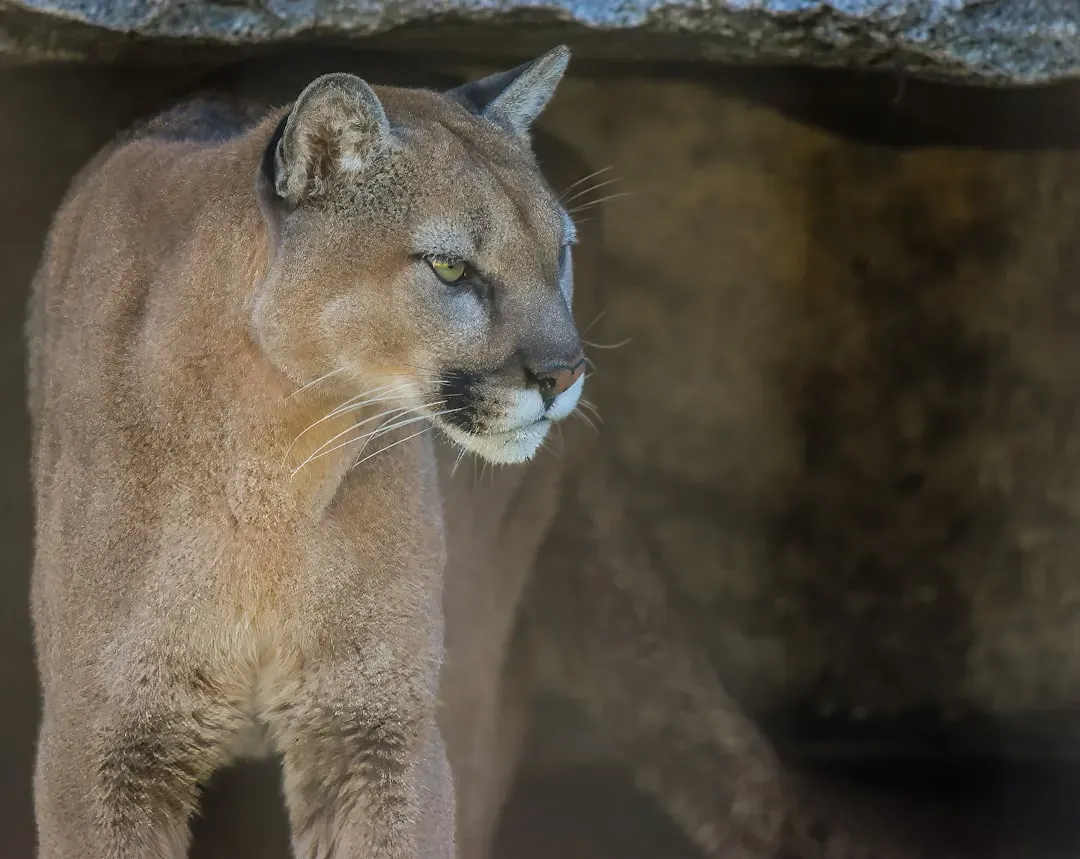
New Mexico is home to a significant mountain lion population estimated at around 2,000 to 3,000 cougars. Both Albuquerque and Santa Fe sit at elevations and locations where urban areas directly abut mountainous terrain perfect for mountain lions. The Sandia Mountains east of Albuquerque and the Sangre de Cristo range near Santa Fe provide extensive habitat.
These New Mexico cities have a long history of coexisting with mountain lions. Sightings in foothill neighborhoods are relatively common, though actual conflicts remain rare. The dry climate and rocky terrain suit these cats perfectly, and the abundance of mule deer in the area provides ample prey. Residents in these cities have learned to secure their pets and take precautions, but mountain lion attacks on humans remain exceptionally uncommon despite the cats’ regular presence.
Austin and the Texas Hill Country
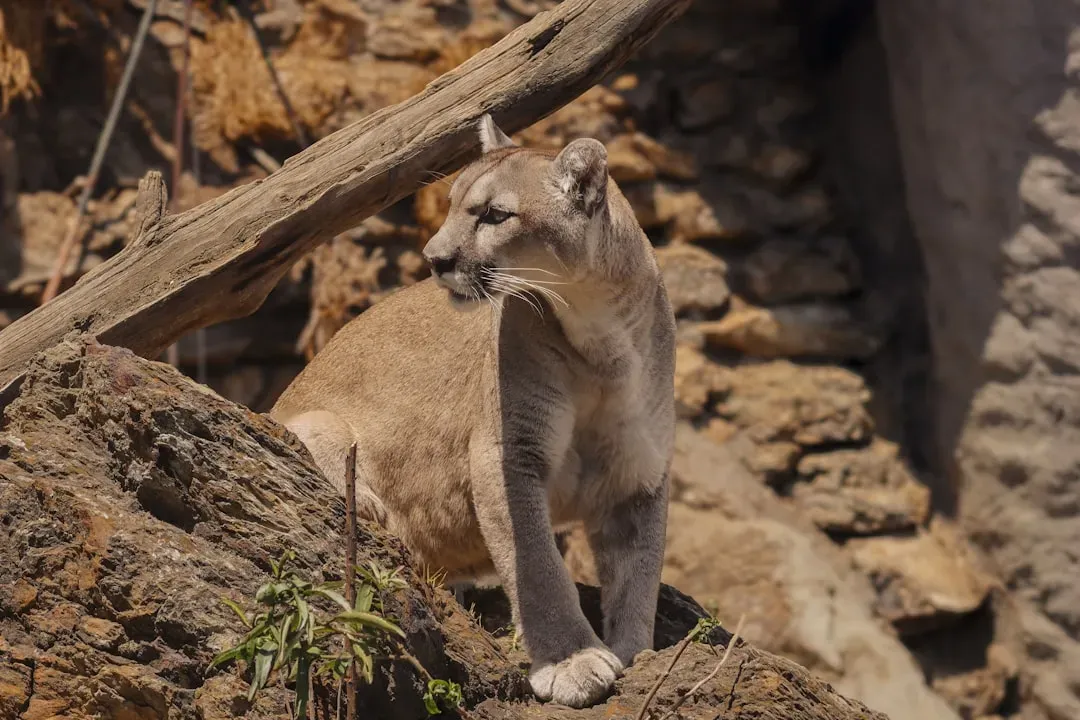
Texas is home to a substantial population of mountain lions, though it’s difficult to estimate just how many reside in the state. Austin’s western suburbs extend into the Hill Country, an area with suitable mountain lion habitat. While not as densely populated with mountain lions as some western cities, Austin-area residents still report occasional sightings, particularly in developments near Barton Creek and other greenbelt areas.
The Hill Country’s rocky terrain, cedar breaks, and white-tailed deer populations create conditions that can support mountain lions. Texas doesn’t offer the same level of protection to these cats as some other states, and populations can fluctuate. Still, for a major Texas city, Austin has a surprising amount of potential for mountain lion encounters, especially in the rapidly developing western outskirts where new housing continues to push into previously wild areas.
What This All Means for the Future
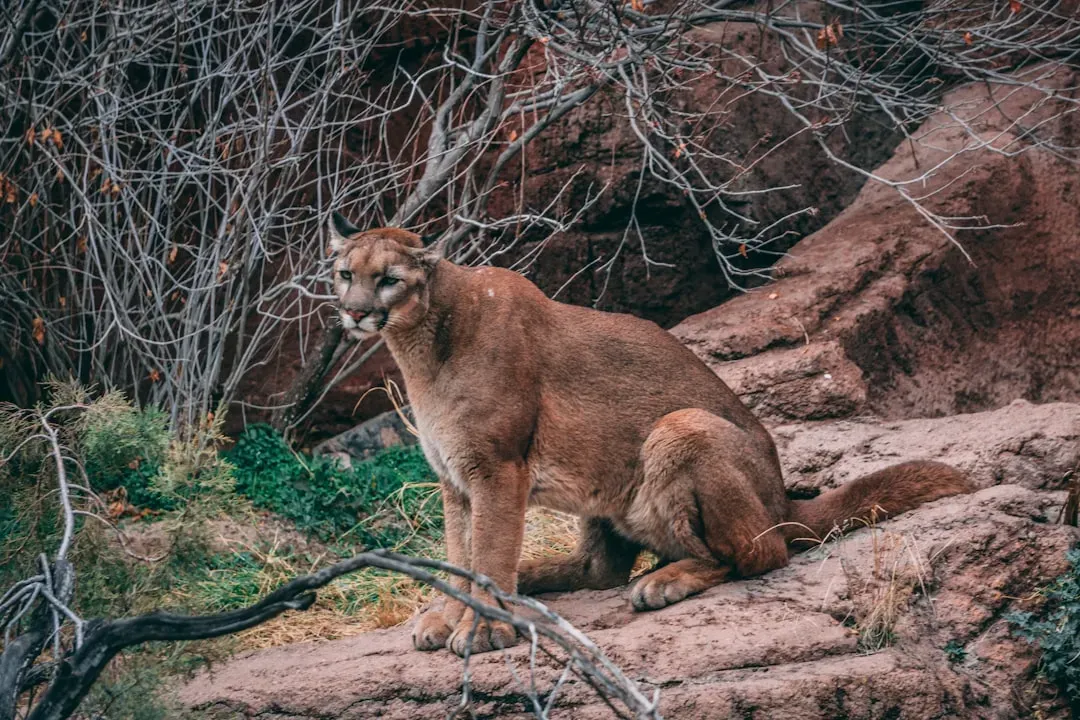
The cities with the most mountain lion activity share common characteristics: proximity to suitable wilderness, abundant prey populations, and wildlife corridors that allow these cats to move through the landscape. Estimates of the mountain lion population in the U.S. vary widely, with state game agencies suggesting numbers range between 20,000 and 40,000 lions, though conservation groups believe the actual population is closer to 30,000.
Mountain lions pose very little risk to humans, with most encounters between wildlife ending without incident, and mountain lion attacks being extremely rare. What’s remarkable isn’t that these attacks happen, but how incredibly rare they are given how often we unknowingly share space with these powerful predators. The future of human-mountain lion coexistence will depend on our willingness to maintain wildlife corridors, respect their habitat, and learn to live alongside these magnificent animals. Cities like Los Angeles and Boulder are proving it’s possible, even if most residents never actually see the mountain lions living among them.
Did you notice which cities made the list? If you live near any of these areas, you might want to think twice before letting your pet roam at dawn or dusk. What’s your experience with mountain lions in your area?