You’ve probably experienced it at least once. You’re sitting quietly on the couch, maybe scrolling through your phone or reading a book, and you look up to find your cat watching you across the room. Then, slowly, unhurried and completely deliberate, their eyelids lower and close for just a moment before reopening. It feels like nothing. It looks like a blink. But it is so much more than that.
That single, quiet gesture carries more emotional weight than most people realize. Cats are famously mysterious communicators, and yet right in front of you, without a sound, they’ve just said something profound. Stick around, because what you’re about to discover might completely change the way you see your cat.
What Exactly Is the Slow Blink?
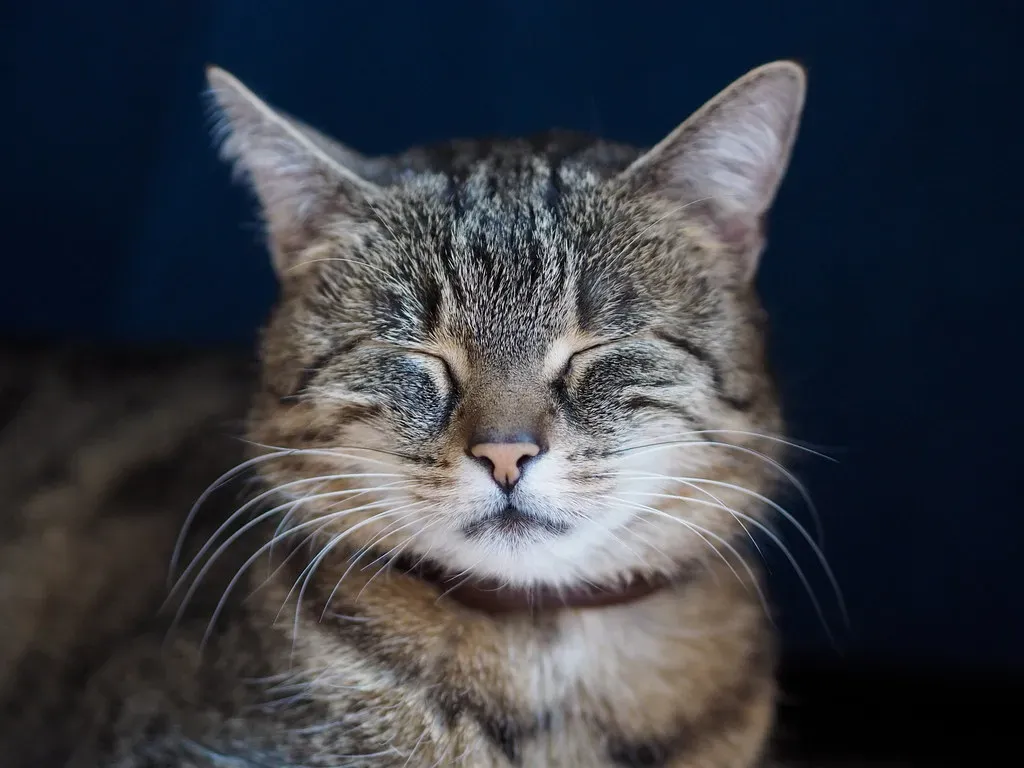
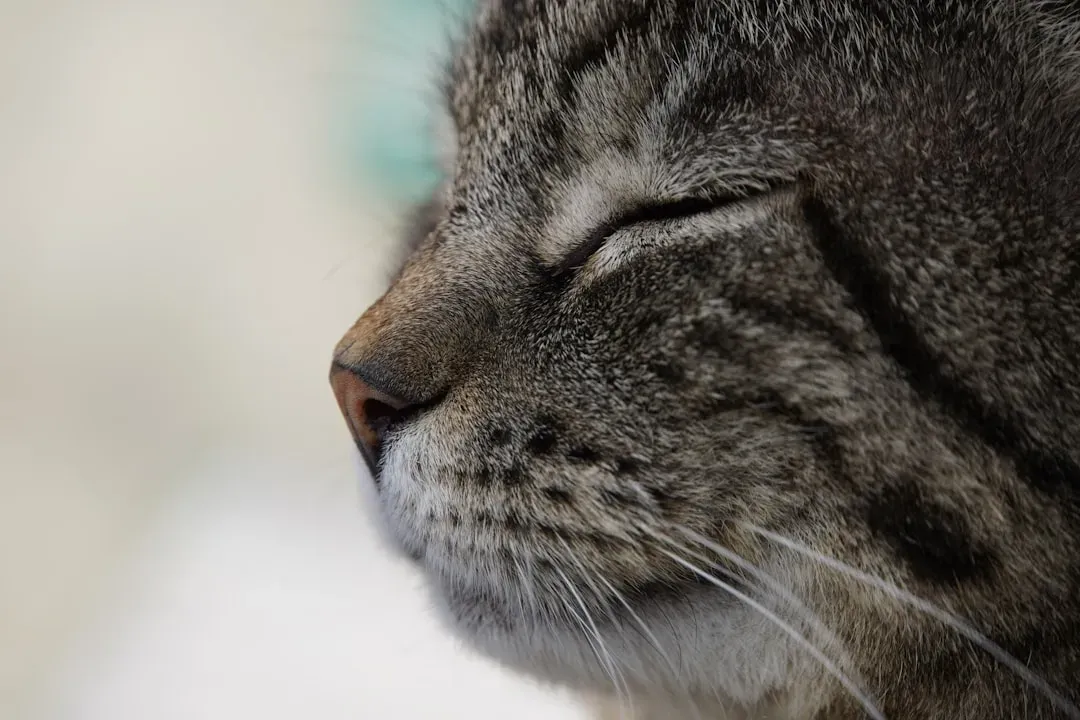
Let’s be real, most people who don’t know about this behavior would easily miss it entirely. The slow blink is just what it sounds like: a leisurely closing and opening of the eyes, where your cat will completely or partially shut their eyelids for more than half a second. That’s what separates it from just any regular blink, which happens in a split second and means nothing in particular.
This gentle, rhythmic closing and opening of the eyes is one of the most profound ways feline companions communicate. Unlike the boisterous tail wags of dogs, cats tend to be more subtle, and the slow blink is arguably their most intimate nonverbal gesture. It’s a signal of deep relaxation, unwavering trust, and affection.
The slow cat blink is a globally documented signal from cats to their guardians, humans they’re bonding with, and other animals. While felines can look like they have unblinking owl eyes or nearly undetectable blinks, when they are expressing something specific, they may blink a little more slowly. It’s considered nonverbal communication through body language.
The Vulnerability Behind Closed Eyes
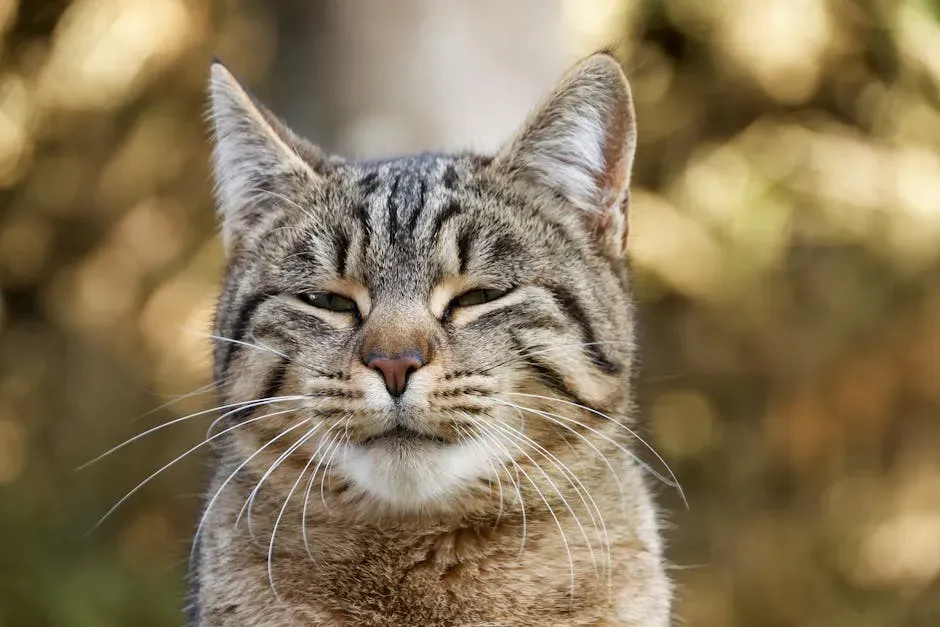
Here’s the thing most people never consider: closing your eyes, even for a brief moment, is actually a vulnerable act. Think about that. For an animal hardwired to detect threats in its environment, voluntarily shutting off its vision, even briefly, is a courageous choice. When a cat slow blinks at you, they are often expressing a sense of trust, contentment, and affection. In the feline world, closing their eyes in the presence of another creature makes them vulnerable, as they are unable to detect potential threats.
To understand cat eye narrowing, consider what wide eyes mean in the animal kingdom: alertness, fear, potential threat. A predator locks eyes on prey. A scared animal scans for danger. When your cat narrows their eyes around you, they’re doing the opposite. They’re signaling vulnerability. Closed eyes mean, “I don’t need to watch you for threats.” That single gesture, tiny as it seems, is an enormous emotional statement.
The Science That Confirmed What Cat Owners Already Knew
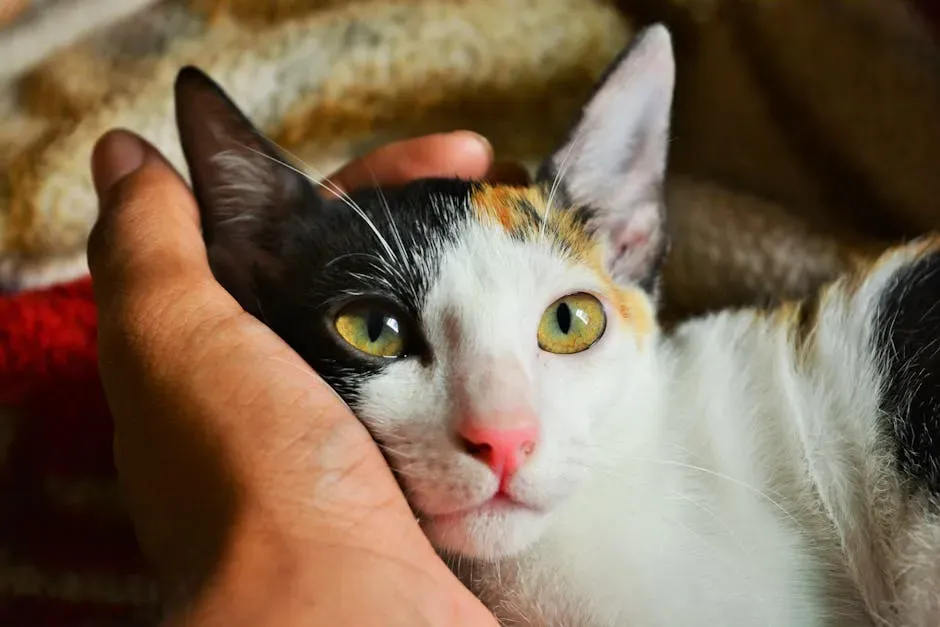
Honestly, cat lovers had been insisting on the meaning of the slow blink for years before science caught up. In 2020, psychologists at the University of Sussex conducted the first scientific study on cat slow blink meaning. Led by Dr. Tasmin Humphrey and Professor Karen McComb, the research published in Scientific Reports proved something cat owners long suspected: slow blinking is genuine cat communication.
The first experiment revealed that cat half-blinks and eye narrowing occurred more frequently in response to owners’ slow blink stimuli towards their cats compared to no owner-cat interaction. In a second experiment, where an experimenter provided the slow blink stimulus, cats had a higher propensity to approach the experimenter after a slow blink interaction than when they had adopted a neutral expression.
Researchers found that not only were the cats more likely to blink back, but they were also more likely to approach the human’s hand after the human had blinked. The study was described as the first to experimentally investigate the role of slow blinking in cat-human communication. That’s remarkable. Something so quiet, so subtle, had never been properly studied before 2020.
It’s More Than Affection – It’s Biology
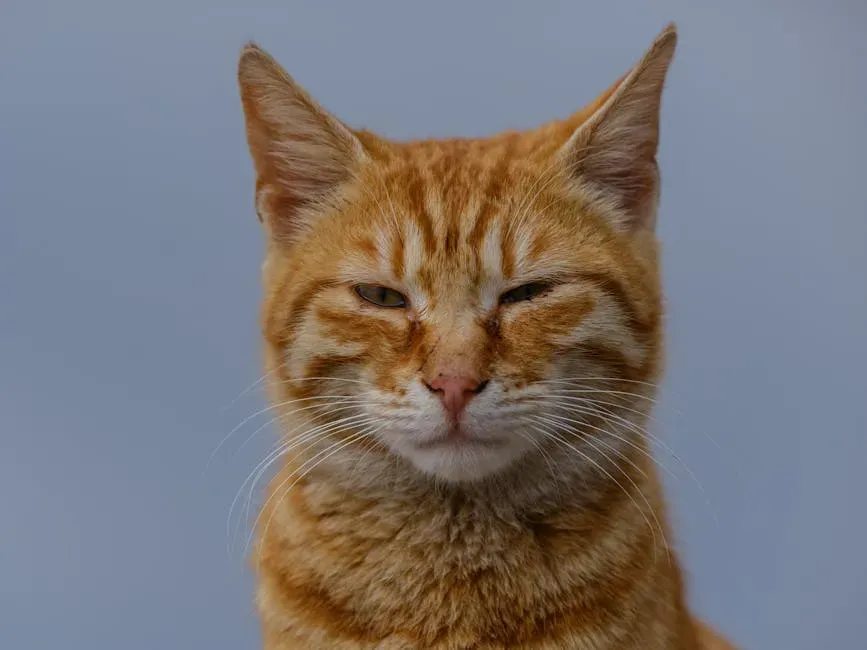
What makes this even more fascinating is that the slow blink isn’t just a learned behavior or a cute quirk. There’s actual biology happening beneath the surface. The act of slow blinking releases oxytocin, a hormone associated with bonding and affection, in both cats and humans. When a cat slow blinks at a trusted human, the gesture is not only a show of emotional security but also an actual biological response, fostering a sense of connection and wellbeing.
Researchers noted that cat slow blinks share similarities with the Duchenne smile in humans, the genuine smile that reaches the eyes. Both are involuntary expressions of positive emotion. Think about that comparison for a moment. When you give someone your most genuine, eye-crinkling smile, you’re doing something remarkably similar to what your cat does when they look at you and blink slowly. That’s a connection worth pausing over.
Not All Cats Blink the Same Way
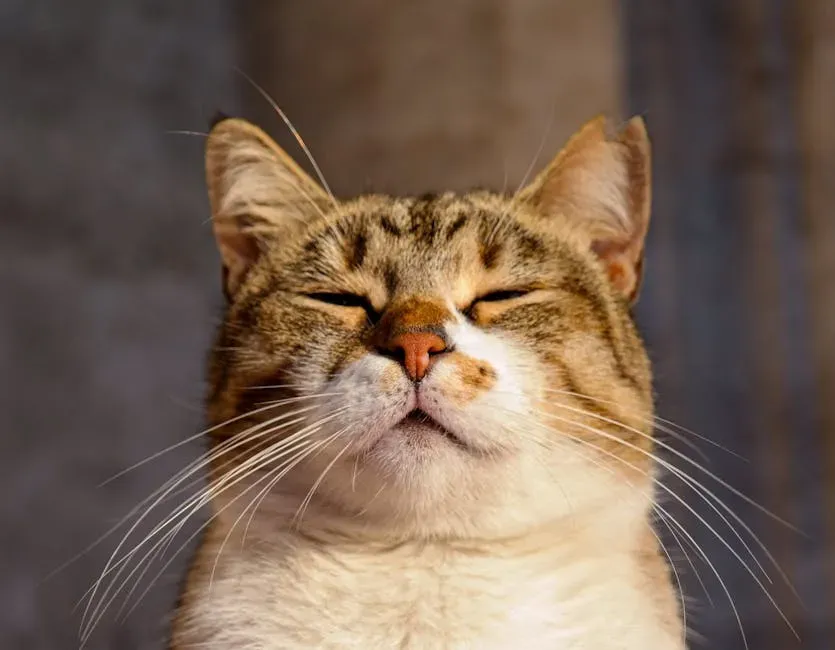
It’s important to know that the slow blink isn’t a one-size-fits-all behavior. Some cats might even slow blink in different ways, like rolling their eyes or squishing their eyes tight, or in other comical ways you might have seen online. Every cat is a little different, and that individuality is part of what makes them so endlessly interesting.
Not all cats slow blink. While the message is consistent among those who do slow blink, some cats prefer other communication methods, such as rubbing on their humans, rolling onto their back to expose their belly, licking, and head bunting. So if your cat hasn’t slow-blinked at you yet, don’t panic. They may just be expressing trust in a completely different dialect.
How to Slow Blink Back at Your Cat
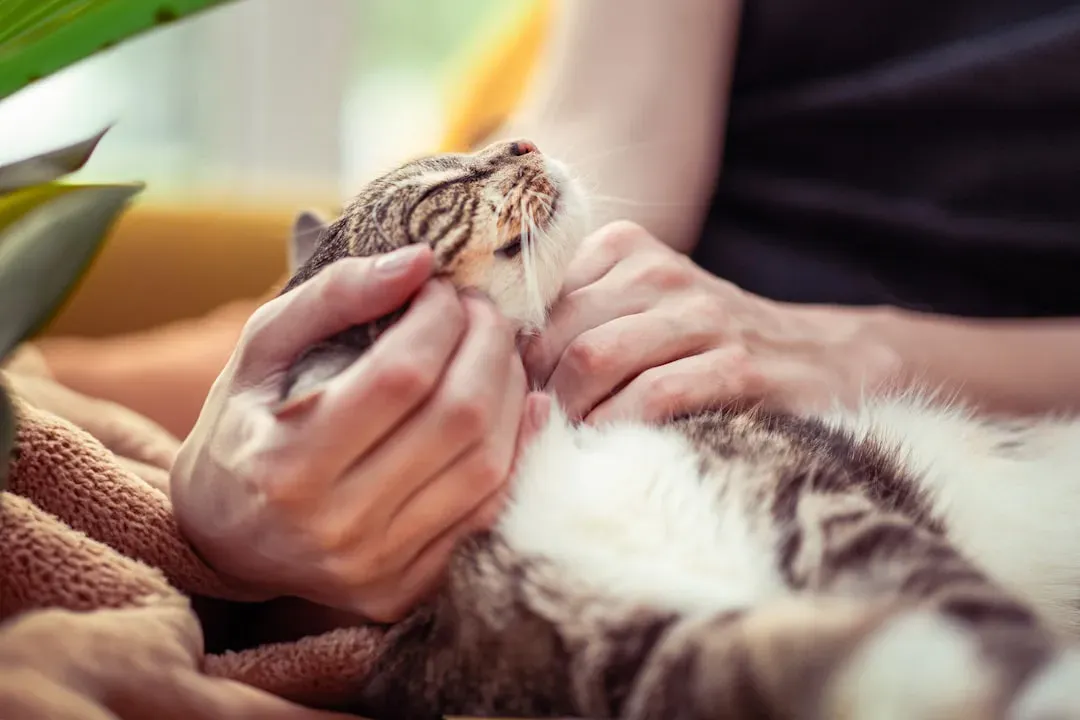
This is the part that genuinely surprises people: you can talk back. You can participate in this silent conversation. When humans initiate the slow blink, we are telling the cat that we trust them, which will allow the cat to form a positive association with us. It’s a two-way street, and that’s what makes it feel so special.
Here’s the method from the research: wait until your cat is relaxed and looking in your direction. Don’t force eye contact. Narrow your eyes slowly, keeping them half-closed for a moment. Think “sleepy” not “squinting.” Close your eyes fully for a second or two, then open them softly. That’s it. No training, no treats, no tricks. Just you and your cat having a quiet conversation in the only language that truly needs no translation.
What Happens When You Stare Instead of Blink
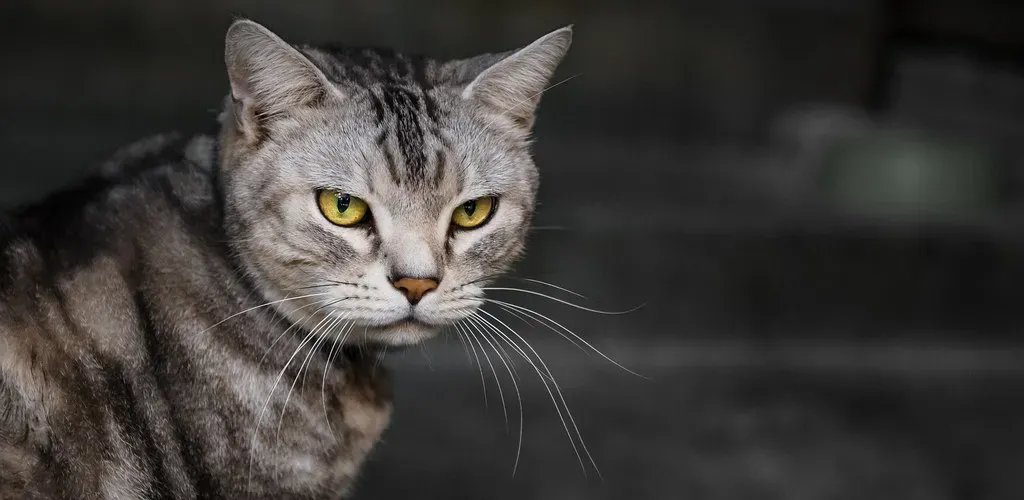
Understanding what the slow blink means also means understanding what its opposite communicates. Direct, unbroken eye contact is very much not the same thing. When a cat stares without blinking from a distance, this can be an indication of dominance, control, or possibly aggression. This type of stare tends to occur more often in a multi-cat household, where the cat is warning other pets to stay away. This is typically around food, the litter box, or areas considered important territory.
It should be noted that while communicating through slow blinking requires attention and eye contact between humans and cats, it is also recognized that direct eye contact in the form of a prolonged stare can be perceived negatively and as a threatening behavior by cats, so slow blinking needs to be used in a subtle, non-confrontational way. So resist the urge to stare at your cat trying to make things happen. The slow blink only works in a relaxed, unhurried context.
Cats Slow Blink at Each Other Too
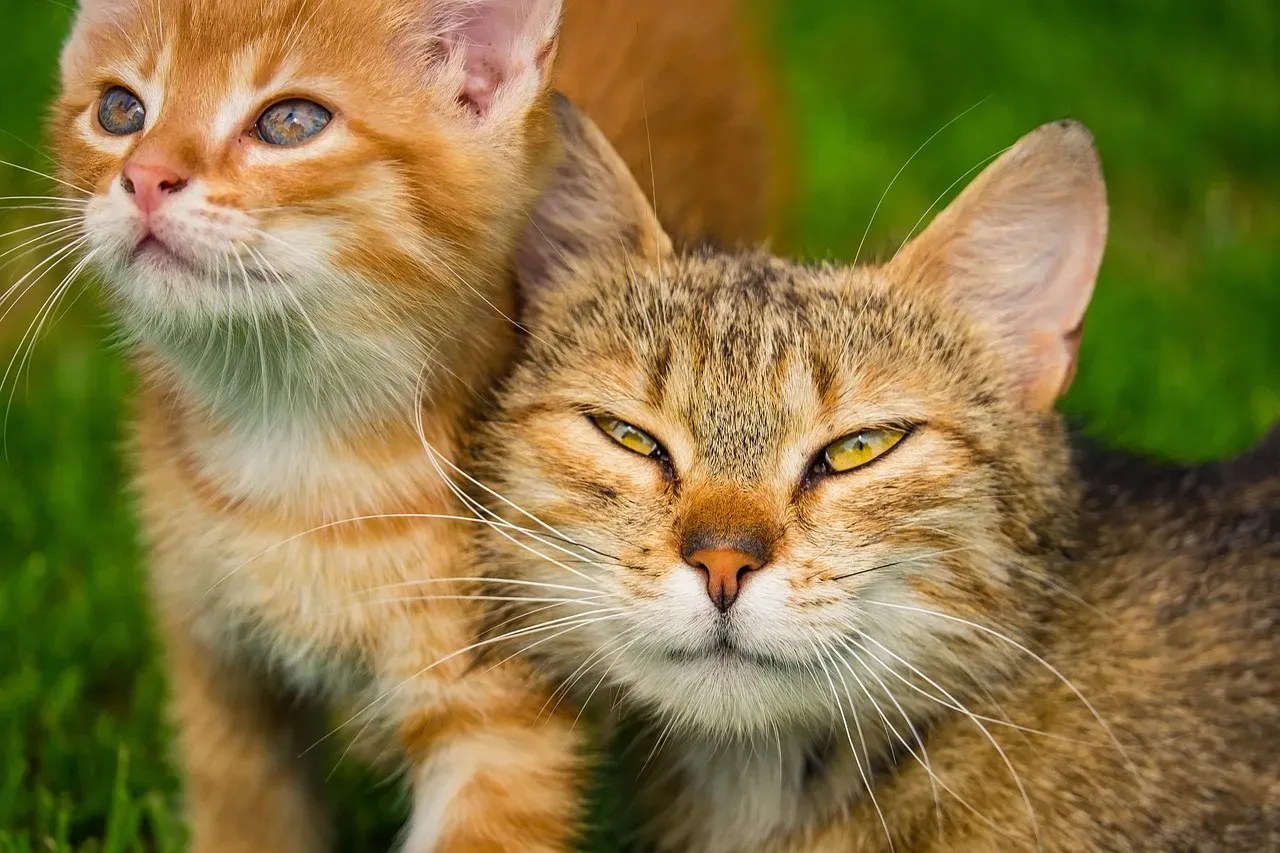
What’s even more telling is that this behavior isn’t exclusive to the human-cat relationship. Cats slow blink at one another to indicate friendliness, while a hard stare between cats is usually perceived as a threat or challenge. So when you see two cats across the room exchanging that lazy, drowsy look, you’re witnessing a moment of genuine feline diplomacy.
You’re more likely to see this among two cats who aren’t threatened by each other’s presence, like cats who’ve grown up together. Male cats meeting for the first time might not always be so friendly and may need more time to warm up to each other, usually due to territorial instincts. So if you’re introducing your cat to a friend’s cat and they look at each other, blink, and then look away, it’s a sign they just about became best friends.
The Slow Blink as a Tool for Building Trust Over Time
Perhaps the most powerful application of all this knowledge is using it intentionally to build a relationship with a shy, nervous, or newly adopted cat. If your cat is a bit shy or new to your home, building this trust takes patience. This process might take days or even weeks, especially with cats who have had difficult pasts. Each successful exchange reinforces their perception of you as a safe, reliable companion.
Researchers highlighted practical applications beyond cute bonding moments. Veterinarians could use slow blinking to calm anxious cats during exams. Shelter workers might help fearful cats feel safer, improving adoption outcomes. There’s something quietly powerful about the idea that something as simple as a blink could ease a frightened animal’s anxiety or help a rescue cat find a forever home faster.
Providing a consistent and predictable routine helps build this trust over time, since cats thrive on routine and predictability. It’s also essential to respect your cat’s personal space and allow them to approach you on their own terms. Avoid forcing interactions and be patient as your cat becomes more comfortable in your presence. The slow blink is just one piece of a larger trust puzzle.
Conclusion
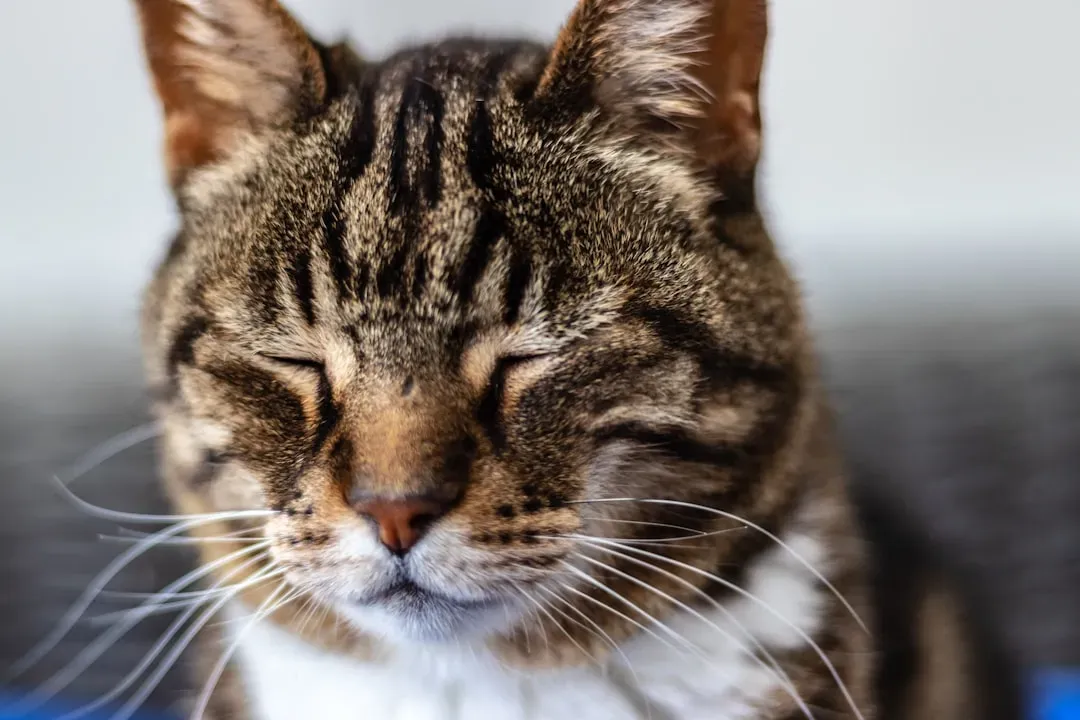
There’s something almost poetic about the fact that one of the most meaningful things your cat can say to you makes absolutely no sound at all. In a world full of noise, your cat chooses silence and a single, unhurried blink to tell you something that matters deeply. Your cat’s slow blink is a sign that they trust you and feel comfortable around you, and it’s as close to an “I love you” from them as you’ll ever get.
Next time you catch your cat looking at you from across the room, don’t just glance away. Hold their gaze gently, slow your breath, and give them that long, sleepy blink right back. Contrary to long-standing stereotypes, the bonds cats develop with their humans are meaningful and emotionally significant. Learning to read and respond to the language of the eyes may open the door to better mutual understanding.
The next time your cat blinks slowly at you, will you finally blink back?