You’ve probably noticed your cat doing it a dozen times. That languid, dreamy closing of their eyes while they gaze in your direction. It lasts longer than a regular blink, like they’re savoring the moment. Most people assume it’s tiredness or maybe just a quirky cat thing. Here’s what’s actually happening: your feline friend is speaking to you in a language that predates words, and what they’re saying might surprise you.
Honestly, the slow blink is one of the most misunderstood gestures in the animal kingdom. Let’s be real, cats have a reputation for being aloof, mysterious creatures who barely tolerate our presence. Yet this simple eye movement tells a completely different story. So let’s dive in and uncover what your cat is really trying to tell you when those eyes go soft and heavy.
Your Cat Is Showing You Ultimate Trust
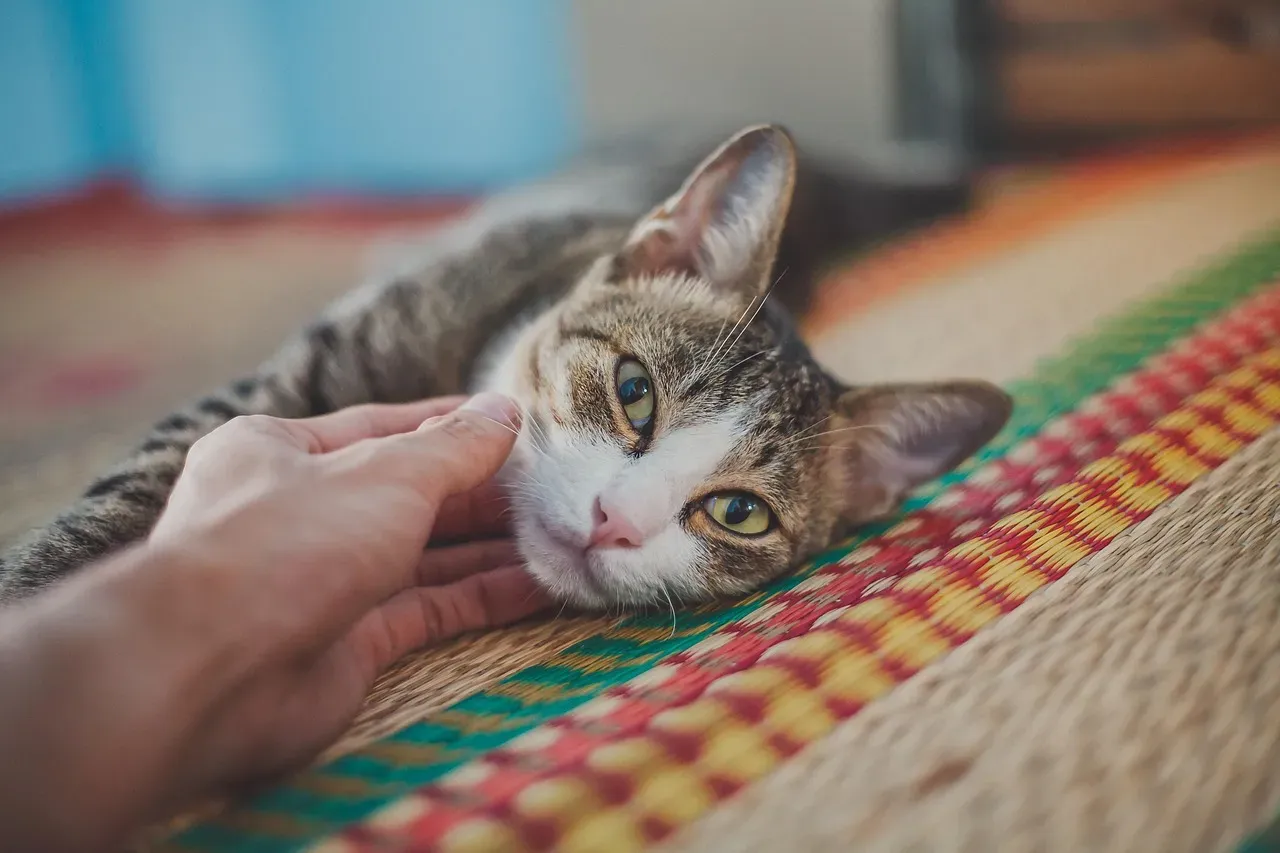
When a cat slow blinks at you, they are often expressing a sense of trust, contentment, and affection, and in the feline world, closing their eyes in the presence of another creature makes them vulnerable, as they are unable to detect potential threats. Think about it from your cat’s perspective for a moment. In the wild, cats are both hunters and prey animals. Every second their eyes are closed represents a moment they can’t scan for danger.
When you’re present, and your cat makes himself vulnerable by closing his eyes, even for a half second, you have officially made it inside your pet’s circle of trust. It’s hard to say for sure, but this might be the highest compliment a naturally cautious animal can give. Your cat isn’t just tolerating you; they’re telling you they feel genuinely safe in your presence.
Science Has Actually Studied This Adorable Behavior
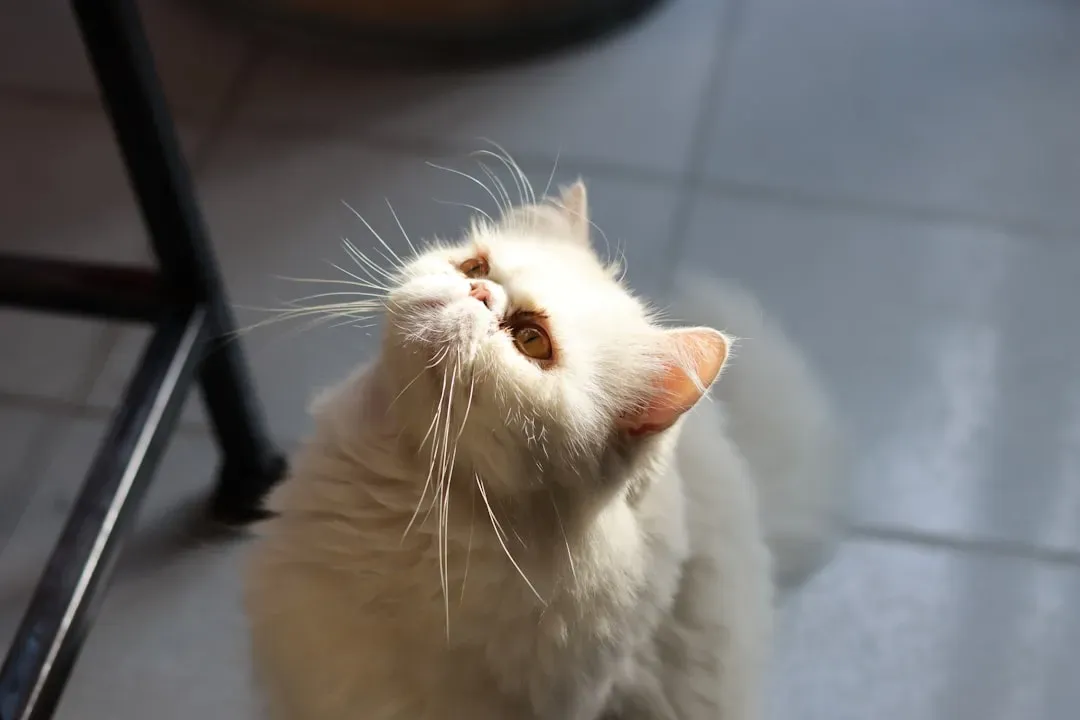
A team of psychologists designed two experiments to determine whether cats behaved differently towards slow-blinking humans, where owners slow-blinked at 21 cats from 14 different households, and once the cat was settled and comfy in one spot in their home environment, the owners were instructed to sit about a metre away and slow-blink when the cat was looking at them. The researchers didn’t just rely on anecdotal evidence from cat lovers. They actually recorded the interactions and compared them to control conditions where no interaction happened.
The results showed that cats are more likely to slow-blink at their humans after their humans have slow-blinked at them, compared to the no-interaction condition. The second experiment pushed things further. Strangers who had never met the cats before tried the same technique, and something remarkable happened. Cats had a higher propensity to approach the experimenter after a slow blink interaction than when they had adopted a neutral expression. This means you can actually use this gesture to build rapport with cats you’ve just met.
It’s Like a Smile, But in Cat Language
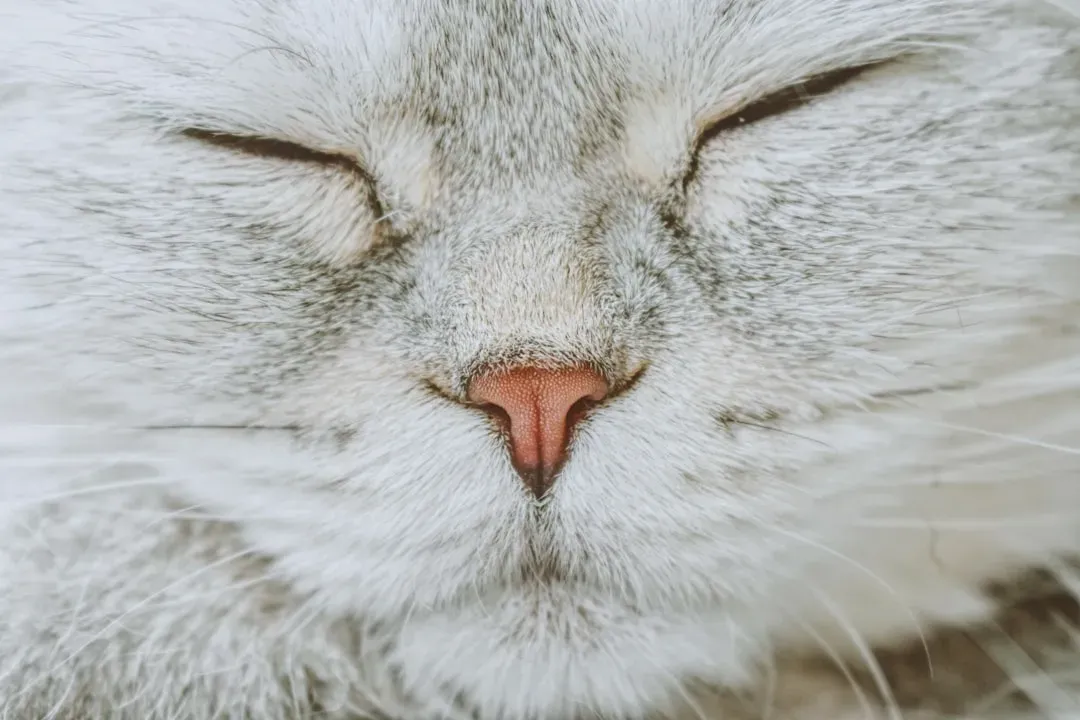
The expression of partially closed eyes accompanied by slow blinking is similar to how human eyes narrow when smiling, and usually occurs when a cat is relaxed and content, and the expression is interpreted as a kind of cat smile. We humans bare our teeth to show friendliness, which probably looks completely bizarre and threatening to other species. Cats have evolved their own version of this social signal.
Some experts have started calling it a “cat kiss,” though that might be stretching it a bit. What we do know is that this isn’t just about being sleepy or bored. Slow blinking is thought to be used by cats to indicate a sense of calm and a positive emotional state, involving the partial or complete closure of the eyelids, performed slowly and lasting for longer than half a second.
Cats Developed This Specifically To Talk To Us
Here’s the thing that blows my mind about this. Your cat’s slow blinks are similar to why they meow, as it’s a form of communication they’ve evolved specifically to better relate to and interact with us humans. Cats don’t really meow at each other in the wild as adults. They developed that behavior to communicate with us, and the slow blink might have followed a similar path.
As cats transitioned from wild creatures into valuable farm animals and finally to family pets, they developed new relational skills, and in order to thrive, they had to start noticing their humans’ faces and learning to read social cues. Over thousands of years living alongside humans, cats became students of our behavior. They learned what works, what gets our attention, and what makes us respond positively. The slow blink might be one of those evolutionary adaptations.
You Can Actually Blink Back And They’ll Understand
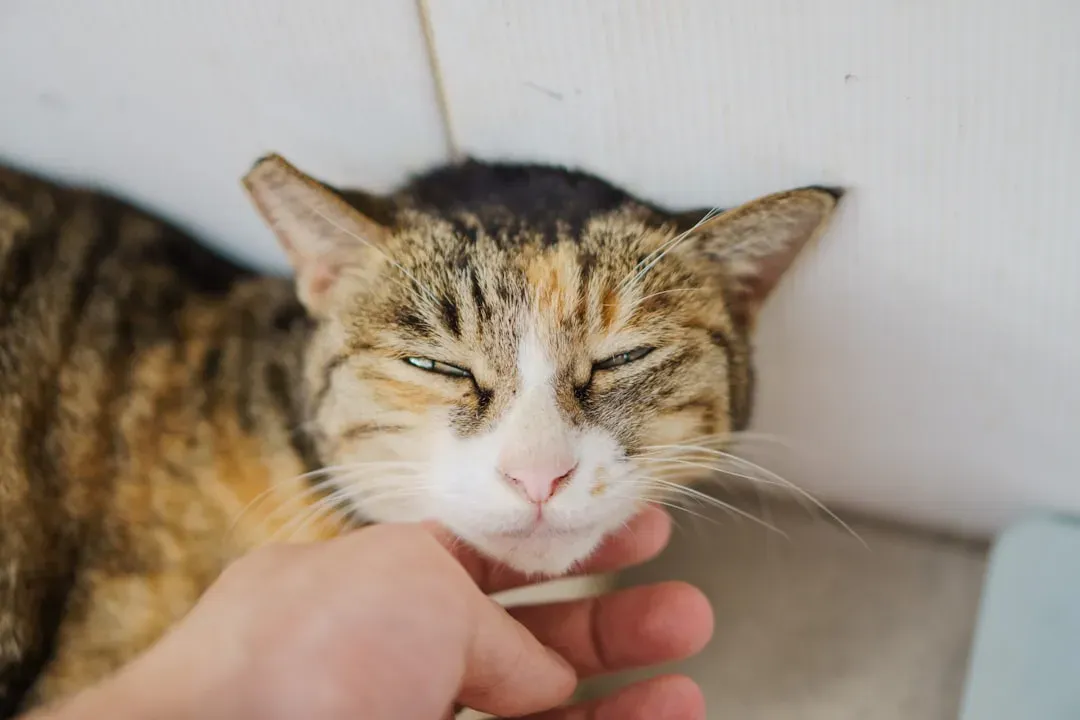
In controlled experiments, cats show unmistakable signs of emotional connection when their owners slowly blink back at them, and the animals were also more likely to slow blink at the humans if the people slow blinked at them first. This two-way communication is something you can practice right now. Look at your cat when they’re relaxed, narrow your eyes gently, and hold them closed for a moment before opening them again.
I tried this with my own cat and was honestly shocked at how quickly she responded. You can try narrowing your eyes at them as you would in a relaxed smile, followed by closing your eyes for a couple of seconds, and you’ll find they respond in the same way themselves and you can start a sort of conversation. It feels silly at first, like you’re having a staring contest in slow motion. Yet the connection it creates is undeniable.
It Helps Shelter Cats Get Adopted Faster
One fascinating study looked at shelter cats and their slow blinking behavior. Cats that responded to human slow blinking, specifically by using eye closures, were rehomed quicker than cats that closed their eyes less. Think about what that means. In a stressful shelter environment where cats compete for human attention, the ones who engage in this gentle form of communication literally increase their chances of finding a home.
This suggests that the use of slow blinking may have given cats a selective advantage during the domestication process, and furthermore, cats that were identified as more anxious around humans upon arrival at the shelter had a tendency to spend more time producing slow blink sequences. Even nervous cats instinctively use this behavior, possibly as a way to calm themselves and signal non-aggression to potential adopters.
Direct Staring Is Actually Threatening To Cats
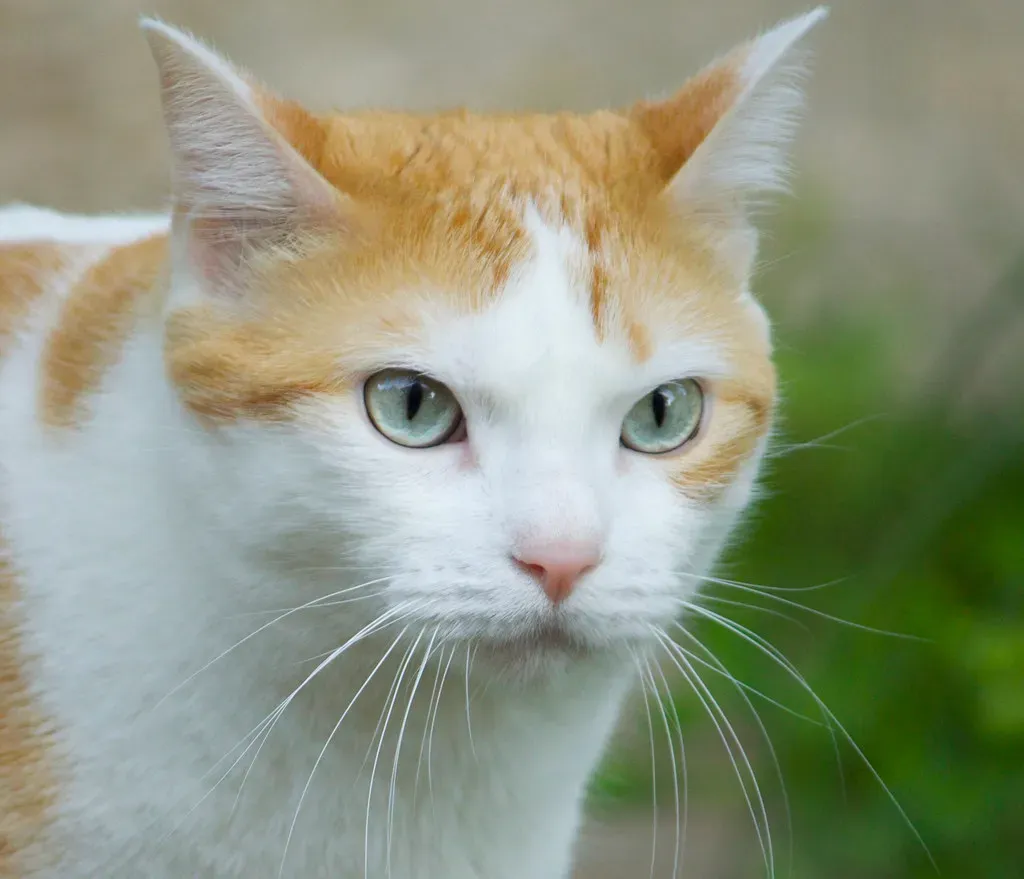
It’s been interpreted as a means of signalling benign intentions, since cats are thought to interpret unbroken staring as threatening. This is crucial to understand. When you lock eyes with a cat and refuse to look away, you’re essentially challenging them. It can register as aggression or a prelude to conflict.
While communicating through slow blinking requires attention and eye contact between humans and cats, it is also recognized that direct eye contact in the form of a prolonged stare can be perceived negatively and as a threatening behavior by cats, so slow blinking needs to be used in a subtle non-confrontational way. This is why the slow blink is so effective. It offers eye contact without the confrontation, a way to acknowledge each other without triggering defensive instincts.
Not Every Cat Will Slow Blink And That’s Okay
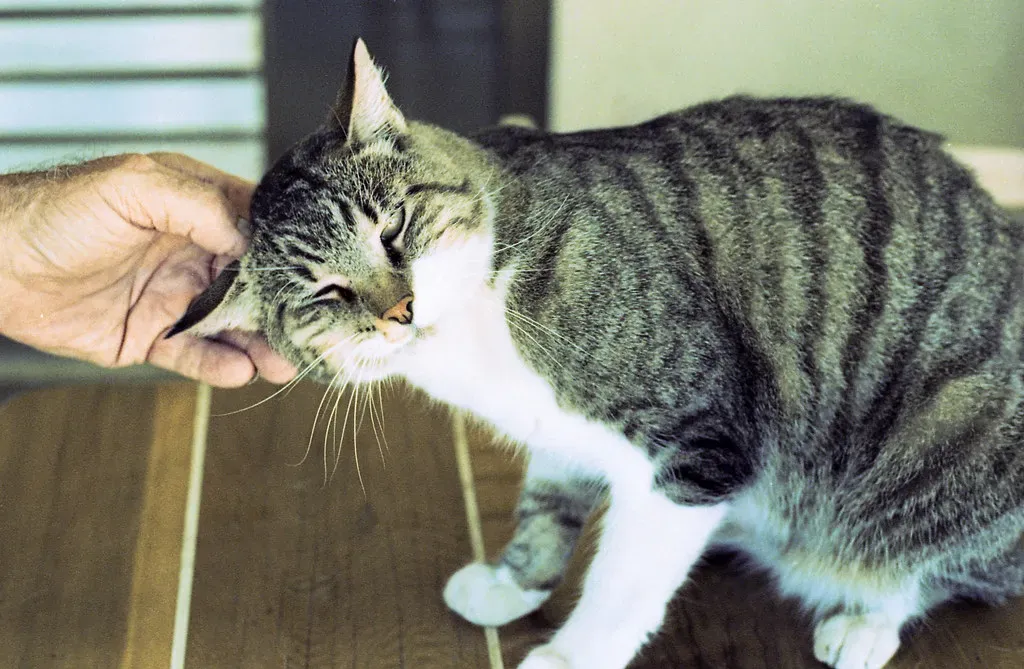
Cats who are more nervous around people tend to take longer to slow blink back at them, and not all cats show their affection with a slow blink, as cats are famously undemonstrative, affection-wise, but they do have their ways of showing they care, so instead of a slow blink, they might gift you socks, purr on your lap, snuggle against you at night, or cry endlessly when you’re behind a locked bathroom door.
If your cat doesn’t slow blink at you, it doesn’t mean they hate you or don’t trust you. If your cat doesn’t slow blink at you, there’s nothing to worry about, as it doesn’t mean they’re uncomfortable around you or don’t trust you, because cats show affection in lots of different ways, and perhaps your cat prefers rubbing against you, chirping, head-butting, or simply choosing to be near you.
Cats Also Slow Blink At Each Other
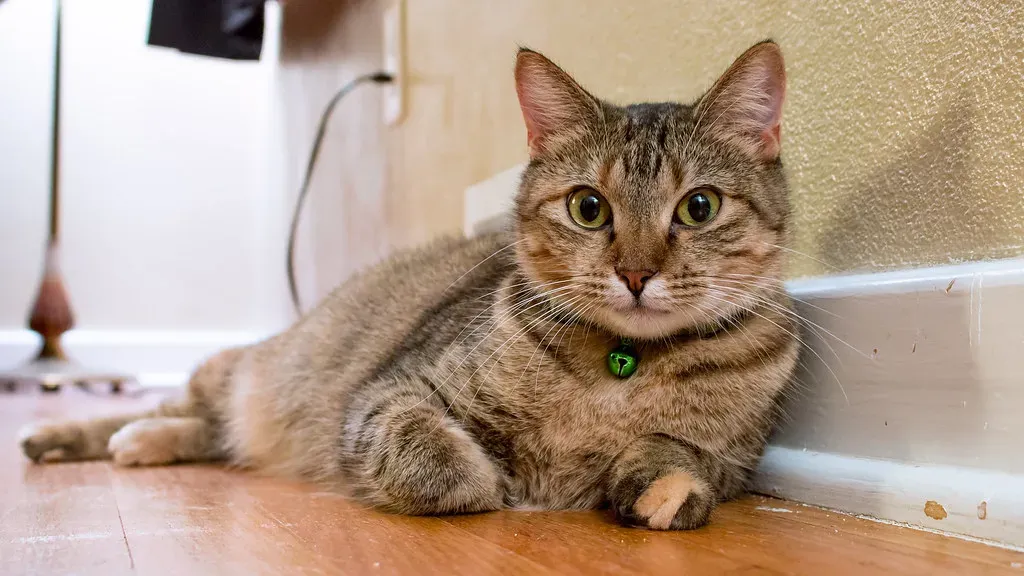
Unlike meowing, cats do slow blink at each other, and you’re more likely to see this among two cats who aren’t threatened by each other’s presence. This is particularly common among cats who’ve grown up together or have established a comfortable relationship. It’s their way of saying everything is cool, we’re good here.
Just like with us, when cats slow blink at each other, they are communicating that they are not a threat, however, if two cats lock eyes without any slow blinks, this might be a precursor to a fight. Pay attention to your cats’ interactions if you have multiple felines. The slow blink can be a signal that they’re bonding and feel secure with each other, which is exactly what you want to see in a multi-cat household.
Sometimes It Could Mean Something Else
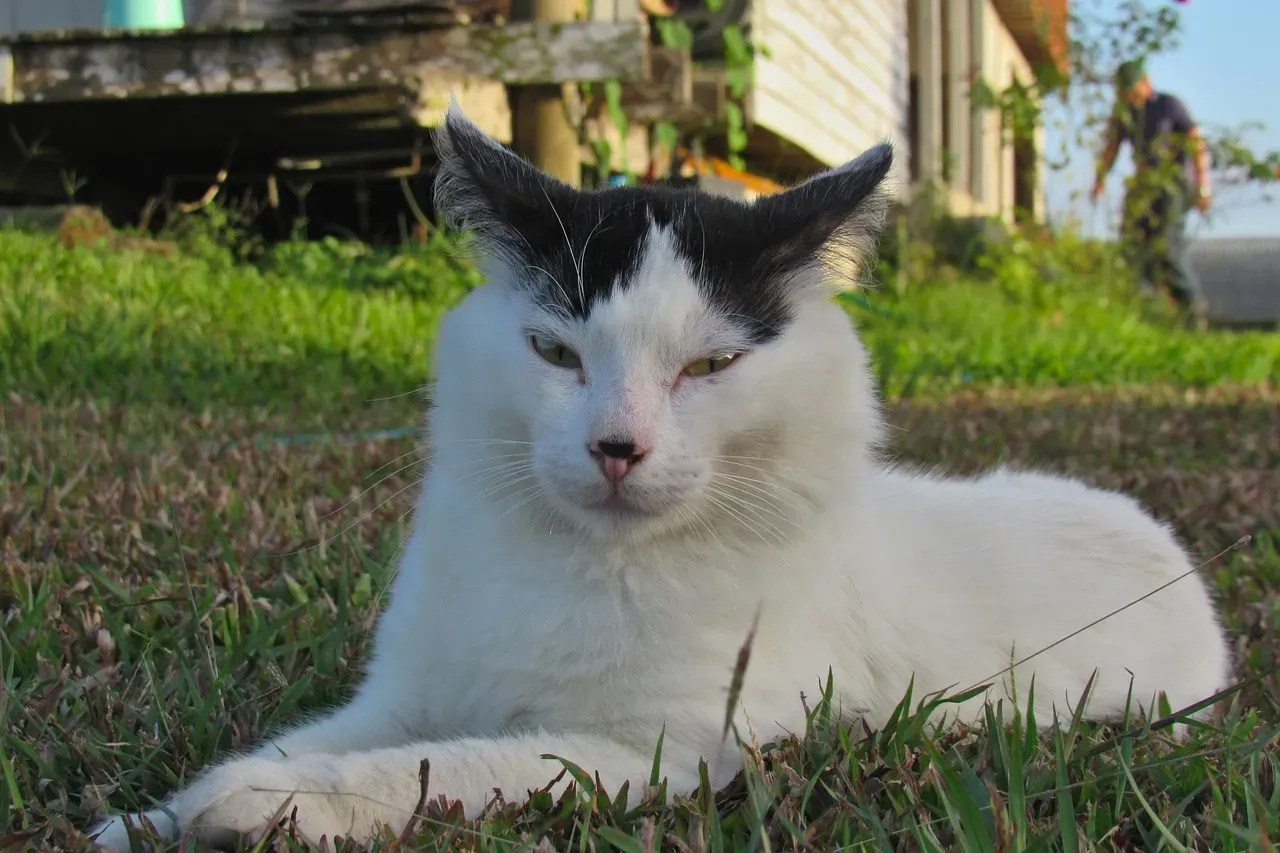
I know it sounds crazy, but not every slow closing of the eyes is a message of love. A cat’s slow blinking doesn’t always communicate trust or affection, though, because what looks like a slow blink is actually a squint, which generally means your pet is experiencing pain, discomfort, or injury. Context matters enormously here.
Slow blinking can be a positive sign, but it can also occur in moments of stress, and some cats may even blink when facing off with an unfamiliar, aggressive cat, so the context of the slow blink is important for understanding its meaning. Look at the rest of your cat’s body language. Are their ears forward or flattened? Is their tail relaxed or twitching? Are they squinting repeatedly or showing discharge from their eyes? If something seems off, a vet visit is warranted.
The Bond This Creates Is Genuinely Special
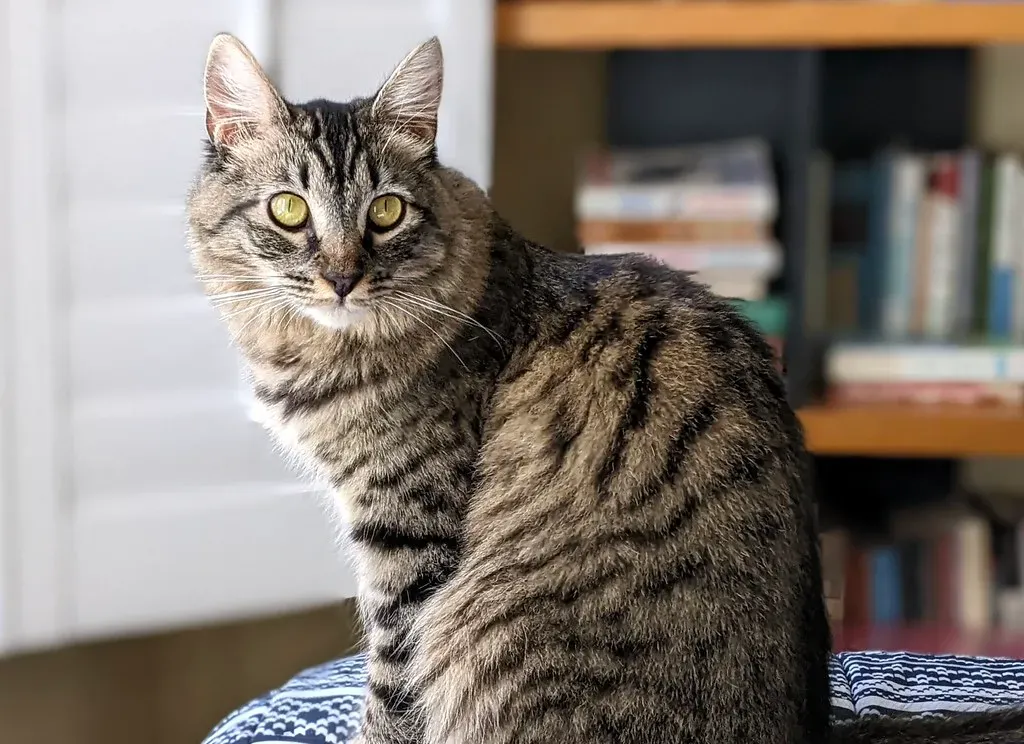
Learning to speak your cat’s language changes the entire dynamic of your relationship. Slow blink interactions appear to be a positive experience for cats, and may be an indicator of positive emotions. It’s one thing to live with a cat; it’s another to genuinely communicate with them on their terms.
The beauty of the slow blink is its simplicity. You don’t need treats, toys, or special training. Just your eyes and a willingness to meet your cat halfway in a language they instinctively understand. It’s a great way of enhancing the bond you have with cats. Once you start doing it regularly, you might notice your cat seeking out these quiet moments of connection more often, sitting where they can catch your eye and initiating this gentle exchange themselves.
So the next time your cat gazes at you with those half-closed, dreamy eyes, you’ll know exactly what’s happening. They’re not just fighting off a nap. They’re telling you something profound: I trust you completely. And honestly, coming from a creature as independent and discerning as a cat, that’s worth more than all the words in the world. What’s your cat been trying to tell you all this time?