Have you ever caught yourself staring at your cat as they drink water, watching their tongue make those delicate, rhythmic dips into the bowl? Most people just see an ordinary activity, nothing to really think twice about. Yet this simple behavior is actually one of the most telling windows into understanding your cat’s overall health.
The way your feline friend approaches their water bowl, how often they visit it, and even the physics behind their drinking method can speak volumes. Changes in these patterns might be whispers or shouts about underlying health conditions that need your attention. From kidney disease to diabetes to simple dehydration, your cat’s drinking habits are sending you signals every single day.
The Fascinating Physics Behind Every Lap
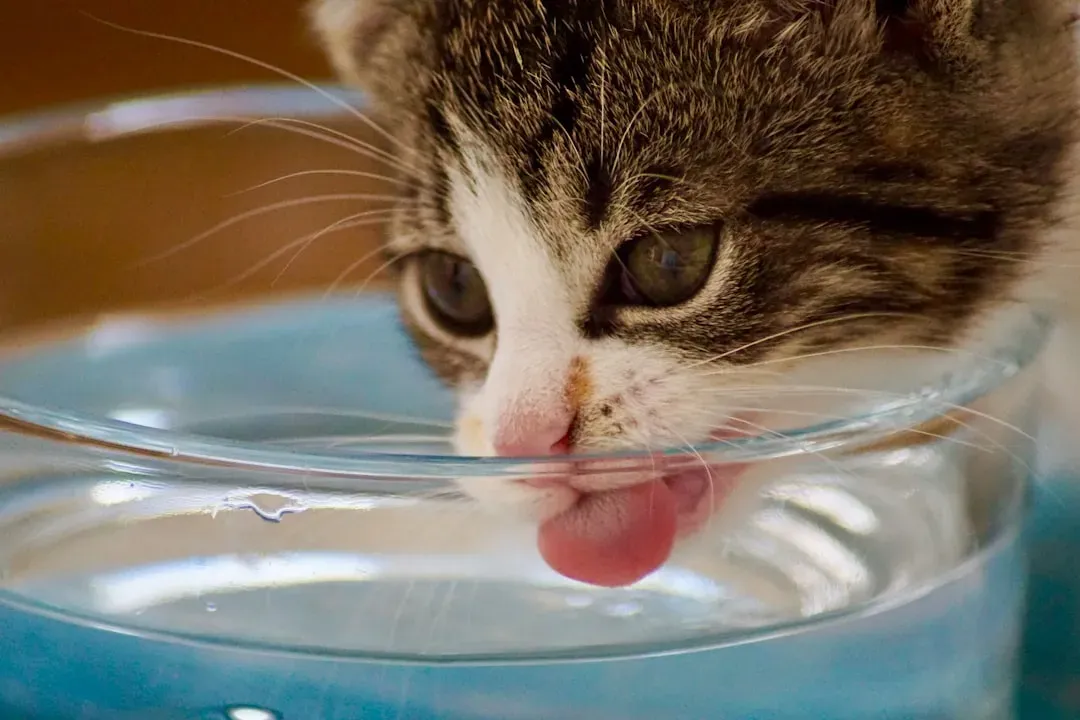
Let’s be real, watching a cat drink is strangely mesmerizing. There’s something almost hypnotic about it. When cats lap, they extend their tongues straight down toward the bowl with the tip of the tongue curled backwards, so that the top of the tongue touches the liquid first. Unlike dogs who plunge their tongues in and scoop water up like some kind of furry ladle, cats take a much more refined approach.
The cat curls the tip of its tongue backwards so that only the dorsal side touches the liquid, drawing a column of liquid into the cat’s mouth, and the cat knows the exact moment to close its jaws: when gravity begins to overtake inertia and pull the water back to the bowl. It’s honestly kind of genius. Although they only manage to get a small amount of liquid each time, they can complete this process at an impressive rate of four laps per second, so it all adds up to a thirst-quenching drink. Think about that speed for a second. Four times every second, your cat is executing this perfect little gravity-defying maneuver.
What Normal Drinking Looks Like
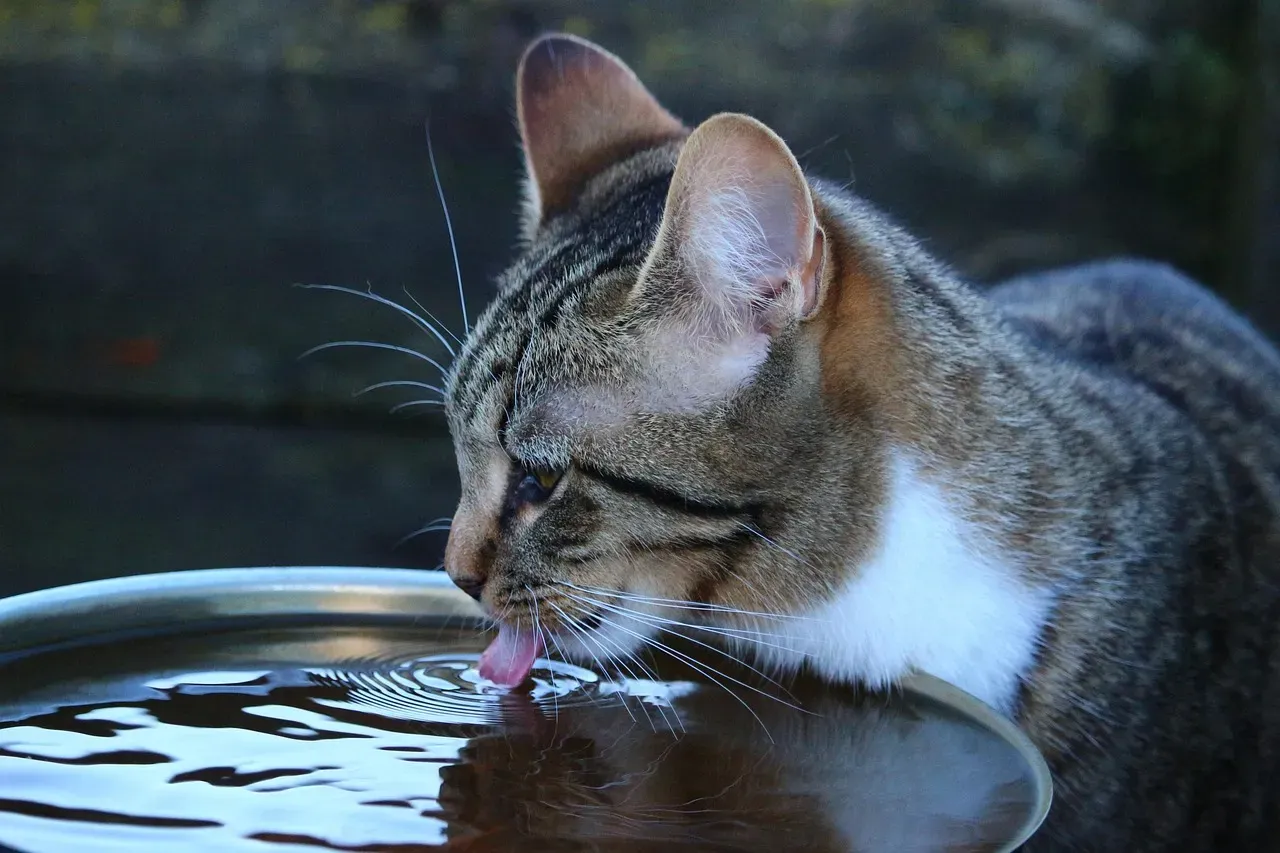
Before you can spot something unusual, you need to know what typical looks like. Most cats will visit a water source frequently to drink, often five or six times per day. That might seem like a lot, especially if you rarely witness it happening. Cats are sneaky drinkers sometimes, hitting the bowl when you’re not watching.
Cats should generally drink about 3.5 to 4.5 ounces of water per 5 pounds of body weight each day, which means a 10-pound cat typically needs around 7 to 9 ounces of water daily. Though honestly, if your cat eats wet food, you’ll probably see them drink less since that food can contain up to roughly four-fifths water. Cats on dry kibble, on the other hand, need to compensate by visiting the water bowl more often since dry food only contains about one-tenth moisture.
When Increased Thirst Signals Kidney Disease
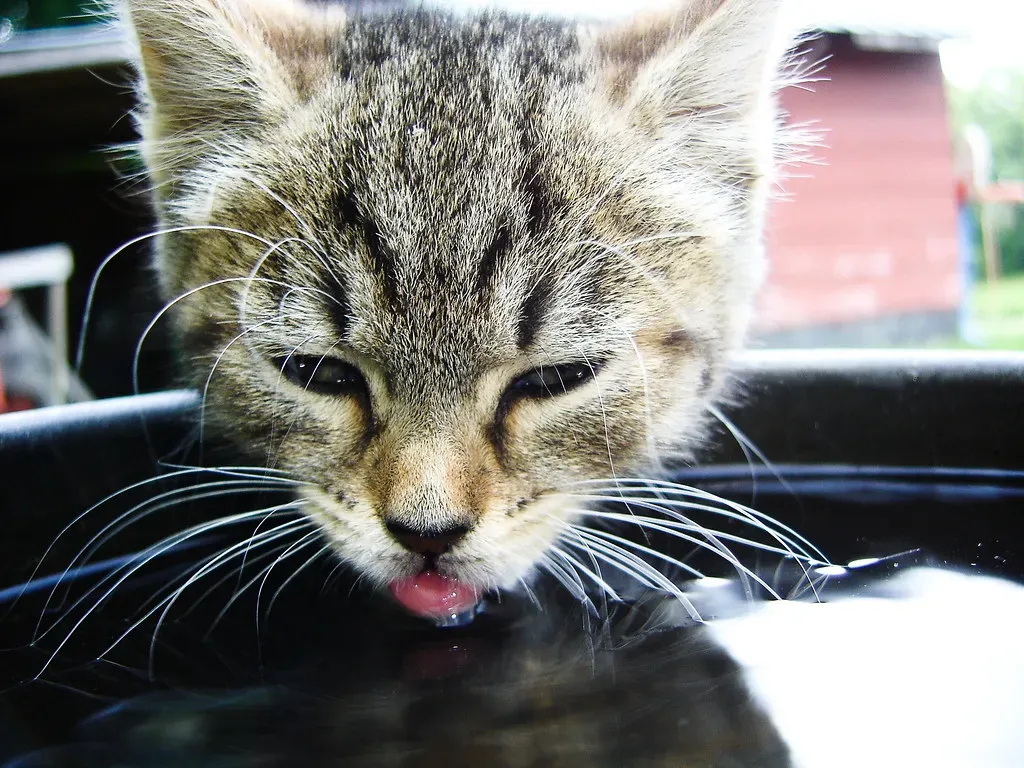
Kidney disease is one of the most common and more serious diseases we see in cats, and this disease is manageable but not curable – therefore early detection is necessary to instill therapies to help slow progression. Here’s the thing about kidney disease: it’s particularly sneaky because cats are masters at hiding illness.
The most common reason older cats begin drinking and urinating excessively is because their kidneys are starting to decline. What happens is the kidneys lose their ability to concentrate urine properly, so more water gets flushed out of the system. Your cat then becomes dehydrated and instinctively drinks more to compensate. If your cat is drinking a lot of water and they’re urinating more frequently, they may be experiencing early signs of kidney disease. Watch for weight loss, decreased appetite, or changes in personality alongside the increased drinking.
Diabetes and Your Cat’s Water Bowl Obsession
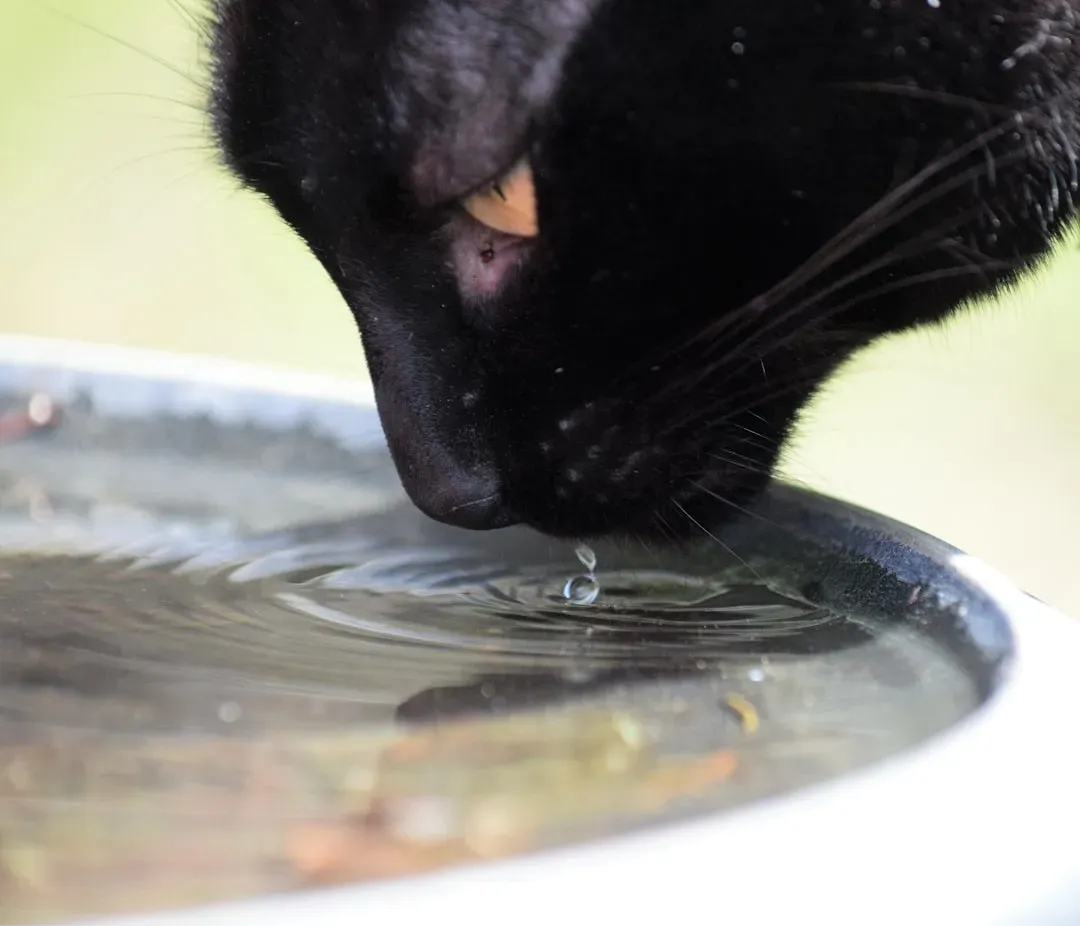
Diabetes is one of the most common conditions that cause excessive thirst in cats, and this condition affects how the body regulates blood sugar, leading to increased water consumption and urination. It’s honestly fascinating how the body responds to high blood sugar levels.
High levels of sugar in the blood can overwhelm the ability of the kidney to filter glucose, allowing sugar to “spill out” of the blood and into the urine. When this happens, the sugar in the urine pulls extra water along with it, causing your cat to pee more and therefore drink more to keep up. The two most common signs of diabetes noticed by owners at home are weight loss despite a good appetite and increased thirst and urination. So if your cat is constantly at the food bowl and the water bowl but somehow losing weight, that’s a red flag worth investigating.
The Litter Box Connection You Can’t Ignore
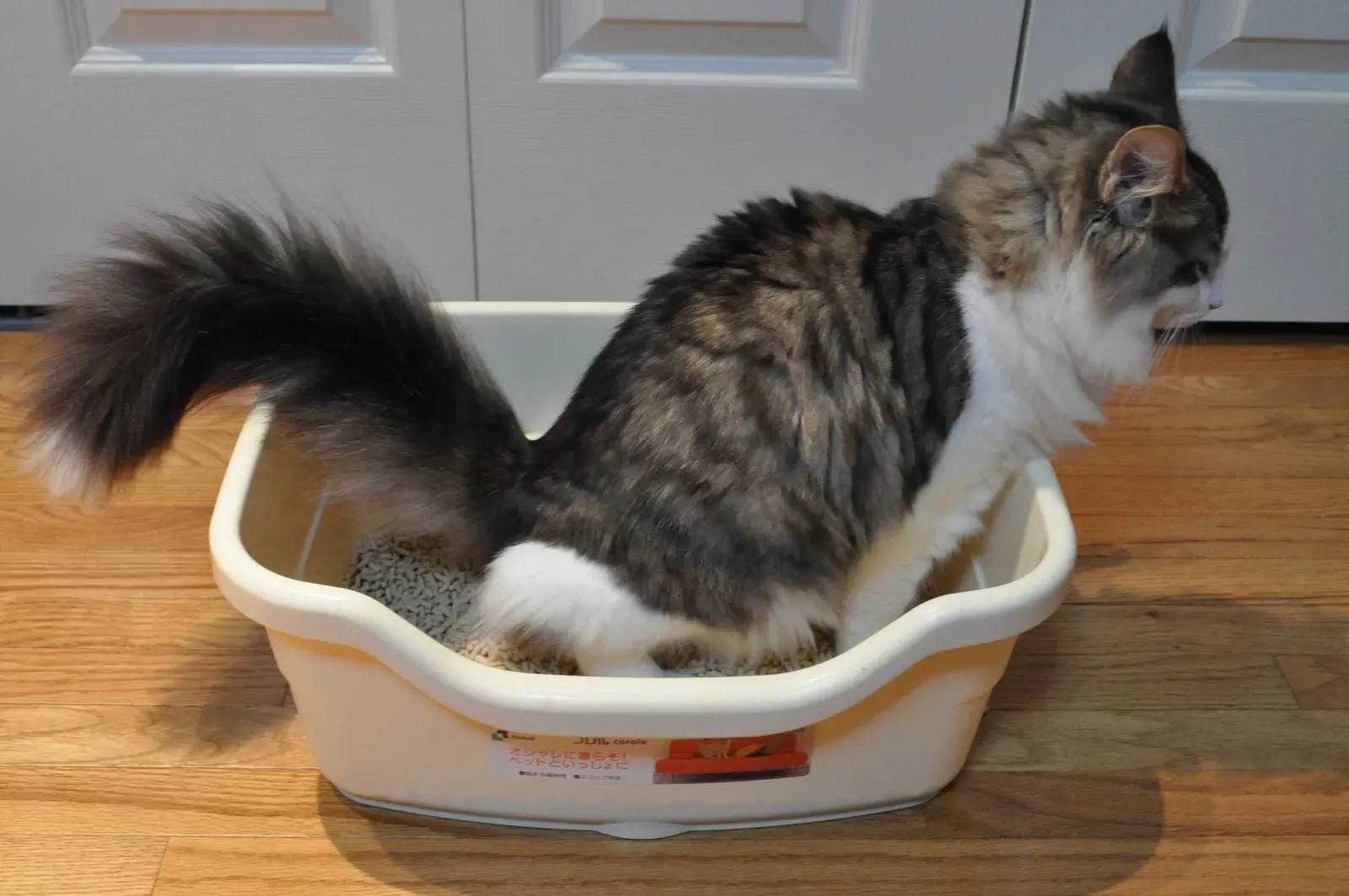
Your cat’s water intake and litter box habits are intimately connected. I know it sounds obvious, but stay with me. You may see larger-than-normal urine clumps in the litter pan because your cat is peeing more, and in fact, the first sign of a problem might be if the litter box is getting full more quickly and the clumps are getting heavier and harder to scoop.
Sometimes you’ll notice the litter box situation before you even realize your cat’s drinking more water. Those enormous, heavy clumps that break your scoop? Yeah, those are telling you something. The litter box can also provide clues as to whether your kitty is drinking more than usual, as larger-than-normal urine clumps that are heavier and more difficult to scoop out or a box that fills up sooner indicate that your pet is drinking more water than its typical amount. It’s like your cat is leaving you breadcrumbs to follow.
Hyperthyroidism and the Overactive Water Drinker
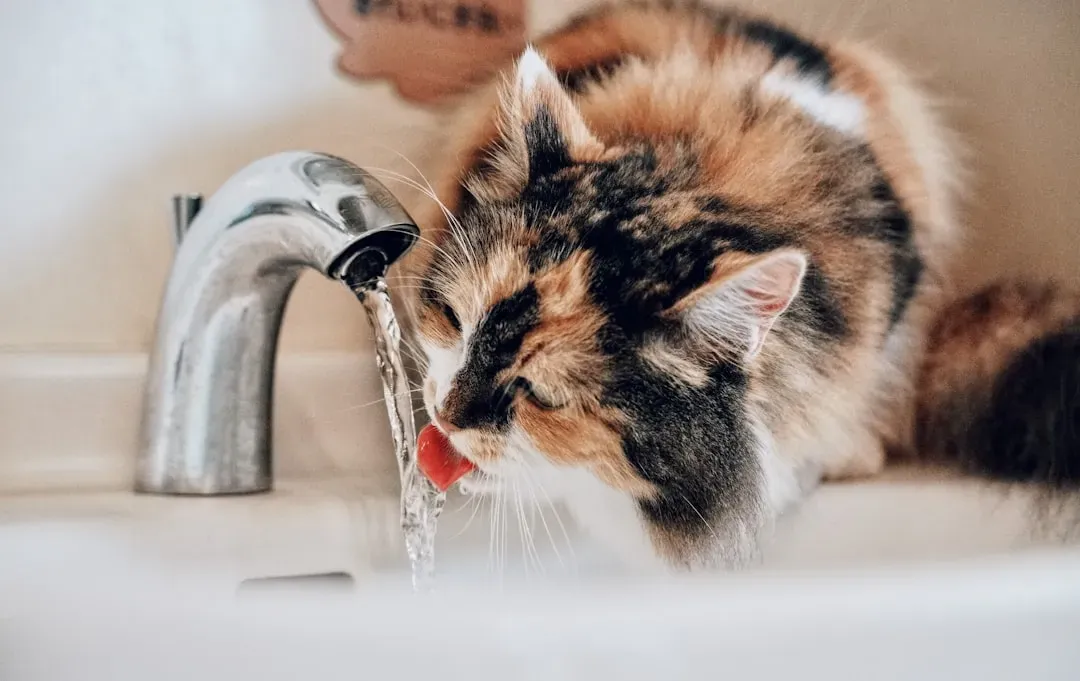
Hyperthyroidism occurs when the thyroid gland produces excessive hormones, speeding up the cat’s metabolism, and this condition often leads to increased thirst, along with veterinarians being able to diagnose hyperthyroidism through blood tests and recommend treatments such as medication, diet changes, or other interventions. This condition is especially common in middle-aged and older cats.
Signs usually include increased appetite, weight loss, hyperactivity or restlessness, cold-seeking behaviors, and vomiting or diarrhea. So your cat might seem like they’re on constant high alert, eating everything in sight but still getting thinner, and camping out near the water bowl. The metabolism is essentially running in overdrive, burning through everything faster than normal, which triggers that excessive thirst response.
Dehydration Sneaks Up When You Least Expect It
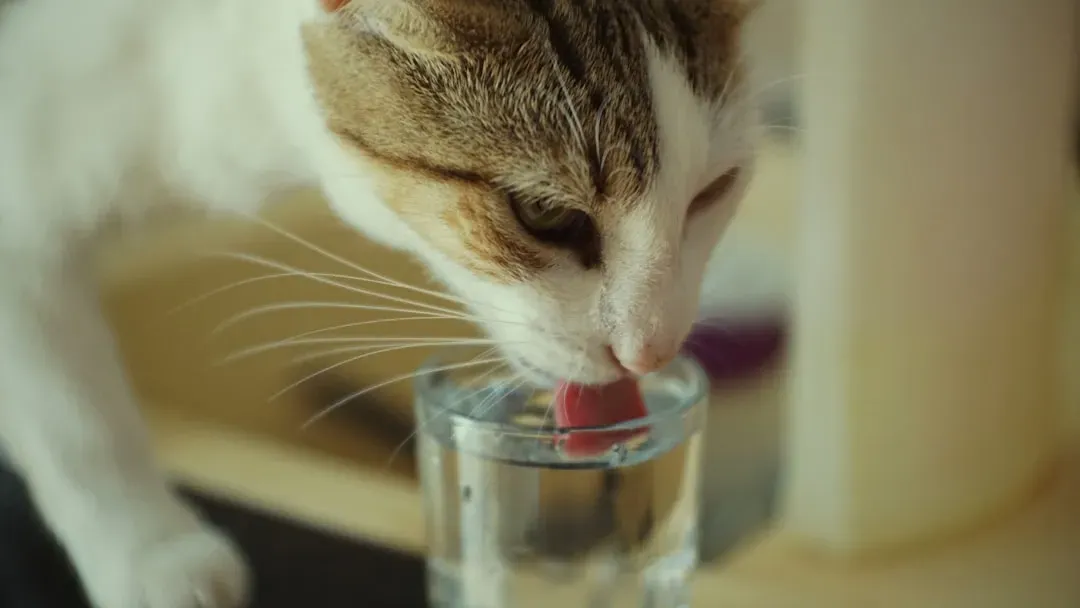
It might sound contradictory, but sometimes a cat who’s not drinking enough can be just as concerning as one drinking too much. Physical indicators of dehydration include dry/tacky mucous membranes (usually checked in the gums) and decreased skin turgor (elasticity), which can be tested by gently lifting the skin over the shoulders and determining how long it takes to “snap back” to its original position.
You can actually do this test at home pretty easily. Gently pinch the skin between your cat’s shoulder blades and let go. In a well-hydrated cat, the skin should quickly snap back into place, but if the skin takes longer to return to its normal position, your cat may be dehydrated. Chronic kidney disease, diabetes, vomiting, diarrhea, and hyperthyroidism all fall into this category of conditions that cause dehydration through increased water loss. The irony is that these diseases make your cat drink more, yet they can still become dehydrated because they’re losing fluid faster than they can replace it.
Environmental Factors That Mess With Drinking Habits
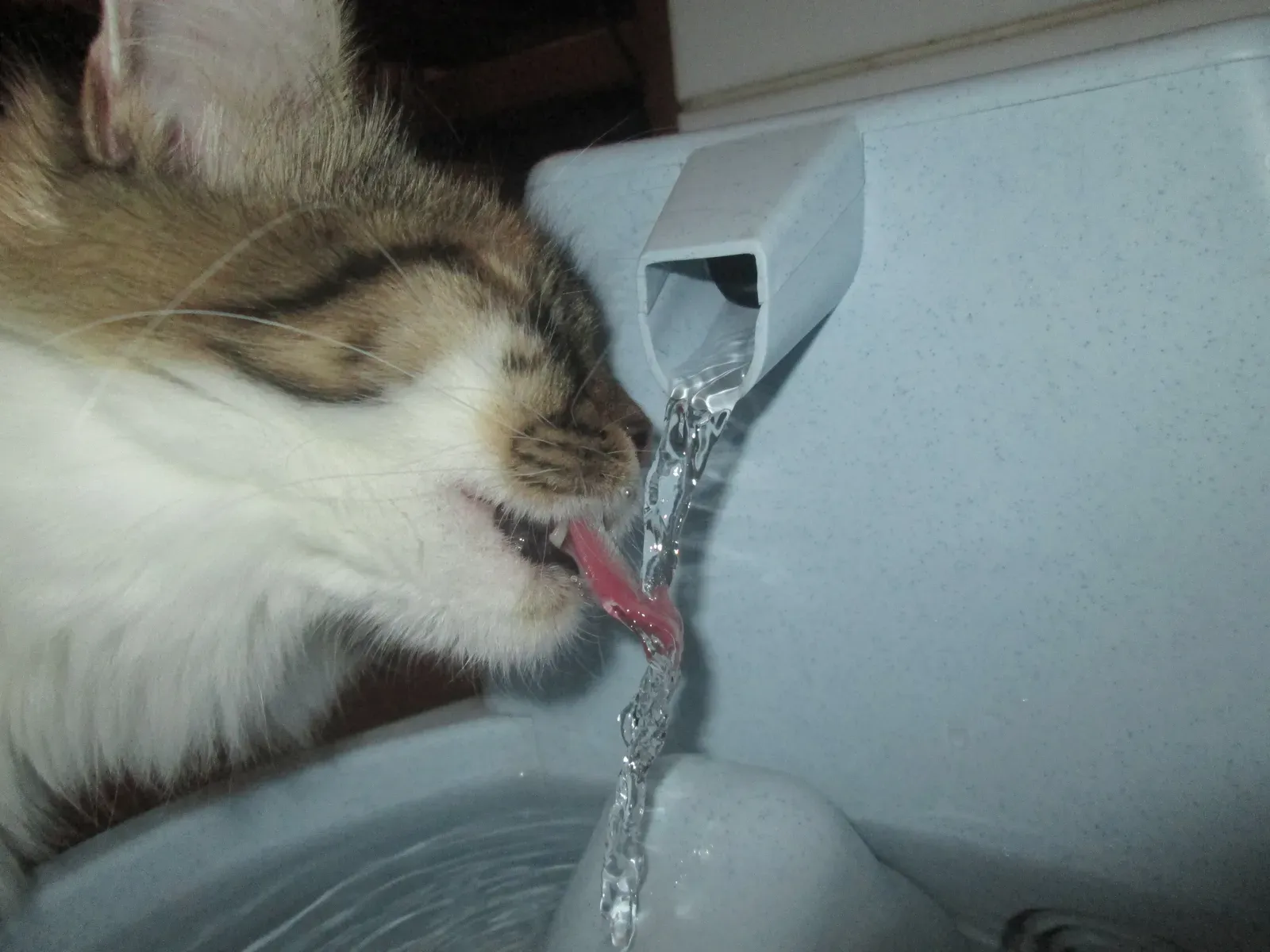
Not every change in drinking behavior means your cat is sick. Sometimes it’s just the weather or life circumstances. Hot weather could trigger your cat drinking a lot of water, as some cats may naturally drink more water when it’s hot outside, just like humans usually do. Makes sense, right?
A diet change – especially a switch from wet food to dry kibble – may cause a cat to drink more water. If you recently changed your cat’s food and notice increased water consumption, that might be totally normal. Some cats find the act of drinking to be soothing and will visit the bowl more frequently when they feel anxious or unsettled. A new pet in the house, construction next door, or even rearranging furniture can stress your cat out enough to change their drinking patterns. Cats are sensitive creatures, after all.
How to Monitor Your Cat’s Water Intake Accurately
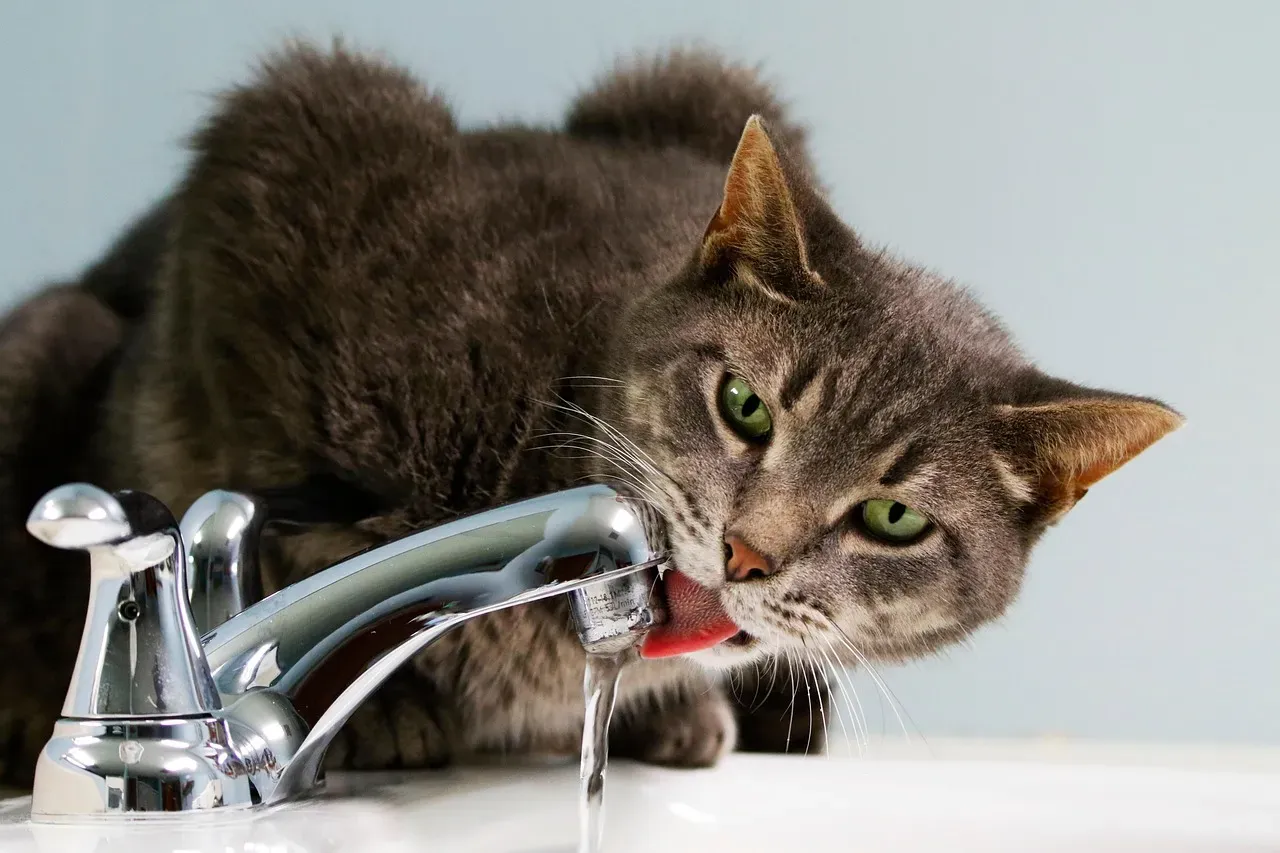
Honestly, tracking how much your cat drinks can be trickier than it sounds. If you have a cat that always drinks its water from one bowl, it’s fairly easy to keep track of its water intake, but many cats are more particular due to instinctive behavior. Some cats drink from multiple sources, or they prefer running water from faucets or fountains.
Use a measuring cup to fill your cat’s water bowl at the beginning of the day, then measure the amount of remaining water at day’s end. Simple enough, though you’ll need to account for evaporation or spillage. A cat drinking more than 100ml per kg of their body weight daily is drinking more water than usual. If you’re concerned, keeping a diary for a few days gives your vet actual data to work with rather than vague observations.
When It’s Time to Actually Worry and See the Vet
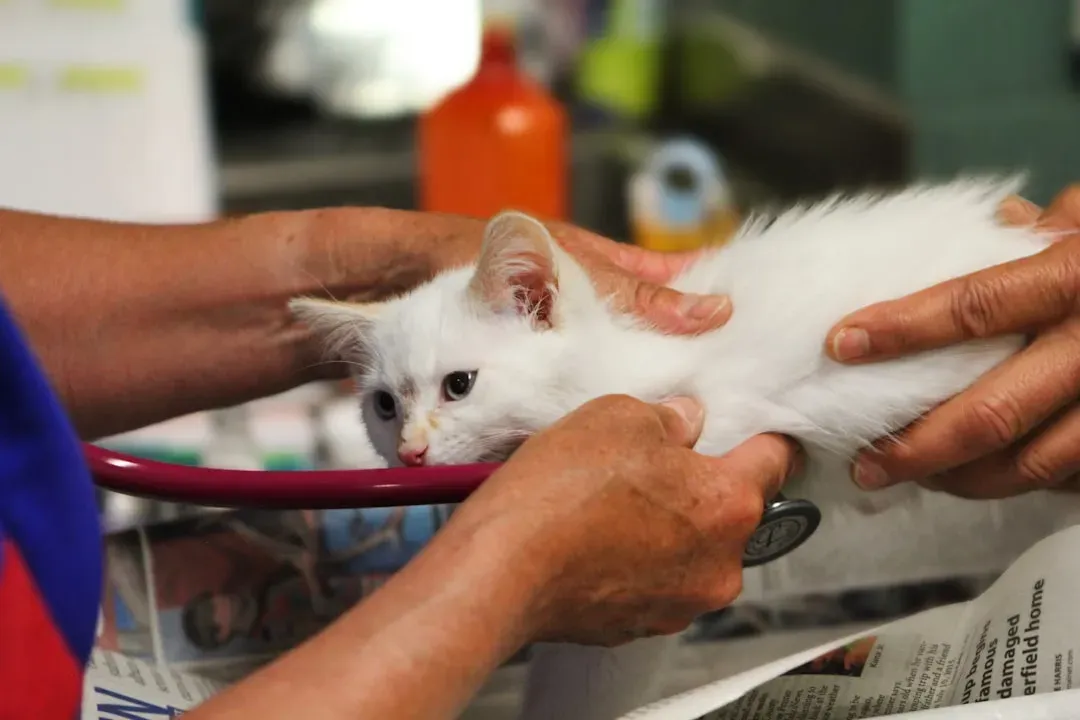
If you notice that your cat is drinking more than normal and it’s not associated with temporary factors like the weather, fluctuations in humidity, or a change in diet, it is time to contact your veterinarian and schedule an appointment, and if your cat is showing any additional symptoms, such as weight loss, lethargy, or changes in appetite, try to get to the vet as soon as possible.
Here’s the thing: increased thirst rarely exists in isolation when something serious is going on. Exhibits weight loss, lethargy, or changes in appetite, or vomits or has diarrhea in addition to drinking more water. Any combination of these symptoms means you shouldn’t wait around. Early detection makes such a difference in managing chronic conditions like kidney disease or diabetes. Your vet will likely run blood work and urinalysis to figure out what’s happening, and honestly, bringing a fresh urine sample with you can save time and money.
Watching your cat drink might seem like the most mundane part of pet ownership, yet it turns out to be one of the most informative health indicators at your disposal. From the elegant physics of their lapping technique to the subtle changes that signal serious medical conditions, your cat’s relationship with their water bowl tells an entire story. Pay attention to those trips to the water dish, notice when the litter box suddenly seems heavier, and trust your instincts when something feels off. Your cat can’t tell you when they’re not feeling well, but their drinking habits absolutely can. What surprising things have you noticed about your cat’s water bowl behavior lately?