Think your cat is just an indifferent little creature living its best life in your home, occasionally tolerating your presence? Think again. Every time your cat walks toward you at the end of a long day, something quiet and remarkable is happening. It is a moment loaded with meaning, one written in a language most of us are still learning to read.
Cats have a reputation for being emotionally distant. Honestly, that reputation has never been less deserved. Beneath every purr, every slow blink, every tail held high like a tiny flag, there is a deeply nuanced message being sent. Your cat is not just lounging around being mysterious. It is actively communicating with you, and learning to understand those signals can completely transform your relationship with your feline companion.
You might be surprised by what you have been missing. Let’s dive in.
Why Cat Greetings Are Not What You Think
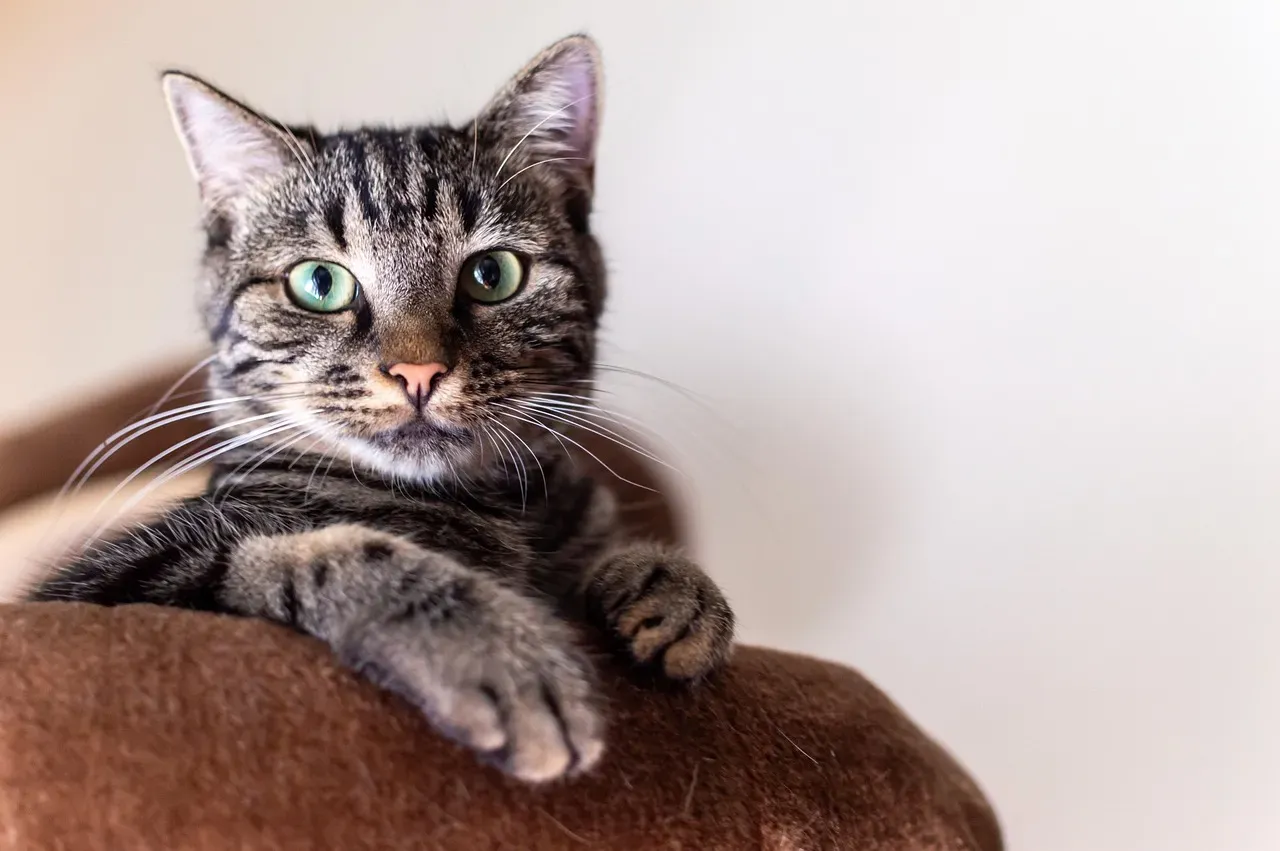
Here’s the thing most people get wrong about cats: they compare them to dogs. You walk through the door and your dog goes absolutely wild. Your cat, meanwhile, might saunter over slowly or peek at you from across the room. It is easy to read that as coldness. It is not. A cat greeting is not the same as a dog greeting, and the way your cat greets people can tell a lot about how much she trusts them.
Cats are very independent animals and when they do make the effort to greet someone, it is because they trust that person and consider them part of their world. So when your cat walks over to you instead of hiding, that is not nothing. That is something enormous, wrapped in fur and nonchalance.
The Tail Held High: Your Cat’s Feline Flag of Friendship
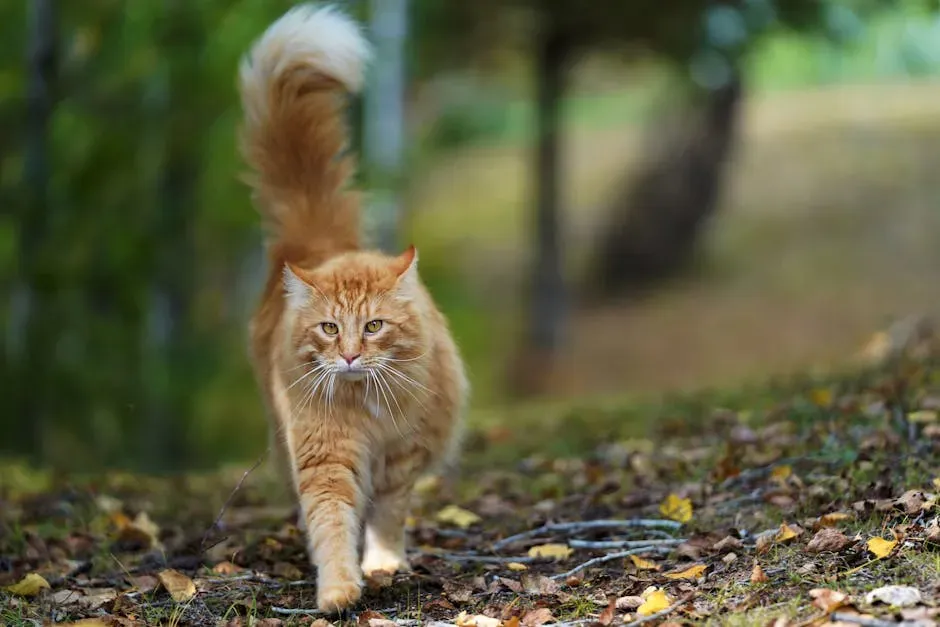
If you have ever watched your cat approach you with its tail standing straight up like a tiny antenna, you have witnessed one of the clearest trust signals in the feline world. A tail held in the upright flagpole position shows a friendly intention, indicating familiarity, trust, and affection. Think of it as your cat’s version of a warm wave from across the room.
What makes this even more fascinating is its evolutionary roots. Doctoral research by Charlotte Cameron-Beaumont at the University of Southampton demonstrated that wild cats do not use the tail-up posture, while domestic cats evolved the tail-up greeting specifically to communicate peaceful intent at a distance. When domestic cats began living at higher densities near human grain stores approximately 10,000 years ago, solitary animals suddenly needed a way to say “I come in peace” before getting close enough to fight. The tail-up signal solved that problem. Your cat is essentially using a greeting behavior that evolved just for living with you.
The Head Bump: Reserved for Your Most Trusted Inner Circle
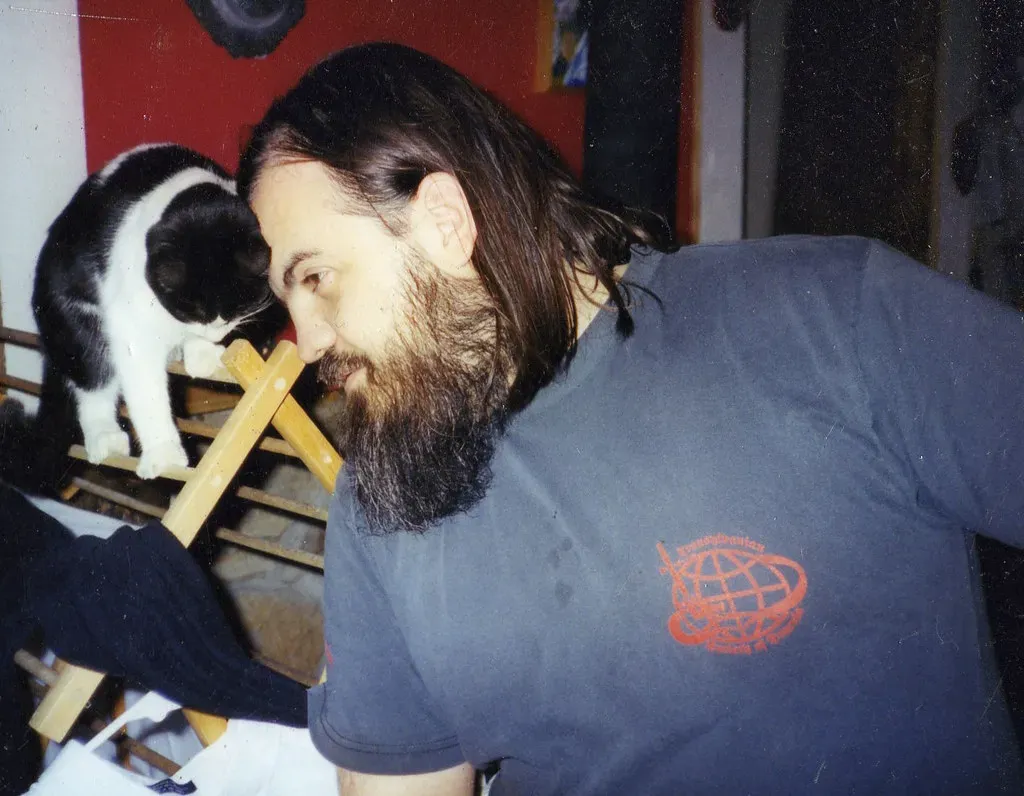
That firm press of your cat’s head against your leg, your hand, or even your forehead, is not random. Whether you call it head butting, head bumping, or head bunting, when a cat pushes her head against her human, she’s showing that they feel an extremely close bond with that human. The head bump is intimate and is saved for a cat’s closest pet friends and most trusted humans. In other words, if your cat head-bumps you, you have earned something special.
If your cat greets you by gently bumping their head against your leg or rubbing their cheek on your hand, they are displaying a behavior known as head bunting. This affectionate gesture is a way for cats to mark you as a part of their territory while also spreading their scent, which contains pheromones. Head bunting is reserved for individuals that cats trust and consider part of their social group. In short, your cat is quietly claiming you as family.
Leg Rubbing and Scent Marking: You Have Been Claimed
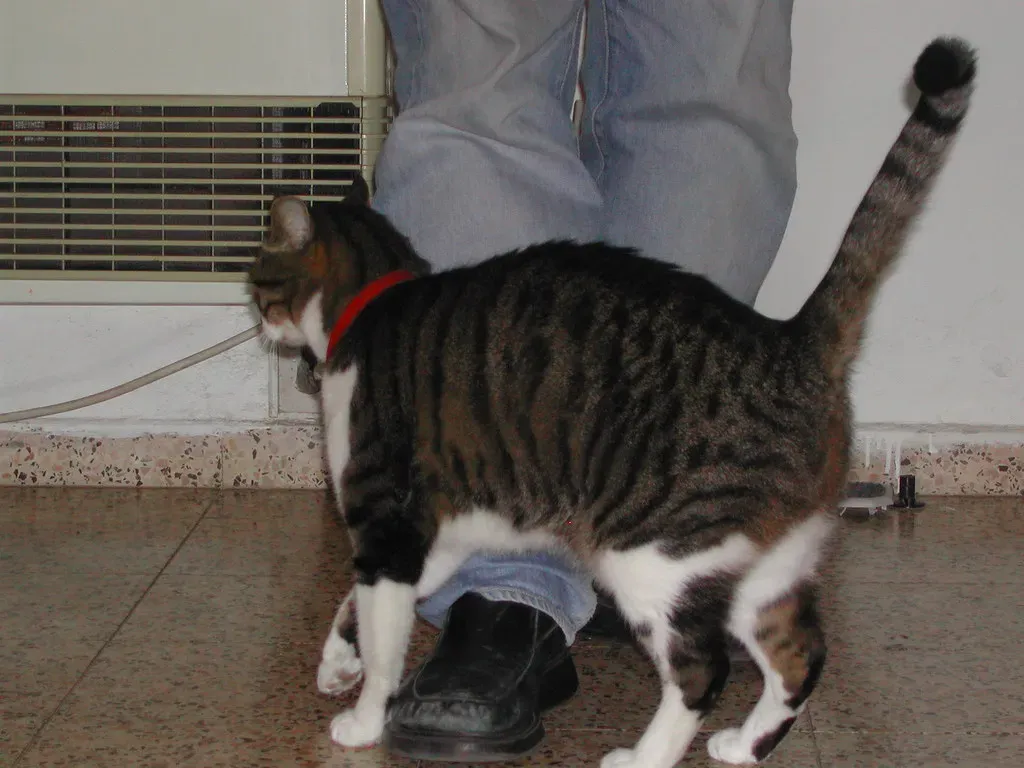
You have probably felt it countless times, that warm weaving motion as your cat winds between your ankles. It looks cute. It is also deeply meaningful. Cats use scent to identify members of their social group or family, by sharing a group scent profile. Cats have scent glands on their flanks, head and around their ears, and often rub their heads against people and objects that are familiar and comforting.
Cats have scent glands all over their bodies, in their chin, forehead, cheeks, lower back, tail, and paw pads. Rubbing against you is their way of leaving their smell on you and claiming you as their own. This behavior is called scenting. Cats use these scents to identify family members. So when your cat rubs their cheek against your leg, gives you a head-butt, or weaves figure-eights around your legs, they’re saying you’re family now. You are, essentially, wearing your cat’s perfume of approval.
The Slow Blink: Science Has Confirmed Your Cat’s “I Love You”
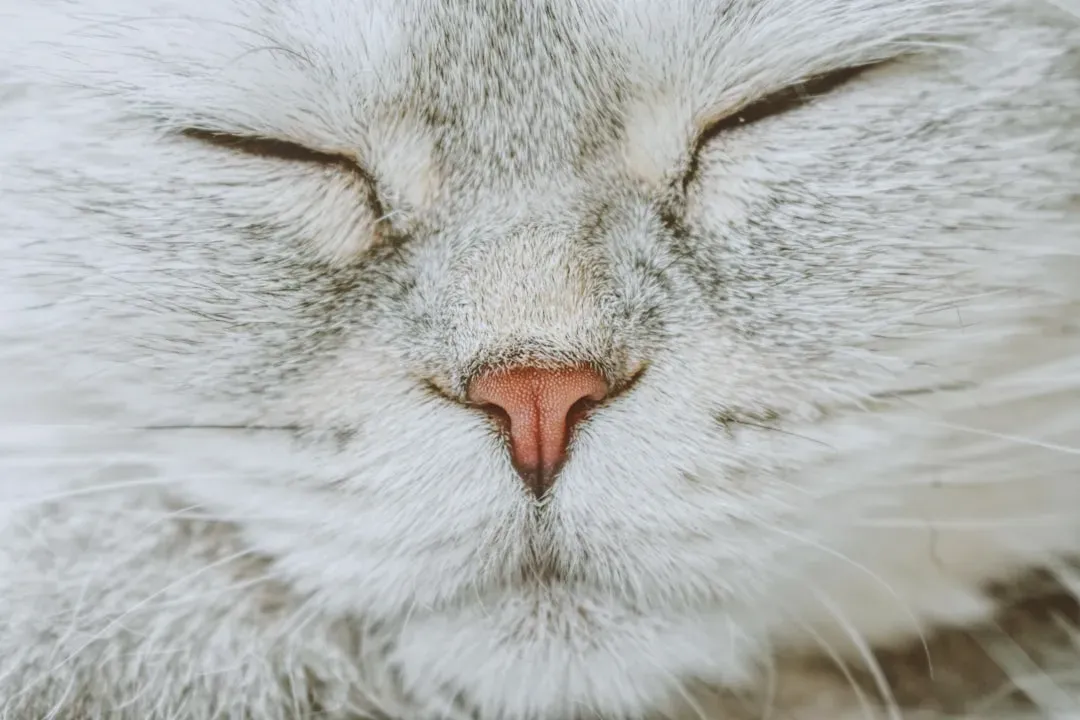
I think this might be one of the most quietly magical things in the entire animal world. Your cat catches your eye from across the room, holds your gaze for a second, and then slowly closes and reopens its eyes. It looks sleepy. It is actually a declaration. Animal behavior experts believe that a slow blink from your cat denotes that they trust you enough. That is, they feel safe, secure, and relaxed in your presence.
This is not just cat-owner folklore. Scientists from the University of Sussex and University of Portsmouth in the UK confirmed the magic effect of the slow blink in a study published in Scientific Reports called “The role of cat eye narrowing movements in cat-human communication.” The results were clear: cats more often offered a slow blink at their owners if the owners slow-blinked first. Cats were also more likely to approach an experimenter who was a stranger after a slow-blink exchange, as opposed to when the experimenter had a merely neutral expression. So try it tonight. Blink slowly at your cat and see what happens.
Vocalizations at the Door: When Your Cat Actually Talks to You
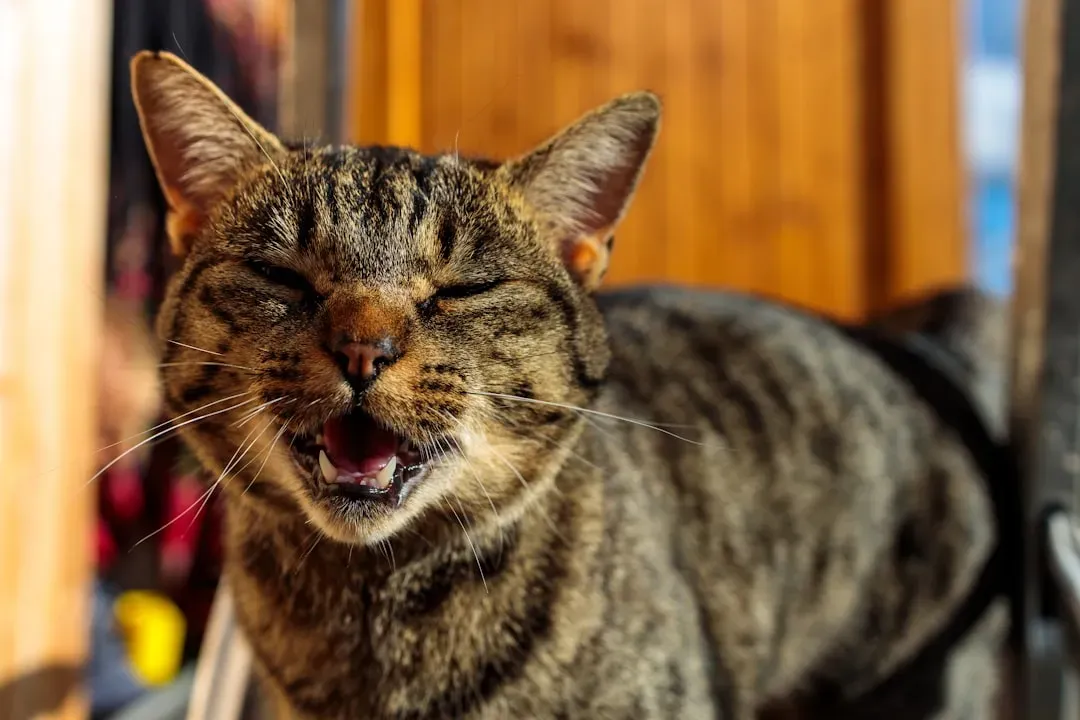
Not all cats are chatty, but the ones who greet you with a string of meows, chirps, or little trills at the door are telling you something important. Normal cat behavior does not much rely on actual vocalizations. Cats mostly use body language, posture, and scent to communicate. Most cat-to-cat vocalization is usually negative, consisting of hissing and growling. So when your cat breaks out into vocal greetings for you specifically, it is genuinely rare and meaningful.
The chirrup or trill greeting is a melodious sound that cats make when saying hello to preferred individuals. So if your cat sings to you in this way, be assured they are pleased to see you. Soft peeping sounds, called a trill, are also a sign that your cat loves and accepts you. If your cat chirps at you when you walk in, honestly, that is the feline equivalent of a happy dance.
The Belly Expose: Trust at Its Most Vulnerable
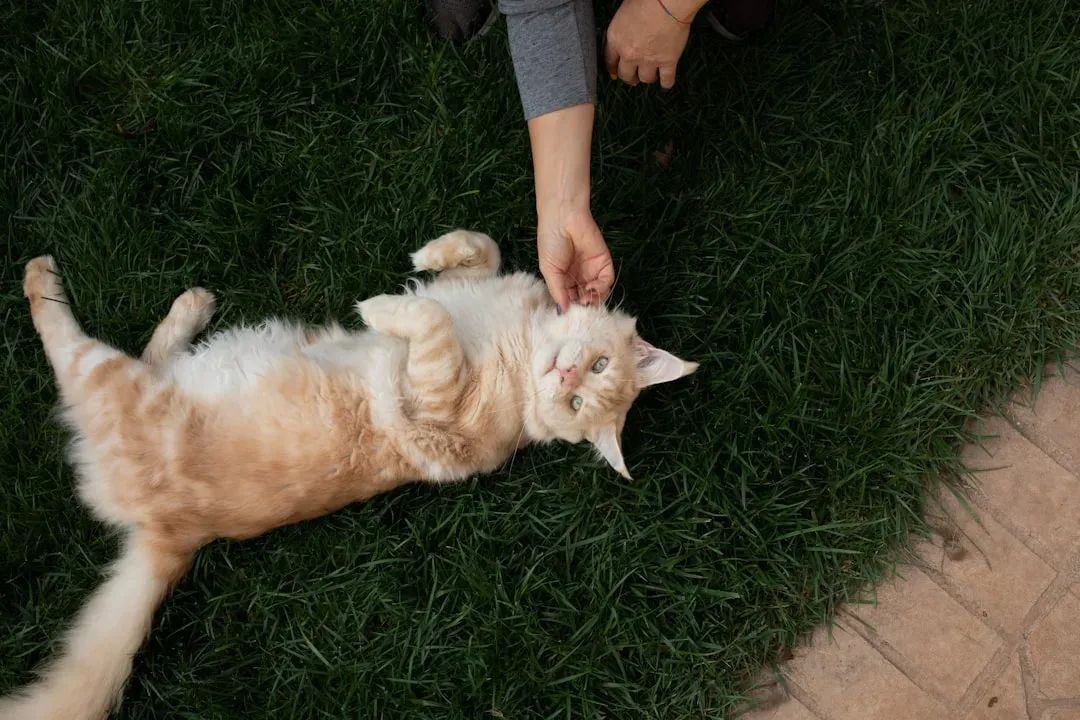
A cat rolling onto its back and showing you its belly when you walk in the room looks like an invitation for belly rubs. Sometimes it is. More often, it means something even better. Some cats like to lie around and, rather than exert energy to come see you, they will instead roll over and expose their belly. This doesn’t mean they want you to come over and rub their belly. Instead, they’re showing that they feel safe, and the exposed belly shows they’re willing to leave themselves vulnerable.
If a cat feels comfortable enough to offer up their belly for a rub, this is the ultimate sign of trust and affection. Think about it from a survival perspective. The belly is the most exposed, unprotected part of a cat’s body. Showing it to you means your cat genuinely believes you will not harm them. That level of trust is not given lightly. Keep in mind that just because your cat is showing you their tummy, it does not necessarily mean they are open for belly rubs. Some cats do enjoy being petted here, but many others do not. Pay close attention to the rest of your cat’s body language to avoid getting scratched.
Purring as a Greeting: The Sound of Safety
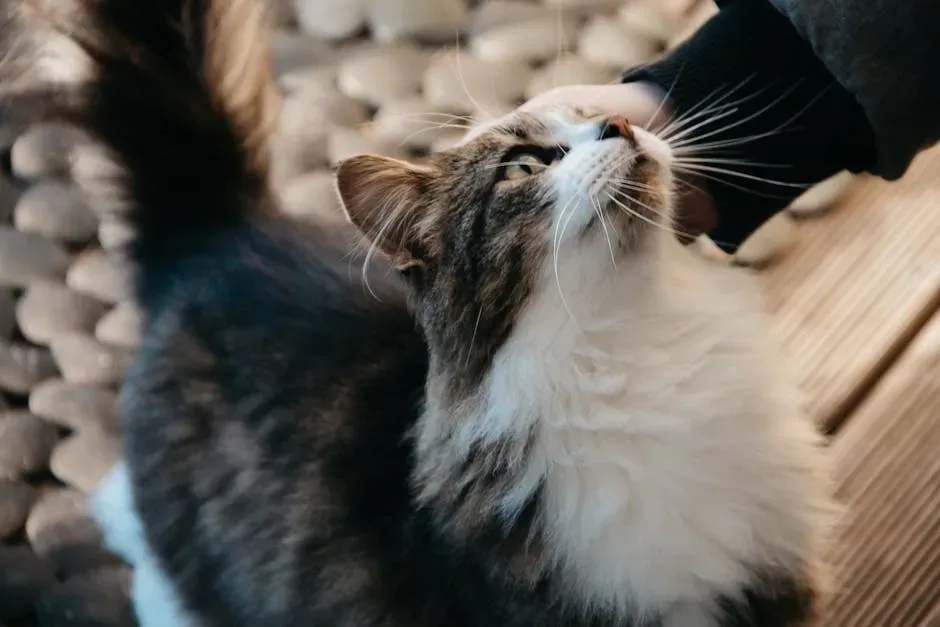
That rolling, rhythmic purr that starts up the moment your cat hears your key in the door is not just background noise. Purring often strengthens the bond between a cat and their human. It’s a non-verbal way of communicating trust and affection. Mother cats and kittens purr to comfort one another, and this behavior carries into adulthood. In this sense, purring becomes a social tool that cats use to express safety and connection.
Here is something worth knowing, though. Not all purrs mean the same thing. Not all purrs are created equal. Researchers have identified various types that cats use in different contexts. For example, a “solicitation purr” is a specific type that includes a high-frequency element, similar to a baby’s cry, designed to grab the attention of people and elicit a response, such as feeding. So when your cat greets you with a gentle, relaxed purr rather than that urgent, needy one, you can tell the difference. A cat’s purr usually translates to a greeting whenever their tail is held up straight. When you see both together, that is your cat saying it is genuinely happy you are home.
Following You Around: Shadowing as a Sign of Deep Attachment
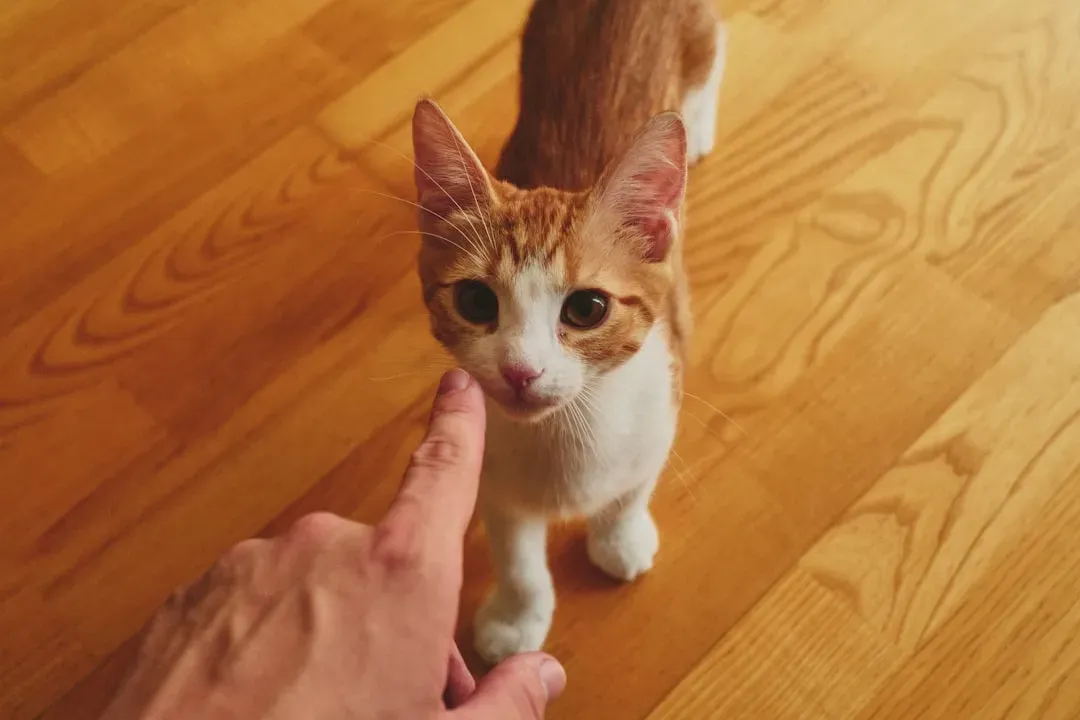
Some people find it mildly unsettling when their cat trails them from room to room, watching them make coffee, sitting outside the bathroom door. Let’s be real though, it is actually one of the most touching things a cat can do. When they choose to follow you, it means they genuinely enjoy your company and want to be near you. They see you as a source of safety and comfort, and being close to you makes them feel secure.
A cat that shadows you through the house isn’t being needy, but actually showing social attachment. This cat behavior reflects a cat’s strong bond and a desire to stay connected to their chosen person. Think of it like a close friend who just wants to be in the same room. They are not demanding anything from you. They simply feel better when you are near. Responding to your cat’s affection and interacting with them can trigger the release of oxytocin, the love hormone, in both of you and strengthen your bond.
Conclusion: Your Cat Is Telling You a Story Every Single Day
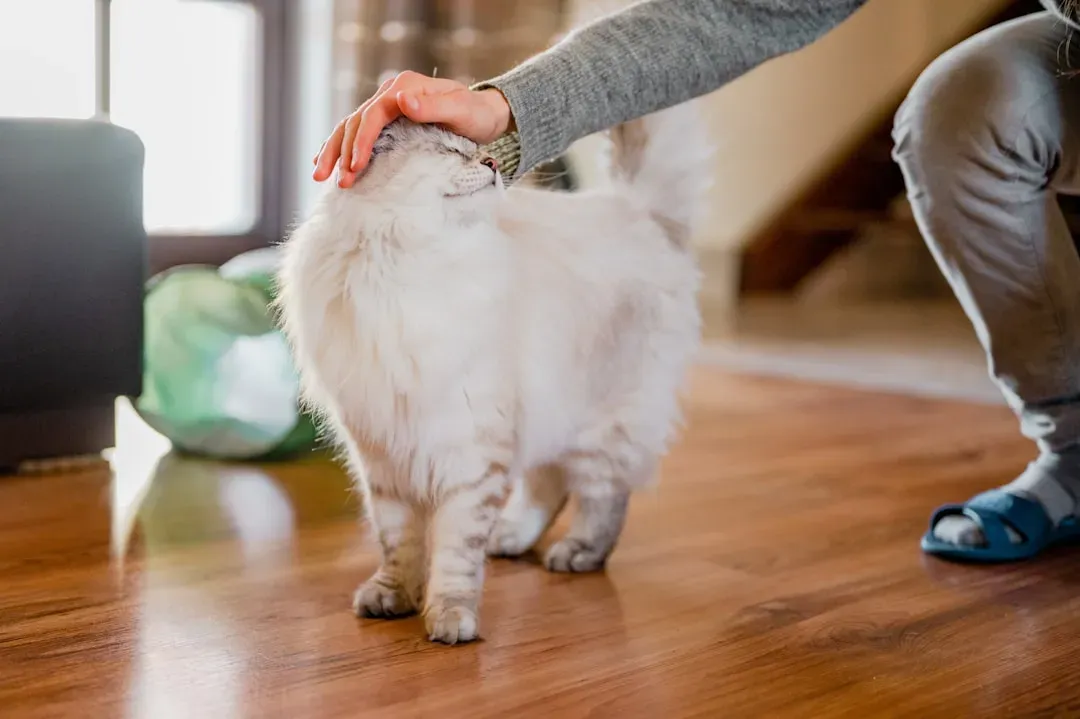
Every time your cat greets you, something remarkable is being communicated. Through tail position, vocalizations, slow blinks, and gentle head bumps, your cat is narrating a story of trust earned and affection freely given. Cats show love differently than humans do, often expressing affection through subtle behaviors. Slow blinking, headbutting, and following you around are all signs a cat loves you. Every cat expresses affection in their own way, so learn to read your cat’s body language cues.
The beauty of it all is that once you start reading those signals, you will never look at your cat the same way again. That slow blink across the room? A kiss. That tail raised high as your cat trots toward you? Pure joy. Every cat is unique, and observing and understanding your cat’s specific signals is crucial. By being attentive to their cues, you can respect their individual love language and reciprocate in a way that resonates with them.
Your cat has been speaking to you this whole time. Now that you know the language, you can finally speak back. What greeting does your cat give you every day? Tell us in the comments!