You’ve probably noticed your cat’s elegant whiskers twitching and swaying as they explore the world around them. Those long, magnificent hairs aren’t just adorable facial features that make your feline friend look distinguished. They’re actually something far more extraordinary than you might imagine.
Your cat’s whiskers are sophisticated sensory tools located on their muzzle, above the eyes, on the chin, and even on the backs of their front legs, deeply embedded in the body and connected to the muscular and nervous system. Think of them as your cat’s personal radar system, constantly feeding information to their brain. These remarkable structures are working overtime every single second, picking up tiny vibrations in the air and helping your cat navigate through life with precision. So let’s dive into the whisker wonderland and discover what these fascinating features are secretly telling you.
They’re Broadcasting Your Cat’s Emotional State Like a Mood Ring
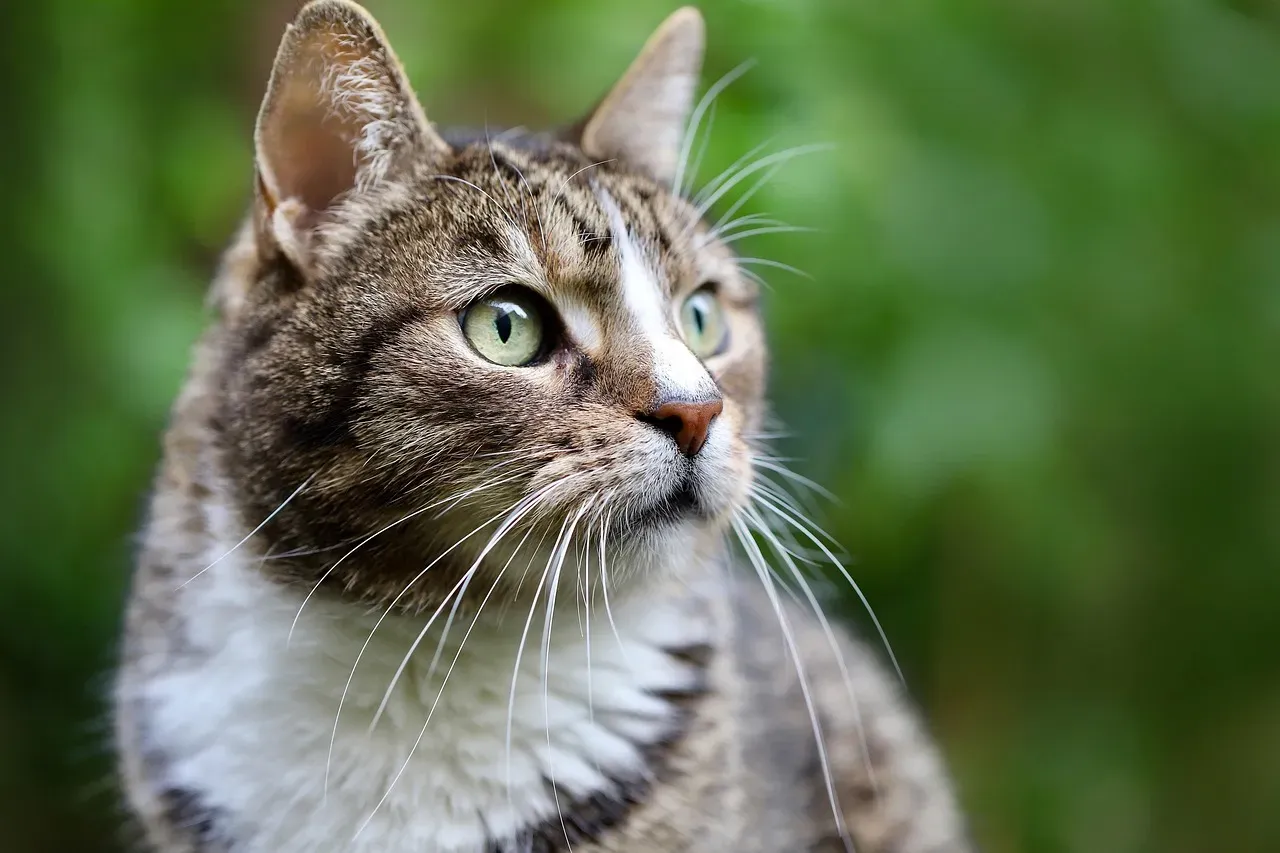
When your cat is happy, contented, or relaxed, their whiskers rest in a neutral position slightly to the side. It’s basically your cat’s way of saying everything is right with their world. When a cat’s interest is engaged, whiskers pull forward and fan out, and the mouth is closed with loose lips, making the muzzle appear slightly plumped up.
Here’s where things get really interesting. Whiskers pulled back tightly to the face signal aggression, while in the case of offensive aggression, whiskers and ears point forward. Learning to read these subtle shifts can help you understand exactly how your furry companion is feeling at any given moment, which is honestly pretty amazing when you think about it.
They Act Like Night Vision Goggles in Total Darkness

One of the most remarkable functions of cat whiskers is navigation, with these hairs being roughly as wide as a cat’s body, helping them gauge whether they can fit through narrow spaces, which is a vital tool especially at night, as cats are naturally nocturnal animals. Your cat isn’t stumbling around in the dark hoping for the best.
As cats move, their whiskers constantly scan the surroundings, with the nerves at the whisker bases sending information to the brain about objects’ size, shape, and speed, helping cats avoid obstacles, even in complete darkness. It’s like having built-in sensors that detect air currents bouncing off furniture and walls. Pretty sophisticated for something that just looks like fancy facial hair, right?
They’re Secretly Measuring Doorways and Tight Spaces

Ever watched your cat poke their head into a narrow opening before squeezing through? They’re not just being curious. The mystacial whiskers help cats determine whether they can fit through a small opening, as theoretically, mystacial whiskers are about the same as the cat’s body width, so when cats poke their head into an opening, they’re doing a whisker measurement check to see if they can fit.
This natural measuring system works brilliantly for most cats. There’s just one small caveat though. If the cat is overweight that whisker function isn’t always accurate. So if your slightly pudgy kitty has ever gotten stuck somewhere, well, now you know why their built-in measuring tape might have failed them.
They’re Essential Hunting Tools Even During Playtime
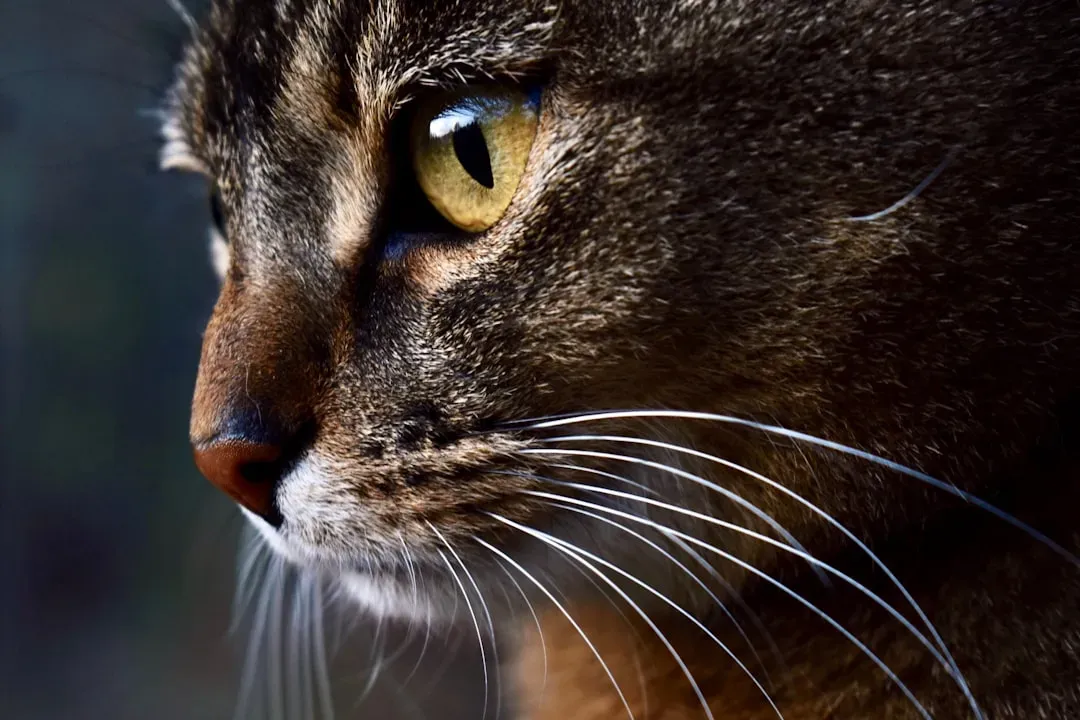
Beyond navigation, whiskers help in hunting, as the sensitivity of these hairs can detect the slightest movement, like the scurrying of a mouse, enabling a cat to accurately pinpoint and catch their prey. This applies whether your cat is stalking actual prey outdoors or that feather toy you’re dangling in the living room.
The carpal whiskers, located on the underside of the cat’s wrist are very useful in hunting, as when the cat has prey captured in their paws, the carpal whiskers help determine if there’s any movement, and since cats can’t see as well up close, the carpal whiskers also help determine the position of the prey to help in delivering an accurate killing bite. It sounds a bit intense when you put it that way, but it’s nature’s design at its finest.
They’re Connected to Nearly Half of Your Cat’s Brain Power
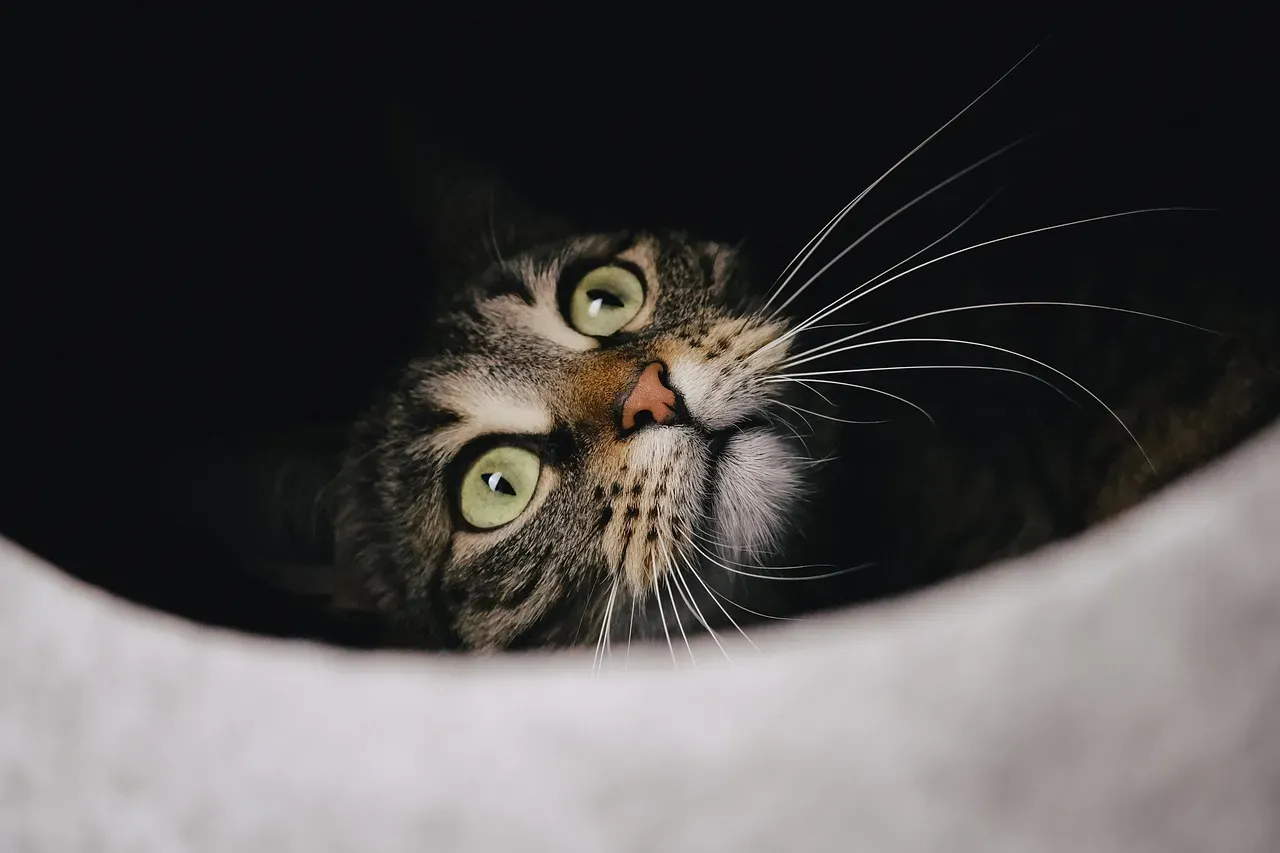
Let’s be real, this fact is genuinely mind-blowing. A good portion of the cat’s brain is devoted to processing data from touch sensors, with whiskers being reliable touch sensors and almost 40% of the brain’s sensory area aligning with body parts that have whiskers, meaning each individual whisker can be traced back to a specific spot in the brain.
Each cat whisker follicle can be associated with as many as 100-200 neurons, and overstimulation of the whisker, or whisker fatigue, is a real issue. That’s an enormous amount of neurological real estate dedicated to those elegant hairs. Your cat is literally experiencing the world through their whiskers in ways we can barely comprehend.
They Can Suffer From Whisker Fatigue and It’s More Common Than You Think
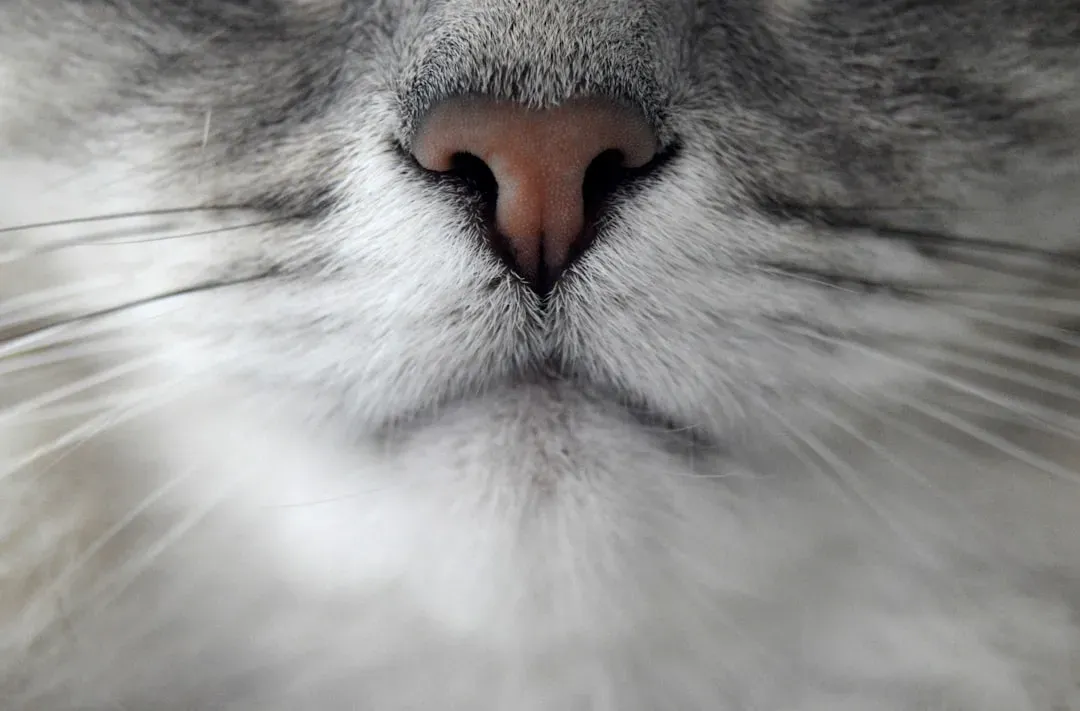
Whisker fatigue is a relatively newly recognized condition that occurs when cats’ whiskers are over-stimulated, often by frequently touching against the sides of their food or water bowls. If your cat has been acting weird around their food dish lately, pawing food out onto the floor, or seeming stressed at mealtime, this might be the culprit.
Whisker fatigue isn’t just about dish size, as it can also be caused by overly cramped living spaces or overly stimulating environments, and creating a whisker-friendly home environment can greatly improve a cat’s mood and wellbeing. Switching to shallow, wide bowls can make a huge difference. Sometimes the simplest solutions create the biggest improvements in your cat’s quality of life.
They’re So Vital That Losing Them Seriously Disorients Your Cat
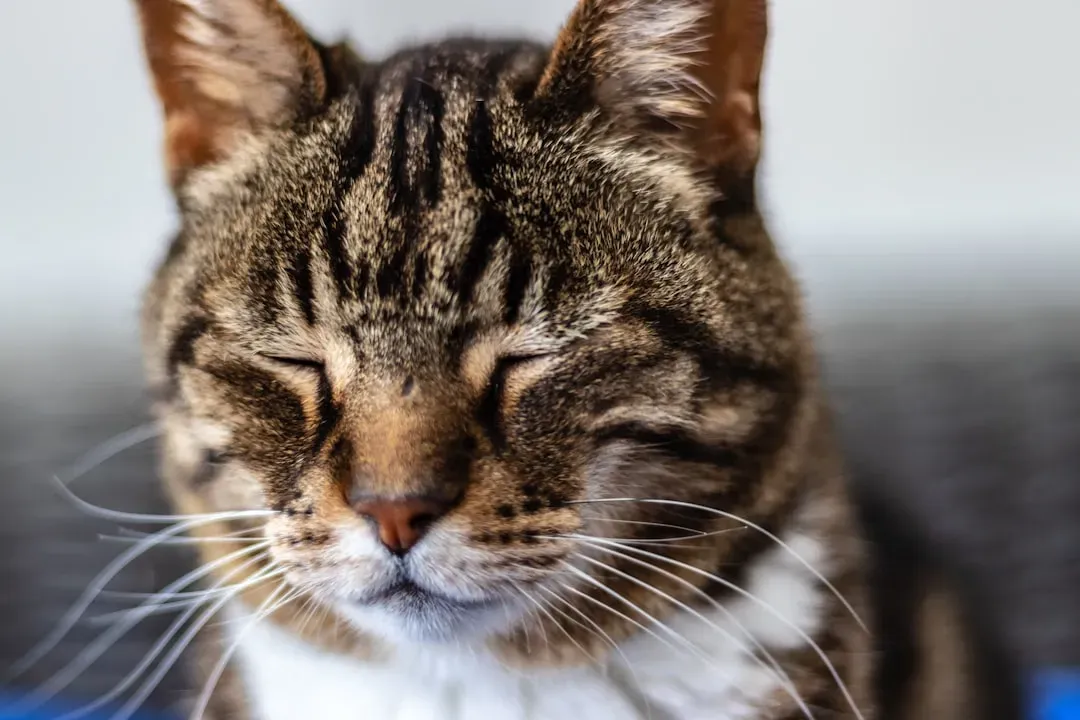
Trimming a cat’s whiskers can cause disorientation, stress, and impaired ability to navigate their environment, and it’s akin to blinding their sensory perception. Never, ever trim your cat’s whiskers, even if they seem overly long or uneven. The whiskers are so valuable that if cut or chewed off, they can inhibit hunting ability and even the cat’s ability to navigate around the environment.
The good news is that whiskers do naturally shed and regrow, just like regular hair. Cats shed not only their fur but also their whiskers, and as long as the whiskers shed naturally and the hair follicles are not damaged, the whiskers will grow back, with typically no more than one or two whiskers shedding naturally at a time, taking anywhere from 6 weeks to 3 months for the whisker to grow back and be functional. Still, damaging them intentionally can leave your cat feeling confused and vulnerable in their own home.
Conclusion
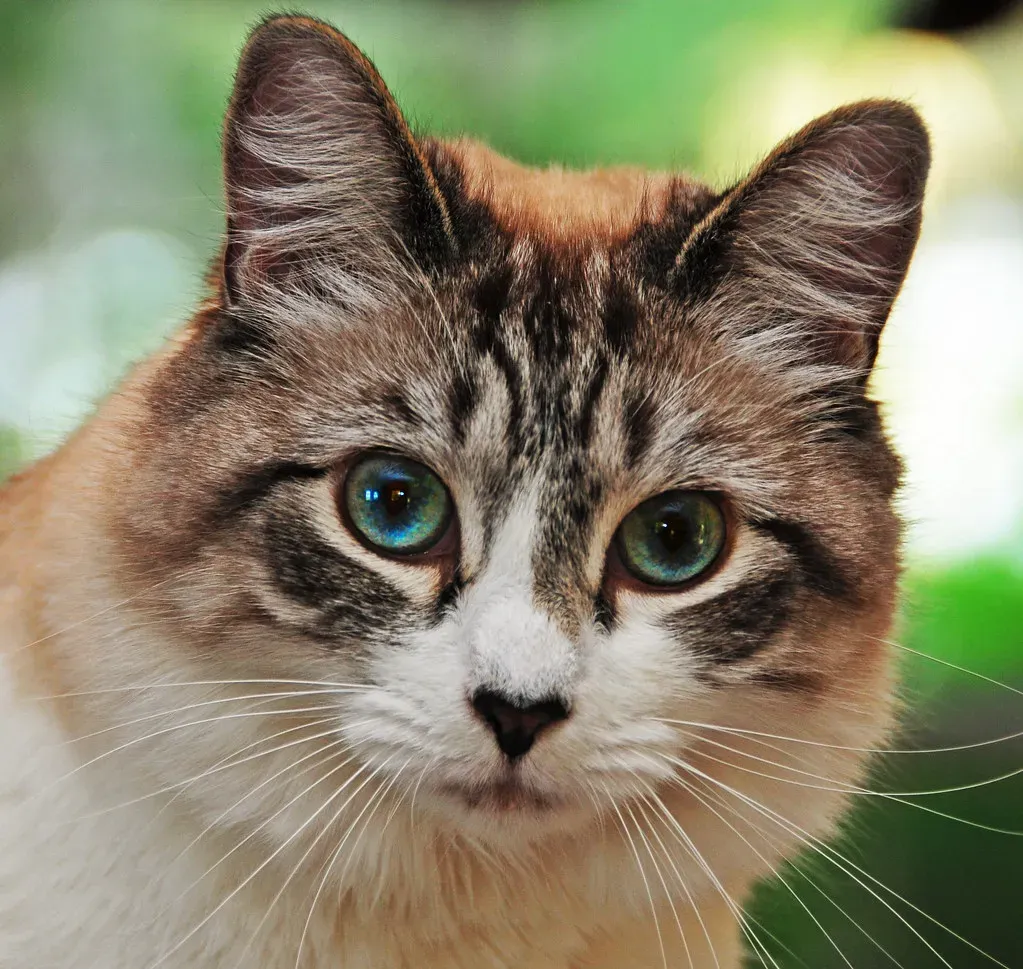
Your cat’s whiskers are truly remarkable sensory organs that do so much more than just frame that adorable face. They’re mood indicators, navigation systems, measuring tools, hunting aids, and direct connections to nearly half of your cat’s brain. These specialized hairs help your feline companion experience and interpret the world in ways that seem almost magical.
Understanding what those whiskers are telling you opens up a whole new dimension of communication with your cat. Pay attention to whether they’re relaxed to the sides, pushed forward with curiosity, or pulled back in fear. Make sure their food bowls are wide enough to prevent whisker fatigue. Most importantly, treat those whiskers with the respect they deserve because they’re absolutely essential to your cat’s wellbeing and happiness. Did you notice something new about your cat’s whiskers today? What do you think their whiskers are telling you right now?