Brigitte Bardot, the French film star who became one of the most recognizable faces of 20th-century cinema, died at age 91 on December 27, 2025. While many remember her for the glamour and allure she brought to screens in classics like And God Created Woman, her lifelong commitment to animals stands as an equally defining part of her story. In her later years Bardot transformed her platform into a powerful force for animal welfare, forging a deep and lasting bond with advocates and organizations worldwide, including People for the Ethical Treatment of Animals (PETA).
From Screen Siren to Animal Defender
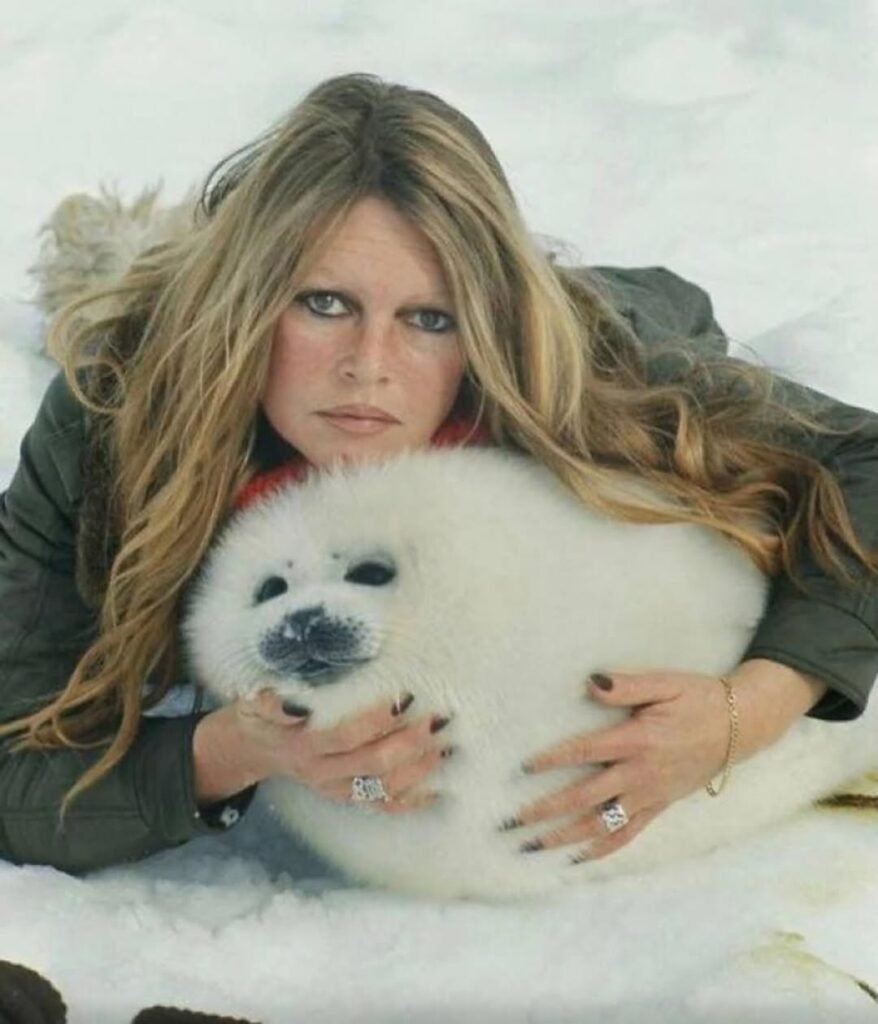
Brigitte Bardot’s ascent to fame began in post-war France, where her roles soon made her an international star. Yet, as her celebrity grew, so did her awareness of the suffering suffered by animals. In the early 1970s she chose to step away from acting and devoted herself entirely to animal advocacy. This transition was not a hobby or a side interest but a passionate, purposeful pursuit that would occupy the rest of her life.
In 1986 Bardot took a monumental step by establishing the Brigitte Bardot Foundation for the Welfare and Protection of Animals. She funded the foundation by selling her own jewelry and personal belongings, turning personal treasures into tools of activism. The foundation campaigned against various forms of cruelty, from seal hunts to factory farming, becoming a respected voice for animals in France and beyond.
A Vegetarian Life and Daily Advocacy
Bardot was a lifelong vegetarian who often reminded others of her philosophy with a simple but resonant phrase: animals are friends, not food. Surrounded by a diverse menagerie of rescued animals on her property in the south of France, she lived out her principles daily. Dogs, cats, horses, goats, and other creatures found refuge under her care, embodying the compassion she championed.
Her activism extended far beyond her home. On her 80th birthday, Bardot penned an open letter urging the French government to close horse slaughterhouses and eliminate ritual slaughter, demonstrating her willingness to tackle difficult cultural issues head-on and use her voice to influence public discourse.
Partnership with PETA and Global Campaigns
Bardot’s work often aligned with PETA’s mission, and she became a steadfast ally in numerous campaigns. She collaborated with PETA UK to pressure a major British department store to stop selling foie gras, a campaign that ultimately saw success when the retailer ceased those sales. Bardot did not shy away from confronting individuals and institutions she believed perpetuated cruelty.
She also backed PETA-led efforts to end Canada’s annual seal slaughter, even supporting calls to boycott Canadian maple syrup until the practice ended. Her willingness to engage in direct, public protest highlighted her commitment to change, no matter how entrenched the tradition.
Campaigns Beyond Borders
Bardot’s activism transcended geographical limits. She joined calls for the release of an isolated elephant at the Manila Zoo, opposed cruel scientific experiments on primates, and spoke out against practices she saw as exploitative in the horse-meat trade. Her reach became truly global, inspiring activists in Europe, Asia, and the Americas.
Her campaign for animal rights was not merely rhetorical; it involved years of persistent advocacy, fundraising, and public engagement. Bardot believed deeply in the interconnectedness of life, urging future generations to recognize the intrinsic value of all creatures.
Reflections from PETA and the Legacy She Leaves
In reaction to her passing, PETA founder Ingrid Newkirk honored Bardot as an “angel for animals,” noting that her efforts helped cultivate a more compassionate world. Newkirk called on the public to commemorate Bardot’s legacy by doing something kind for animals in her memory, an appeal that reflects the values Bardot embodied throughout her life.
Her contributions to animal welfare, both through her foundation and her collaborations with organizations like PETA, helped elevate animal rights from a fringe concern to a global movement with real influence. Bardot’s voice was unmistakable: she believed defending animals was not just an act of kindness, but a moral imperative.
Brigitte Bardot’s journey from film icon to fervent animal rights advocate reshaped the trajectory of animal welfare activism. Her life’s work—marked by personal sacrifice, fearless public advocacy, and unwavering dedication—helped draw international attention to the plight of animals. Though she has passed, the foundation she built and the movements she supported continue to advance the cause she lived for. Her partnership with groups like PETA stands as a testament to the impact a single committed individual can have on the lives of countless others, human and animal alike.