The Chartreux: France’s Living Legend Nearly Lost Forever

Picture this: monks in medieval France breeding cats so perfect they became the stuff of legends. The Chartreux, with their woolly blue-gray coats and copper eyes, were once the pride of French monasteries. But by the 1960s, these magnificent felines had almost vanished from the face of the earth.
World War II devastated their population, and crossbreeding with British Blues nearly erased their unique genetics. Only through the dedicated efforts of French breeders who scoured the countryside for surviving cats did this ancient breed make its remarkable comeback. Today, the Chartreux stands as a testament to what passionate preservation can achieve.
Scottish Fold: The Ear-Folding Miracle That Almost Disappeared
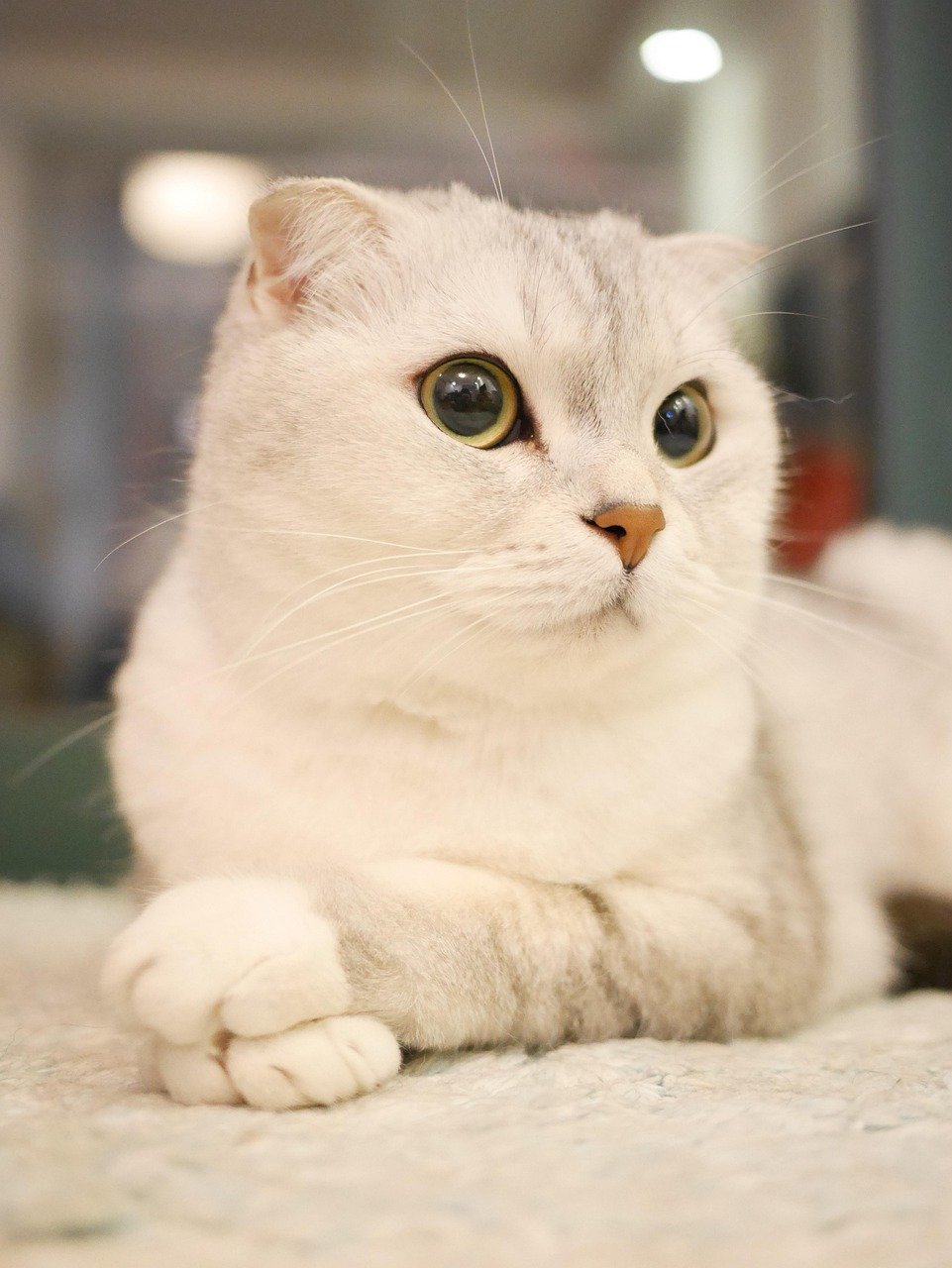
A barn cat named Susie in Scotland changed feline history forever when she was discovered in 1961. Her distinctive folded ears, caused by a genetic mutation, made her look like a living stuffed animal. But this adorable trait came with a price that nearly ended the breed before it began.
The same gene that creates those cute folded ears can cause serious skeletal problems. Many countries banned breeding programs, and the Scottish Fold population plummeted. Thanks to careful selective breeding and strict health testing, these owl-like cats survived their near-extinction and now charm families worldwide.
Turkish Angora: Swimming Against the Tide of Time
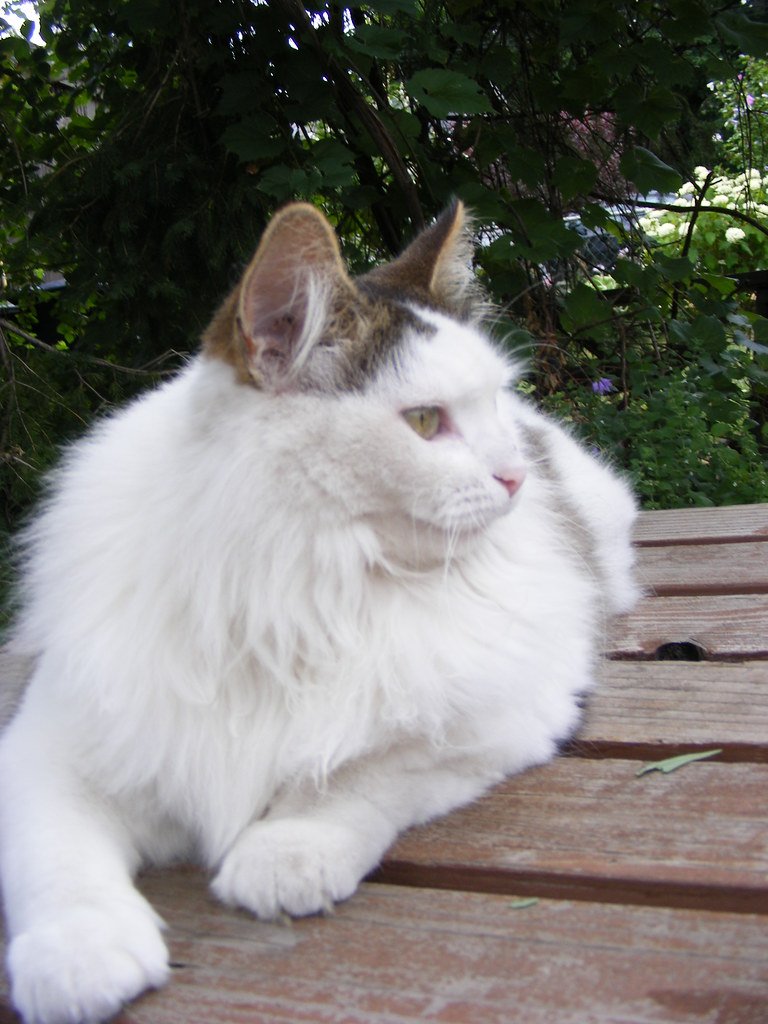
Long before Persian cats dominated the long-haired cat world, Turkish Angoras were the original aristocrats of the feline kingdom. These elegant cats with their silky coats and graceful movements were treasures of the Ottoman Empire. Yet by the early 1900s, they had nearly vanished due to extensive crossbreeding with Persians.
The Turkish government stepped in with an unprecedented move – they established a breeding program at the Ankara Zoo to save their national treasure. For decades, these cats were protected like crown jewels, with exports strictly controlled. This government intervention literally saved the breed from extinction.
LaPerm: The Curly-Coated Survivor Born from One Special Cat
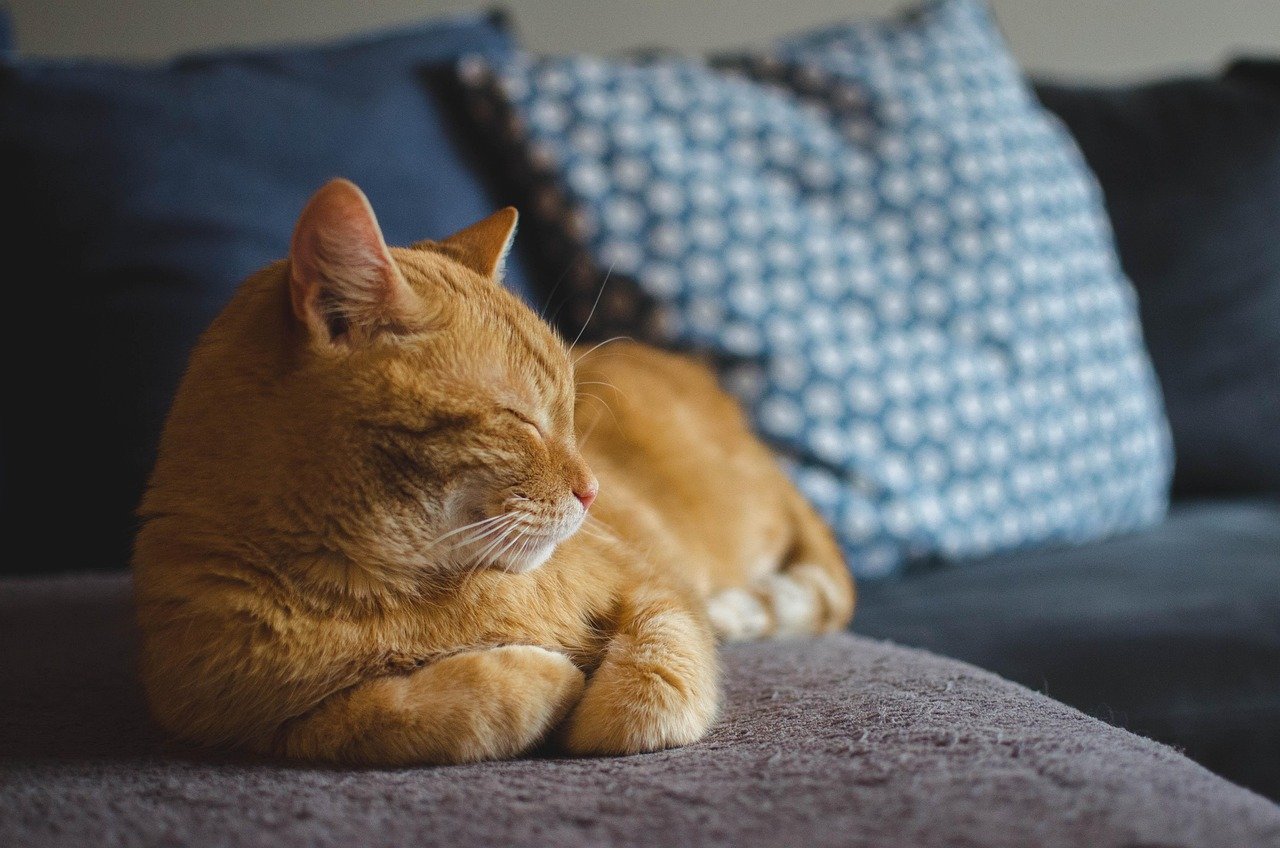
Sometimes salvation comes from the most unexpected places. In 1982, a barn cat in Oregon gave birth to a bald kitten that seemed destined for a short life. But this little survivor grew the most extraordinary curly coat anyone had ever seen on a cat.
Named Curly, this single cat became the foundation for an entire breed. The LaPerm’s journey from one unique kitten to an established breed shows how quickly genetics can create something magical. Without careful breeding programs and dedicated fanciers, this one-of-a-kind coat pattern could have disappeared with Curly’s bloodline.
Sokoke: Africa’s Forest Cat That Nearly Faded into Legend
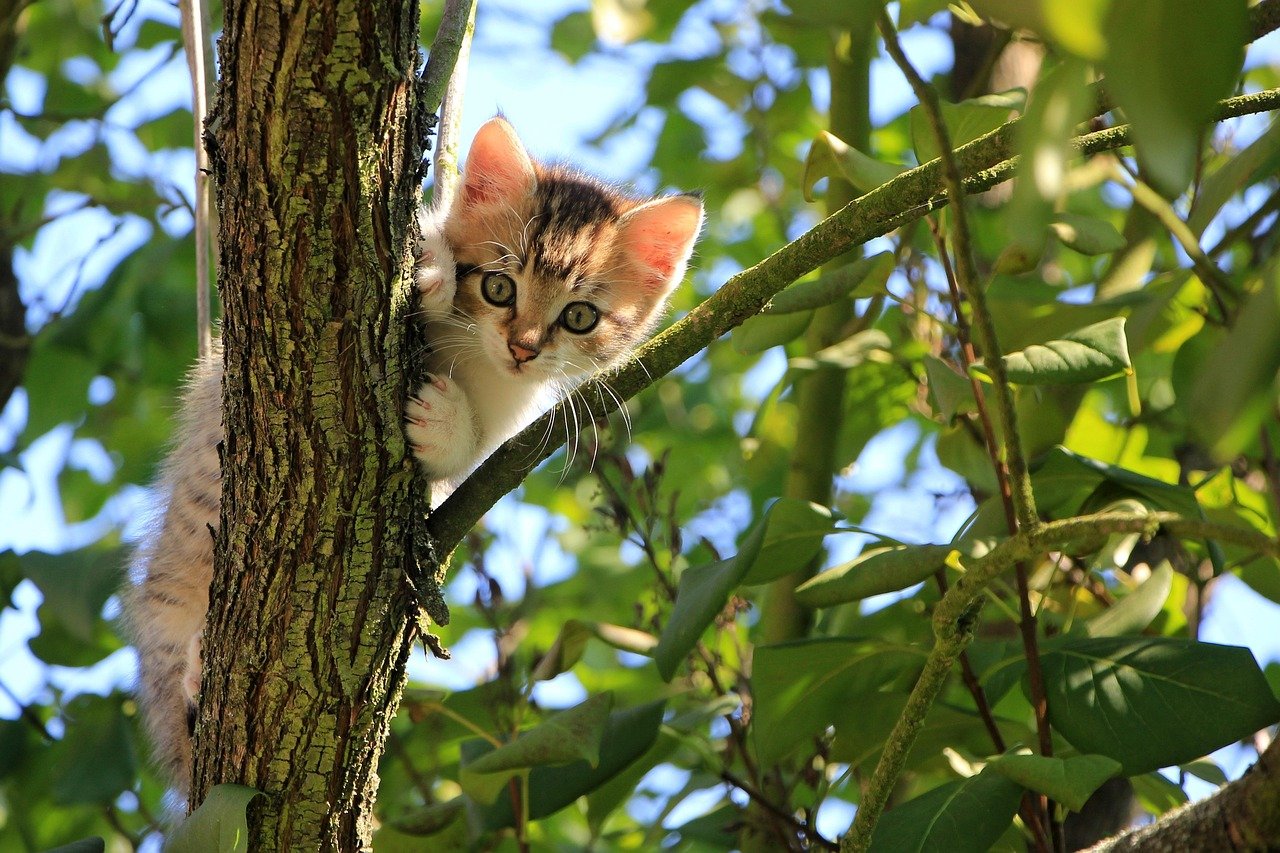
Hidden in the coastal forests of Kenya, the Sokoke lived as a semi-wild cat for centuries before the outside world discovered them. These athletic cats with their distinctive wood-grain tabby patterns were perfectly adapted to their forest home. But deforestation and habitat loss pushed them to the brink of extinction.
In the 1970s, a small group of these cats was rescued and brought into breeding programs. The Sokoke’s survival story is particularly remarkable because they represent one of the few naturally occurring breeds from Africa. Their rescue required international cooperation and a race against time as their forest habitat continued to shrink.
The Power of Passionate Breeders
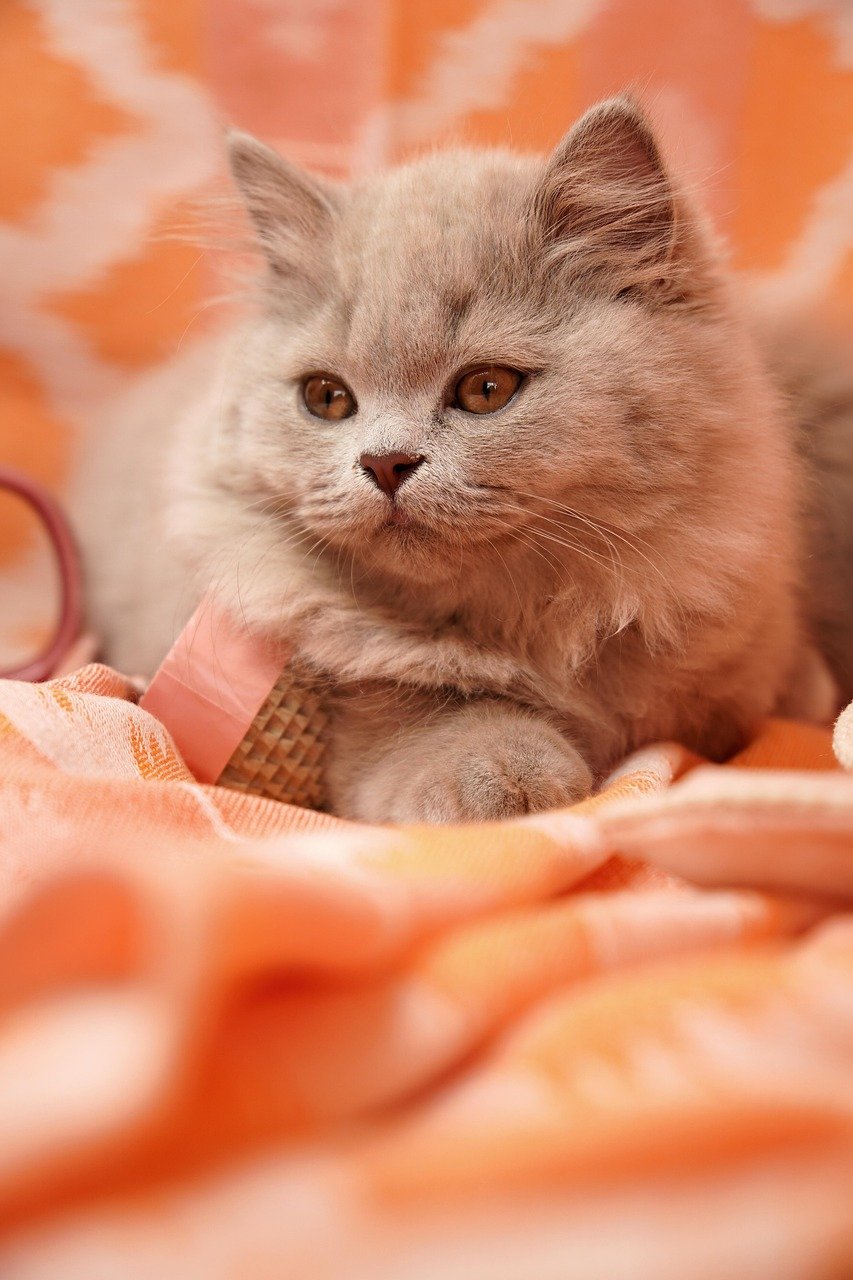
Behind every breed’s survival story stands a network of dedicated individuals who refused to let these cats disappear. These weren’t just casual pet owners – they were genetic detectives, historians, and conservationists rolled into one. They tracked down surviving cats, maintained detailed breeding records, and sometimes risked everything to save a bloodline.
Take the Chartreux revival, where French breeders literally went door-to-door in rural villages, looking for cats that matched historical descriptions. Their persistence paid off when they found small populations that had survived in isolated communities, preserving the breed’s unique characteristics.
Government Intervention: When Countries Step Up

The Turkish Angora’s story proves that sometimes official action makes all the difference. The Turkish government’s decision to protect their national cat breed was unprecedented in the feline world. They treated these cats like living cultural artifacts, carefully controlling breeding and exports to ensure genetic diversity.
This government program became a model for other countries facing similar situations. It showed that breed preservation requires more than just enthusiastic individuals – sometimes it takes institutional support and long-term planning to bring a breed back from the edge.
The Role of Genetic Diversity

Each rescue story highlights a crucial lesson: genetic diversity is everything. When a breed’s population drops too low, inbreeding becomes inevitable, leading to health problems and reduced fertility. The Scottish Fold’s challenges with skeletal issues remind us that even successful rescues require ongoing vigilance.
Modern breeders use DNA testing and careful pedigree analysis to maintain healthy populations. They’ve learned that saving a breed isn’t just about increasing numbers – it’s about preserving the genetic health that allows these cats to thrive for generations to come.
International Rescue Networks
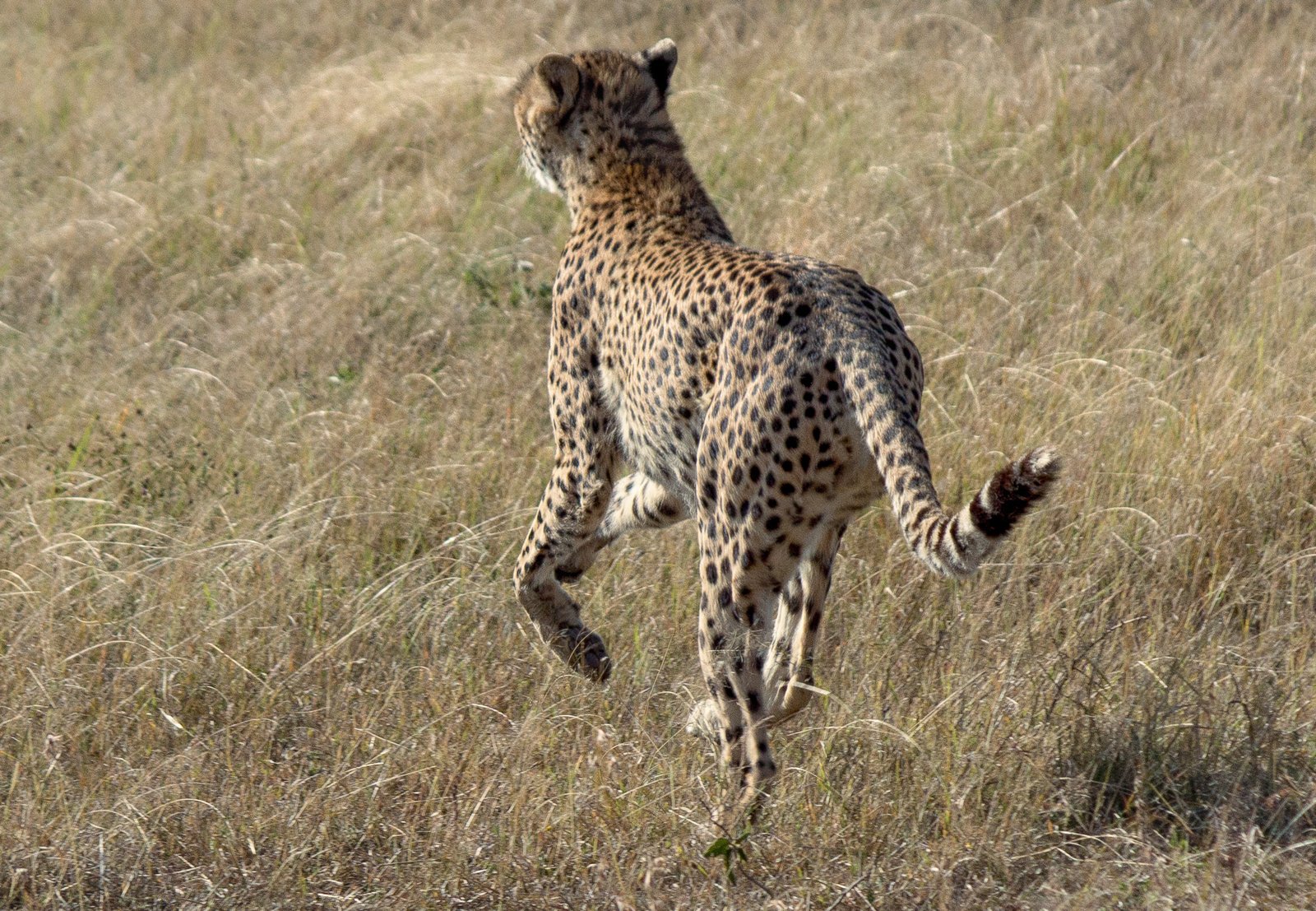
The Sokoke’s survival depended on creating connections between Kenyan forests and European breeding programs. This international cooperation became a blueprint for rescuing other rare breeds. Breeders shared cats across continents, maintained detailed records, and coordinated efforts to maximize genetic diversity.
Today’s breed rescue efforts rely heavily on these global networks. Social media and modern transportation have made it easier than ever to connect breeders worldwide, ensuring that no breed faces extinction alone.
From Barn Cats to Show Rings
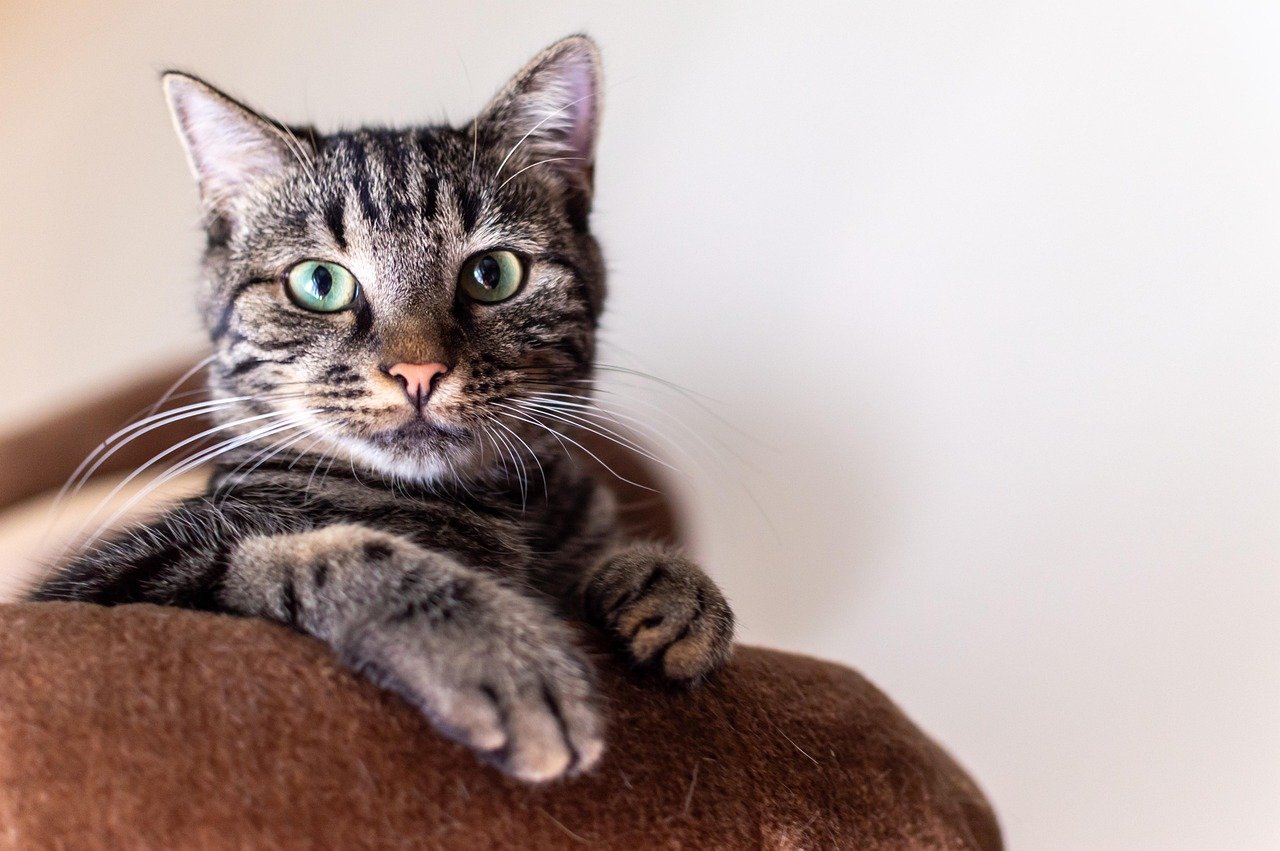
The LaPerm’s journey from a single barn kitten to an internationally recognized breed shows how modern cat fancy can embrace and preserve genetic uniqueness. Cat shows and breed registries now actively seek out and protect rare breeds, providing platforms for their promotion and preservation.
This transformation from working cats to show cats has been crucial for many breeds’ survival. Recognition by major cat associations brings attention, funding, and dedicated breeders who commit to long-term preservation efforts.
Modern Technology’s Role

Today’s breed rescue efforts benefit from advances that earlier conservationists could only dream of. DNA testing helps identify genetic bottlenecks and health issues before they become critical. Frozen embryo storage and artificial insemination techniques offer new possibilities for maintaining genetic diversity.
These technological tools have revolutionized breed conservation, allowing breeders to make informed decisions about pairings and health screening. What once required guesswork and luck now relies on scientific precision and careful planning.
The Ripple Effect of Rescue

Each successful breed rescue creates a ripple effect that benefits all rare breeds. The techniques developed to save the Chartreux inform efforts to preserve other endangered breeds. Success stories inspire new generations of breeders and conservationists to take up the cause.
These rescued breeds also contribute to our understanding of feline genetics and evolution. They preserve unique traits and behaviors that might otherwise be lost, adding richness to the domestic cat’s gene pool and our knowledge of feline diversity.
Conclusion: Hope for the Future
The remarkable recovery of these five breeds proves that extinction doesn’t have to be permanent. Through dedication, science, and sometimes a bit of luck, we can pull breeds back from the brink and ensure their survival for future generations. These success stories remind us that every cat breed represents a unique piece of our shared history with felines.
Their survival also highlights the importance of supporting breed preservation efforts today. Many other rare breeds still teeter on the edge of extinction, waiting for their own rescue stories to unfold. The lessons learned from these five breeds provide hope and guidance for future conservation efforts.
Which of these incredible comeback stories surprised you the most?

Hi, I’m Bola, a passionate writer and creative strategist with a knack for crafting compelling content that educates, inspires, and connects. Over the years, I’ve honed my skills across various writing fields, including content creation, copywriting, online course development, and video scriptwriting.
When I’m not at my desk, you’ll find me exploring new ideas, reading books, or brainstorming creative ways to solve challenges. I believe that words have the power to transform, and I’m here to help you leverage that power for success.
Thanks for stopping by, Keep coming to this website to checkout new articles form me. You’d always love it!