You’ve probably stared at your cat sprawled across the couch, eyes shut, completely unbothered by the world, and thought: must be nice. I know I have. There’s something almost infuriating about how effortlessly a cat can collapse into bliss while you’re still on your third cup of coffee trying to focus. The thing is, that unshakeable ability to nap isn’t laziness. It’s engineering.
Your cat’s sleep habits are the result of millions of years of biological fine-tuning. Every curl, twitch, and stretch is part of a larger system built for survival, recovery, and peak performance. There’s a lot more going on behind those closed eyes than most owners realize. Let’s dive in.
The Shocking Truth About How Long Cats Actually Sleep
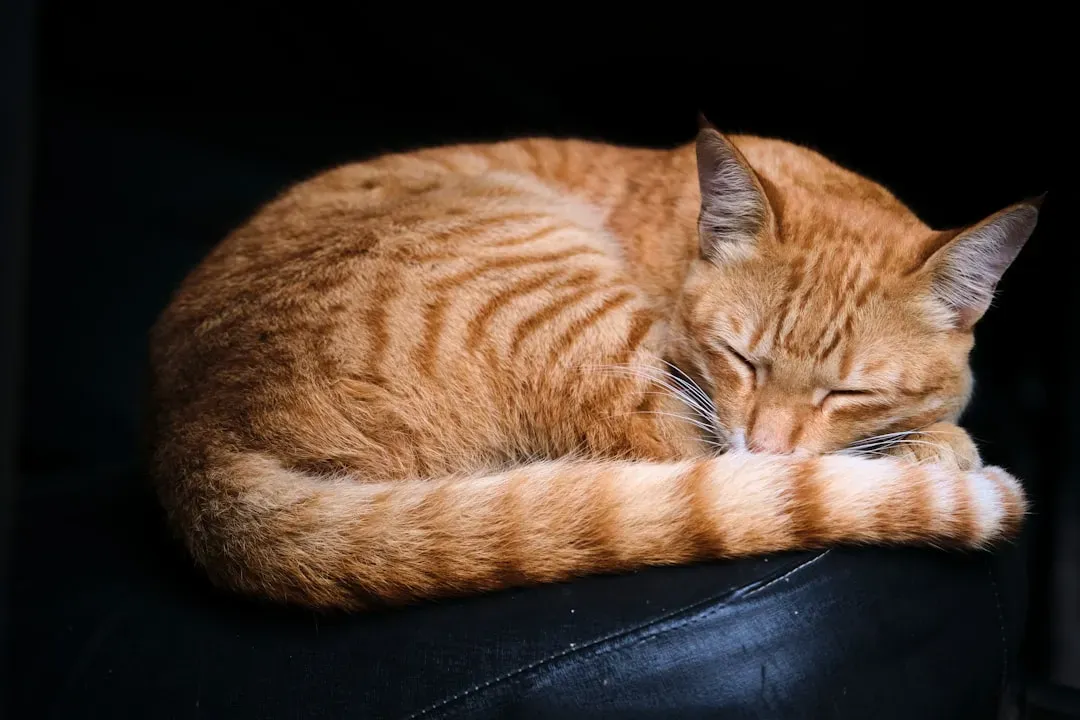
If you think your cat sleeps a lot, you’re not imagining it. On average, cats sleep between 13 and 16 hours in a 24-hour day, roughly twice the amount their human owners require. That’s not a fluke or a sign of something wrong. It’s just how they’re built.
Here’s what really gets me though. According to veterinary experts, cats normally sleep anywhere from 12 to 20 hours a day, with the average sitting at 15 hours, and a staggering 40 percent of all cats sleeping over 18 hours daily. Think about that. Nearly half of all pet cats are asleep for more hours than most people are awake. It’s almost incomprehensible.
Cats sleep between 12 and 16 hours a day, and to humans who need about seven hours of sleep during adulthood, that seems like a lot of time spent snoozing. When you think about it, though, it’s not all that surprising given what cats are wired to do. Their bodies demand it, plain and simple.
Hardwired to Hibernate: The Evolutionary Reason Behind It All
Your cat sleeps so much because of their biological wiring. Even though your cat might just be hunting for kibble, their bodies are built for the “hunt, feast, sleep, repeat” cycle of a predator, and all that sleep helps them conserve energy for their next burst of activity. Think of them like a sports car that runs intensely for short bursts and then needs the engine to cool down completely.
Cats are natural predators. Their prey is quick and elusive, and sneaking up and pouncing repeatedly is undoubtedly exhausting. Cats in the wild work hard to meet their dietary needs, and expending that kind of physical effort requires a lot of recharging. Even your house cat who has never hunted a single thing in her life is still running on that ancient software.
In a word: heredity. As a species, cats whether they sleep on the street or cuddle on a sofa are all hardwired to the same internal clock, and it generally has the snooze button depressed. Thousands of years of domestication haven’t changed that core biological truth one bit.
Crepuscular, Not Nocturnal: Your Cat Lives on a Different Clock
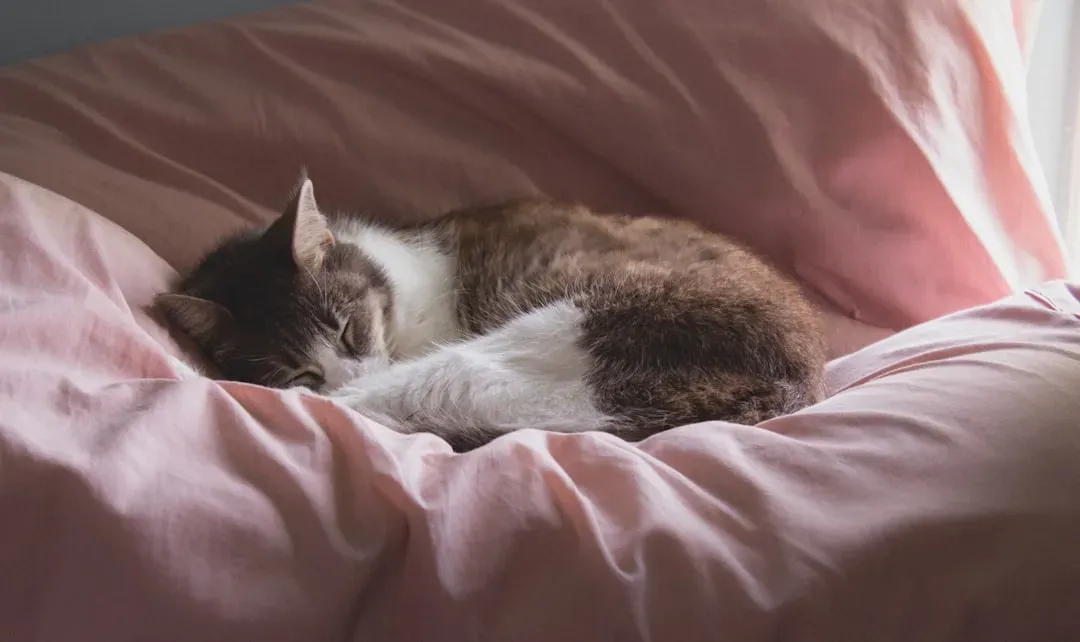
Let’s be real, most people assume their cats are nocturnal. But that’s actually a common misconception worth clearing up. Contrary to popular belief, cats aren’t nocturnal. They are crepuscular, meaning they’re most active around dawn and dusk, and this sleeping pattern is due to their hunting instinct, which evolved so they would be awake when their prey is at its most active.
Cats tend to exert a whole lot of energy during these twilight hours, and when they sleep, they’re “recharging” so they can be more active during dusk and dawn hours. This goes back to their history as hunters, with cats in the wild hunting during the early morning and twilight hours and then sleeping during the main daytime and nighttime hours when their natural predators were on the prowl.
Cat eyes are adapted to night vision, allowing them to observe movement more clearly in low light, and if your cat has been at all active during the night, their depleted energy reserves will mean they will probably start the day with a nap. So that sunrise chaos your cat causes at 5 a.m.? Completely biological, unfortunately.
The Science of the Catnap: Light Sleep vs. Deep Sleep
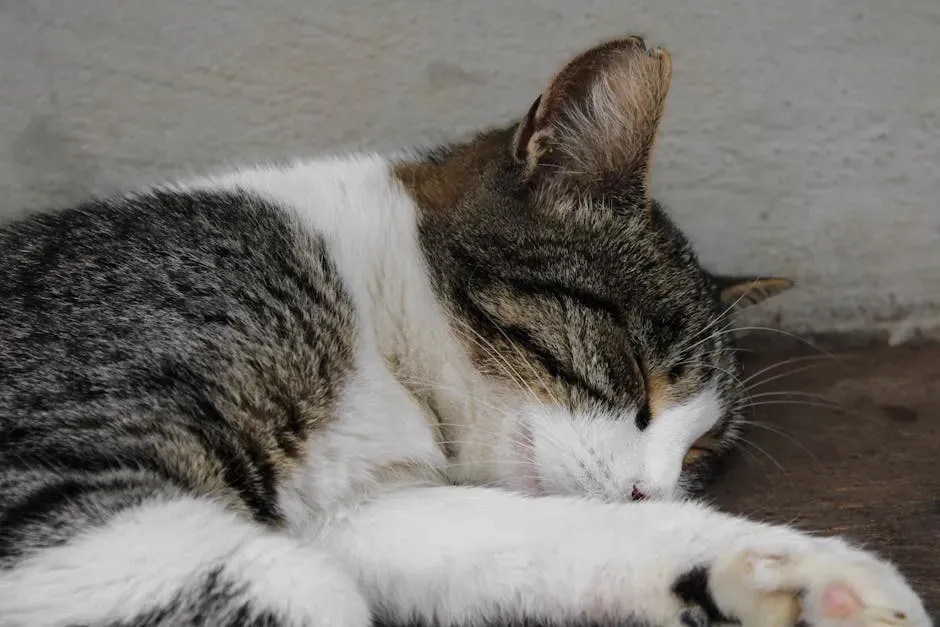
Your cat isn’t just sleeping in one long, solid block like you might after a long Friday. Their sleep is a dynamic, shifting system. Cats nap frequently rather than sleeping in long stretches, and their sleep habits vary based on age, lifestyle, and health. It’s a polycyclic pattern, meaning multiple rounds of sleep scattered across the day and night.
When your cat is sleeping, their rest varies between a light doze and a deeper sleep. Light sleep usually lasts anywhere between fifteen minutes and half an hour, whereas deeper sleep will only last for about five minutes at a time. When cats are experiencing light sleep, they are able to wake into action at an instant, their ears will remain erect, responding to sounds in their environment.
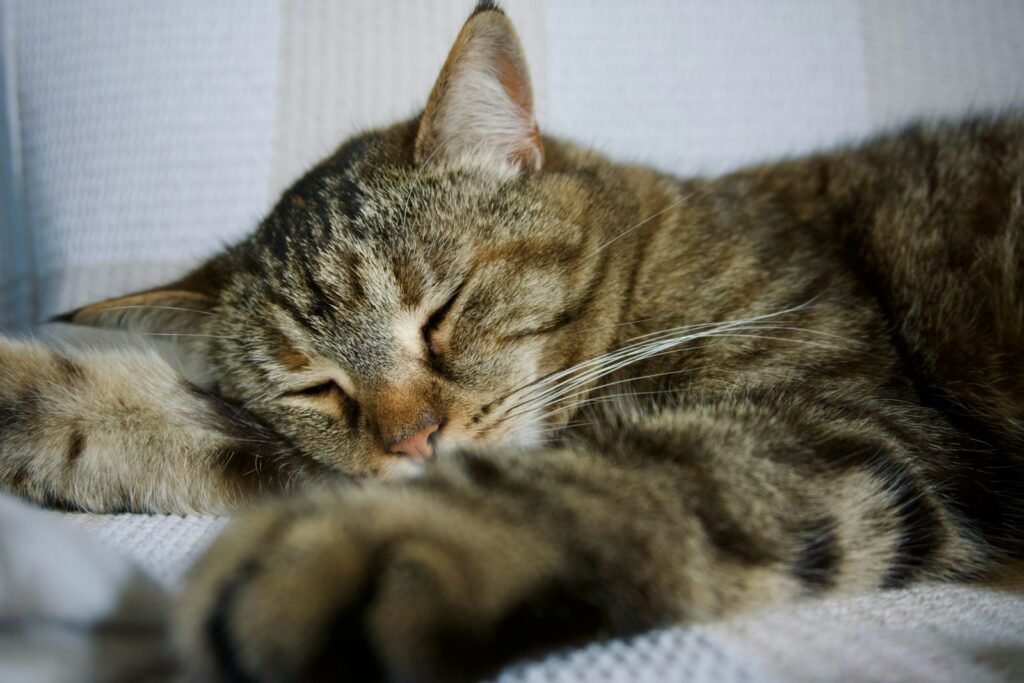
During deep sleep, your cat’s posture including their ears will be far more relaxed, and you may observe them twitching or paddling the air with their paws. That little foot-wiggle you find adorable? That’s your cat deep in something that looks a whole lot like dreaming.
Do Cats Actually Dream? The REM Sleep Revelation
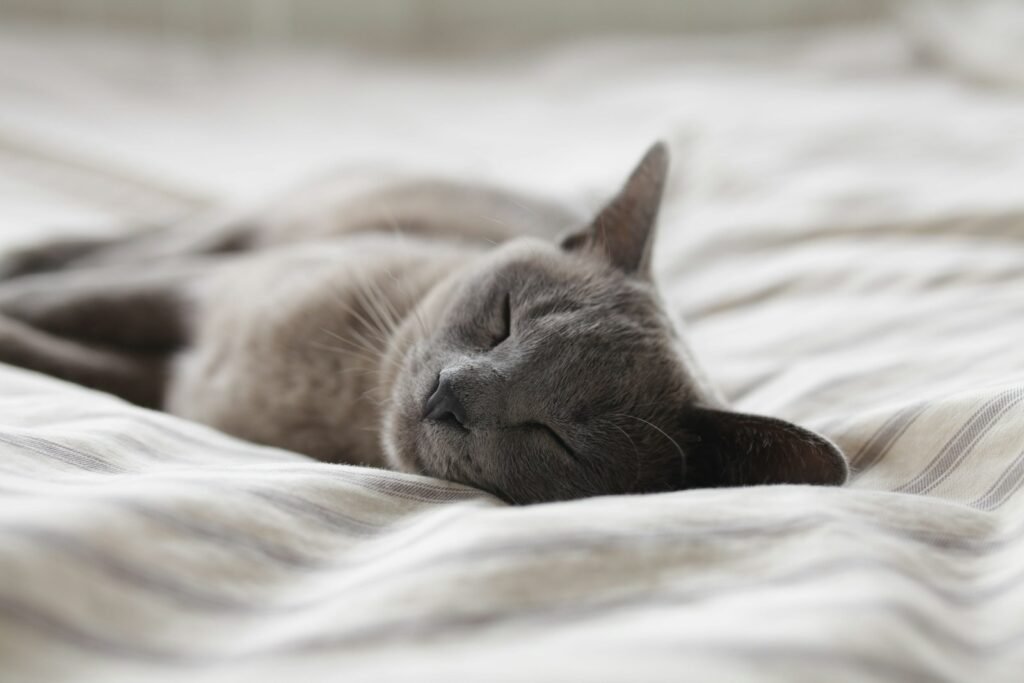
Honestly, this might be the most surprising part of the whole topic. Research supports the idea that cats experience dreams during their sleep, like humans, and this dreaming occurs primarily during the REM (Rapid Eye Movement) stage of sleep, where a cat’s brain is almost as active. So yes, your cat is probably dreaming.
During REM sleep, cats may twitch or move their paws, which is a sign of dreaming, and many domestic cats experience this phenomenon. This dreaming phase is vital as it helps them process their experiences, much like it does for humans. It’s one of those quiet biological parallels between cats and people that feels almost poetic.
Cats really are out of it during deep sleep, often reaching REM sleep. If it looks like they are dreaming when their paws tremble, it is because they probably are dreaming, and this deep sleep usually comes in five-minute increments that are broken up by dozing. Brief, vivid, and then right back to light alert mode. Classic cat efficiency.
Sleep as a Biological Repair System
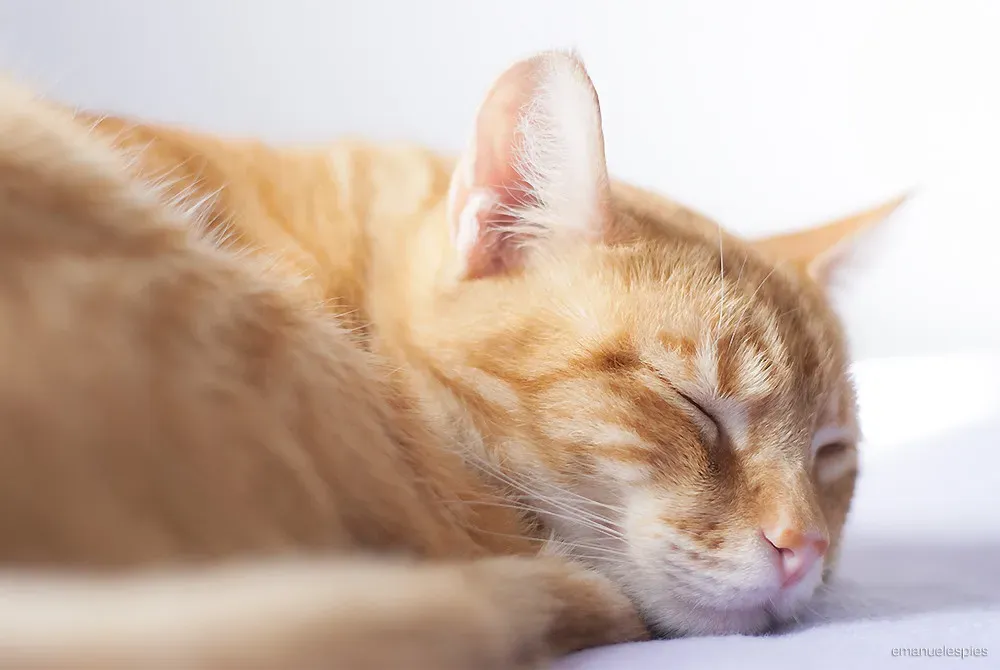
Here’s where it gets genuinely fascinating. Your cat’s naps aren’t just rest. They’re active maintenance. Sleep is vital to a cat’s health, far more than just a simple rest period. During sleep, a cat’s body undergoes various physiological processes essential for well-being, and it’s a time when their body repairs itself, builds muscle and bone, and strengthens the immune system.
Cats experience physiological processes during non-REM sleep that promote physical restoration and growth. In this phase, their bodies repair damaged tissues, strengthen the immune system, and consolidate memories. Think of it like your cat running an internal software update, completely invisible, completely essential.
Sleep in cats is not just a physical necessity but also a mental one. It helps in maintaining their cognitive functions and emotional health, and cats, especially those in their active years, require these rest periods to process their sensory experiences and maintain their alertness and predatory instincts. It’s a full-system reset, every single time.
What Your Cat’s Sleeping Position Is Secretly Telling You
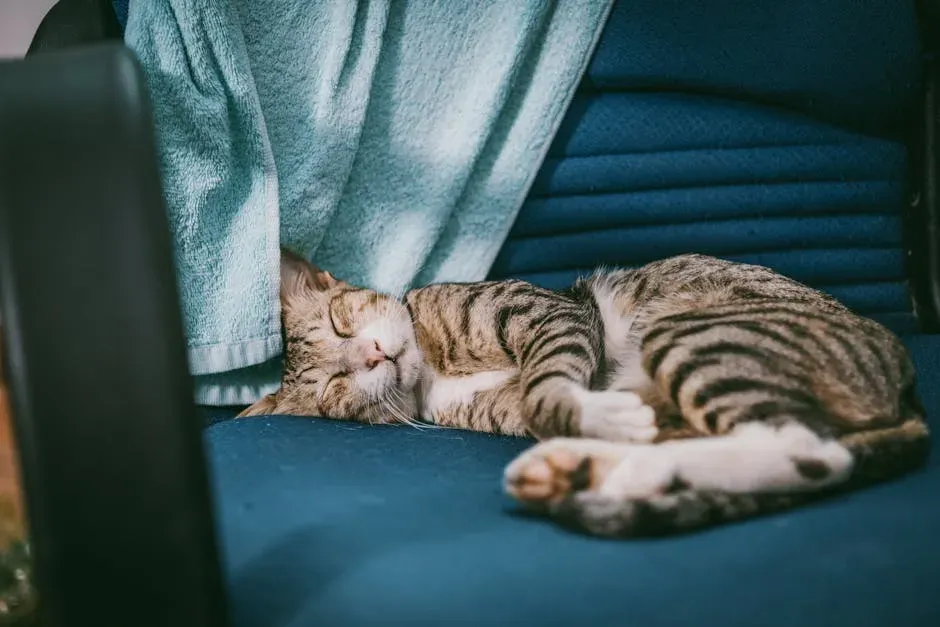
This is where things get genuinely readable, because your cat’s body language during sleep is actually packed with information. Cats’ sleeping positions are far from arbitrary. Whether curled into a ball or resting with their abdomen exposed, each posture serves a specific function, ranging from thermoregulation and protection to signals of emotional comfort or discomfort.
A cat curled up in a ball might seek warmth or protect its vital organs, a holdover from its wild instincts. On the other hand, a cat sleeping sprawled on its back with its belly exposed indicates a high level of trust and security in its environment. Similarly, cats covering their face with paws might be blocking out light or disturbances, seeking deeper sleep, and each position is a window into their current mood and well-being.
Cats who suddenly switch from relaxed, sprawling positions to tense curling in hidden locations could be signaling illness or stress, and excessive hiding, loss of appetite, or lethargy alongside a change in sleep posture warrants a veterinary visit. Pay attention to shifts in position. Your cat is communicating whether you’re listening or not.
Kittens and Senior Cats: When Sleep Becomes Even More Critical
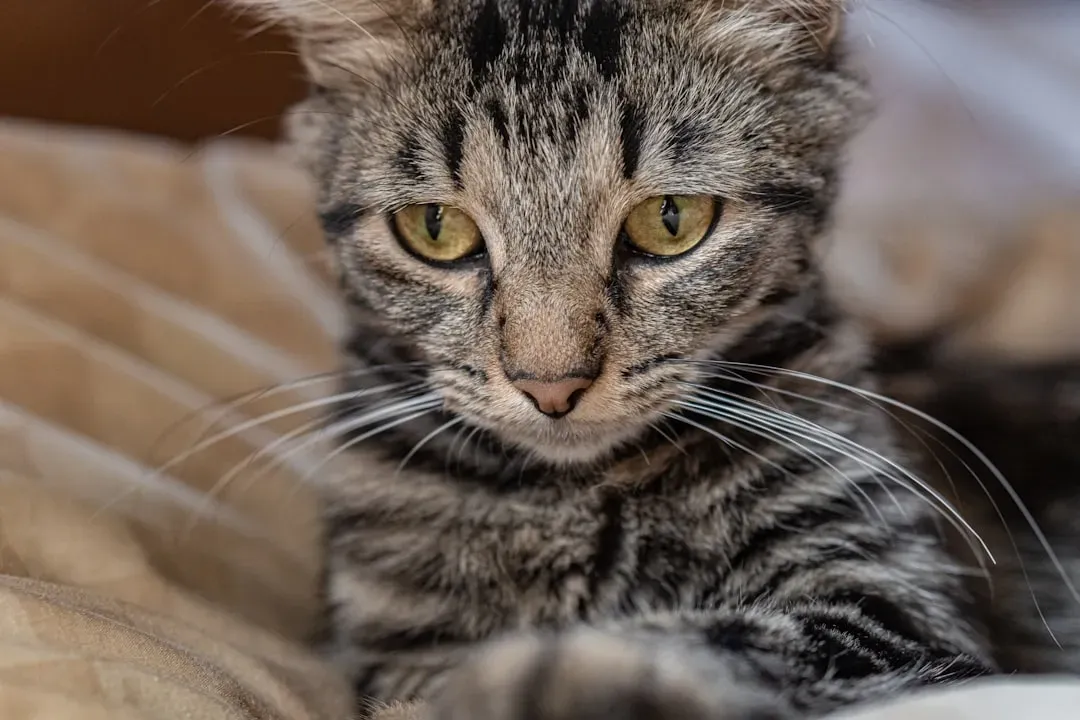
Not all cat life stages sleep the same way, and the difference is actually significant. Kittens tend to sleep more than the average cat and approximately 90 percent of kittenhood is spent snoozing. This is because they need to constantly recharge their batteries as their brain and central nervous system is still developing, and the time kittens spend sleeping strengthens their muscles and bones and keeps their immune system functioning.
Newborn kittens in their first days of life spend virtually all sleep time in REM (active) sleep, with NREM sleep beginning to emerge during the first postnatal week. By day 28, REM has dropped to approximately 50 percent of sleep time, and by day 30, the adult sleep pattern emerges. This 20-day developmental sprint reflects a period of intense brain wiring. It’s almost dizzying how much biological complexity fits inside a sleeping kitten.
It’s not just kittens that spend a lot of time sleeping, but senior cats snooze a lot too, usually up to 20 hours a day. This increased amount of sleep is because just like with humans, when cats get older, they tire more quickly. However, if this change has come on suddenly, it’s best to seek advice from your vet. Age changes the rules of the game.
When Too Much Sleep Becomes a Red Flag
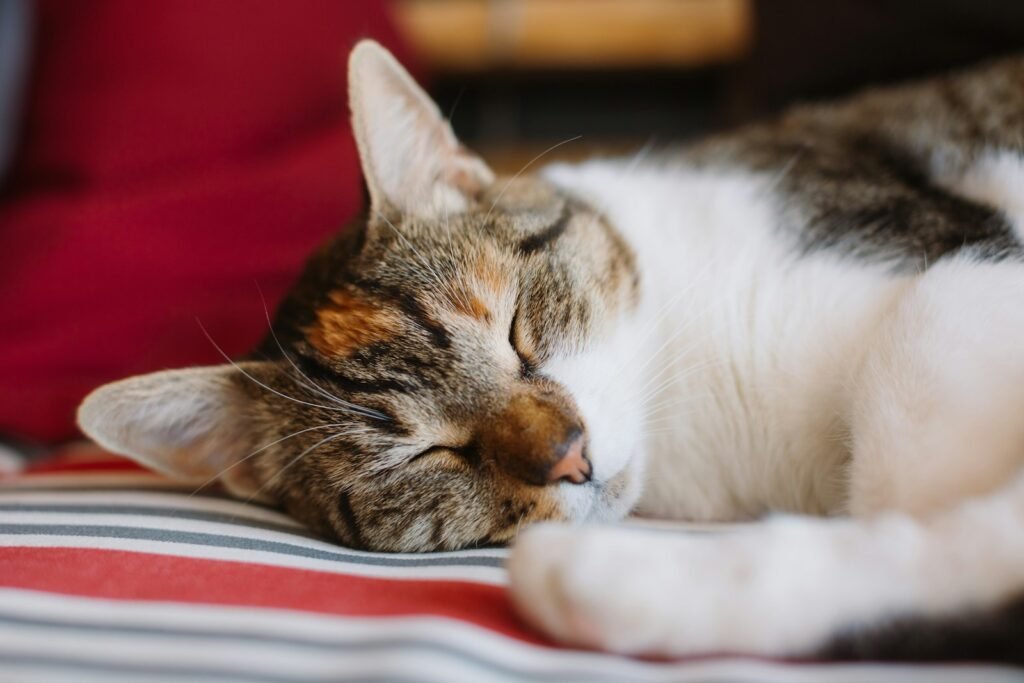
Most of the time, a sleeping cat is a perfectly healthy cat. I think the instinct to worry is natural, but it’s usually misplaced. Many misconceptions exist about why cats sleep so much. A common myth is that excessive sleep in cats signifies laziness or illness, which is not always true. Often, a cat’s lengthy sleep is a normal, healthy behavior deeply ingrained in their genetic makeup.
Still, context matters a great deal. As with humans, cats are affected by stress, and one way cats express stress or anxiety is by changing their sleep patterns. If they’re suddenly sleeping more than usual, it could be a sign they’re feeling overwhelmed or anxious about something in their environment, and cats can become stressed or anxious for many reasons, such as when new family members come into the house or if feeding times change.
Increased sleep can sometimes signal boredom, stress, illness, or injury. If your usually energetic cat is suddenly a full-time sleeper with no appetite and zero interest in play, that’s when you pick up the phone and call the vet. Don’t wait on that one.
How to Support Your Cat’s Sleep for Maximum Health Benefits
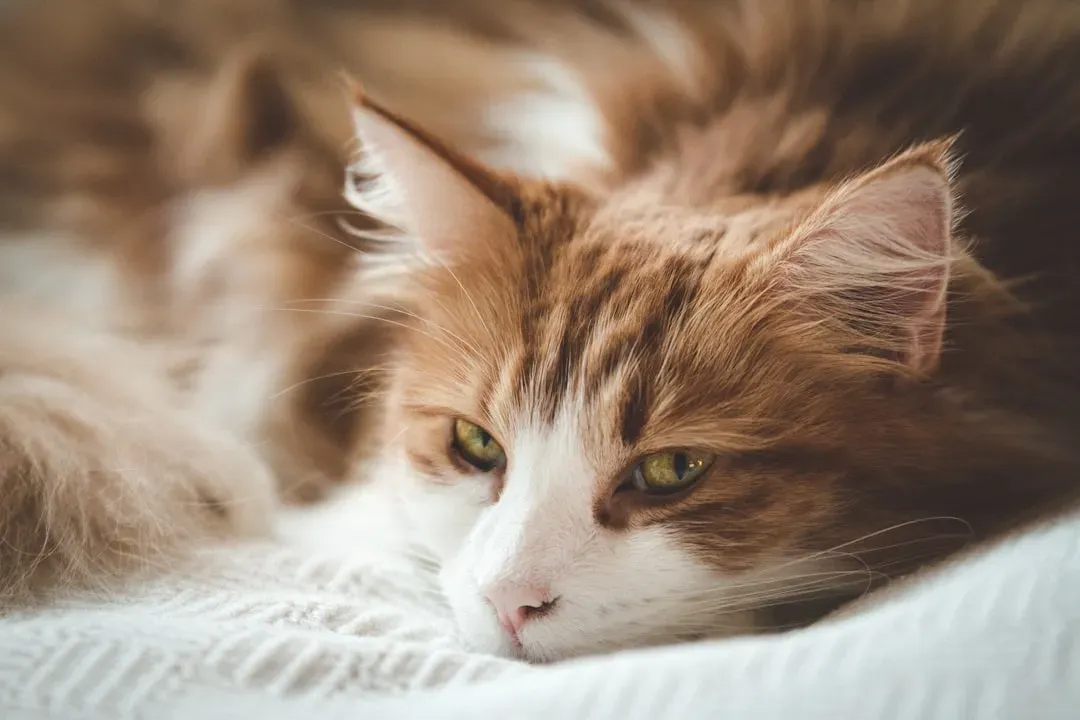
You might think your cat doesn’t need your help sleeping, and honestly, they probably don’t. But you can make their sleep environment work harder for them. Cat owners should create a serene and comfortable sleeping environment to support healthy habits. That includes offering cozy, quiet bedding areas and maintaining a consistent daily routine. Factors like the bedding type, the sleeping area’s location, and the household’s noise levels can all influence a cat’s sleep quality, and owners can significantly enhance their cat’s rest and overall health when providing an environment that respects their natural sleeping patterns.
A rigorous play session is especially important in the evening, when your cat is hardwired to begin the hunt. Providing fun toys that your cat can chase and catch, along with a durable scratching post to shred, works with your cat’s natural cycle. By working with your cat’s natural cycle instead of against it, both of you can get a good night’s sleep. Play at dusk, rest at night. That’s the rhythm your cat is built for.
Cats in small homes somewhat mirror their owners’ sleeping patterns and are more likely to be awake at times their owners frequently interact with them. In other words, if forced to, your cat might actually enjoy spending time with you. So your presence matters more than you think, even if your cat pretends otherwise.
Conclusion: Your Cat Is a Sleep Genius, Not a Sloth
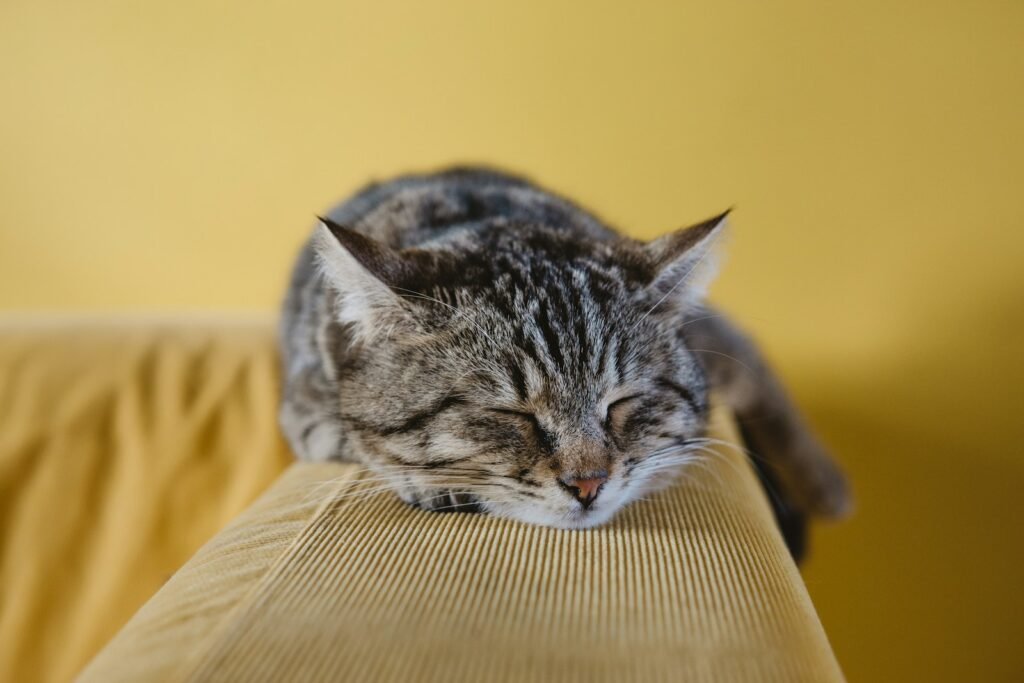
The next time you glance over and see your cat melted into a puddle on the cushion, resist the urge to feel jealous, or at least, let the jealousy come with a side of genuine admiration. What looks like laziness is actually a masterclass in biological efficiency. Every nap your cat takes is a calculated move, serving energy conservation, immune support, memory processing, emotional regulation, and physical repair all at once.
Your cat isn’t wasting time. Your cat is optimizing. There’s a real lesson buried in all those hours of feline sleep, which is that rest isn’t a reward you earn after being productive enough. Rest is part of the system. It’s the whole point. Maybe your cat has been trying to teach you something all along.
So here’s a thought to leave you with: if a creature as instinctively sharp and evolutionarily refined as your cat has made deep, strategic rest its number one priority, what does that say about how seriously the rest of us take our own recovery? What would you change if you started treating rest as a power-up instead of a pause?