You’ve probably heard it a thousand times. Cats are cold, distant creatures who barely tolerate human existence. Dogs love us unconditionally, the narrative goes, while cats simply use us as can openers and warm furniture. Well, I hate to burst your bubble, but that’s complete nonsense. The truth is, your feline companion has been telling you they love you every single day. You just haven’t been paying attention to the right signals.
Cats have been stereotyped by popular culture as aloof animals, yet research has shown that cats have a wide range of emotions, both negative and positive. Your whiskered friend isn’t being standoffish when they sit across the room watching you. They’re checking in, making sure you’re safe, expressing affection in their own quiet way. So let’s dive into the secret language cats have been using right under your nose, revealing just how much they truly care.
The Slow Blink: Your Cat’s Version of a Kiss
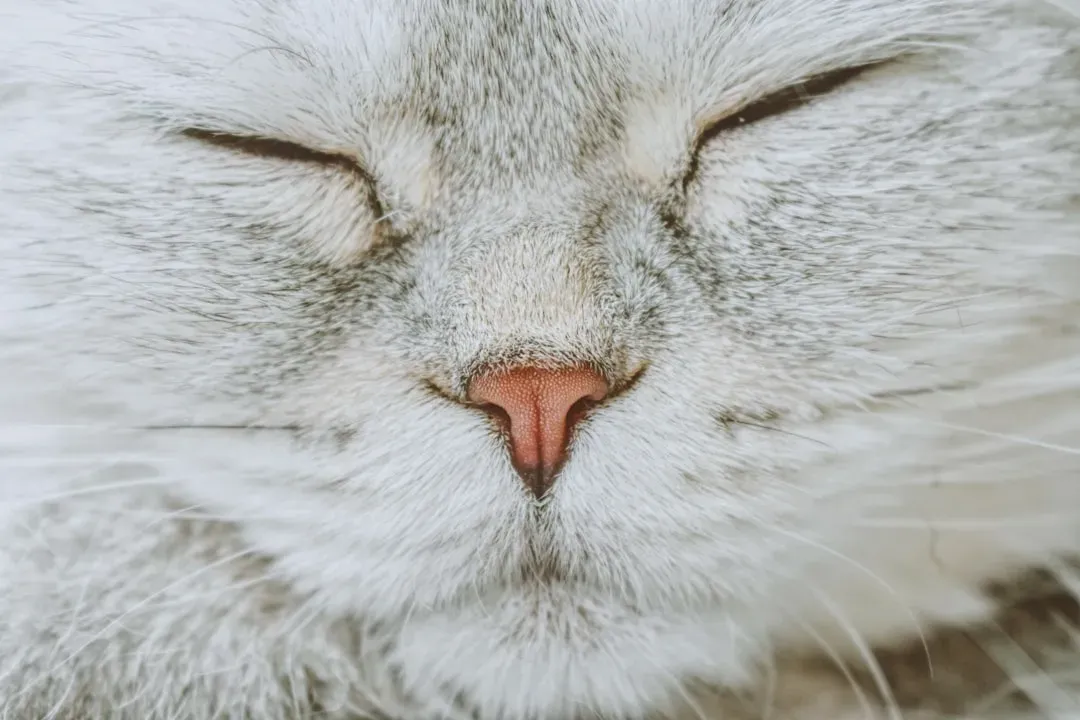
Here’s the thing: when your cat sits there staring at you with half-closed eyes, slowly blinking like they’re about to drift off to sleep, they’re not ignoring you. When a cat slow blinks at you, they are often expressing a sense of trust, contentment, and affection. Think about it from a wild cat’s perspective. Cats are both predators and prey, and anytime the animal’s eyes are closed, it can’t spot potential threats nearby.
When you’re present, and your cat makes himself vulnerable by closing his eyes, you have officially made it inside your pet’s circle of trust. Research found that cats were more likely to slow blink after their owners slow blinked at them, and cats approached an experimenter’s outstretched hand more readily after the human had blinked. So next time your cat gives you that sleepy-eyed look, blink slowly right back. You’re speaking cat.
Tail Talk: Understanding the Vertical Greeting
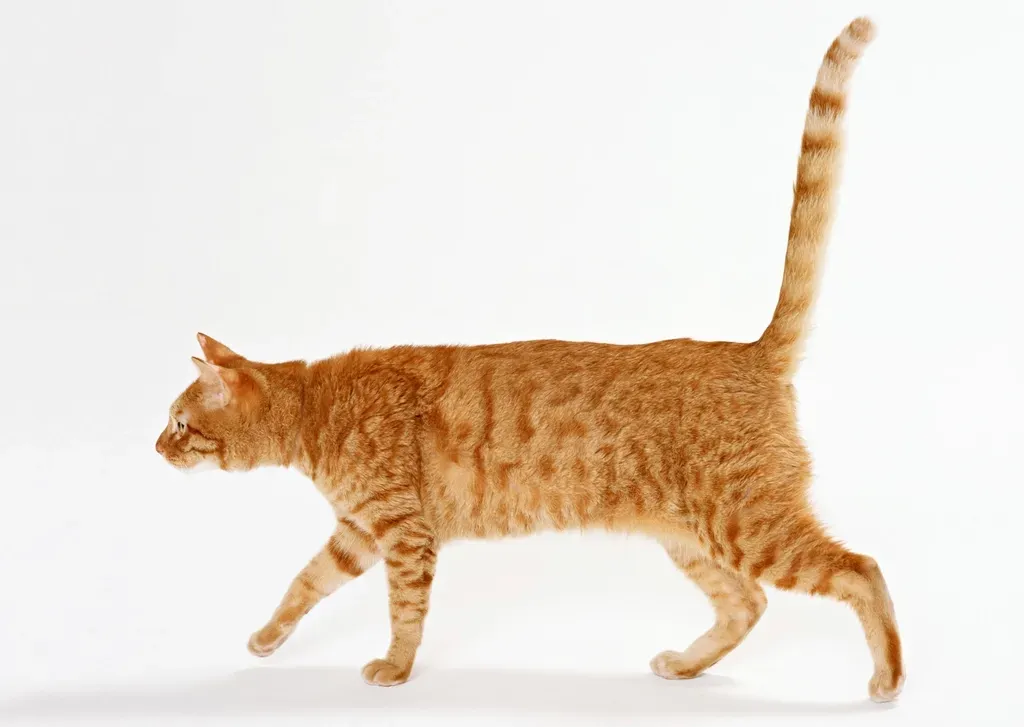
Pay attention to how your cat carries their tail when they walk into a room where you are. A cat holding its tail vertically generally indicates positive emotions such as happiness or confidence, and this upright position means they are feeling social and confident, and are approaching in a friendly manner. When your cat struts toward you with that tail held high like a flagpole, they’re essentially announcing their joy at seeing you.
Sometimes you might notice their tails are held high, often with a tiny curve at the very end, showing that they’re happy to see you. That little question mark shape at the tip? When a cat bends its tail in the shape of a question mark, this is good news because the question mark-shaped tail position is a cat’s way of asking you, Would you like to play? They’re not just greeting you. They’re inviting you into their world.
The Headbutt: When Your Cat Claims You as Family
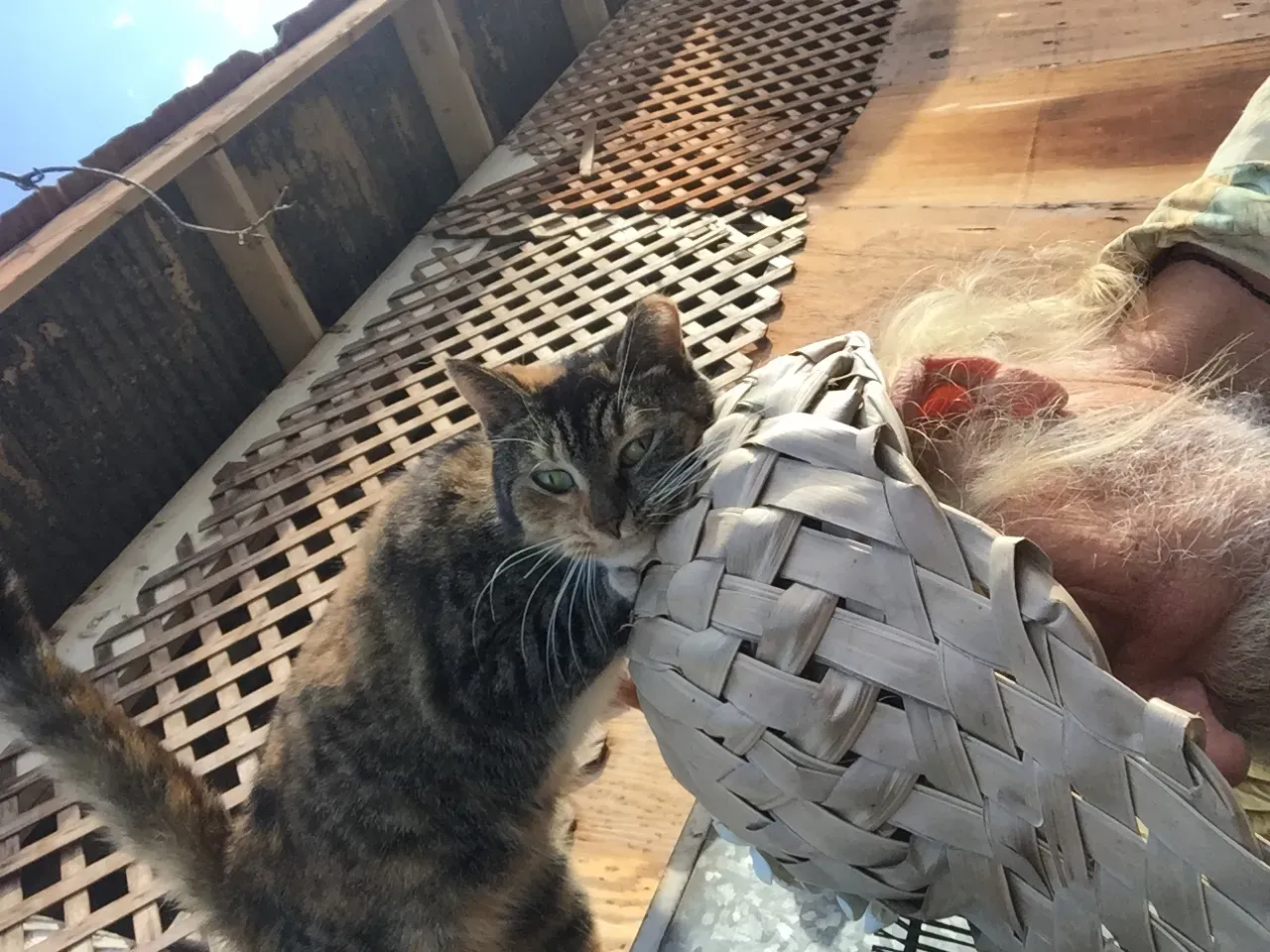
Let’s be real, nothing says affection quite like your cat bonking their head straight into your face. This behavior, called bunting, is one of the sweetest gestures in the feline playbook. Scent glands are on a cat’s cheeks, forehead, and chin, and when they bump heads with you, they release pheromones they use to mark territory, express trust, and more.
When your cat rubs its face against you, they’re not just marking territory but also expressing love and trust, and making you a part of their scent family. Headbutting and rubbing allow kitties to mark their territory by transferring scent from glands located around their cheeks and jaw, signaling comfort, affection, and familiarity. Basically, they’re telling every other creature that you belong to them. How’s that for commitment?
Kneading: That Painful Display of Pure Love
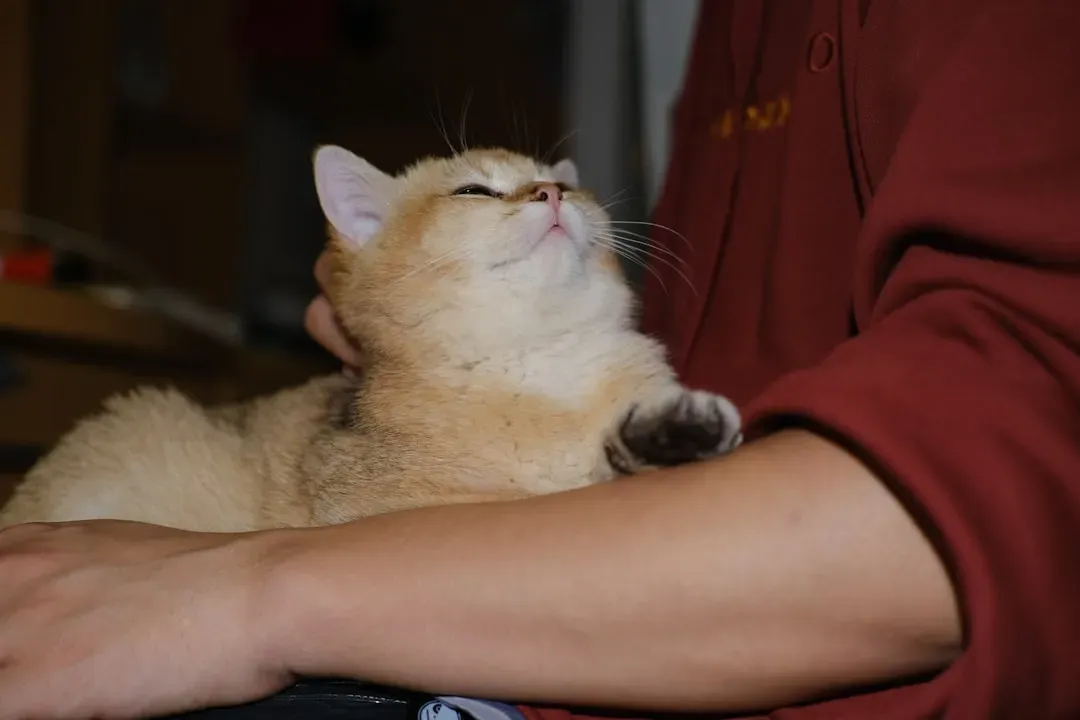
You know that thing your cat does where they rhythmically push their paws into your lap, often with claws extended, making you wince while you try to appreciate the gesture? That’s kneading, sometimes called “making biscuits,” and it’s actually one of the highest compliments your cat can give you. Kneading is often a precursor to sleeping, and many cats purr while kneading, usually taken to indicate contentment and affection.
Kneading is said to be a memory from kittenhood when a suckling kitten stomps its paws on the mother cat’s teat area so the milk is secreted better, and when kneading, the cat feels good and safe. So when your cat kneads you, they’re regressing to that blissful kitten state where they felt completely secure with their mother. You’re their safe place, their comfort zone. Sure, it might hurt a little, but honestly? That’s love right there.
Following You Around: The Ultimate Compliment
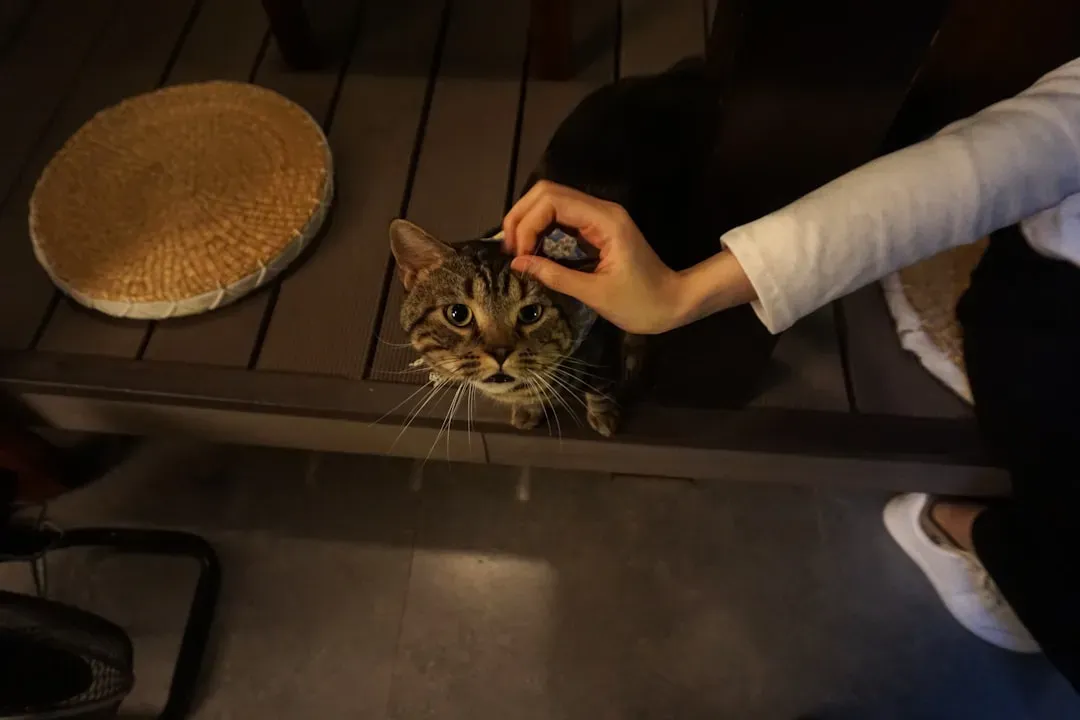
Does your cat follow you from room to room, seemingly unable to let you out of their sight? Maybe they sit outside the bathroom door waiting for you, or they relocate whenever you move to a different part of the house. Cats often follow those they love and trust around the home. They’re not being clingy or weird. They genuinely want to be near you.
You might notice that your cat is more inclined to wander around when you’re at home, and some owners take this as a sign of disinterest, but cats are more likely to explore and interact with their environment when they feel relaxed and comfortable in a person’s presence. Your presence makes them feel secure enough to go about their business. Without you there, they’re on edge. With you nearby? They can truly relax.
Belly Exposure: The Trust Test You Shouldn’t Touch
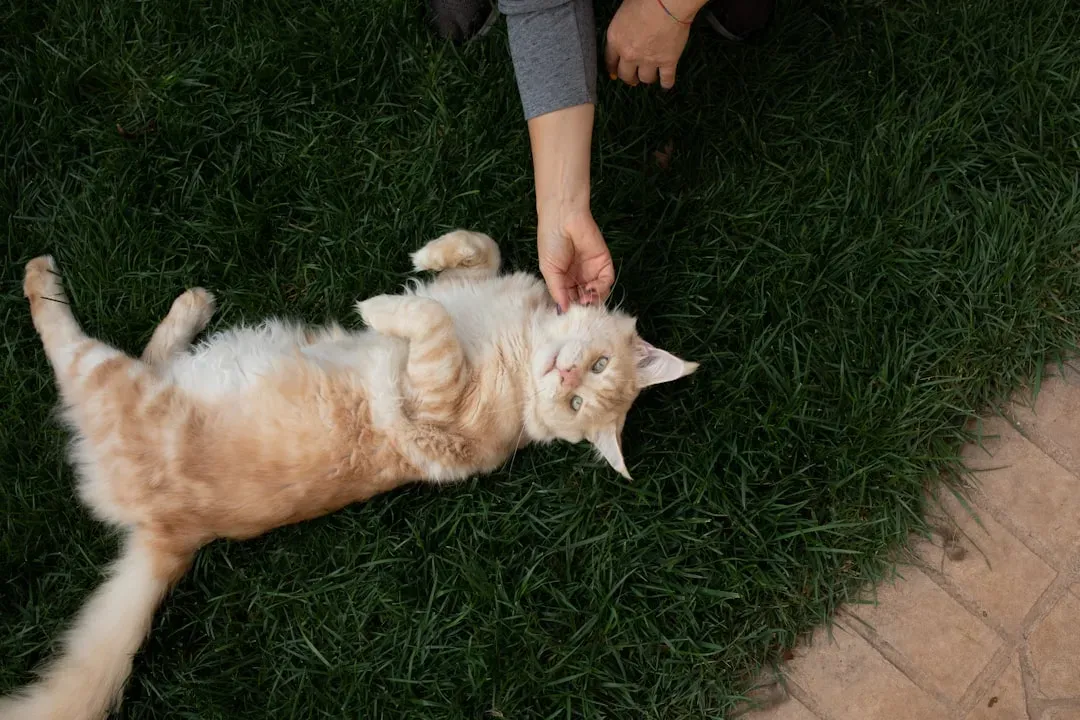
Here’s where things get tricky. Exposing their belly is often considered the ultimate sign of trust for a cat, as cats only lie on their backs and show their bellies when they are in their most relaxed state, communicating that they feel comfortable and safe enough to reveal one of the most vulnerable parts of their body. It’s basically your cat saying they trust you with their life.
However, and this is crucial, this is not an invitation to pet or rub your cat’s belly, as your cat might retaliate with a bite or scratch. I know, it’s confusing. They’re showing you their belly as a sign of ultimate trust, but they don’t want you to actually touch it. Think of it as admiration from a distance. Your cat is displaying vulnerability, not requesting a tummy rub. Appreciate the gesture, but maybe just stick to chin scratches.
The Rub and Weave: Figure-Eight Affection
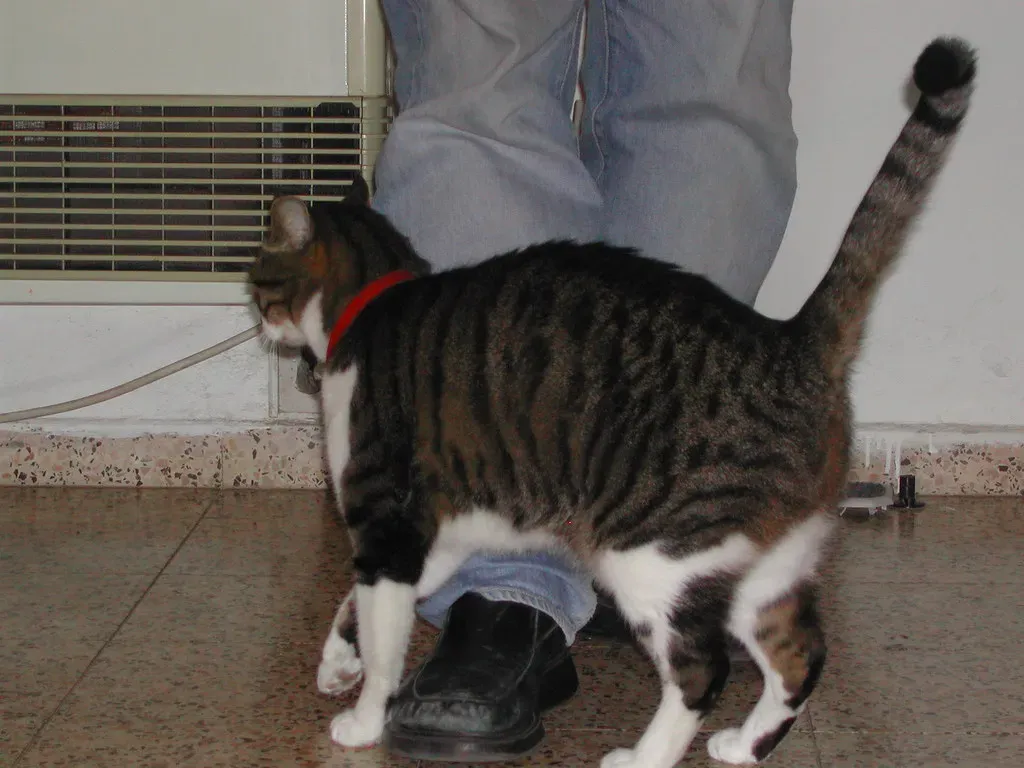
Watch what happens when you come home after being away. When they’re showing their affection, cats rub themselves on you, often circling or turning in little figure eights, with their tails held high, often with a tiny curve at the very end. That choreographed dance your cat performs around your ankles isn’t just them trying to trip you. It’s an elaborate greeting ritual.
Your cat is trying to show you that they missed you when they greet you at the door, often followed by walking in-between your legs and curling their tail around your legs, sometimes accompanied by meowing and “rattle-tail” behavior. They might also be telling you something practical like they need food or a clean litter box, sure. Still, that enthusiastic greeting? That’s genuine affection mixed with a bit of practical communication. Multi-tasking at its finest.
Purring: The Misunderstood Vibration
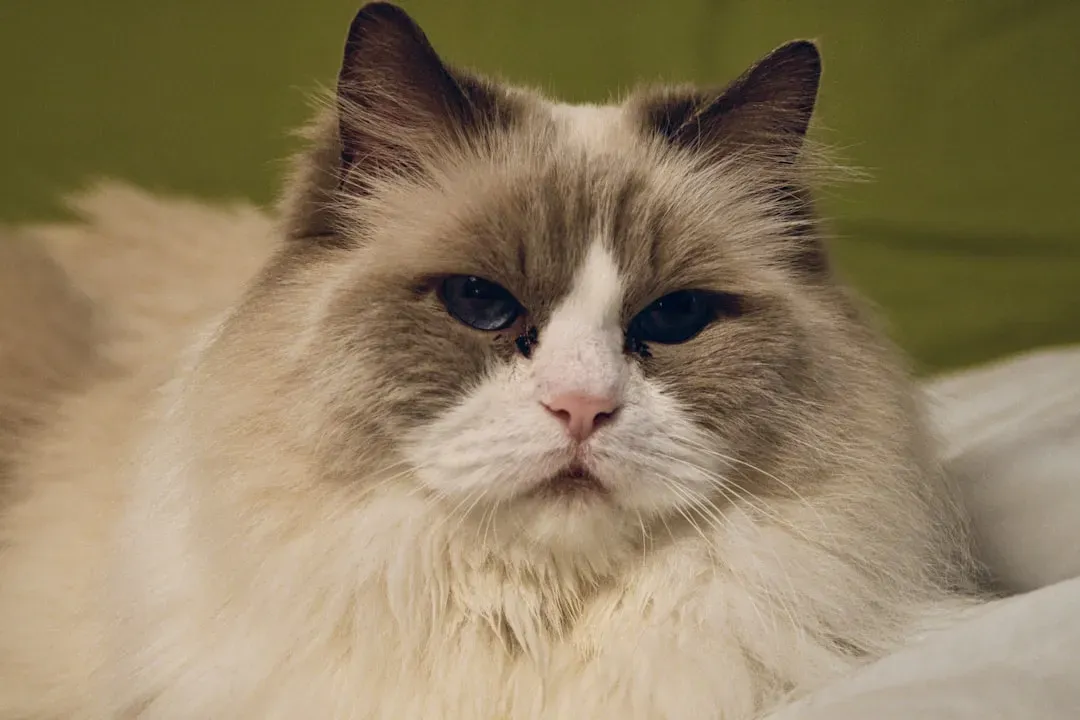
Most people assume purring automatically means a happy cat, and while that’s often true, the reality is more nuanced. Cats often purr to show contentment when they are resting near you or when you’re petting them. That gentle rumble while they’re curled up on your lap? Definitely affection. When your cat simply sits beside you, purring contentedly, or shares your space, it’s a non-verbal declaration of love and trust.
However, it’s worth noting that cats may also purr when they’re nervous, but this is often paired with different body language such as holding their ears back, putting their head down, fast tail-swishing, or hiding. Context matters here. A purring cat with relaxed body language sprawled across your keyboard? Affection. A purring cat tucked into a tight ball at the vet? That’s stress purring. Your cat uses that rumble for comfort in both joyful and anxious moments.
The Gift: When Your Cat Brings You “Presents”
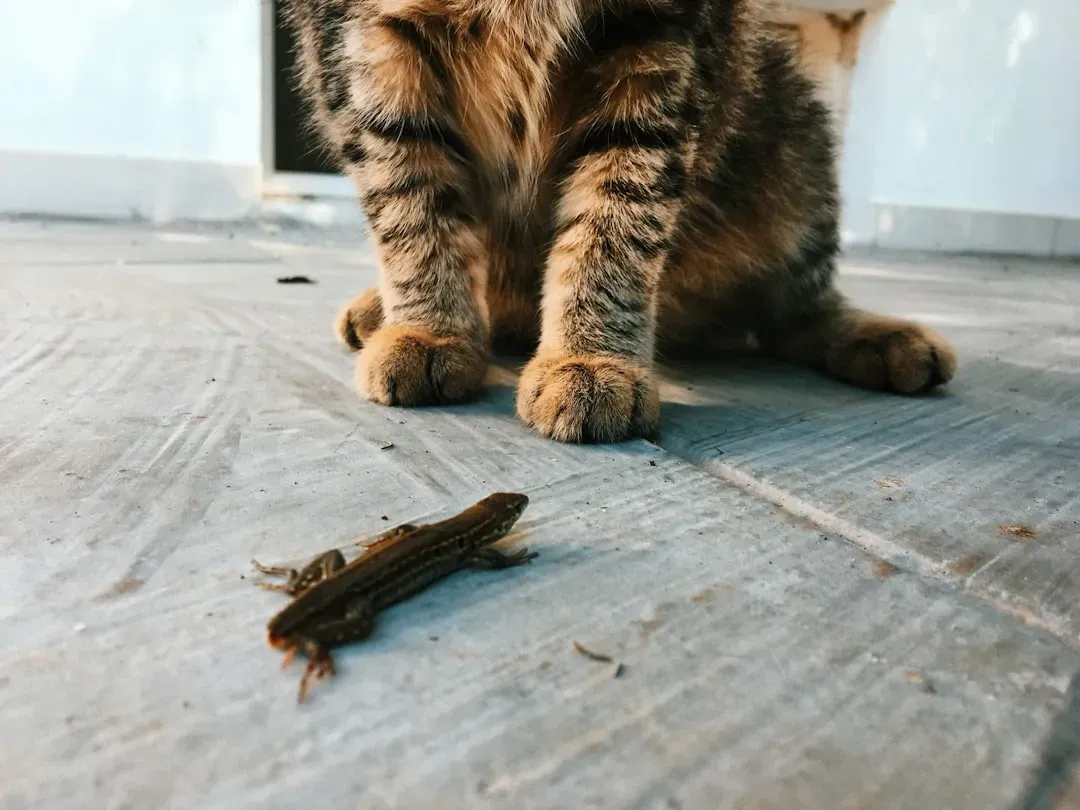
Okay, this one might be the hardest to appreciate. When your cat brings you a dead mouse, a stunned bird, or even a favorite toy, your first instinct might be horror or disgust. Yet hunting and presenting captured prey, whether it’s a live mouse or a toy, is a sign of love and trust, as adult cats teach their kittens to hunt by bringing them injured prey to practice their hunting skills, and this behavior continues into adulthood with cats gifting food to their human companions as a way of showing affection.
Your cat isn’t being morbid or cruel. In their mind, you’re part of their family, and families share resources and teach each other survival skills. They’re either providing for you because they think you’re a terrible hunter, or they’re teaching you important life skills. Either way, it comes from a place of genuine care. You might not appreciate the sentiment, but you can at least understand where it’s coming from now.
Quiet Companionship: The Underrated Love Language
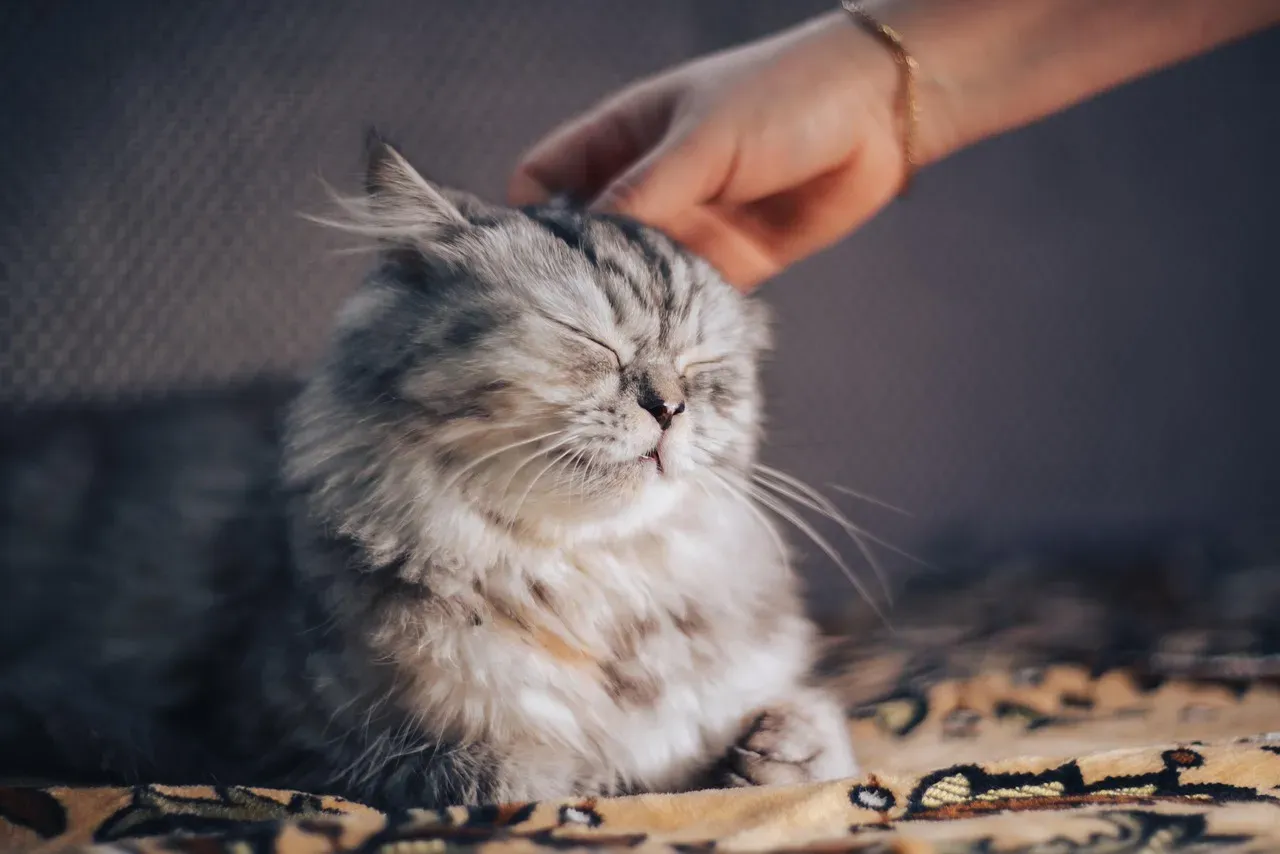
Not all affection is loud and obvious. Sometimes your cat just wants to be in the same room as you without demanding attention or interaction. When your cat simply sits beside you, purring contentedly, or shares your space, it’s a non-verbal declaration of love and trust, and this connection, built on mutual respect and understanding, is a testament to the strength of your relationship. They’re not ignoring you. They’re existing peacefully in your presence.
When a cat feels safe to let their guard down despite their heightened senses and exhibit their natural behavior, bonding, affection and trust can build, resulting in you being part of their chosen family, and cats that feel connected and secure benefit from reduced stress and anxiety. Your cat choosing to nap near you while you work, or sitting on the back of the couch while you watch TV, is them saying, “Your presence makes me feel safe.” That’s profound, if you really think about it.
Conclusion: Learning to Speak Cat Changes Everything
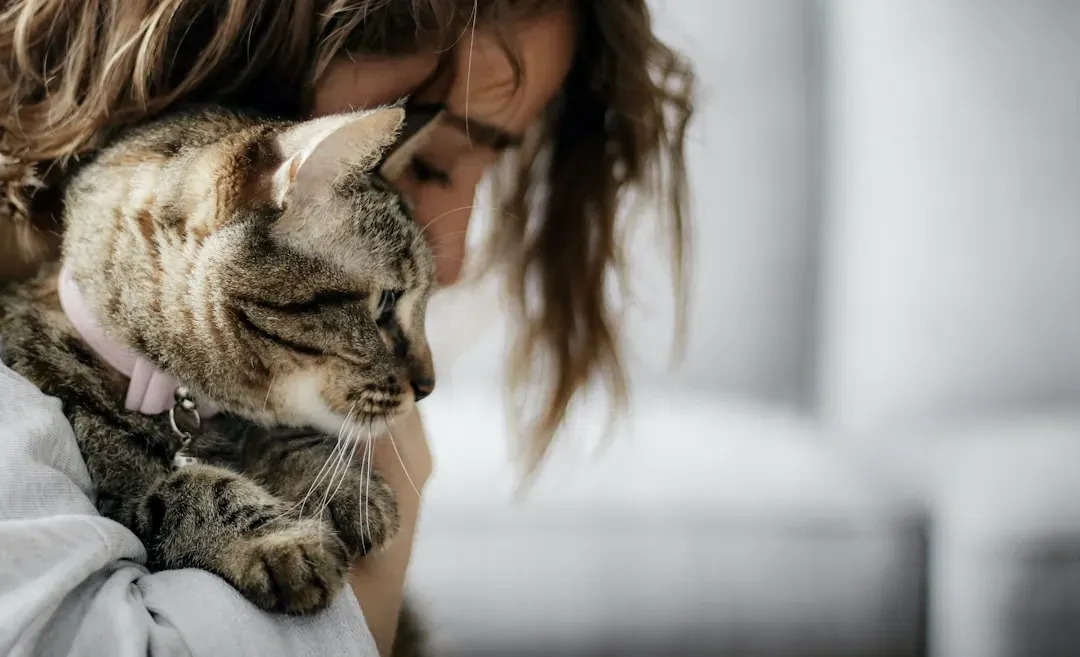
So, are cats aloof? Absolutely not. It’s a common misconception that cats are not affectionate creatures, but cats are social and affectionate animals that can grow to love their pet parents, though they are much more subtle in showing their love. The difference between cats and dogs isn’t that one loves more than the other. It’s that they speak entirely different languages.
Your cat has been whispering their devotion through slow blinks, headbutts, figure-eight leg weaves, and quiet companionship all along. They’ve been showing you their vulnerable belly, following you from room to room, and purring their little hearts out. Now that you understand what they’re actually saying, doesn’t it feel different? Your supposedly standoffish cat has been showering you with affection this entire time. You just needed to learn how to listen. What other love languages have you been missing? Pay attention this week and see what conversations you’ve been overlooking.