You probably know your cat better than anyone else. You’ve memorized their favorite napping spots, the exact way they like their chin scratched, and that peculiar chirp they make when watching birds through the window. Yet sometimes, despite all that familiarity, your feline companion can still surprise you with behaviors that leave you wondering what’s really going on inside that fuzzy little head. What if one of those behaviors is actually telling you something important?
Cats are emotional and can get stressed or depressed. Understanding the subtle signs your cat might be experiencing emotional distress isn’t just about being a vigilant pet parent. It’s about recognizing that cats have complex inner lives that deserve attention and care. Let’s dive into what you need to know about cat depression and how to build a deeper, more compassionate relationship with your furry friend.
When Your Cat Suddenly Goes Silent
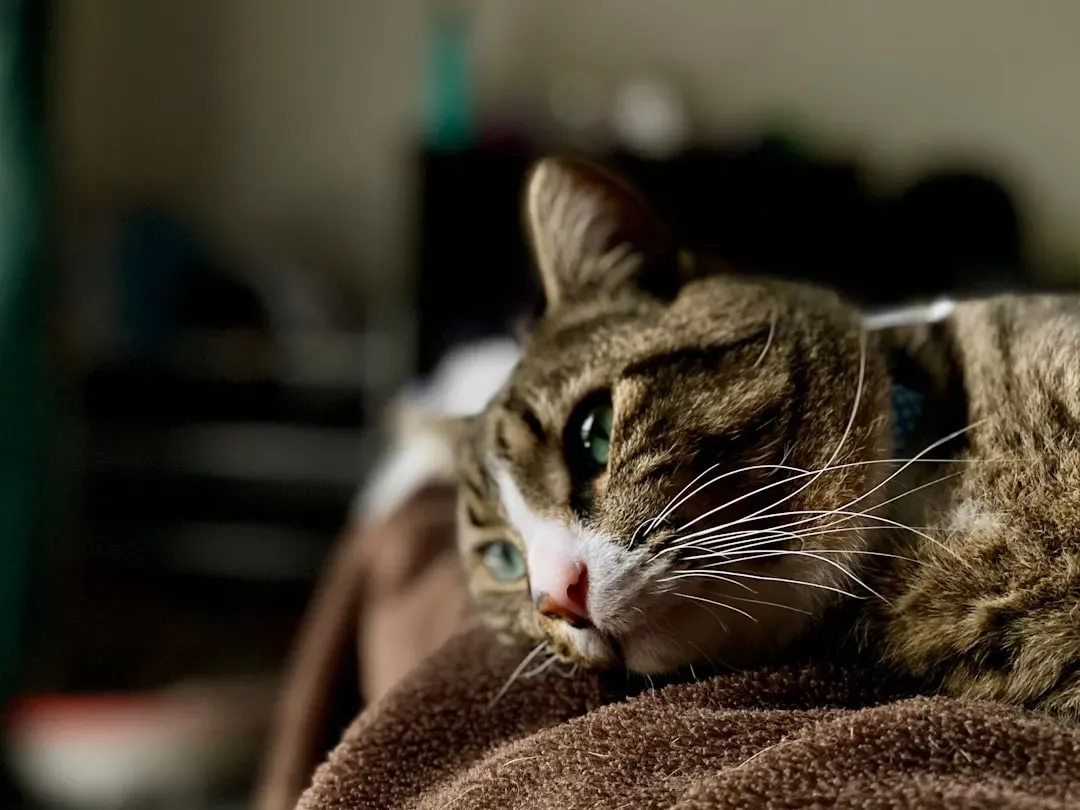
Your chatty cat may become unusually quiet and won’t meow as often as before. This shift can be jarring if you’re used to morning greetings or those insistent dinner demands. Here’s the thing: vocalization changes are one of the most telling indicators that something’s shifted in your cat’s emotional world.
If your cat is in pain, she may produce low-pitched, mournful yowls. Changes in the pitch and loudness of the cat’s voice also indicate underlying restlessness. It works both ways, though. Some cats become louder and more vocal when they’re struggling emotionally. Pay attention to what’s normal for your individual cat, because that baseline matters more than any general rule.
Excessive Sleeping Isn’t Always Just Being Lazy
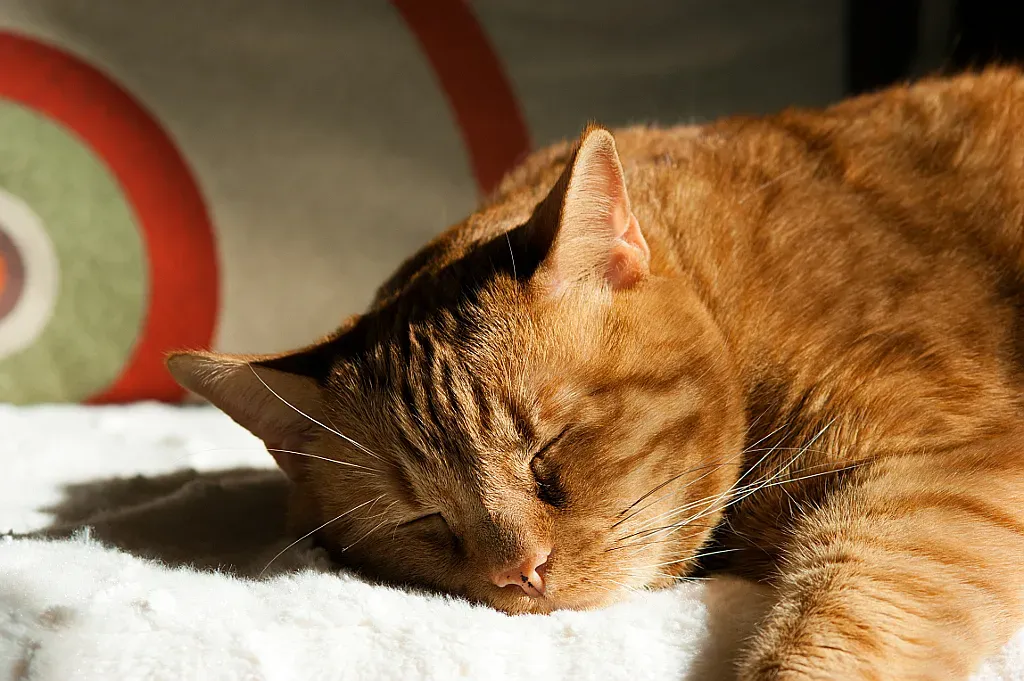
Let’s be real, cats sleep a lot anyway. Healthy adult cats can sleep anywhere between 12 to 16 hours a day. So how do you distinguish between typical cat laziness and something more concerning?
A depressed cat will even sleep more. If you notice a sudden change in your cat’s sleeping pattern, it means they could be unhappy. The key word is “sudden.” If your previously playful companion now seems content to remain curled up for hours on end, rarely stirring even for their favorite activities, that’s worth noting. Depressed cats may lie down and sleep even more. They’ll often decide to lie down rather than engage in a different activity like eating or playing.
Loss of Interest in Their Favorite Things
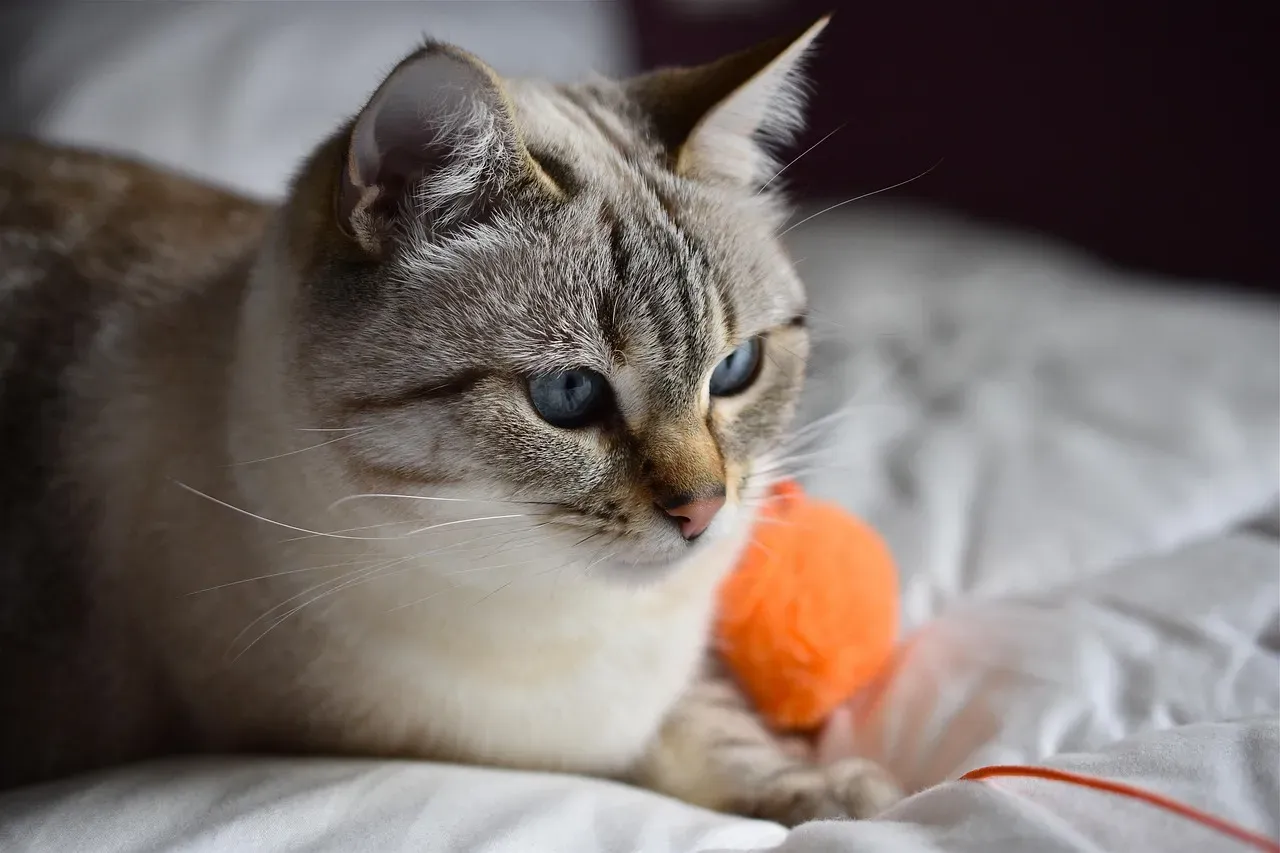
Remember when your cat would go absolutely wild for that feather toy? Now it sits untouched in the corner. Cats with depression can lose interest in things they once enjoyed. They may not like playing with their favorite toys and not be as enthusiastic about eating special treats. It can be difficult to motivate or engage them to exercise, play, or eat.
This withdrawal from previously loved activities mirrors human depression in striking ways. Your cat isn’t being stubborn or picky. They may lose interest in activities such as playing hide and seek, food hunting, watching TV, or chasing a string, etc., their reclusiveness can be a cry for help. It’s their way of communicating that something feels off in their world.
Changes in Eating Habits Tell a Story
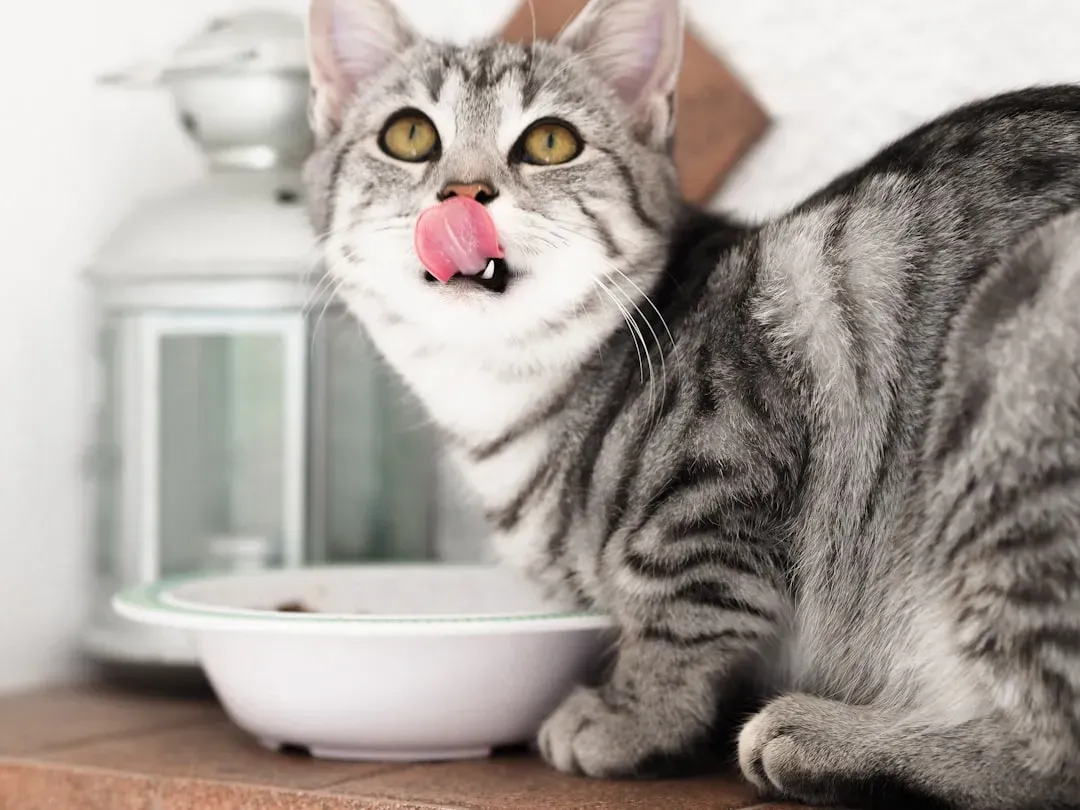
Food is usually a reliable motivator for cats. If your cat is mentally disturbed, she may develop a low appetite, lose her interest in food and eat less than usual. Depressed cats may not even respond to their favorite treats. That’s a significant red flag, honestly.
The opposite can occasionally happen too, with some cats stress-eating, though loss of appetite is far more common in feline depression. Think of it like this: when you’re feeling down, sometimes nothing sounds appealing, right? Cats experience that same lack of motivation around food. A healthy appetite is a terrific sign of a happy cat. So when that appetite disappears, it’s time to investigate.
Grooming Habits Go Haywire
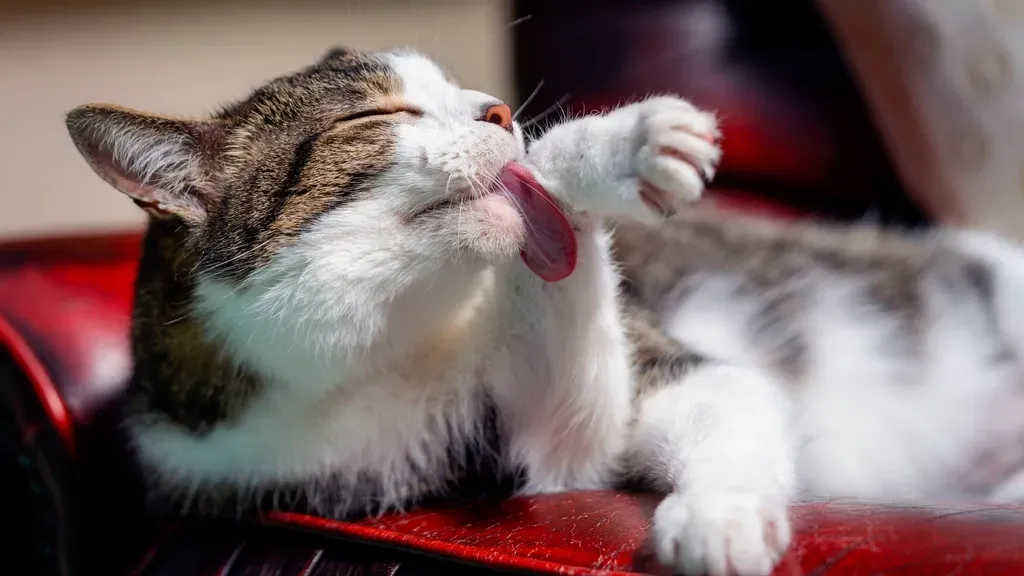
Cats are natural self-groomers, and they usually do an excellent job of keeping themselves clean on their own. However, depression can cause changes in a cat’s grooming habits, and it may impair their ability to take care of themselves in this way. You might notice matted fur, a greasy coat, or an overall unkempt appearance.
Some cats go the opposite direction entirely. Overgrooming is also a sign of stress that can lead to increased hair loss and patches of bald spots in your cat’s coat. Either extreme suggests your cat is struggling emotionally and physically. It’s fascinating how grooming serves as such a reliable barometer for feline wellbeing.
The Hiding Game Isn’t Always Fun
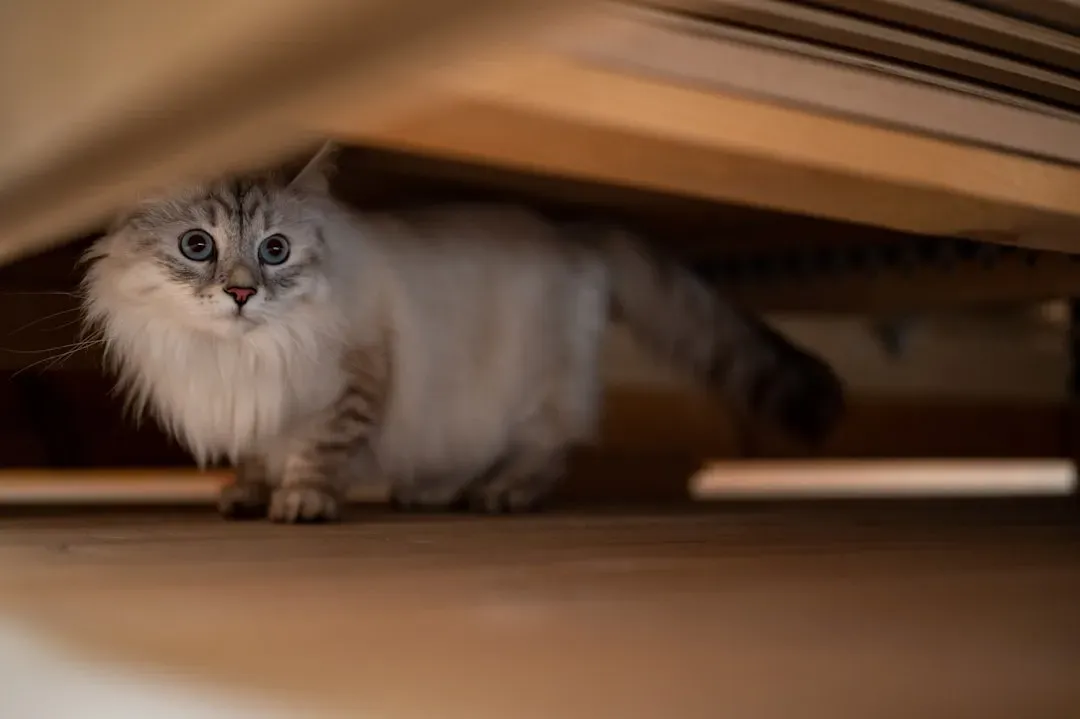
Many times, it can seem like your cat just wants to be left alone. They might withdraw and find a hiding spot where they’re most likely to be left undisturbed. While cats naturally seek cozy hideaways occasionally, persistent hiding is different.
Many lethargic cats will hide in a quiet, dark place, such as under the bed or in a closet. They tend to prefer areas away from people and other pets. If your social butterfly has suddenly become a recluse, refusing to participate in household activities, that behavioral shift deserves attention. Cats are creatures of habit, so dramatic changes in their social patterns can signal emotional distress.
Litter Box Issues Signal Distress
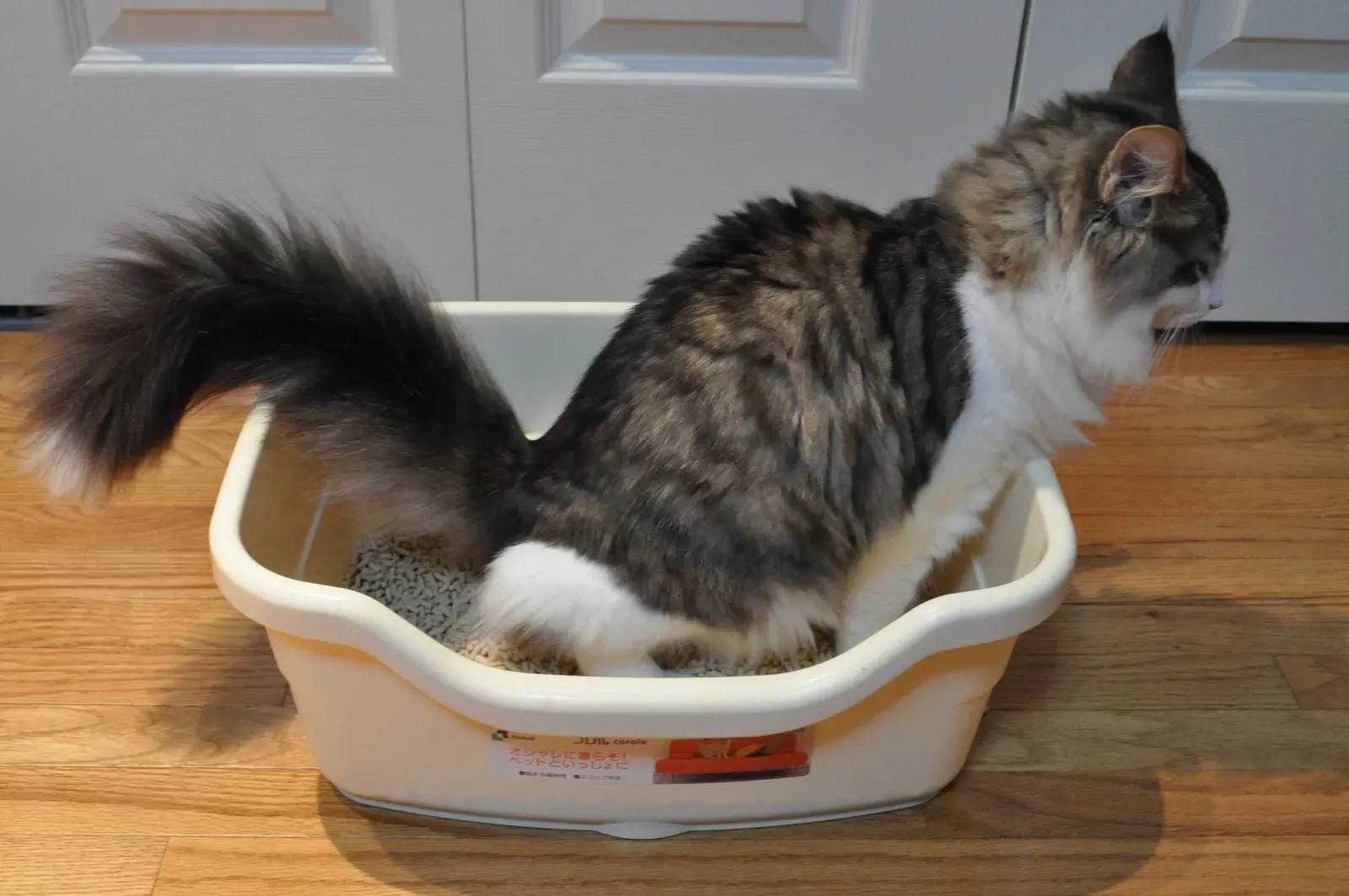
Depressed cats have the tendency to urinate in inappropriate places outside the litter box, even if they are properly housetrained. This isn’t spite or bad behavior. It’s communication in the only way your cat knows how.
It’s speculated that depressed or anxious cats will urinate in different areas of the house because the scent of their urine can comfort or calm them. Therefore, you may notice your cat starting to urinate in multiple rooms, including bedrooms, bathrooms, and kitchens. Before assuming it’s purely behavioral, rule out medical issues like urinary tract infections. Physical health and emotional health are deeply intertwined in cats.
Recognizing the Difference Between Sadness and Happiness
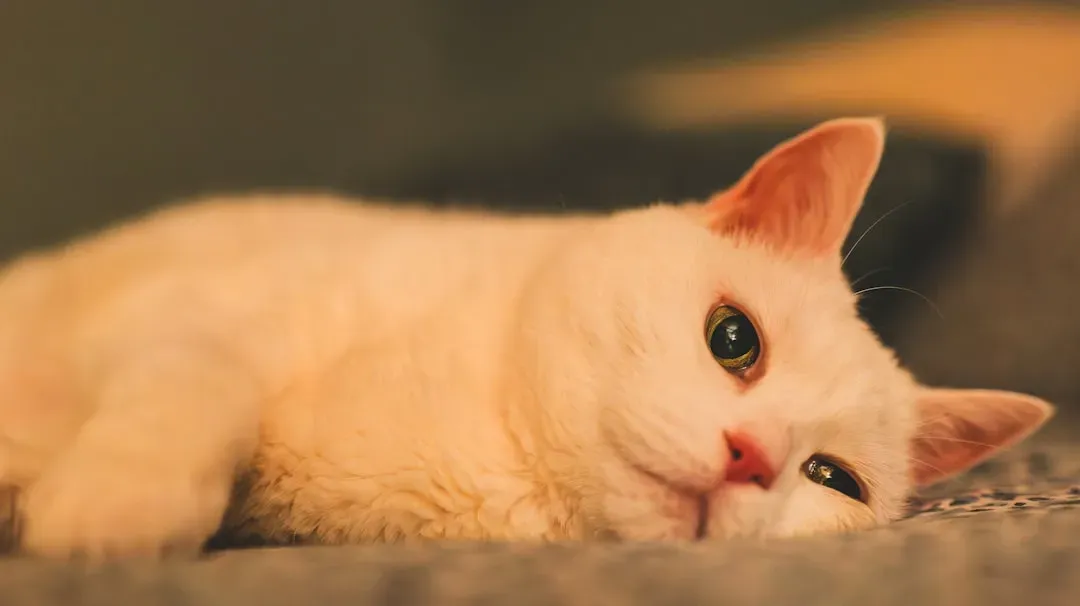
Understanding what depression looks like becomes clearer when you know what happiness looks like. Happy cats will adopt a relaxed posture, whether they are standing, sitting, or lying down. They won’t appear to be tense or ready to spring into action.
Signs of a happy cat include certain vocalizations, relaxed body language, and an increased desire to explore and play. They’ll greet you at the door, knead their paws contentedly, show their belly when feeling secure, and maintain steady eye contact with slow blinks. Cats often knead on soft surfaces or laps when they are feeling content. These behaviors create such a stark contrast to the withdrawn, quiet demeanor of a depressed cat.
What You Can Do to Help Your Cat Feel Better

If you recognize these signs in your cat, don’t panic. Depression in cats is generally a temporary condition that responds well to timely intervention. First things first: schedule a vet visit to rule out underlying medical conditions that could be causing behavioral changes.
Once physical illness is ruled out, focus on enriching your cat’s environment. Spend quality time with them daily, even if they seem uninterested at first. Introduce new toys or rotate existing ones to spark curiosity. Moving houses can be stressful for cats, as the sudden change might restrict their usual activity patterns. Routine Disruptions: Changes to your working schedules, caretakers, or daily household patterns can upset a cat’s routine. So maintaining consistency wherever possible helps tremendously. Small gestures of affection, interactive play sessions, and simply being present can make an enormous difference in your cat’s emotional recovery.
What do you think about your cat’s behavior now? Have you noticed any of these signs? Sometimes the smallest changes speak volumes about what our cats need from us. Trust your instincts, because you truly know your feline friend best.