When a tiny pup was discovered alone in a wooded area at just four weeks old, the story quickly captured attention online. Initially thought to be a common mixed breed, what rescuers learned later upended expectations and sparked discussion about genetic heritage and rescue dog care. Here’s the full story behind the little dog’s remarkable discovery and what followed.
Discovery in the Woods
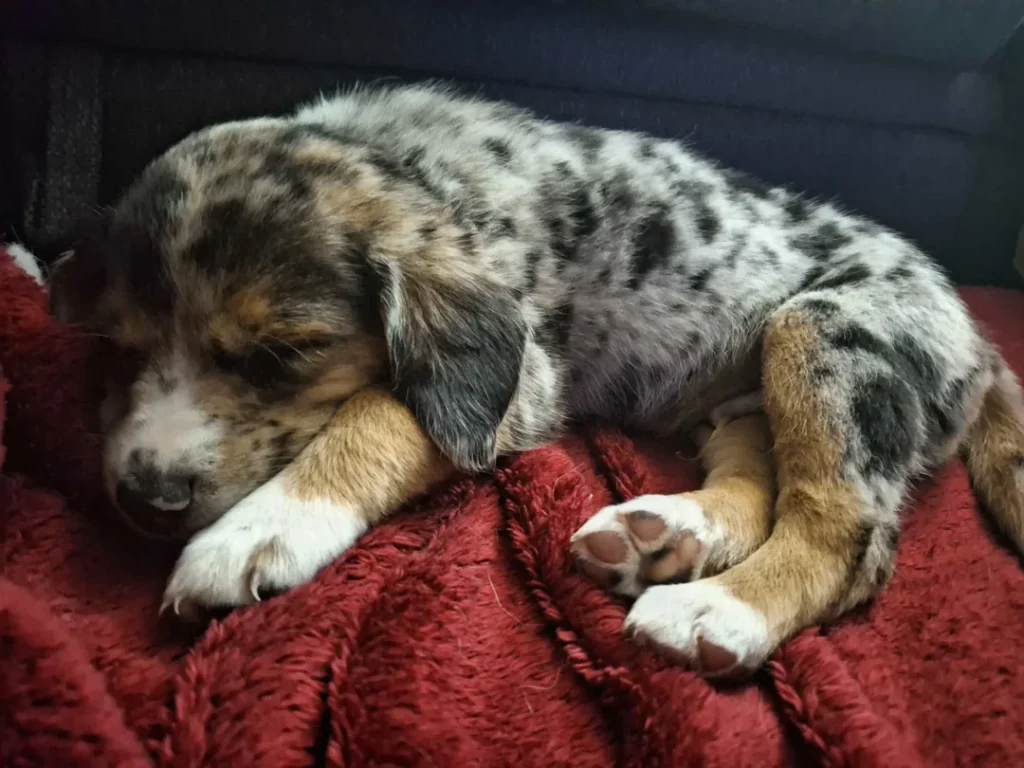
The story began when a social media user came across a tiny puppy while exploring a wooded area. Estimated by a veterinarian to be only about four weeks old, the pup was alone but appeared generally healthy. Rescuers immediately brought it to safety, providing warmth and nourishment essential for such a young canine.
At that age, puppies typically need close care, frequent feeding and socialization to thrive. Being alone at just a month old can be dangerous, as they normally are still nursing and dependent on a mother’s protection. Rescuers noted the urgency of getting medical attention right away to assess its condition and needs.
First Assumptions: A Common Breed Mix
After settling the pup into a home setting, the person who found it began speculating about its breed. At first glance, its expressive blue eyes and multi-colored coat led many to assume it might be part Catahoula—a popular breed known for its striking appearance. These initial guesses circulated widely on social platforms.
Such assumptions are common with rescue animals, especially when they display distinctive features that resemble well-known breeds. But visual guesses are often unreliable because appearances can overlap among many different breeds or mixes.
DNA Testing Reveals the Truth
To satisfy curiosity and get a clearer picture of the pup’s lineage, rescuers submitted a DNA test. The results were surprising: the puppy was not part Catahoula at all. Instead, the genetic analysis showed a mix of miniature or MAS-type Australian Shepherd and beagle—two breeds known for different traits.
This discovery sparked lively discussion online, with many users sharing their theories about the pup’s origins. Some speculated that it might have come from an accidental litter at a puppy mill or a situation where the mother was separated prematurely from her young.
Why Mixed Breeds Matter

Experts often point out that mixed-breed dogs can have health advantages. A mix of diverse genetics may reduce some inherited health issues seen in certain purebreds, though any dog—mixed or pure—can face breed-specific challenges.
Rescuers also emphasized that not knowing a dog’s full background shouldn’t dissuade potential adopters. Many mixed dogs grow into healthy, loving companions with proper care, socialization and veterinary support.
Community Reaction
The Reddit post about the puppy’s discovery quickly gained traction, attracting hundreds of upvotes and dozens of comments from users charmed by the dog’s journey. Many praised the rescue effort and expressed excitement over the breed surprise.
Some commenters speculated on the pup’s background, while others shared anecdotes about their own rescue dogs with unexpected heritage. The thread highlighted how communities rally around uplifting animal stories.
What began as a chance find in the woods became an engaging story about rescue, genetics and community interest. From being a vulnerable four-week-old alone in the woods to surprising DNA revelations, this pup’s journey underscores the unpredictability and joy of rescuing animals. Regardless of breed, the focus now turns to giving this little dog a safe, loving home where it can grow and thrive.