So you’ve decided a kitten might be joining your family. That’s both exciting and, let’s be real, a little intimidating! You’re not just picking out a cute furball for Instagram. You’re potentially welcoming a companion who could share your home for the next 15 or even 20 years. The decision deserves some serious thought, doesn’t it?
The truth is, choosing the right kitten goes way beyond simply falling for the first pair of adorable eyes you see. There’s temperament to consider, health signs to look for, and the reality of whether your lifestyle actually meshes with what a young cat needs. Don’t worry though. With a bit of knowledge and careful observation, you can find a kitten who’ll not only steal your heart but also fit seamlessly into your daily life. Let’s dive in.
Understanding Your Lifestyle Before You Choose

Here’s the thing: kittens aren’t one-size-fits-all. Before you even step foot near a litter, you need to take a good hard look at your own life. Are you home most of the day, or do you work long hours? Do you have young kids running around, or is your place more of a quiet sanctuary?
These questions matter more than you might think. Consider where and how you live as well as the type of kitten you’d like to have. If you’re constantly on the go, a super high-energy kitten might not be the best match. Similarly, if you have a bustling household with plenty of activity, a shy or nervous kitten could struggle to adjust. Honestly, matching temperaments makes all the difference.
Observing Personality Traits in the Litter
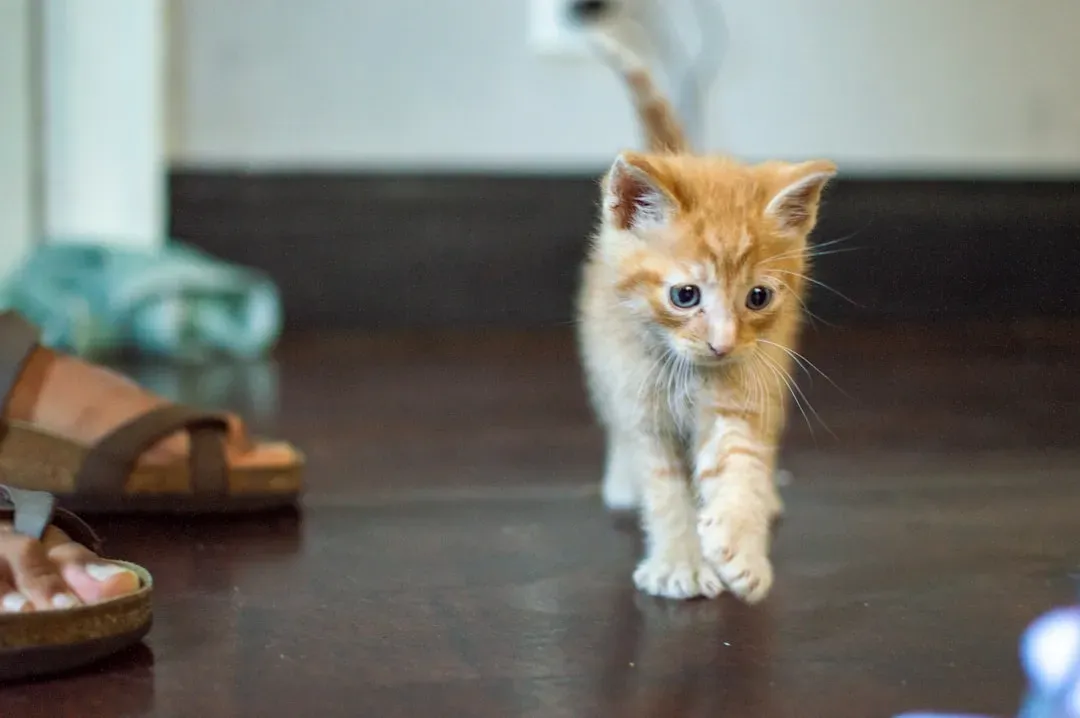
Once you’re visiting kittens, resist the urge to just grab the cutest one. Instead, sit back and watch how the whole litter interacts. Watch how the kittens play and interact so you can get a glimpse into each one’s personality. You’ll quickly notice differences: some kittens are bold and curious, marching right up to investigate you, while others hang back cautiously.
Low-intensity kittens are calm and secure, and while they do play and interact with their littermates, you will notice they are not usually the instigators of aggressive play. If you pick one up and they settle into your lap quickly with a purr, that’s a clue about their future temperament. High-energy kittens, though? They’ll be wriggling and ready to explore everything within seconds.
Checking for Bright, Clear Eyes

Now let’s talk health indicators, starting with the eyes. Healthy kittens will have bright eyes that are free of discharge. Those little eyes should be wide, alert, and genuinely curious about what’s happening around them. If you see crustiness, redness, or excessive tearing, that’s a red flag.
A kitten’s eyes should be wide, clear, and full of curiosity, with no signs of redness, cloudiness, or excessive tearing. Squinting can indicate discomfort or infection. Healthy eyes will track movement easily. Wave your hand or a toy and see if the kitten follows it with focus. It’s a simple test but tells you a lot.
Inspecting the Coat and Skin
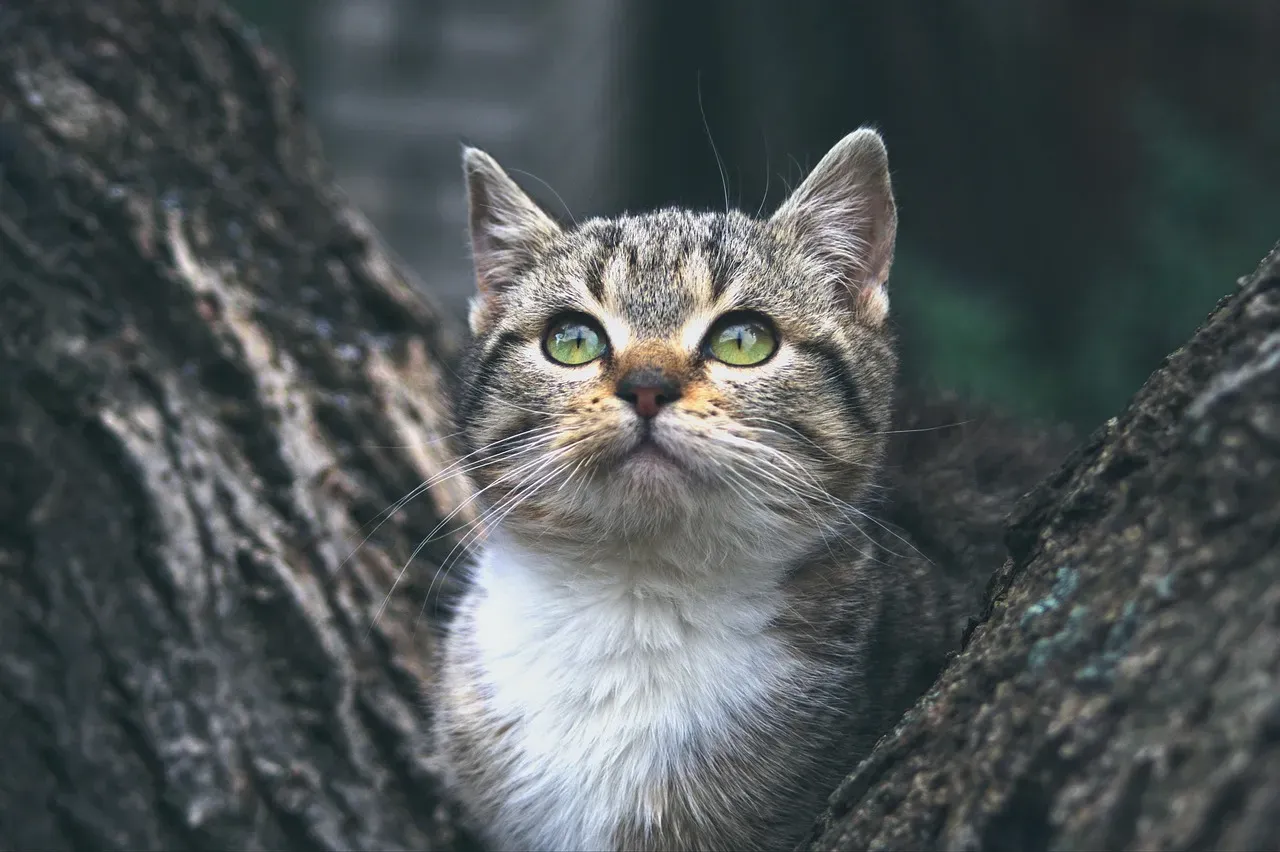
Next up: the coat. Run your hand gently over the kitten’s fur. A healthy kitten should have soft fur and no bald spots, with skin that is free of scabs or rashes. The coat should have a bit of a shine to it, not looking dull or greasy.
Keep your eyes peeled for tiny black specks in the fur. Tiny specs of black dirt in the fur and on the skin may be flea dirt (excrement), indicating a flea infestation. Fleas aren’t necessarily a dealbreaker if you’re prepared to treat them, but you should know what you’re getting into. Excessive scratching or licking might also signal parasites or skin irritation that needs attention.
Assessing Energy Levels and Alertness

A healthy kitten should radiate energy, even if they’ve just woken up from a nap. Signs of a healthy kitten would be a kitten that’s interactive, playful, eating and drinking well. They should respond when you call or make noise, lifting their head and showing interest.
Signs of a healthy kitten are alertness and curiosity, as opposed to listlessness or lethargy. If a kitten seems unresponsive or just lies there without much reaction, that’s concerning. Sure, kittens sleep a ton, but when they’re awake, they should be lively and engaged with the world around them.
Looking at Ears and Nose for Warning Signs

Don’t forget to check the ears and nose while you’re at it. Another thing to look for is ears that are free of dirt. The inside of the ears should be relatively clean and pale pink, without dark buildup or a bad smell. Head shaking or scratching at the ears could mean mites are present.
Healthy kittens won’t be sneezing, squinting or appear to have cold-like symptoms. A runny nose or watery eyes might indicate an upper respiratory infection, which is common in kittens but definitely something you’d want treated. If you hear wheezing or labored breathing, that’s a more serious concern requiring immediate veterinary care.
Evaluating Body Condition and Weight

Pick up the kitten carefully and feel their body. You want to feel a bit of substance without seeing prominent ribs or hip bones sticking out. Prominent ribs and bones are a sign of poor nourishment, which could indicate the kitten hasn’t been eating enough or might have parasites.
On the flip side, a kitten’s belly shouldn’t be hard and distended like a little balloon. If the abdomen feels hard, the kitten may be constipated or bloated, which can occur for a number of reasons including the presence of parasites. A healthy kitten’s belly should feel soft and squishy when you gently press on it. You want that Goldilocks zone: not too thin, not too round.
Understanding Socialization and Age

Timing matters hugely when it comes to bringing a kitten home. Most experts agree that they should stay with their mother and/or littermates until 12 weeks of age. This extra time with mom and siblings is crucial for learning social skills that humans simply can’t teach them.
Kittens have a sensitive period for socialization from two until seven weeks and a wide range of positive experiences in this time will help set them up to be friendly and confident. If a kitten was raised in a home environment with normal household sounds and regular human contact, they’re more likely to adjust well to your home. Kittens raised in isolation or without human interaction during those critical weeks might remain fearful or standoffish.
Considering Whether to Adopt Two Kittens

This might surprise you, but adopting two kittens together is often easier than adopting just one. I know it sounds counterintuitive! Yet kittens are social creatures who benefit enormously from having a playmate. They’ll entertain each other, burn off that wild kitten energy together, and continue learning social skills.
If you are looking for a cat who needs lots of interaction and mental stimulation, choose a high-energy, rough-and-tumble kitten, as high-energy kittens and cats tend to get bored easily, so they do best when adopted in pairs. Plus, honestly, watching two kittens play is entertainment you just can’t buy. They’ll wrestle, chase, and tumble around in ways that’ll make you laugh every single day.
Asking the Right Questions Before You Commit
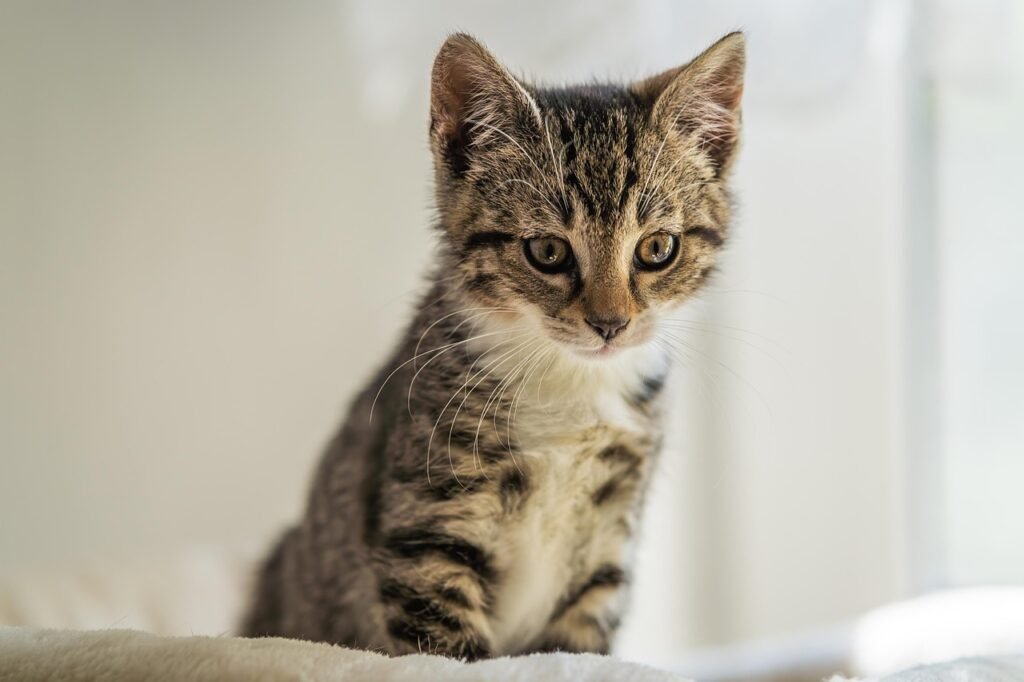
Before you take your new kitten home, there’s information you absolutely need to gather. Find out what food the kitten has been eating. Know what your kitten is being fed and purchase at least a week’s worth of this food, then you can slowly transition your kitten from this diet to your preferred choice. Sudden food changes can cause digestive upset in young kittens.
Ask about vaccinations, deworming treatments, and any health issues you should be aware of. Find out what type of litter they’ve been using too. Buying the same type of cat litter as the breeder can also help with their transition and toilet training. These small details make the adjustment to your home so much smoother for everyone involved.
Making the Final Decision with Confidence
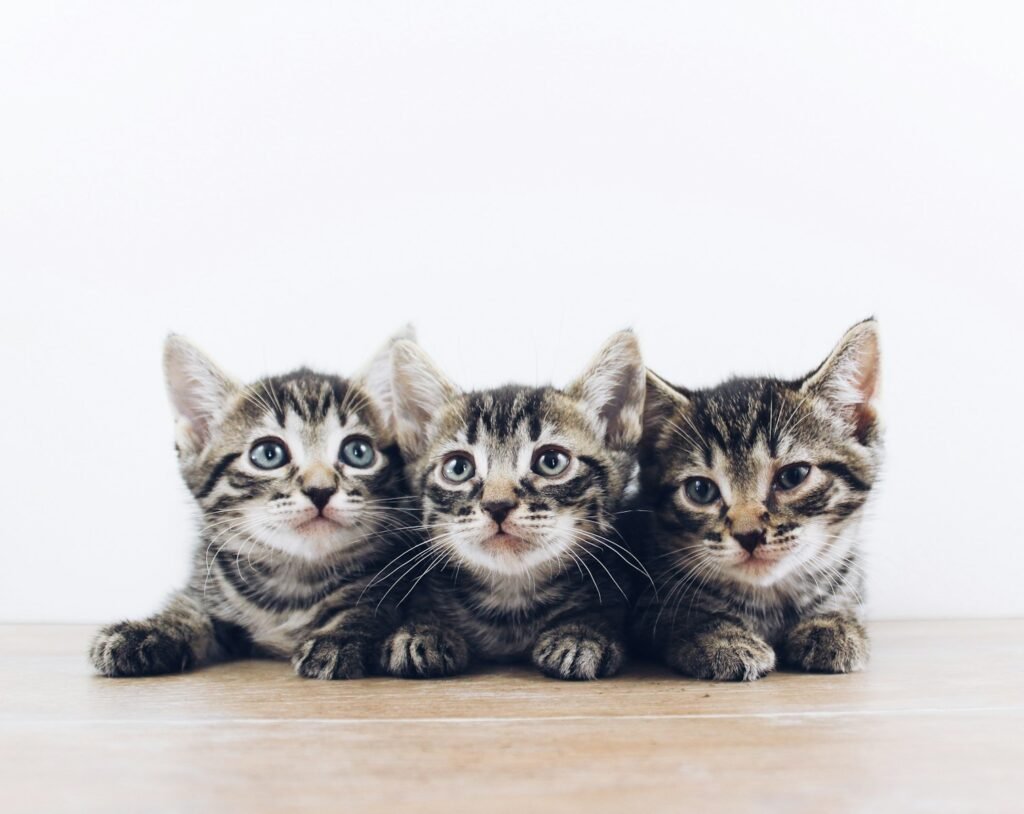
After all the checking and observing, trust your gut a little bit. Spending time with a kitten helps potential pet owners decide if the kitten has a temperament that fits well with their expectations. Sometimes the kitten chooses you just as much as you choose them. That connection matters.
Remember that choosing a kitten is both a logical decision and an emotional one. You want a healthy, well-adjusted kitten whose personality meshes with your lifestyle. Take your time, ask questions, and don’t feel rushed into making a choice. The right kitten will feel right, and you’ll know it when you find them. What signs did you notice when choosing your kitten? Was there a specific moment when you just knew they were the one?