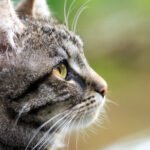
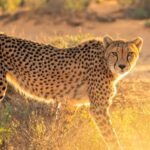
Brazil – Delegates at a United Nations wildlife conservation conference took decisive action to protect 40 vulnerable animal species. The measures target creatures like cheetahs and great hammerhead sharks, whose populations have dwindled due to escalating environmental pressures. This decision underscores a global push to curb extinction risks through coordinated international efforts.
Spotlight on Species Teetering on the Edge
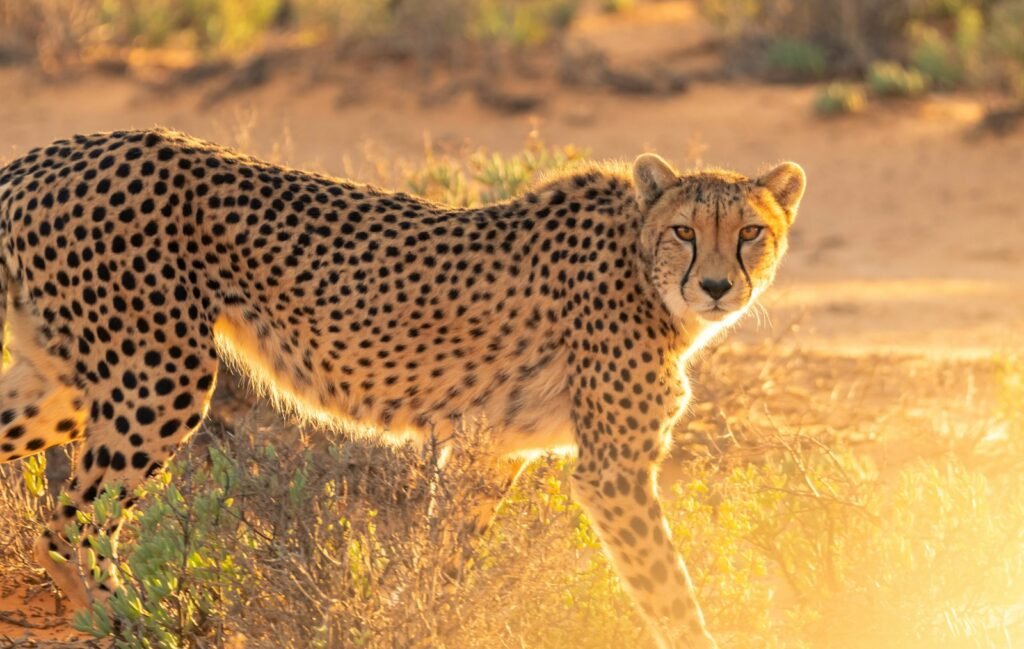
Cheetahs, the world’s fastest land animals, captured immediate attention with their inclusion in the protected list. These big cats have suffered sharp declines from habitat fragmentation and human encroachment. Snowy owls, iconic Arctic hunters, also earned safeguards as their icy habitats warm rapidly.
Striped hyenas and giant otters rounded out the high-profile additions. Hyenas face persecution in shrinking ranges, while otters battle pollution in vital waterways. Great hammerhead sharks, majestic ocean predators, round out the urgent cases, threatened by overfishing and bycatch.
Persistent Threats Fueling the Crisis
Habitat loss emerged as the primary culprit across these species. Expanding agriculture and urbanization have carved up landscapes essential for survival. Cheetahs, for instance, roam vast savannas that now fragment into isolated patches.
Climate change compounds the damage by altering migration patterns and food availability. Snowy owls endure shifting prey distributions in the Arctic, while marine species like hammerheads navigate warming oceans. Pollution further poisons ecosystems, from riverine toxins harming otters to plastic debris entangling sharks.
Convention’s Role in Global Wildlife Defense
The Convention on the Conservation of Migratory Species spearheaded the protections. This UN treaty focuses on animals that cross borders, making international cooperation essential. The Brazil meeting marked a pivotal update to its framework.
Adopted measures aim to strengthen enforcement and monitoring worldwide. Participating nations committed to actions like habitat restoration and trade restrictions. Such steps build on prior successes in reversing declines for other migratory species.
Key Steps Forward for Endangered Wildlife
Implementation will demand collaboration among governments, scientists, and communities. Enhanced tracking technologies could monitor populations more effectively. Public awareness campaigns might reduce poaching and incidental harms.
- Cheetahs: Protected from habitat loss in African ranges.
- Snowy owls: Safeguarded against Arctic climate shifts.
- Striped hyenas: Targeted relief from human conflicts.
- Giant otters: Cleaner rivers through pollution controls.
- Great hammerhead sharks: Limits on unsustainable fishing.
Key Takeaways
- 40 species now benefit from binding UN protections.
- Habitat loss, climate change, and pollution drive the urgency.
- International unity offers real hope for recovery.
This Brazil summit signals renewed momentum in the fight against extinction. Wildlife populations could stabilize with sustained action. What steps do you believe will make the biggest difference? Share your thoughts in the comments.