You share your life with a feline companion who has been by your side through so many moments. The good times and the tough days. The quiet afternoons and the chaotic ones. This bond you’ve built together is special, and thinking about a time when your cat might not be here can feel overwhelming.
Let’s be real, nobody wants to imagine their beloved cat reaching the end of their journey. Still, understanding what might happen during this phase can actually help you provide the best possible comfort and care. This guide is here to support you with compassionate, practical information so you can navigate this difficult time with confidence and love.
Myth: Cats Always Hide When They’re Dying

While it’s true that many cats will seek solitude in unusual places during their final days, this isn’t a universal behavior. Some cats actually become more affectionate and clingy as they near the end of their lives. Cats will often become more affectionate as they approach their last days, wanting more attention than normal and being more vocal.
Your cat’s personality plays a huge role here. A naturally social cat might want to be near you constantly, while a more independent feline might choose a quiet corner. Neither response is wrong. What matters is that you pay attention to changes in your cat’s normal behavior, whatever that looks like for them.
The instinct to hide away from predators is a throwback to their days in the wild, but domesticated cats don’t always follow this pattern. You know your cat best, so trust your observations about what they seem to need emotionally during this time.
Fact: Physical Signs Are Often More Obvious Than You Think
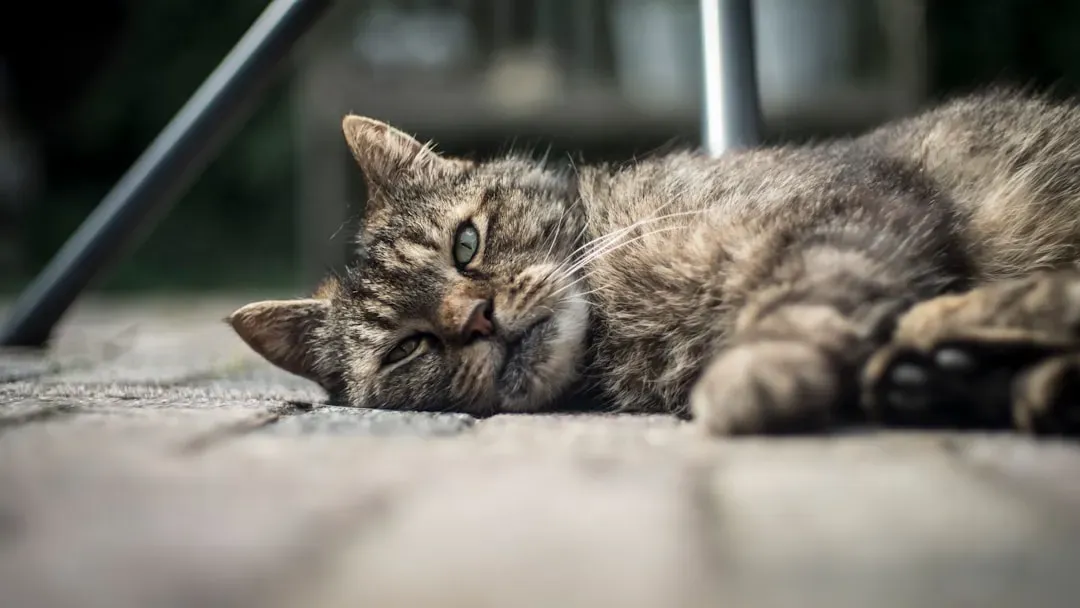
Common signs a cat is dying include weight loss, lethargy, vomiting, loss of appetite, reclusiveness or hiding, and a decline in alertness. These symptoms can develop gradually or appear quite suddenly depending on the underlying condition.
Labored or irregular breathing patterns, sunken eyes, pale gums, or cold body temperatures are particularly concerning physical indicators. You might notice your cat’s breathing becomes more effortful, or they may breathe with their mouth open, which is never normal for a cat at rest.
A dying cat may have an abnormal breathing pattern, with her respiratory rate speeding up and slowing down at random, and she may even stop breathing for short periods of time and then start back up again. Temperature regulation can also become difficult. As a cat’s body starts to break down, he or she might not be able to regulate temperature as well as they once did, which could present in cold extremities, specifically the paws and ears.
A drop in a cat’s temperature below 100 Fahrenheit is very concerning in cats, and can indicate extreme debilitation or serious illness. If you notice these physical changes, it’s time to contact your veterinarian immediately to discuss your options.
Myth: If Your Cat Is Still Eating, They’re Fine
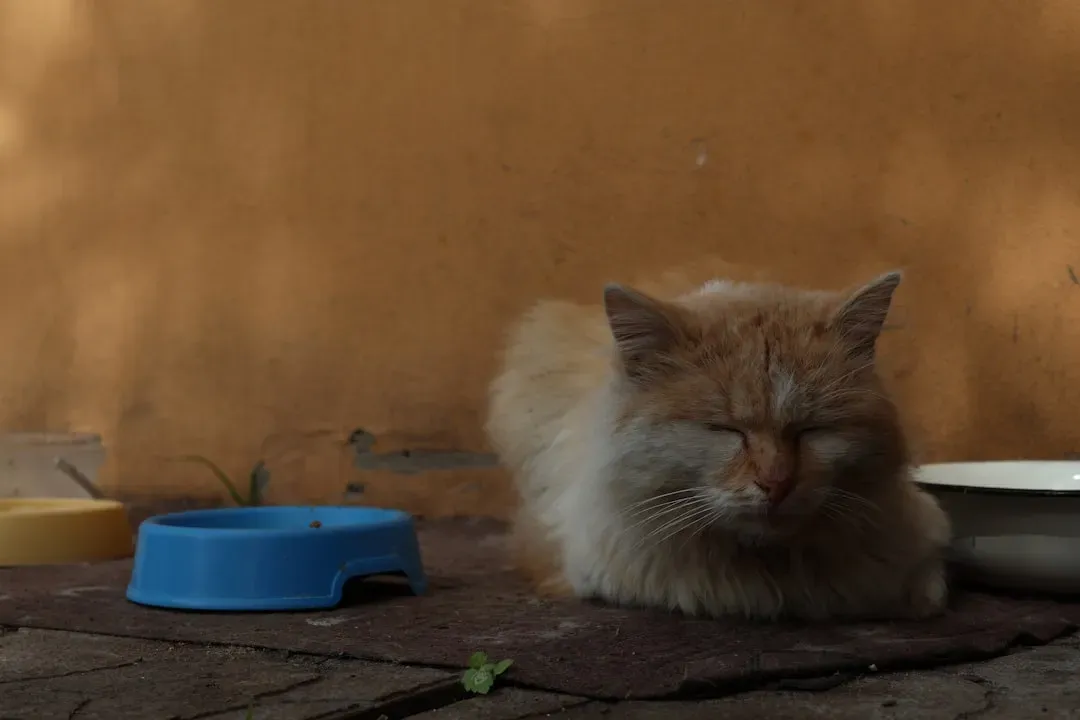
This is one of the most dangerous misconceptions out there. Sometimes an animal will continue to eat or drink in spite of pain or disorientation. Your cat might nibble at food here and there, but that doesn’t necessarily mean they’re comfortable or that their quality of life is acceptable.
Cats can go days without eating and, as long as their other symptoms are managed, may still derive enjoyment from life. However, focusing solely on whether they’re eating misses the bigger picture. You need to look at the whole cat, not just one symptom.
Honestly, I think this myth persists because we desperately want to believe our cats are okay. We cling to any sign of normalcy. The truth is, appetite is just one piece of a much larger puzzle when assessing your cat’s wellbeing.
Fact: Cats Are Masters at Hiding Pain

Cats are good at hiding pain, so while you may not notice obvious signs, there are plenty of little cues that may indicate that your cat isn’t feeling well and is slowly getting worse. This survival instinct served them well in the wild, but it makes our job as caregivers more challenging.
Common signs that show a cat is suffering include hunched posture, limping, or stiffness, persistent crying, restlessness, or resistance to touch, and avoidance of grooming or a messy, unkempt coat. These subtle indicators are easy to miss if you’re not watching closely.
Symptoms of pain in a cat include increased vocalizations, panting or open-mouth breathing, constantly licking a particular area, hiding or avoiding interaction with family, irritability when touched, not eating, not being able to jump up to favorite places, change in litter box habits, and nonstop purring. Yes, you read that right – purring can actually be a sign of discomfort as cats purr to soothe themselves when they’re in pain.
Myth: Euthanasia Is Giving Up on Your Cat

Let me be very clear about this: Euthanasia provides a painless, peaceful end for a pet who would otherwise continue to suffer. Making this choice isn’t about giving up. It’s about giving your cat one final gift – freedom from pain and distress.
Most reach a point when their quality of life is poor and a decision for euthanasia is the kindest option. Sadly, few cats die peacefully in their sleep at home. The reality is that unassisted death can involve labored breathing, low body temperature, and an inability to move, which can be traumatic to witness.
Pet parents can take comfort knowing that euthanasia is a quick, pain-free way to end a cat’s suffering at the end of their life. When a cat is euthanized, their final moments are generally very peaceful, and they may exhale deeply, twitch, or lose control over their bowel and bladder as their body relaxes.
Choosing euthanasia when your cat’s quality of life has declined significantly is one of the most loving, selfless decisions you can make. It takes immense courage to put your cat’s needs above your own desire to keep them with you longer.
Fact: Quality of Life Scales Can Help You Make Decisions
Dr. Alice Villalobos, a veterinary oncologist, developed a quality-of-life scale for cats that provides guidelines to help owners and veterinarians work together to maintain a healthy human-animal bond, looking at seven different categories and scoring each parameter from 1 to 10, with 10 being the best.
A score above 5 in each category, or an overall score greater than 35, suggests that the cat’s quality of life is acceptable and that it is reasonable to continue end-of-life care and support, with categories remembered as HHHHHMM: Hurt, Hunger, Hydration, Hygiene, Happiness, Mobility, and More good days than bad.
These assessment tools give you something concrete to track over time. You can measure whether interventions are helping or if your cat’s condition is declining. It takes some of the emotion out of an incredibly emotional situation, which can be surprisingly helpful.
When the bad days occur more frequently than the good days, this signals the end is near, as bad days mean your kitty’s quality of life and their ability to derive enjoyment from life are seriously impaired by the severity of their symptoms. Tracking these patterns helps you see the trajectory more clearly.
Myth: Hospice Care Is Only for Humans
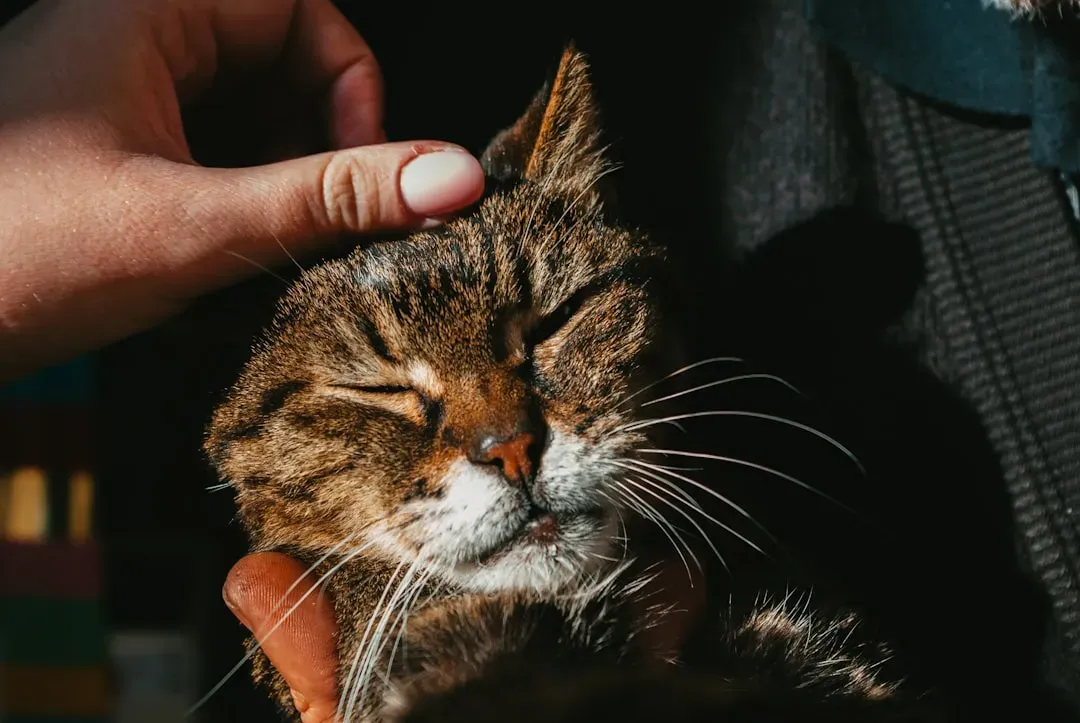
Pet hospice care, also known as palliative care, is an option if your pet is suffering from a terminal illness and a cure is not possible, with the goal to make a pet’s final days or weeks more pleasant with the proper use of pain medications, dietary strategies and human interaction.
When cats receive hospice care, veterinarians work with pet parents to focus on helping pets live as comfortably as possible at the end of their pet’s life, and veterinary hospice also helps pet parents plan for their cat’s peaceful life exit. This isn’t about giving up or refusing treatment – it’s about changing the focus from cure to comfort.
Hospice and palliative care for cats may include medications, rehab therapy, and environmental changes to make their day-to-day activities more comfortable, and your vet may recommend elevated food and water bowls, low-entry litter boxes, and cat steps or ramps. These modifications can significantly improve your cat’s remaining time.
Hospice care will continue until the cat dies naturally or by euthanasia, and the care focuses on your family and your pet’s needs, so each patient will be handled differently. You’re not alone in this journey – veterinary professionals can guide you through it.
Fact: Creating a Comfortable Environment Matters Enormously
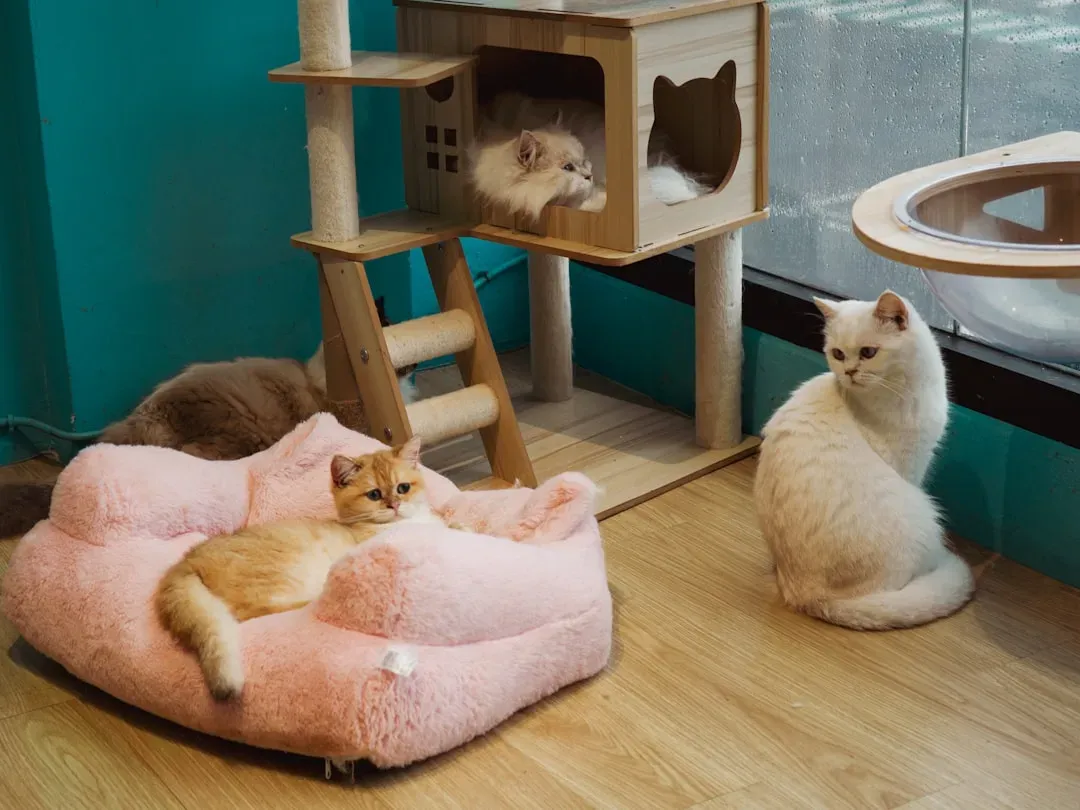
To help a dying cat at home, provide a quiet, warm space away from noise and foot traffic with soft bedding that’s easy to clean and adjust. Your cat needs a sanctuary where they feel safe and protected during this vulnerable time.
To help them feel more comfortable, adjust their environment to accommodate their changing physical abilities, offering compassion while preserving their independence and dignity can help reduce their stress and frustration. Simple changes like lowering food bowls or providing easier access to favorite spots can make a real difference.
Position the litter box in a quiet, accessible location with low sides for easy entry, helping avoid accidents when mobility decreases. Nothing is more distressing for a fastidious cat than having accidents because they couldn’t physically reach their litter box in time.
Keep her warm, with easy access to a cozy bed or a warm spot in the sun, help her out with maintenance grooming by brushing her hair and cleaning up any messes, and offer foods with a strong odor to encourage her to eat. These small acts of care show your cat they’re loved right until the end.
Myth: You Shouldn’t Let Other Pets See the Deceased Cat
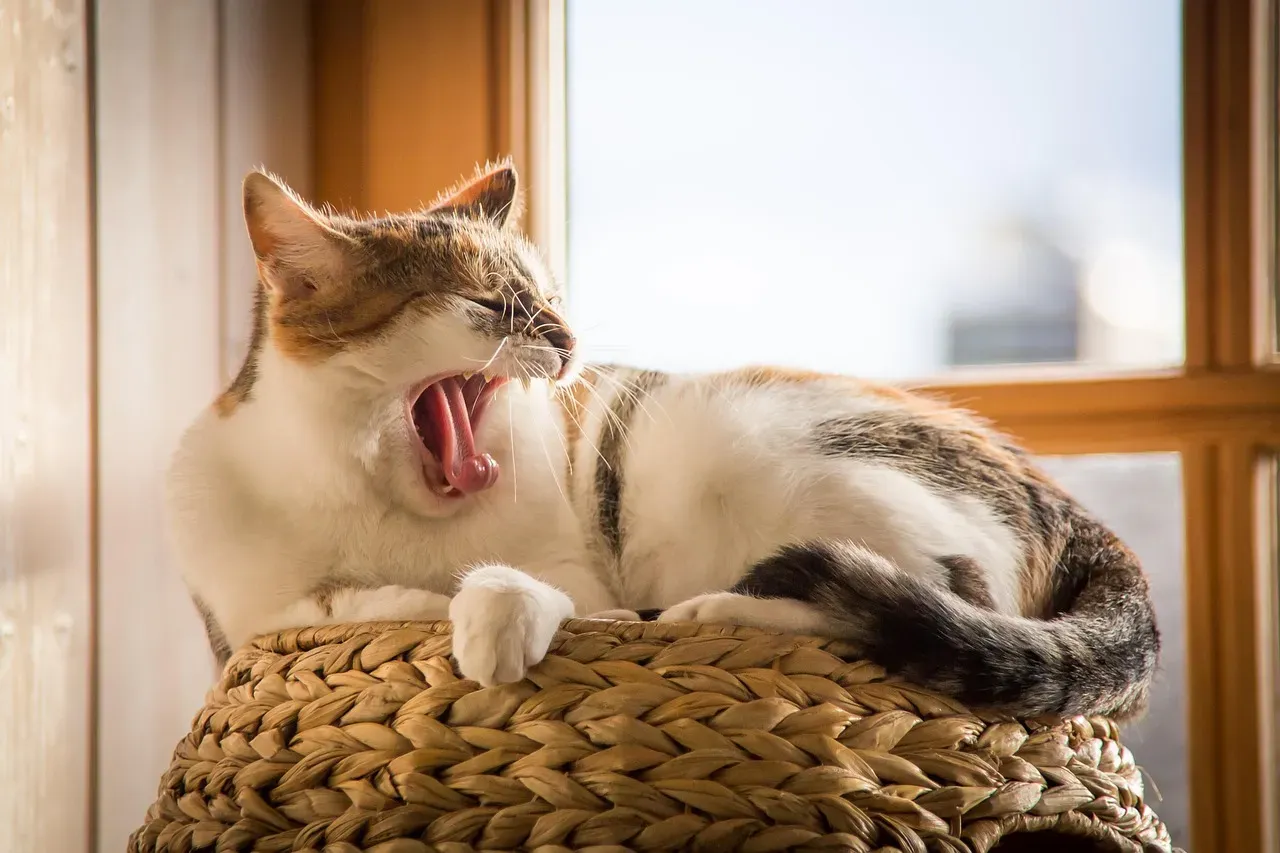
Time spent sniffing and nuzzling the dead body of their companion may be a necessary part of the grieving process, and it can be helpful to bring the body of a euthanized cat home rather than have it cremated at the veterinarian’s. This might sound morbid, but it serves an important purpose.
Surviving pets often don’t understand what happened to their companion. Without the opportunity to see and smell the body, they may search for their missing friend for weeks or even months. Allowing them this closure can actually help them process the loss more effectively.
A study found that 46% of cats experienced a decreased appetite following the loss of a feline companion, many cats slept more than usual while some suffered insomnia, and about 70% of cats exhibited changes in vocal patterns. Your surviving pets will grieve, and that’s completely normal.
Fact: Your Grief Is Valid and Real

Losing a cat can be a life-changing event, one that can be as difficult as the loss of a human companion, with pain associated with such a loss that can be devastating, whether the loss is sudden or has long been expected.
If you look at the research comparing grieving a pet to other kinds of loss, loss of a pet can be just as bad as losing a human depending on the relationship someone had with their pet. Don’t let anyone diminish your feelings or suggest you’re overreacting. Your cat was family.
Whether you are feeling sad, anxious, tired, guilty, or relieved, this is normal, and there is no correct way to grieve the loss of your cat as grief may be experienced in stages that can include denial, anger, bargaining, depression, and acceptance. These emotions might hit you all at once or in waves over time.
People seek professional grief counseling for many reasons, including feeling uncomfortable sharing their loss with people they know, not feeling validated in their grief experience, or having concerns about impairments in daily functioning, and if one is having trouble sleeping, eating, interacting with friends and family, or performing daily tasks, consultation with a mental health professional can be a helpful support. There’s absolutely no shame in seeking help if you need it.
Conclusion: Cherishing Every Moment You Have Left

Some felines want to spend their last hours close to their chosen humans, snuggling is a wonderful way to show your love if you don’t want your cat to exert much effort, and even though this is a difficult time, you might look back on your pet’s final day and wish you had taken more photos. Make those memories now while you still can.
This journey you’re on with your cat isn’t easy. There will be tears, tough decisions, and moments when you question everything. That’s all part of loving deeply. What matters is that you’re showing up for your cat with compassion and courage during their most vulnerable time.
Try not to feel guilty or blame yourself, as the decision for euthanasia is taken with your cat’s best interests at heart to avoid them suffering. You’re doing the best you can in an impossible situation, and your cat knows they’re loved. That’s what truly matters.
So, take things one day at a time. Trust your instincts. Lean on your veterinary team for guidance. And above all, treasure these final moments with your beloved companion. Did you find this information helpful as you navigate this difficult chapter?