Cats often crave affection from their owners, yet they possess distinct boundaries that, when crossed, can turn a soothing stroke into a swift swat.
The Allure and Limits of Feline Touch
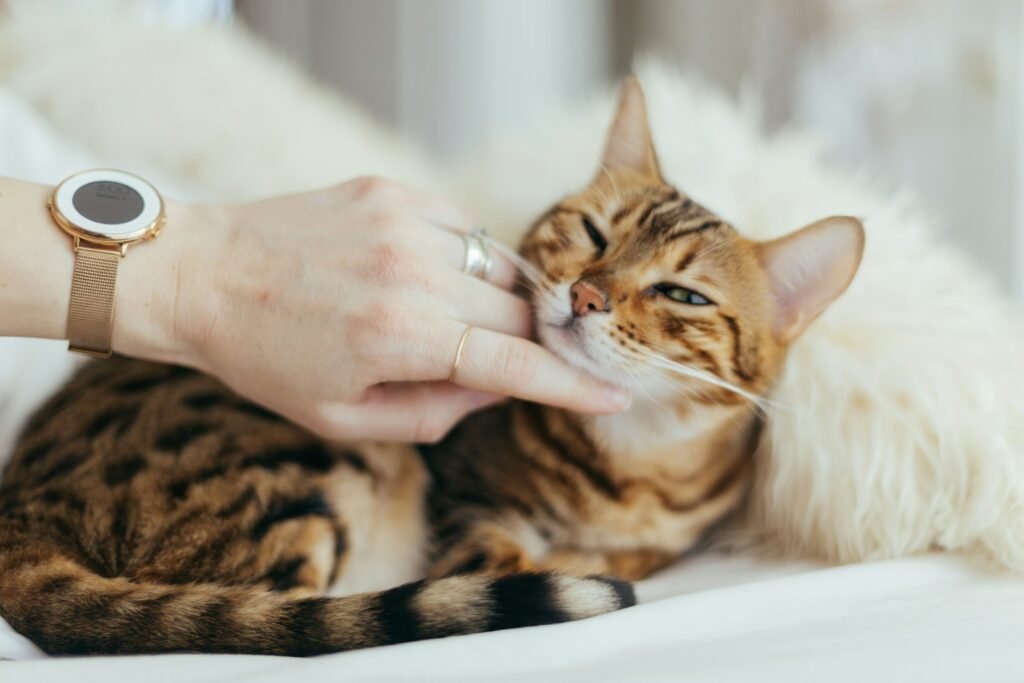
Petting a cat ranks among the simple joys of companionship, fostering a sense of connection that echoes the grooming rituals mother cats perform for their kittens. However, not all cats respond the same way to human hands. Many enjoy the interaction as a bonding experience, but their tolerance varies widely based on individual personality, past experiences, and even the day’s mood. Owners who ignore these subtle cues risk transforming a moment of bliss into one of frustration.
Research into cat behavior highlights how petting mimics natural social behaviors in felines, releasing endorphins for both cat and human. Yet, overstimulation aggression – where a cat suddenly bites or scratches after prolonged contact – remains a common issue. This reaction stems from a cat’s heightened sensitivity, particularly in areas like the belly or tail base, where touch can shift from pleasant to overwhelming in seconds. Understanding this threshold helps prevent misunderstandings and strengthens the human-feline relationship.
Spotting the Signs Your Cat Welcomes Petting
A confident cat approaches with its tail held high and slightly curved, signaling openness to interaction. Forward-facing ears and a gentle head rub against your hand further invite touch, indicating trust and a desire for closeness. These behaviors suggest the cat views you as a safe companion, ready for affectionate strokes along the cheeks or under the chin.
Watch for additional invitations, such as purring or kneading with its paws, which mimic kitten-like contentment. Cats that circle your legs or expose their sides briefly also express interest. Still, even enthusiastic cats have limits; a sudden ear twitch or tail flick warns that the session nears its end. By honoring these signals early, owners avoid the abrupt rejection that can erode trust over time.
Avoiding Common Petting Pitfalls
One frequent mistake involves reaching for a cat’s belly, an area many felines guard fiercely despite occasional playful exposures. While some cats tolerate it briefly, most interpret prolonged contact there as a threat, leading to defensive scratches. Another error lies in petting too vigorously or ignoring a cat’s attempts to pull away, which can trigger the “petting and biting syndrome” observed in behavioral studies.
Owners sometimes loom over their pets, creating an intimidating posture that discourages relaxation. Instead, sitting at the cat’s level allows it to control the interaction, reducing stress. For sensitive cats, short sessions – lasting just a few seconds – followed by pauses prevent overstimulation. Gradually building tolerance through consistent, gentle approaches proves more effective than forcing extended contact.
- Start with the head and face, avoiding the body initially.
- Pet in the direction of fur growth for a soothing feel.
- Stop immediately if the cat’s body tenses or its eyes dilate.
- Use light strokes rather than heavy pats to mimic grooming.
- End on a positive note by withdrawing your hand slowly.
Building Lasting Trust Through Mindful Interaction
Respecting a cat’s petting boundaries not only curbs aggressive responses but also deepens the emotional bond. Cats that feel secure in their owner’s attentiveness often seek out more voluntary contact, turning solitary creatures into affectionate partners. Behavioral experts emphasize reading body language as key to this process, noting that poor socialization in kittens can heighten sensitivities later in life.
For cats prone to overstimulation, techniques like brief, rewarding sessions paired with treats reinforce positive associations. Over time, many owners report their pets becoming more tolerant, though individual quirks persist. This mindful approach aligns with cats’ independent nature, ensuring interactions remain enjoyable rather than obligatory.
Key Takeaways
- Observe tail position and ear orientation to gauge interest.
- Limit sessions to head and neck areas for most cats.
- Recognize overstimulation early to prevent bites or scratches.
In the end, every cat dictates its own petting rules, rewarding patient owners with unwavering loyalty. By tuning into these feline cues, you create a harmonious home where affection flows naturally – what boundaries has your cat set? Share your experiences in the comments.