Let’s be real. You’ve probably stood there watching your cat knock your favorite coffee mug off the counter, stared into those unblinking eyes, and wondered if they’re secretly plotting world domination. Every cat owner has been there at some point, feeling like their feline friend is deliberately being difficult or downright destructive. Here’s the thing though: what you’re labeling as bad behavior might actually be your cat trying desperately to tell you something important.
Your cat isn’t being a jerk. Honestly, they’re just speaking a language most of us haven’t learned to understand yet. Think about it like this: imagine trying to communicate urgent needs without words, and the person you’re talking to keeps misinterpreting everything you do. Frustrating, right? That’s your cat’s daily reality. The scratching, the midnight sprints, the excessive meowing, all those annoying little habits actually have meaning behind them if you’re willing to listen.
When Your Cat Pushes Things Off Tables (And You Think They’re Just Being Spiteful)
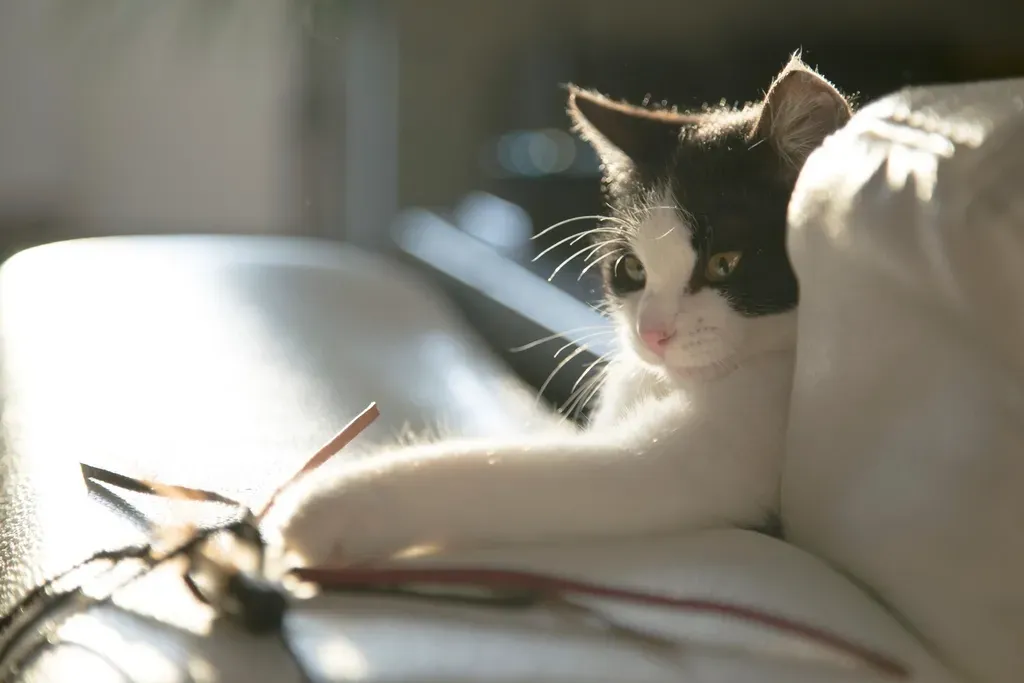
You know that moment when your cat makes direct eye contact with you and slowly, deliberately pushes your phone off the nightstand? Yeah, that one. It feels personal. It feels intentional. Well, guess what? It absolutely is intentional, but probably not for the reason you think.
Your cat’s instinct to chase fast-moving objects is tied to their predatory nature, and batting items off surfaces plays directly into this hunting behavior. When your cat knocks things over, they’re often seeking attention because negative attention is still better than no attention at all. They’re examining how objects move, whether they break, and what’s inside them as part of understanding their environment. Indoor cats especially need this kind of interaction because they don’t have natural hunting opportunities. So before you get mad next time, consider whether your cat might just be bored, understimulated, or desperately trying to get you to play with them.
Furniture Scratching Isn’t Vandalism (It’s Actually a Newsletter)
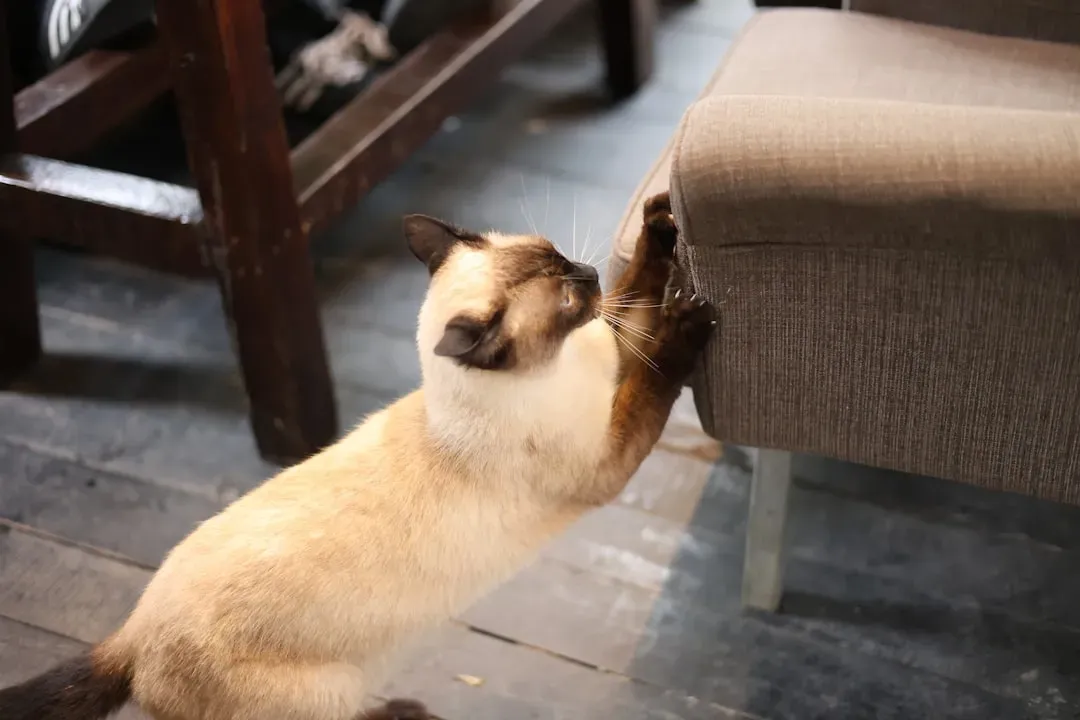
Your beautiful couch didn’t deserve this, you think, staring at the shredded armrest. The scratching post sits untouched in the corner, mocking you. Why won’t they just use the thing you bought specifically for this purpose?
Cats scratch to maintain healthy claws through a process called stropping, which removes the outer keratin layer and reveals sharp new surfaces underneath, essential for climbing, hunting, playing, and defense. They also use scratching as territorial communication, with scent glands between their paw pads producing chemical messages that get deposited when claws scrape down surfaces. It’s hard to say for sure, but your cat might be scratching specific furniture because it’s in a high-traffic area where their scent marking matters most. Research has even found that cats living with kids or those who are more playful and active at night are especially prone to furniture scratching, often as a stress response.
Excessive Meowing Is Actually a Conversation You’re Not Understanding
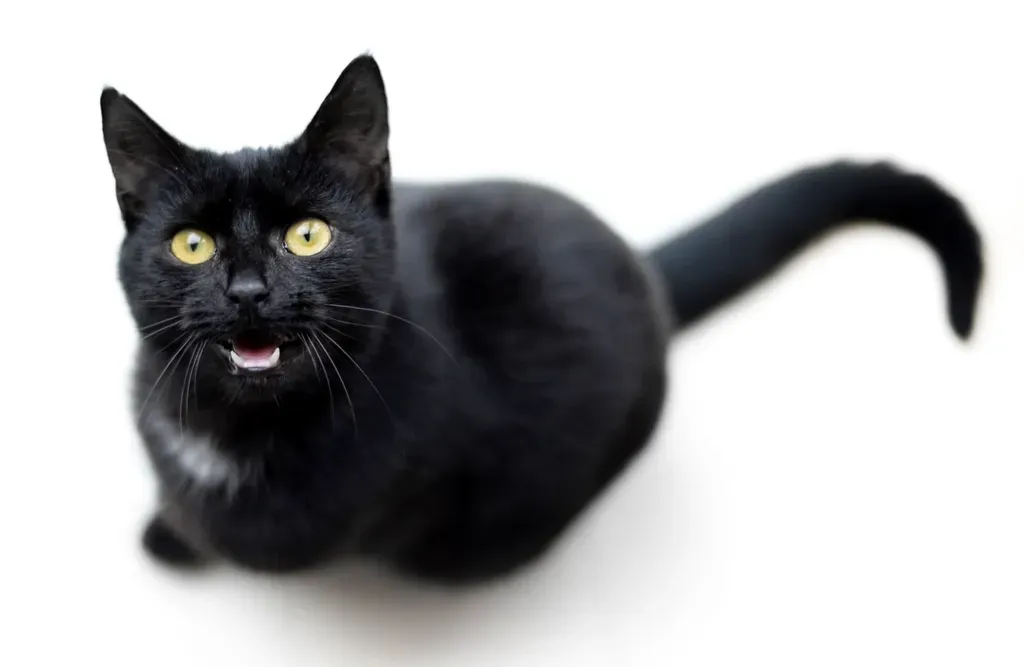
Adult cats don’t actually meow at each other, only at people, because meowing gets humans to do what they want. Wild, right? Your cat literally developed a communication method specifically designed for you, and we’re over here calling it annoying.
Cats meow for many reasons: to say hello, to ask for things, and to tell us when something’s wrong. When meowing becomes excessive, it’s often a sign your cat is trying to tell you something important, whether it’s a request, a reaction to stress, or a symptom of an underlying medical condition. Recent research even discovered that cats meow more frequently when greeting male caregivers than female ones, producing an average of 4.3 meows in the first 100 seconds with men compared to just 1.8 with women. They’re adjusting their communication strategy based on who’s listening. That’s actually pretty sophisticated when you think about it.
The Midnight Zoomies Aren’t Random Acts of Chaos
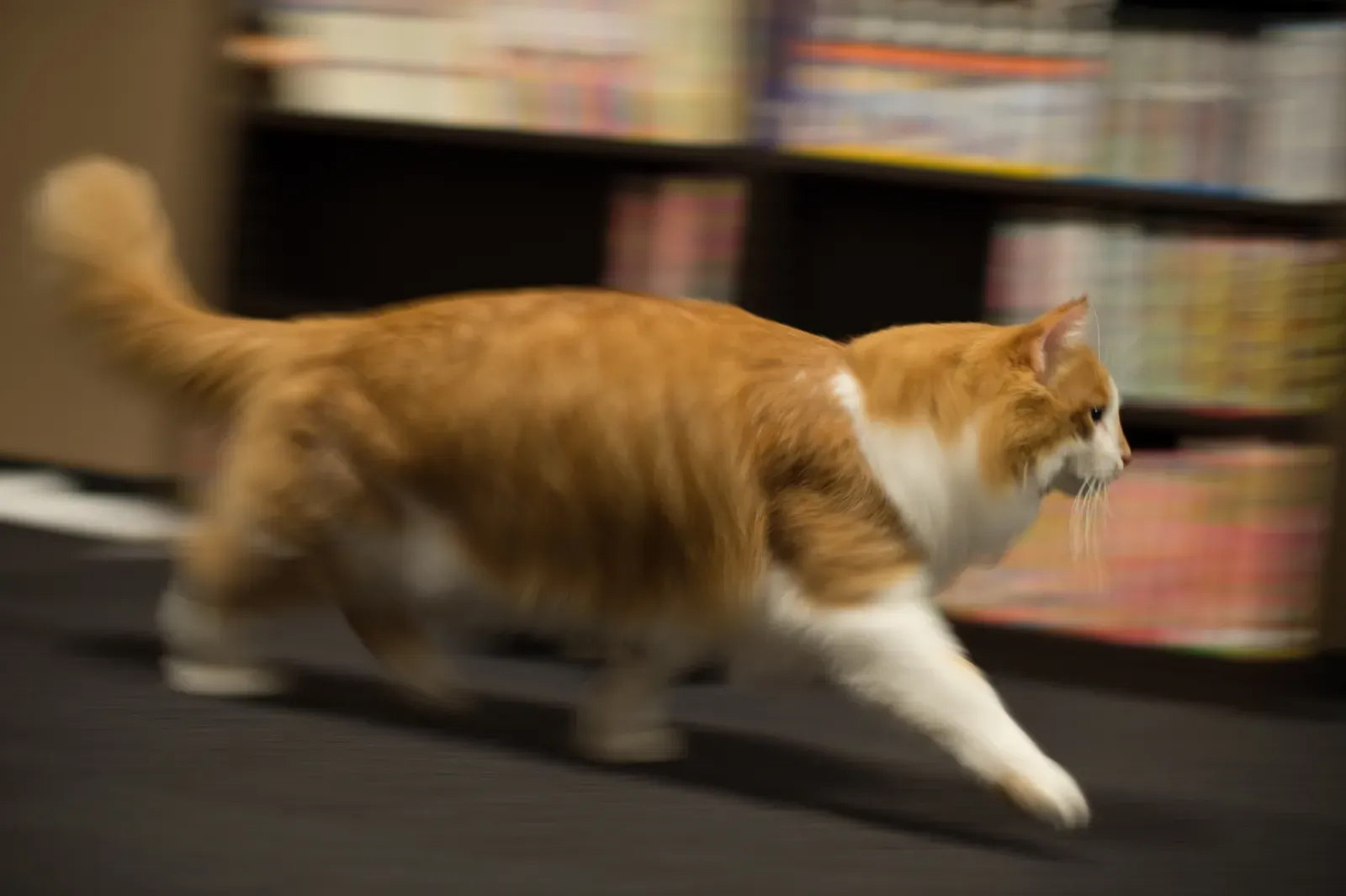
Three in the morning. You hear thundering paws racing down the hallway. Something crashes in the kitchen. Your cat has officially lost their mind, or so you think. Welcome to what scientists call Frenetic Random Activity Periods, though most of us just call them the zoomies.
These random bursts of energy where cats run frenetically, often in circles, usually last just a few minutes or less. Cats are crepuscular animals, most active during dawn and dusk, a behavior traced back to wild ancestors who hunted during these times to take advantage of cooler temperatures and prey movement. Indoor cats sleep roughly 12 to 16 hours a day to conserve energy, and those who don’t get enough exercise may be overtaken by the need to use that unspent predatory energy by running wildly around the house. So basically, your cat isn’t crazy. They’re just an under-exercised hunter with nowhere to hunt.
Staring at You Isn’t Judgment (Usually)
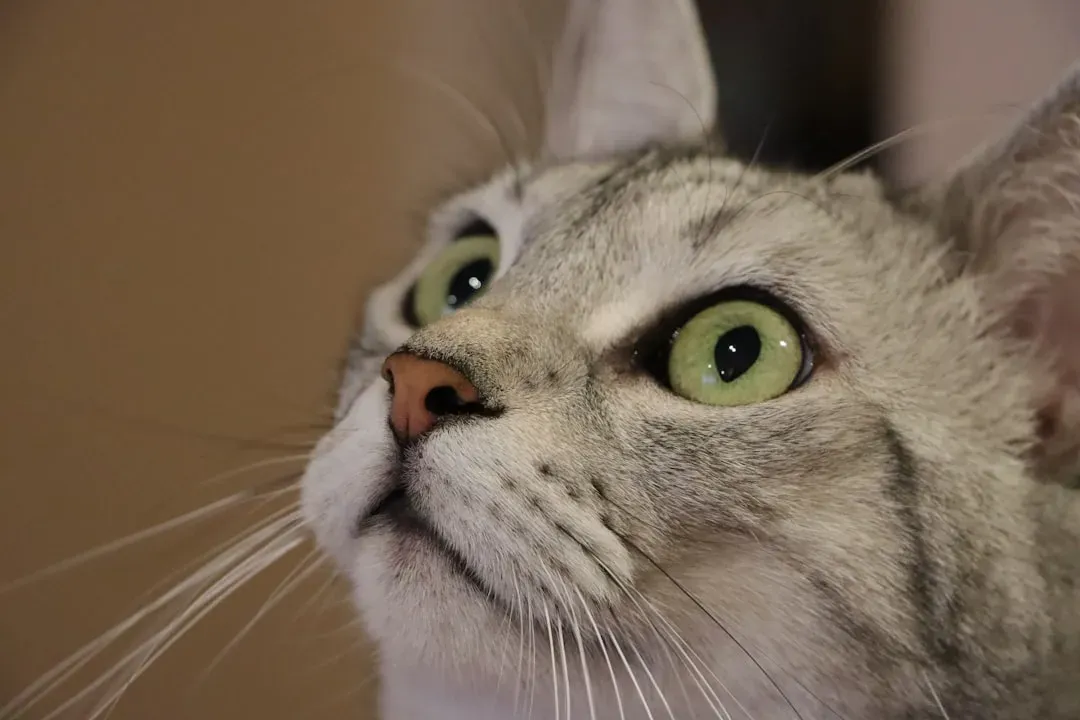
That intense, unblinking gaze can feel unnerving. You start wondering what embarrassing thing you did earlier, or whether your cat knows something you don’t. The truth? They might just be saying “I love you” in cat language.
What might look like glaring could actually be a slow blink, which is a sign of affection. Cats use synchronized non-verbal communication with humans, such as slow blink-matching, where they open and close their eyes repeatedly in slow blinks more frequently when their owners blink at them. Cats blink slowly to show affection and relaxation, and returning their gesture by blinking slowly back is actually a great way to communicate with them. Next time your cat stares at you, try slowly closing and opening your eyes. You might be surprised by their response.
Biting and Swatting During Petting Sessions
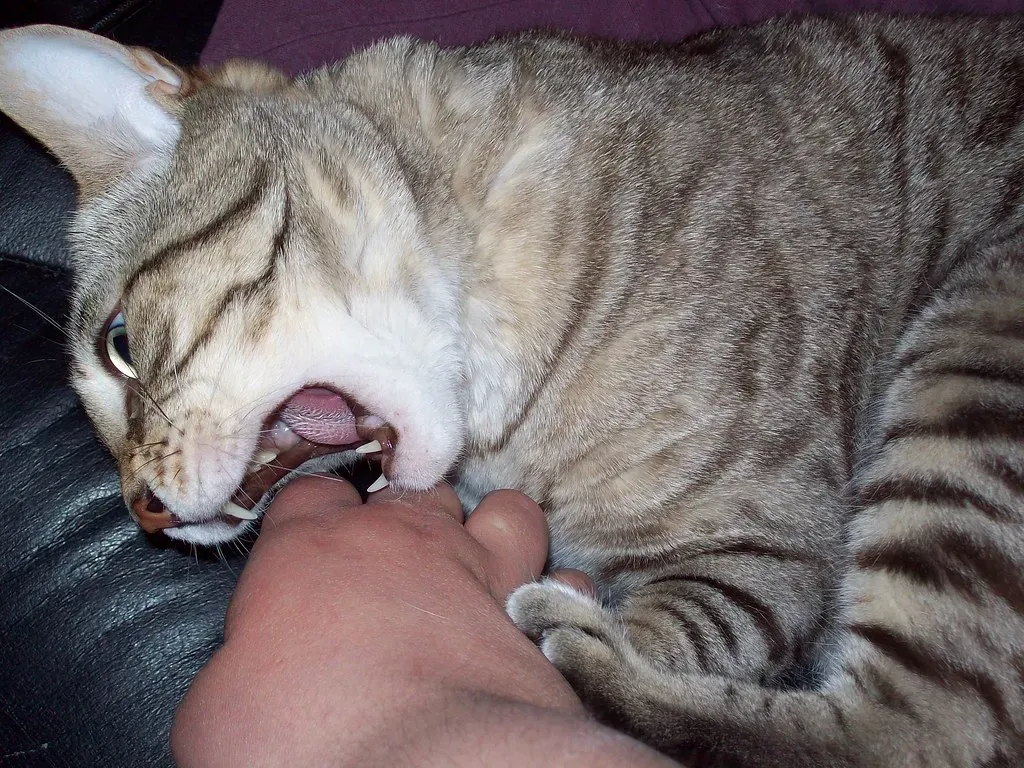
One minute you’re having a lovely bonding moment, gently stroking your purring cat. The next minute, teeth sink into your hand or claws swipe at your wrist. What just happened?
Sometimes a cat will bite or swat after you’ve ignored earlier signals that they’re uncomfortable, and a nip isn’t an attack but rather a last resort for communication when nothing else is working. Misinterpretation of cat communications during play can lead to unwanted interactions that prolong stress for cats and increase the risk of human injury. Studies show we tend to misread cats’ cues indicating negative emotional states like stress, discomfort, or threats at an alarming rate of nearly one-third of the time. Your cat probably gave you signals: ears flattening, tail twitching, skin rippling. Most of us just don’t notice until the bite happens.
Why They Bring You Dead Things (And It’s Not Because They Think You’re Incompetent)
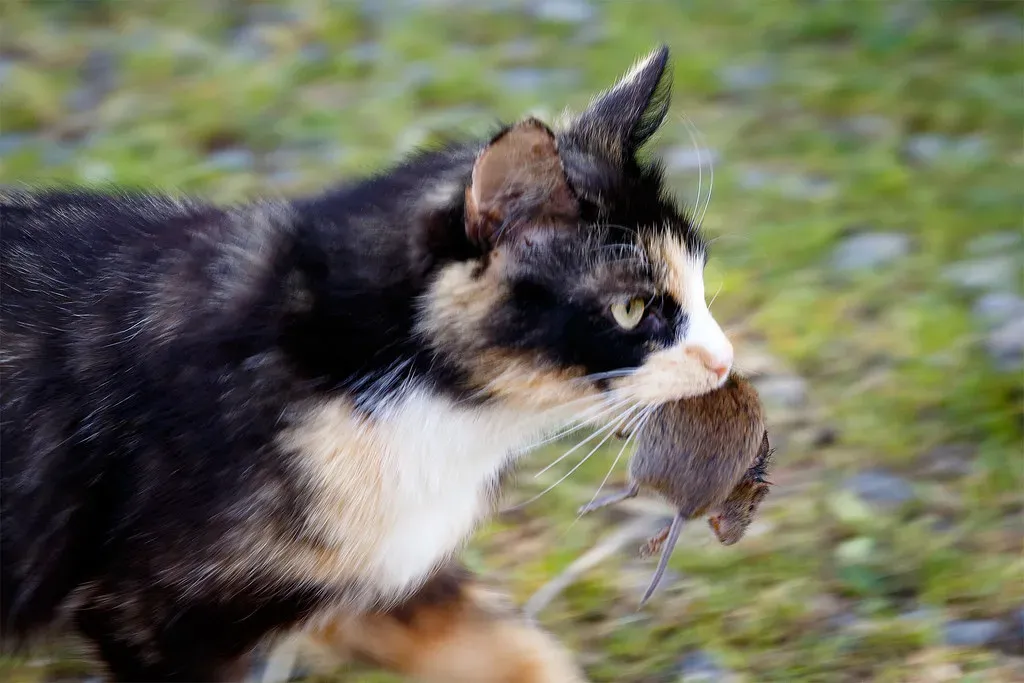
Finding a deceased mouse on your pillow is definitely not everyone’s idea of a thoughtful gift. Still, your cat seems genuinely proud, waiting for praise like they’ve just brought you flowers. Honestly, from their perspective, this is way more valuable than flowers.
This behavior connects to their hunting instinct and social bonding. In the wild, mother cats bring prey to teach their kittens hunting skills. Your cat might be attempting to share their successful hunt with you, their family member who they’ve noticed doesn’t seem to hunt at all. They’re not calling you useless. They’re including you in their success and possibly trying to ensure you won’t starve. It’s actually kind of sweet when you think about it that way.
Hiding When You Have Guests Over
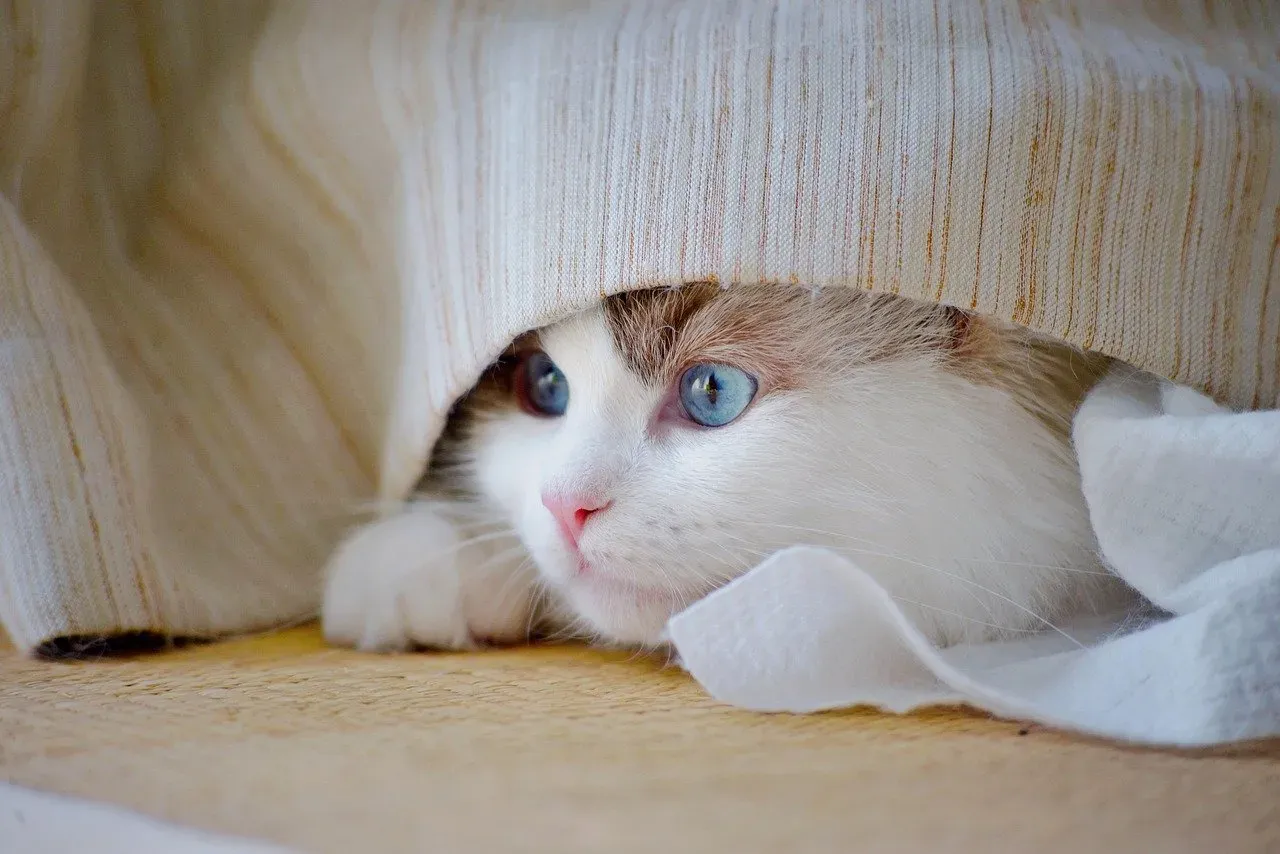
Company arrives and your social butterfly cat suddenly transforms into a ghost, disappearing under the bed for hours. You might feel embarrassed or worry something’s wrong, wondering why your normally friendly cat has turned antisocial.
Research has discovered that cats become stressed when people ignore them, showing clear signs like frequent tail flicking when completely overlooked, likely from sensing someone nearby but not understanding why they’re being ignored. Cats are creatures of routine and territory. New people bring unfamiliar scents, sounds, and unpredictable movements into their carefully controlled environment. Despite growing preference for cats as companion animals, beliefs and misperceptions about them remain common, with cultural and sociodemographic aspects influencing society’s attitudes toward cats. Your cat isn’t being rude to your guests. They’re managing their stress levels in the healthiest way they know how.
Knocking Over Water Bowls and Making Messes
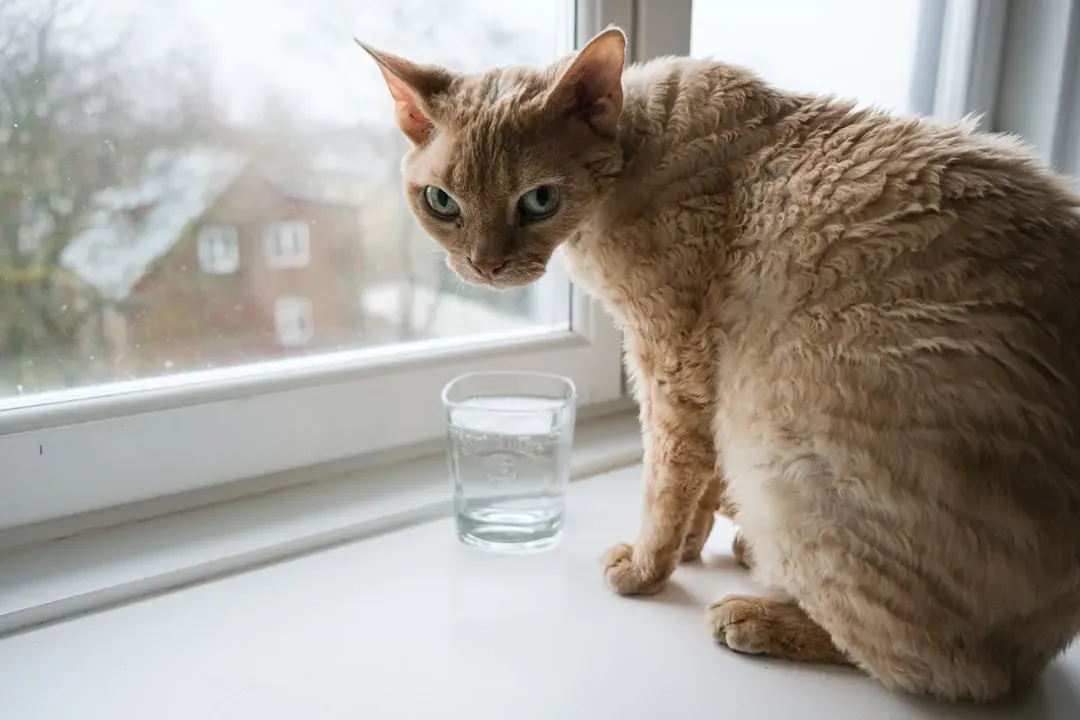
Water everywhere. Again. You just filled that bowl an hour ago, and now it’s completely tipped over, creating a small lake on your kitchen floor. Why do cats do this seemingly destructive thing?
Many cats prefer running water to still water, an instinct from wild ancestors who associated moving water with freshness and safety. Your cat might be trying to create movement in their water bowl by pawing at it, accidentally tipping it over in the process. Some cats also dislike how their whiskers touch the sides of narrow bowls, a sensation that can be genuinely uncomfortable. Before assuming your cat is just being difficult, consider whether they might be trying to solve a problem with the resources available to them. Maybe they’re actually being pretty resourceful.
The Truth About Aloof Behavior and Independence
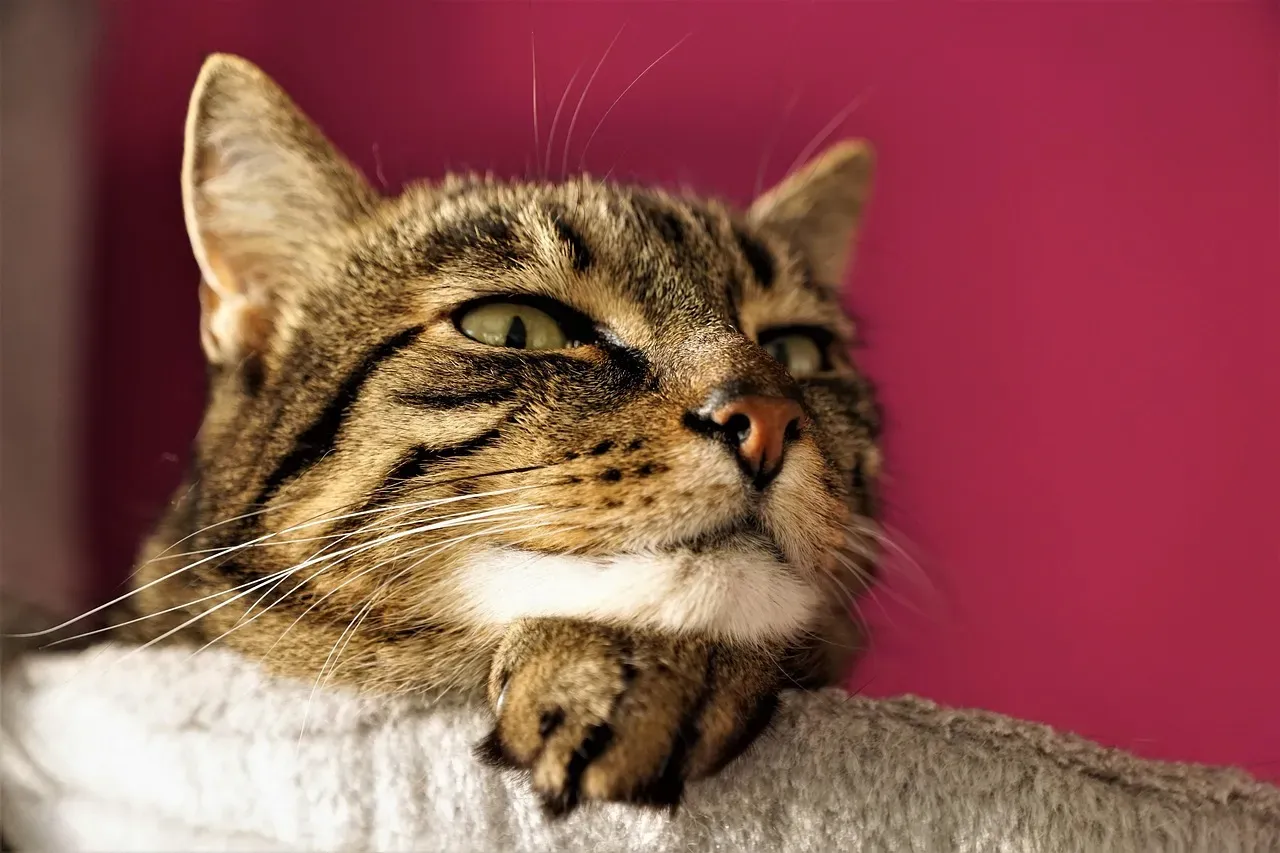
Most cat behavior myths are based on misunderstanding their subtle and sometimes not-so-subtle communication, with cats being intelligent, sensitive, and very much social creatures, just not in the exact way dogs are. This whole “cats are cold and distant” stereotype has done real damage to how we interpret their behavior.
Research shows that 50% of cats chose to spend time with their human owners over food, toys, and scent items, and pet cats form secure attachment bonds to human caregivers at roughly the same rate observed in dog-human bonds and human infant-caregiver bonds. Cats have earned a reputation for being hard to read, but it’s not their fault since they just communicate differently than humans, using their posture, tails, ears, eyes, whiskers, and vocalizations. Your independent cat who seems indifferent to your presence? They probably love you deeply. They just express it differently than a dog would.
What You Can Actually Do With This Information
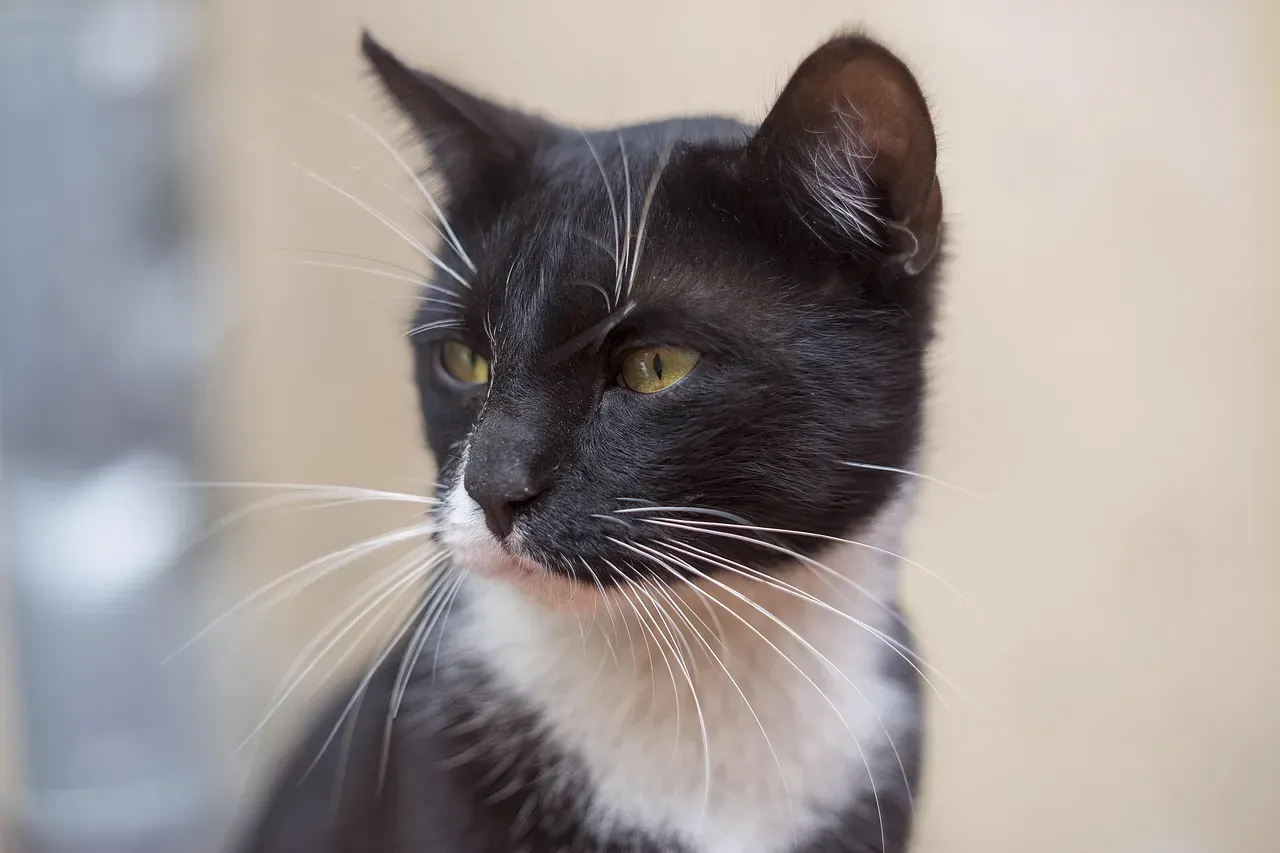
Understanding is only the first step. The real question becomes: now what? How do you translate this knowledge into better communication and fewer frustrations with your feline friend?
Start by observing patterns. When does your cat exhibit certain behaviors? What happens right before? What changes when you respond differently? Developing effective educational strategies for improving human recognition and response to cat communication is crucial given the serious health and safety risks associated with cat bites and scratches, plus the welfare implications of prolonged stress in cats. Remember that cats are not out to frustrate or punish us but are communicating needs, soothing themselves, or simply playing, and when we let go of the idea that cats are tiny furry humans with complicated motives and cynical inner lives, we start to see them more clearly, which prevents misunderstandings and deepens trust and affection. Patience goes a long way. So does recognizing that your cat is doing their best to communicate in a cross-species relationship that’s actually pretty remarkable when you think about it.
Conclusion
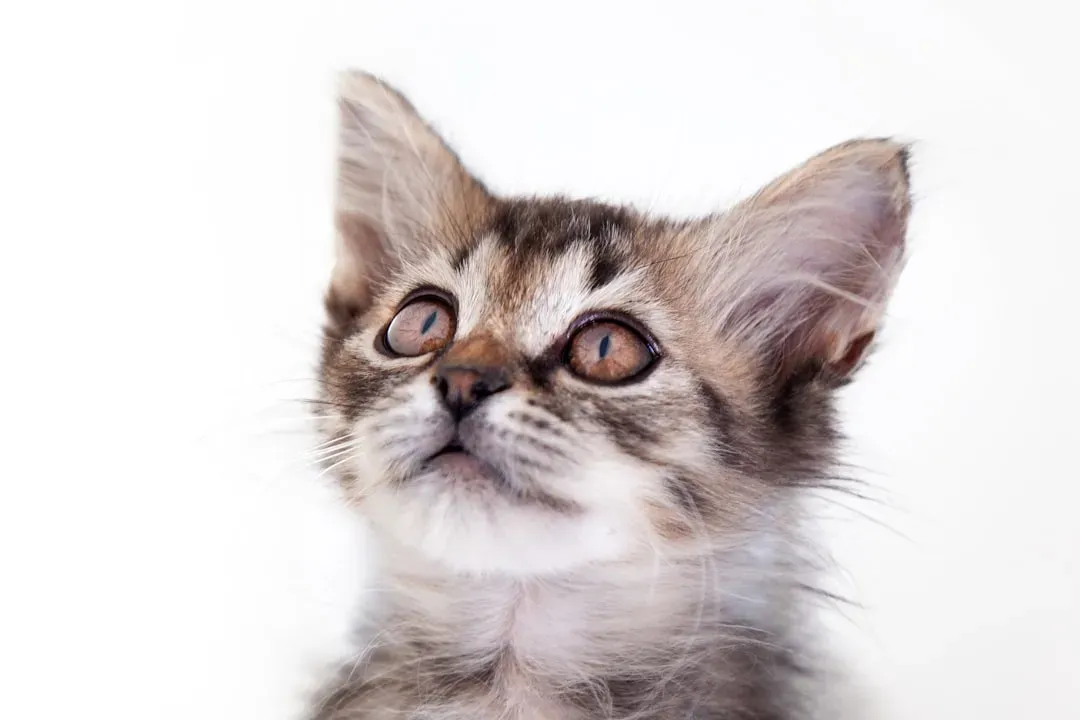
Your cat’s so-called bad behavior isn’t bad at all. It’s communication you haven’t learned to decode yet. Every knocked-over object, every scratched surface, every midnight sprint through the house carries meaning. They’re telling you about their needs, their instincts, their stress levels, and yes, sometimes their boredom.
The next time your cat does something that drives you absolutely crazy, take a breath. Ask yourself what they might actually be trying to tell you. The answer might surprise you, and honestly, it might make you appreciate these weird, wonderful creatures even more. What would you do differently if you could suddenly understand everything your cat was trying to say? Tell us in the comments.