Have you ever walked into your living room to find your feline friend sitting perfectly still, eyes locked on what appears to be absolutely nothing? You glance at the wall, squinting for any sign of what might have captured such intense focus. There’s nothing there. No spider, no shadow, no mysterious mark. Just blank paint. Yet your cat remains frozen, staring with an intensity that borders on unsettling. Is your kitty seeing ghosts? Communicating with another dimension? Or maybe plotting world domination?
Here’s the thing: this behavior is far more common than you might think, and thankfully, the explanations are usually rooted in science rather than the supernatural. Your cat’s fascination with seemingly empty walls often reveals just how different their sensory world is from ours. While you’re seeing a boring stretch of drywall, your cat might be experiencing a whole symphony of sounds, movements, and visual stimuli that completely escape your notice. Let’s dive into the fascinating reasons behind this quirky behavior and discover what’s really going on in that mysterious feline mind.
Those Supersonic Ears Aren’t Just for Show
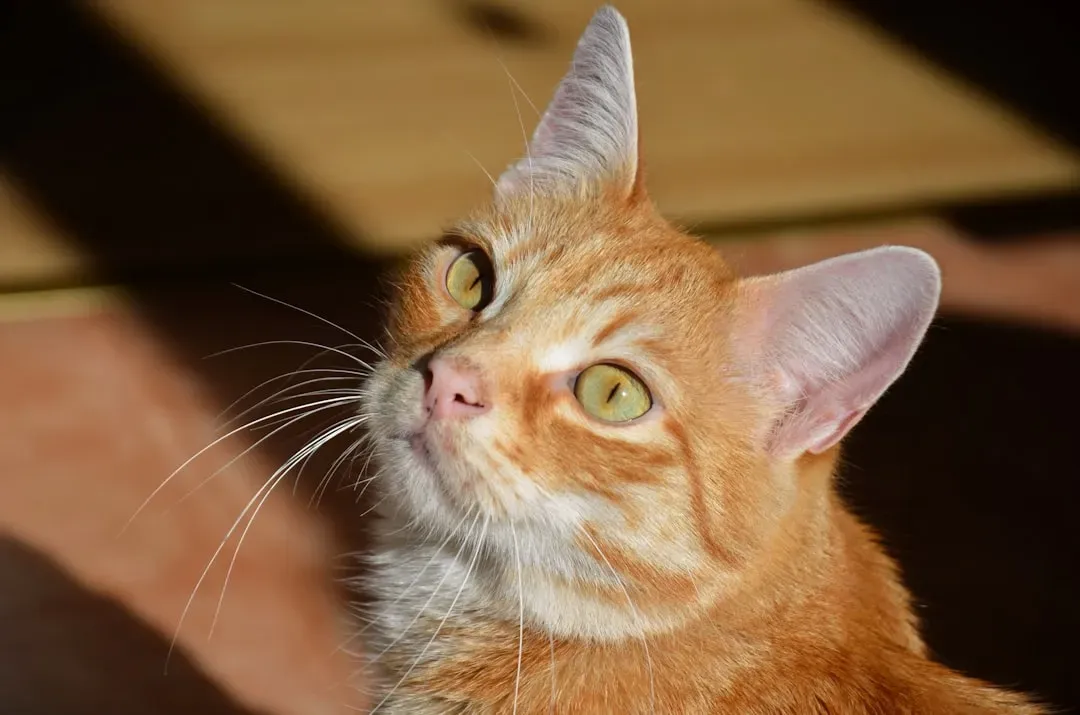
Cats have exceptionally broad hearing ranges, detecting sounds up to 85 kHz, which is about 2 octaves beyond human capability. When your cat fixates on a wall, there’s a good chance they’re tracking sounds you simply cannot perceive. Think about it: cats can hear a mouse squeaking underground or a cockroach scurrying inside the wall.
Their ears swivel independently to pinpoint sound sources, and they can judge within three inches the location of a sound made one meter away. This precision is remarkable. Your home’s walls aren’t solid barriers of silence; they’re alive with vibrations from water pipes, electrical wiring, insects, and potentially rodents making their way through unseen spaces. What seems like an irrational staring contest with your plaster might actually be your cat conducting an acoustic investigation of tiny movements happening behind the surface.
Vision That Operates on a Different Wavelength
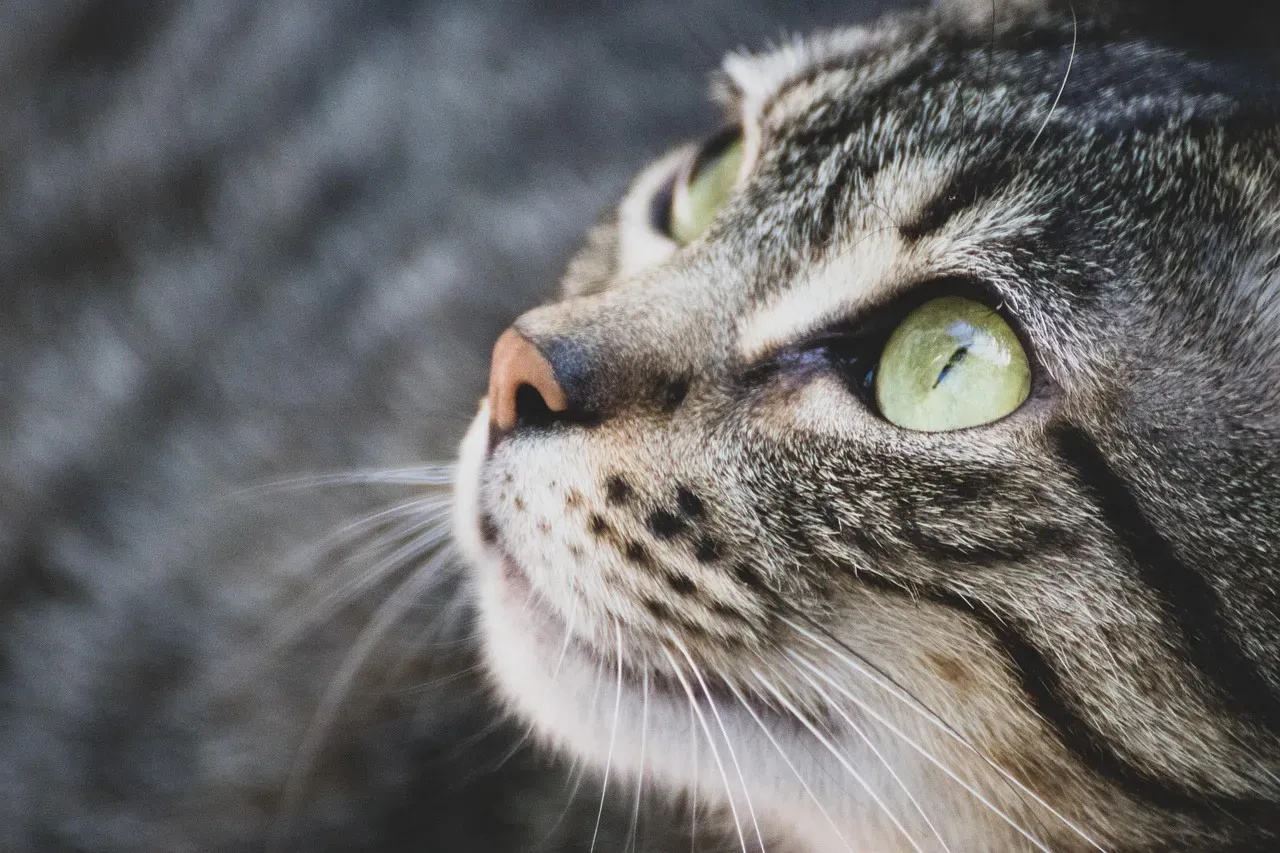
Your cat’s eyes work differently than yours in ways that might surprise you. Cats possess a reflective layer behind their retina called the tapetum lucidum which makes their night vision far superior to humans, as they are able to see seven times better than humans in the dark.
But it’s not just about seeing in low light. Cat vision is optimized for detecting tiny movements. A dust particle floating through a shaft of afternoon light, a minuscule spider making its way across the wall, or even subtle changes in shadow and reflection can hold their attention for extended periods. Cats have a visual field of view of 200° compared with 180° in humans, meaning their peripheral vision captures movements and changes you’d never notice.
The Hunter Within Never Really Sleeps
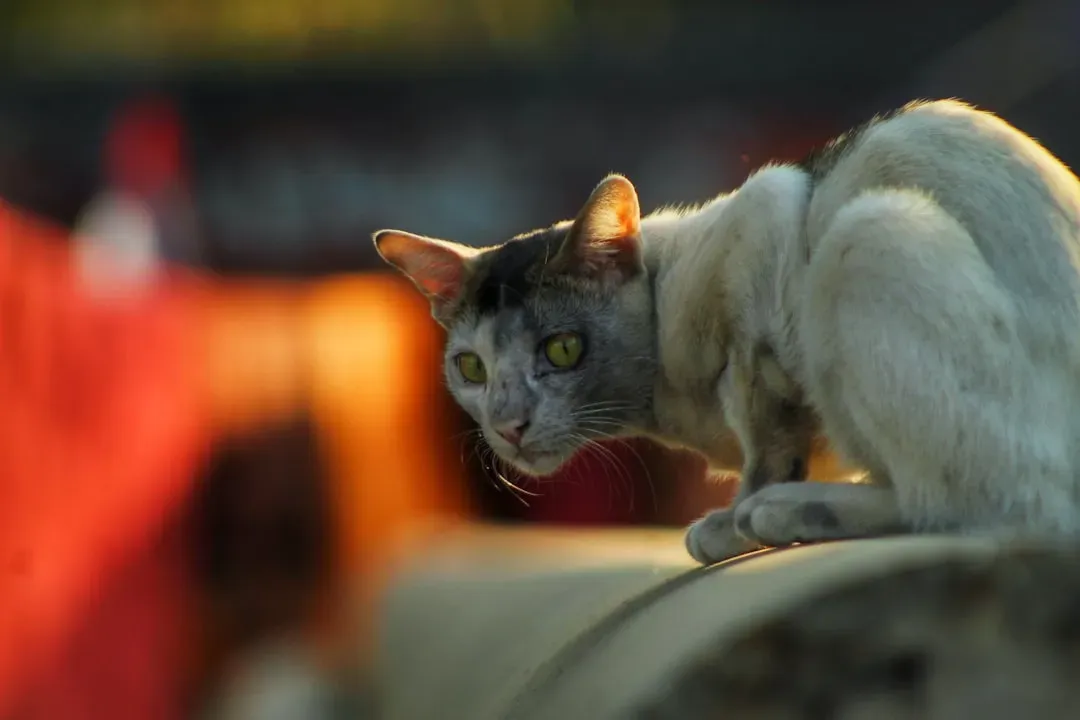
Even the most pampered house cat carries the instincts of an apex predator. Felines, both domesticated and wild, often watch their prey before pouncing; they want to ensure the timing is right for success. When your cat stares intently at a wall, they may have detected a tiny insect you can’t see.
Because cats notice even the slightest of movement, they are very proficient at chasing house spiders, centipedes, moths and other creepy crawlies. That motionless stance? It’s not confusion or boredom. It’s calculated stalking behavior. Your cat is assessing the situation, waiting for the perfect moment to strike. They might be tracking something so small that it barely registers in your field of vision, but to them, it’s a worthy target deserving of their complete attention.
Unwanted Roommates Might Be the Culprit
Let’s be real: nobody wants to think about pests living in their walls, but it happens. Cats’ hearing is so acute that they can detect rodents or insects you have no idea exist. If your cat consistently stares at the same spot on the wall, especially if their ears are moving and adjusting position, you might want to investigate further.
Their keen sense of hearing and smell can alert you to pest activity that may have otherwise gone unnoticed. Mice, rats, and insects often nest inside walls, attics, and crawlspaces where they remain hidden from human detection. When rodents infest your home, they will generally set up a nest in a secluded and hard to reach area, such as inside the walls. Your cat might be providing you with an early warning system that something unwelcome has moved in behind your drywall.
Sometimes Cats Just Zone Out
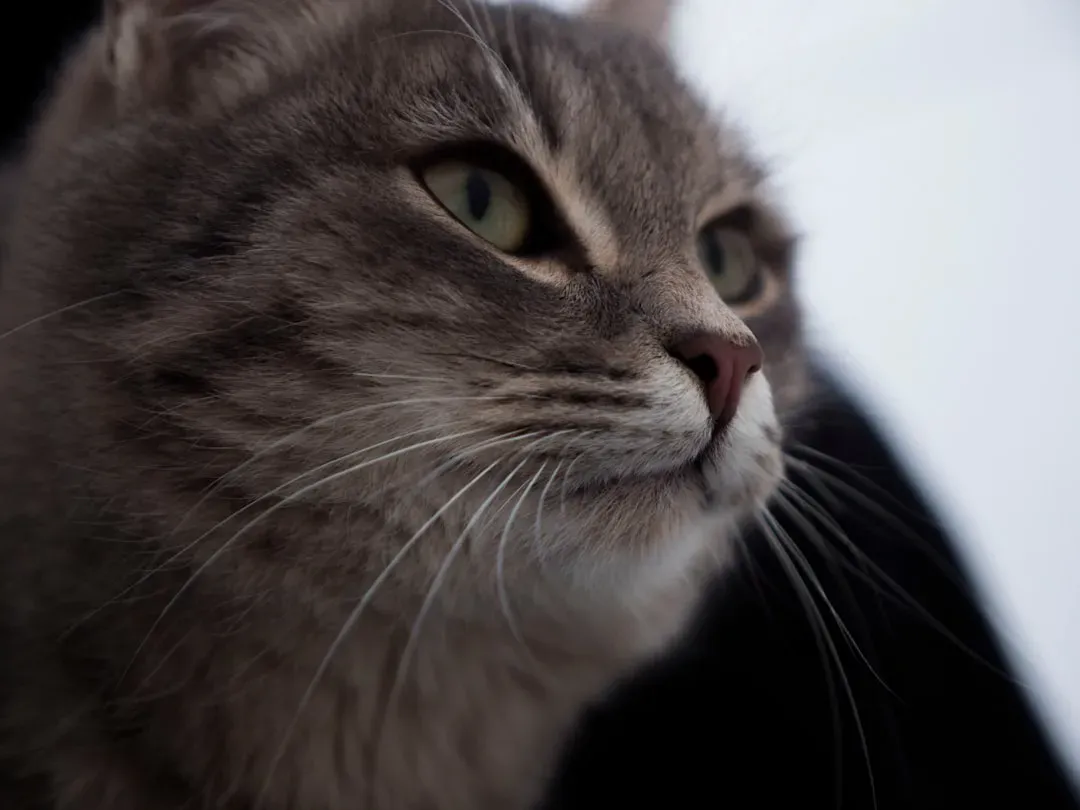
Honestly, not every behavior has a dramatic explanation. Another reason your kitty might be staring at the wall is, actually, for no real reason at all. Just like humans sometimes stare into space while lost in thought, cats have their own version of daydreaming or zoning out.
Like humans, cats sometimes appear to stare into space as they relax or process their surroundings. This is usually harmless. Maybe they’re mentally reviewing their day, contemplating their next nap location, or simply existing in a moment of feline meditation. Cats are simply mysterious animals, and much of their behavior cannot be explained. Cats are known to freeze when they are trying to figure something out. Not everything requires a complex explanation; sometimes a stare is just a stare.
Environmental Changes Can Trigger Curiosity
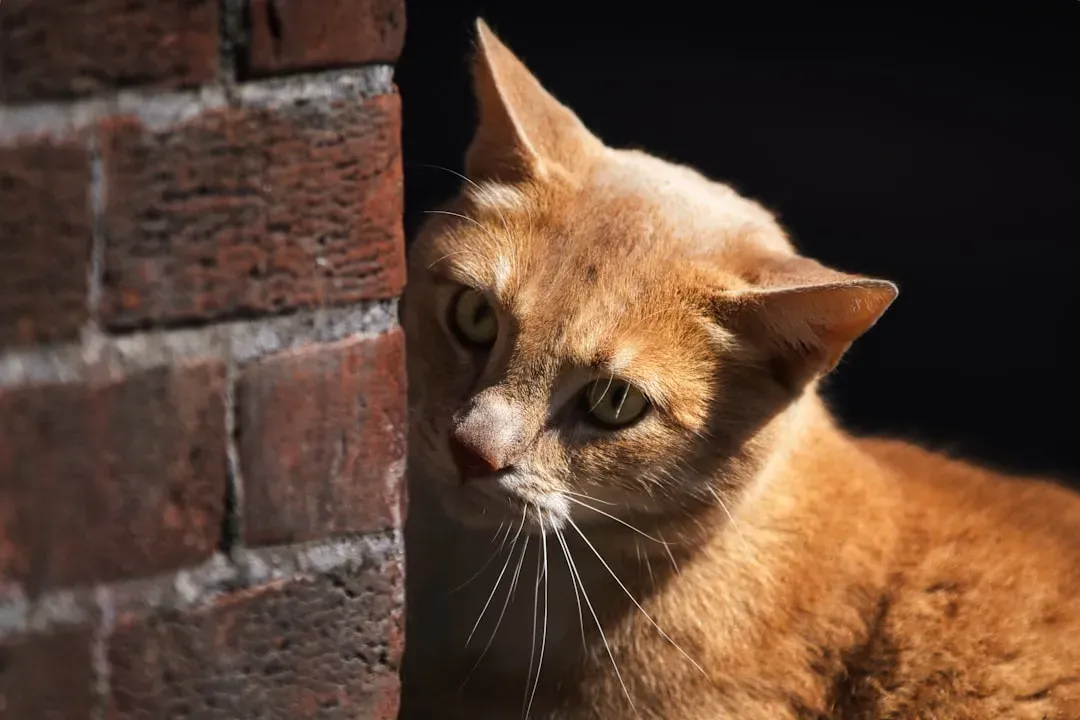
Environmental factors can sometimes be the cause of odd cat behavior, such as staring at the wall. This cause is most common when there have been changes in the environment or new additions in the home. Did you recently repaint a room? Move furniture around? Hang new artwork?
Cats are curious creatures. One minute they are in your lap, purring contentedly; the next, they run off to investigate something. Cats can even notice the slightest change to the room; they know when you have moved something, or a piece of furniture is missing. Your cat might be staring at the wall because something about it is different, and they’re conducting a thorough investigation. New paint colors, different textures, or even rearranged decorations can fascinate cats as they process these changes to their territory.
The Boredom Factor Shouldn’t Be Ignored
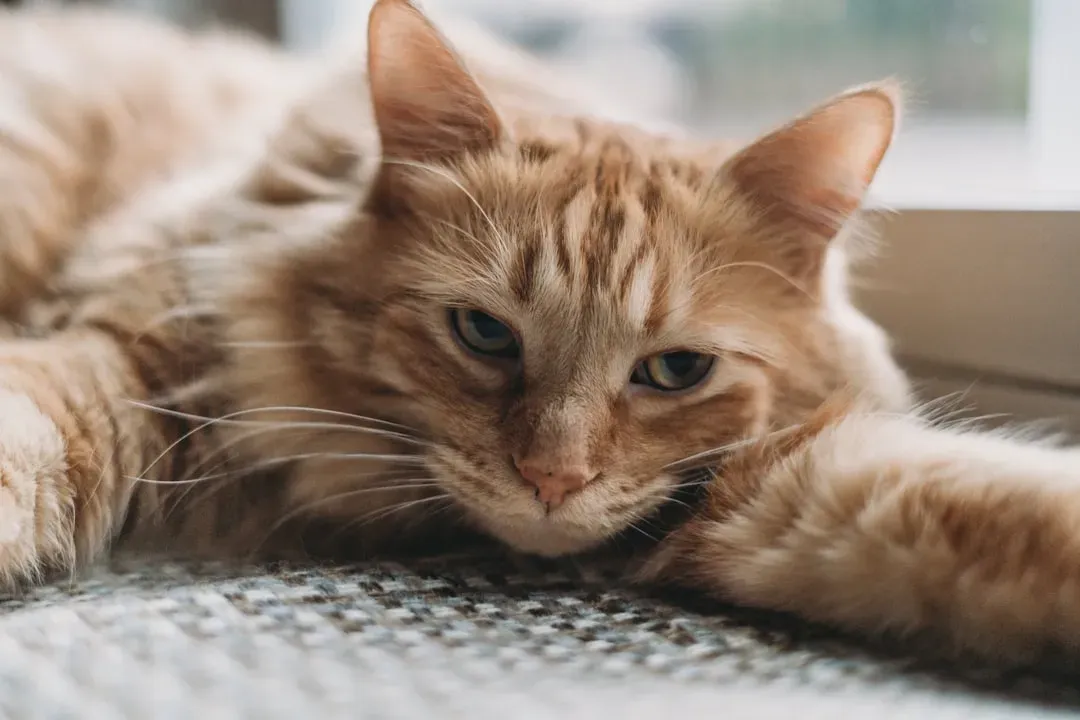
In some cases, a cat may stare at a wall out of boredom or lack of stimulation. Like all animals, cats can experience boredom and may not be getting the mental stimulation they need. If your cat spends long periods engaged in repetitive behaviors like wall-staring, it might be a sign they need more enrichment.
Indoor cats especially require mental and physical engagement to stay happy and healthy. Without adequate stimulation, they may develop odd habits simply to occupy themselves. Puzzle feeders, interactive toys, climbing structures, and regular play sessions can help redirect their attention to more engaging activities. Cats can stare at the wall when they’re bored or anxious. Training your cat, playing games and getting them some new toys can help if they’re bored.
Stress and Anxiety Can Manifest in Strange Ways
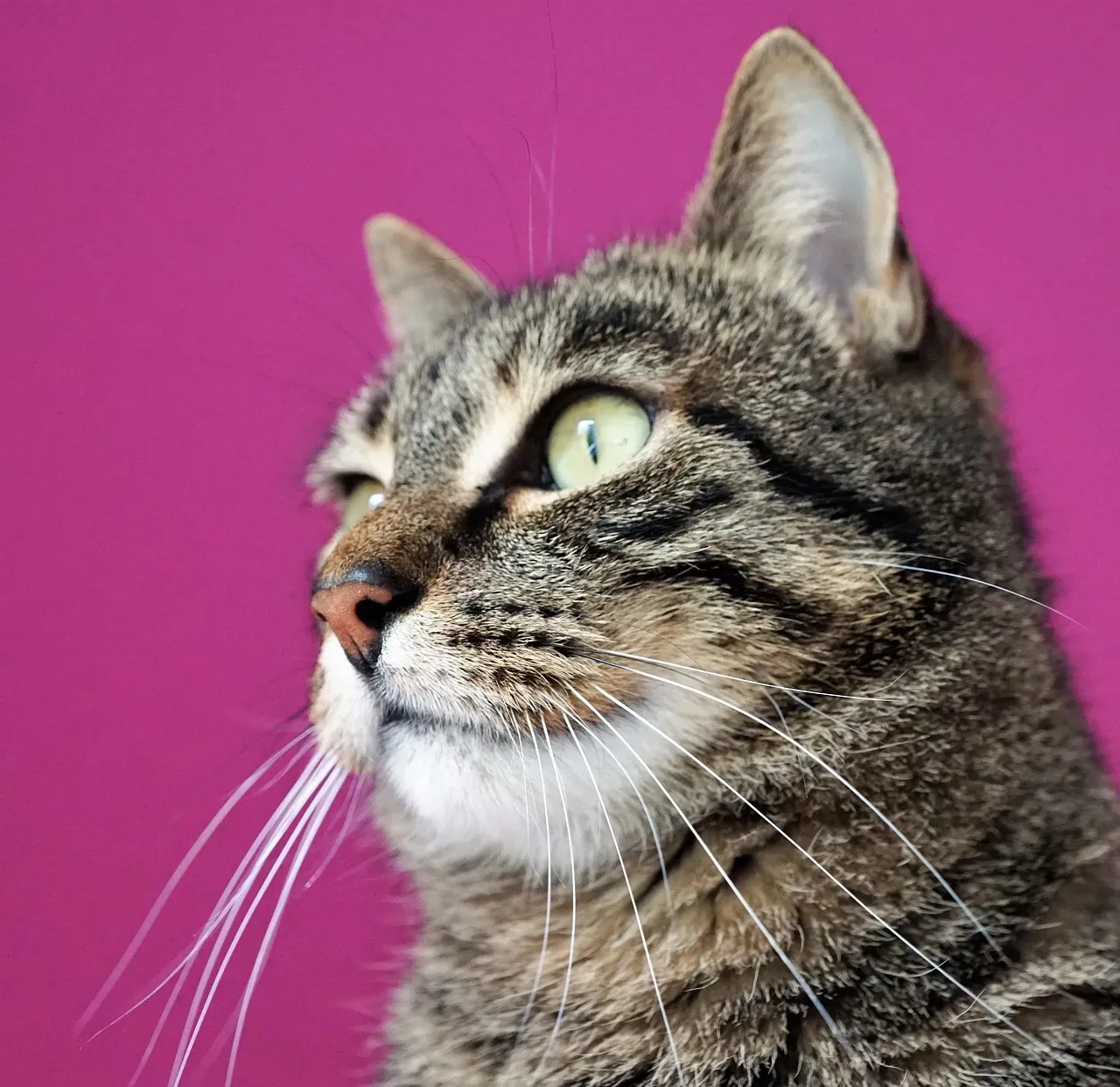
Cats who are under stress can fall into repetitive, unusual behaviours. If you’re asking why your cat stares at a wall, don’t just consider physical health reasons; it can mean anxiety or stress. Changes in household routine, new pets, moving homes, or even rearranged furniture can trigger stress responses in sensitive cats.
When cats feel anxious or overwhelmed, they sometimes engage in behaviors that seem bizarre to us but provide them with a sense of control or comfort. Staring at a fixed point can be a self-soothing mechanism, similar to how some humans fidget or pace when nervous. If your cat’s wall-staring seems excessive and coincides with other behavioral changes like hiding, reduced appetite, or aggression, stress might be the underlying cause. Creating a calm, predictable environment with plenty of hiding spots and vertical spaces can help reduce feline anxiety.
When Age Becomes a Factor
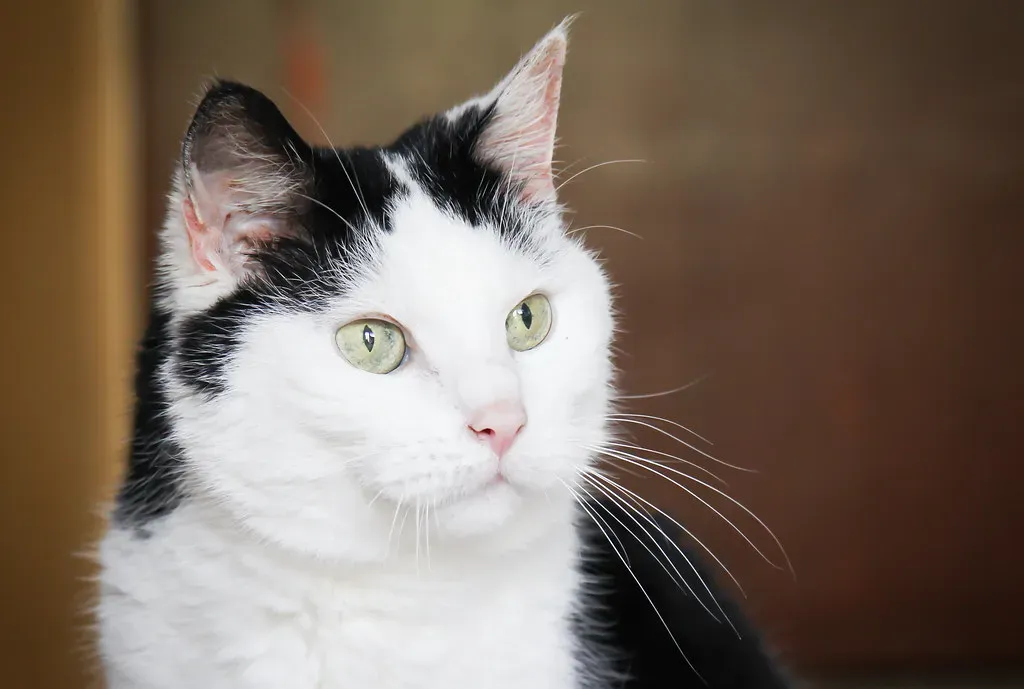
Roughly 28% of cats between 11 and 14 years old develop at least one CDS-related behavioral concern, rising to 50% of cats over 15 years old. Cognitive dysfunction syndrome, often called feline dementia, affects senior cats as their brains age. The behavioral signs of cognitive dysfunction tend to become clearly noticeable in cats that are 10 years of age or older. The signs include spatial disorientation, wandering, excessive sleeping, altered sleep cycles, long periods of staring blankly into space or at walls.
Cognitive dysfunction occurs when age-related decline causes a buildup of a protein called beta amyloid. As this protein builds up, damage occurs to the brain, and blood flow to the brain is slowed. This results in the death of a cat’s brain neurons. If your senior cat stares at walls accompanied by confusion, changes in litter box habits, altered sleep patterns, or excessive vocalization, it’s worth scheduling a veterinary checkup. While there’s no cure for cognitive decline, early intervention can help slow progression and improve quality of life.
Medical Concerns That Require Veterinary Attention
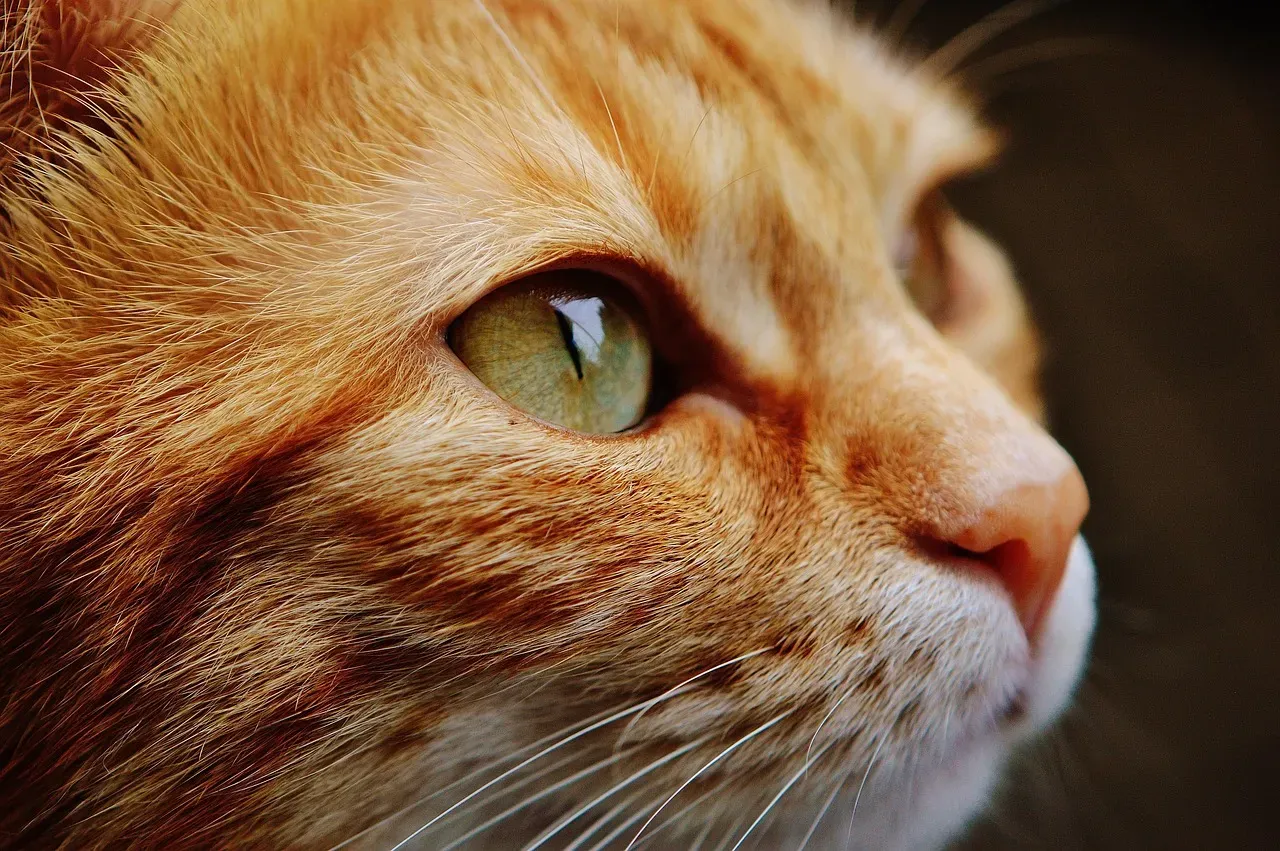
Occasionally, long periods spent gazing at the wall can indicate something more serious is going on with your kitty. Staring at the wall can be a symptom of three concerns: Feline cognitive dysfunction, feline hyperesthesia syndrome, and head pressing. While most wall-staring is harmless, certain red flags shouldn’t be ignored.
You should call your vet urgently if your cat is pressing their head against the wall as this is symptom of several serious issues. Head pressing differs from simple staring; it involves physically pushing the head against walls and can indicate neurological problems, liver disease, or toxin exposure. If your cat is having trance-like periods of staring at the wall in-between episodes of manic behavior, they could be suffering from feline hyperesthesia syndrome. The cause of this unpleasant syndrome in cats is not fully understood, but affected cats often meow or howl loudly, are sensitive to the touch, groom themselves frantically, and have enlarged pupils. If you notice prolonged staring accompanied by other concerning symptoms, professional veterinary evaluation is essential.
What You Can Do About It
Most of the time, your cat’s wall-staring habit is completely normal and doesn’t require intervention. If your cat stares at the wall only occasionally, it’s likely nothing to be worried about. The good news is that most causes of wall-staring are benign. Simply appreciate that your cat experiences the world in ways you cannot fully understand.
However, if you’re concerned or want to ensure your cat is engaged and healthy, there are steps you can take. First, investigate the area where they’re staring. Check for signs of pests, inspect for cracks or holes, and listen carefully for any sounds. Increase environmental enrichment with new toys, climbing structures, and interactive play sessions. If your cat is staring at the wall and displaying any other symptoms, they should be brought in for an evaluation. Schedule a vet visit if your cat has started staring at the wall and is elderly, as old cats staring at the wall are more likely to be suffering with a medical problem. Trust your instincts; you know your cat better than anyone.
The mystery of why cats stare at walls ultimately reveals the fascinating differences between human and feline perception. Their superior hearing, specialized vision, hunting instincts, and unique way of processing their environment mean that what appears empty to you might be extraordinarily interesting to them. Most often, this behavior is completely harmless and simply highlights the remarkable sensory capabilities that make cats such effective predators and endlessly intriguing companions.
While occasionally wall-staring can signal health concerns, especially in senior cats or when accompanied by other symptoms, the vast majority of the time it’s just your cat being wonderfully, mysteriously feline. So the next time you catch your cat locked in an intense staring contest with your living room wall, remember they’re probably detecting something you can’t, engaging ancient hunting instincts, or simply enjoying a moment of contemplative meditation. What do you think your cat sees that you’re missing? The answer might be more fascinating than you’d expect.