You probably wipe down your kitchen counters, vacuum the floors, and take pride in maintaining a tidy home. Yet somehow, uninvited guests might already be living under your roof without you realizing it. Pests are sneaky creatures, experts at hiding in plain sight, and the subtle clues they leave behind are often dismissed as household quirks or ignored entirely.
Here’s the thing: by the time you spot a cockroach scurrying across the kitchen floor or hear loud scratching in the walls, the problem has likely grown far beyond what you imagined. Most of the time, pests avoid open spaces, move at night, and take advantage of tiny gaps that humans overlook. That’s precisely why catching these warning signs early can save you from costly repairs, health risks, and sleepless nights.
Faint Noises in the Night That Seem Harmless
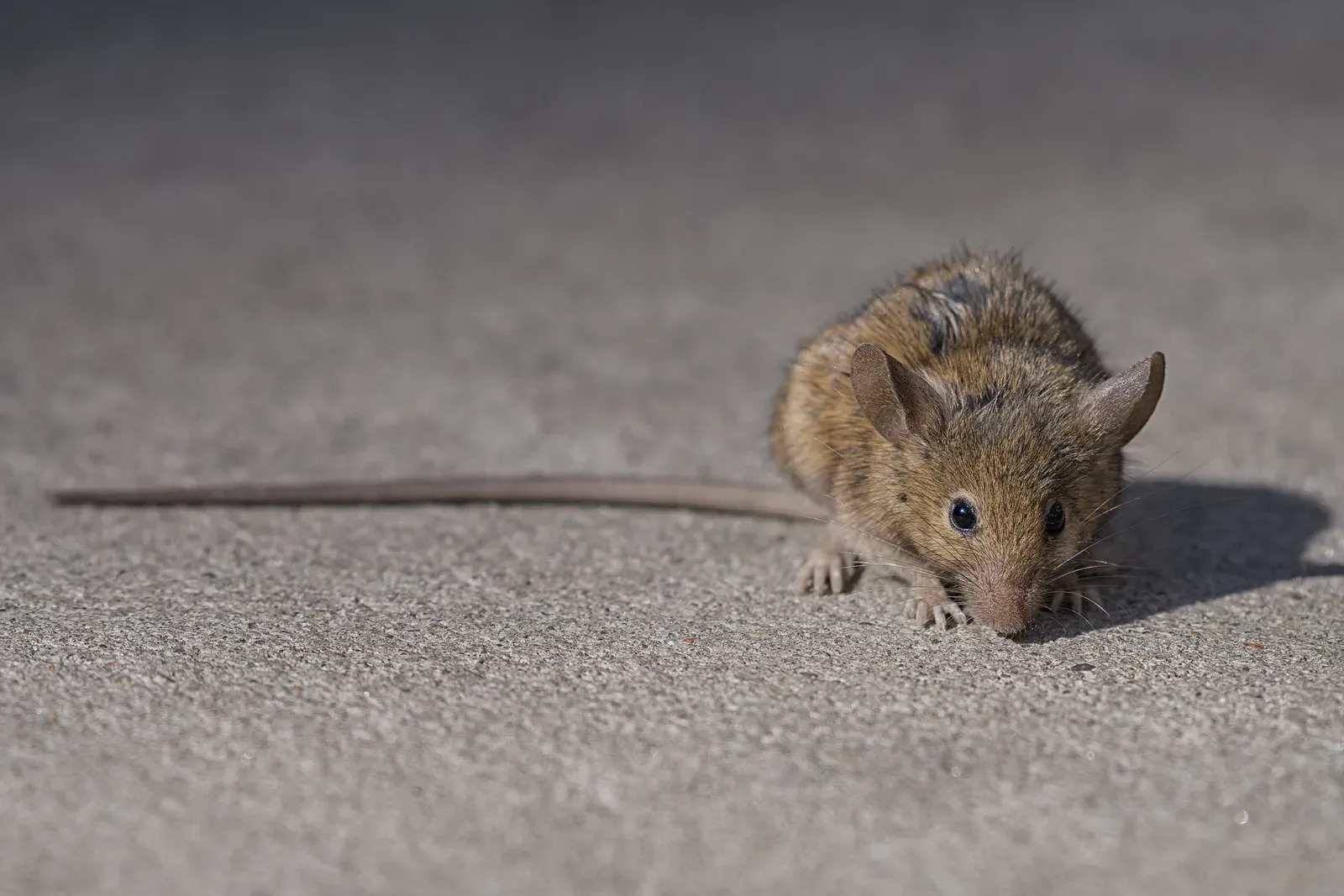
Let’s be honest, most people chalk up strange sounds to an old house settling. Scratching, scurrying, or squeaking sounds coming from your walls, ceiling, or attic, especially at night, are often the first sign that rodents like mice, rats, or squirrels have made their way into your home. Rodents are nocturnal creatures, so they’re most active after you turn off the lights.
Rats and mice tend to travel along the same predictable routes, like behind drywall or above drop ceilings, and if you hear scratching or squeaking regularly, especially between midnight and early morning, it is essential not to dismiss these sounds as random or isolated. Honestly, these noises can signal a hidden population that’s busy building nests and multiplying out of sight.
Strange Smells You Can’t Quite Place
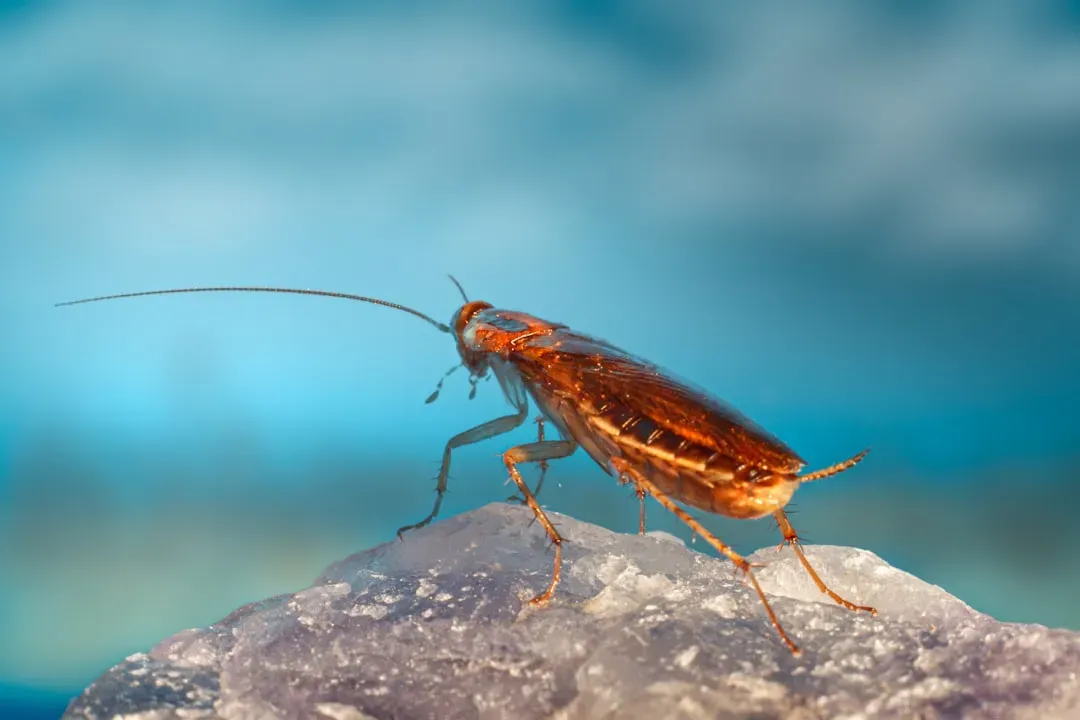
Your home has familiar smells: fresh laundry, brewing coffee, maybe the occasional burnt toast. Yet when an unfamiliar odor lingers despite your best cleaning efforts, you should investigate. A persistent, musty odor that you can’t seem to locate is a common sign of a pest infestation, and cockroaches produce a foul, oily smell that becomes more noticeable as their numbers grow.
Rodent urine has a strong ammonia-like scent, and a dead animal trapped in a wall can create an overpowering stench. These odors don’t vanish with regular ventilation or air fresheners. If you catch a whiff of something musty or oily near your basement, attic, or behind large appliances, it’s worth digging deeper.
Tiny Droppings That Look Like Dirt
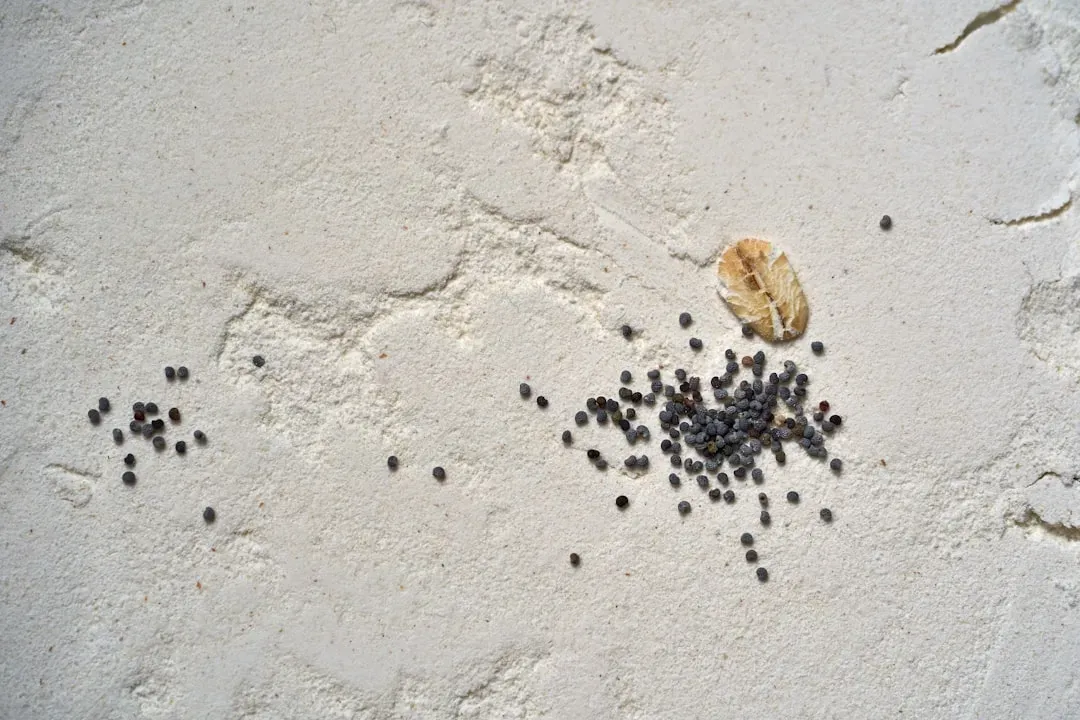
Small droppings are one of the telltale signs you’re dealing with unwanted pests in your home, but sometimes these droppings aren’t as obvious as you might think, and depending on the type of infestation and the age of the droppings, you might mistake them for clumps of dirt. The most common culprits are rats and mice who leave small rice-shaped droppings behind.
Cockroach droppings look more like coffee grounds or black pepper and are commonly found near food sources, in drawers, and behind appliances. I know it sounds gross, but checking dark corners, inside cabinets, and along baseboards can reveal these silent warning signs before the problem escalates.
Dark Grease Marks Along Walls

Rats and mice tend to run along the same paths every day, often hugging walls and baseboards for security, and over time, the oil and dirt from their fur leave dark smudges or grease marks along these routes. These marks often go unnoticed because they blend into shadows or accumulate slowly over weeks.
You can often spot these telltale signs along walls, in corners, and near entry points like small holes or gaps. Cockroaches also leave behind similar greasy streaks, especially in kitchens and bathrooms. Pay attention to any smudgy trails near the floor – they’re not just dirt, they’re evidence of frequent pest traffic.
Gnaw Marks You Assumed Were Normal Wear
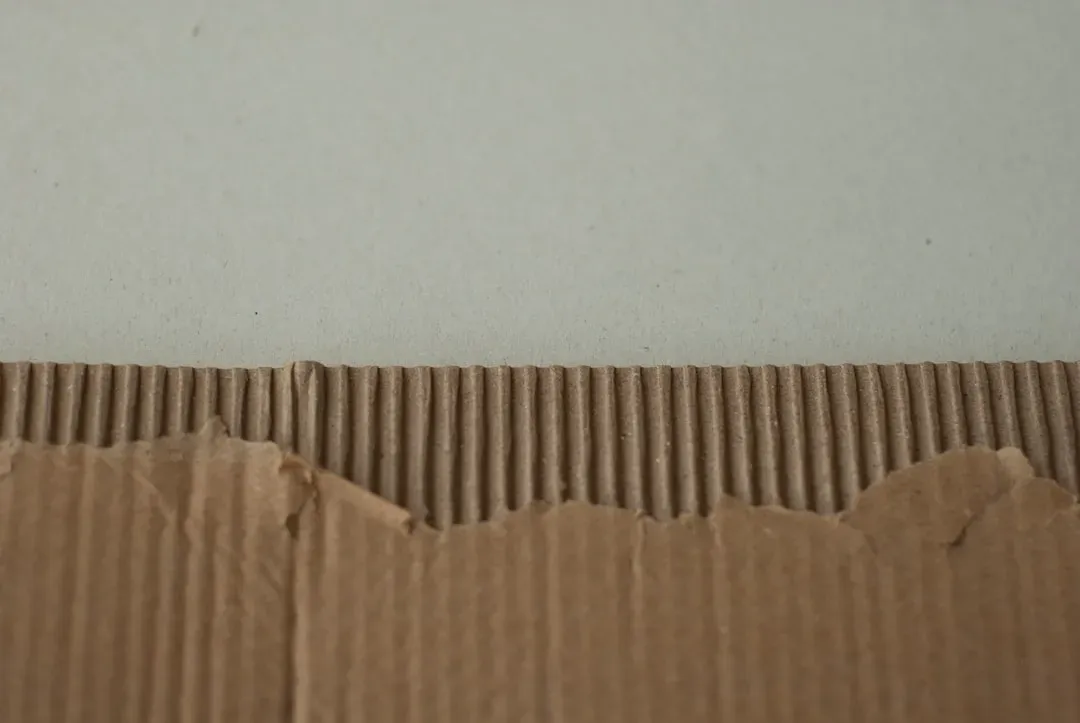
It’s hard to say for sure, but those small bite marks on cardboard boxes, furniture legs, or even electrical wires might not be age-related damage. If you notice chew marks on food packaging, wires, furniture, or other items around your home, rodents are likely to blame, as mice and rats constantly need to gnaw on objects to keep their teeth from overgrowing.
Rodents have teeth that constantly grow, forcing them to gnaw on hard surfaces like wood, plastic, and even electrical wiring, and chewed wires create a serious fire hazard. Termites are another silent destroyer that can gnaw through wood structures without leaving obvious traces until major damage occurs.
Shredded Material in Hidden Corners
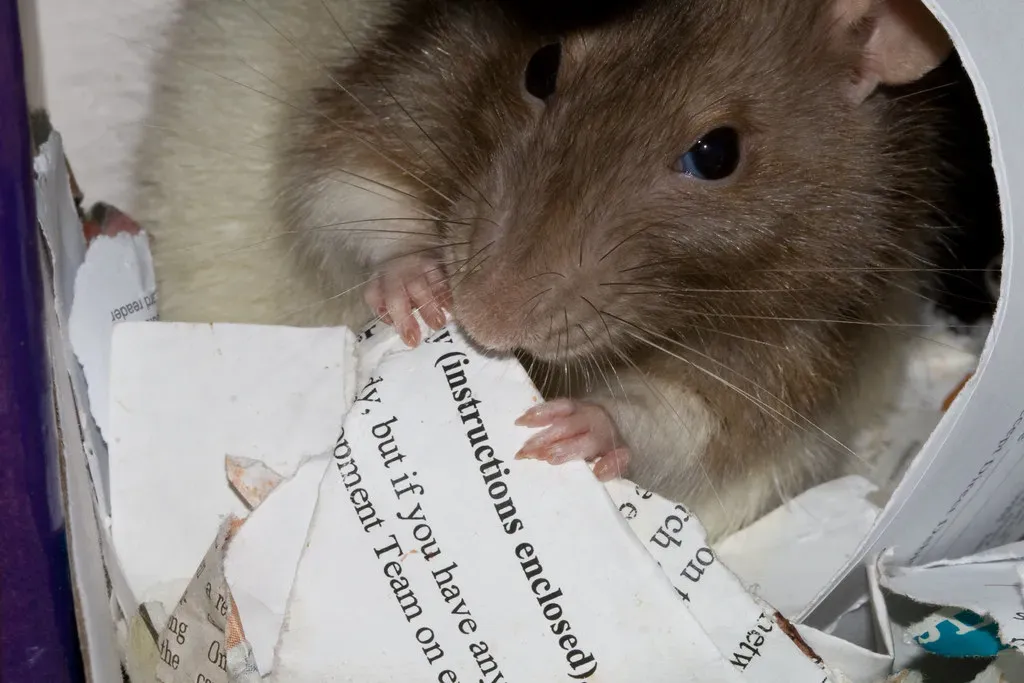
Finding shredded paper, cardboard, or fabric is a clear sign of a rodent infestation, as mice and rats use these materials to build their nests. These nests are typically tucked away in attics, behind appliances, inside wall voids, or in storage areas where disturbances are rare.
Pests seek sheltered, hidden spots to build their nests, and rodents will shred materials like paper, fabric, and insulation to create comfortable nests in attics, basements, wall voids, or behind large appliances. If you stumble upon piles of torn insulation or mysteriously shredded cardboard, you’re looking at a cozy pest home.
Unusual Behavior From Your Pets

Pets can often sense the presence of pests before humans do, and if your dog or cat suddenly starts acting agitated, pawing at walls, or sniffing around specific areas obsessively, it could be a sign that they’ve detected rodents or insects lurking. Dogs and cats have far more sensitive hearing and smell than we do.
If your normally calm pet starts fixating on a particular spot in the wall or floor, don’t brush it off. Their instincts are sharper than ours, and they might be alerting you to a problem that hasn’t become obvious yet. Watch for changes in their behavior, especially near kitchens, basements, or storage rooms.
Dead Bugs Near Windows or Basements
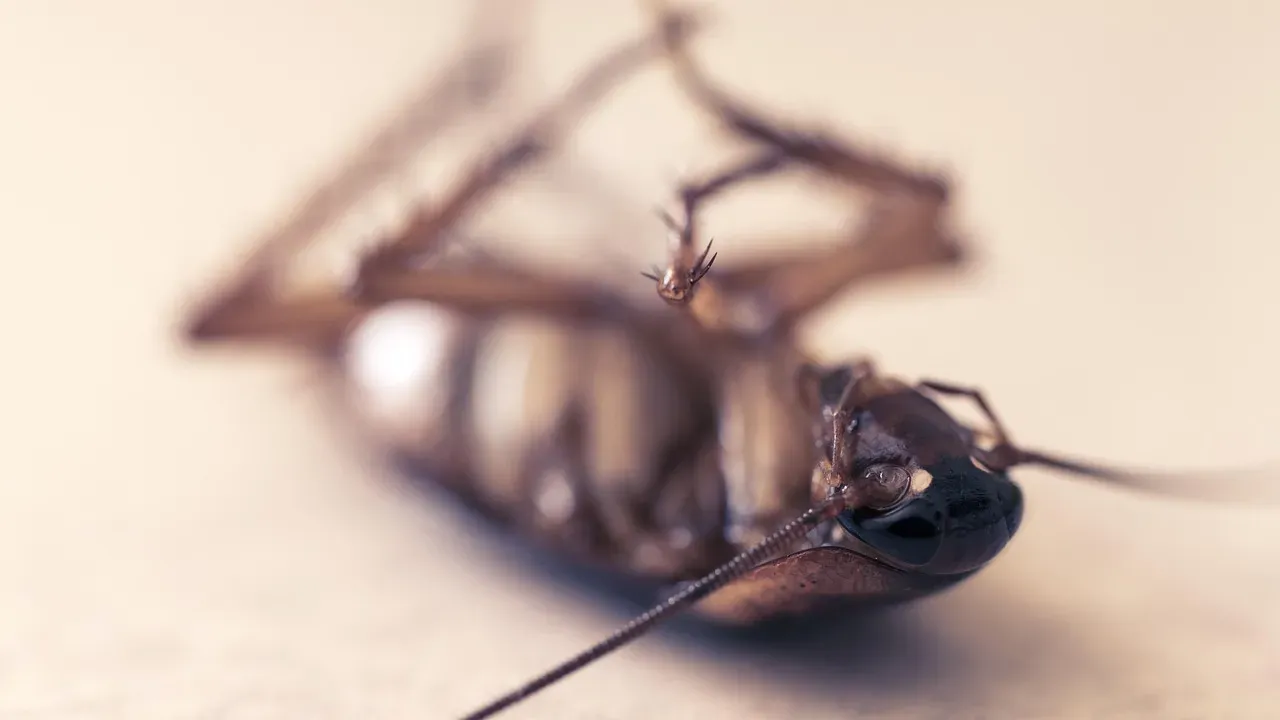
Finding lots of dead insects in your basement indicates a high moisture content in the area, and basements often have higher humidity, which attracts pests, but the lack of food sources can lead to their death. While a few dead bugs here and there might be normal, piles of them suggest something bigger.
Dead bugs often indicate that there are living ones nearby, as pests rarely travel alone. If you consistently discover dead cockroaches, beetles, or ants near windowsills or in damp areas, it’s time to investigate further. These casualties are often just the tip of the iceberg.
Conclusion: Don’t Wait Until It’s Too Late

One of the trickiest things about pest infestations is that the first signs rarely appear in plain sight, and since these signs are subtle, they’re easy to miss unless you’re looking specifically for them. Early detection isn’t just about saving money on repairs – it’s about protecting your family’s health and maintaining peace of mind in your own home.
Remember, pests multiply rapidly, and what starts as a minor annoyance can spiral into a serious infestation if ignored. Stay vigilant, inspect those hidden corners, and trust your instincts when something seems off. Did anything on this list surprise you? What warning signs have you noticed in your own home?